What Crystal Is This? How to Identify Any Stone From One Photo
Identifying crystals · 7 min read · 6 August 2026
You do not need a geology degree to name a stone. You need four questions in the right order, and to know the point where guessing has to stop.
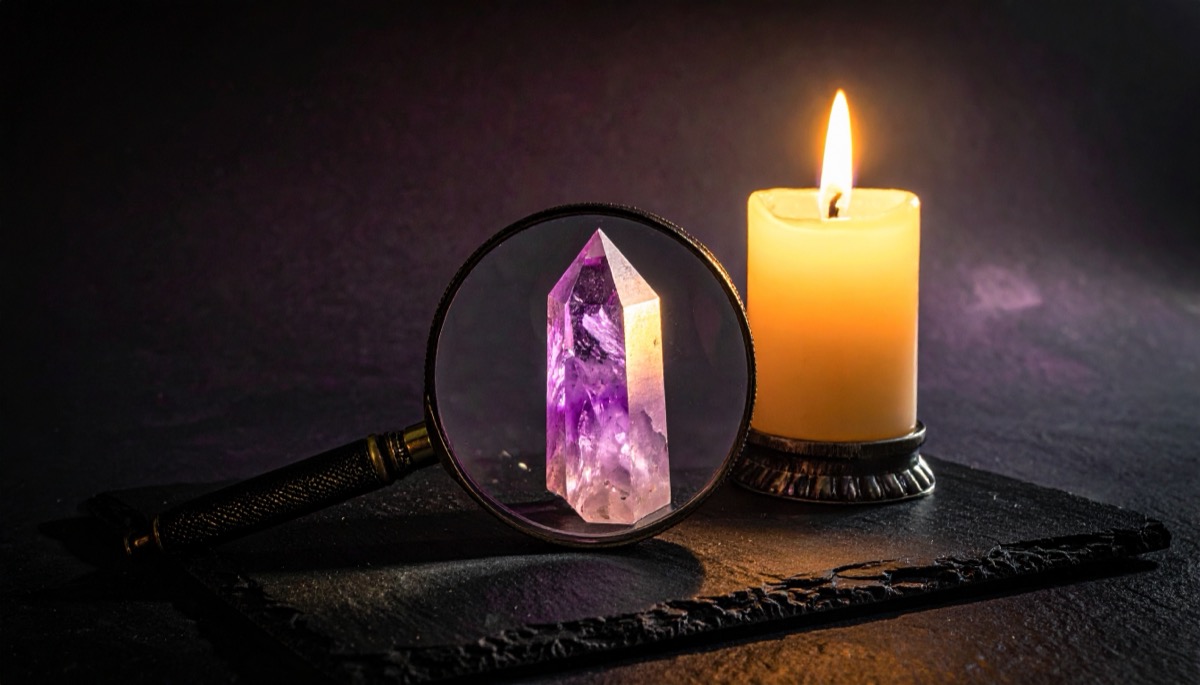
There is a stone in your hand and no name attached to it. Maybe it came out of a shop bin, maybe off a beach, maybe from somebody who is gone now.
You could post it to a group with the caption everybody uses, what crystal is this, and get eleven answers back. Four will say quartz. One will say moldavite.
None of them can feel the weight of it, or watch how the light sits on the surface. You can.
Naming a stone is not a guess. It is elimination, in a fixed order, and it runs the same at a kitchen table as it does in a lab. You want to know what you are holding before you decide what it means to you.
Identify most crystals by working four questions in order: color, then luster (shiny, glassy, dull, metallic), then hardness (does it scratch glass), then form (points, layers, bands, cube). Each answer cuts the list down. That path IDs common stones like amethyst, rose quartz, or hematite in about a minute. Dyed and lookalike stones are where it breaks, and that's where a scan earns its place.
The decision path (in order)
Order matters. Each question narrows the field before you ask the next one, so you're never comparing your stone against everything at once.
1. Colour. Start here because it's obvious, but don't stop here, because colour lies. Amethyst is purple, but so is dyed agate. Note the colour and how even it is, then keep going.
2. Luster. How does the surface throw light? Glassy like quartz, metallic like hematite, pearly like selenite, silky, waxy, or dull. Luster is one of the most reliable tells and most people skip it.
3. Hardness. Can it scratch glass? Quartz-family stones (Mohs 7) scratch glass easily. Soft stones like selenite (2), fluorite (4), or calcite (3) get scratched by a steel blade. One scratch test splits your list roughly in half.
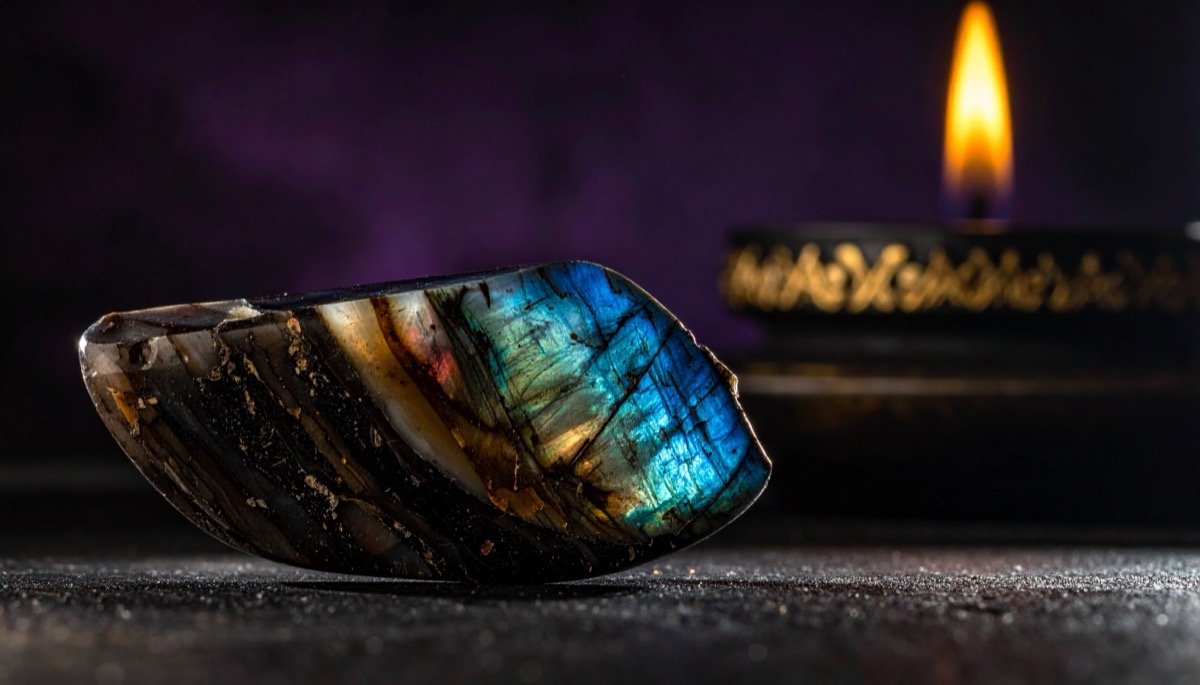
4. Form and structure. How did it grow? Six-sided points suggest quartz. Perfect cubes suggest fluorite or pyrite. Thin flat layers suggest selenite or mica. Bands and stripes suggest agate. A flash of colour that moves when you tilt it suggests labradorite.
The ID table
Run your stone down this table. The row that matches all four columns is your best guess.
| Colour | Luster | Hardness | Form | Likely stone |
|---|---|---|---|---|
| Purple, zoned | Glassy | Scratches glass (7) | Points, geode | Amethyst |
| Clear | Glassy | Scratches glass (7) | Six-sided points | Clear quartz |
| Soft pink | Glassy, cloudy | Scratches glass (7) | Chunky, massive | Rose quartz |
| Black, glossy | Vitreous to dull | ~7 | Striated rods | Black tourmaline |
| Silver-grey | Metallic | 5 to 6.5 | Heavy, dense | Hematite |
| White, translucent | Pearly, silky | Very soft (2) | Thin layers, wands | Selenite |
| Green/purple | Glassy | Soft (4) | Cubes, octahedra | Fluorite |
| Grey, drab until tilted | Metallic flash | 6 to 6.5 | Slabs, freeform | Labradorite |
Why photo ID beats a chart
Charts have one fatal flaw: they show a single flawless specimen per stone. Real crystals don't look like that. Your rose quartz is cloudier than the chart's, your amethyst is paler, your hematite has a coating of dust. So you hold your actual stone next to one idealized photo and talk yourself into or out of a match.
Photo identification flips it. Instead of comparing your stone to one perfect example, you compare it against many real examples, including the ugly, cloudy, oddly-cut ones that look like what you actually own. That's why a scan catches things a chart misses. It's pattern-matching across variety, not against a single reference.
Where DIY runs out
Be honest about the limits, because bad ID is worse than no ID.
Dyed and treated stones break the whole path. Dyed quartz is still Mohs 7 and still glassy, so colour, luster, hardness, and form all say "real quartz" while the colour is fake. The path can't see dye.
Lookalikes stack up: selenite versus satin spar, jade versus serpentine, real turquoise versus dyed howlite. These share colour, luster, and hardness closely enough that the naked eye struggles.
Rough field rocks are the hardest of all. A muddy creek stone has no clean face to read luster or form from. That's a job for a rock shop or a proper streak-and-acid test, not a phone.
So what do you actually do
Work the path first. For common polished crystals it gets you a confident answer for free, and you'll learn your collection in the process. When the path stalls, on a dye job, a lookalike, or a rough rock, stop guessing and scan it.
Some stones name themselves
A few skip the path entirely, because the shape is the answer.
Blue kyanite grows in long flat blades, fanned in bundles like splinters of blue glass. Optical calcite doubles a line of print when you set it on the page, and nothing else on a shop shelf does that so plainly. Bismuth is a stepped rainbow staircase of nested squares. Nothing in the ground grows that way, because it was made in a pot rather than mined.
Then two that were never minerals. Orthoceras are straight tapering cones lying in a black slab. Ammonite is a coiled spiral with lacy frilled lines between the chambers. Both were animals. Both get helped along. Moroccan orthoceras slabs are etched with acid to lift the fossils out and the black background is usually shoe polish. The animal is real. The contrast was arranged.
Two habits that make every ID easier
First, photograph in daylight, never under warm indoor bulbs. Yellow lamplight fakes out colour reads on everything, turning clear quartz golden and washing amethyst grey. A windowsill on a bright-but-cloudy day is the best free lightbox you have. Second, get more than one angle: a shot down the point, a shot of the base, and a shot with light coming through the side. Luster and transparency only show up when light moves across the stone, and one flat top-down photo hides exactly the tells you need. These two habits do more for your accuracy than memorizing any chart.
The app runs the same four checks you just learned, colour, luster, transparency, and form, against thousands of real reference stones at once, and it tells you its confidence instead of pretending to be sure. Snap the photo in good light, and if it hedges, that hedge is information: it usually means you've got a lookalike or a treated stone worth a closer look.
The stones in this piece
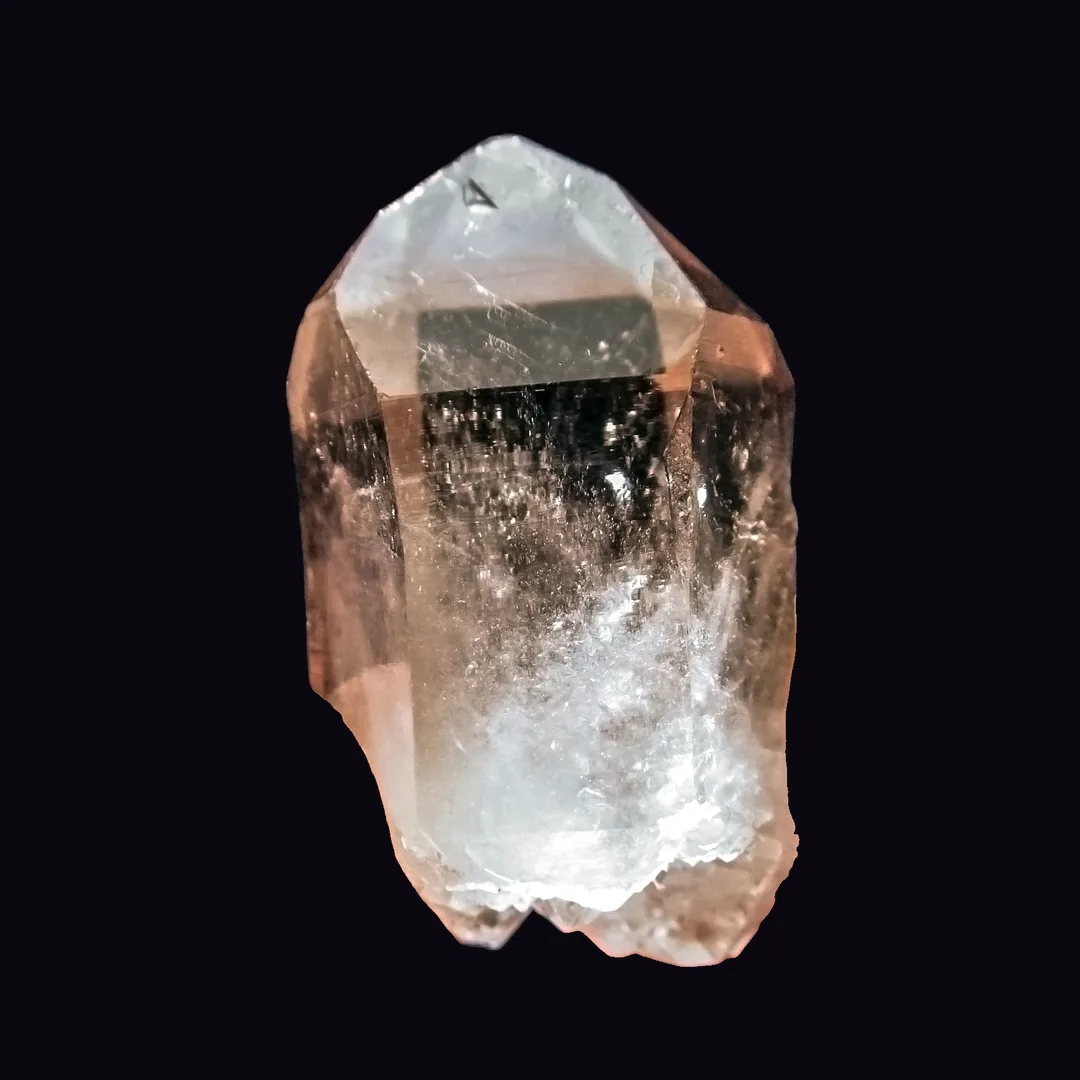 Clear QuartzRead the entry
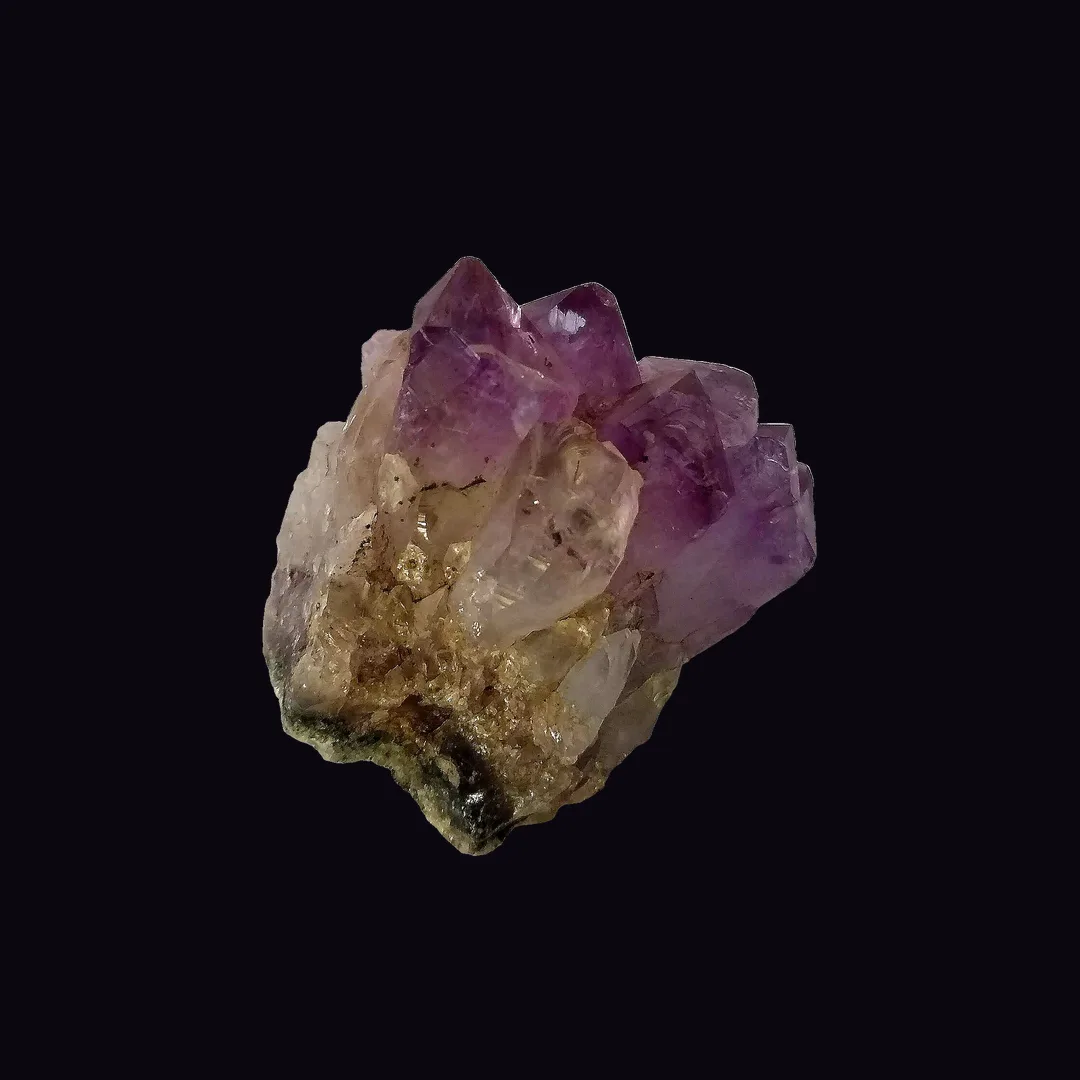 AmethystRead the entry
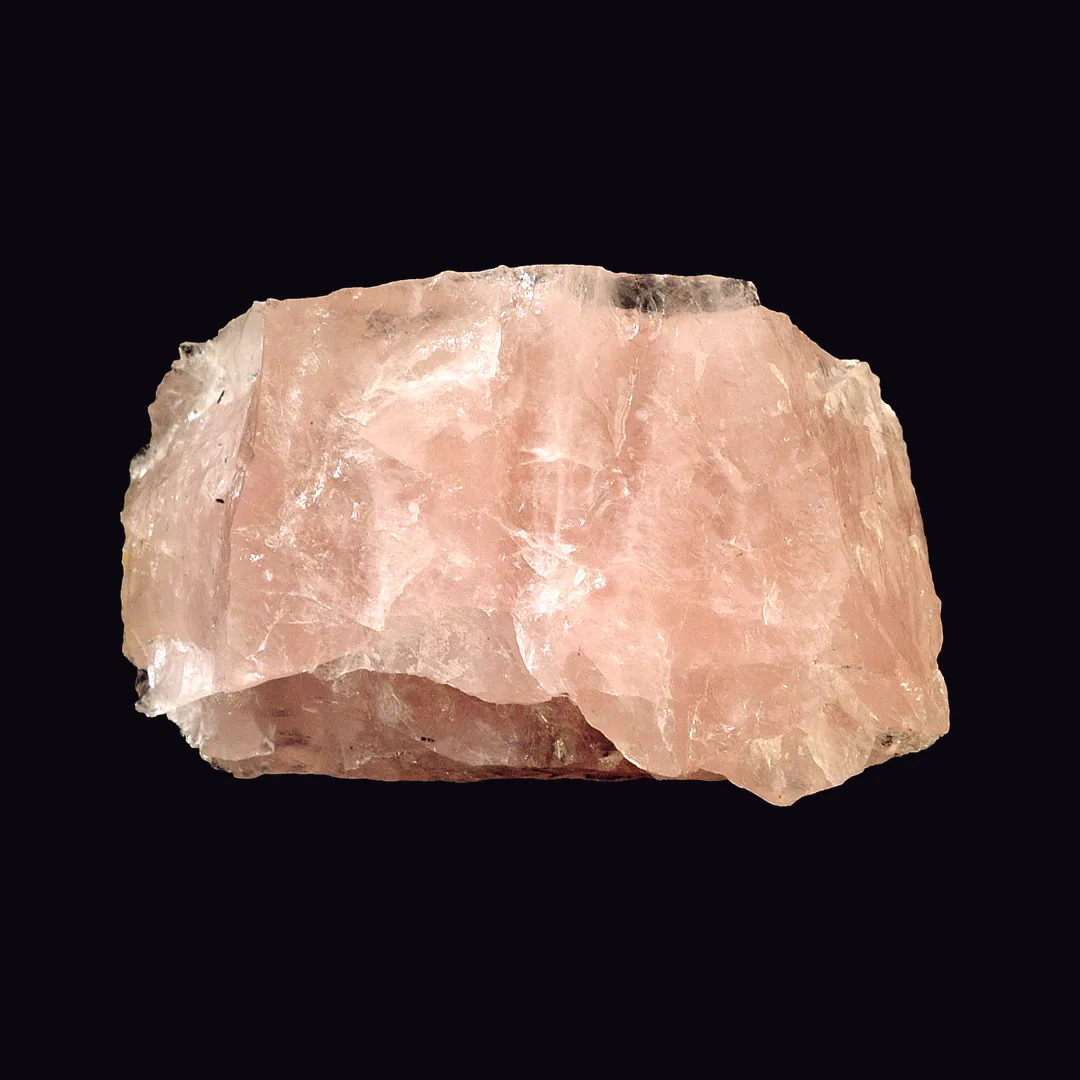 Rose QuartzRead the entry
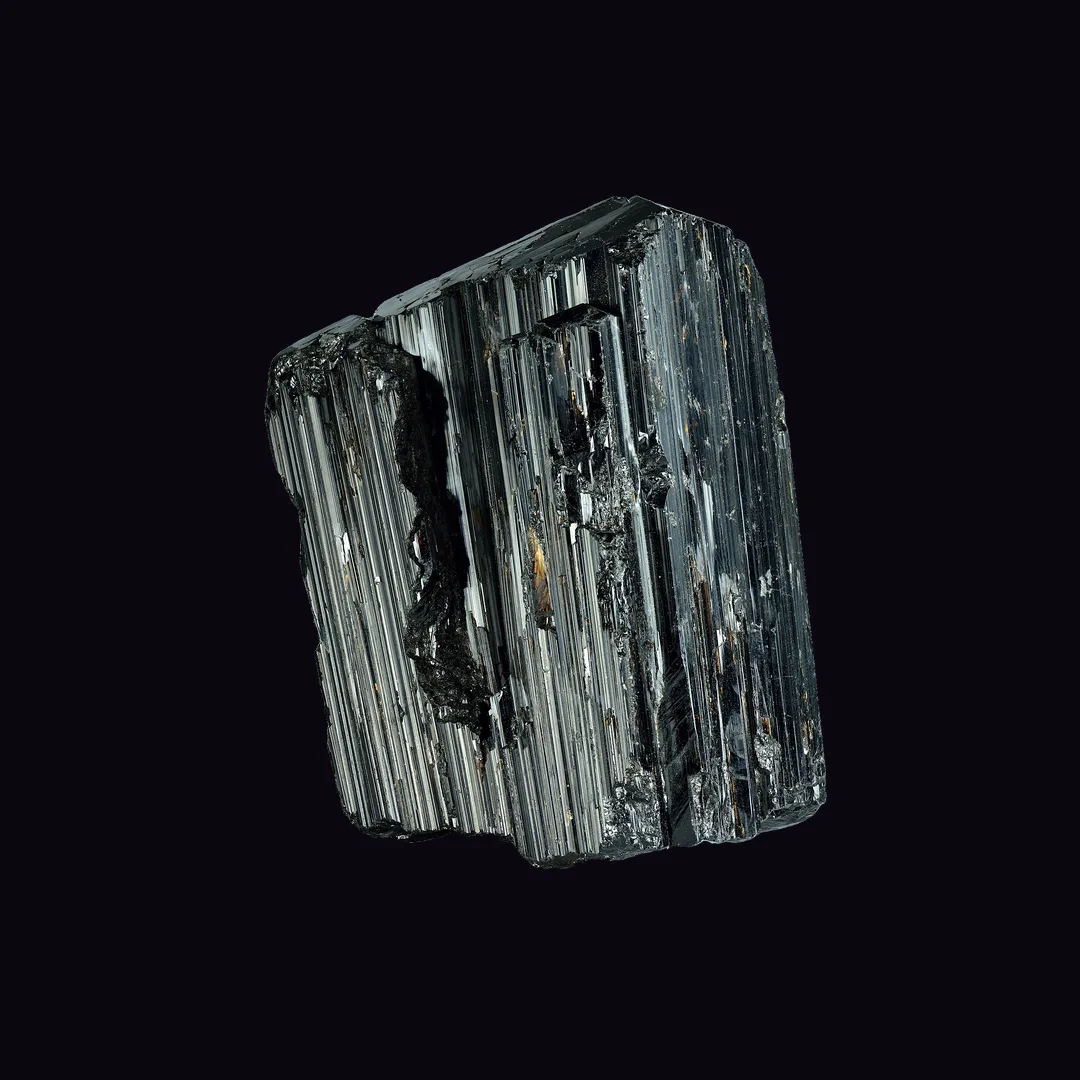 Black TourmalineRead the entry
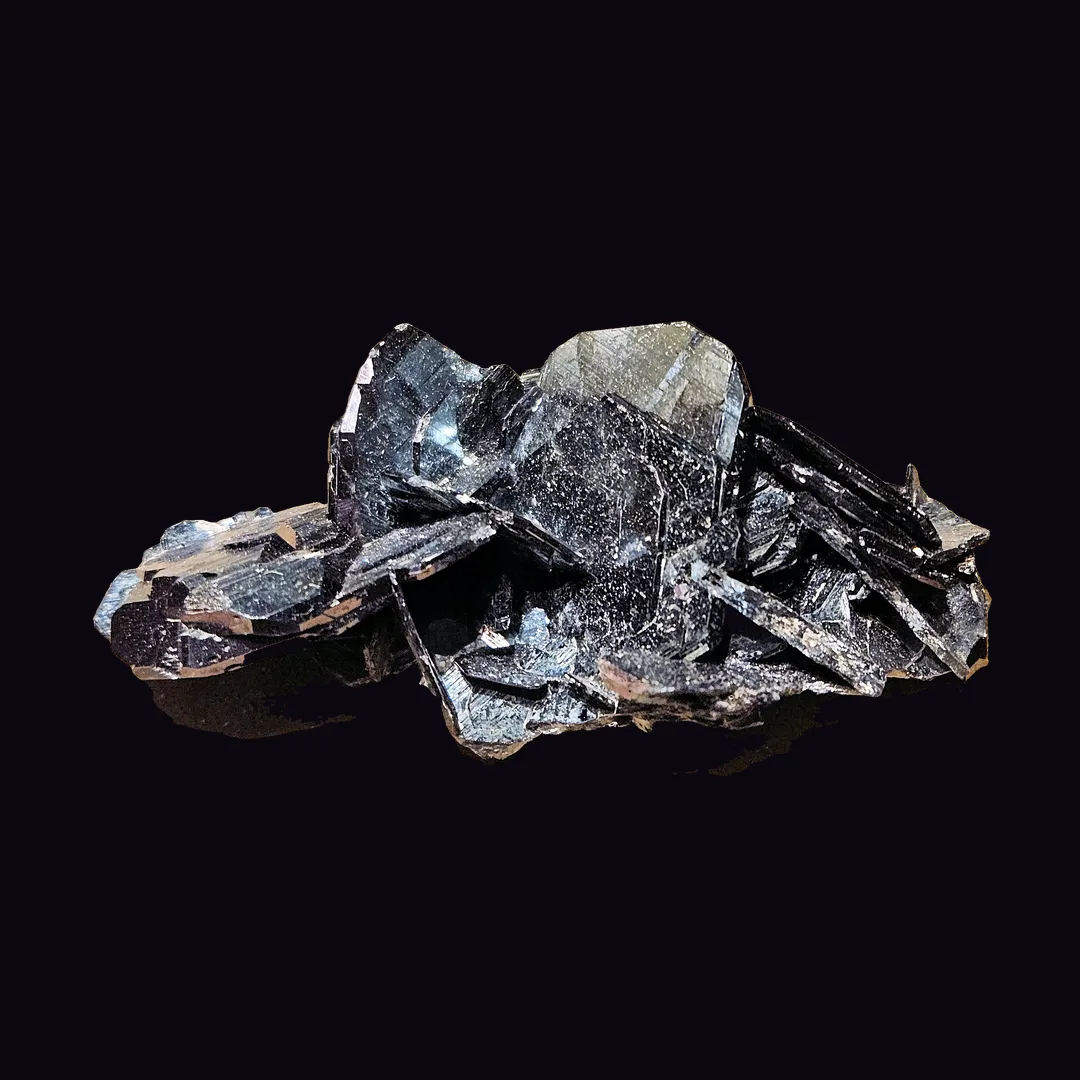 HematiteRead the entry
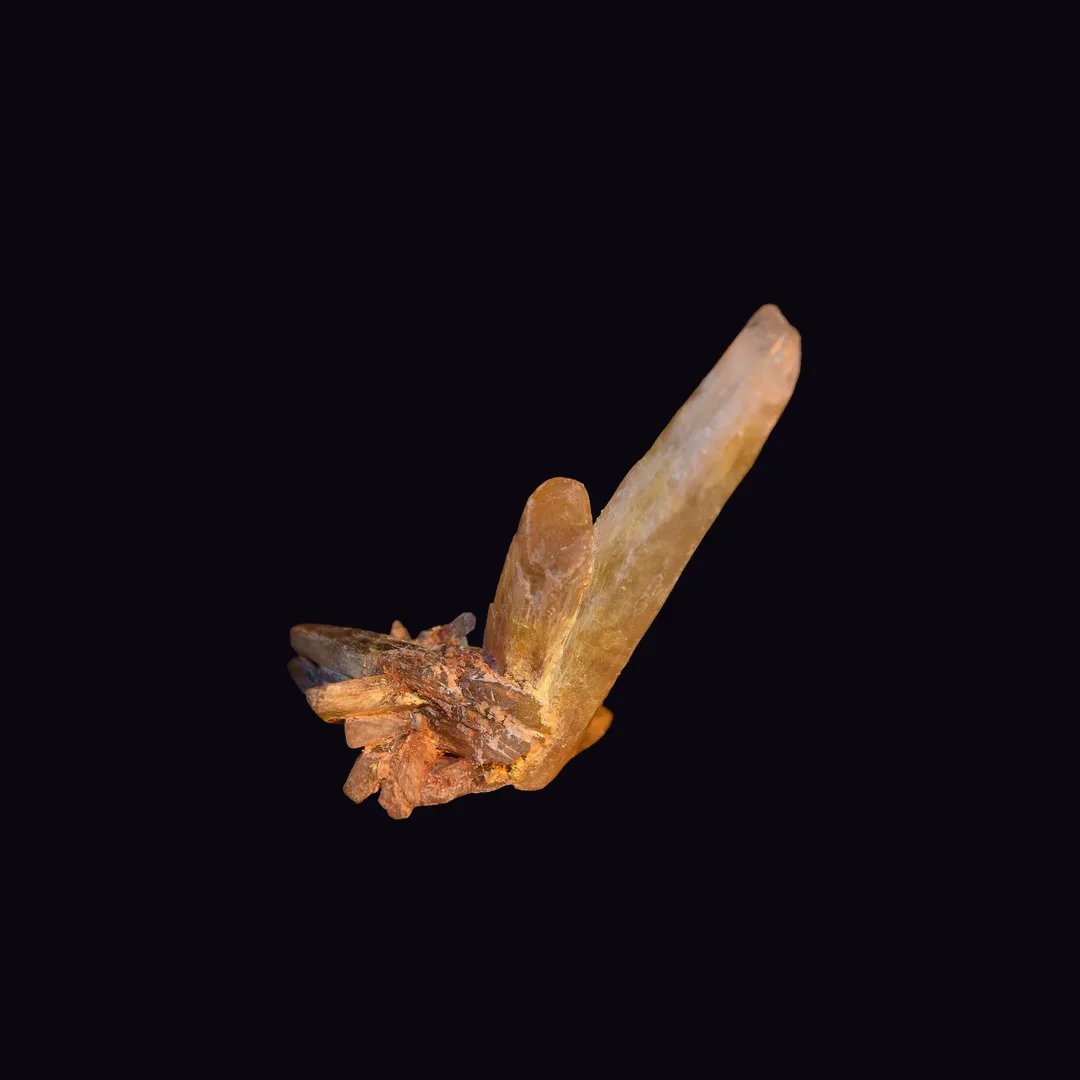 SeleniteRead the entry
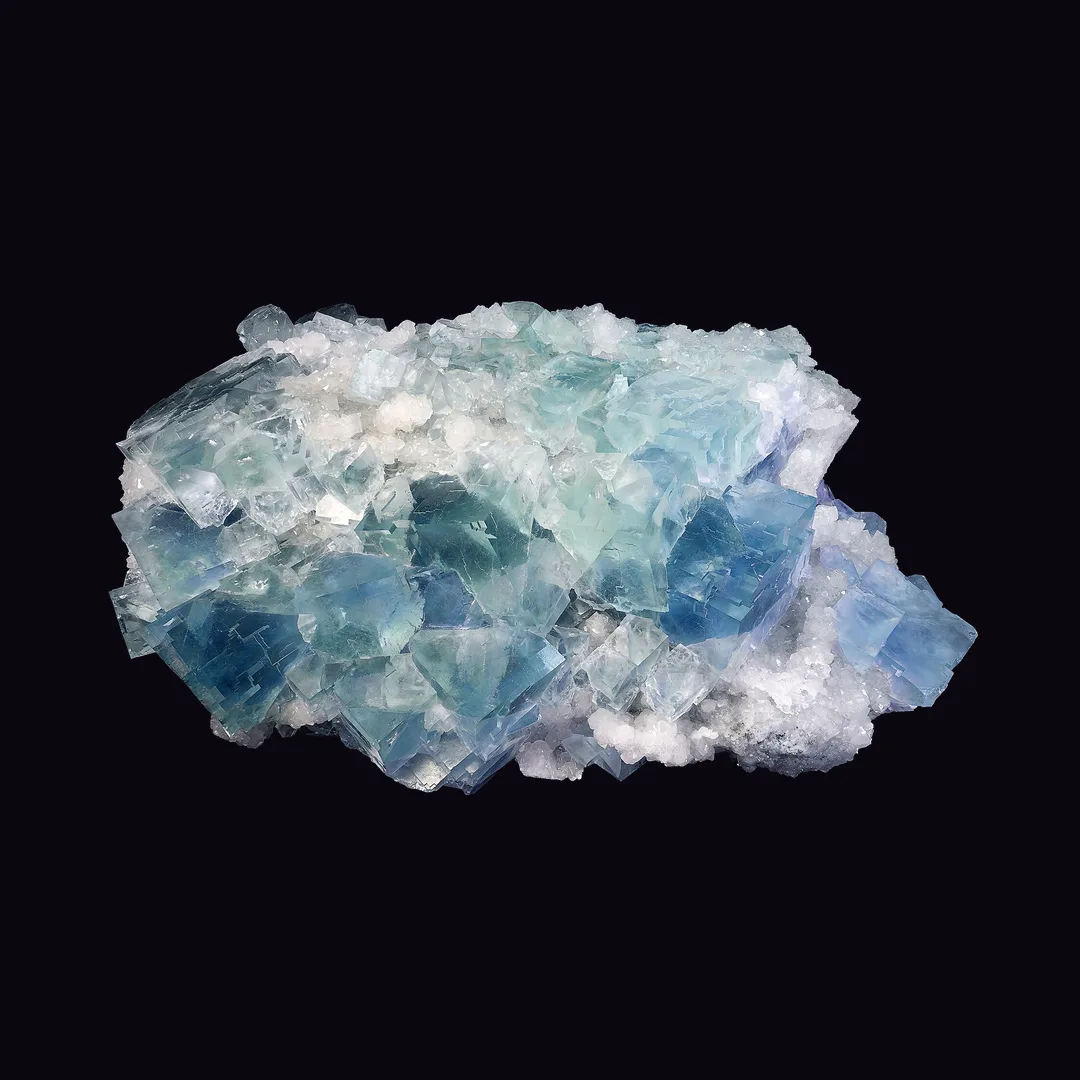 FluoriteRead the entry
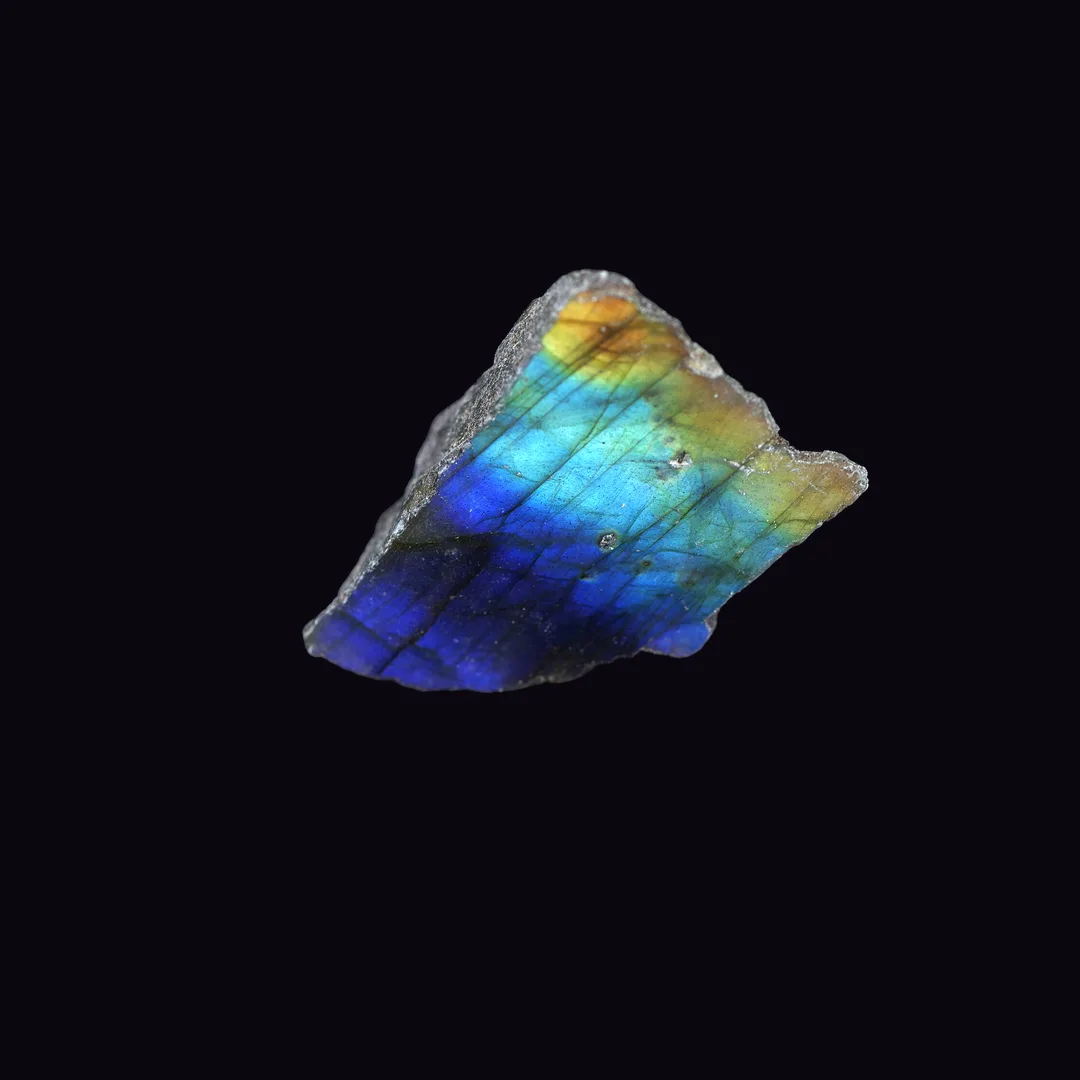 LabradoriteRead the entry
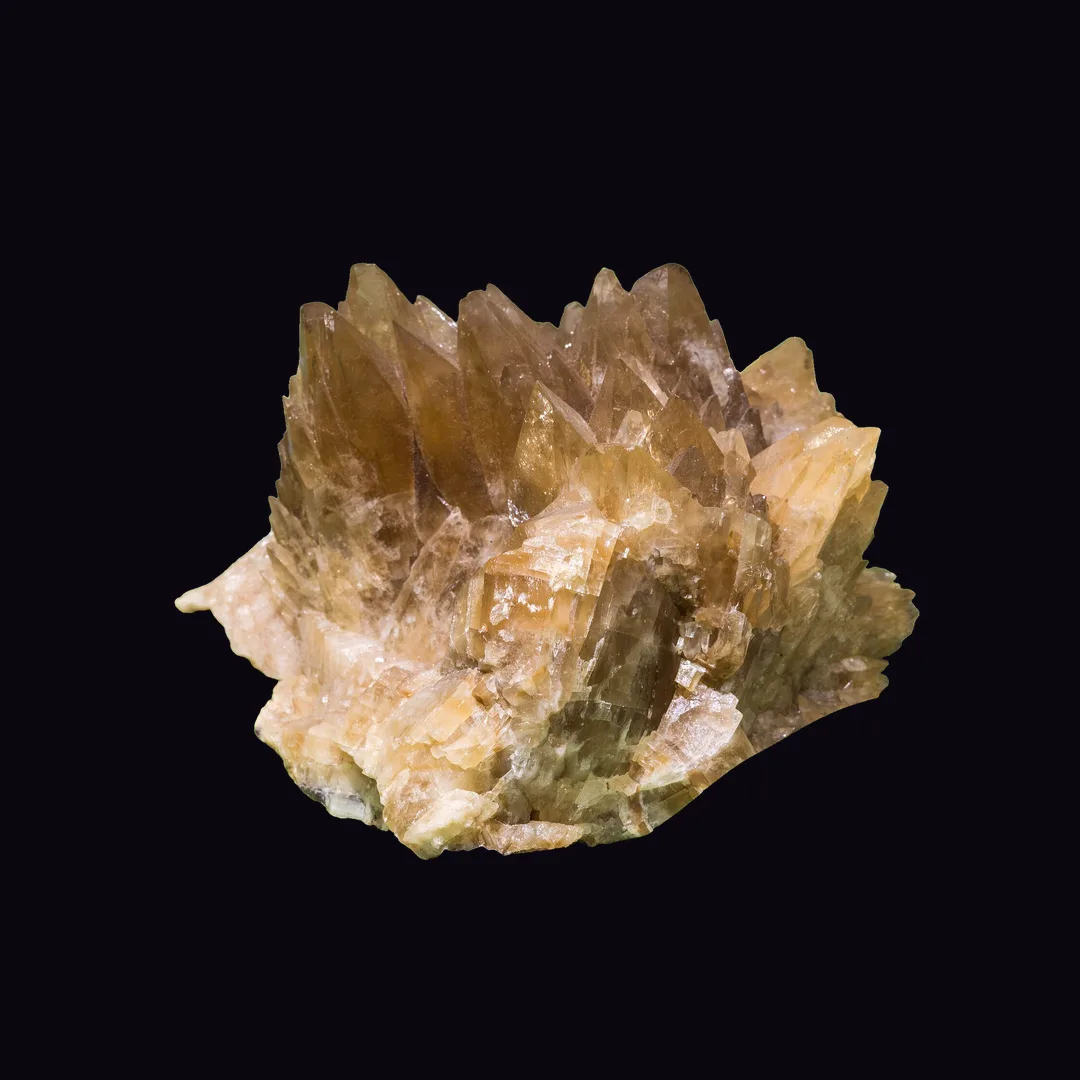 Calcite (Coloured Varieties)Read the entry
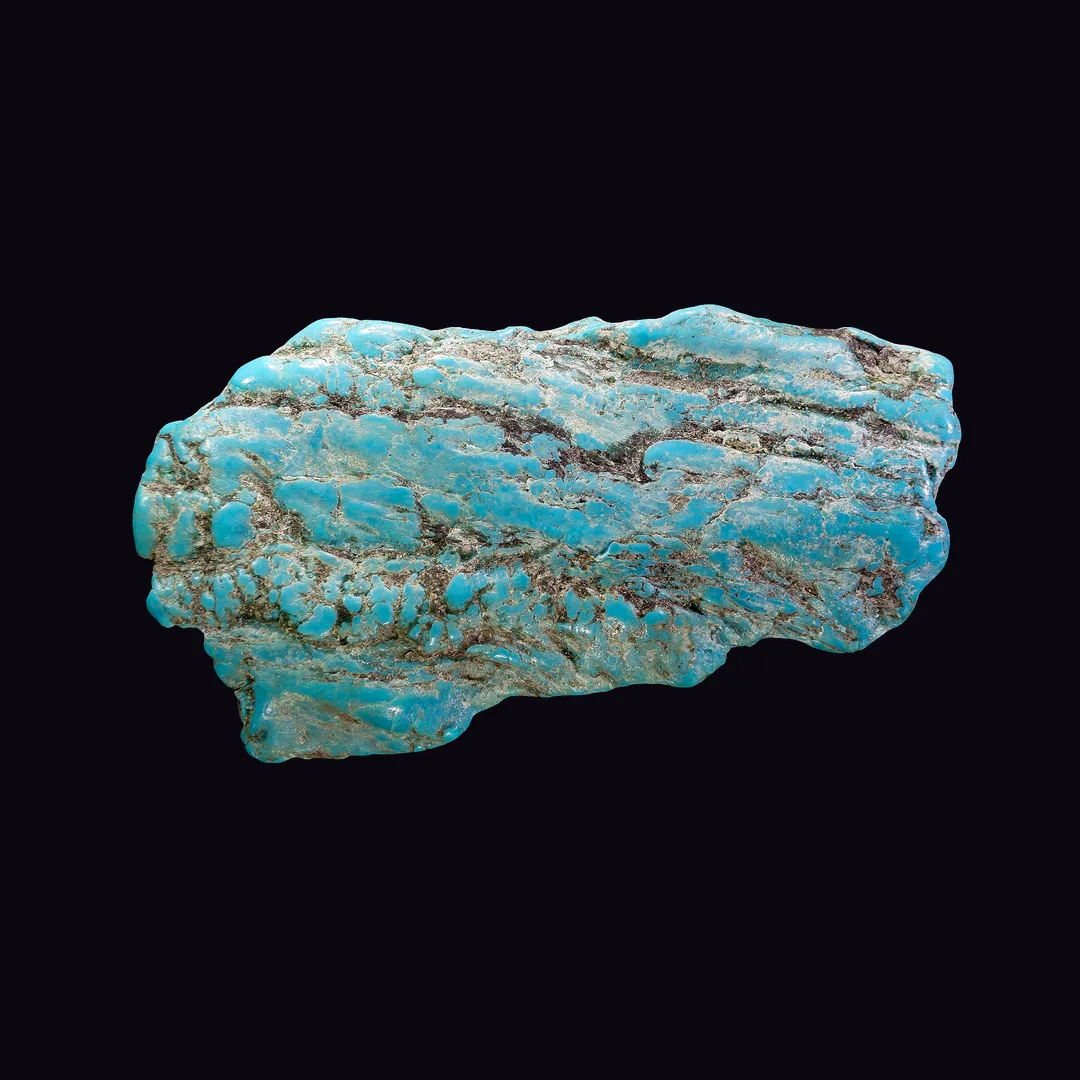 HowliteRead the entry
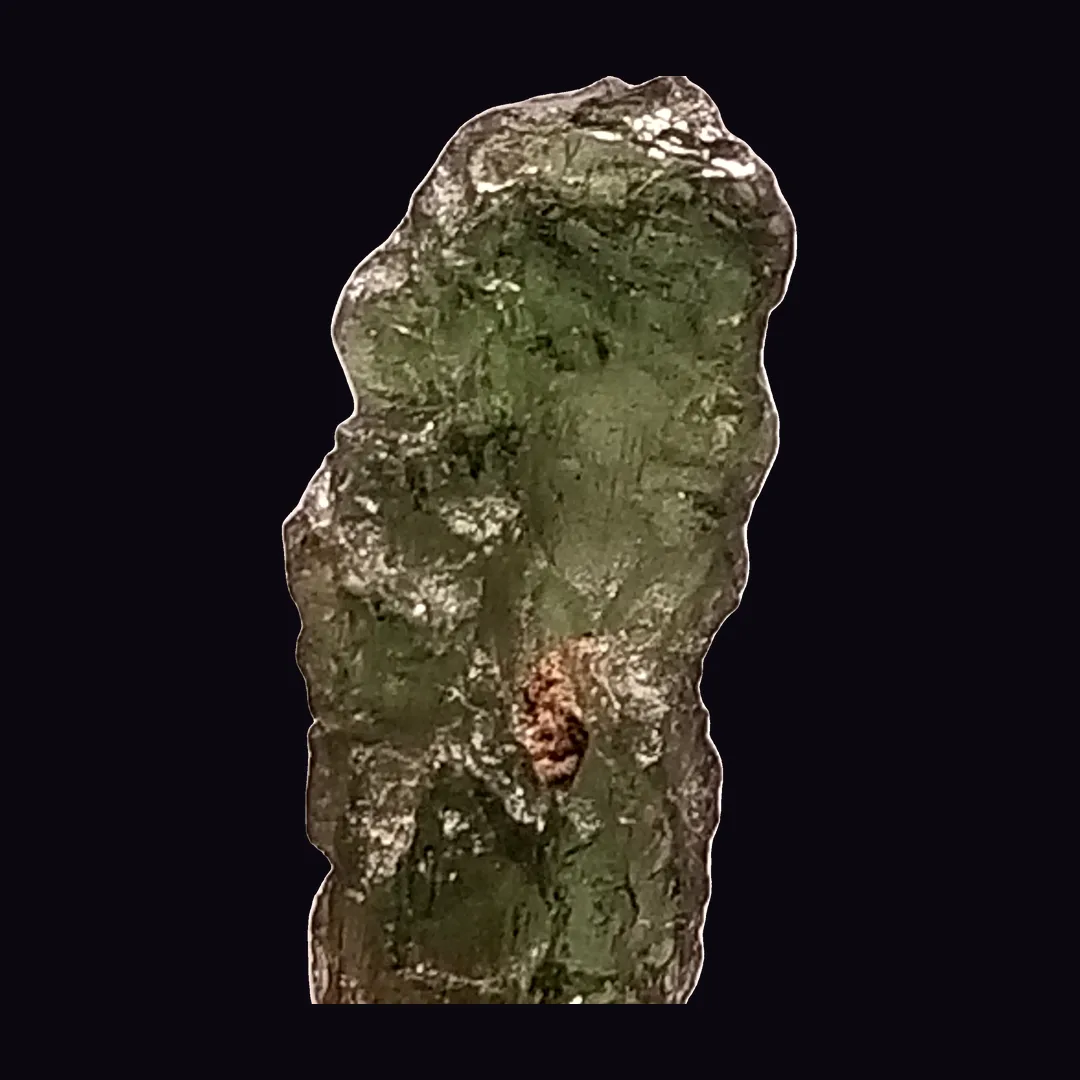 MoldaviteRead the entry
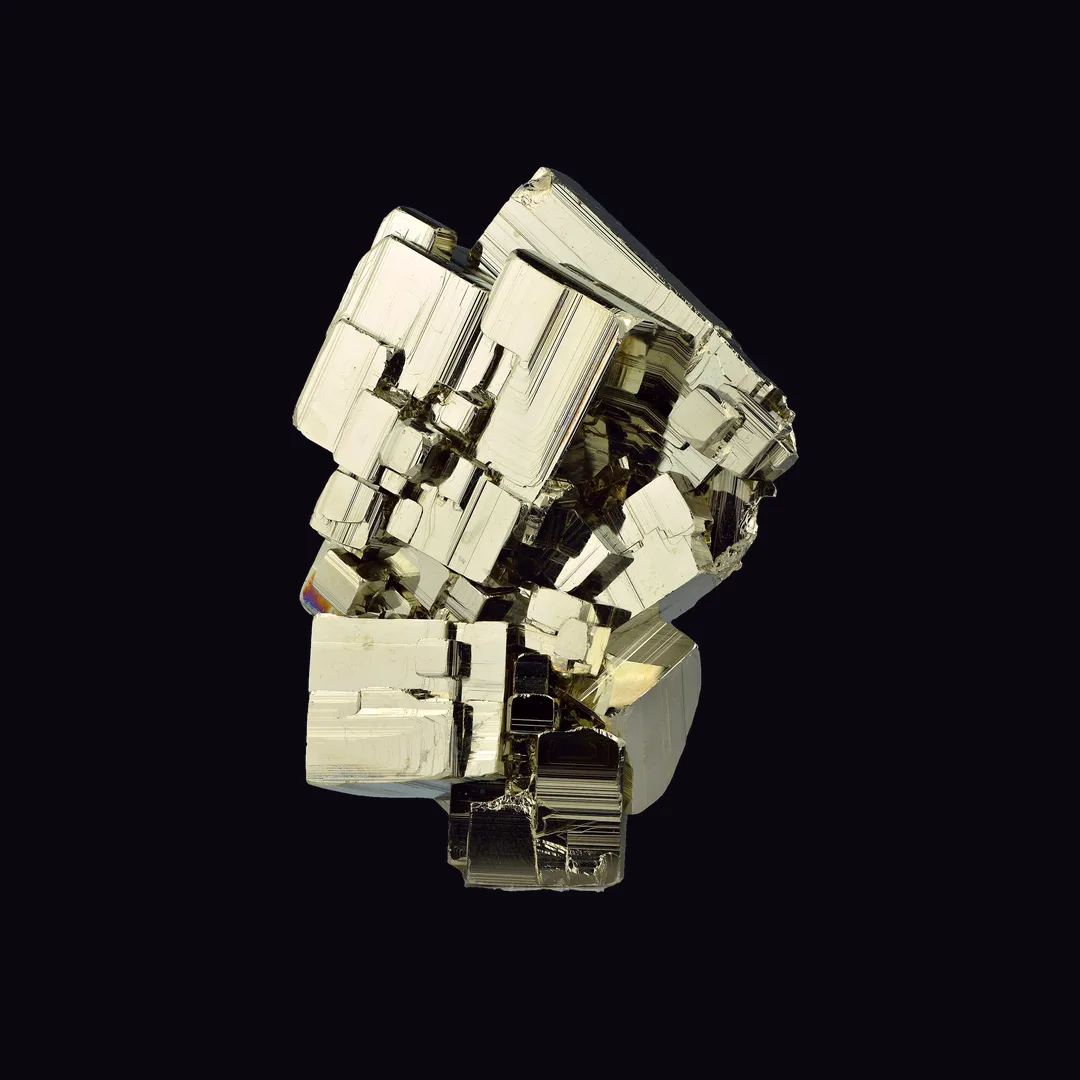 PyriteRead the entry
and 8 more named in this piece
Questions people ask
How can I identify a crystal for free?
Work the decision path: colour, then luster, then hardness, then form. That narrows most common stones to a short list. Free charts help you compare from there. The catch is dyed and lookalike stones, where the visual path runs out and a scan or a jeweler settles it.
Why is my crystal hard to identify from a chart?
Charts show one perfect specimen per stone, and real rocks vary wildly in colour, clarity, and cut. Two stones can look identical in a chart and different in your hand, or vice versa. Photo ID compares your actual stone against many real examples instead of one idealized picture.
Can an app really identify a rock from a photo?
For common polished and raw crystals, yes, and fast. It reads colour, luster, transparency, and form the way you would, but against thousands of reference images at once. It's less reliable on rough field rocks and dyed fakes, which is why a good scan tells you its confidence instead of faking certainty.