Real vs Fake Malachite: Spotting the Resin Fakes
Identifying crystals · 6 min read · 17 August 2026
Real malachite is copper, laid down in wobbly green bands. Fakes are poured resin with perfect printed rings. Here is how weight and pattern catch them.
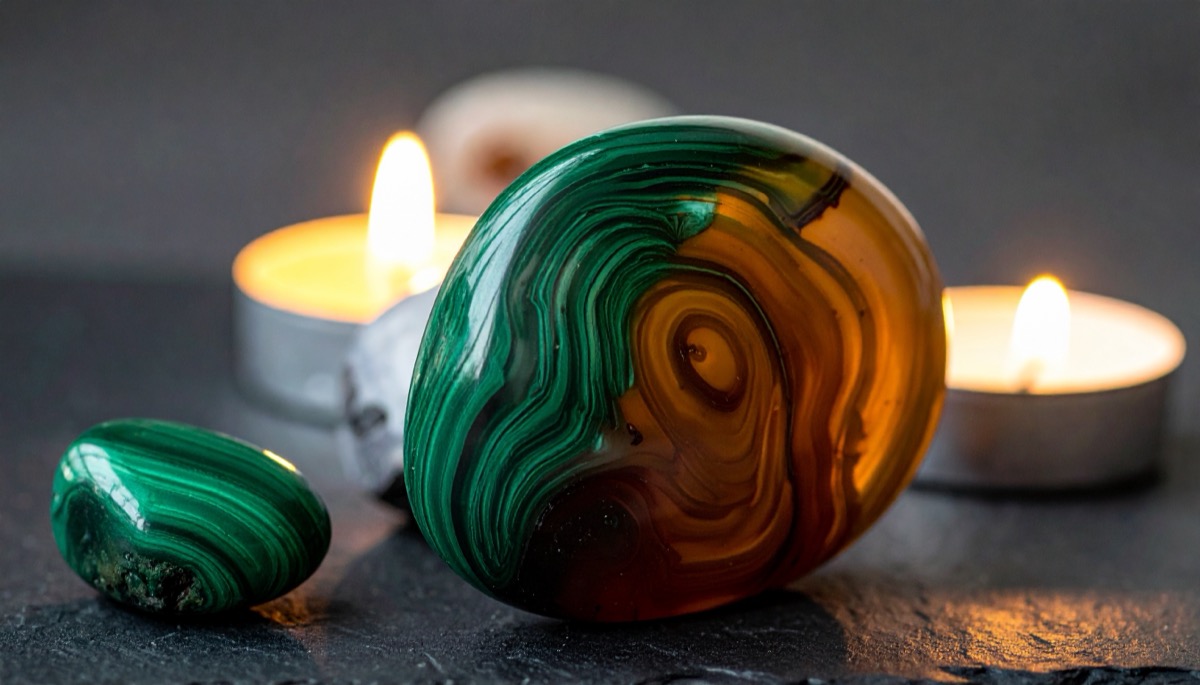
Malachite is what copper turns into when water gets at it for long enough. Band by band, green on green, wrapped around whatever hollow it filled.
No two of those bands come out the same width. The stone was laid down one wet layer at a time, so the rings wobble.
The fakes are poured. Dyed resin, one mould, a printed bullseye that repeats perfectly. Neatness is the tell that a machine made it.
You paid a real price for this, and the tidiness of it has been bothering you. You noticed something true before you had the words for it.
One thing before you test it. Real malachite is a copper mineral, so never sand or grind it dry, and never put it in water you plan to drink. The dust is the part that harms you.
Is your malachite real? The fast checks are weight and banding. Real malachite is a dense copper carbonate that feels cold and heavy for its size, with irregular concentric green bands. Resin and polymer fakes are light, warm up fast, and show suspiciously even bullseye rings. Heft and pattern catch most of them.
Why malachite gets faked
Malachite has a look nothing else quite matches: those swirling light-and-dark green bands, sometimes eyes, sometimes stripes, sometimes a full bullseye. That distinctive pattern is exactly what makes it easy to print or mold. A factory can pour green resin, drop in a swirl of pigment or a printed decal, and sell it for pennies. Genuine malachite is real copper ore that has to be mined, cut, and polished, so the price gap pulls counterfeiters in.
The fakes come in a few flavors. Straight polymer resin with printed or molded banding is the most common. Dyed magnesite or howlite shows up green sometimes, though banding is harder to fake on those. And reconstituted malachite, real malachite dust bonded in resin, sits in a grey zone we'll get to.
The weight tell (start here)
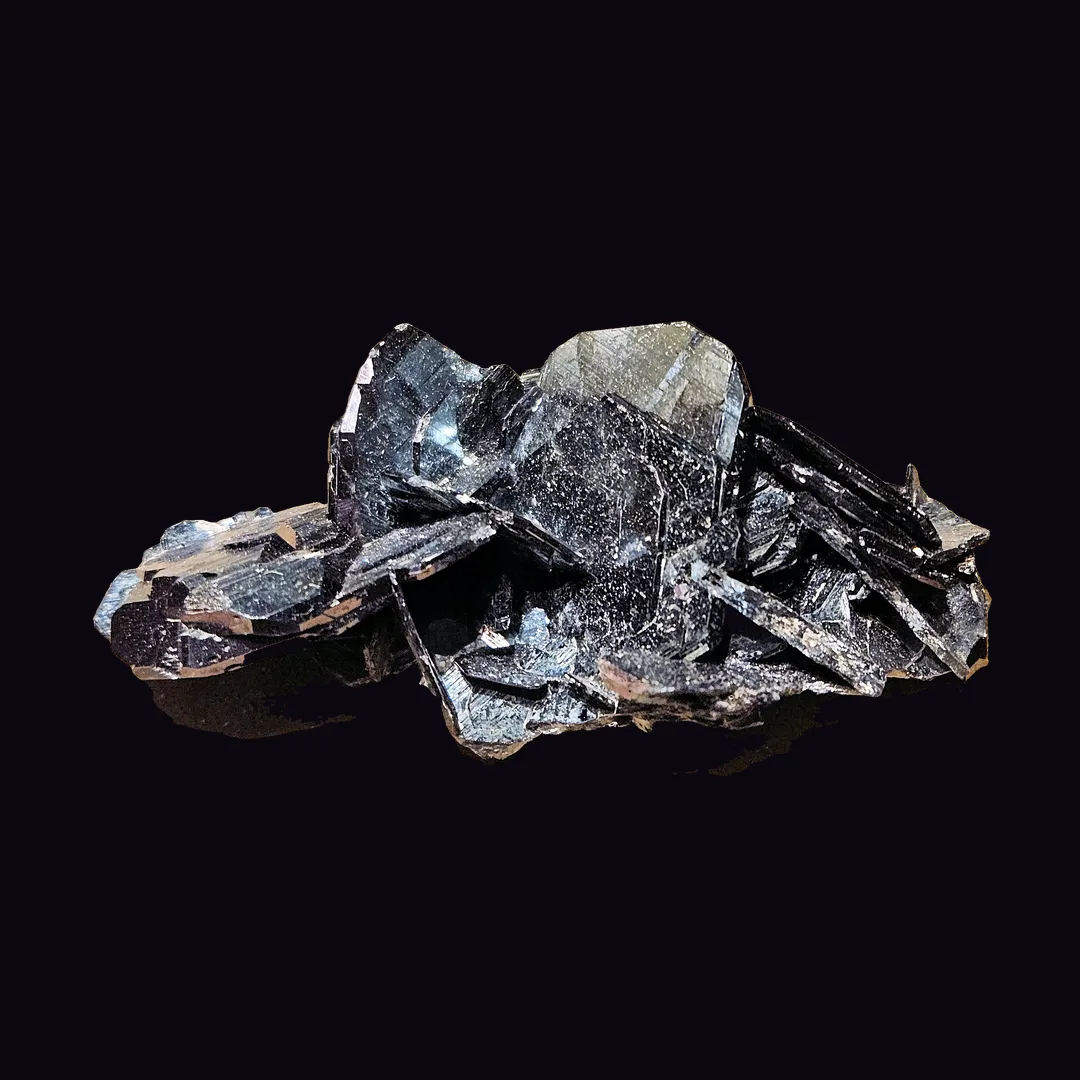
Malachite is heavy. It's a copper carbonate with a high density, so a real piece feels noticeably weightier than you expect for its size, denser than a same-sized piece of quartz or plastic. Resin fakes feel light and cheap in the hand. This is the same gut check you'd use weighing a real metallic hematite against a coated fake: real minerals have heft, and plastic never quite does.
Pick it up. If a chunky green "malachite" the size of an egg feels like a bottle cap, suspect resin.
Temperature and the banding
Two more fast reads.
Temperature. Stone is cold and stays cool longer than plastic. Rest the piece against your cheek or the back of your wrist. Real malachite feels cold and warms slowly. Resin sits close to room temperature and warms fast to your body heat.
Banding. This is the giveaway most people miss. Real malachite bands are irregular: they change width, they wander, the greens shift from near-black to bright, and no two bands are identical. The pattern formed as the mineral grew in layers, so it's organic and never perfectly repeating. Fake banding is often too even, with rings of the same width and spacing, a mechanical bullseye that looks printed because it is. On fake beads, watch for banding that wraps around the drilled hole in a way that makes no geological sense, or a pattern that repeats bead to bead. Real malachite cut into beads gives each one a different slice of the pattern.
Real vs fake malachite
| What you're checking | Real malachite | Resin or polymer fake |
|---|---|---|
| Weight | Heavy and dense for its size | Light, feels cheap |
| Temperature | Cold, warms slowly | Near room temp, warms fast |
| Banding | Irregular, varying width, organic swirls | Even rings, repeating, printed look |
| Hardness | Soft, around 3.5 to 4 Mohs, takes a fine scratch | Plastic dents rather than scratches cleanly |
| Air bubbles | None inside the stone | Tiny trapped bubbles in the resin |
| Seam | None | Faint mold seam on cast pieces |
| Price | Real money, scales with size | Suspiciously cheap for a big piece |
Two more checks
Look for bubbles and seams. Hold the piece to a light and look into any translucent spots or edges. Trapped air bubbles mean resin, since solid mineral doesn't hold round bubbles. Run a fingertip around the whole piece for a faint mold seam, the same tell that catches molded glass posing as other stones.
Hardness, carefully. Real malachite is soft, around 3.5 to 4 on the Mohs scale, softer than glass or quartz. It will take a fine scratch on a hidden spot, but so will some plastics, so this one is a supporting clue, not a verdict. Don't lean on it alone, and don't grind at the surface, because malachite dust is a copper hazard.
The toxic caution runs both ways
Worth saying plainly: the danger with malachite isn't the fake, it's the real thing handled wrong. Genuine malachite contains copper, and its dust and soak water are toxic. So don't sand it dry, don't cut it without protection, and don't leave it sitting in water you plan to drink or mist on yourself. This is one of the stones that should never go in a water bottle. Polished pieces are safe to hold. Wash your hands after, and keep it away from kids and pets who mouth things.
The two it grows beside
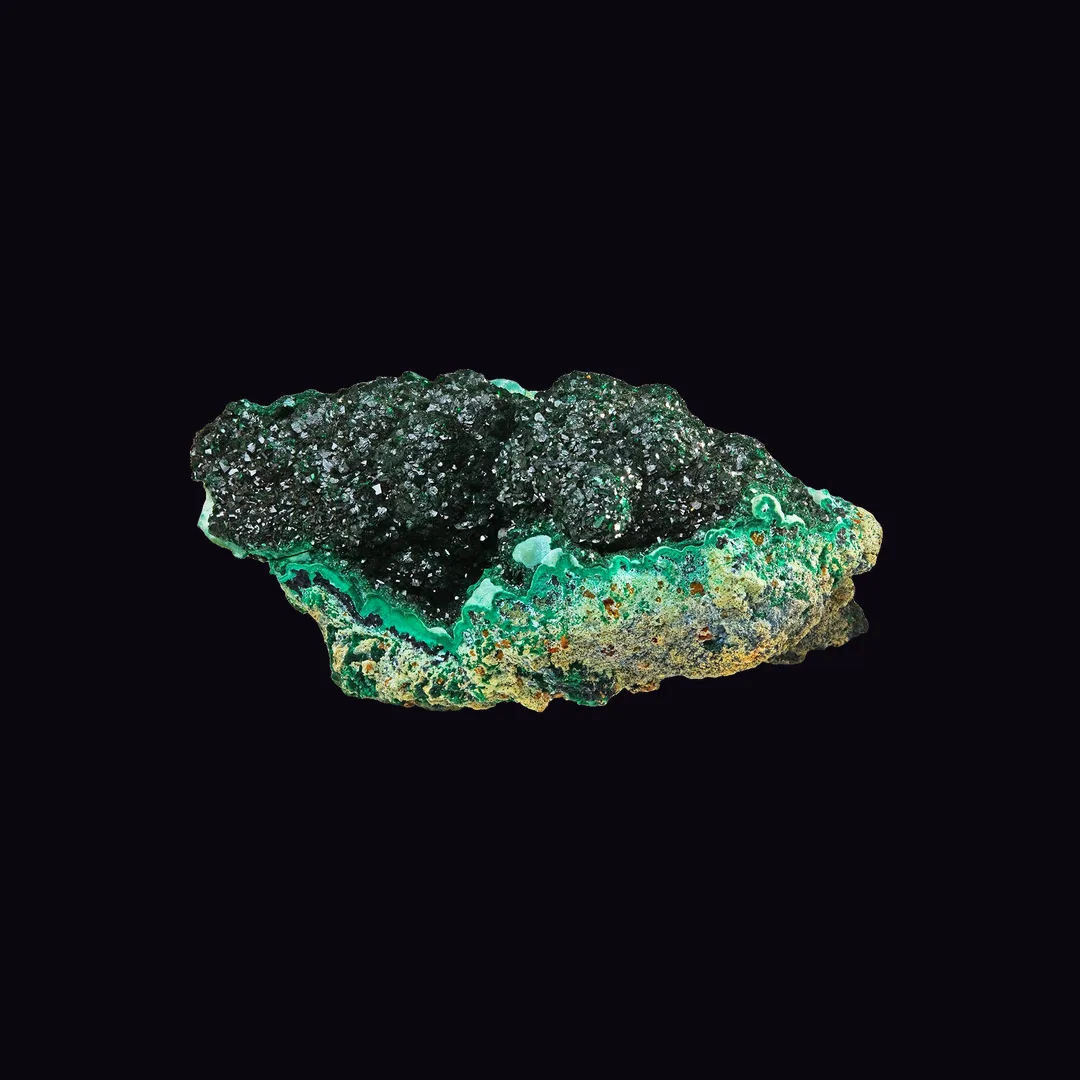
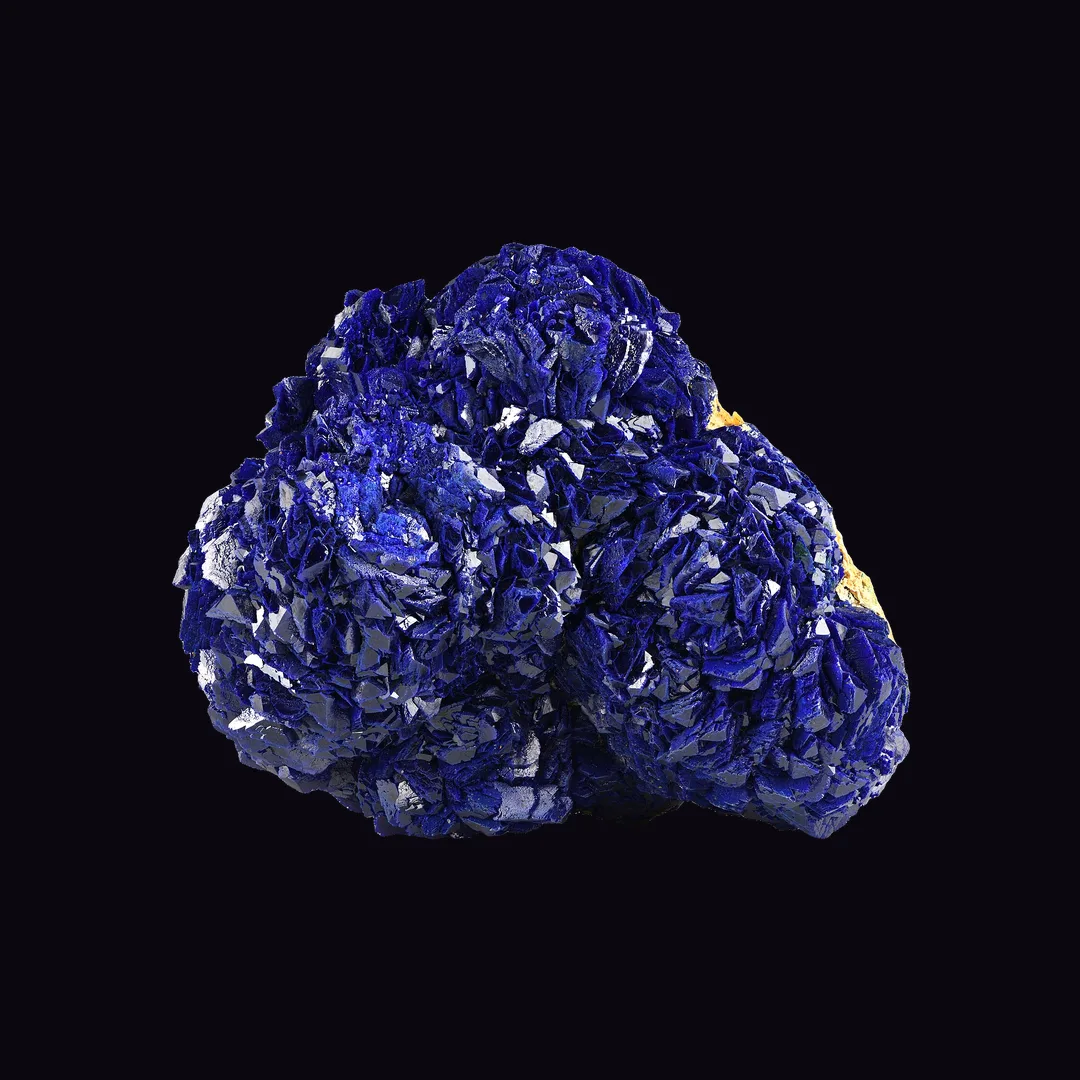
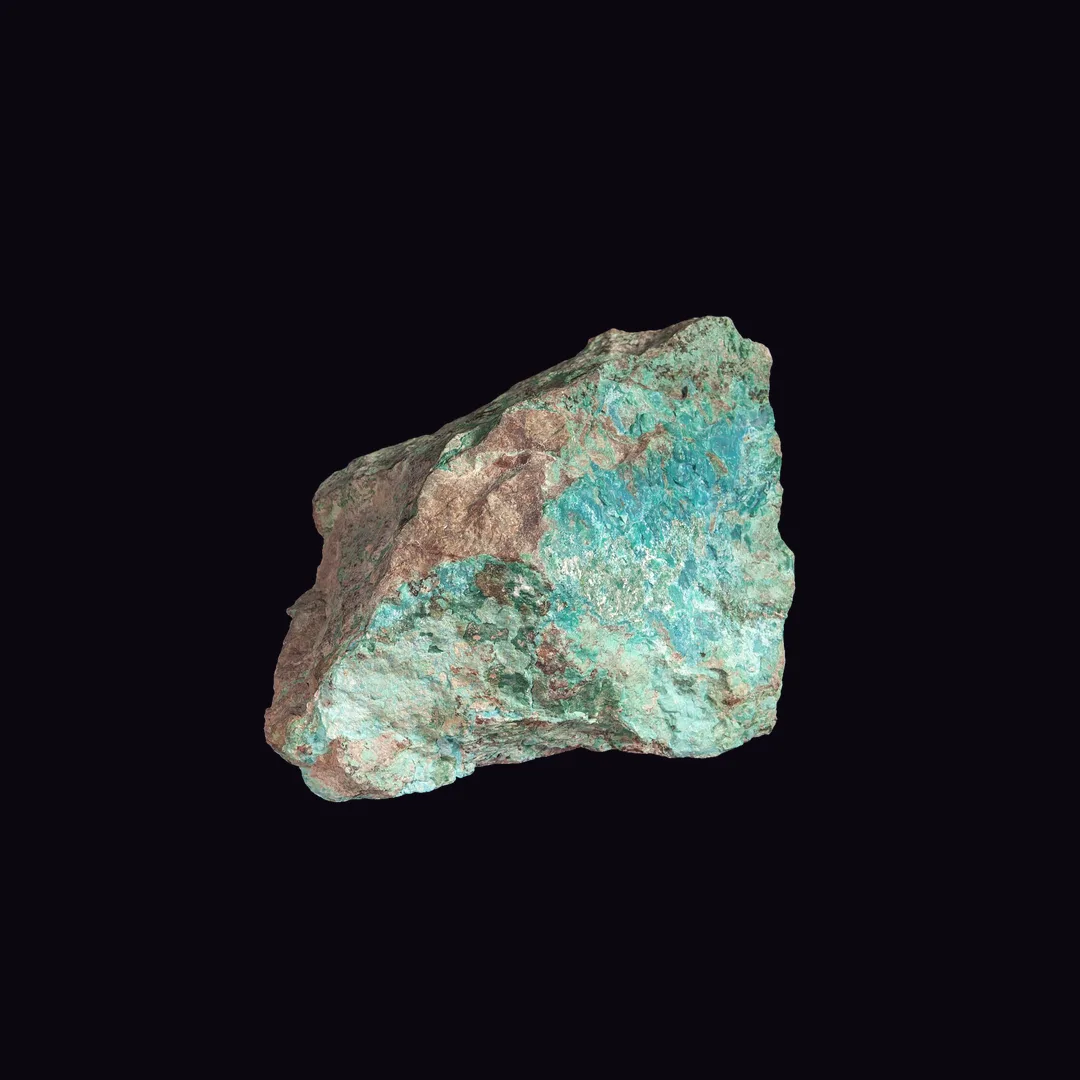
Malachite rarely turns up alone. Azurite is the deep, almost electric blue that forms in the same copper ground, darker and more violet than any other common blue mineral. It goes green wherever it has altered, so a blue mass with green blooms is close to proof you are holding both at once. Chrysocolla is the cyan one, soft and cloudy, bleeding out into the host rock instead of stopping at a sharp line. Both are copper, the same as malachite, and both carry the same rules. No elixirs, no soaking, no grinding it dry, and wash your hands after raw pieces. Azurite is soft enough that a coin will scratch it.
Where the tests run out
Weight, temperature, and banding catch the great majority of resin fakes, especially the cheap ones. But reconstituted malachite is the honest complication. That's real malachite powder bonded into resin, sometimes with the banding preserved well enough to fool a quick look, and because it contains genuine mineral, it may feel heavier and colder than pure plastic. It sits between real and fake, and a photo online won't tell you which you're getting.
So the honest read: heft plus irregular banding gets you roughly 80 percent of the way, and that's most of the fakes on the market. Reconstituted pieces and high-effort molds can slip past a glance. When you're paying real malachite money, scan it, ask the seller directly whether it's solid natural malachite or reconstituted, and check the weight and bands in person. Even green stripes on a light, warm, printed ring aren't worth malachite prices.
The stones in this piece
Questions people ask
How can you tell real malachite from fake?
Weight and banding are the fastest tells. Real malachite is a dense copper carbonate that feels heavy and cold for its size, with irregular concentric bands that shift width and tone across the stone. Resin and polymer fakes feel light, warm quickly in your hand, and show too-even bullseye rings that sometimes repeat or wrap unnaturally around a bead.
Is malachite soft enough to scratch?
Yes. Real malachite is soft, around 3.5 to 4 on the Mohs scale, so it takes a fine scratch more easily than quartz. That softness is also why real malachite is almost always polished rather than left rough, and why its dust is a hazard. Don't sand, cut, or dry-grind it, since it contains copper.
Is fake malachite dangerous?
The fake itself is usually just harmless resin or dyed stone. The real caution runs the other way: genuine malachite contains copper and its dust and soak water are toxic, so never lick it, sand it dry, or leave it sitting in water you plan to drink. Handle polished pieces and wash your hands after.