Is Green Amethyst Real?
Identifying crystals · 5 min read · 17 August 2026
The stone is real quartz. The name is a sales decision. Green amethyst is prasiolite, almost always heated, and your instinct about it was right.
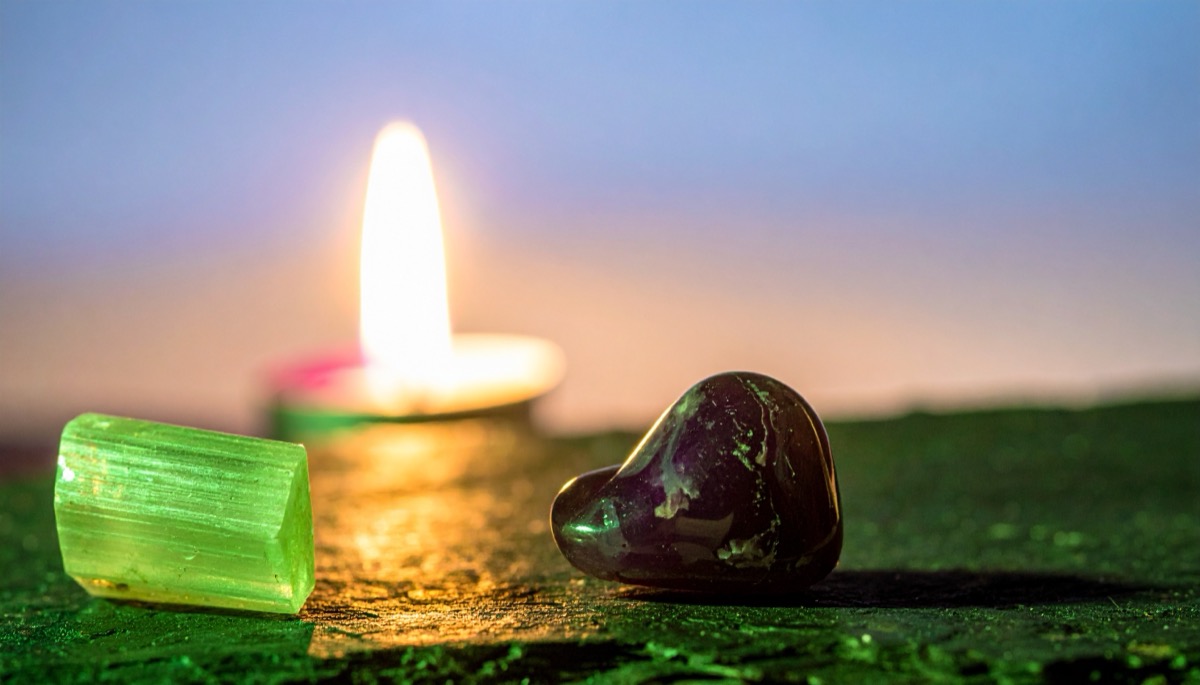
There is no mineral called green amethyst.
The stone is real enough. It is quartz, and the green is a real quartz colour. It came out of a kiln or out of a radiation source, and the mineral name for it is prasiolite.
Amethyst means purple quartz. Once the purple is gone, keeping the word amethyst on the label is a sales decision and nothing else.
You looked this up because something about the name felt stretched. It was. You are better at catching that than you give yourself credit for.
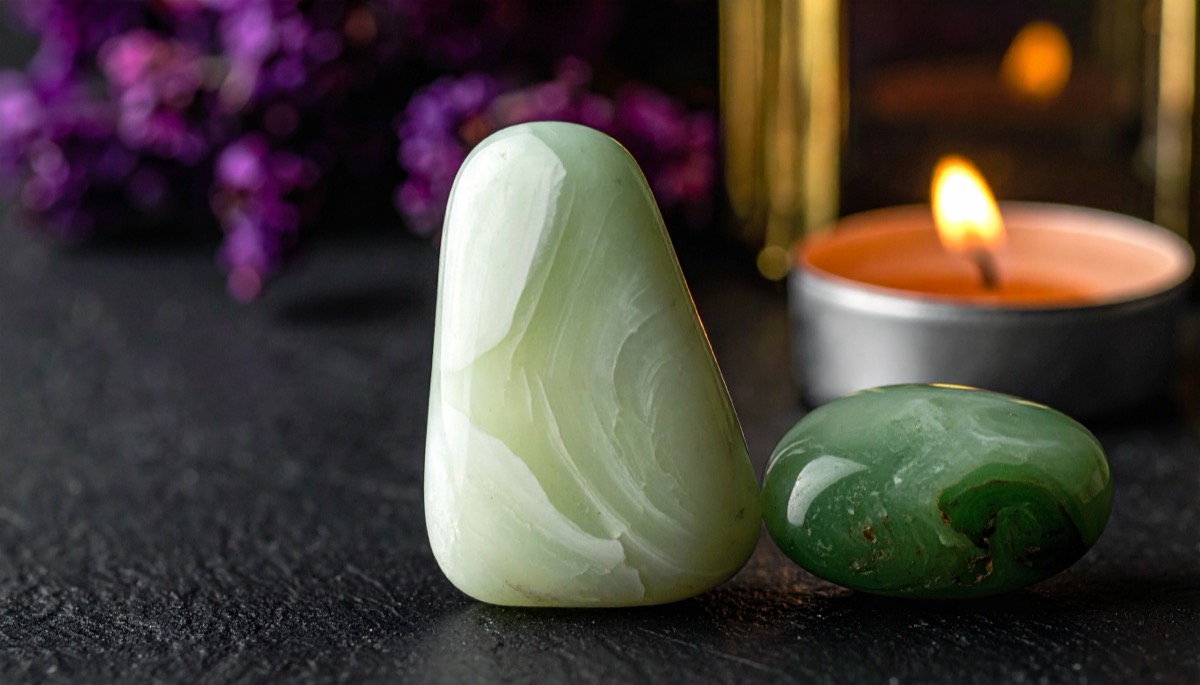
Green amethyst is real quartz, but the name is a lie. Amethyst is never naturally green. What is sold as green amethyst is prasiolite, and almost all of it is amethyst or quartz that was heat-treated or irradiated to turn green. So the stone in your hand is genuine quartz, just not naturally that color and not really an amethyst in any green state.
This is one of those cases where nothing is technically fake, but the label is doing sneaky work. "Green amethyst" sounds like a rare, natural variety of a beloved stone. In reality it is a color that comes out of a kiln, and calling it amethyst is a marketing choice designed to make treated quartz sound special.
What is really going on
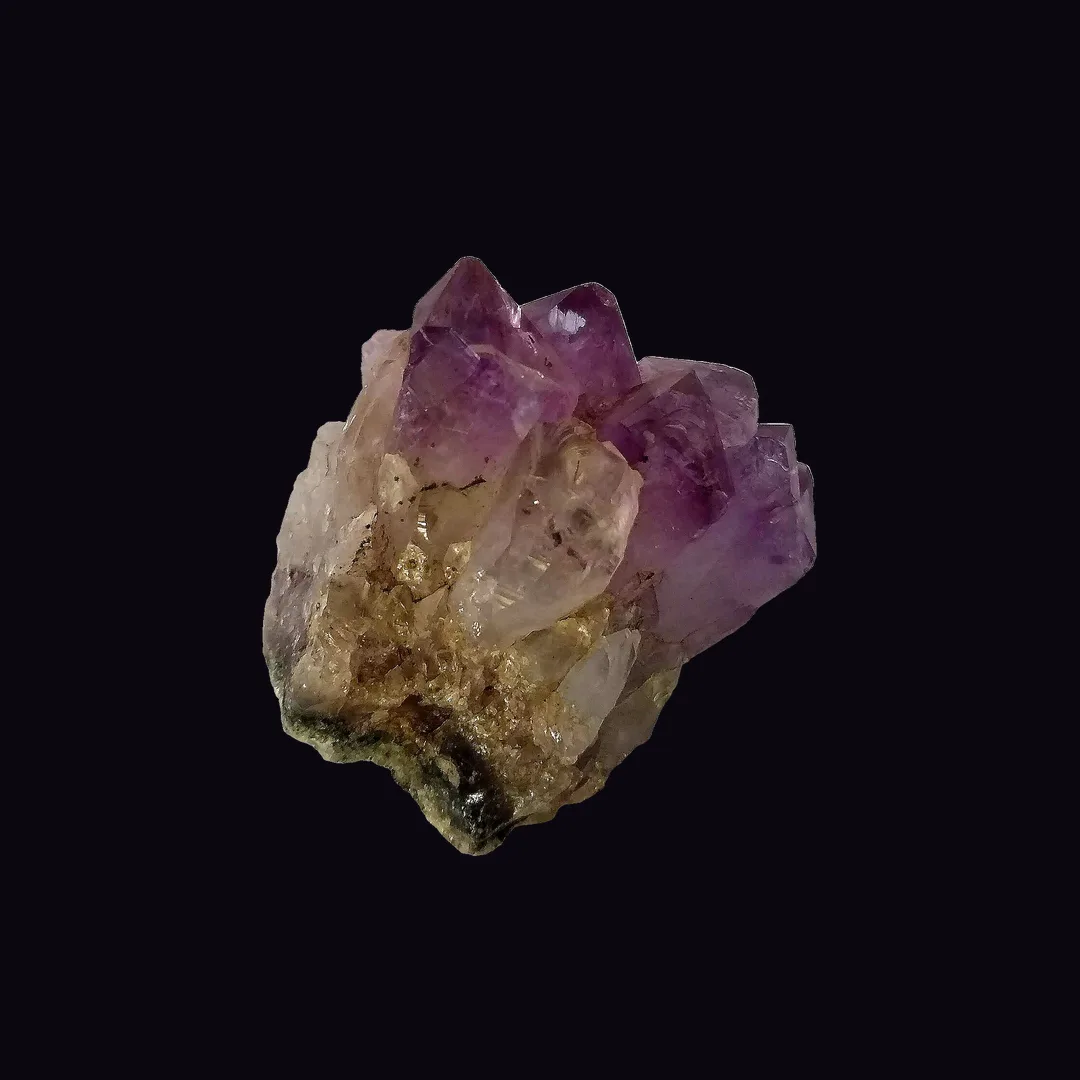
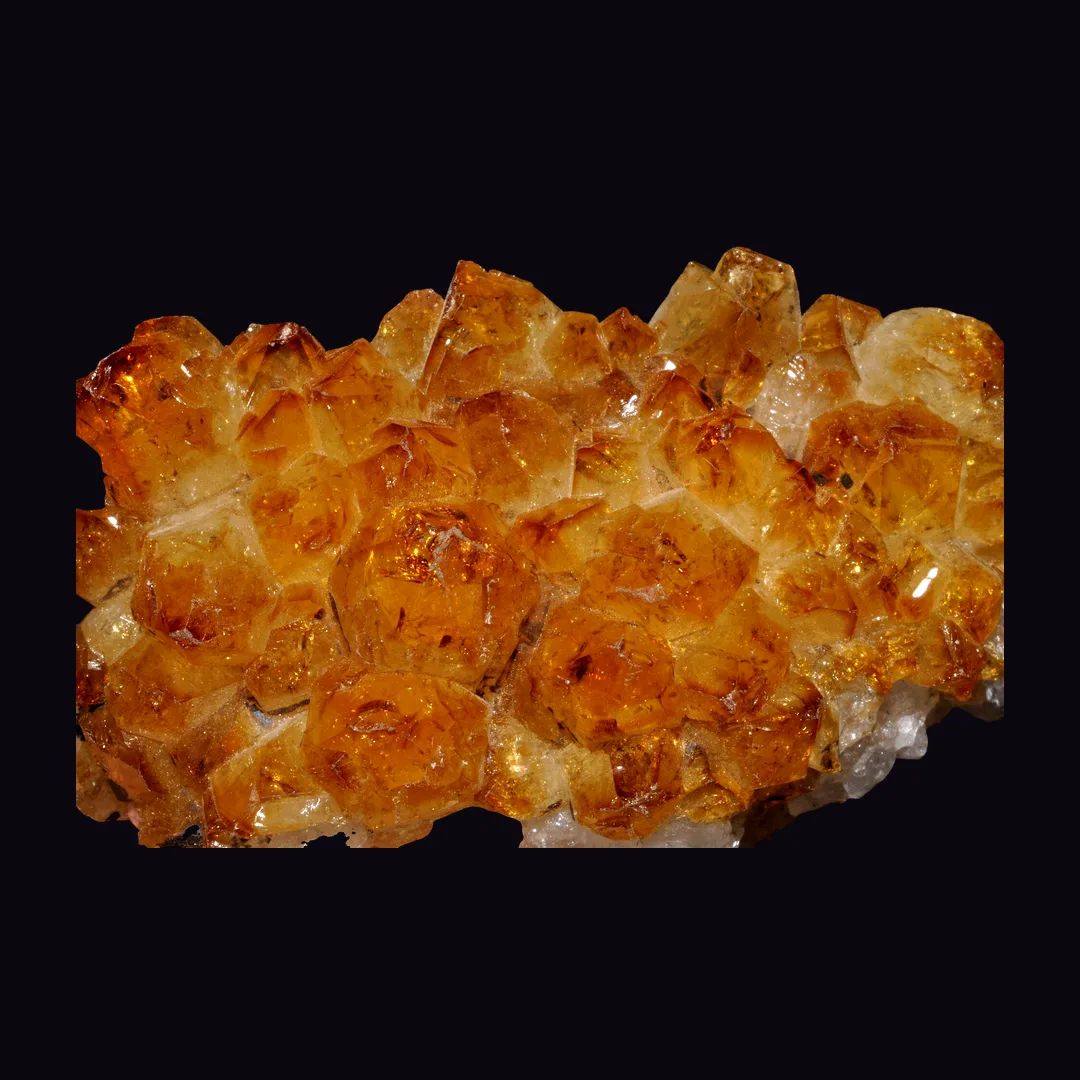
Amethyst gets its purple from iron and natural irradiation inside the earth. Heat that same amethyst and the colour shifts. Take it hot enough one way and you get yellow-orange, which is how most "citrine" on the market is actually made. Under the right conditions, certain amethyst from specific deposits turns green instead, and that green quartz is prasiolite.
So green amethyst, prasiolite, and treated green quartz are all the same thing under different names. The proper mineral name is prasiolite. "Green amethyst" is the gift-shop name. Sellers reach for it because it sounds rarer and pricier than "heat-treated quartz."
Naturally green quartz does exist, mostly from a few Brazilian mines, but it is genuinely rare and it is not what fills the bins at a crystal fair. If it is cheap and abundant, it was treated.
Is it fake, then?
No, and this is the honest nuance. Prasiolite is real quartz, Mohs 7, durable, and perfectly fine to own and love. Treatment is normal in the gem trade and does not make a stone worthless. The only problem is disclosure. A seller who says "prasiolite, heat-treated" is being straight with you. A seller who says "rare natural green amethyst" and charges a premium is not.
The quartz colour-treatment map
| Sold as | Real name | How the colour happens | Real quartz? |
|---|---|---|---|
| Green amethyst | Prasiolite | Heat-treated or irradiated amethyst | Yes |
| Citrine (cheap, deep orange) | Heat-treated amethyst | Amethyst baked until it goes orange | Yes |
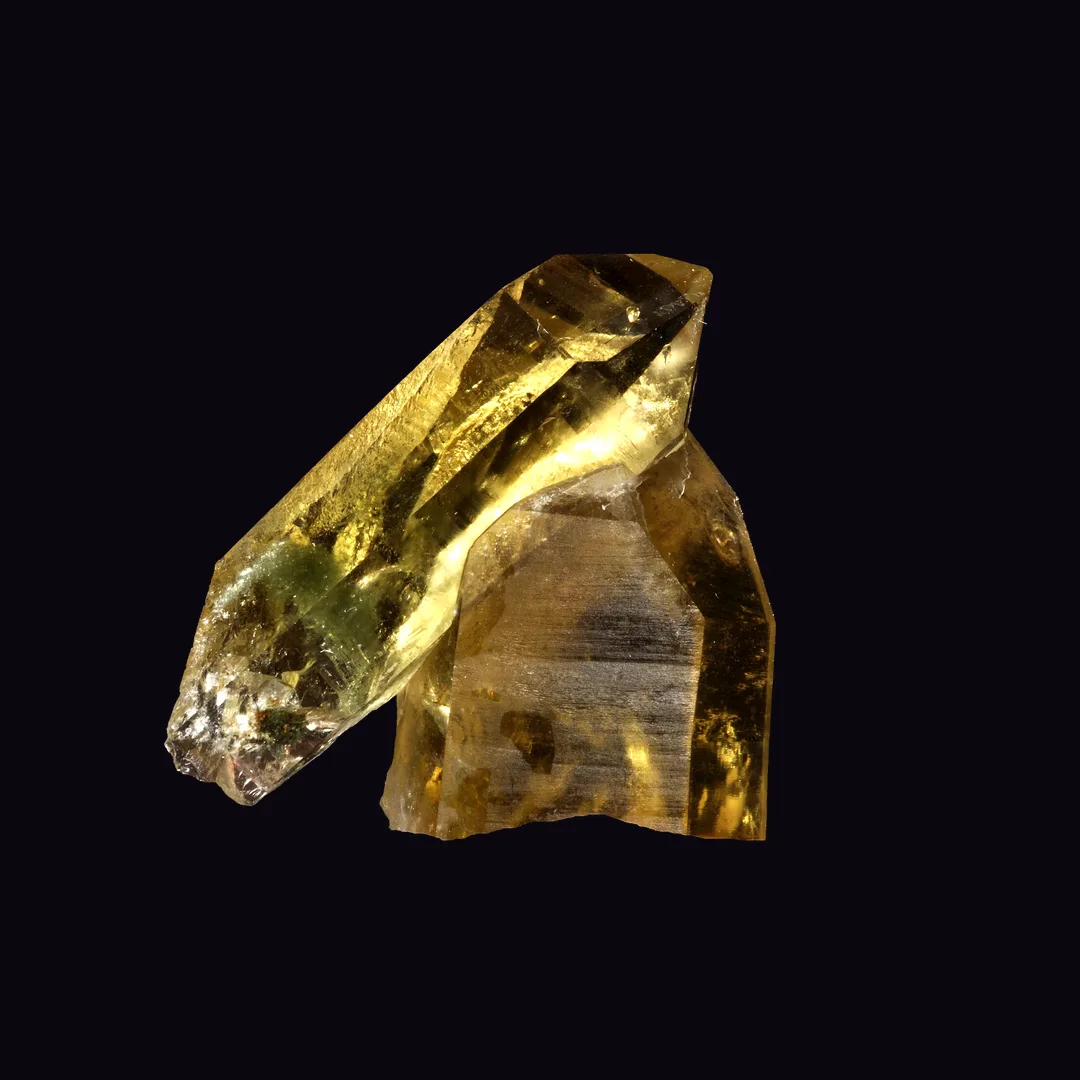
| Natural citrine (pale) | Citrine | Natural, rarer, subtler yellow | Yes |
| Amethyst | Amethyst | Natural iron plus irradiation | Yes |
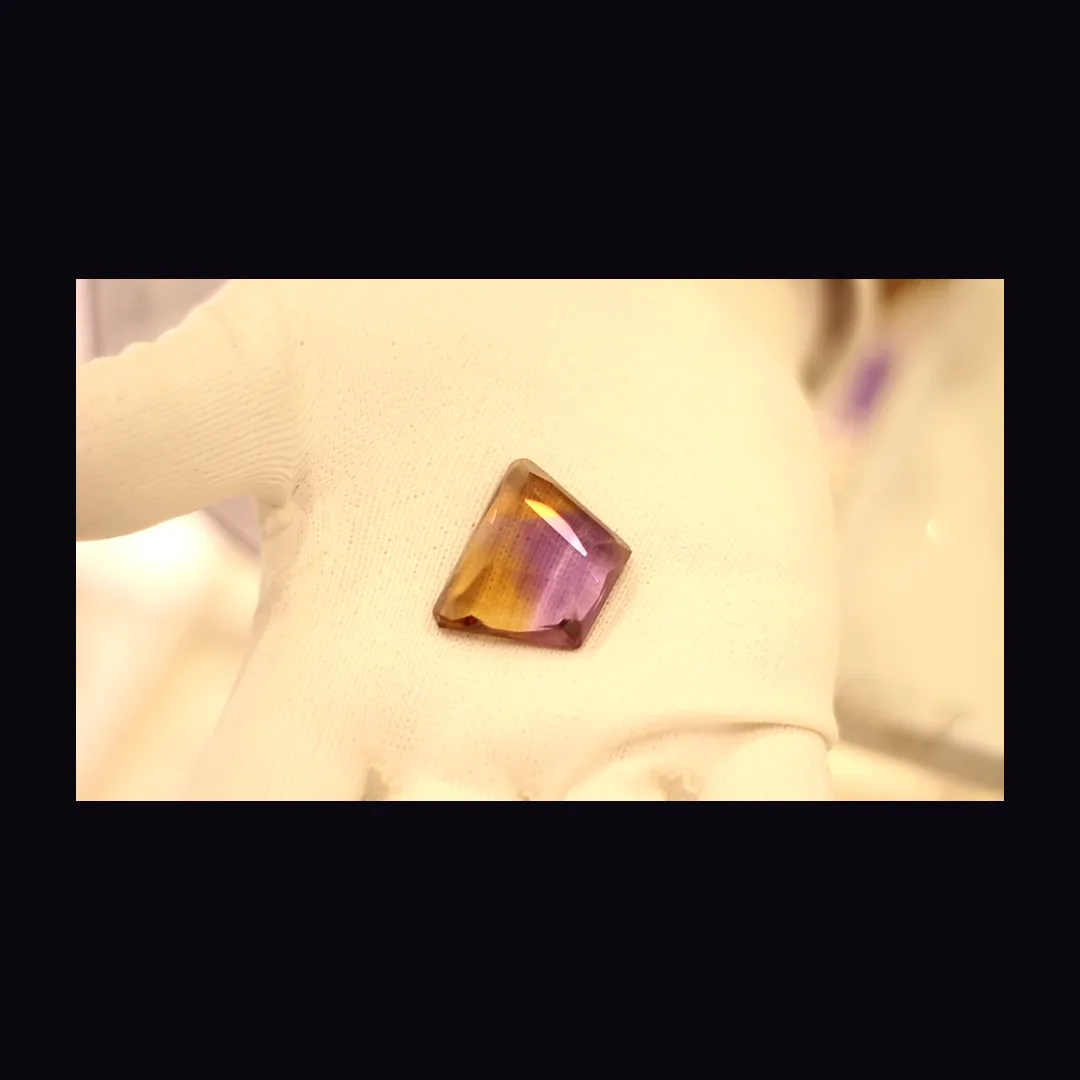
| Ametrine | Ametrine | Natural purple and yellow zones together | Yes |
The fakes beyond the name game
Once you get past the misleading label, there are actual fakes to watch for. Green glass gets sold as green amethyst, and it gives itself away the usual way: it warms fast in your hand, traps round bubbles, and scratches more easily than quartz. Dyed quartz shows colour pooling in the cracks. Real prasiolite is a clean, even, usually pale green, cool to the touch, and hard enough to scratch glass.
These checks catch the glass and the dye jobs. What they cannot tell you is whether a genuine green quartz was heat-treated or naturally coloured, because both are real quartz and behave identically in a hardness or bubble test. That distinction takes lab-level analysis, which is worth knowing before anyone charges you "natural" prices.
When you want a straight answer
If you have a green stone labeled amethyst and you want to know whether it is quartz at all, or glass wearing a fancy name, point your camera and Oraclite tells you what it is and whether it is real. It reads colour, luster and inclusions together, so you at least know if you are holding genuine quartz before you decide what the label is worth.
Green amethyst is real quartz with a dishonest name. Buy it as prasiolite, expect it to be treated, and only pay natural-rarity prices when someone can actually prove it.
The stones in this piece
Questions people ask
Is green amethyst a real stone?
The stone is real quartz, but green amethyst is not a real name. Amethyst is never naturally green. What is sold as green amethyst is prasiolite, which is almost always amethyst or quartz that was heat-treated or irradiated to turn green. It is genuine quartz, just not naturally the colour the name implies.
What is the difference between green amethyst and prasiolite?
There is none. Prasiolite is the correct mineral name, and green amethyst is the marketing name for the same green quartz. Sellers use green amethyst because it sounds rarer and more valuable than treated quartz. If a listing says green amethyst, read it as prasiolite.
Is green amethyst heat-treated?
Almost always, yes. The vast majority of prasiolite on the market is made by heating or irradiating certain amethyst, usually from specific mines in Brazil. Truly natural green quartz exists but is rare. Assume any affordable green amethyst is treated, which is fine as long as the seller is honest about it.