Is Your Rose Quartz Real or Dyed Glass?
Identifying crystals · 6 min read · 17 August 2026
The cloud in rose quartz is the colour. A sweet see-through pink usually means dye or glass, and here are the tells that catch it in about a minute.
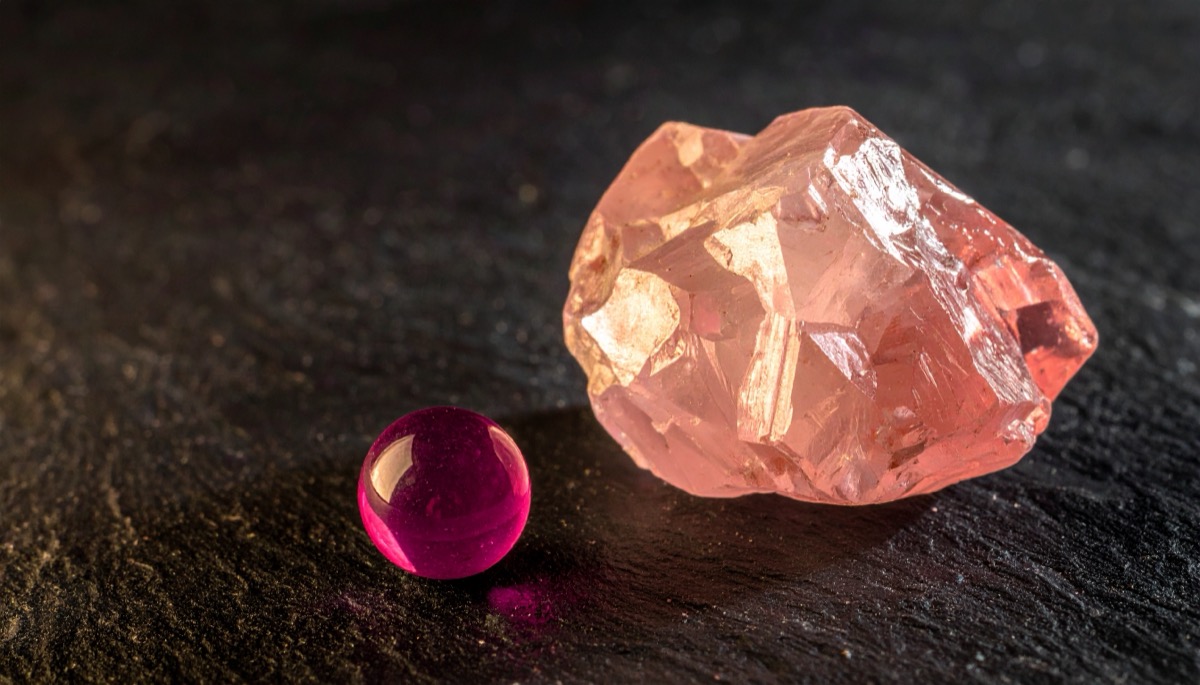
The pink in rose quartz is not really in the quartz. It comes from microscopic fibres growing inside it, far too small to see on their own.
Those fibres are what make it cloudy. The cloud is the colour. A clear rose quartz is close to a contradiction.
So when a shop hands you a sweet see-through pink, something was added. Usually dye. Sometimes it was never quartz at all, just glass poured into a heart-shaped mould.
You bought it for a soft reason. A breakup, a birthday, a month you would rather not talk about. Being lied to about the object does not undo why you reached for one.
Real rose quartz is cloudy and pale pink, feels cool, and is a 7 on the Mohs scale so it scratches glass. Fakes are usually dyed glass, which is too clear, too evenly bright pink, warms up fast in your hand, and traps tiny round bubbles. If your piece looks like see-through candy, be suspicious. Real rose quartz is almost always a little milky.
One warning before the tests. Dyed quartz is still quartz, so it stays cool and it still scratches glass. Hardness will not catch that one.
What real rose quartz looks like
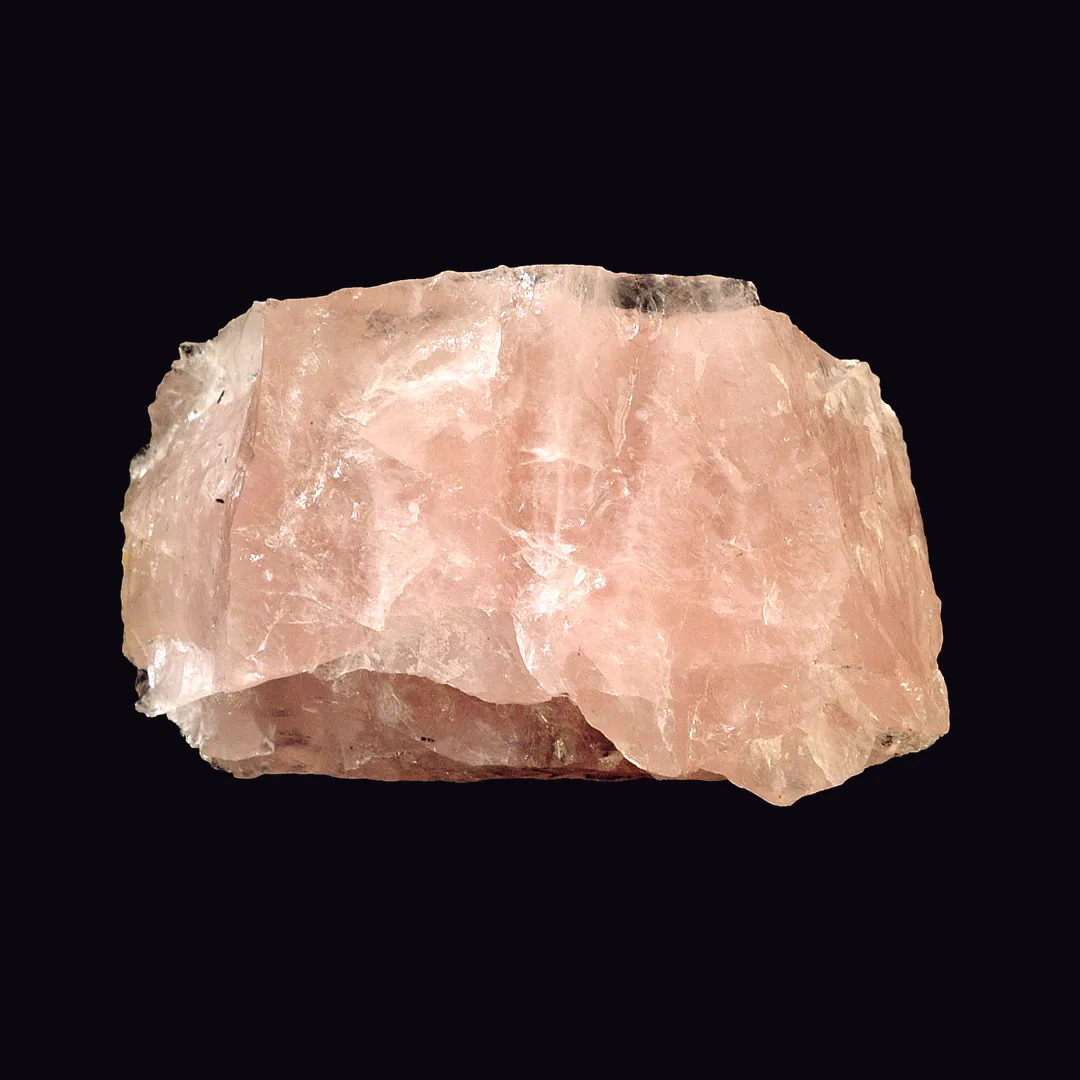
Genuine rose quartz is translucent, not transparent. It has a soft, hazy, milky quality because it is full of microscopic fibres that scatter light, the same fibres that give some pieces a faint star when you shine a light through them. The colour is usually a gentle, slightly cloudy pink, sometimes uneven, sometimes very pale. It is rarely a deep, even, glassy pink, and when a genuine piece is that saturated, it costs real money.
So the first instinct is simple. If your "rose quartz" is gem-clear, bright bubblegum pink, and dirt cheap, those three facts together are a warning.
The tells that work in under a minute
Temperature. Quartz is a mineral and stays cool. Pick up real rose quartz and it feels cold, and it takes a few seconds to warm to your hand. Glass warms almost instantly and feels lighter. This is the fastest test at a market table, no tools needed.
Bubbles. Shine a phone light through it or use a loupe. Molded glass traps tiny round air bubbles. Natural quartz never has perfectly round bubbles, its inclusions are wispy, cloudy, or fibre-like. Round bubbles mean glass, full stop.
Hardness. Rose quartz is Mohs 7. It scratches glass and a steel knife will not scratch it. That rules out glass fast. It does nothing for dyed quartz, because dyed quartz is real quartz and passes easily. Use hardness to catch glass, not to prove authenticity.
Colour pooling. On dyed pieces, colour collects in cracks and pits where the dye soaked in, so the fractures look darker pink than the flat faces. Even, grown-in colour is a good sign. Dye trapped in every crack is not.
Real vs fake at a glance
| Tell | Real rose quartz | Dyed quartz | Glass |
|---|---|---|---|
| Clarity | Cloudy, milky, translucent | Can look natural | Clear, glassy |
| Colour | Soft, pale, often uneven | Too even, or pooled in cracks | Bright, flat, even |
| Temperature | Cool, warms slowly | Cool (it's real quartz) | Warm fast, feels light |
| Bubbles | Wispy fibres, no round bubbles | None obvious | Round trapped bubbles |
| Hardness (Mohs 7) | Scratches glass | Scratches glass | Scratched easily |
| Price | Deep colour costs money | Cheap for the saturation | Very cheap |
The other pink one that was never quartz
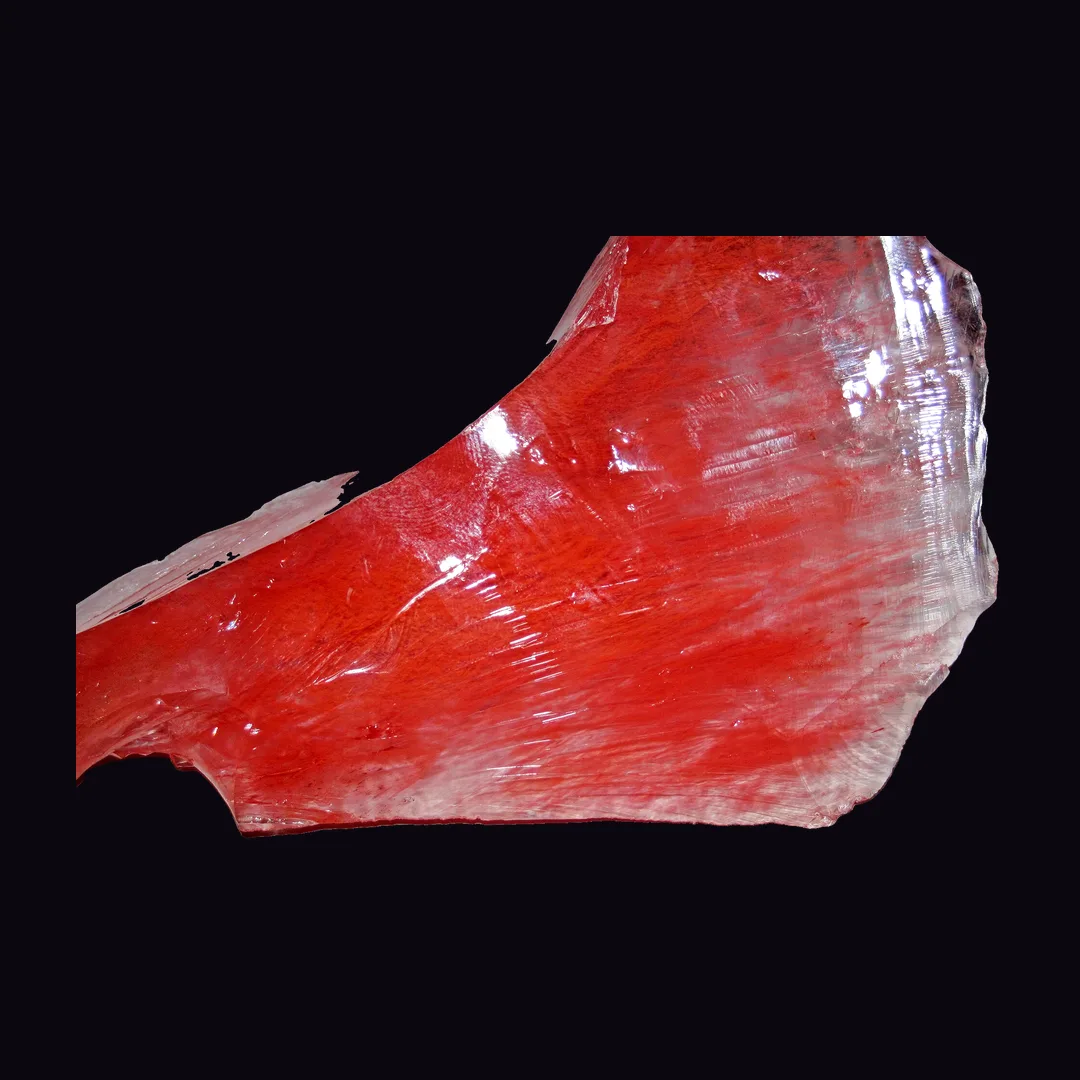
Cherry quartz has a cousin on the same shelf. Strawberry quartz is almost always glass as well, melted in a factory, mostly in China, with copper stirred through it. The little red seeds are real metal flakes that came out of the melt as it cooled. Nobody glued them on.
The tells are ones you already know. The flakes are all the same size and sit in swirled bands. The body colour is too vivid for anything that grew. A loupe finds round bubbles and flow lines running one way.
A natural strawberry quartz does exist, quartz holding irregular lepidocrocite or hematite platelets from Kazakhstan, Mexico and Madagascar. It is scarcer, paler and barely glitters. If yours is electric blue or gold or black, there is no natural version at all.
What the rest of the quartz family tells you
Rose quartz is quartz, and the family it sits in is the best evidence you have. Amethyst is the same mineral wearing purple, and real amethyst is almost never one flat shade. It runs darker at the tips and paler toward the base. Dyed quartz does the opposite. The colour is even everywhere and it pools in the cracks. Rose quartz behaves the same way as its purple sibling. The pink is cloudy and slightly uneven because the colour is part of the stone. A sweet, clear, evenly bright pink is the one to question.
The one that fools people
Well-done dyed quartz is the fake that gets past everyone. The base is genuine quartz, so it feels cold, it scratches glass, and if the dye job is subtle the colour looks plausible. In bad market lighting, people who buy stones for a living get fooled by it. These home tests get you maybe 80 percent of the way. The last 20 percent, the good dye jobs, is where you need more than your eyes.
That is the gap the app closes. Compare your piece against reference milky quartz, morganite and cherry quartz and the difference in how the colour sits jumps out. When you are still not sure, point your camera and Oraclite tells you what it is and whether it is real, reading colour distribution, luster and inclusions together instead of you squinting at one crack under a phone light.
Learn what real rose quartz looks like, run the three quick tests, and scan the ones that pass but still feel off. That order catches almost everything.
The stones in this piece
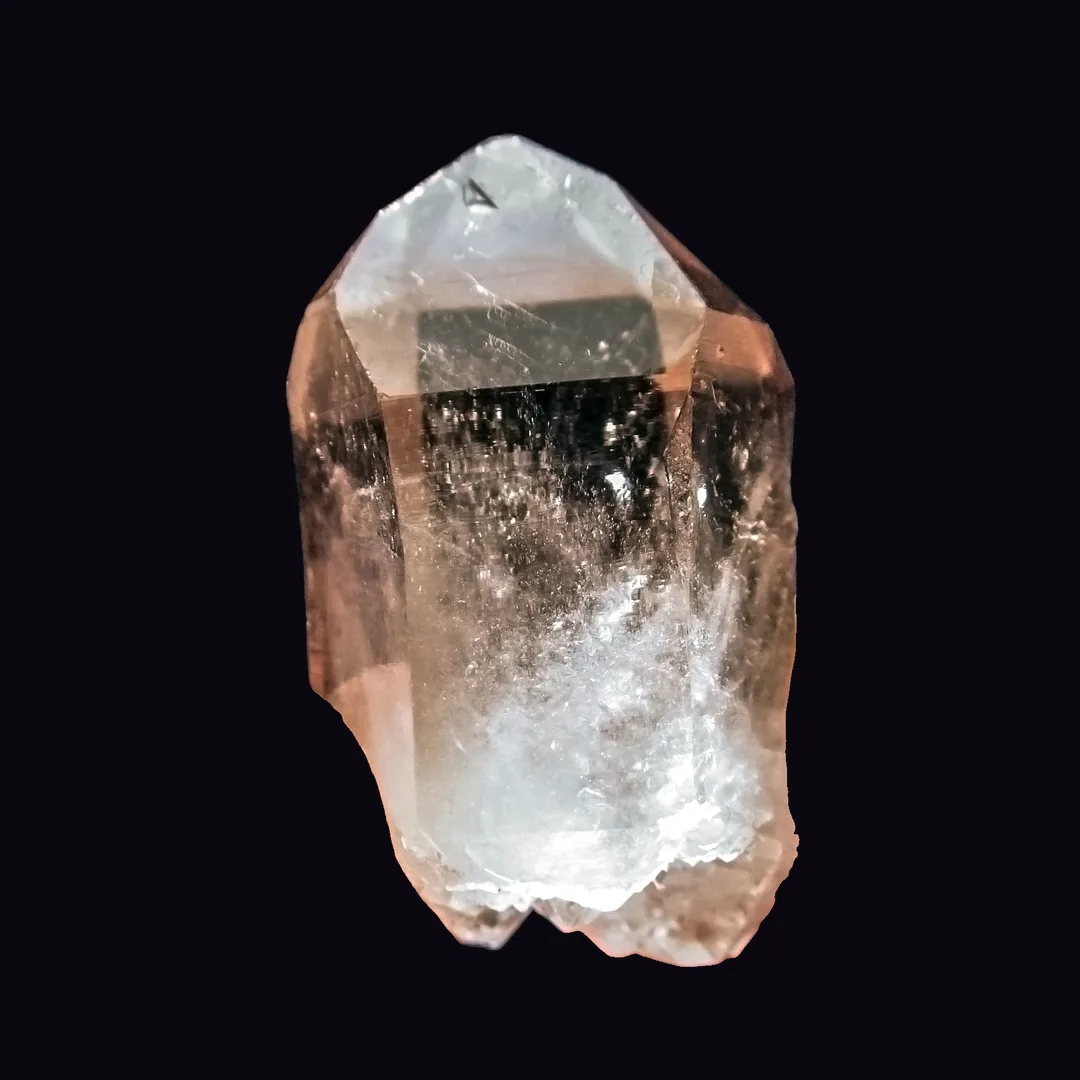
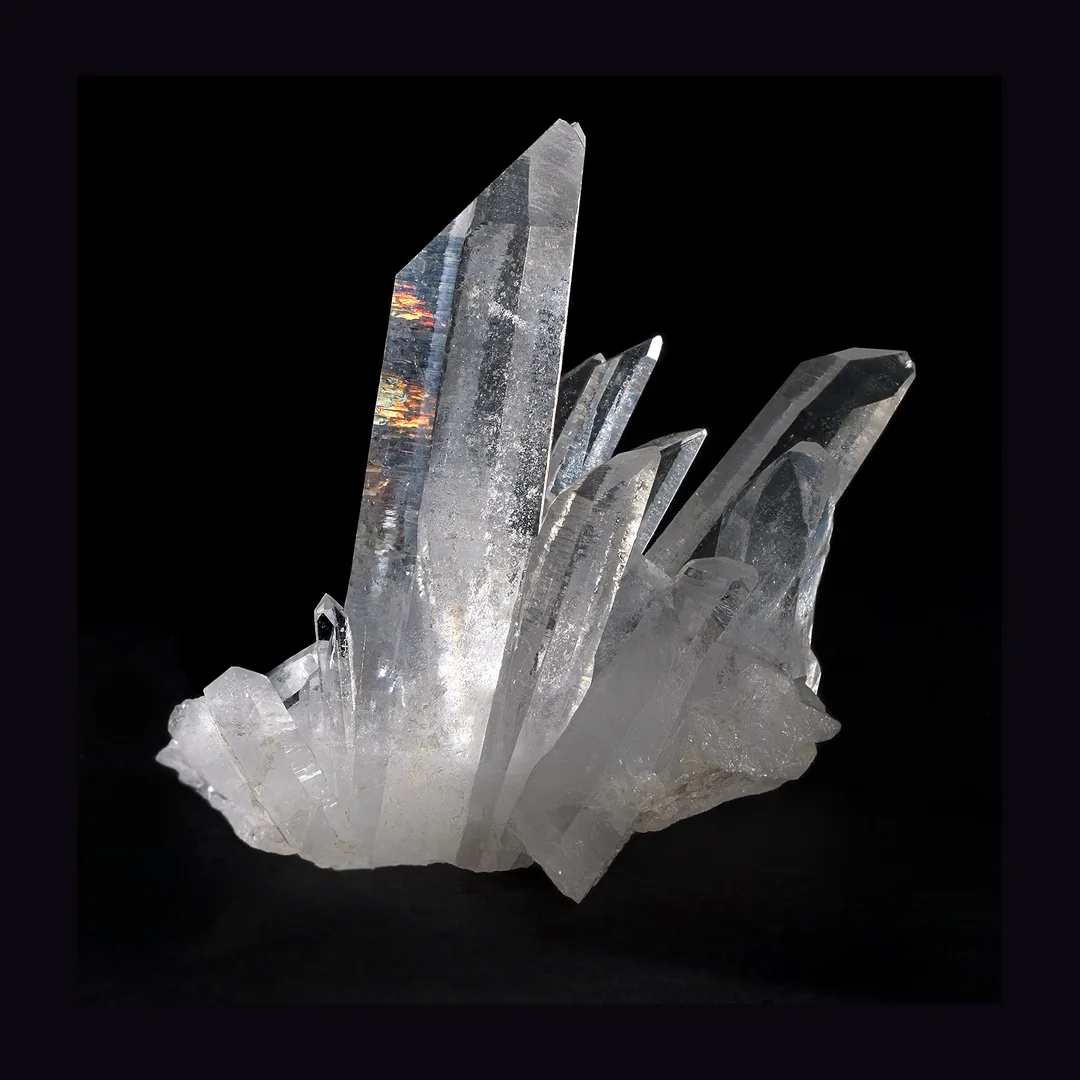
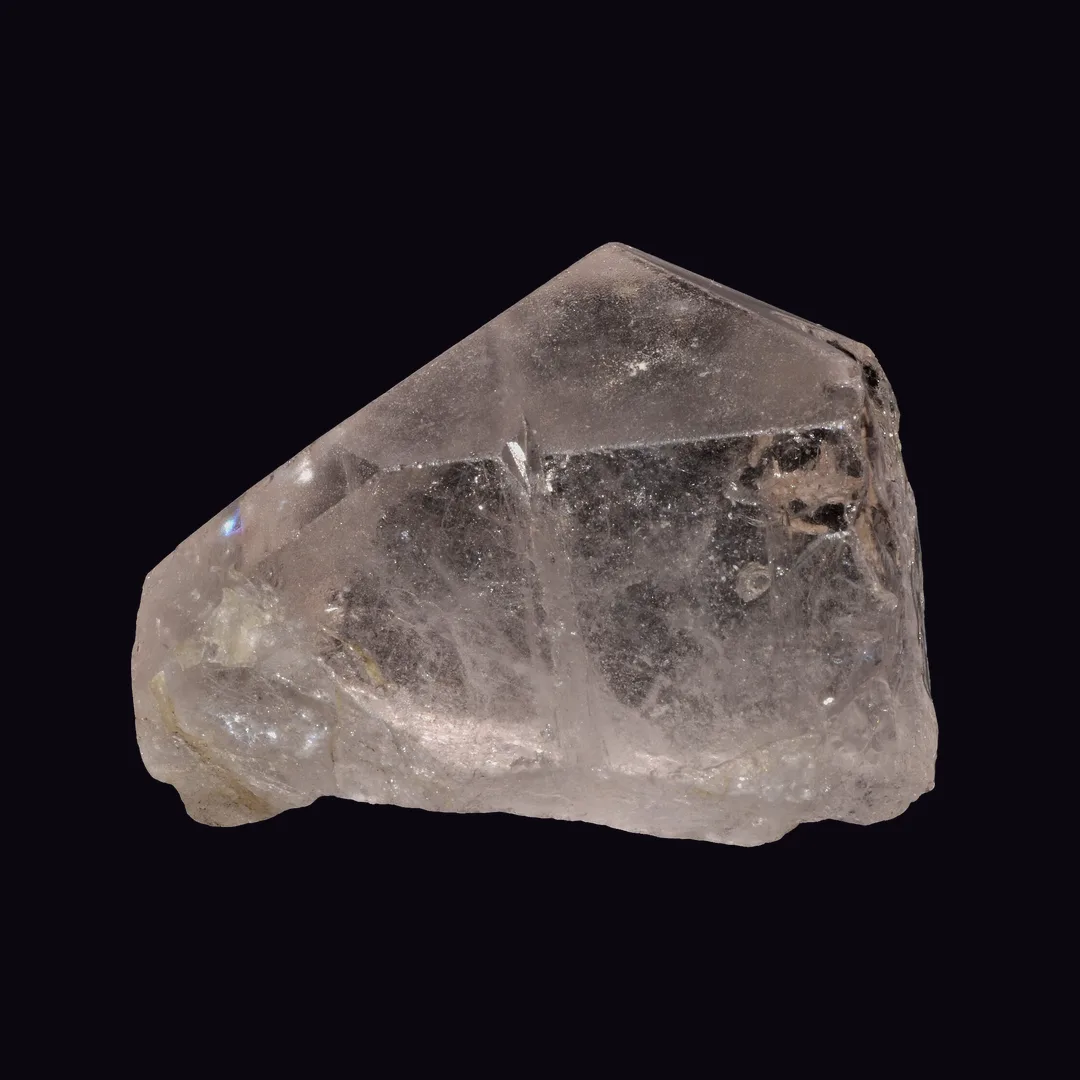
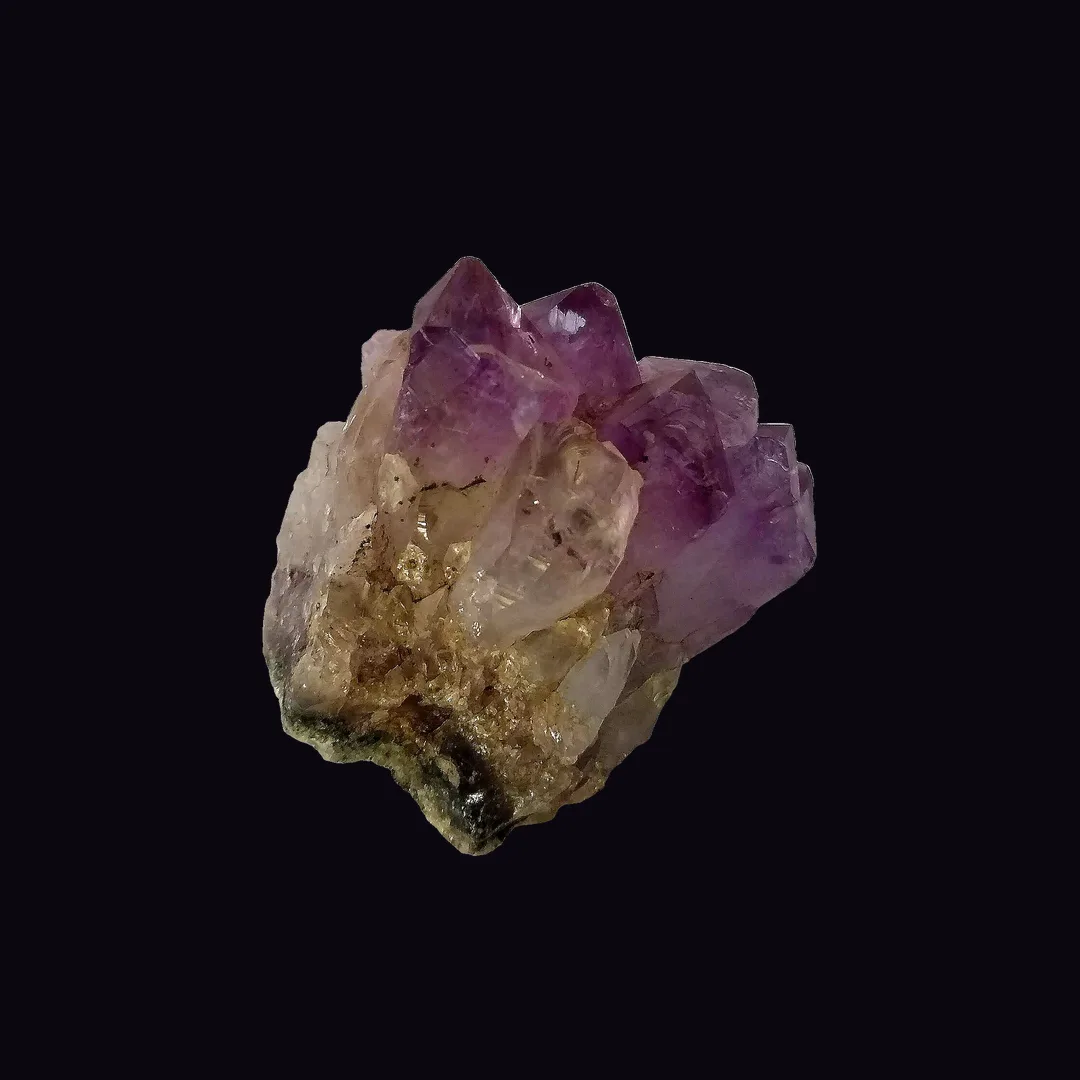
Questions people ask
What is fake rose quartz usually made of?
Usually dyed glass, sometimes dyed clear quartz or agate. Glass fakes are the common one: molded, bright even pink, and full of tiny round bubbles. Dyed stone is sneakier because the base really is quartz, so a hardness test passes and you have to read the colour instead.
Is real rose quartz clear or cloudy?
Cloudy. Real rose quartz is translucent, not transparent, with a soft milky haze from microscopic fibers inside it. If your piece is glassy, see-through and a bright even pink, that is a red flag for glass. The genuine stone almost always looks a little foggy.
How can I test rose quartz at home?
Check three things fast: temperature (real quartz stays cool and warms slowly, glass warms quickly), bubbles (round trapped bubbles mean glass), and hardness (quartz is Mohs 7 and scratches glass). These catch most fakes, but well-dyed quartz can pass them all, so scan it when you are unsure.