Real vs Fake Jade: New Jade Isn't Jade
Identifying crystals · 6 min read · 17 August 2026
Only jadeite and nephrite are jade. The rest is serpentine or dyed quartz wearing the name, and the A, B and C grades hide the rest. Here is how to tell.
Jade has been carved in China for thousands of years, long before anyone wrote down why it mattered. Nearly all of the world's gem jadeite comes out of Myanmar, dug by people who live there.
It was never a decorative stone in those places. It was buried with the dead, and it is still given at weddings.
The trade grades it A, B and C. A jade is untreated. B jade has been soaked in acid and filled with polymer.
C jade has been dyed. Shops sell all three under the one word, and only one of them was left alone.
You paid more for this than you usually pay for a stone. That is the part that stings, and it is why you are up late reading about serpentine.
Only two minerals are real jade: jadeite and nephrite. Everything else sold as jade is something cheaper wearing the name. New jade is serpentine, Malaysia jade is dyed quartz, and Indian jade is green aventurine. Real jade is dense, cold, and hard enough to resist a steel blade. The imitations are softer, lighter, or full of dye.
The two real jades
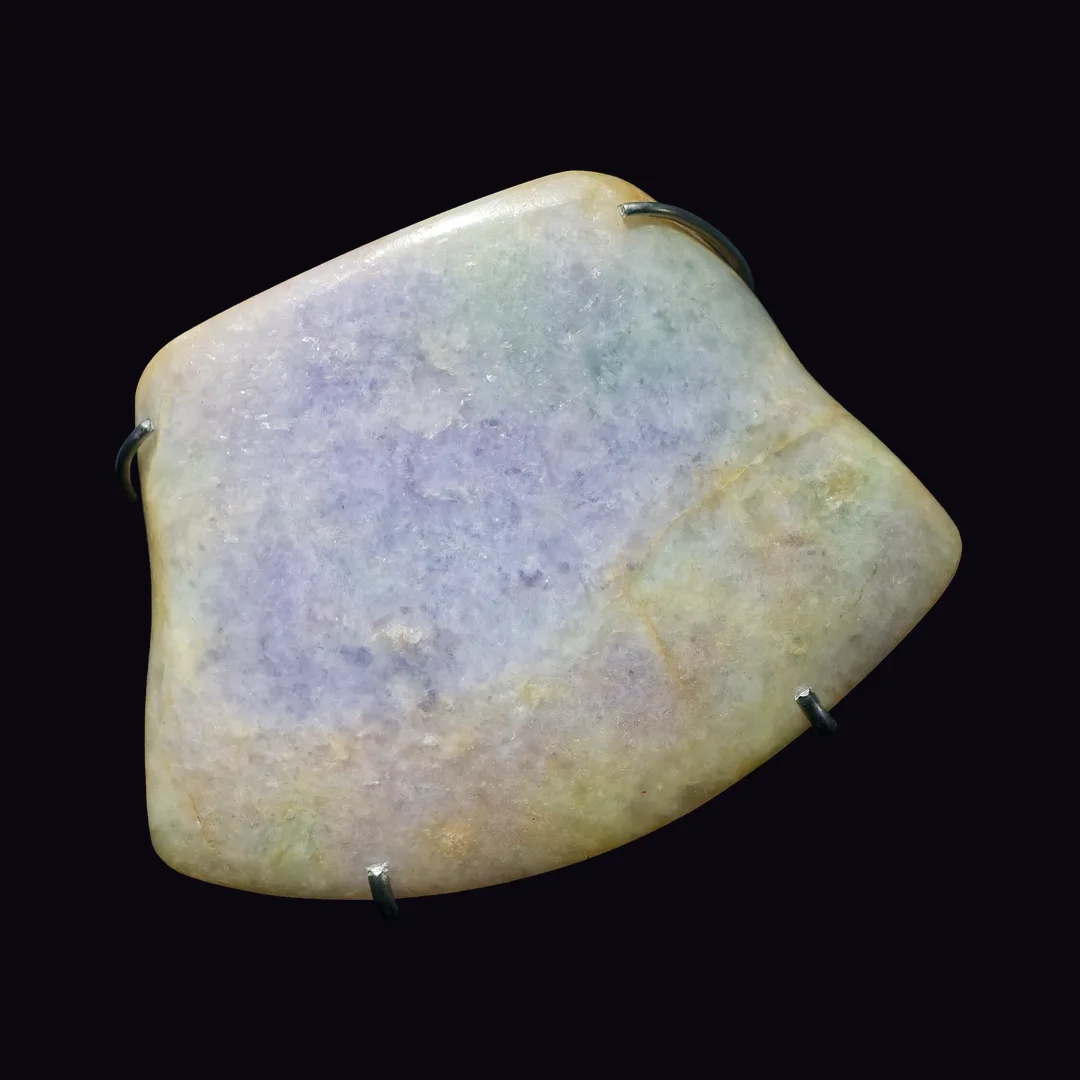
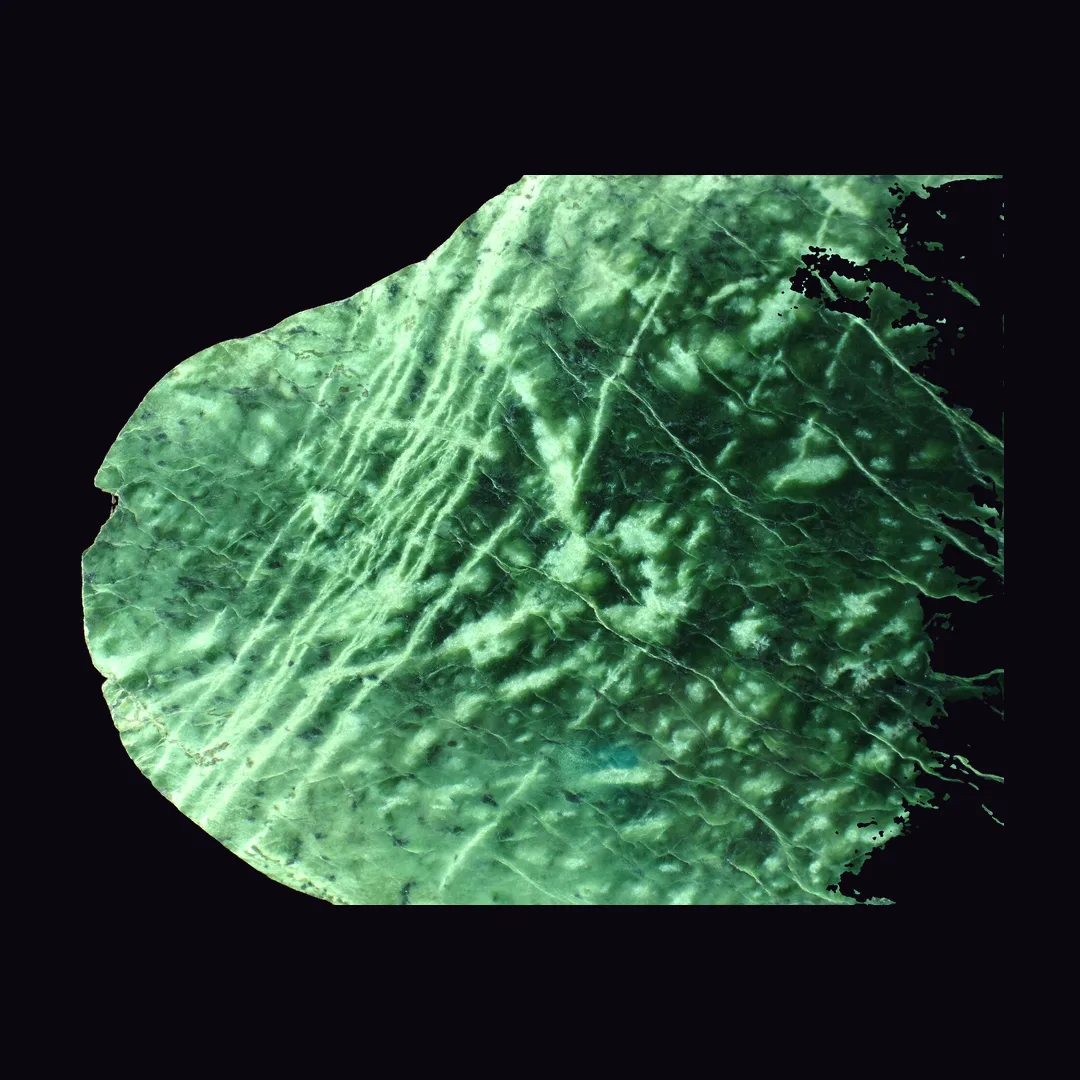
Jadeite. The harder, rarer, more valuable one, Mohs 6.5 to 7. This is the jade behind the famous translucent imperial green and the high auction prices. Fine jadeite is genuinely expensive.
Nephrite. Slightly softer at Mohs 6 to 6.5 but incredibly tough, meaning it resists breaking even though it is a touch softer. More common, more affordable, and the jade most old carvings are made from. Colours run from creamy white ("mutton fat") through spinach green.
Both are real jade. Both are dense, cold to the touch, and take a smooth waxy-to-glassy polish. If your stone is neither of these, it is not jade, no matter what the sticker says.
The imitations and misleading names
This is where the money gets lost.
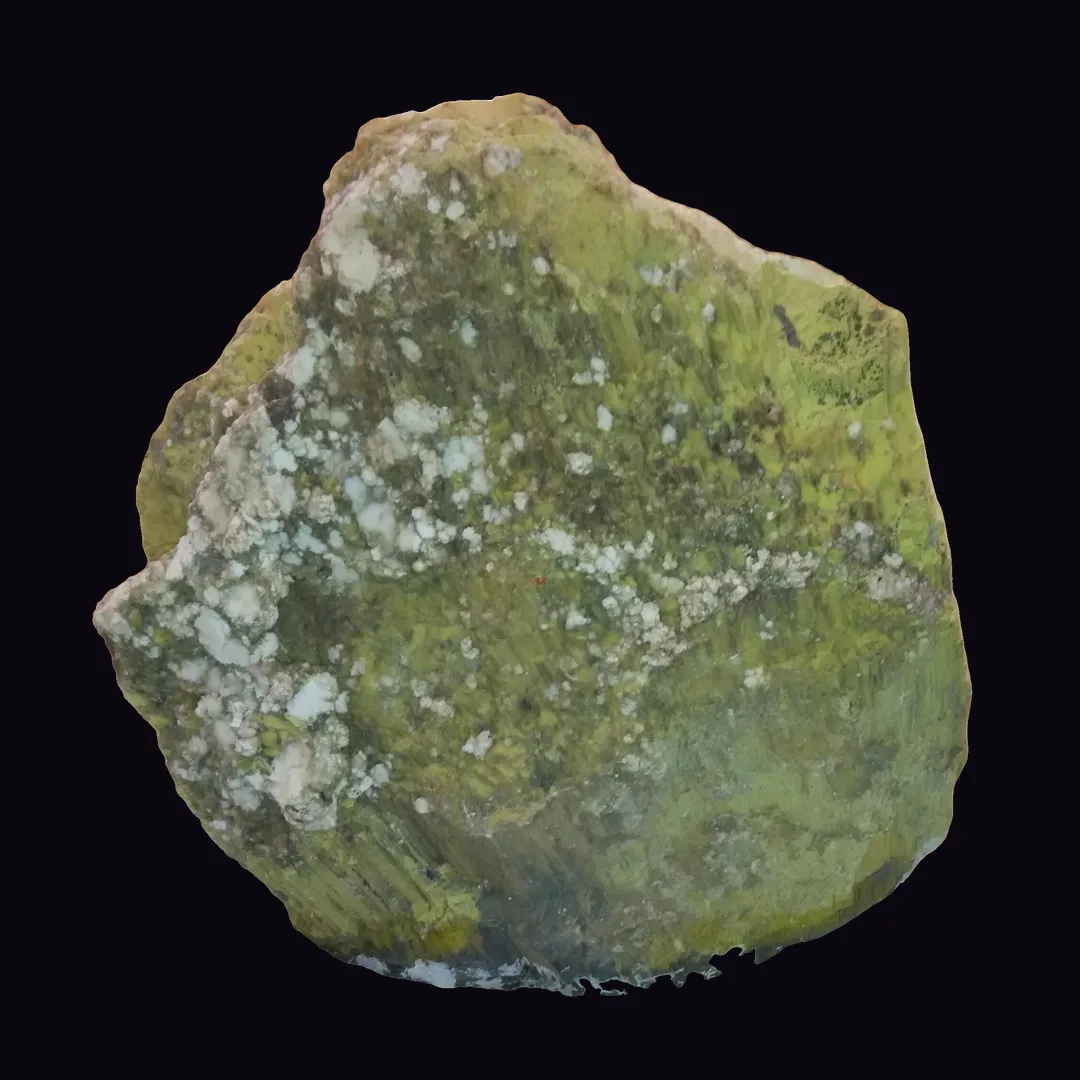
- New jade / olive jade / serpentine jade is serpentine, a much softer mineral (Mohs 2.5 to 5.5). Waxier, lighter, scratches easily. A fine stone on its own, not jade.
- Malaysia jade is dyed quartz, usually dyed a vivid green that pools in the cracks.
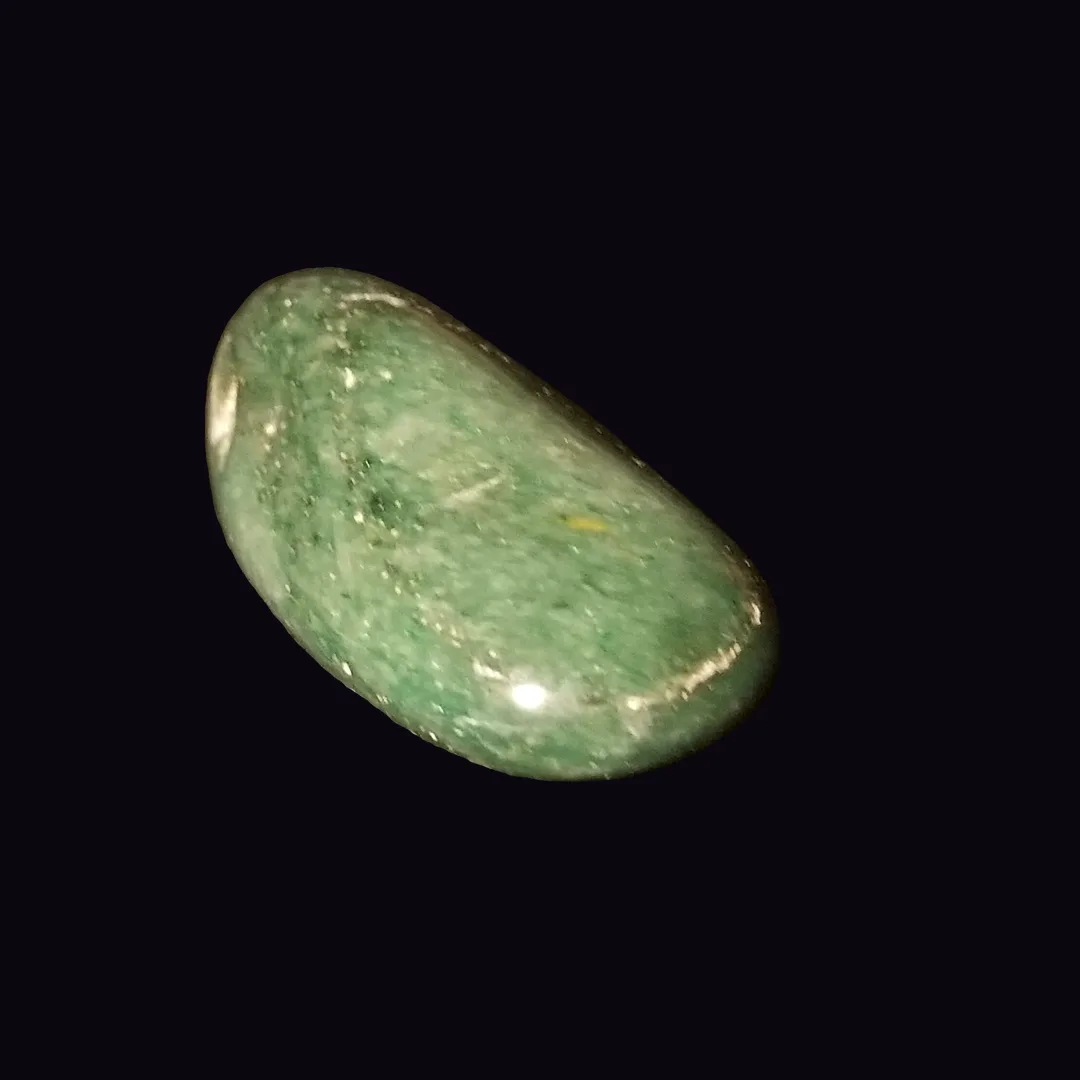
- Indian jade is green aventurine, quartz with sparkly mica flecks, not jade at all.
- Australian jade / African jade are usually chrysoprase or other green stones borrowing the name.
- Dyed jadeite (B and C grade) is real jadeite that has been bleached and injected with polymer or dyed to fake better colour. Real mineral, faked quality.
Real vs fake jade at a glance
| Sold as | What it really is | Mohs | Tell |
|---|---|---|---|
| Jadeite | Real jade | 6.5 to 7 | Dense, cold, resists steel blade |
| Nephrite | Real jade | 6 to 6.5 | Tough, heavy, waxy-glassy polish |
| New / olive jade | Serpentine | 2.5 to 5.5 | Softer, lighter, scratches easily |
| Malaysia jade | Dyed quartz | 7 | Green dye pooled in cracks |
| Indian jade | Green aventurine | 7 | Sparkly mica flecks inside |
| "Jade" glass | Glass | ~5.5 | Round bubbles, warms fast |
The tests you can do
Heft and cold. Real jade is denser than most imitations, so it feels surprisingly heavy for its size and stays cold in your hand. Serpentine and glass feel lighter and warm up faster.
Hardness. Real jade resists a steel knife blade. Serpentine scratches. Be careful and test an inconspicuous spot, because you can also just scratch a nice piece if you are wrong.
Dye in the cracks. Dyed quartz and dyed jadeite show colour concentrated in fractures and around grain edges, darker in the cracks than on the smooth faces.
Bubbles. Glass fakes trap round bubbles. Jade never does.
The click (careful with this one). Real jade beads give a deeper, more resonant tone when tapped together than glass or serpentine, which sound higher and hollow. It is a real tell but easy to misread, so treat it as a hint, not proof.
The lookalike nobody warns you about
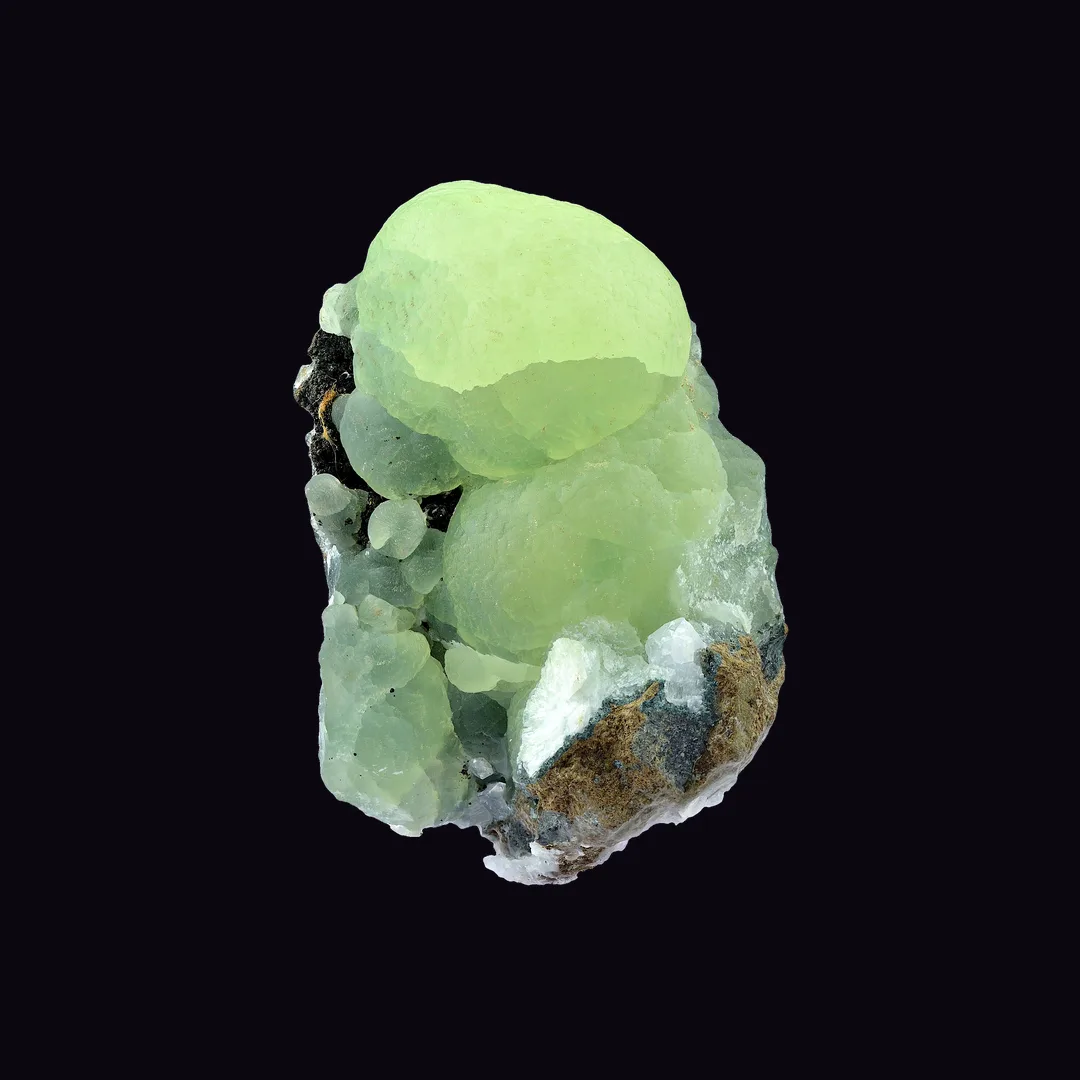
Prehnite belongs on this list and it rarely makes it. It is translucent pale yellow-green with a soft cloudy look, something like set olive oil or a green grape, and it gets sold as pale jade often enough to matter. The surface is the tell. Prehnite grows as bubbled crusts covered in low domes, and dark green to black epidote needles very often pierce straight through it, which is close to diagnostic. Break one and the fibres fan out from the base. It is hard at 6 to 6.5, so a knife leaves no mark, which rules out serpentine but not jade. Look for the needles.
The honest limit
Stack these and you will catch serpentine, glass and most dye jobs. What they will not do is separate real jadeite from very well-treated jadeite, or tell nephrite from jadeite reliably, because both real jades pass the hardness and heft tests. For anything expensive, the pro move is a lab test, and no home trick replaces it.
For everything below that, point your camera and Oraclite tells you what it is and whether it is real, reading density cues, colour behavior and surface together, so you at least know if your "jade" is one of the two real ones or serpentine wearing a good name. Real jade is dense, cold and hard. If it is soft, light, or dyed in the cracks, the label lied.
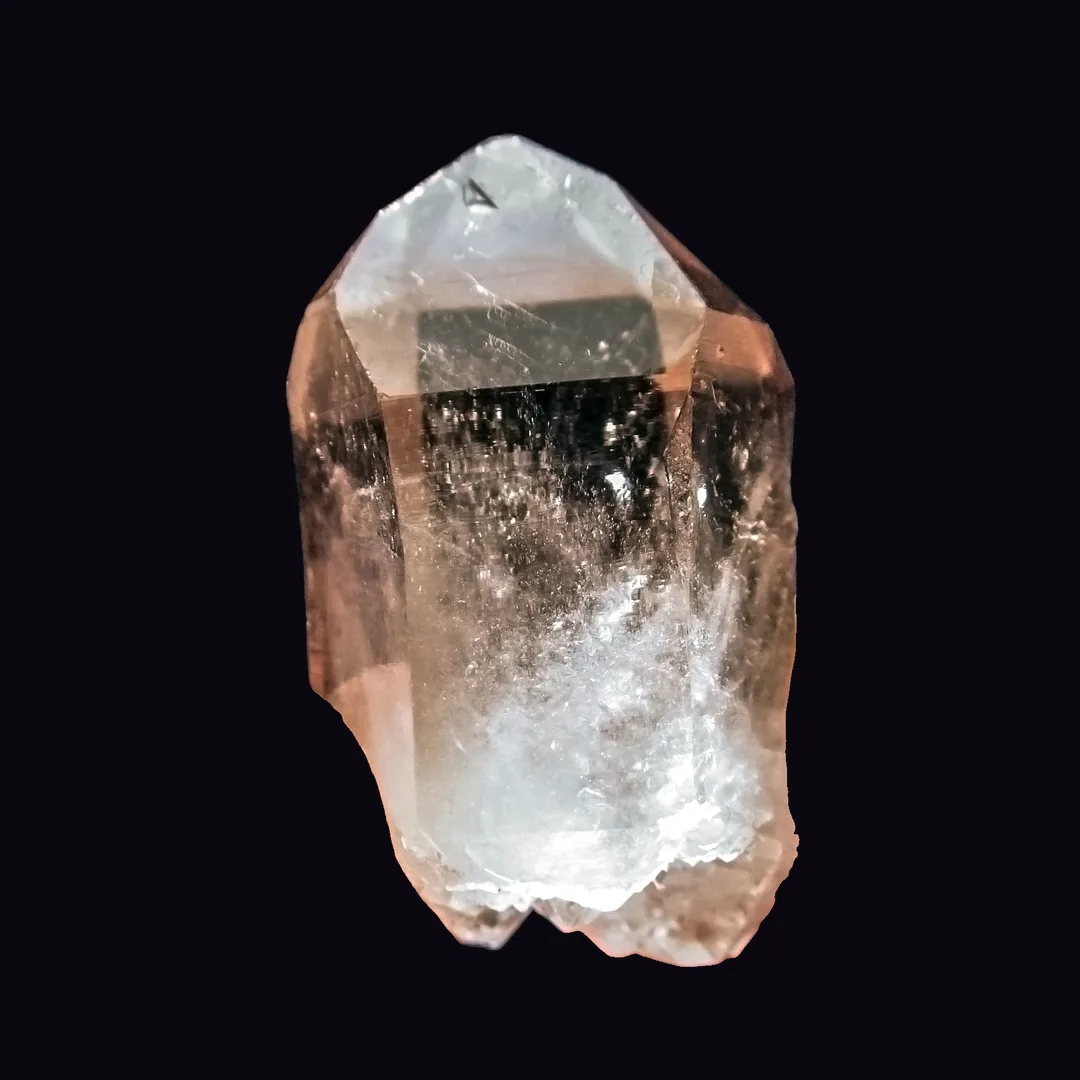
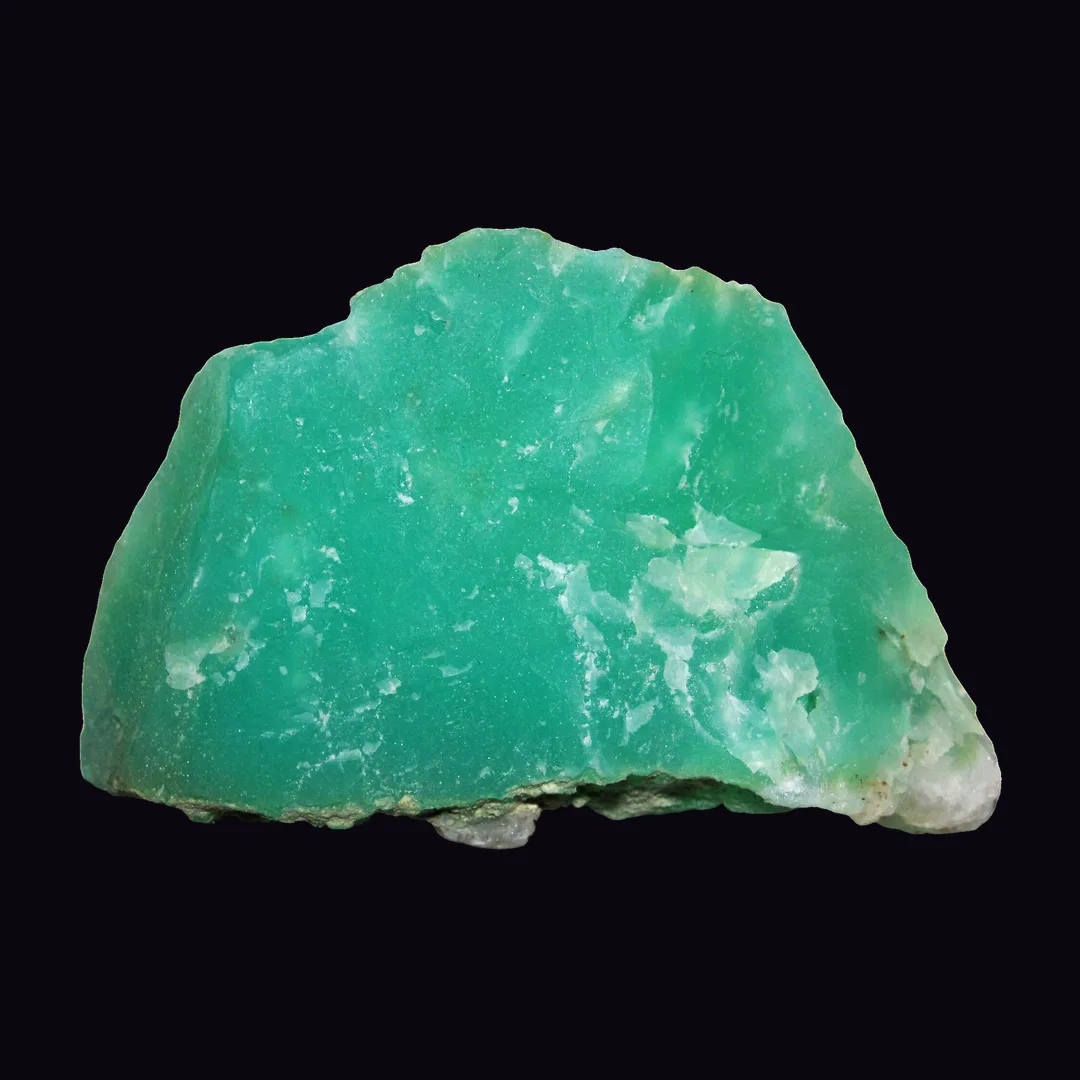
The stones in this piece
Questions people ask
Is new jade real jade?
No. New jade, also sold as olive jade or serpentine jade, is serpentine, a completely different and softer mineral. It is a 2.5 to 5.5 on the Mohs scale, where real jade is 6 to 7. It is a nice stone, but it is not jade and should not cost jade money.
What are the two real types of jade?
Jadeite and nephrite. Jadeite is harder (Mohs 6.5 to 7), rarer, and the pricier of the two, with the famous imperial green at the top. Nephrite is slightly softer (6 to 6.5), tougher against breakage, and more common. Everything else called jade is an imitation or a different stone entirely.
How can I tell if my jade is real?
Real jade is dense and heavy for its size, cold to the touch, and hard enough to resist a steel blade. Fakes like serpentine feel lighter and scratch easily, dyed quartz shows colour pooled in cracks, and glass traps round bubbles. These tests get you most of the way. Scan or get a lab test for the expensive pieces.