Fake Amethyst Geodes Are Flooding TikTok: How to Spot One
Identifying crystals · 6 min read · 9 August 2026
Dyed geodes take colour perfectly evenly. Real amethyst never does. Check the tips, the base and the glue line before you spend three figures on a clip.
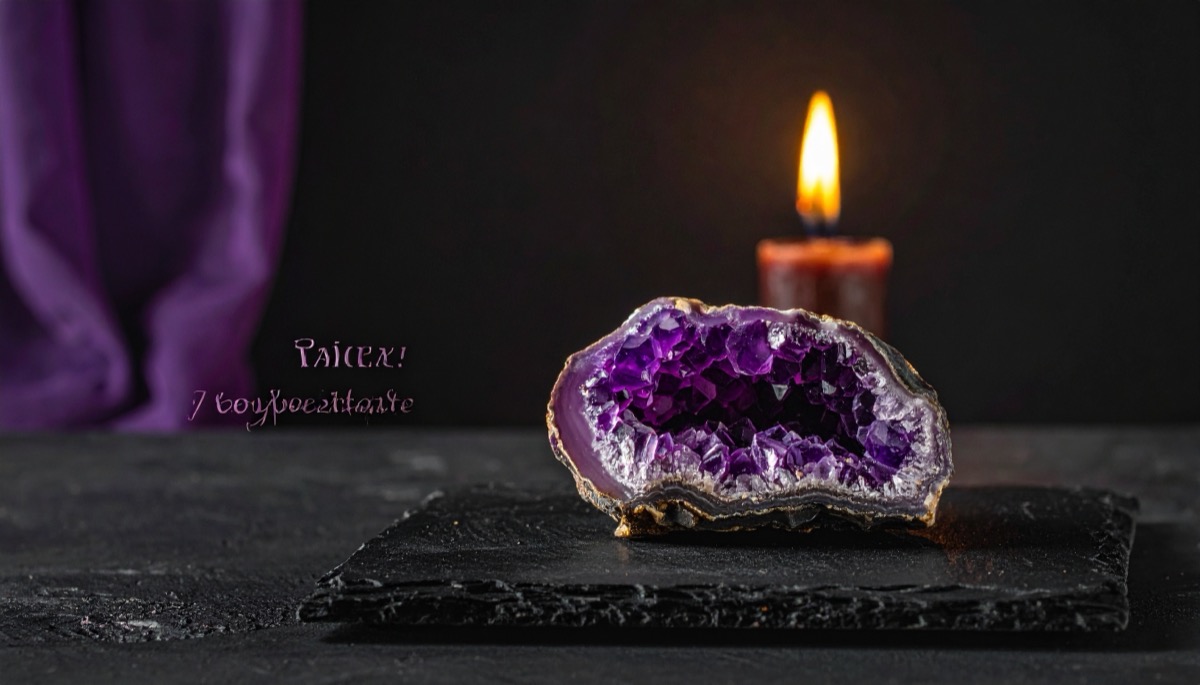
A dyed geode usually starts as pale agate or cheap quartz that spent a few days sitting in purple stain.
The stain soaks in evenly, and that is the giveaway. Real amethyst cannot manage even. Its colour gathers in the tips and thins out towards the base, and it changes from point to point.
Some sellers go further. Loose druzy gets glued into a hollow shell, and the seam sits under the rim where a camera never goes.
You bought it from a video, not a shop. That is not naivety. The lighting in those clips is built to sell, and nobody films the base.
Fake amethyst geodes are all over TikTok right now, and some are convincing enough to fool people spending real money. The fastest tell is color placement: real amethyst is darkest at the crystal tips and uneven point to point, while dyed geodes are one flat, saturated purple everywhere. Uniform is the red flag.
Why fakes exploded on your feed
Amethyst geodes and cathedrals are made for short video. They're big, they're purple, they sparkle, and they photograph like a jackpot. That's exactly why the fakes multiplied. Sellers figured out that a dyed geode reads the same on a phone screen as a real one, and the buyer doesn't find out until the box arrives.
The stakes aren't nothing. A convincing cathedral can run one to several hundred dollars. People are budgeting for these, buying them as gifts, building an altar around one. Getting shipped a dyed rock in a resin shell stings in a way a five-dollar tumble doesn't. So it's worth slowing down before you tap buy.
Real amethyst is just purple quartz, coloured by iron and natural irradiation over a long time. That slow, uneven process is exactly what the fakes can't reproduce, and it's what you're going to learn to read.
The four fakes you'll actually meet
Dyed geodes. A pale, cheap geode gets soaked in purple dye. The result is too even and too bright. Dye pools in the cracks and between crystals, so the recesses look darker and gummier than the tips, which is backwards from how real amethyst colours.
Glued druzy. Loose plates of sparkly druzy get glued into a hollow rock or a curved resin base to fake a geode. Flip it over and look at the seam. Real crystals grow out of the host rock in one continuous piece. Glued druzy sits on top of a base it never grew from, and you can often find the glue line or a bead of adhesive.
Cathedral fakes. Tall "cathedral" towers get assembled from mismatched pieces, or a plain grey rock gets a thin dyed crust. Check whether the crystal actually goes into the rock or just coats the surface like paint.
Suspiciously uniform purple. The catch-all. Any geode that's the identical vivid grape shade across every single crystal, with no gradient and no pale zones, is fighting how nature works.
Real vs fake amethyst geode
| What you're checking | Real geode | Fake geode |
|---|---|---|
| Colour placement | Darkest at crystal tips, fades toward base | Flat and even, or pooled darkest in the cracks |
| Colour variation | Purple shifts point to point, some pale zones | One uniform saturated purple everywhere |
| The rock rind | Natural grey/brown host the crystals grow out of | Crust that stops at a seam, or a smooth resin shell |
| The base (flip it) | Crystals continuous with the host rock | Glue lines, adhesive beads, a flat glued-in plate |
| Dye tells | None | Colour on the outer rind, dye in fingernail scratches |
| Price | Consistent with size and quality | Too cheap for the size, or "wholesale lot" bulk |
The colour-zoning tell, in detail
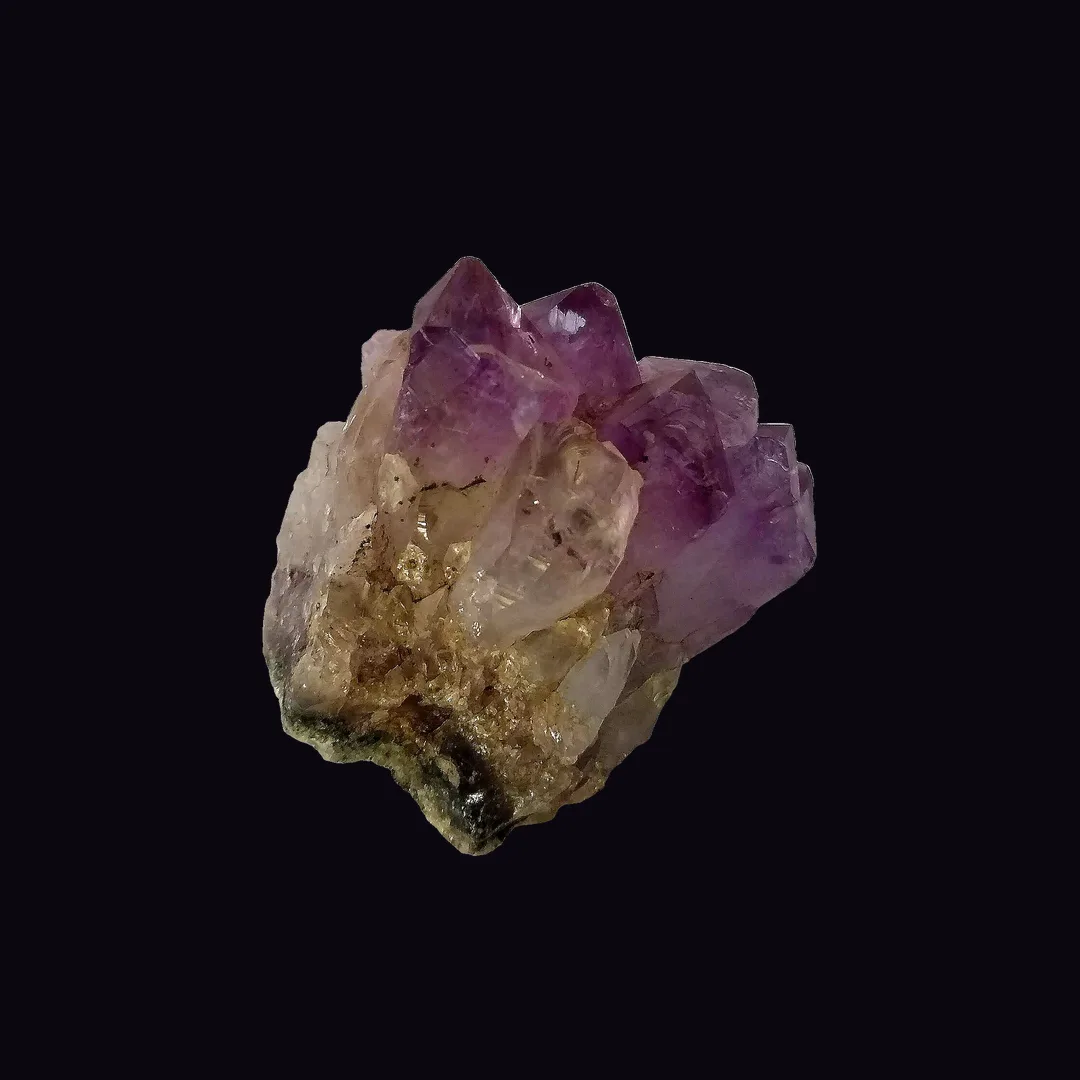
This is the one to internalize because it's the hardest to fake. In natural amethyst, the purple concentrates at the tips of the crystals where growth was most recent, and it fades toward the base, often into clear or milky quartz near the rock. Look down into a real geode and you see a gradient: pale near the wall, deepening toward the points.
Dyed geodes invert this or flatten it. The dye soaks into the whole crystal or pools in the tight spaces between points, so the deepest colour ends up in the recesses instead of the tips. If the darkest purple is down in the cracks rather than up at the sparkly ends, be suspicious.
And real amethyst is often just paler than people expect. The rich grape geodes are real but pricier. A lot of affordable natural amethyst is soft lavender, patchy, with clear zones. When a cheap listing shows deep uniform purple, the math doesn't work, and dye is usually why.
Two quick physical checks
Scratch a hidden spot. Dye often sits near the surface. Gently drag a fingernail or the back of a scratched-off area on the base and see if any colour lifts or looks painted on the outer rind. Natural colour goes all the way through the crystal and won't wipe.
Check the outside rock. On a real geode, the outer host rock is plain grey, brown, or tan. Some dye jobs are sloppy and you'll find purple bleeding onto that outer rind where no crystal grew. Purple on the raw rock is a giveaway.
You can also acetone-test a discreet corner. If a cotton swab with nail polish remover pulls purple off, it's dyed. Do it somewhere hidden, because it's not fully reversible.
What real amethyst colour actually looks like
It helps to know the real range so you stop expecting the fake one. Natural amethyst runs from pale lavender to deep grape, and the good colour is patchy and directional. In a single geode you'll often see darker purple at the crystal tips, a lighter middle, and near-clear or grey at the base where the crystals meet the host rock. That gradient is normal and it's the thing dye can't reproduce cleanly.
You'll also see colour zoning inside individual points, faint bands or angular patches of deeper and lighter purple that follow how the crystal grew. Hold a real point to a window and you can usually spot it. Dyed stone tends to be flatly saturated with none of that internal structure, because the colour was added after the crystal formed rather than grown into it.
One more thing people misjudge: sunlight fades real amethyst over time, so a window-display piece may be paler than a fresh one. That's a real-stone behavior, not a fake tell, but it's worth knowing before you assume a lighter geode was cheated. If anything, easy fading is a quiet point in favor of the stone being genuine.
Where this gets hard, honestly
Some fakes are good. A well-dyed geode with careful colour placement can slip past a quick glance, and a photo on TikTok flattens all the subtle cues you'd catch in person. The rind check and the base check are your strongest moves, but they need the stone in your hands, which you don't have when you're buying online.
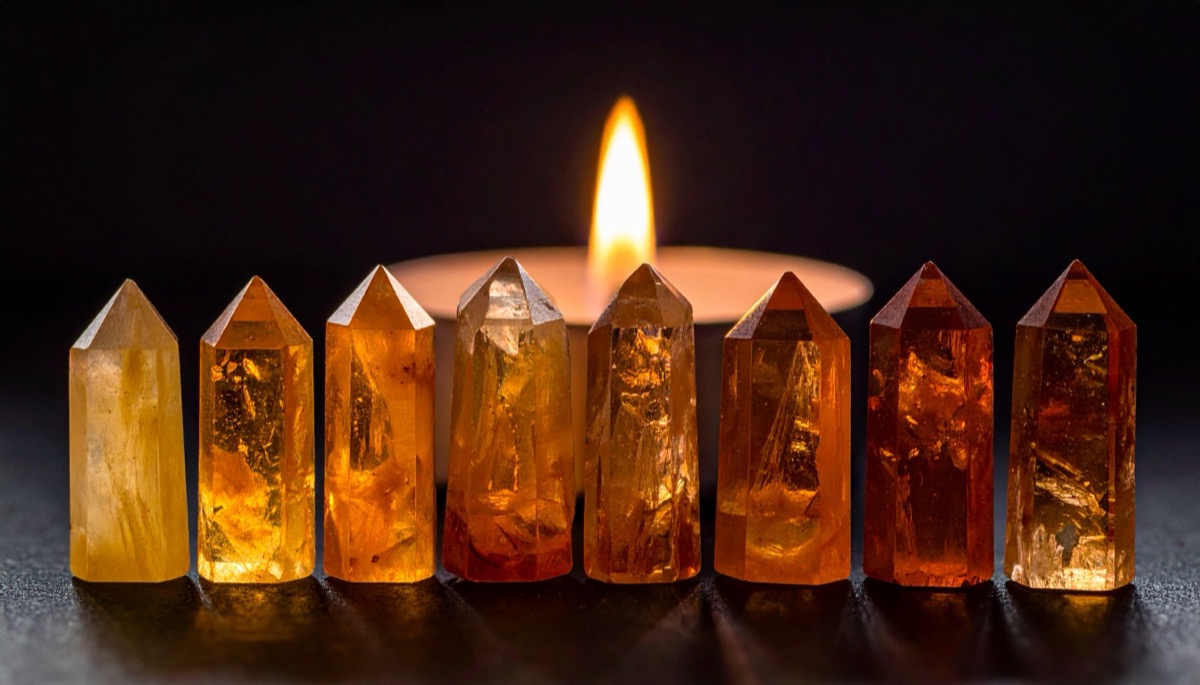
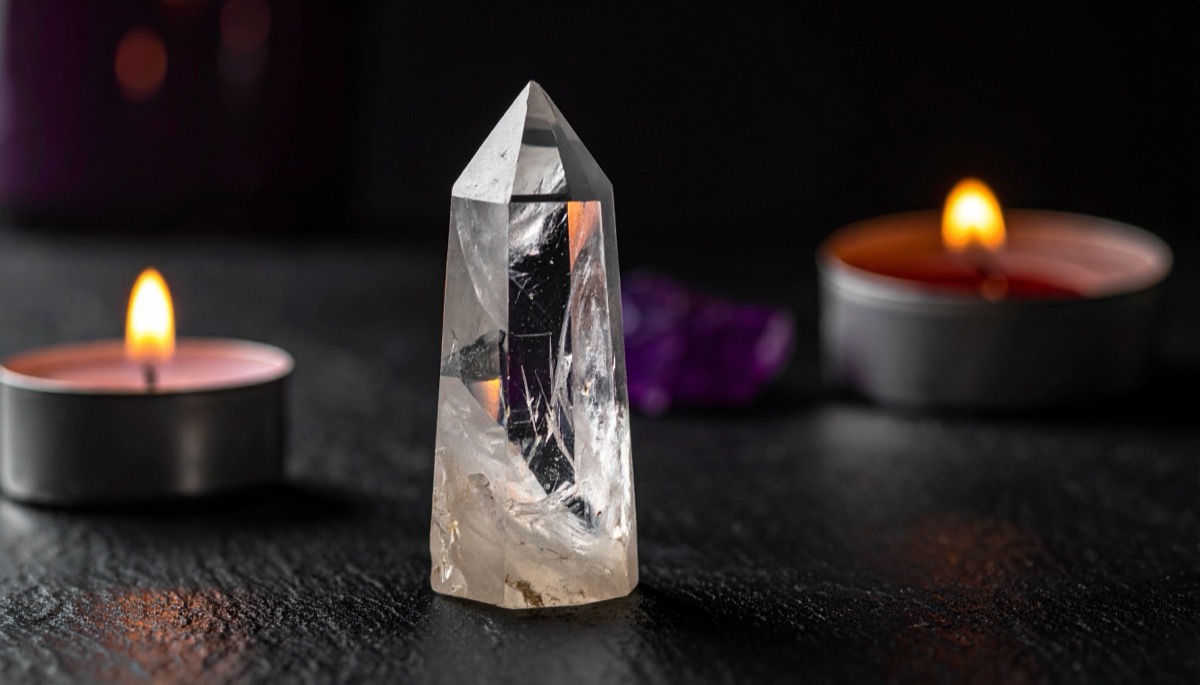
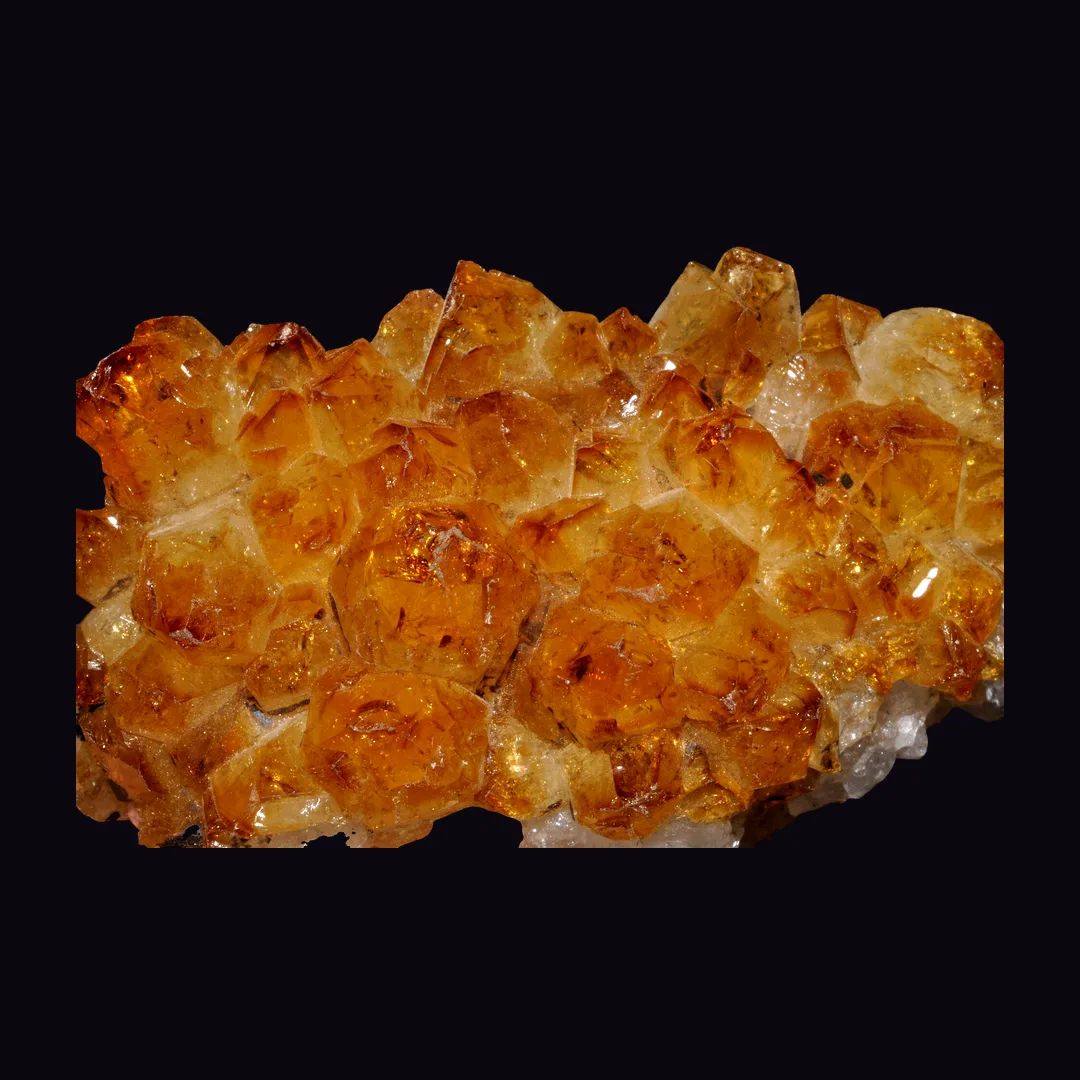
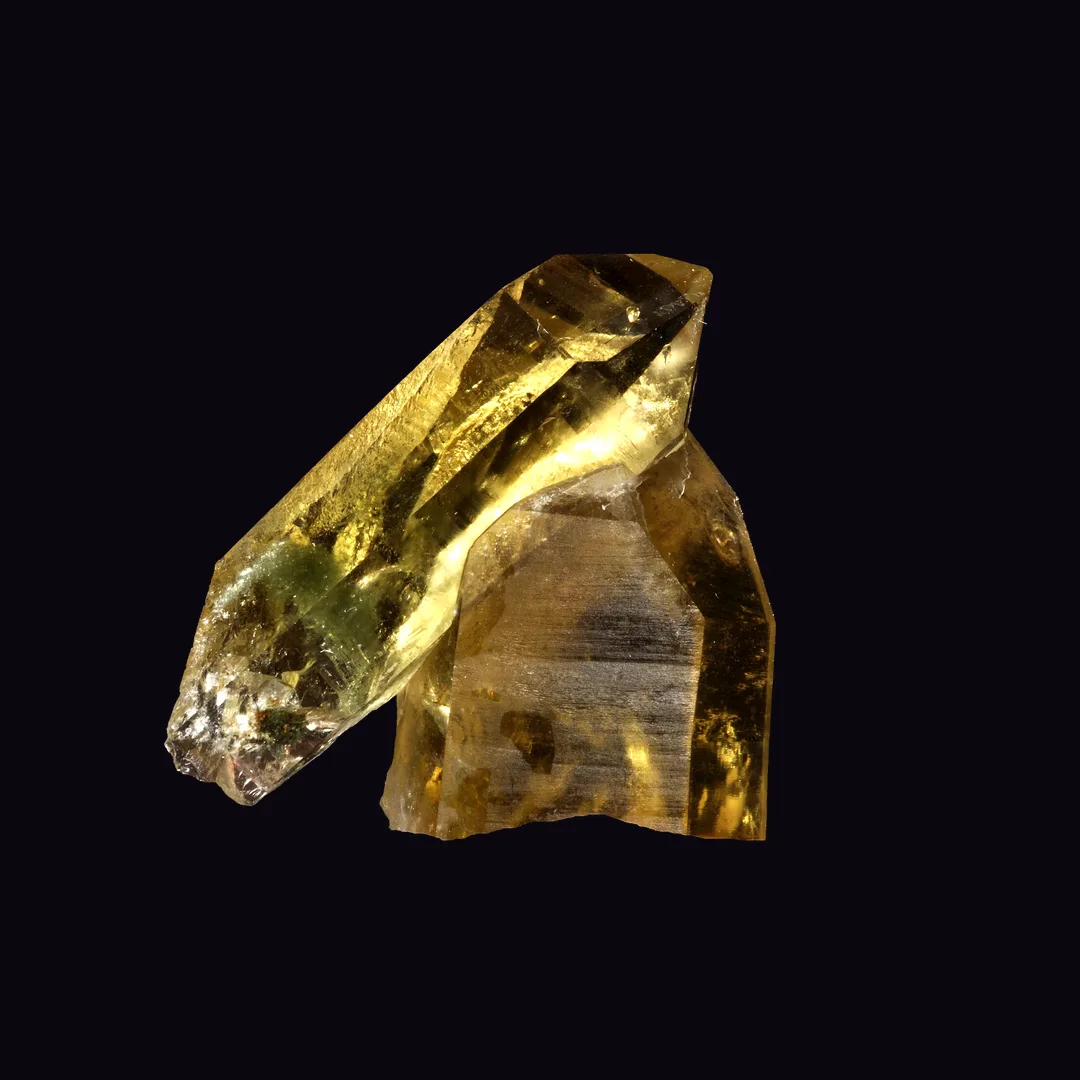
Also worth knowing: the same dye trade runs on other stones. A lot of orange "citrine" geodes are heat-treated amethyst or straight-up dyed, and the same colour-placement logic applies there. And a real geode lit from behind still shows the internal veils and unevenness that a resin fake can't, the same way clear quartz does under a flashlight.
So use the tells to filter hard before you buy, favor sellers who show the base and multiple angles, and when a piece costs real money, scan it and inspect the seam in person before you commit. The goal isn't paranoia. It's not paying amethyst prices for a painted rock.
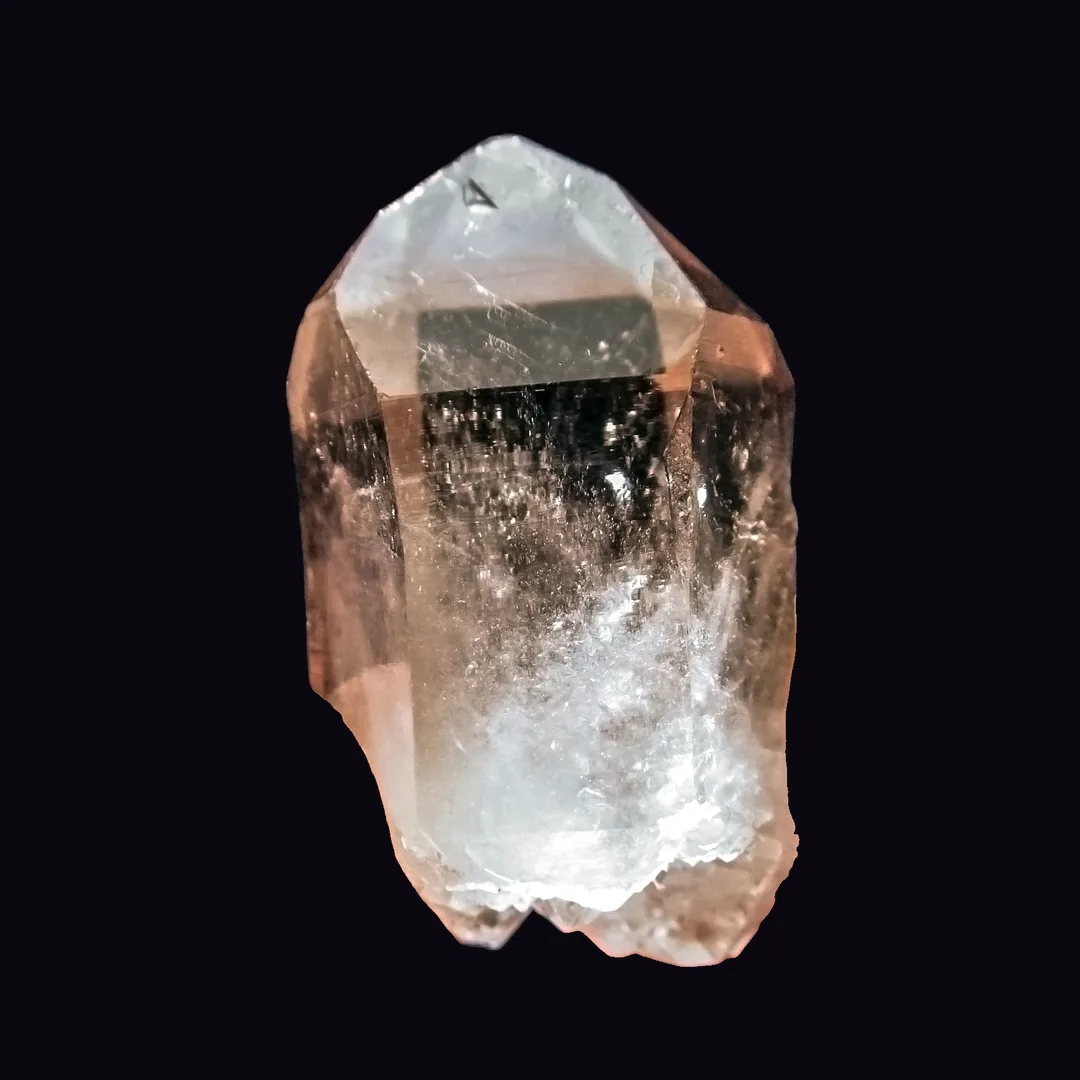
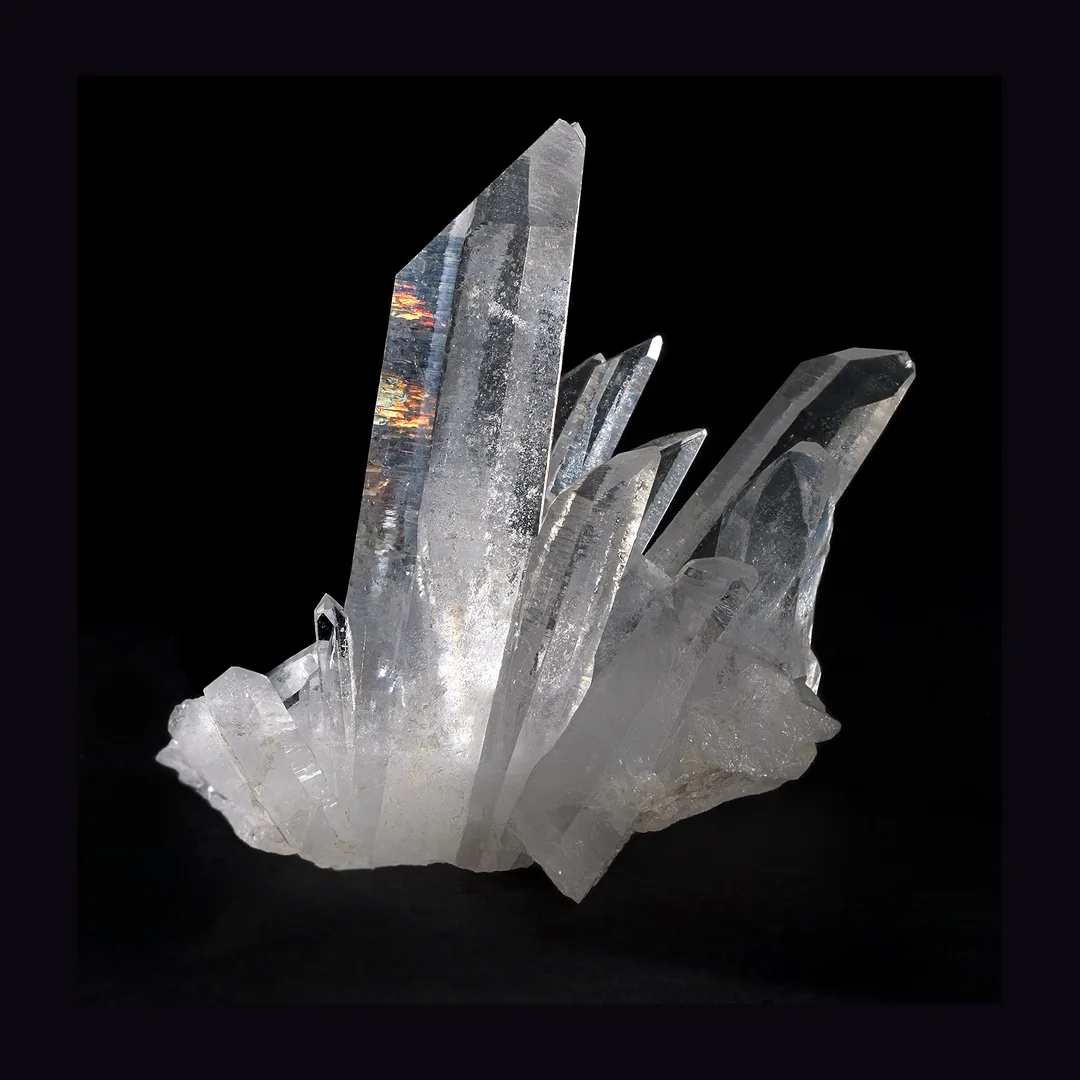
The stones in this piece
Questions people ask
How do you tell if an amethyst geode is real or dyed?
Look at where the colour sits. Natural amethyst is darkest at the crystal tips and fades toward the base, and the purple varies point to point. Dyed geodes are one flat, saturated purple all over, with colour pooled in the cracks and sometimes visible on the rock rind. Uniform equals suspicious.
Why is my amethyst geode so evenly purple?
That's often a warning sign, not a win. Nature makes uneven colour. Factories make even colour. A geode that's the same vivid grape purple across every crystal, with no lighter zones and no gradient toward the tips, has usually been dyed. Real cheap amethyst tends to be pale and patchy, not uniformly rich.
Can you fake a whole amethyst geode?
Yes. Common tricks are dyeing pale geodes purple, gluing loose druzy plates into a hollow rock or a resin shell, and building fake cathedrals from unrelated pieces. The rock rind, the glue lines, and colour that stops dead at a seam are the tells. When money's involved, scan and inspect the base.