Fake Citrine Is Everywhere: How to Tell It From Heat-Treated Amethyst
Identifying crystals · 6 min read · 9 August 2026
Every orange tower on that shelf is the same orange, because they shared a kiln. Here is how to read a base and a tip before you pay natural prices.
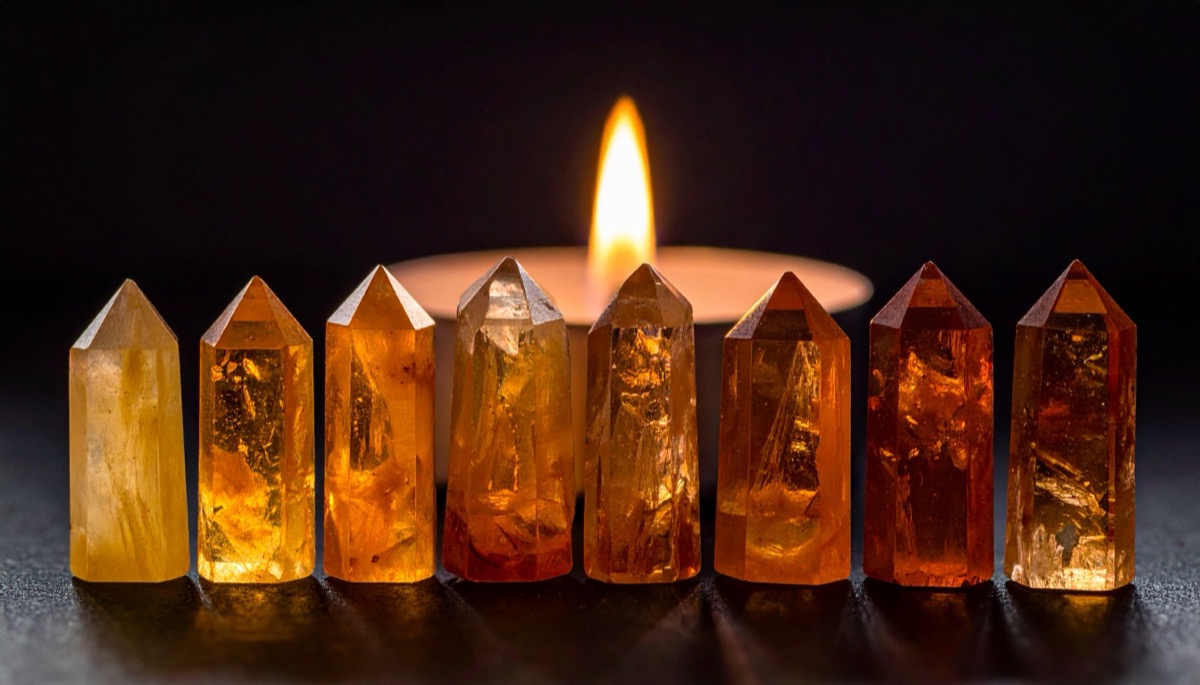
Walk past a crystal shop and look at the tower shelf. Every orange point on it is roughly the same orange.
Nothing comes out of the ground in matching batches. That shelf looks uniform because it came out of one kiln tray. Amethyst went in purple, orange came out, and the price went up on the way.
You are allowed to like it anyway. You are just owed the word heated.
The doubt started because the colour felt too loud, and you talked yourself out of it. You have been talked out of that instinct before. It was right then as well.
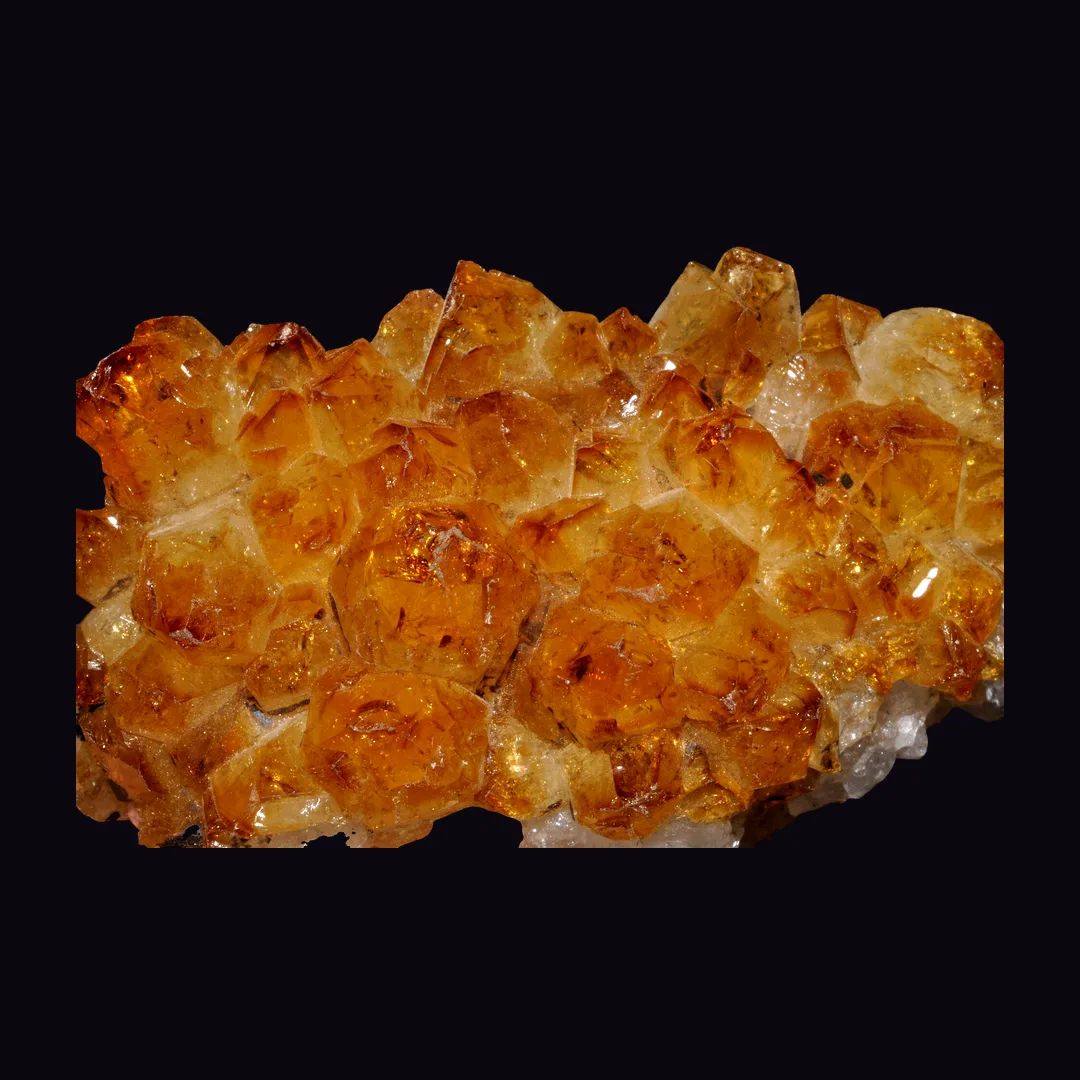
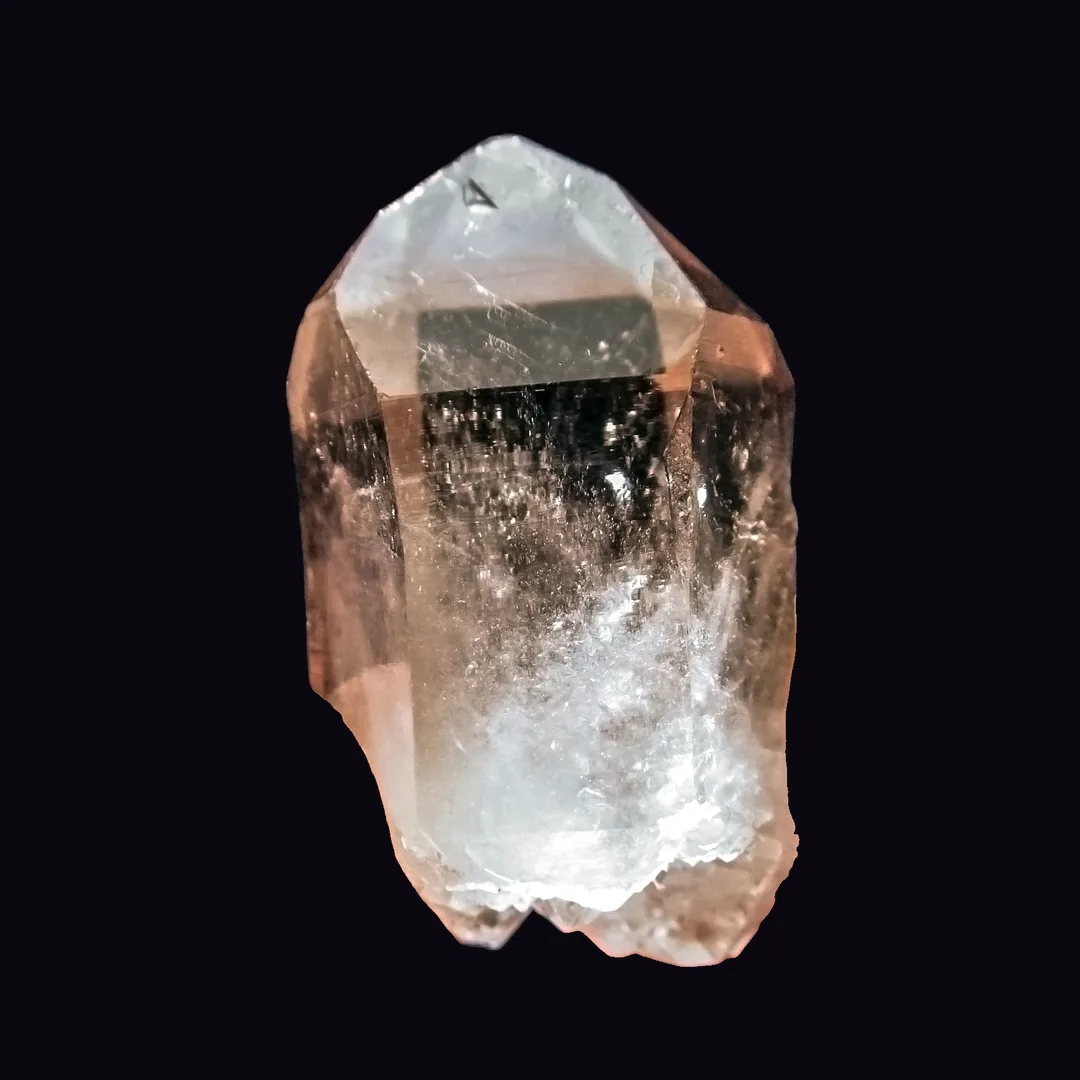
Natural citrine is pale, soft yellow, and evenly colored throughout. Most "citrine" for sale is heat-treated amethyst: bright orange or reddish-brown, with a milky white base and darker burnt-looking tips. If it's a vivid orange point on a cloudy white base, it's almost certainly baked amethyst, not natural citrine.
Real natural citrine is genuinely rare, so rare that the deep-orange crystal towers filling every shop and market are, with few exceptions, amethyst that got cooked in an oven until it changed color. That's not a scam exactly, it's real quartz, but you're often paying natural-citrine prices for treated stone. Here's how to tell them apart.
What's actually happening
Citrine and amethyst are the same mineral, quartz, coloured by iron. Heat amethyst to a few hundred degrees and its purple shifts to yellow, orange, or brown. Commercial "citrine" is mostly this: heat-treated amethyst sold under the citrine name. Nature does this too, slowly, underground, which is why real natural citrine exists at all, it's just uncommon and usually pale.
So the question isn't really "real or fake." Both are real quartz. The question is "natural or treated," and the tells are in the colour.
The tells
Colour tone. Natural citrine is a pale, cool, lemon-to-honey yellow. Heat-treated amethyst is a warm, saturated orange, sometimes pushing to reddish-brown or "burnt orange." If it looks like a sunset, it's treated. If it looks like weak tea, it's more likely natural.
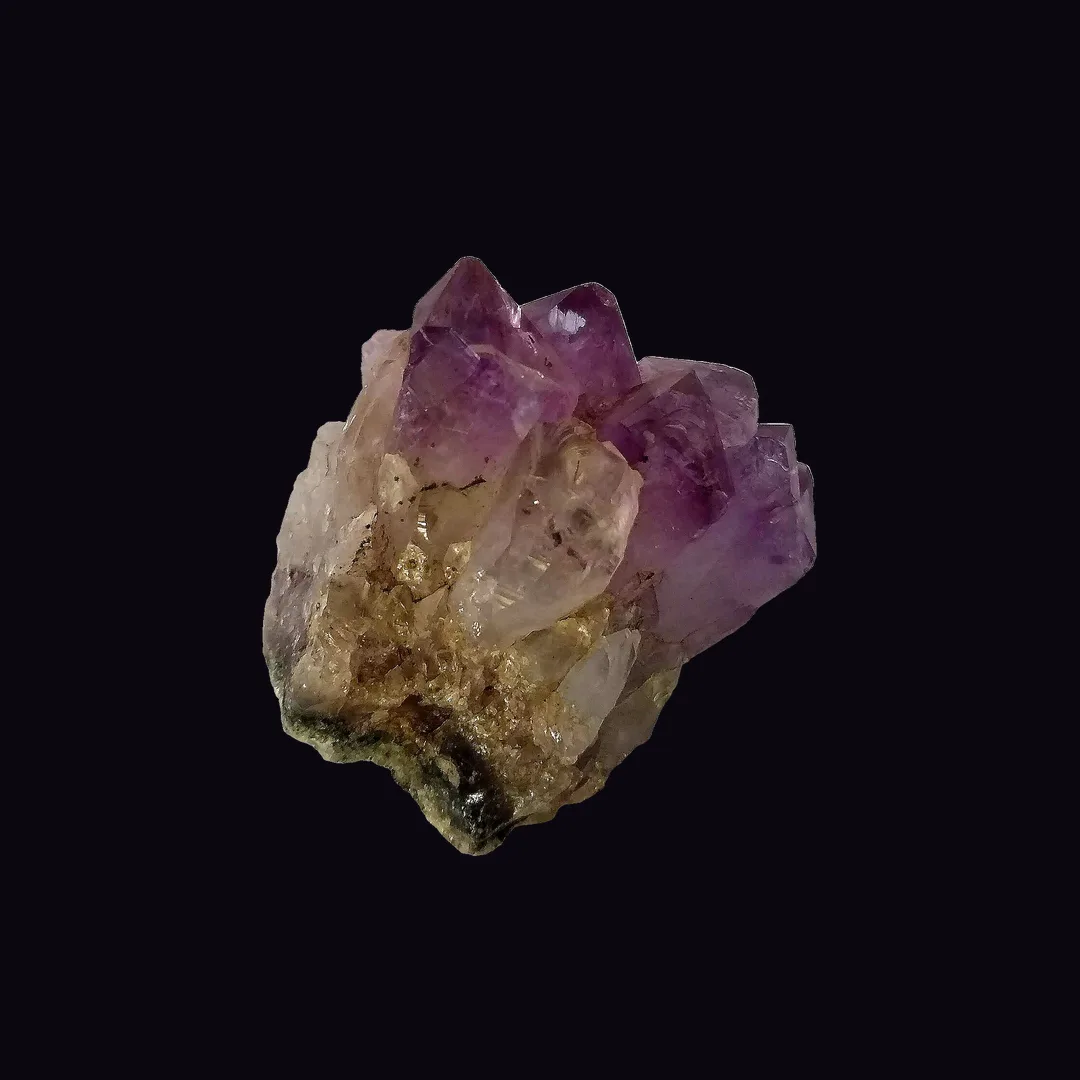
Colour distribution. This is the giveaway. Natural citrine colours evenly, top to bottom. Heat-treated amethyst often keeps a white or clear cloudy base (where the purple was) and darkens toward the tips, so you get a two-tone point: milky bottom, intense orange top.
Burnt tips. Treated points frequently have concentrated, almost scorched-looking colour right at the terminations, because those tips took the most colour change. Natural citrine has no such hotspot.
Base and matrix. Baked amethyst clusters often sit on a whitish, chalky-looking base and were clearly geode sections. Natural citrine tends to come as single points or small, evenly-coloured clusters.
Price and volume. If a shop has a whole shelf of big, deep-orange "citrine" towers at friendly prices, that's treated. Genuine natural citrine in that size and quantity would cost a great deal more.
Natural vs heat-treated at a glance
| Feature | Natural citrine | Heat-treated amethyst |
|---|---|---|
| Colour | Pale, cool yellow to honey | Bright orange to reddish-brown |
| Distribution | Even throughout | White/cloudy base, dark tips |
| Tips | Same as body | Often burnt, concentrated colour |
| Base | Single points, even clusters | Whitish geode base |
| Availability | Rare, pricier | Everywhere, cheaper per size |
| What it is | Naturally coloured quartz | Amethyst that was heated |
The ametrine clue
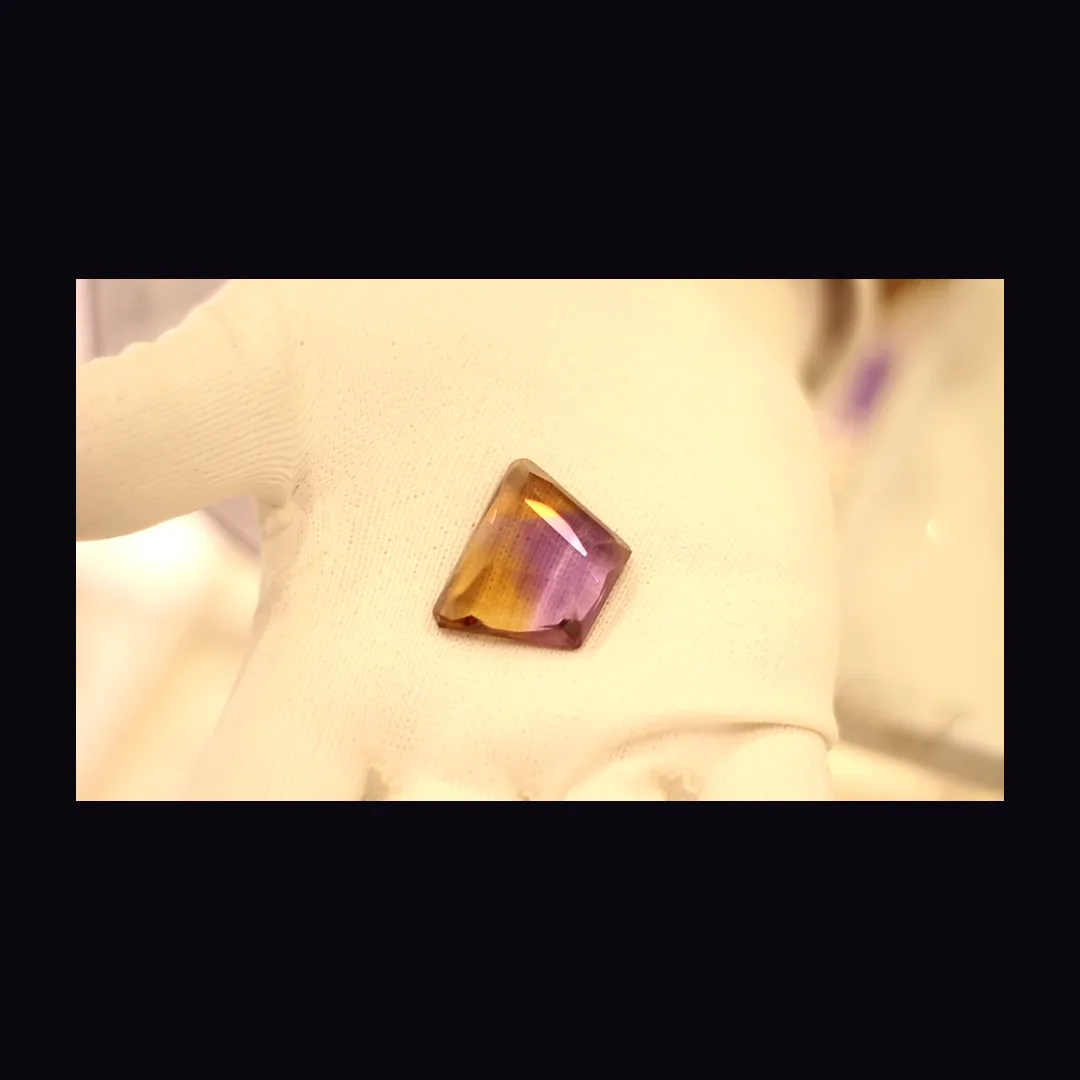
Here's a bonus tell. Ametrine is a natural blend of amethyst purple and citrine yellow in one crystal, and it forms only under specific natural conditions. Its existence proves natural citrine happens without an oven. But if someone's selling zoned purple-and-orange stone cheaply in bulk, be as skeptical as you'd be with the towers, some of that is partially-heated amethyst too. When in doubt, compare against a known amethyst and a clear quartz for baseline colour and clarity.
Does it even matter?
For most buyers, honestly, not much. Heat-treated amethyst is real quartz, it's attractive, and plenty of people use it for the same intentions as natural citrine with no complaints. There's no evidence heating strips away any metaphysical property, mostly because none of those properties are measurable to begin with.
Where it matters is your wallet and your consent. You deserve to know if a stone is common treated quartz or a genuinely rare natural one, and to pay accordingly. A seller calling baked amethyst "rare natural citrine" at a premium is the actual problem, not the treatment itself.
Where natural citrine actually comes from
If you do want the real thing, it helps to know the sources. Most genuine natural citrine on the market comes from a handful of deposits, and it's almost always that pale, smoky-leaning yellow rather than bright orange. Some of it is so faint people mistake it for dirty clear quartz. That's the irony: real citrine is often less impressive-looking than the baked stuff, because the oven is what produces those saturated, Instagram-ready oranges. Once you internalize that "the ugly pale one is more likely real," you stop getting fooled by the pretty towers. Vivid equals treated, more often than not.
The honest limit
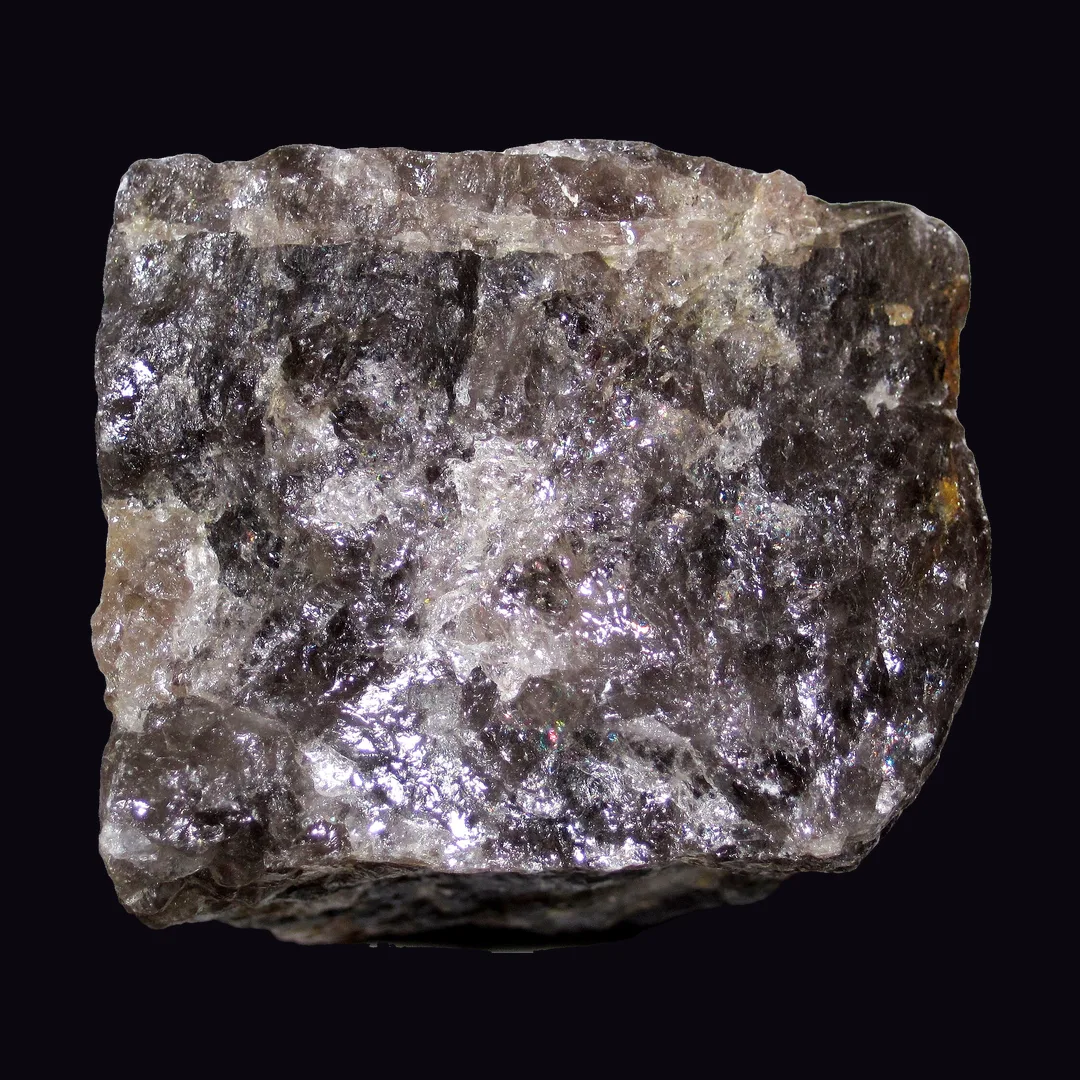
The colour tells get you most of the way, especially the white-base-plus-orange-tips combo, which is close to a smoking gun. But well-done treated stone with even colour, or pale treated pieces, can blur the line, and lighting at a market wrecks your read. Related quartz like smoky-quartz and lightly-heated material can muddy it further.
When you can't call it by eye, scan it. The app compares your piece against both natural citrine and heat-treated amethyst references and reads the colour gradient the way a dealer would, then tells you which it matches and how confidently. Cheaper than overpaying for a baked geode, and faster than arguing with a vendor.
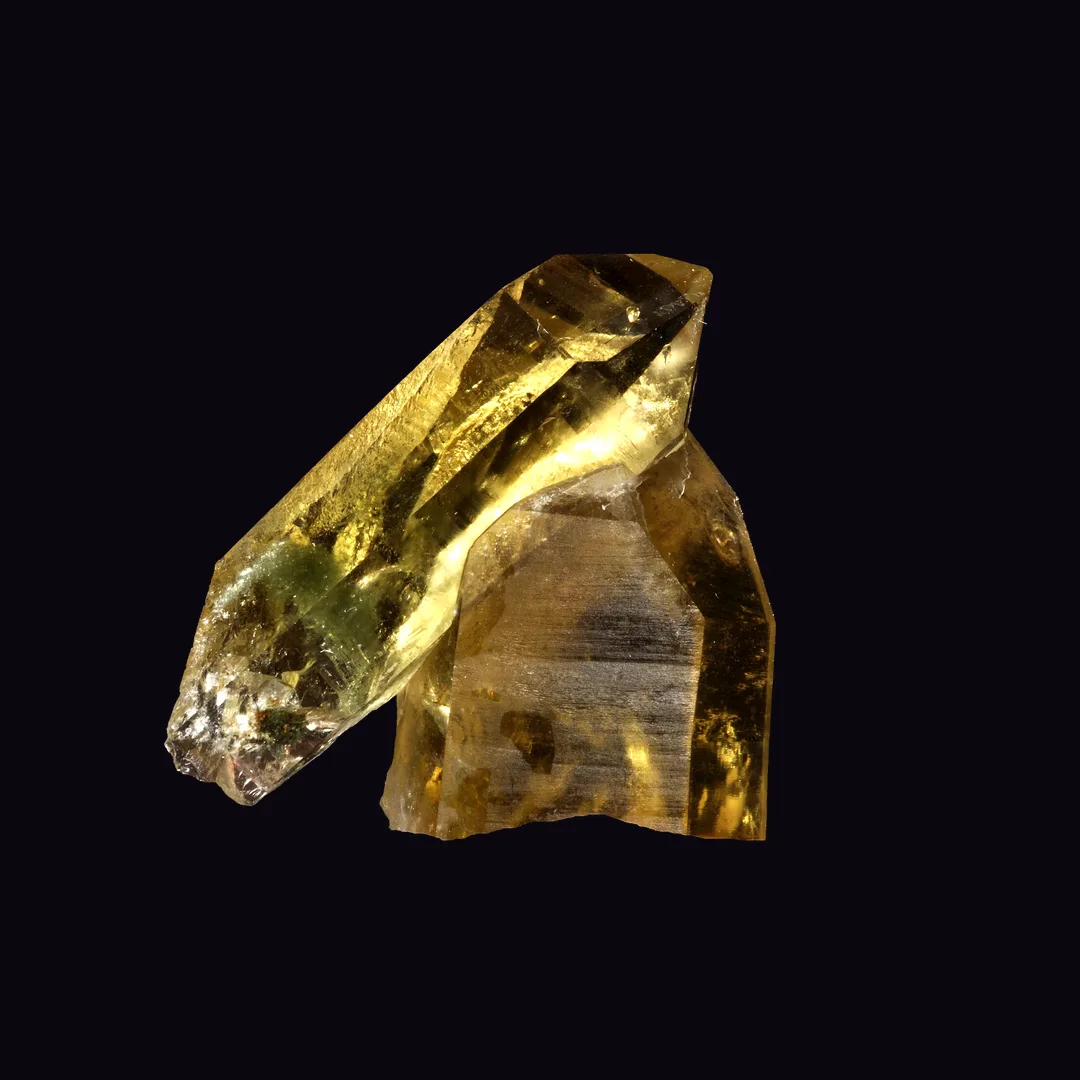
The stones in this piece
Questions people ask
Is heat-treated citrine fake?
Not exactly. It's real quartz, just amethyst that was heated until it turned orange. It's sold as citrine and behaves like citrine metaphysically for most people. The issue is honesty and price: you should know you're buying treated amethyst, not rare natural citrine, before you pay a premium.
Why is most citrine orange and not yellow?
Because it's baked amethyst. Heating amethyst drives the colour to a deep orange or reddish-brown, often with a whitish base where the original purple was. Natural citrine forms pale, and its yellow is soft and even throughout, not concentrated in burnt-looking tips.
Does heat-treated citrine still work for manifestation?
Plenty of people say yes, and there's no evidence treatment removes any property, because there was never measurable property to remove. Use whichever you connect with. Just don't overpay for treated stone sold as rare natural citrine. Know what you have, then decide.