Is Your Turquoise Real? Dyed Howlite Is the Number One Fake
Identifying crystals · 6 min read · 7 August 2026
Navajo, Zuni and Puebloan artists still work real turquoise by hand. Dyed howlite gets sold as theirs. Here is the acetone test and how to read the matrix.
Navajo, Zuni and Puebloan artists have worked turquoise for generations, and they still do, today, by hand and by name.
The stone is not a costume material to them. It gets set in silver by people whose families have been doing this longer than most of the shops selling the cheap version have existed.
Dyed howlite is a white rock soaked in blue. It sells as turquoise for a fraction of the price, and it drags the price of the real stone down with it. That lands on living artists, not on the factory.
Yours was cheap. You know it was cheap. You are not in trouble for that, you just want to know what is sitting on your wrist.
Is your turquoise real? Most cheap blue "turquoise" is dyed howlite, a white stone that takes color easily and mimics turquoise webbing. The fastest check is the acetone test: rub a hidden spot with nail polish remover and see if blue lifts off. Real turquoise color stays put. Dyed howlite bleeds. The matrix pattern tells the rest.
The three categories, straight
People muddle these together, so separate them first.
Natural turquoise is genuine, untreated turquoise, dug and cut as-is. It's the rarest and priciest, and often softer than you'd expect.
Stabilized turquoise is real turquoise that's been soaked with resin to harden it. Most natural turquoise is too soft and porous to survive being cut and worn, so stabilizing is standard and legitimate. This is real turquoise. It is not a fake.
Dyed imitation is where the fraud lives. This is usually howlite or magnesite, white stones with natural webbing, dyed blue to look like turquoise. There's zero turquoise in it. When someone sells this as turquoise, that's the scam.
So "is it real" has two answers. Stabilized real turquoise is real. Dyed howlite sold as turquoise is fake. The tests below separate turquoise from howlite, not natural from stabilized.
Why howlite is the number one fake
Howlite is cheap, common, white, and porous, and it already has grey-to-black veining that looks like turquoise matrix. Dye it blue and you've got a dead ringer for a fraction of the cost. Magnesite gets used the same way. Between them, dyed white stone is the most common thing sold as turquoise online and at markets.
The tell is that the dye is a coating, not the stone's own colour. That's the weakness every test below exploits.
The acetone test
This is your most decisive move and it takes ten seconds.
- Dampen a cotton swab with acetone or plain nail polish remover.
- Rub a hidden spot on the stone, the back of a cab or an inside edge.
- Look at the swab.
Blue on the swab means surface dye, which means dyed howlite or magnesite. Real turquoise, and colour that's bonded deep, won't transfer. Do it somewhere discreet, because on a dyed piece it can leave a mark. A drop of water can also reveal porous dyed stone that darkens unevenly where it soaks in.
Read the matrix
Matrix is the veining running through the stone, and natural versus dyed read differently.
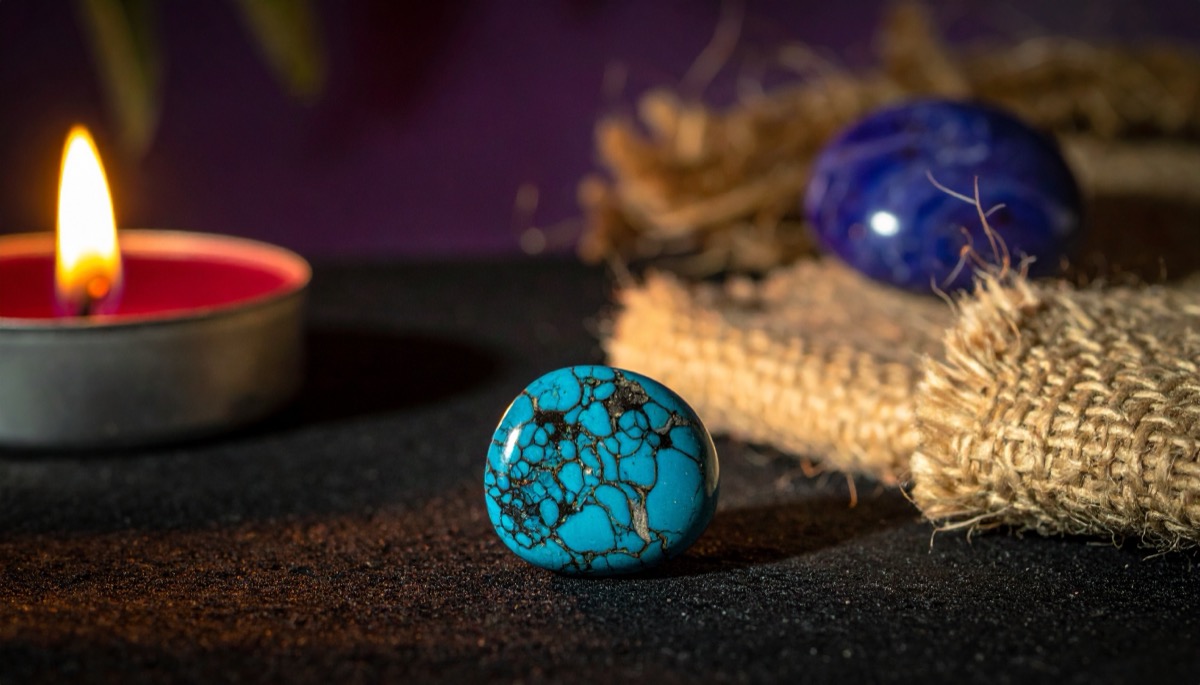
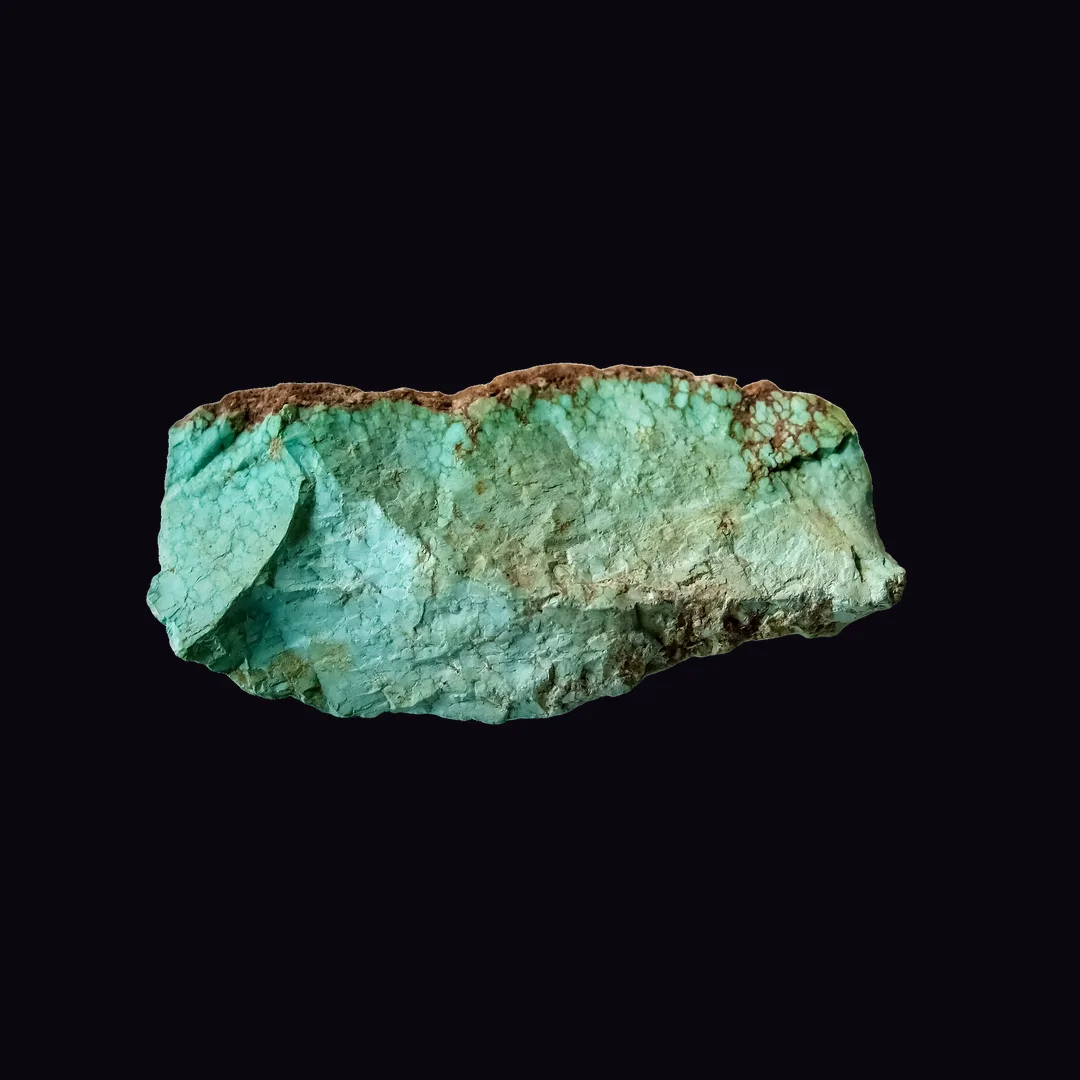
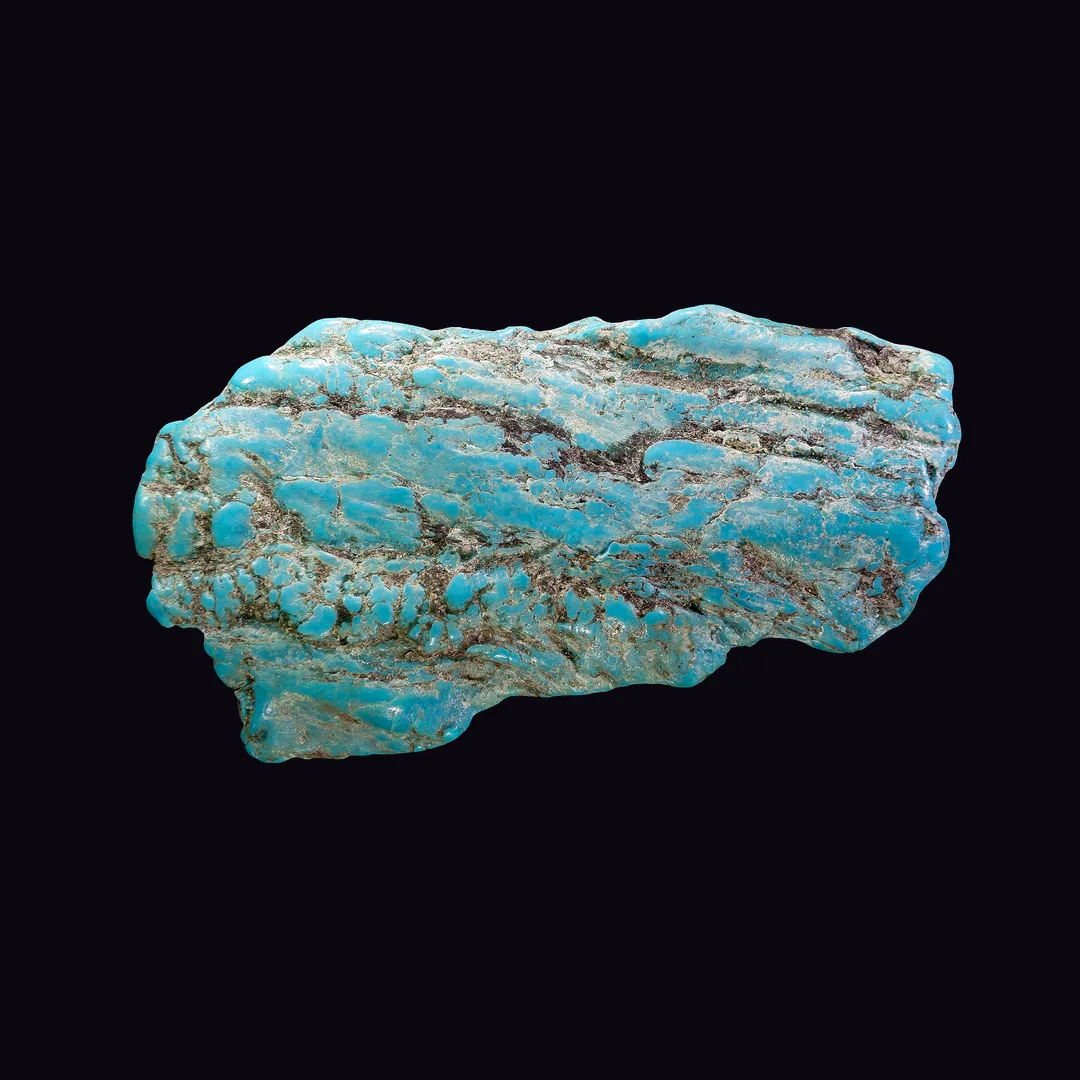
Natural turquoise matrix is irregular and varied: brown, tan, or black webbing that changes across the stone, sometimes chunky, sometimes fine, never uniform. It's the host rock the turquoise formed in.
Dyed howlite shows grey webbing that the dye pooled into. Because howlite's natural veins are grey and the blue is added on top, the dye often collects darkest along the veins and in the cracks, so the webbing looks blue-grey and the colour sits heaviest in the recesses. On real turquoise the blue is the body of the stone and the matrix is the darker mineral running through it, which is the opposite relationship.
If the blue looks like it's pooling into the cracks rather than being the stone itself, suspect dye.
Real turquoise vs dyed howlite
| What you're checking | Natural/stabilized turquoise | Dyed howlite or magnesite |
|---|---|---|
| Acetone swab | No colour transfers | Blue lifts onto the swab |
| Matrix | Irregular brown/black, varies across stone | Grey webbing with dye pooled in the veins |
| Colour depth | Colour is the body of the stone | Blue sits on the surface, cracks darkest |
| Blue tone | Ranges sky to green-blue, slightly uneven | Often one flat, too-even bright blue |
| Price | Real money, especially natural | Suspiciously cheap for the size |
| Hardness feel | Turquoise is harder than howlite | Howlite is soft, scratches more easily |
Two more quick checks
Hardness. Turquoise is harder than howlite. Howlite is soft enough that it scratches without much effort, so a stone that marks very easily on a hidden edge leans howlite. Do this carefully and out of sight.
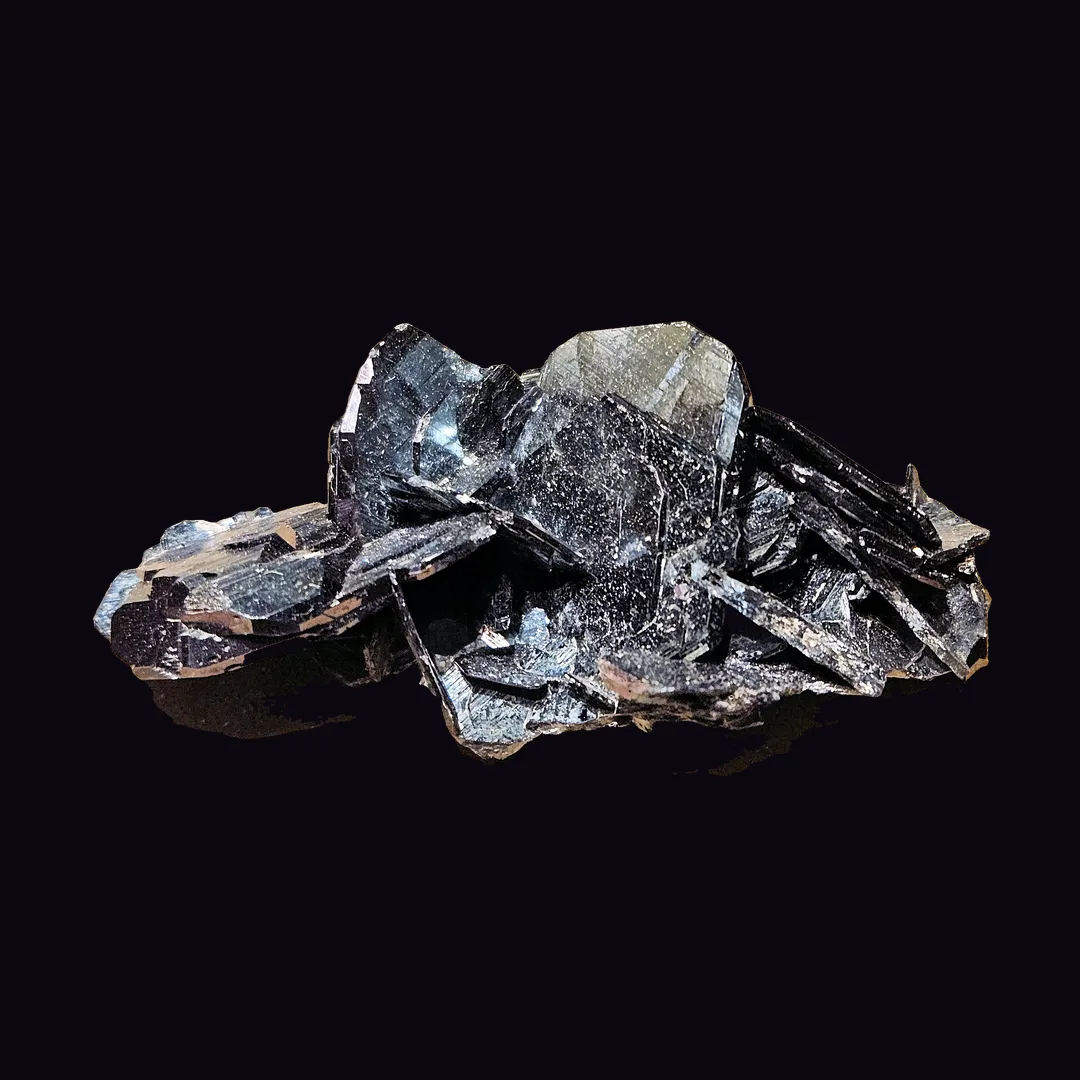
Colour evenness. Real turquoise blue varies a little across the stone and ranges from sky blue to green-blue. Dyed pieces are often one flat, uniform, slightly-too-bright blue. Same instinct as spotting other dyed stones: nature is uneven, factories are even. It's the reason a metallic grey hematite with its natural sheen reads differently than a coated fake too. Uniform perfection is the warning.
Plastic, block, and "turquoise" that isn't
Dyed howlite isn't the only imposter, so it helps to know the rest of the lineup.
Plastic and resin imitations turn up in cheap jewellery and mala beads. They're very light, often too perfectly uniform, and they warm up fast in your hand the way real stone won't. A hot-needle or pin test can reveal plastic because it smells of burning resin, though that's destructive so save it for a piece you don't mind marking.
"Block turquoise" is a fully synthetic material, usually plastic-and-mineral composite, cast in a block and cut into cabs with painted-on fake matrix. The matrix on block is often too regular and sits at the same level as the surface rather than running through the stone. It contains no turquoise at all, despite the name.
Then there's howlite's cousin problem: sellers rename it. You'll see dyed howlite marketed as "white turquoise," "turquenite," or "buffalo turquoise," all of which are marketing words for dyed or natural howlite, not turquoise. If a name has "turquoise" bolted onto another word, read it as a flag, not a species. When the label works that hard to borrow the word, the stone usually can't earn it on its own.
Where it gets tricky
Reconstituted turquoise muddies things. That's real turquoise dust bonded with resin into a solid block, sometimes with fake matrix drawn in. It technically contains turquoise but it's been heavily processed, and it sits in a grey zone between real and fake. The acetone test may not flag it because the colour can be genuine turquoise powder.
High-quality dye jobs bond deeper too, so a light acetone rub won't always lift colour, and a photo online tells you nothing about how the dye behaves. Sellers also blur "turquoise," "stabilized," and "howlite" on purpose.
So the honest read: the acetone test plus matrix reading catches the great majority of dyed howlite, and that's most of the fakes out there. But reconstituted stone and careful dye jobs can slip through, and none of this happens through a screen. When you're paying turquoise prices, scan it, ask directly whether it's natural, stabilized, or reconstituted, and run the swab in person. A soft white rock wearing blue paint isn't worth turquoise money.
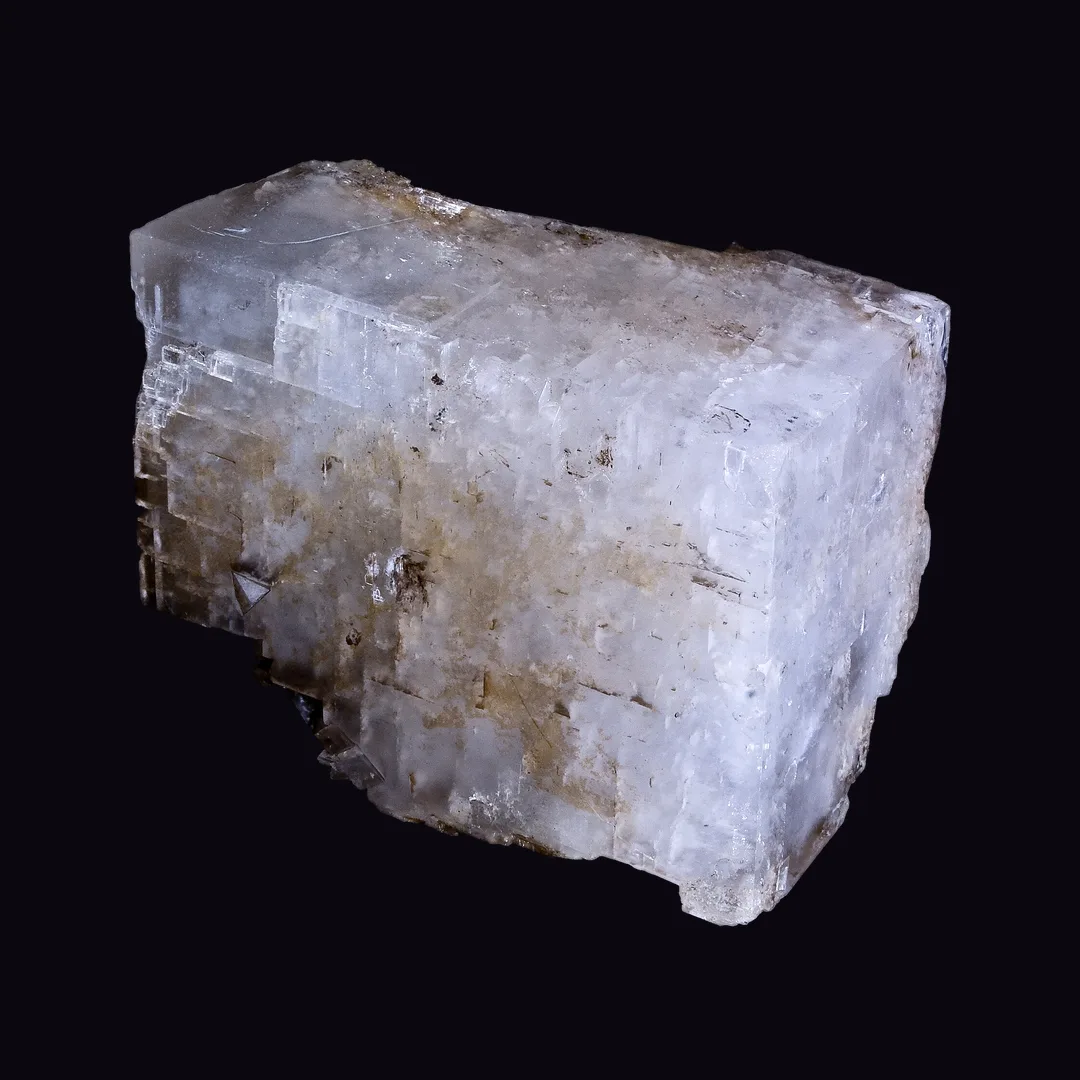
The stones in this piece
Questions people ask
How do you tell real turquoise from dyed howlite?
Look at the veining and test the colour. Natural turquoise has irregular brown or black matrix that varies across the stone. Dyed howlite shows grey webbing dyed over, and the blue often sits on the surface. A cotton swab with acetone or nail polish remover will lift blue dye off howlite. Real turquoise colour won't budge.
What is the acetone test for turquoise?
Dampen a cotton swab with acetone or nail polish remover and rub a hidden spot on the stone. If blue comes off onto the swab, the colour is surface dye and you're likely holding dyed howlite or magnesite. Real turquoise and properly bonded colour won't transfer. Test somewhere discreet since it can mark dyed pieces.
Is stabilized turquoise fake?
No. Stabilized turquoise is real turquoise that's been treated with resin to harden soft natural stone so it can be cut and worn. It's genuine turquoise and very common. Fake is a different thing entirely: dyed howlite or magnesite, which contain no turquoise at all. Natural, stabilized, and dyed-imitation are three separate categories.