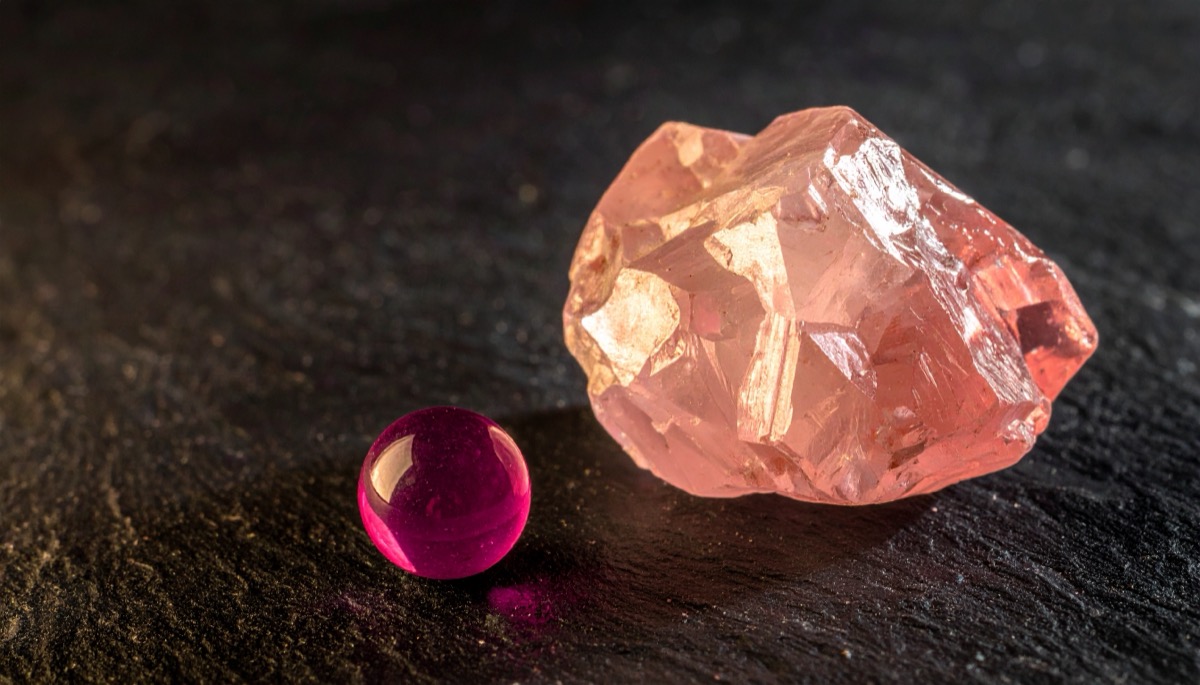
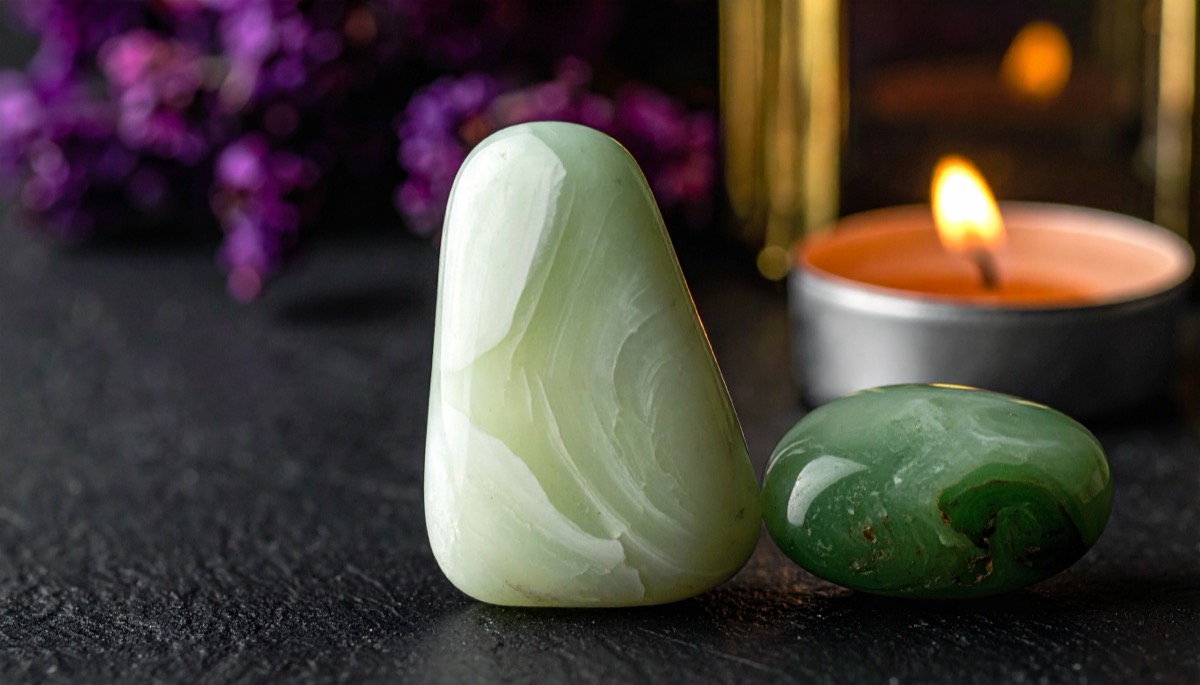
The Fake Crystal Field Guide: 12 Most-Faked Stones
Identifying crystals · 5 min read · 19 August 2026
Twelve stones get faked more than any others, and each one has a tell you can see at a window. No loupe, no chemistry, no need to take the label at its word.
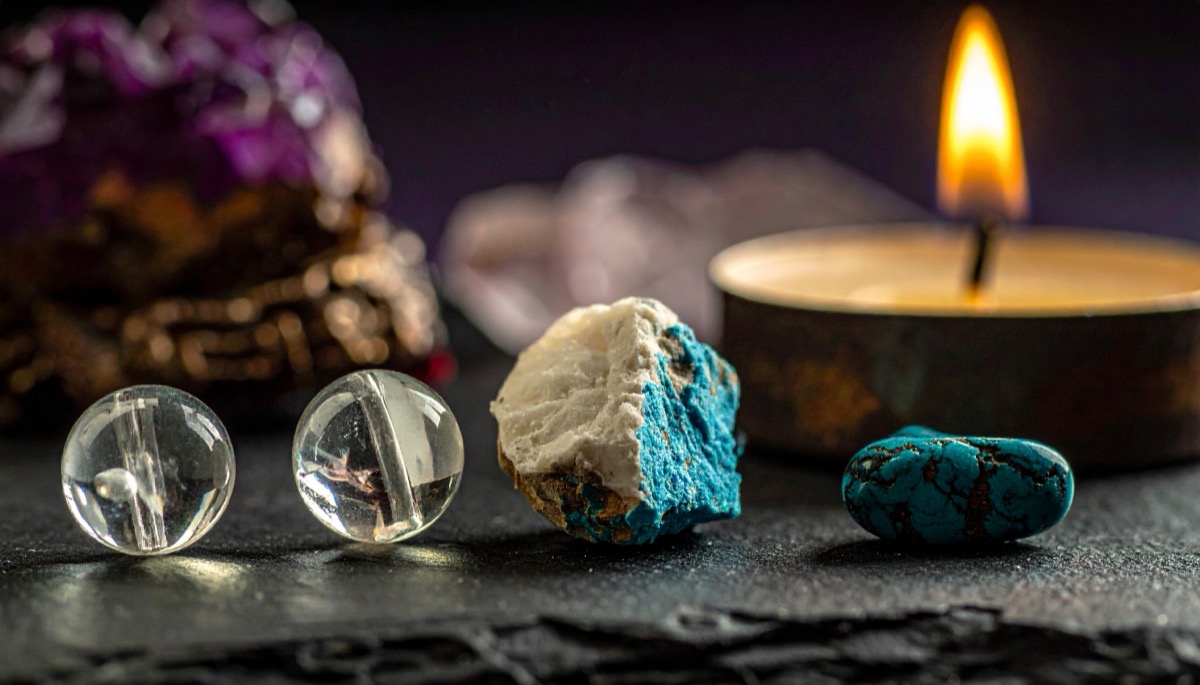
Twelve stones get faked more than anything else on the shelf. Every one of them has a tell you can see at a window.
Start with the famous one. Real citrine forms slowly underground and comes out pale, closer to lemon than to a pumpkin. The deep orange kind in every shop window was amethyst until somebody put it in an oven.
That is not a conspiracy. It is a trade habit old enough to have grandchildren, and nobody mentions it at the till.
You are not paranoid for checking. You found out about something once after you had already paid for it, and nobody wants that feeling twice.
Here are eleven more.
Most crystals people own are real and cheap. A few are not real at all. The stones below are the ones shops fake the most, because faking them is easy money. For each one you get what it really is, and the one tell you can see yourself. Take the stone to a window. Real daylight shows the truth that shop lighting hides.
One rule before you start. A real stone is usually a little imperfect. Perfect color, perfect clarity, and a cheap price, all three at once, is the tell that it was made in a factory, not the ground.
1. Citrine, the big one
Most orange citrine is amethyst that got baked. Heat turns purple quartz orange. Real, natural citrine is pale, more lemon than pumpkin, and much rarer. The tell is the colour. Deep orange or burnt red, darker at the points and white at the base, means it was heated. Real citrine is a soft, even, pale yellow. The label says citrine. The stone was purple last week.
2. Turquoise
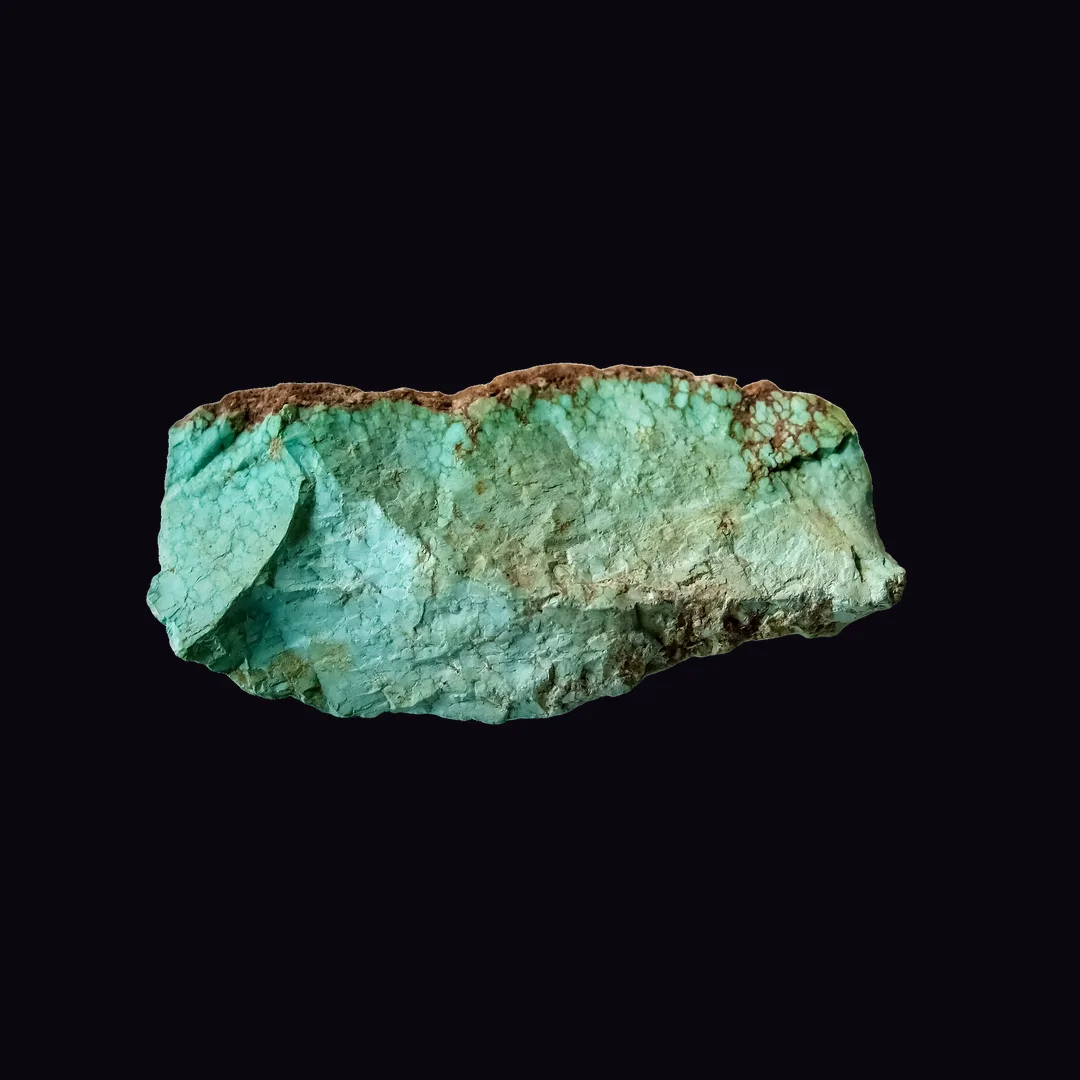
A lot of cheap turquoise is white howlite that was dyed blue. Some is plastic. Look at the veins and the drill holes. Dyed howlite shows white underneath where the dye did not reach, and the veins look painted on, too even. Real turquoise wears its blue all the way through.
3. Opalite
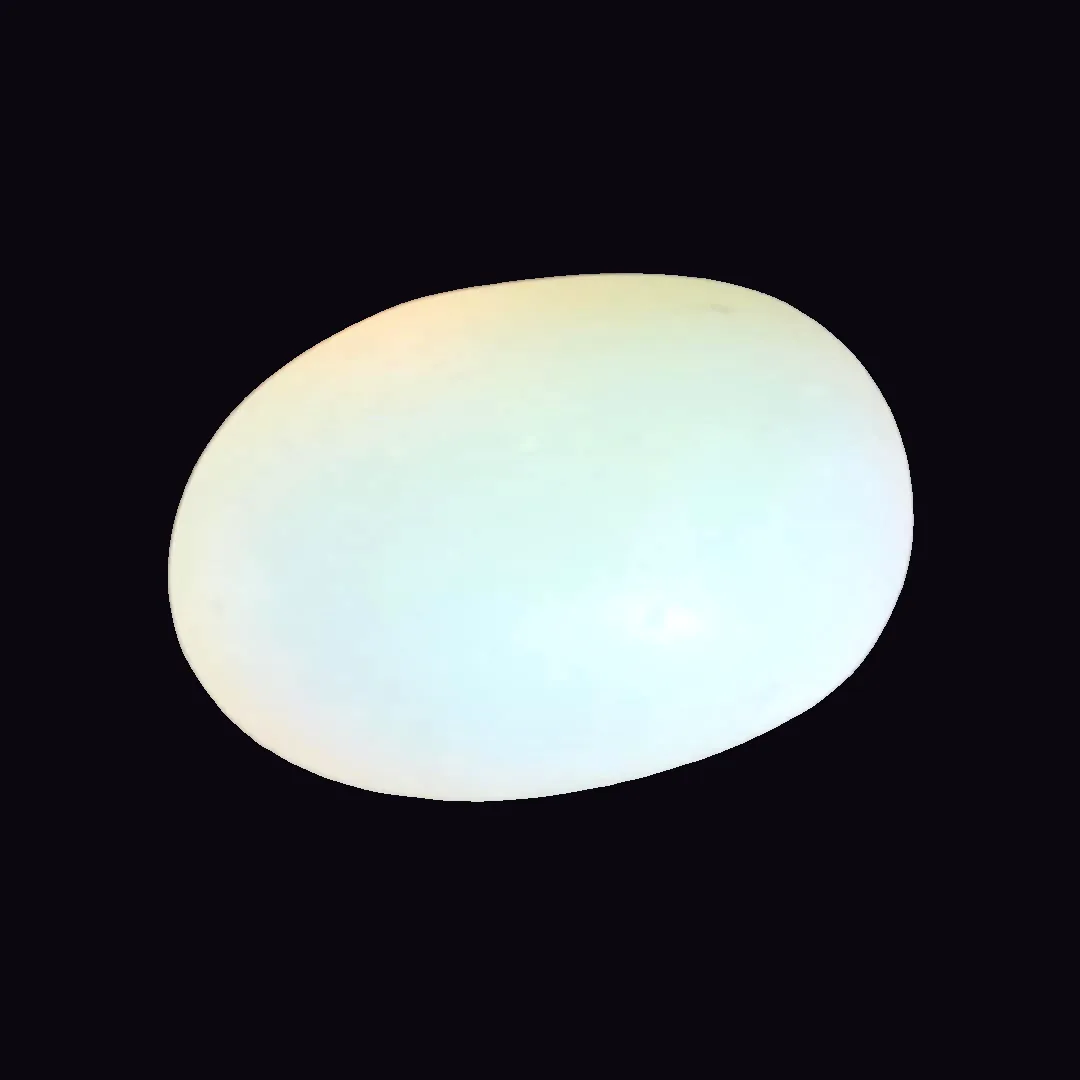
Glass. Not opal, not moonstone, not a mineral of any kind. Manmade glass with a milky glow. The glow should move, not sparkle. Hold it to the light. Opalite glows blue against dark and warm against light, evenly, like frosted glass, because that is what it is. Real opal flashes little patches of colour that shift as you turn it.
4. Cherry quartz and strawberry quartz
Often glass with fine red or pink threads inside. A made thing, sold as a stone. Look for tiny air bubbles. Bubbles mean glass. Real quartz does not hold round bubbles.
5. Malachite
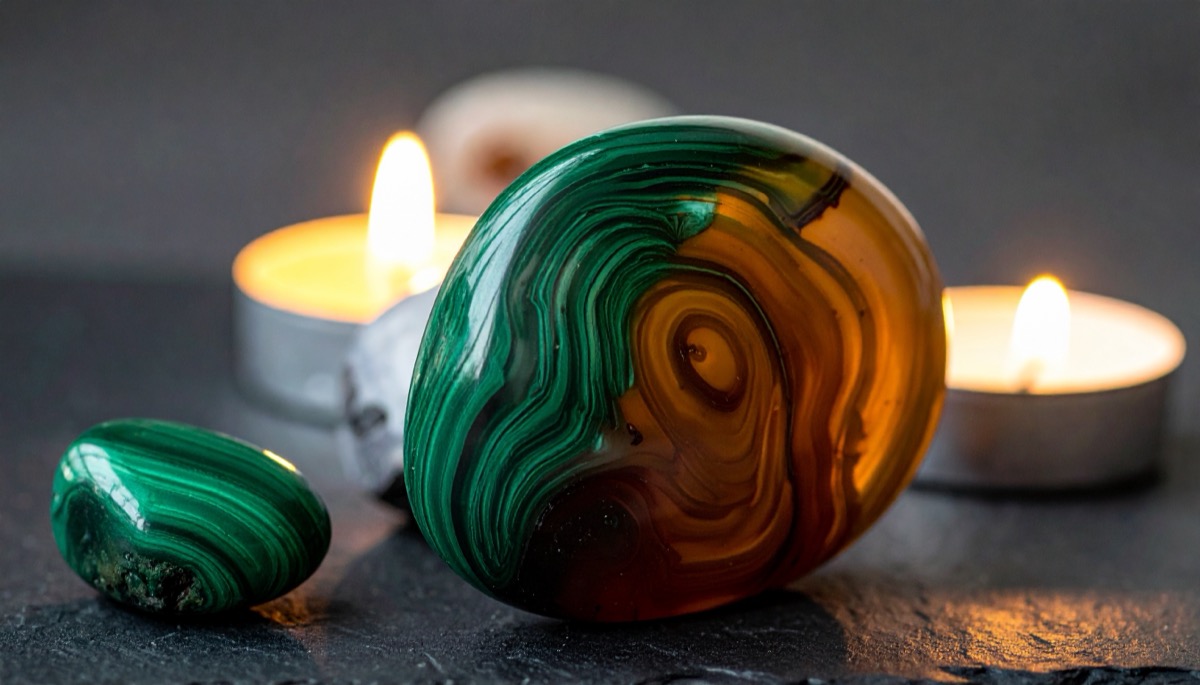
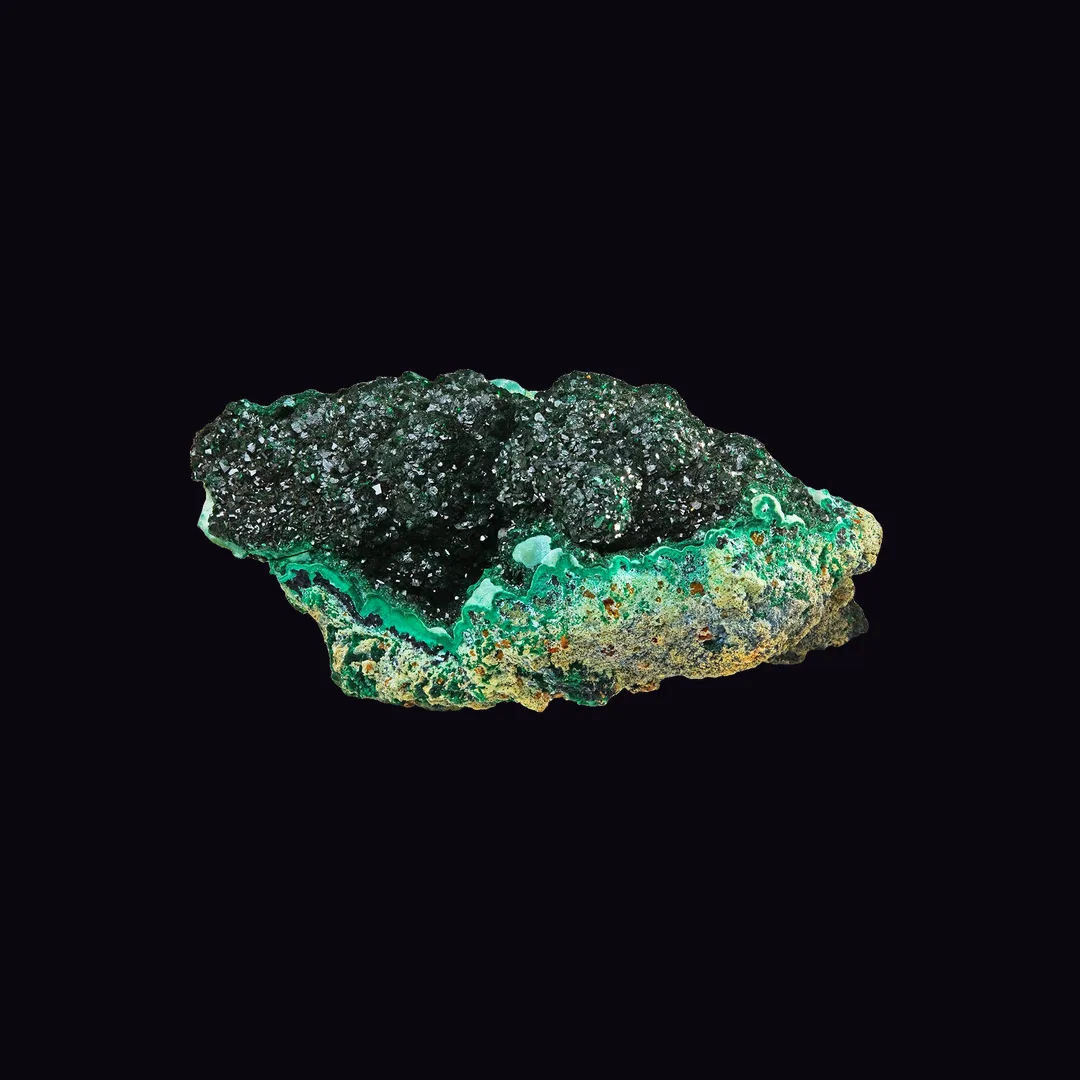
Real malachite is a real, and slightly toxic, copper stone. But cheap malachite is often polymer or resin printed with a swirl. Real malachite is cool and heavy for its size and its green bands are never perfectly even. Fake resin is light, warm to the touch, and the pattern can repeat like a print. Do not sand real malachite or put it in water you drink.
6. Moldavite
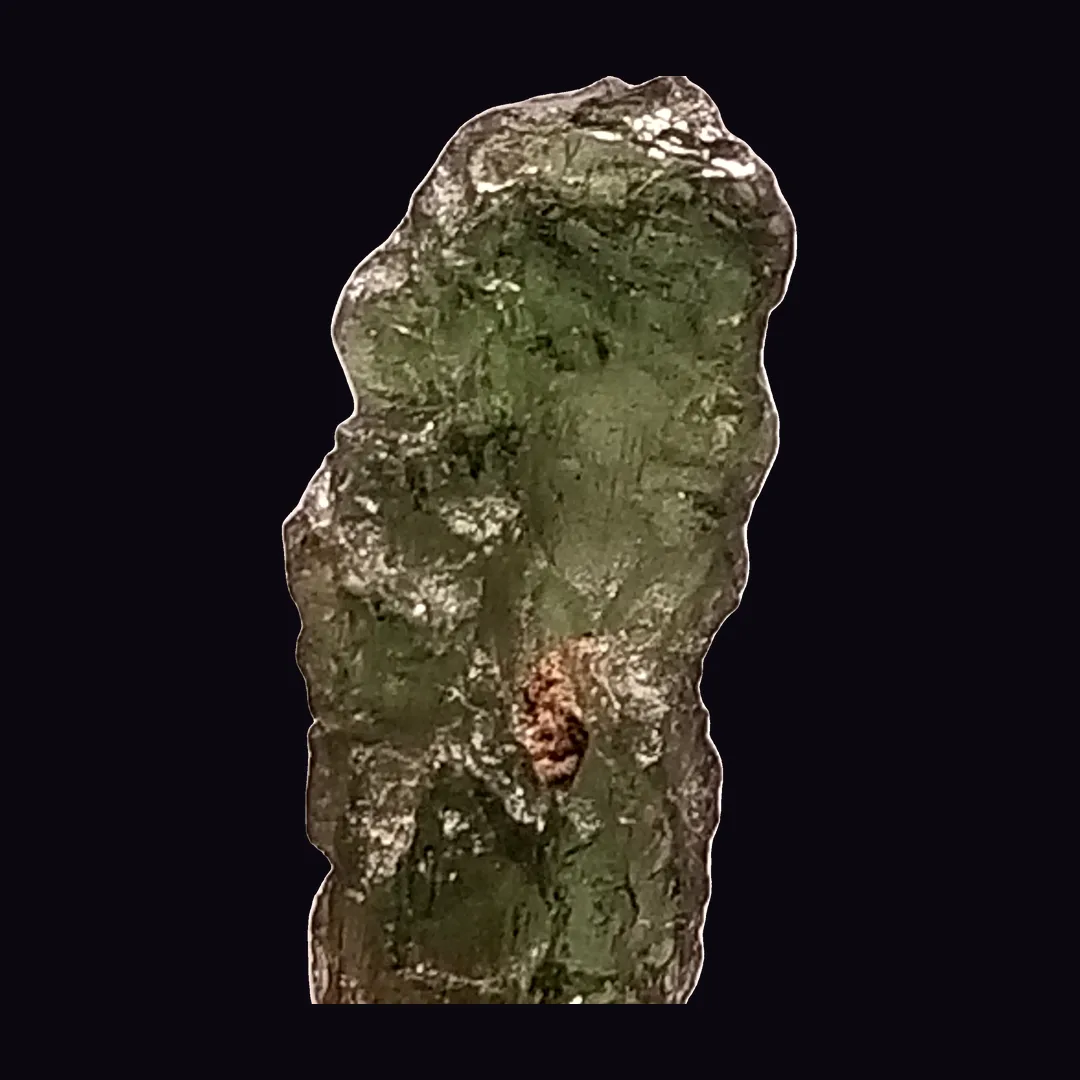
Real moldavite is a rare green glass made by a meteorite strike. It is one of the most faked stones on Earth right now because prices went wild. Real moldavite has a rough, wrinkled, etched surface, like it melted and froze. Bright, clear, smooth, bubble filled moldavite, especially cheap and in bulk, is green bottle glass.
7. Green amethyst
Almost always heat treated or irradiated quartz. Natural green quartz is very rare. This one is honest confusion more than a scam. Just know that green amethyst is not a natural stone with special powers, it is quartz that was changed in a lab. Still pretty. Not what the label implies.
8. Lapis lazuli
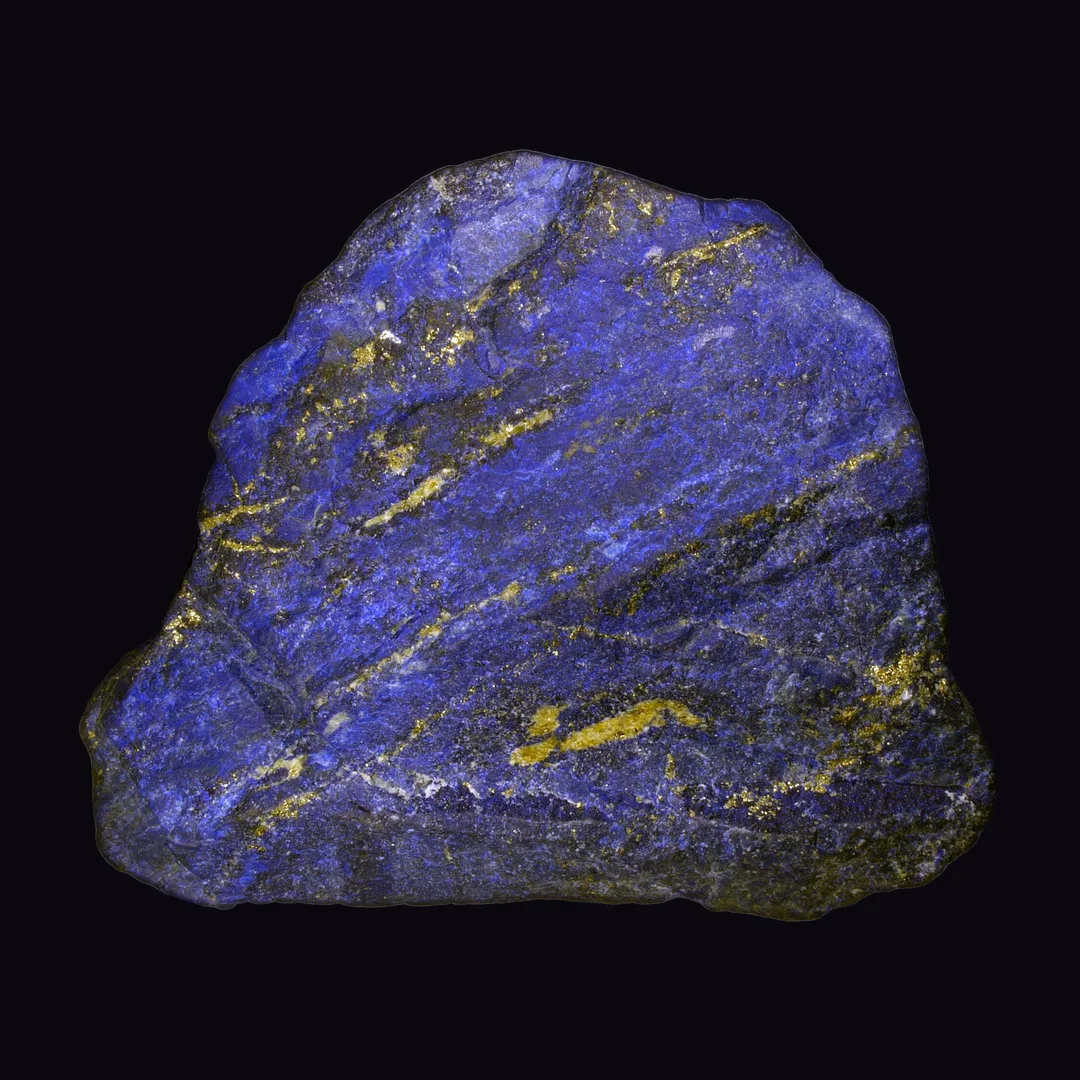
Real lapis is a deep blue rock with gold flecks of pyrite. Fakes are dyed jasper or dyed howlite, or pressed powder. Look at the gold flecks. Real lapis has uneven, natural specks of pyrite. Dyed fakes either have no flecks or painted on gold that sits on the surface. Rub a hidden spot with a damp cloth. Blue coming off is dye.
9. Goldstone
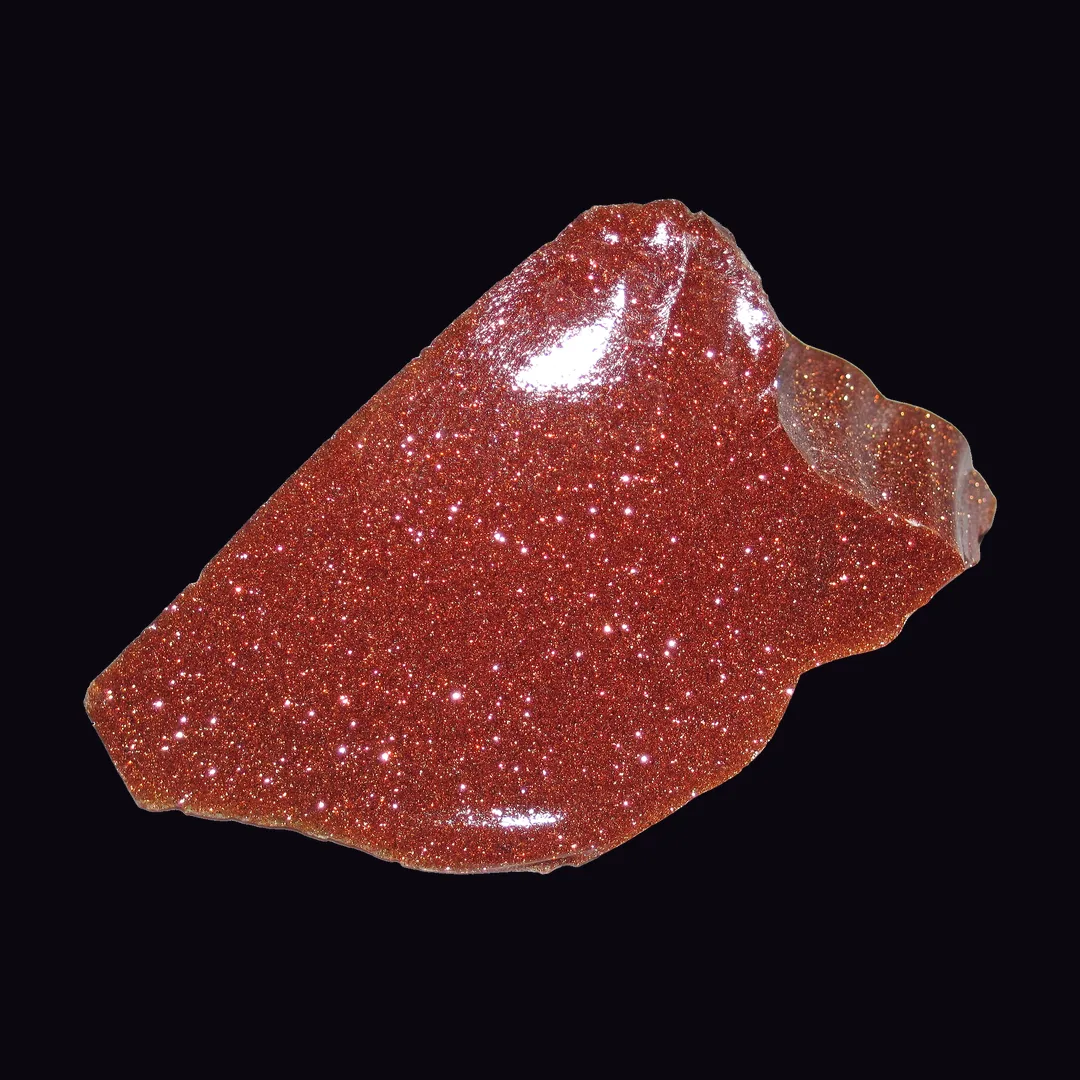
Glass with copper flecks melted in. A four hundred year old Italian glass recipe. Not a stone at all, and there is nothing wrong with owning it, as long as you know. The sparkle is too even and too bright, and it is full of identical tiny copper flakes. Nature does not sparkle that evenly.
10. Dyed amethyst
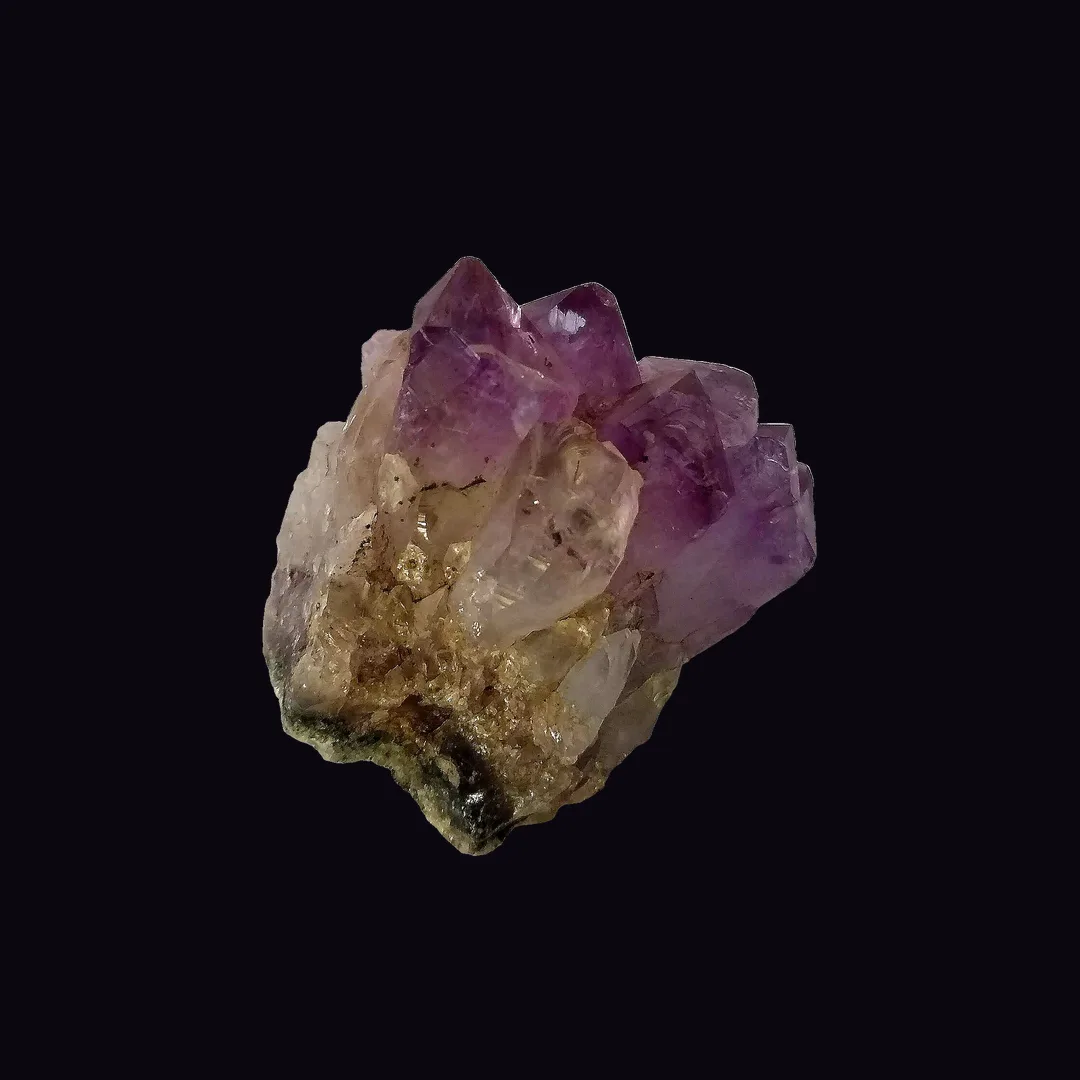
Most amethyst is real. But very cheap, very deep purple clusters can be dyed agate or dyed quartz. Real amethyst is usually darker at the tips and paler at the base, an uneven purple. A stone that is the same loud grape purple everywhere, edge to edge, was likely dyed.
11. Aura quartz
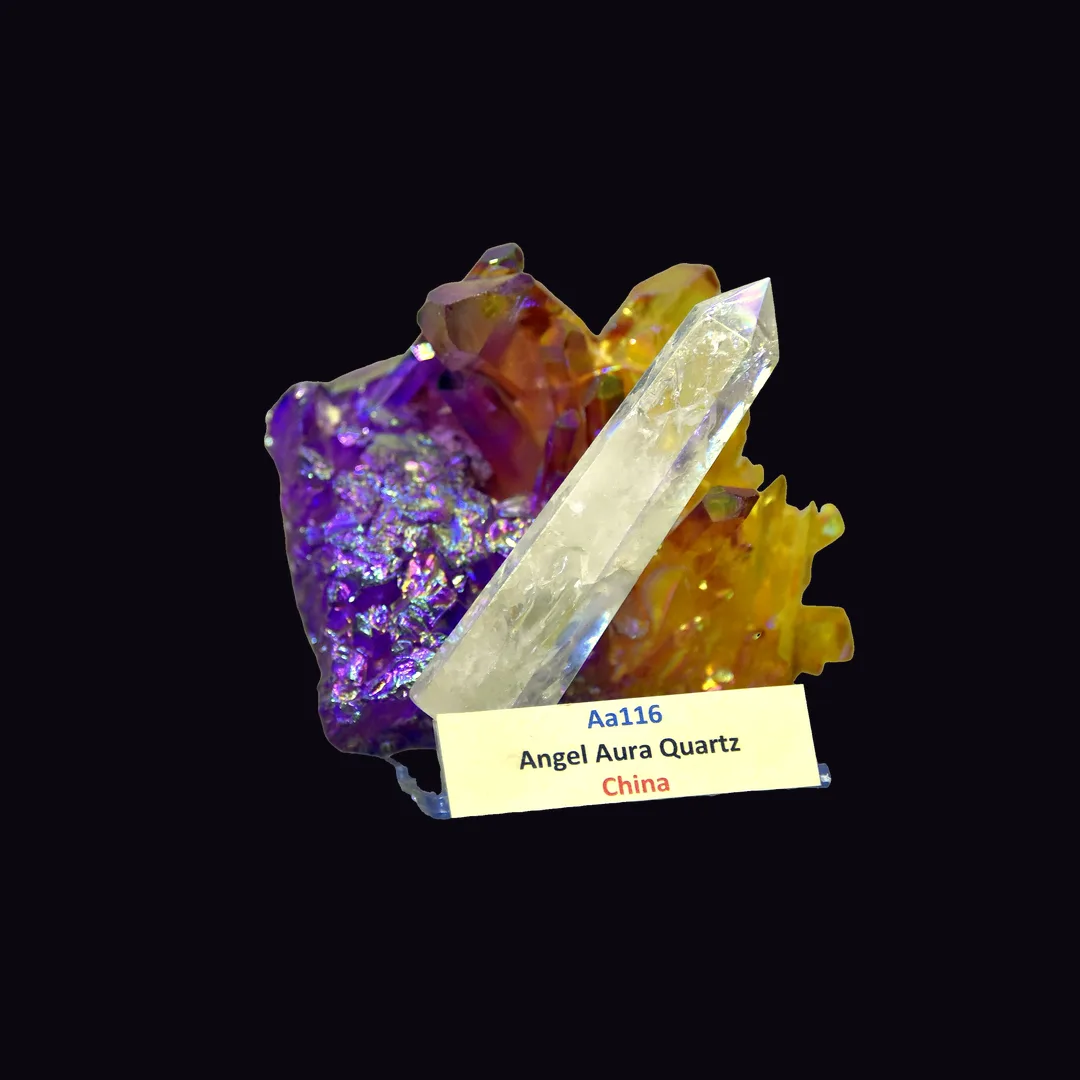
Real quartz coated with a thin layer of metal in a lab to make it flash rainbow. Angel aura, flame aura, titanium aura. The quartz is real. The rainbow is a coating that sits on the surface, not inside. So it is not a fake exactly, just not a natural colour. Now you know what you are looking at.
12. Black tourmaline mix ups
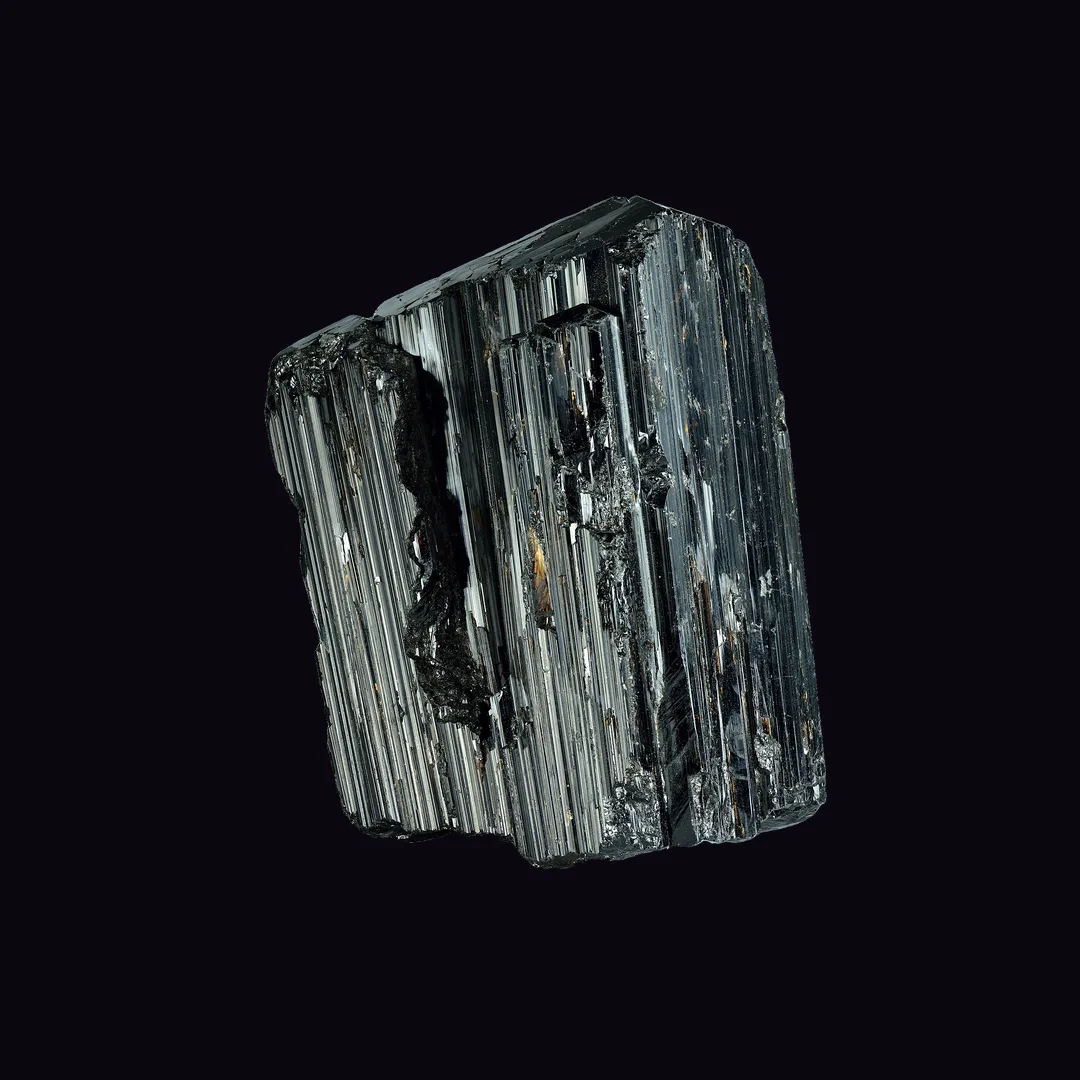
Cheap black tourmaline can be black glass or dyed stone. Real black tourmaline has fine lengthwise ridges, like a bundle of straws, running down it. Smooth, glassy, featureless black with bubbles is glass.
The one test that beats all of these
If you can see round air bubbles inside, it is glass. If the colour is perfect and even and cheap, be suspicious. If a wet cloth pulls colour off, it is dyed. And if you are still not sure, that is exactly what the scan is for. Point your camera at the stone and it will tell you what it is, even when the answer is that it is fake.
The stones in this piece
 OpaliteRead the entry
 TurquoiseRead the entry
 MalachiteRead the entry
 MoldaviteRead the entry
 Lapis LazuliRead the entry
 GoldstoneRead the entry
 AmethystRead the entry
 Aura QuartzRead the entry
 Black TourmalineRead the entry
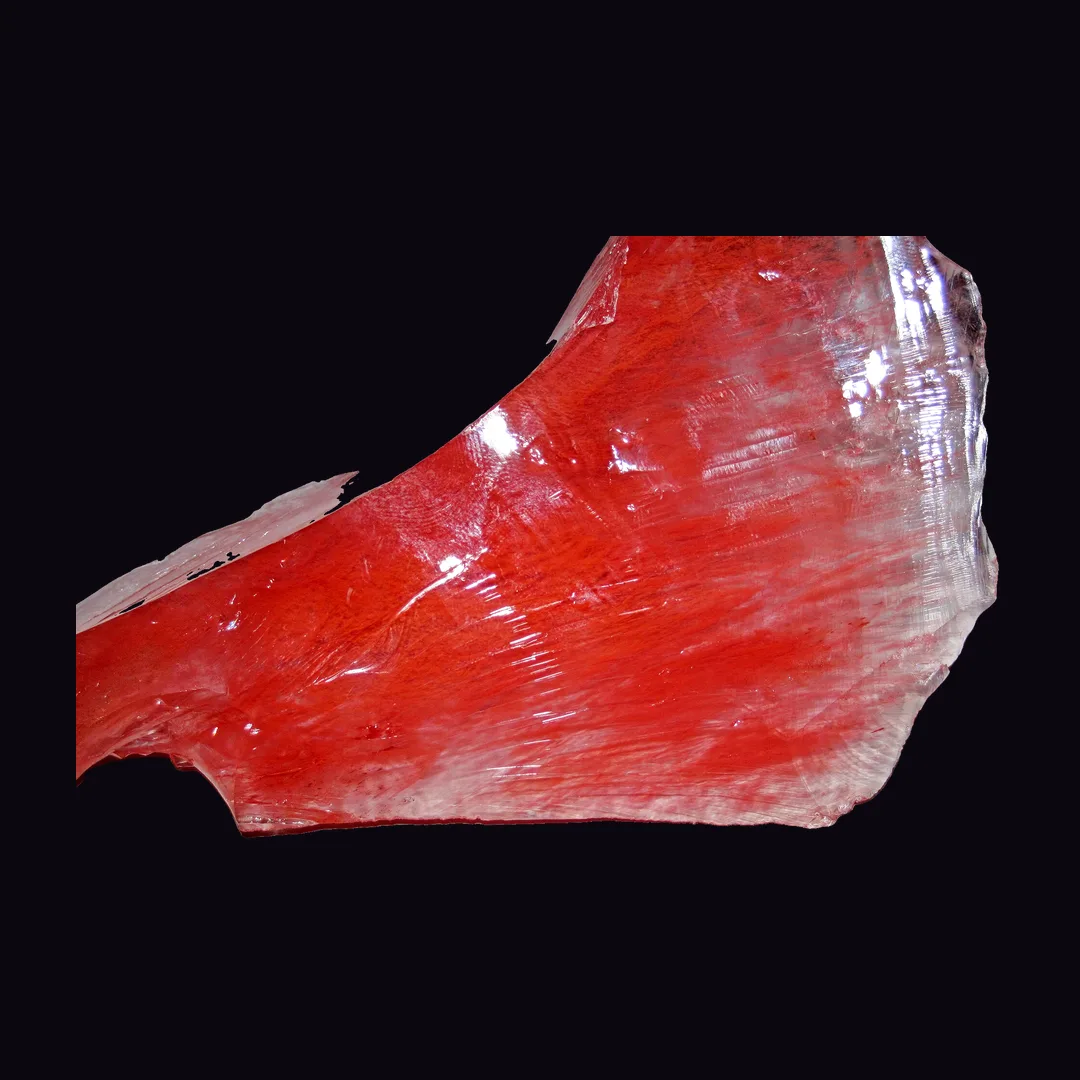 Cherry QuartzRead the entry
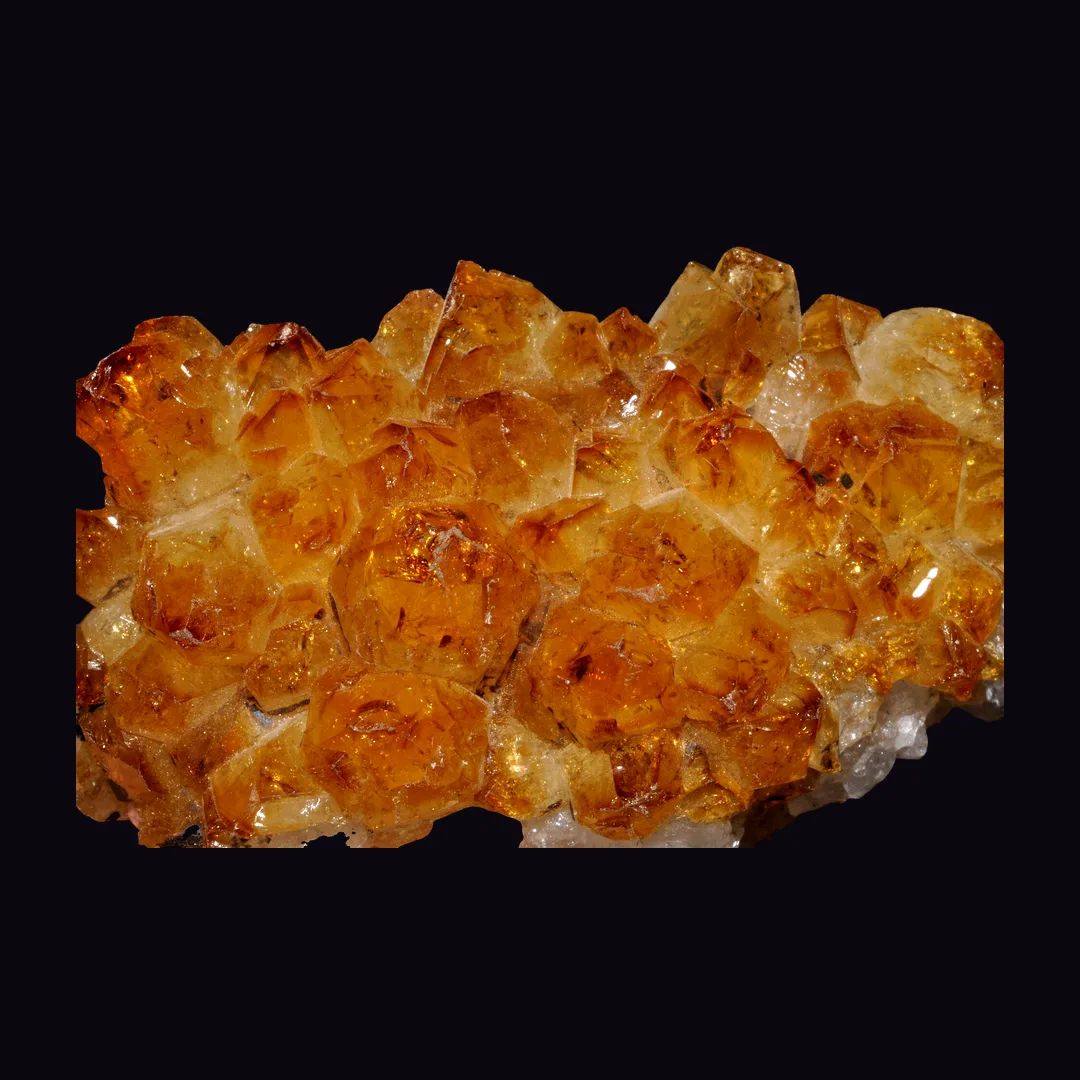 Citrine (Heat-Treated Amethyst)Read the entry
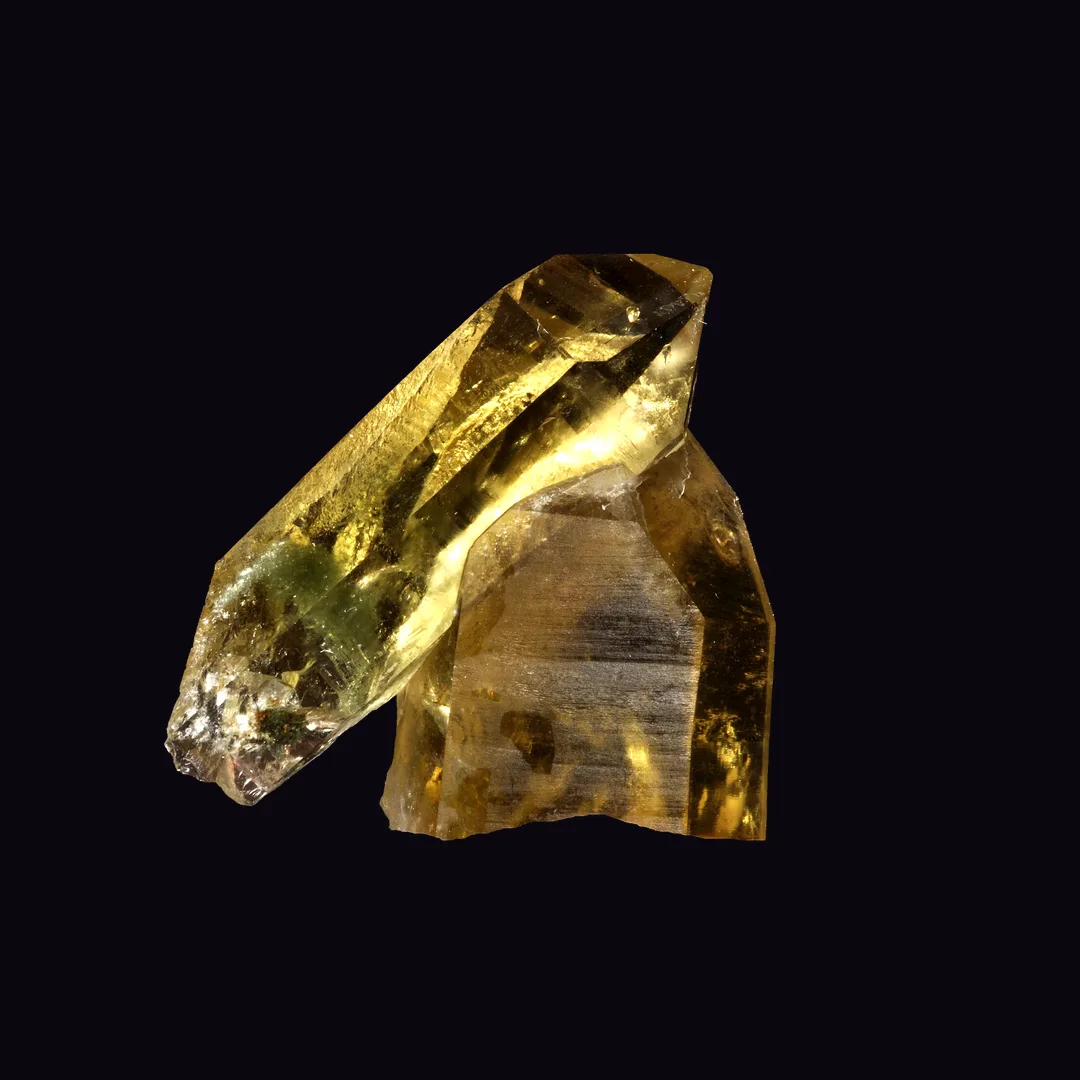 Citrine (Natural)Read the entry
and 4 more named in this piece
Questions people ask
What is the easiest way to spot a fake crystal?
Look for round air bubbles inside. Bubbles mean glass, and real stone does not hold them. After that, be suspicious of colour that is perfect, even, and cheap all at once, and rub a hidden spot with a damp cloth. If colour comes off, it was dyed.
What crystals are faked the most?
Citrine (usually baked amethyst), turquoise (often dyed howlite), and opalite (glass sold as opal) are the big three. Moldavite, malachite, lapis lazuli, and cherry quartz get faked often too, because the real versions cost more.
Is it bad to own a fake crystal?
No, as long as you know what it is. Glass and coated stones are pretty and cheap, and that is fine. The problem is only when a fake is sold to you at a real stone's price. The scam is the label, not the stone.