Selenite vs Satin Spar: You Probably Own the Other One
Identifying crystals · 6 min read · 6 August 2026
Your selenite is almost certainly satin spar, and both are gypsum. Water and salt, the two ways you were taught to cleanse it, are the two that destroy it.
You can scratch gypsum with your fingernail. Selenite and satin spar are both gypsum, so both of them give up that easily.
Water dissolves it. Slowly, but it does. A rinse under the tap dulls the shine and leaves the surface chalky, and salt water does it faster.
Which is the trap, because the two ways you were taught to cleanse a stone are water and salt. Those are the two that eat this one.
Somebody on your phone told you to rinse it every full moon, and you did it because you wanted to do it properly. Doing it properly is what damaged it.
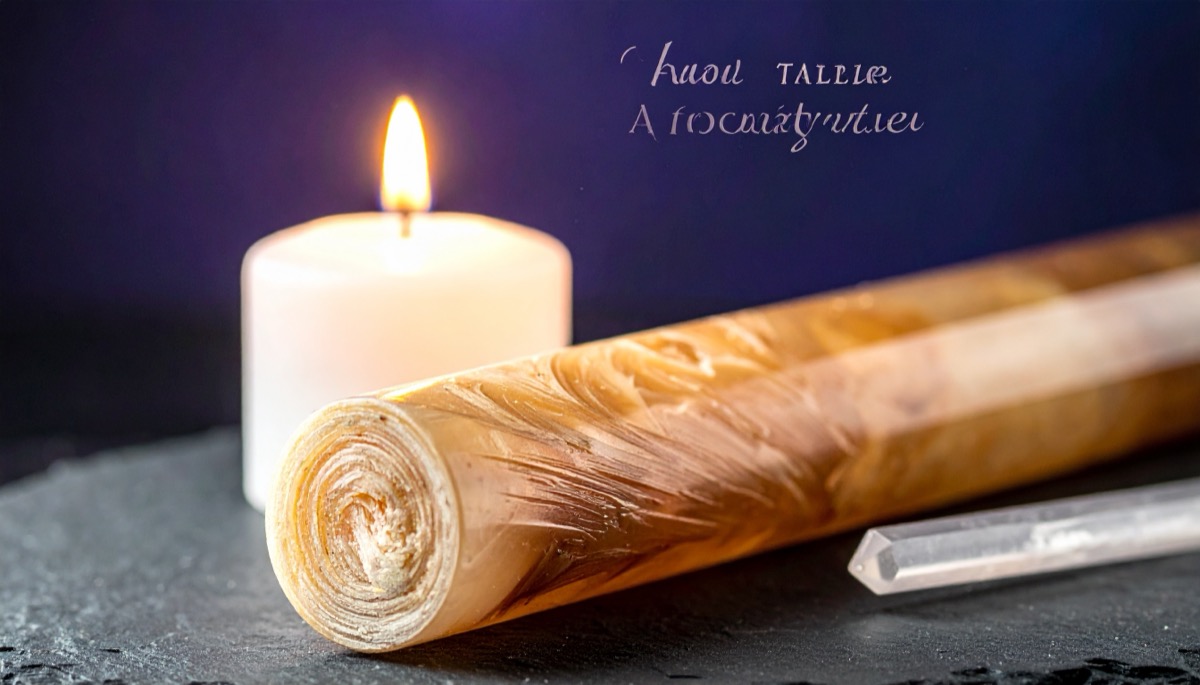
Selenite and satin spar are the same mineral, gypsum, so there's no chemical difference between them. The split is about form. Selenite properly means the clear glassy bladed crystal. Satin spar is the milky, silky, fibrous variety, and that's the one almost every shop sells as "selenite." If you own a glowing white wand or tower, you own satin spar.
TL;DR: Both are gypsum (CaSO4·2H2O). Transparent and glass-clear equals selenite. Milky white with a moving silky sheen equals satin spar, which is what you almost certainly bought.
Why this is confusing on purpose
Nobody set out to trick you here, which makes this different from most crystal mislabeling. The trade just settled on calling all clear-to-white gypsum "selenite" because it sounds nicer and sells better. Both names are old and both describe real gypsum, so a shop calling a satin spar tower "selenite" isn't lying the way a shop selling glass as quartz is lying. It's a varietal name being used loosely.
That said, the two forms look and behave differently once you know what you're looking at, and the collector value is different too. So it's worth being able to tell them apart, even if only to know what you actually have on your shelf.
Selenite vs satin spar at a glance
This table is the whole article if you're in a hurry.
| Attribute | Selenite | Satin Spar |
|---|---|---|
| Mineral | Gypsum (CaSO4·2H2O) | Gypsum (CaSO4·2H2O) |
| Form | Transparent bladed or tabular crystal | Fibrous, parallel silky fibres |
| Clarity | Glass-clear to translucent | Milky white, never transparent |
| Luster | Pearly to vitreous on cleavage faces | Silky, satin-like sheen |
| Signature look | Peels into flat flexible sheets | Cat's-eye band of light down one axis |
| Hardness (Mohs) | 2, a fingernail scratches it | 2, a fingernail scratches it |
| What you actually bought | Rare in shops as raw blades | Almost every wand, tower, lamp, plate |
The two lines that matter most: satin spar has a moving band of light, and selenite is see-through. Everything else follows from that.
The tests, in plain terms
You don't need tools for this. You need a fingernail, a light, and thirty seconds.
The fingernail test. Both are Mohs 2, which is genuinely soft. Your fingernail is about 2.5, so it will leave a mark on either one with light pressure. This is the fastest way to rule out the lookalikes, because nothing else clear in a shop is this soft. Clear quartz is a 7 and your nail won't touch it. If you can scratch it with your nail, you're holding gypsum, and now it's just selenite versus satin spar.
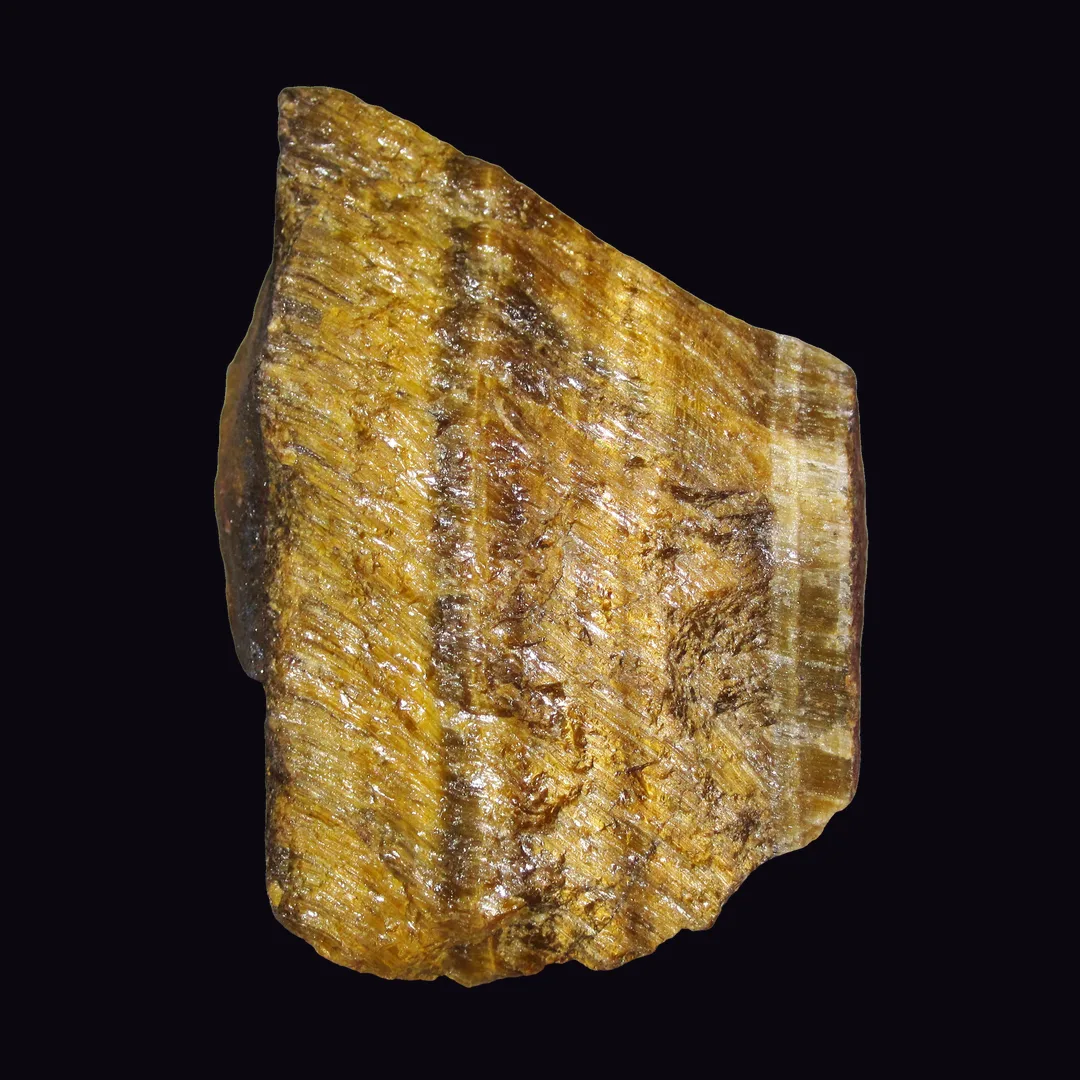
The sheen test. Tilt the piece under a light. Satin spar shows a single bright band of light that slides along the surface as you move it, the same cat's-eye effect you see in tiger's eye, caused by parallel fibres. Selenite doesn't do this. It has a flat pearly or glassy shine on its cleavage faces, no moving band.
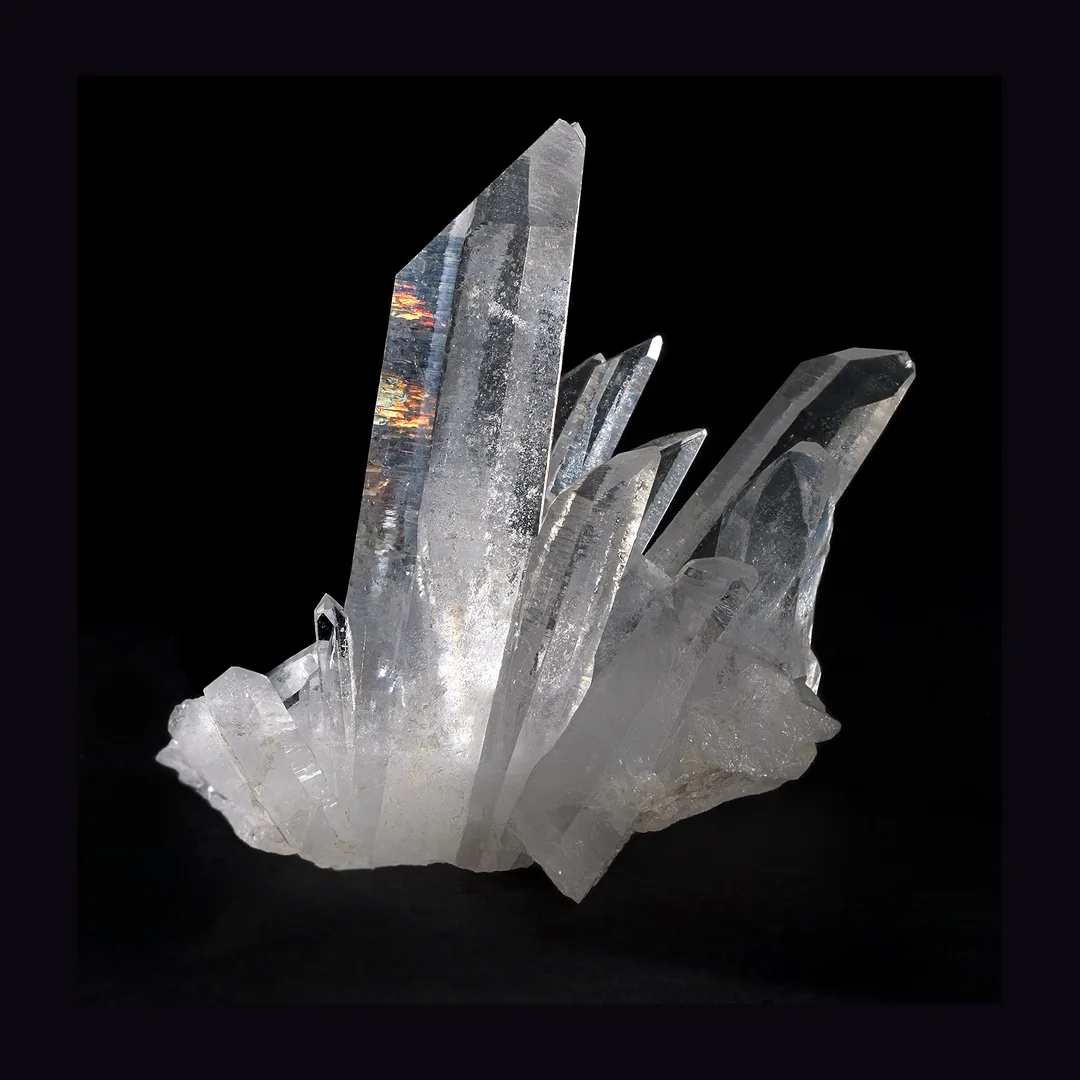
The clarity test. Hold it up. True selenite is transparent to translucent, clear enough to see stepped internal cleavage terraces. Satin spar is milky and you cannot see through it. If it glows white in a lamp but you can't see into it, that's satin spar.
The peel test, gently. Real selenite splits into thin, flat, flexible glass-clear sheets along one perfect cleavage. Nothing else in the trade does that. You don't need to shred your piece to know this, but a flaking edge peeling into flat plates is selenite behavior.
Ruling out the harder lookalikes
Before you land on gypsum at all, the fingernail test quietly rules out the two stones people most often mix in. A milky white tower could be satin spar, but it could also be milky quartz or howlite, and both of those are far harder. Your nail won't touch either. If a "selenite" wand refuses to scratch with a fingernail, it isn't selenite or satin spar, it's a quartz-family stone wearing the name, and the whole silky-sheen conversation is moot.
Clear pieces get confused with clear quartz and, less often, calcite. Quartz is a Mohs 7, so again the nail settles it instantly. Calcite is closer in softness but it fizzes in a drop of vinegar, and gypsum does not. That vinegar test is a clean separator if you ever aren't sure whether a soft clear crystal is selenite or calcite. No fizz, scratches with a nail, peels into flat sheets, that's selenite.
The one care rule that matters
Skip the water. Both selenite and satin spar are gypsum, and gypsum is soft and slightly soluble, so soaking either one clouds the sheen, roughens the surface, and slowly dissolves the piece. Every "cleanse your crystals in water" guide that doesn't flag this is going to ruin someone's wand. Use smoke, sound, or a dry night on the windowsill instead. And keep it off wet bathroom counters.
Sunlight is fine, unlike some coloured stones, so a sunny shelf won't hurt it. Water is the whole risk here. It's also worth knowing the pieces are fragile in a way quartz isn't. That Mohs 2 softness means a satin spar tower scratches, chips, and scuffs from ordinary handling, and the fibres at the ends will fray if you rub them. Keep it somewhere it won't get knocked around and don't stack heavier stones on top of it.
So which one do you have?
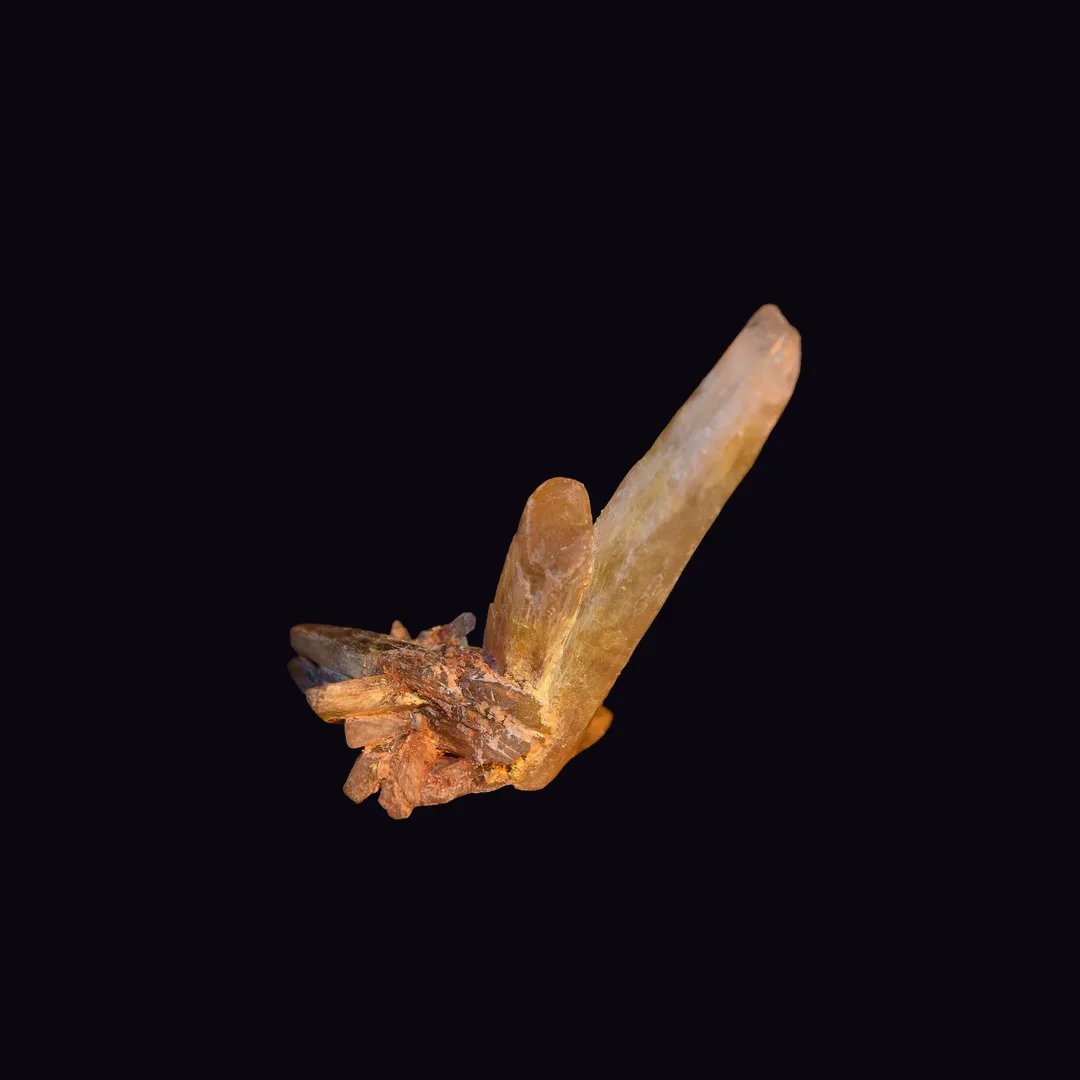
Honestly, satin spar. If it's a wand, a tower, a lamp, a flat charging plate, a carved shape of any kind, or a "selenite" anything from a shop or a night market, the odds are overwhelming that it's satin spar. Real selenite in its clear bladed crystal form is more of a collector and specimen thing, sold as raw blades or fishtail twins, not carved into tumbled goods.
That's not a downgrade. Satin spar is beautiful, that moving silky glow is the reason people buy it, and it's genuine gypsum doing exactly what it's supposed to. You just now know its real name.
If you want to be sure which variety is sitting on your shelf, or you've got a clear piece you think might be actual selenite, scan it to check the form against the fingernail and sheen tests above. The tests get you most of the way on their own, but a photo settles the milky-versus-clear call fast.
The stones in this piece
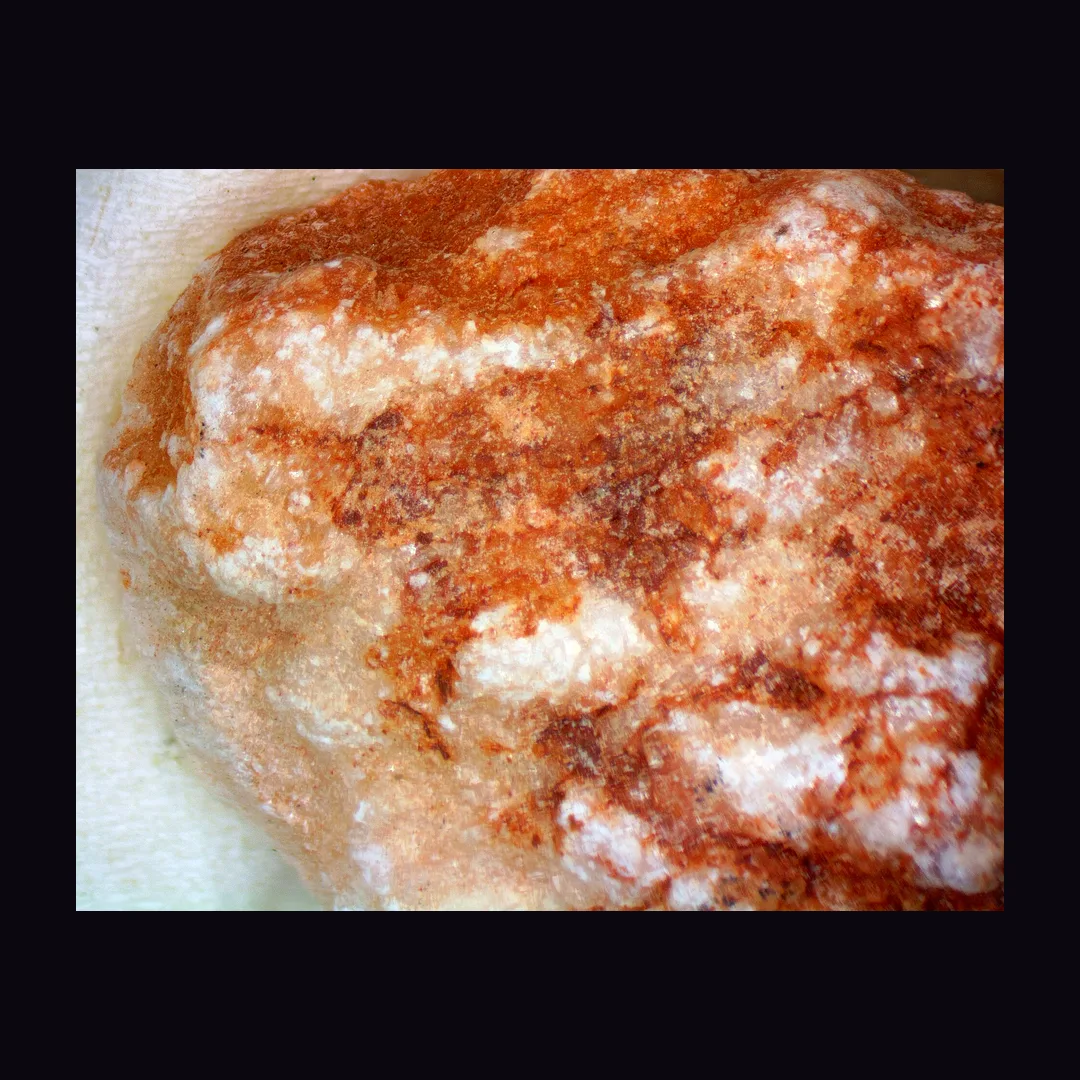
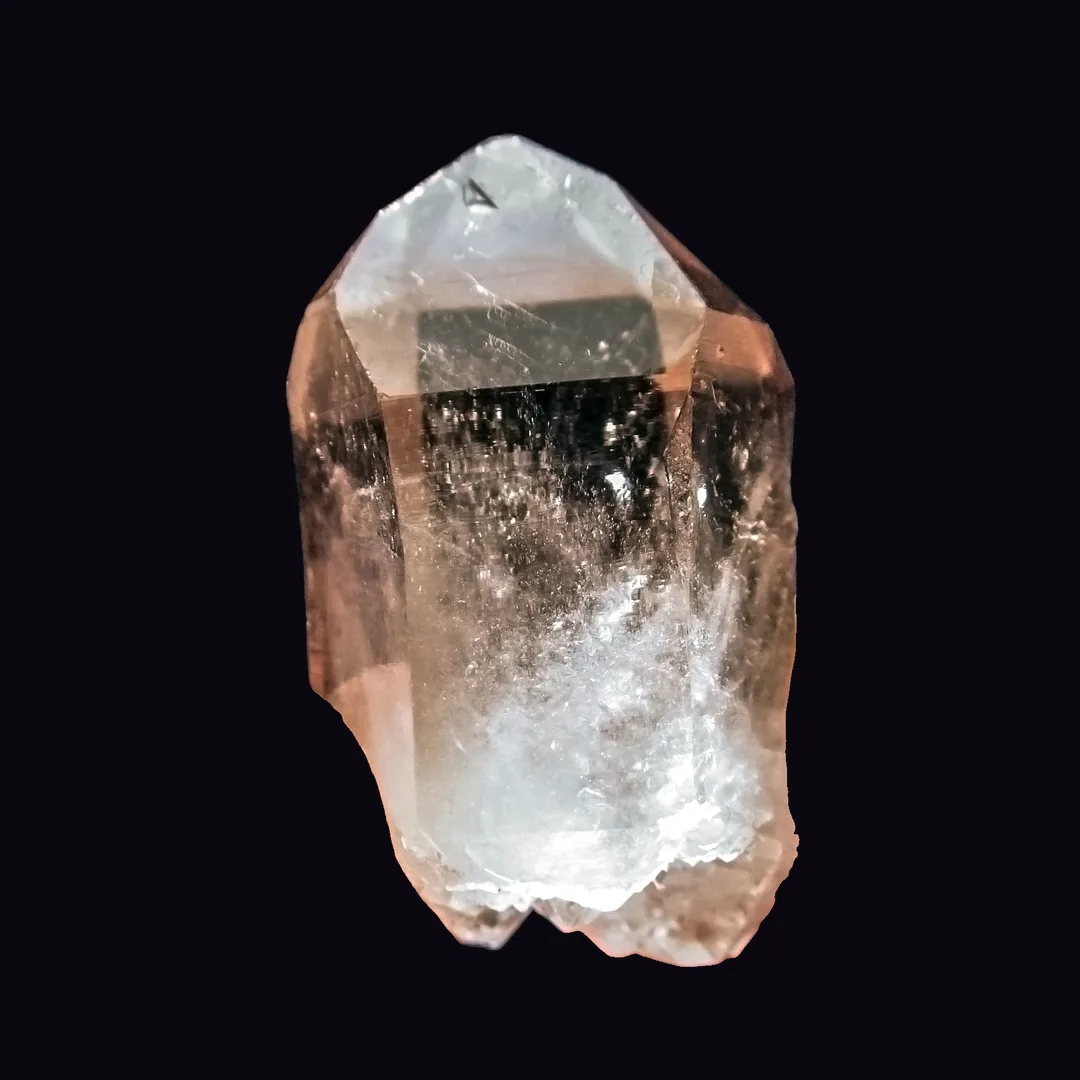
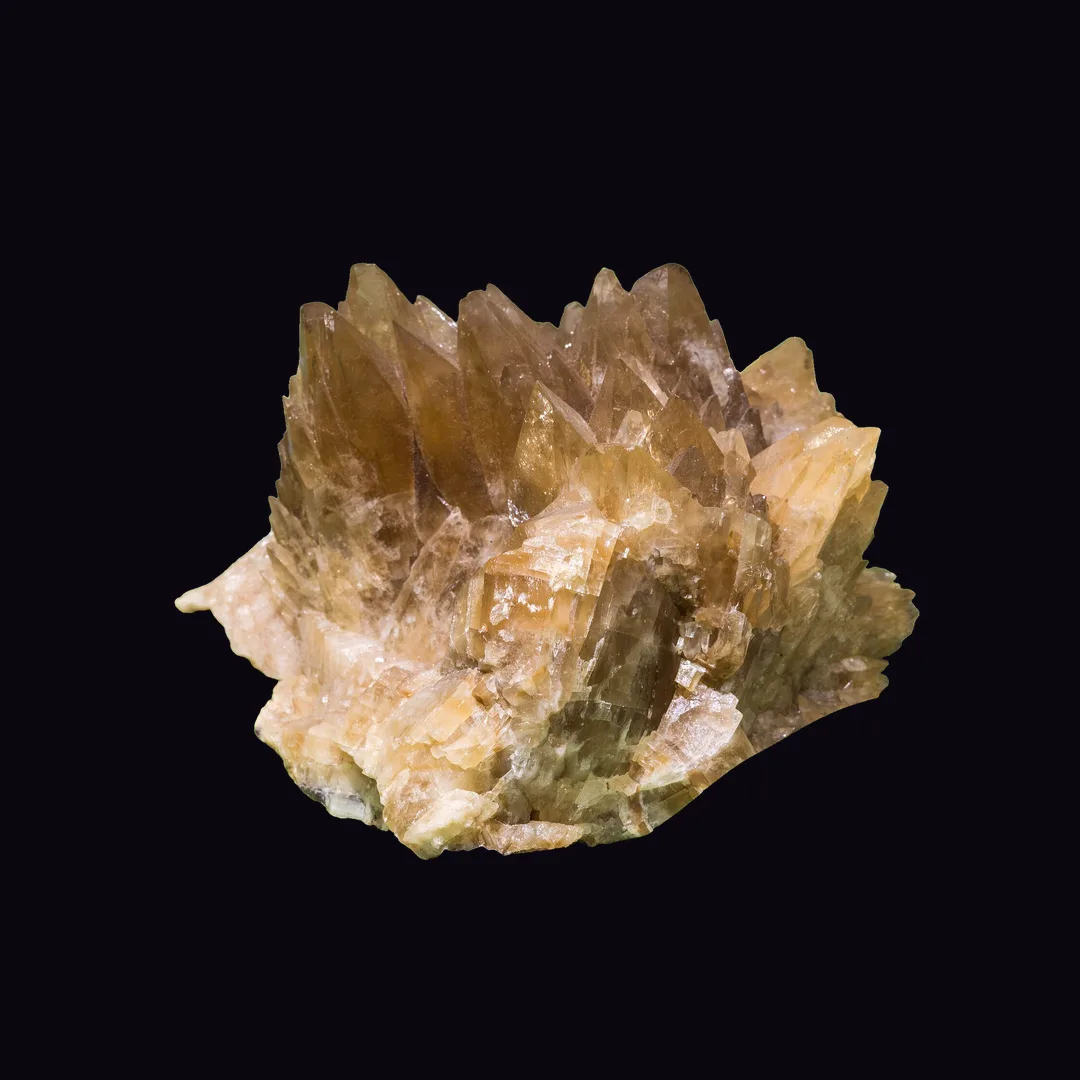
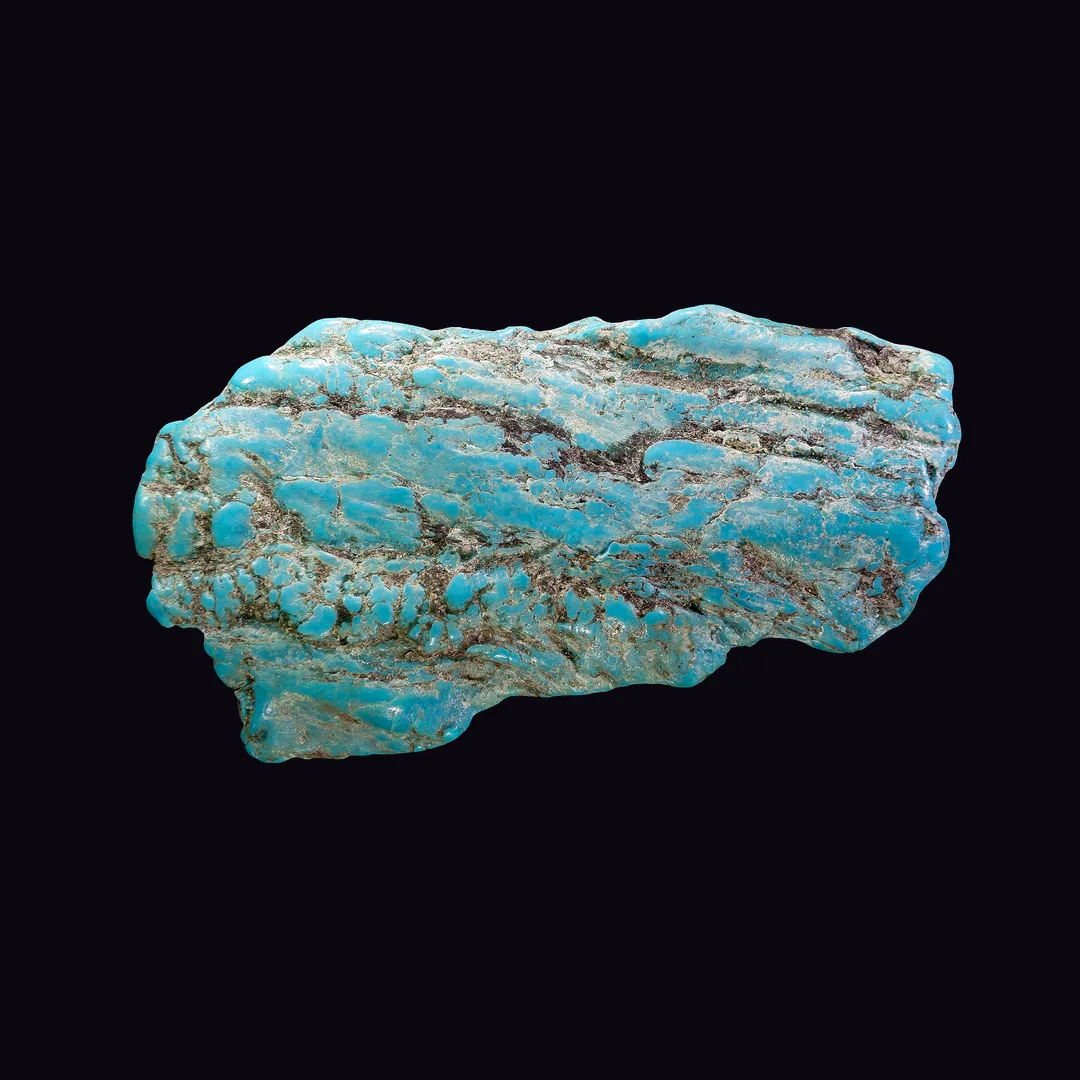
Questions people ask
Is selenite the same as satin spar?
Same mineral, both are gypsum with the formula CaSO4·2H2O, so chemically there's no difference. Selenite properly means the transparent, glassy, bladed crystal form. Satin spar is the fibrous, silky, milky-white variety. Nearly every 'selenite' wand, tower, lamp, and charging plate on the market is actually satin spar. It's a naming habit in the trade, not a fake.
How can I tell if my selenite is real?
It almost certainly is real gypsum, the question is just which variety. A fingernail scratches both easily, which no other clear crystal in a shop does. Satin spar shows a moving silky sheen down one axis like a cat's eye and is never transparent. True selenite is glass-clear and peels into flat flexible sheets. If yours is a milky white glowing tower, that's satin spar, and it's still genuine gypsum.
Can I put satin spar or selenite in water?
No, don't. Both are gypsum and gypsum is soft and slightly water-soluble, so soaking either one clouds the surface, dulls the sheen, and over time dissolves it. This is the one care rule that actually matters for this mineral. Cleanse it with smoke, sound, or dry moonlight instead of water.