The Flashlight Test: Telling a Real Crystal From Glass at Home
Identifying crystals · 6 min read · 9 August 2026
The faint veils inside real quartz are cracks that healed while it grew. Glass cannot fake one. Here is the phone test, and where it quietly fails you.
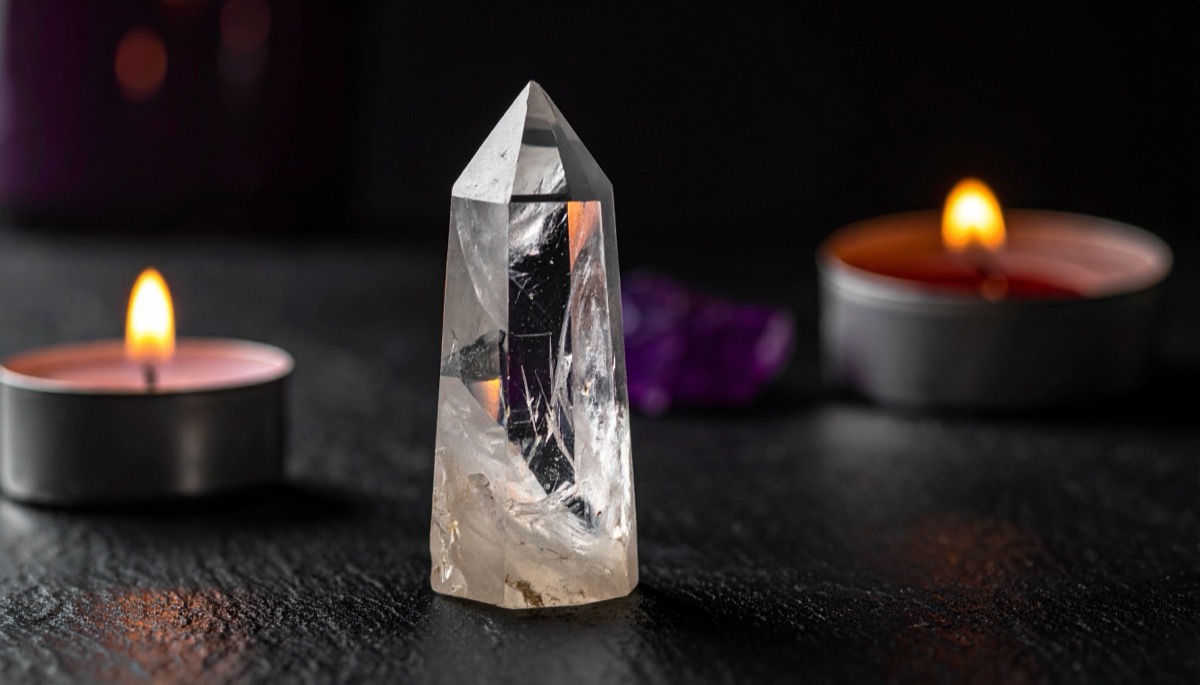
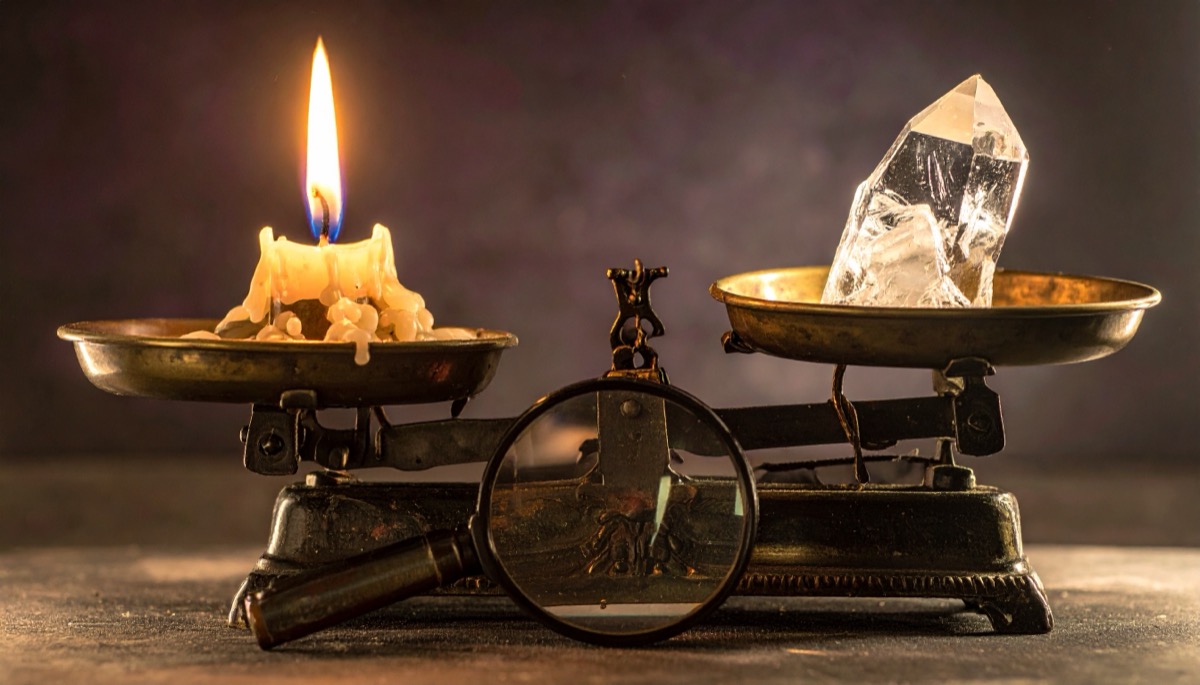
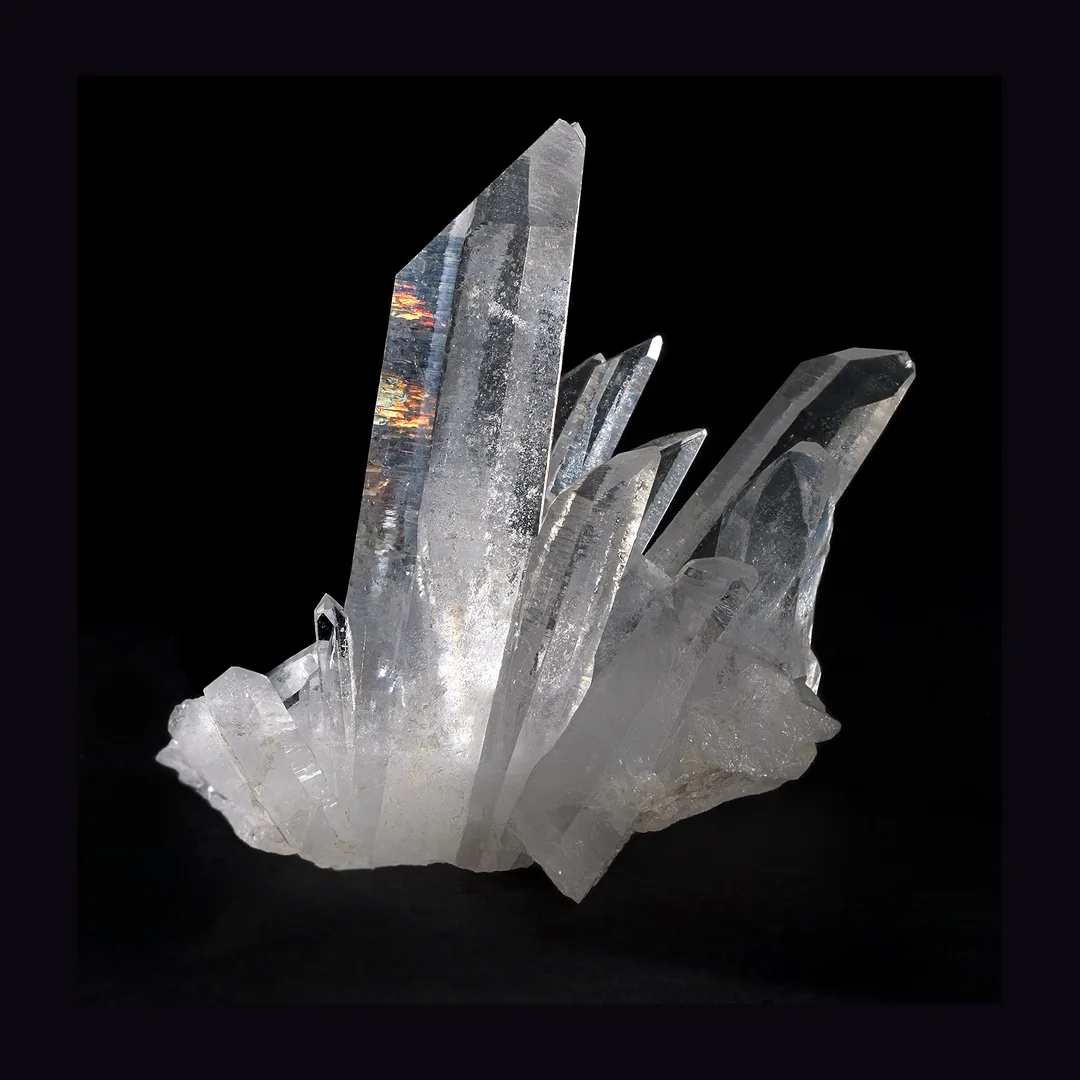
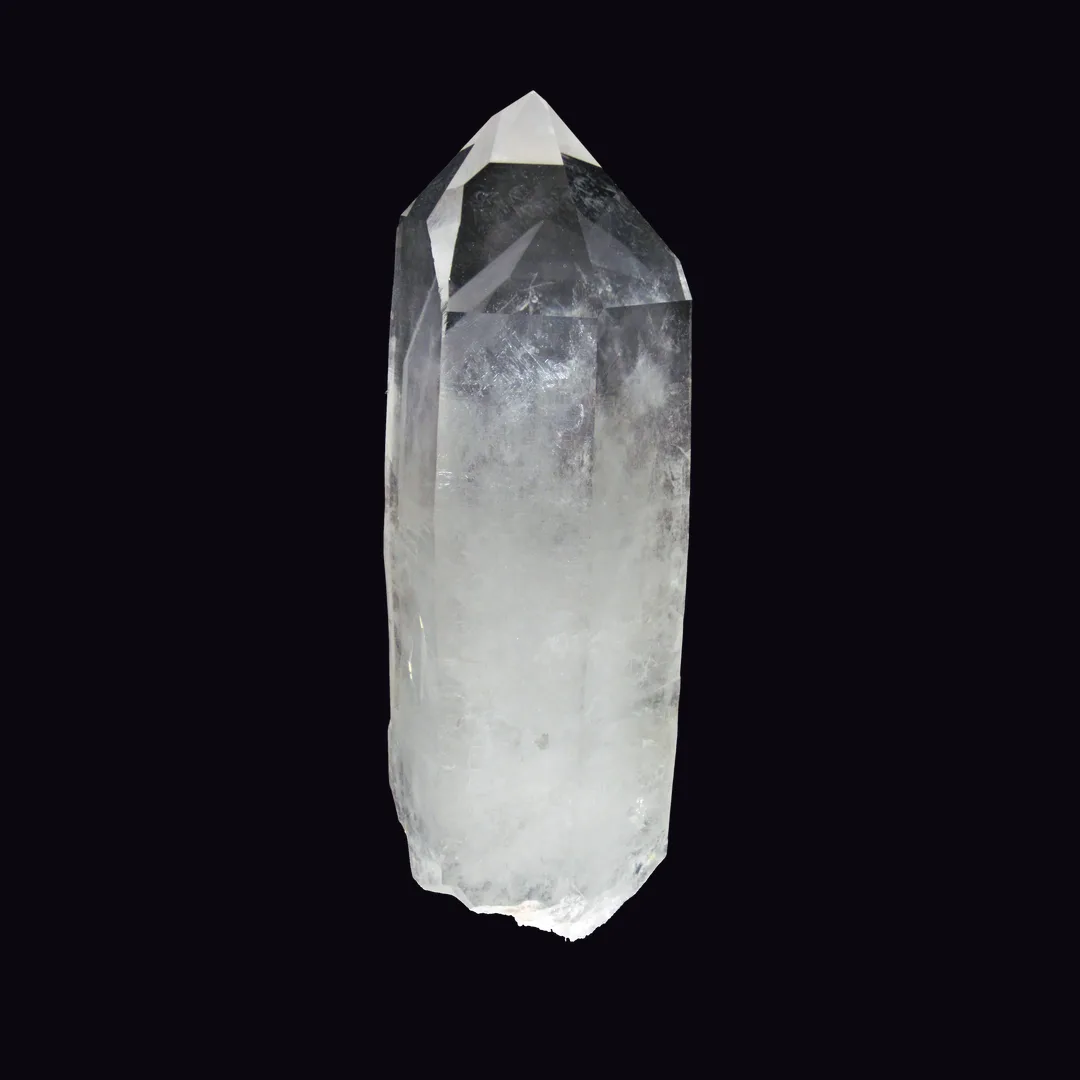
Hold a light behind a real quartz point and you will see faint sheets and feathers inside it.
Those are old cracks. The crystal broke while it was still growing, then healed over itself, and the scar stayed in there. Nobody watched that happen.
Glass has none of it. Glass was poured, so what it traps is perfectly round bubbles.
Resin traps swirls. Neither one can fake a healed break.
You do not own a loupe and you are not about to buy one. Fair enough. The test that catches most of it is already in your pocket.
You want to know if the point in your hand is real quartz or a resin knockoff, and you don't have a jeweler's loupe or a lab. A phone flashlight gets you most of the way. Real quartz scatters light through veils and fractures. Glass and plastic tend to glow clean or hide round bubbles. Here's how to read it.
What the flashlight test actually shows
Light is a cheap way to look inside a stone without cutting it. When you press a flashlight against one side of a translucent crystal and look through the other, you're reading its guts: the inclusions, the fractures, the way the material bends and scatters light.
Natural stones grew slowly and messily. They trapped minerals, water, and gas as they formed, so real clear quartz usually shows internal veils, feathery fractures, or cloudy zones when you light it up. Glass and resin were poured and cooled fast in a mold. They come out clean, or they come out holding perfectly round bubbles, which is a dead giveaway.
The test is best at flagging the lazy fakes. It will not tell you the difference between two real minerals, and it cannot see dye or heat treatment. Know its lane before you trust it.
How to run the phone-flashlight method
You need a dark-ish room, your phone, and the stone. That's it.
- Turn on your phone flashlight and turn off the overhead lights.
- Hold the stone up and press the light flat against one side of it.
- Look through the stone from the opposite side, then rotate it slowly.
- Watch for internal structure: veils, threads, fractures, colour zoning, cloudy patches.
- Now hunt specifically for round bubbles and a totally flawless, glassy interior.
Rotate the whole time. A real crystal's insides change as the angle changes because the light is catching different planes and inclusions. A molded fake often looks the same from every angle because there's nothing in there to catch.
Real quartz vs glass vs plastic
Here's the quick read on the three materials you're most likely to be deciding between.
| Material | What light does through it | Bubbles? | Temperature in hand | Weight |
|---|---|---|---|---|
| Real quartz | Scatters through veils, fractures, cloudy zones. Interior changes as you rotate | Irregular films and threads, not round | Cool, warms slowly | Denser, heavier than it looks |
| Glass | Glows clean and even, or holds trapped spheres | Perfectly round air bubbles are common | Cool at first, warms fast | Lighter, can feel hollow |
| Plastic/resin | Often too clear or evenly cloudy. Light passes flat with no depth | Sometimes round bubbles, sometimes swirl marks | Warm almost immediately | Noticeably light |
Two extra tells that pair with the light test. Temperature: real quartz stays cool against your lip or cheek for a few seconds because it pulls heat away, while plastic warms up almost instantly. Weight: for the same size, quartz feels heavier than glass, and both feel much heavier than resin.
The tells you're actually looking for
Round bubbles mean glass. This is the single most reliable thing the flashlight shows. When glass cools, it traps spherical air bubbles. Natural quartz does not do this. If you light a clear stone and see clean little spheres floating inside, stop there. It's glass.
Veils and fractures mean natural. Internal veils look like fogged glass planes inside the stone. Healed fractures look like feathers or fingerprints. Both are hard to fake and both scatter your flashlight in a way molded material can't copy.
Cloudiness is usually your friend. People panic when their stone isn't perfectly clear, but a little internal mess reads more natural than flawless. Milky quartz is cloudy by definition and completely real. Phantoms and colour zoning inside a stone are also good signs.
Flat, dead light means think twice. If the light passes straight through with no depth, no structure, and no change as you rotate, you might be holding glass or resin. Pair it with the bubble check and the weight check before you decide.
Where the flashlight test quietly fails
This is the part most guides skip, so here it is straight.
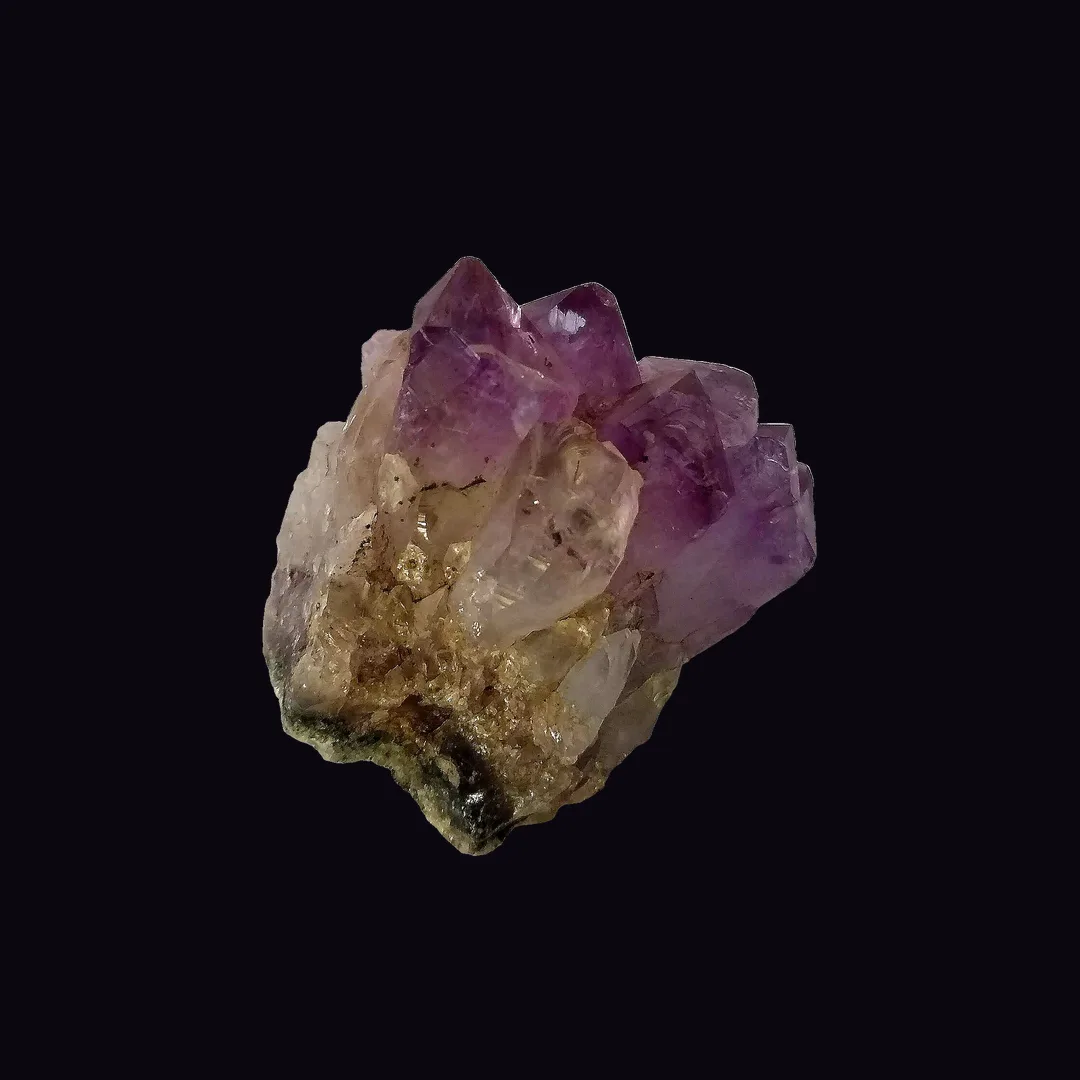
The flashlight test cannot tell one real mineral from another. Under a light, a piece of glass dyed purple and a real amethyst can both show colour, and the light alone won't separate them. You'd use colour zoning, hardness, and a scan for that.
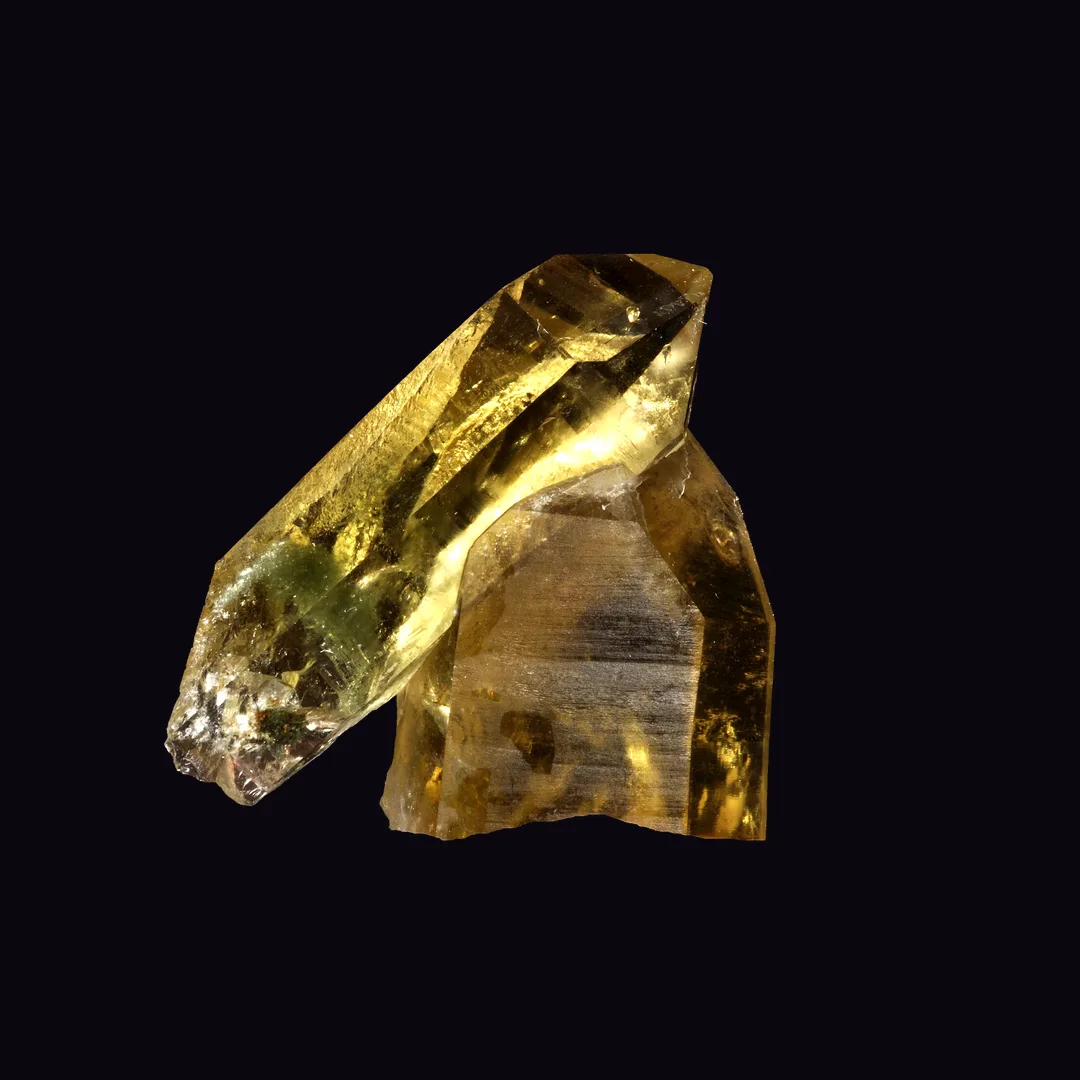
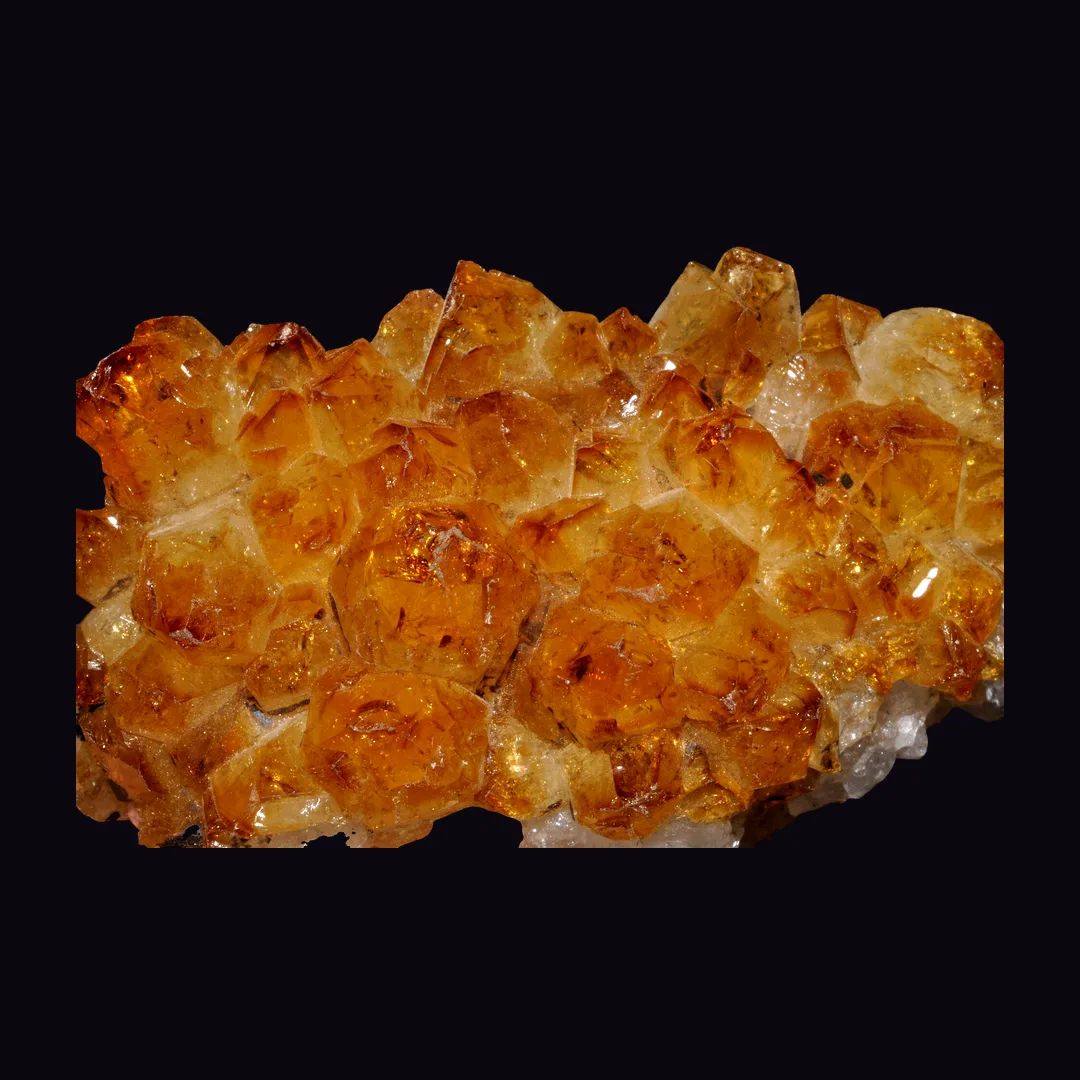
It cannot catch heat treatment or dye. Most "citrine" on the market is heat-treated amethyst, and the flashlight will not reveal that. If you care whether your yellow stone is natural citrine, the light test is useless. You're looking at colour distribution and origin instead.
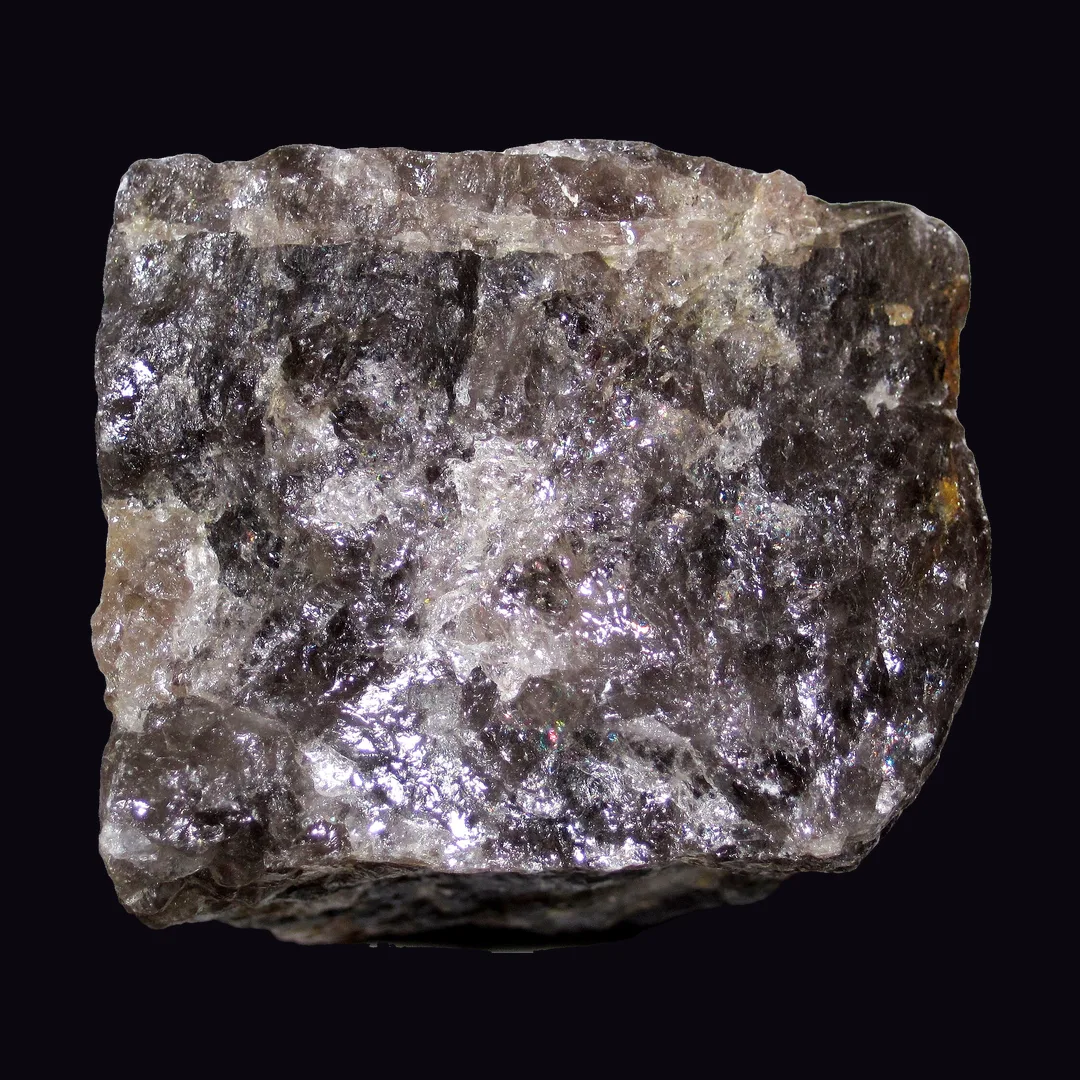
It struggles with opaque stones. Smoky quartz that's dark enough to block light, and fully opaque stones, don't transmit enough to read. The method is really for translucent-to-clear material.
And a good fake can pass. High-end manufactured glass can be made without obvious bubbles. If someone put effort into the fake, the flashlight might wave it through.
So the honest framing: the flashlight test gets you maybe 80% of the way on clear and translucent stones. It's great at catching the cheap stuff and terrible at catching the careful stuff. When it matters, when you paid real money or you're about to, scan it to be sure and cross-check against hardness and specimen photos rather than trusting a single glow.
Pair it with two backup tests
The flashlight is strongest when you don't lean on it alone. Two more at-home checks cost nothing and cover its blind spots.
The cold test uses the fact that quartz conducts heat away from your skin. Touch a real crystal to your cheek or your lip and it stays cool for a beat before it warms, because it's pulling heat out of you. Glass warms faster, and plastic feels warm almost on contact. It's the same reason a stone that's been sitting out feels colder than the room. This won't separate quartz from glass on its own, but it stacks with the light test cleanly.
The scratch and hardness sanity check helps when a fake is trying to pass as quartz. Real quartz is hard, a 7 on the Mohs scale, so it won't be scratched by a steel knife or a nail. Glass is softer and can be marked by harder materials, and plastic marks easily. Do this only on a hidden edge or a piece you don't mind testing, and never on anything faceted or valuable. Between light, temperature, and hardness you've got three independent reads, and three agreeing beats one guessing.
What the flashlight finds inside quartz
Some quartz was built to be lit. Put the light behind phantom quartz and look down through the point. A ghost crystal shows up, hard-edged, repeating the shape of the one around it. A resin cast cannot copy that, and it warms up fast in your hand.
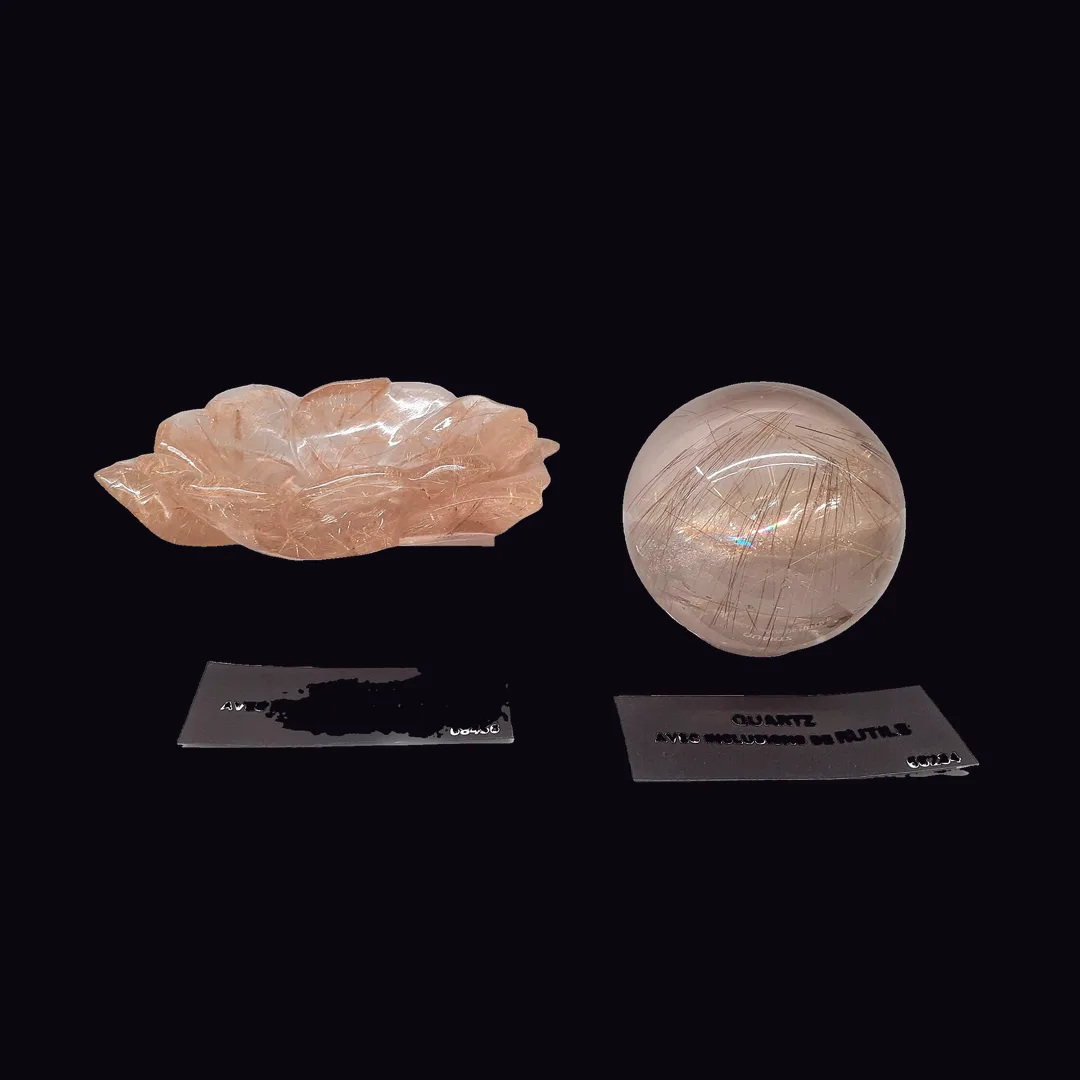
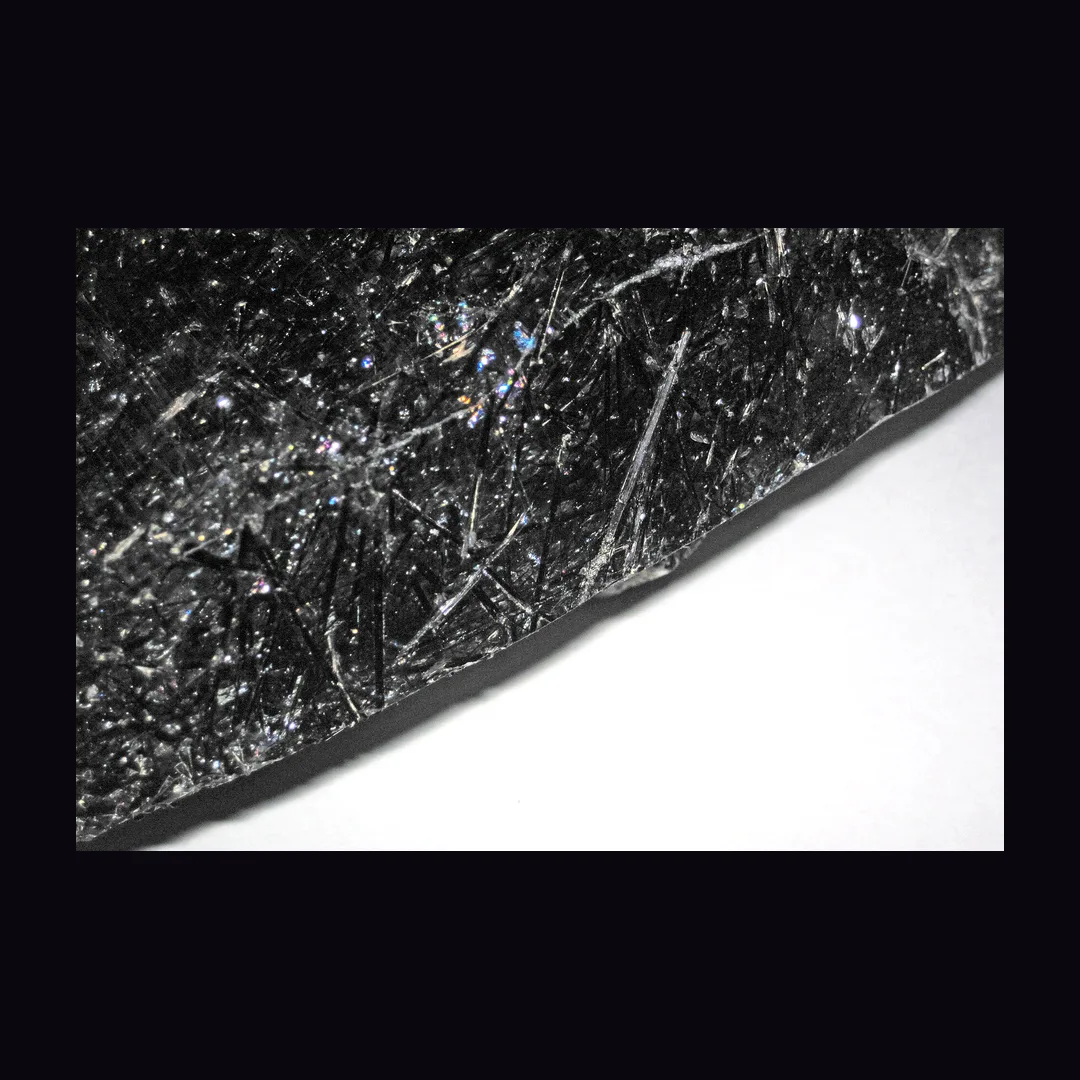
Turn rutilated quartz under the beam and the gold-red rutile needles flash as their flat faces catch it. Tourmalinated quartz holds thicker rods that stay matte black and never throw that metallic flash.
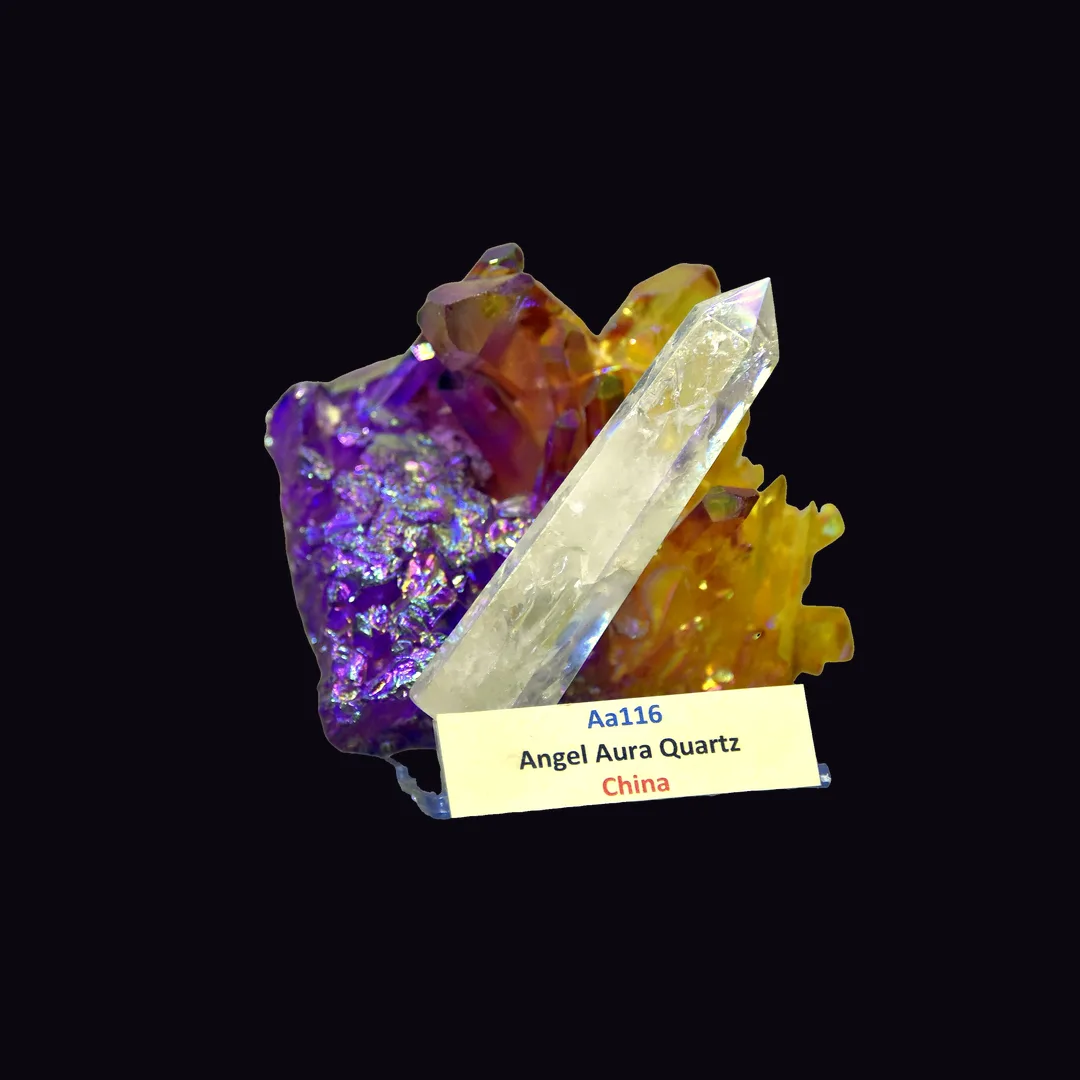
Then the blind spot. Aura quartz lights up plain grey-white inside. The oil-slick colour is a metal film bonded onto the outside in a vacuum chamber, on sale since the 1980s. The stone is real. The colour was made.
Quick recap
Dark room, phone light flat against the stone, look through, rotate. Veils, fractures, and cloudiness lean real. Round bubbles and a flawless flat interior lean glass. Cool-and-heavy leans real. Warm-and-light leans fake. Add the hardness check when a fake is posing as quartz. Then remember the ceiling on all of it: these tests flag obvious fakes, not treated stones or careful forgeries. Use them to rule things out fast, and confirm the ones that matter.
The stones in this piece
Questions people ask
Can a flashlight really tell if a crystal is real?
It catches obvious fakes. Real quartz usually shows internal veils, tiny fractures, or cloudy patches when lit from behind, while cheap glass looks perfectly clean or holds trapped round bubbles. It can't confirm species or spot dyed and heat-treated stones, so treat it as a first pass, not a verdict.
Do real crystals have bubbles in them?
Natural quartz can have inclusions that look like tiny threads, films, or irregular gaps, but perfectly round air bubbles are a glass tell. Molten glass traps spherical bubbles as it cools. If you see clean little spheres suspended in a clear stone, you're almost certainly holding manufactured glass.
Why does my real crystal look cloudy in the light?
Cloudiness is usually a good sign. Milky quartz, phantoms, veils, and healed fractures all scatter light and are hard to fake. Factory glass is made to be flawless, so a little internal mess and unevenness reads more natural than a stone that lights up crystal clear.