Is My Crystal Worth Anything? How to Tell Value From Hype
Identifying crystals · 6 min read · 7 August 2026
Most crystals are worth a few dollars, and that is not an insult. Here is what really moves a price, and what you paid for that was not the stone.
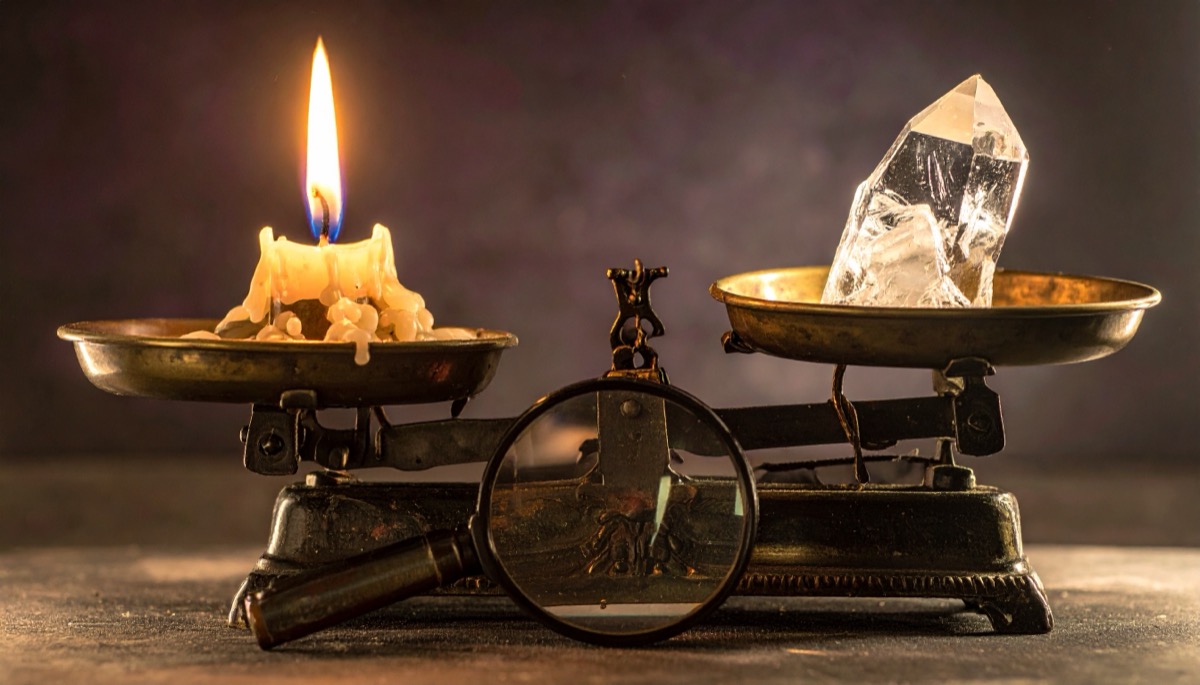
Take the stone to a window and look at the base, where somebody cut it flat.
Quartz is one of the most common minerals on earth. Amethyst is quartz. Rose quartz is quartz.
Most of what sits on a shelf came out of the ground by the crate.
Common does not mean worthless. It means most of what you paid for was cutting, shipping and the shop.
You are not asking this because you want to sell it. You are asking because you want to know you were not taken for a fool. You were not.
Most crystals are worth a few dollars, and that's the honest answer for maybe ninety percent of what people own. What actually moves price is rarity, clarity, natural color versus treatment, origin, and size. "Healing value" is real to you but it isn't resale value. Here's how to tell the difference before someone charges you for hype.
The short version
If your stone is a tumbled or palm-sized piece of a common species like clear quartz, amethyst, rose quartz, or dyed black agate, it's a craft-supply purchase. That isn't an insult. Common stones are common because they're beautiful and everywhere, and being everywhere is exactly what keeps them cheap. The stuff that commands real money is rare, unusually clean, a notable size, from a named locality collectors chase, and untreated. Miss any of those and the number drops fast.
What actually adds value
Five things do most of the work. Everything a seller tells you tends to be a version of one of these, so it helps to name them plainly.
| Value factor | What raises the price | What kills it |
|---|---|---|
| Rarity | Genuinely scarce species or find | Mass-mined material sold by the bucket |
| Clarity / colour | Clean, saturated, evenly coloured, no cloud | Milky, cracked, dull, or dyed to fake colour |
| Natural vs treated | Untreated with the colour it grew with | Heated, dyed, irradiated, or reconstituted |
| Origin / locality | A collector-famous mine, documented | "Unknown," no paperwork, generic import |
| Size / form | Large, well-terminated, a clean single crystal | Small, chipped, tumbled, or a broken fragment |
Rarity is the big one. A stone that's hard to pull out of the ground and hard to find in good condition holds value. Most of what fills shop bowls is the opposite: quartz and agate are among the most abundant minerals on Earth, which is why a fist of clear quartz points costs less than lunch.
Clarity and colour come next. Within a single species, the clean, richly coloured, crack-free pieces cost multiples of the cloudy ones. This is where photos lie, because good lighting and a wet-look polish hide a lot. A dry stone in daylight tells the truth.
Natural versus treated is where people get quietly overcharged. A treated stone can be perfectly nice and still worth a fraction of the untreated version, because the market pays for what nature did, not what a kiln did. More on that below.
Origin matters more than beginners expect. Collectors pay for provenance, meaning a documented mine or locality with a reputation. "Brazilian amethyst" is a category. A specific named mine with a photo of the pocket it came from is a premium. No paperwork usually means no premium.
Size and form round it out. A large, well-formed single crystal with an intact termination beats a bag of small chips of the identical material, because clean growth is rarer than volume.
Natural vs treated: the value trap
This is the one that costs people money, so it's worth its own section. A huge share of colorful crystals on the market are treated, and treatment isn't automatically bad. It's just supposed to be disclosed, and it caps the price.
The classic example is citrine. Real, unheated natural citrine is genuinely scarce and priced accordingly. Most "citrine" in shops is heat-treated amethyst, which is amethyst roasted until it turns orange-brown. It's a real quartz and a stable colour, but it is not rare and it should not be priced like the natural stone. The tell is a chalky white base breaking into a sharp burnt-orange tip, versus the soft even weak-tea yellow of the natural material.
Dyed stones are the other big one. Most black onyx is grey agate soaked in sugar and acid to blacken it. Plenty of bright "howlite turquoise," candy-coloured agate slices, and glowing aura quartz are dyed or coated too. Dye and coatings are fine to own and near-worthless to resell. If the colour looks like a highlighter and sits dead-even with no zoning, assume it was helped.
The move here isn't to avoid treated stones. It's to not pay untreated prices for them.
Why "healing value" is not resale value
You'll hear that a stone is a master healer, or ethically charged under a specific moon. Whatever that means to you personally is yours to decide, and a stone you're attached to can be worth a lot to you. But none of that transfers to a buyer. Resale runs on the boring physical stuff in the table above: species, clarity, treatment, origin, size. Keep the two ledgers separate and a shop can't slide "it's a powerful protection stone" into the price of a two-dollar tumble of black obsidian.
Practically: love the stone for the reason you bought it. Just don't confuse that feeling with an investment, because that's exactly the confusion the markup is built on.
How to actually check a price
Do these in order.
- Identify the stone and whether it's natural or treated. That sets the ceiling on everything else. If you're not sure what you're holding, scan it to be sure before you go comparing prices for the wrong mineral.
- Grade it honestly in dry daylight. Clarity, colour, cracks, chips, size, whether it's a clean single crystal or a fragment.
- Look up sold listings, not asking prices. Search completed and sold results for the same species, same size, same quality. Asking prices are hope. Sold prices are what someone actually paid.
- Assume common until proven rare. If it's quartz, agate, amethyst, or anything you see in every shop, price it as common unless there's real evidence otherwise.
That process gets you most of the way. It won't turn up a museum piece hiding in your windowsill, but it will stop you overpaying and stop you assuming a nice stone is a jackpot.
Some of it was made, not mined
A made thing can be beautiful. It just cannot be rare, because somebody can make more of it tomorrow.
Goldstone is glass. Sand melted with copper in a sealed pot, a recipe worked out in Venice about four hundred years ago, cooled slow so the copper grew into flecks. Blue goldstone is the same trick with cobalt. Shops label it blue sandstone, which is wrong twice over. No sand, no stone.
Bismuth is grown in a pot too. The metal gets melted at around 271 degrees, cooled slowly so it stair-steps, then the still liquid middle is poured away. The rainbow is an oxide film that formed in open air. Most sellers say so, which is rarer in a crystal shop than it should be.
Synthetic opal is the odd one out. It is real opal, grown in labs in France and Japan, often with a polymer in it. Not a con, as long as somebody told you.
A place name is not always a place
Origin sells, so names get borrowed. Spectrolite is labradorite. One Finnish quarry found the darkest material anyone had seen and gave it a name of its own. Madagascan stone now sells under that name too. Nuummite earns its premium honestly, because it really does come from around Nuuk in Greenland.
Ocean jasper works the other way round. The name is honest and the seam is not. The original Marovato pocket in Madagascar is worked out. Newer Madagascan material still sells as ocean jasper and it is usually paler. That is not a fake, it is a different seam, and the older dense orbs are the ones people pay for.
Dye caps price the same way. Crazy lace agate is untreated in its warm creams and rusty reds. Botswana agate is untreated in its dusty greys and pinks. Electric blue, teal, magenta: dyed. The dye holds and the piece is worth much less for it.
The honest bottom line
Most crystals are worth a little, a few are worth a lot, and the gap between them is rarity, clarity, natural colour, origin, and size, in that rough order. "Is my crystal worth anything" almost always has the same gentle answer: worth something to you, worth a few dollars to a buyer, and that's completely fine. The tests above get you eighty percent of the way. If the identification is the part you're unsure about, scan it first, because you can't price a stone you can't name.
The stones in this piece
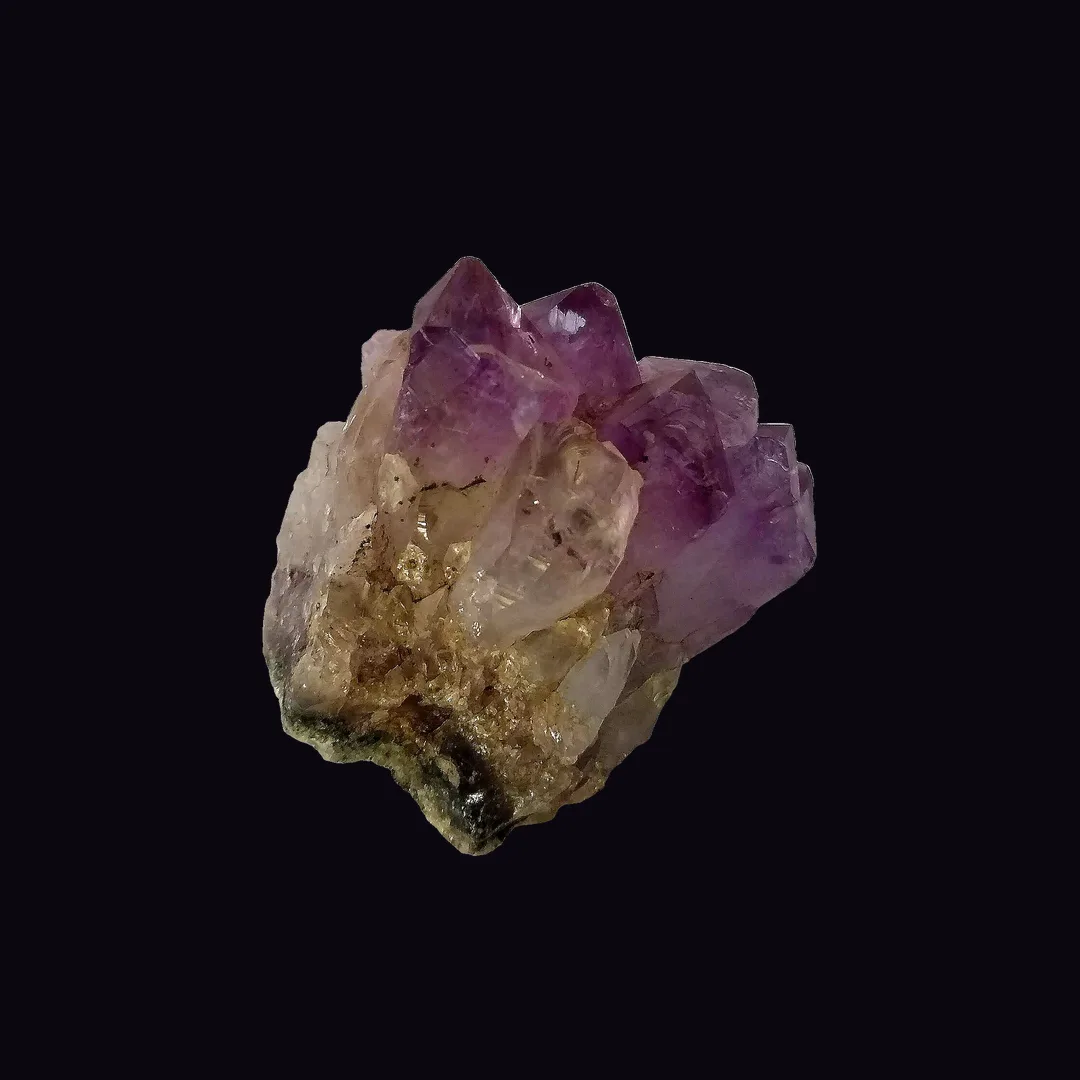 AmethystRead the entry
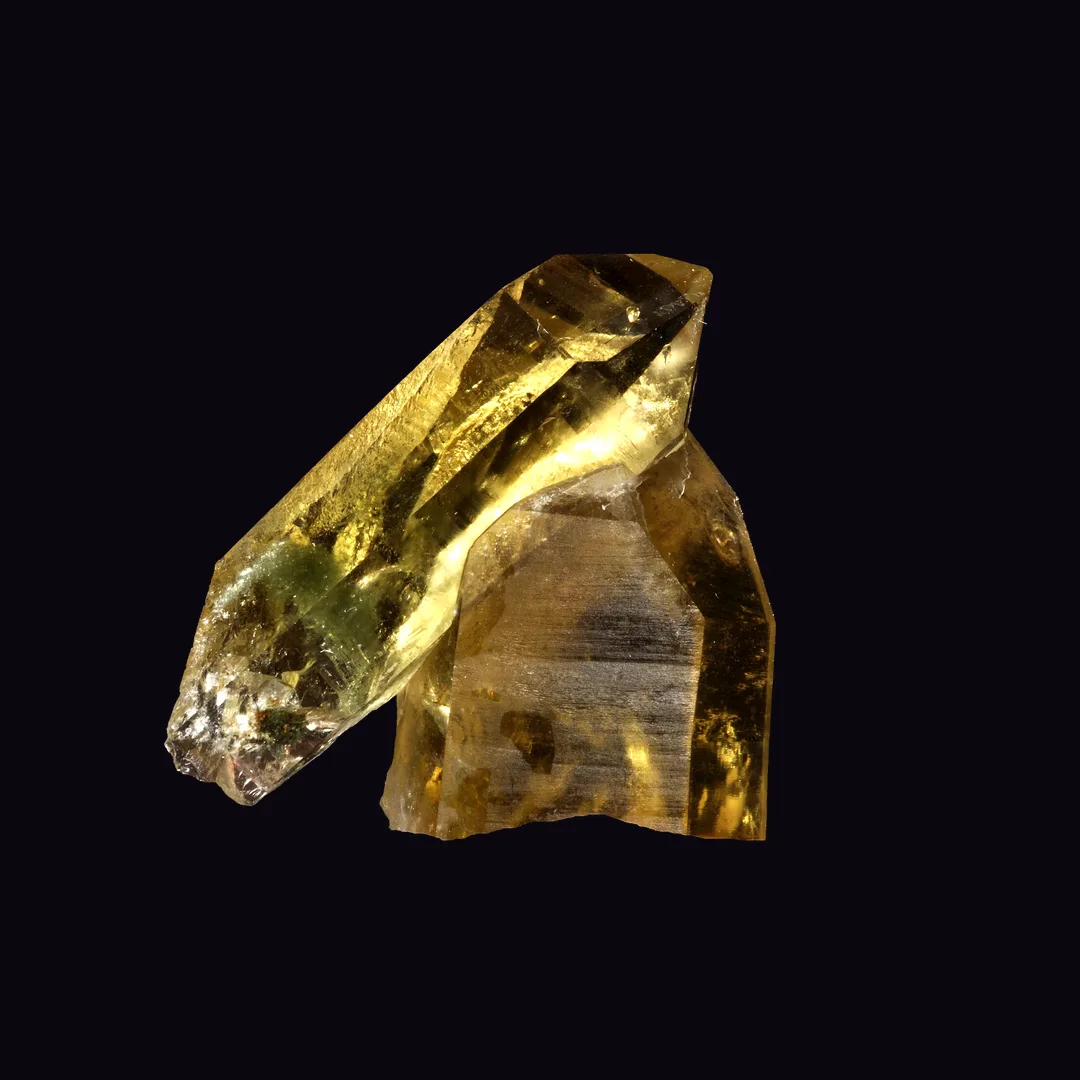 Citrine (Natural)Read the entry
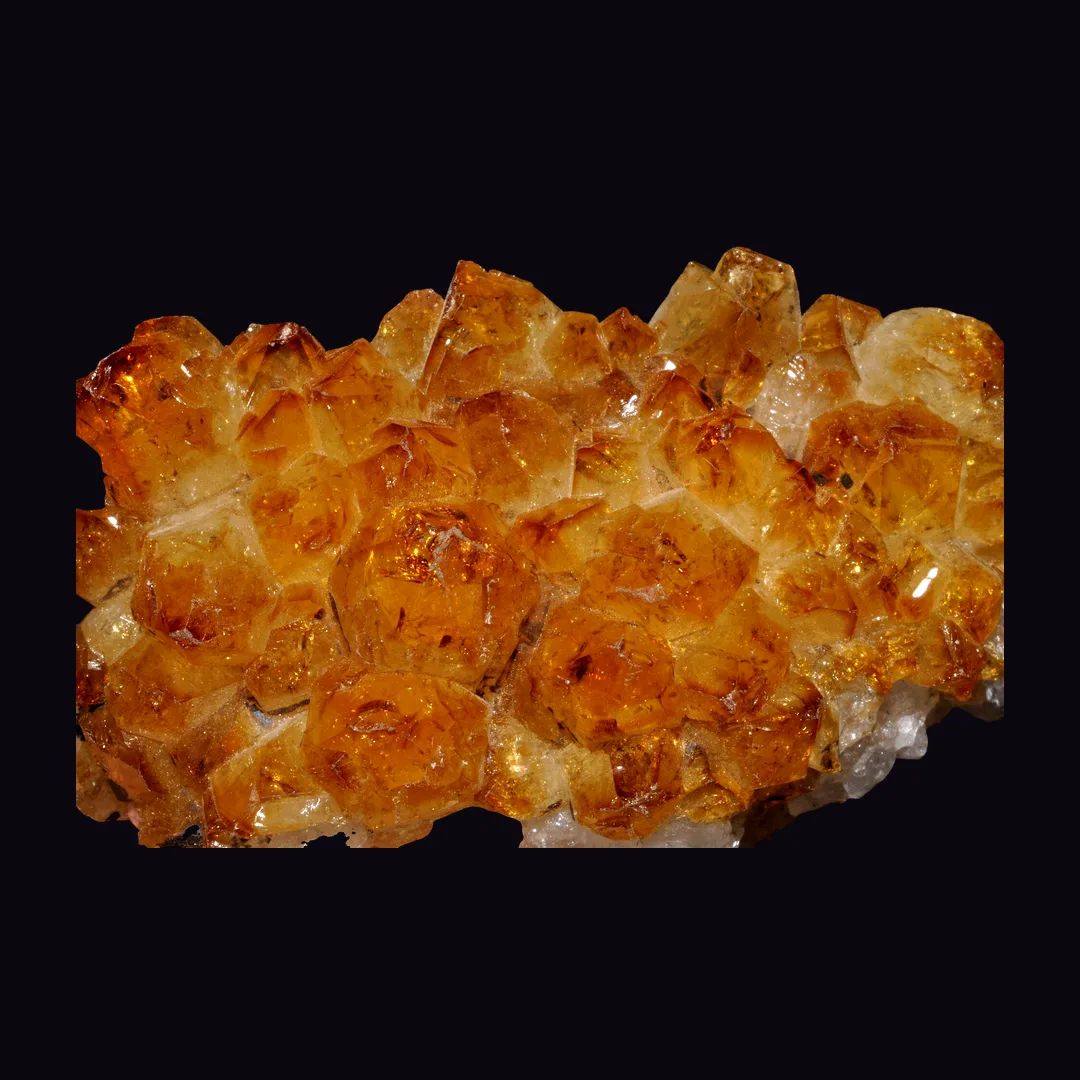 Citrine (Heat-Treated Amethyst)Read the entry
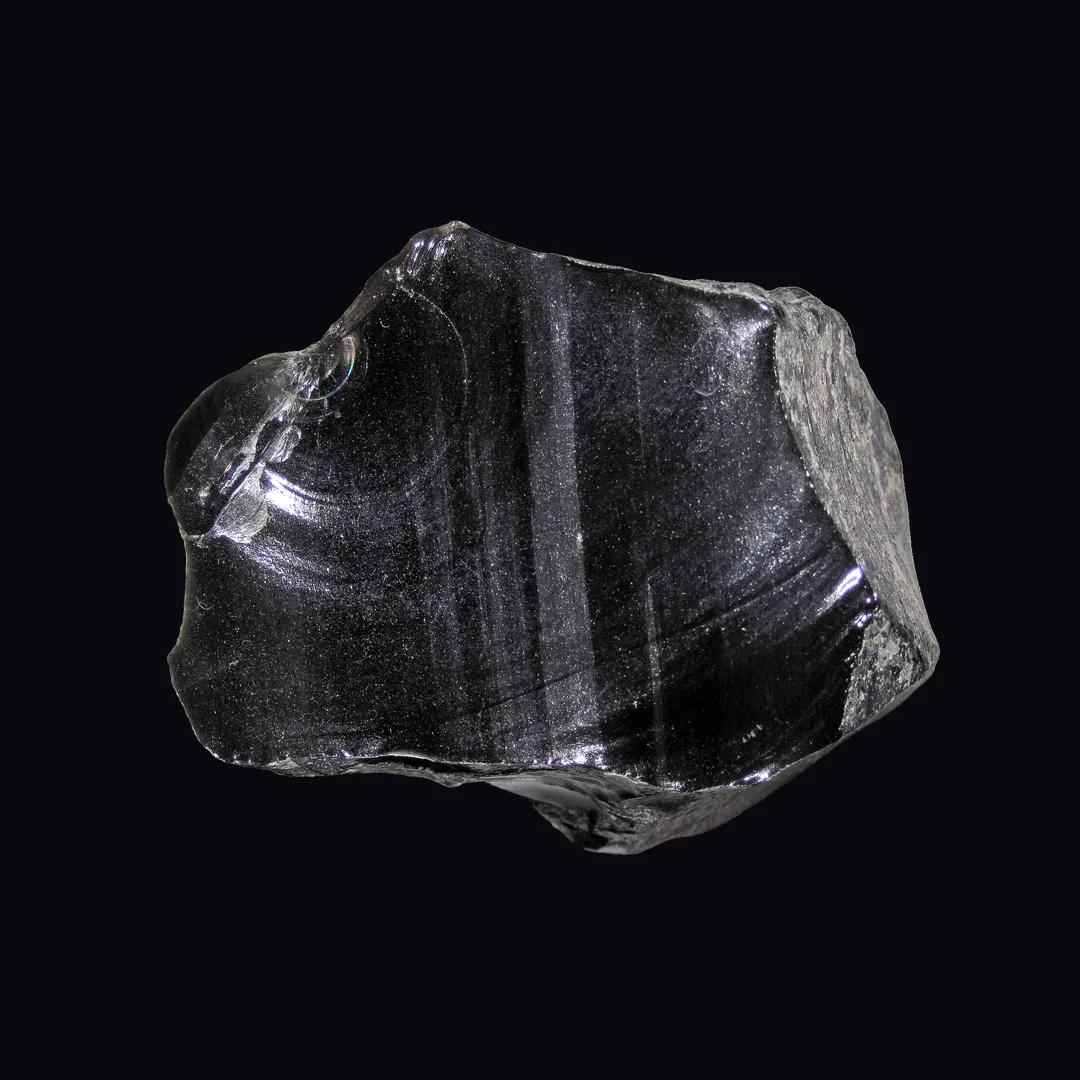 Black ObsidianRead the entry
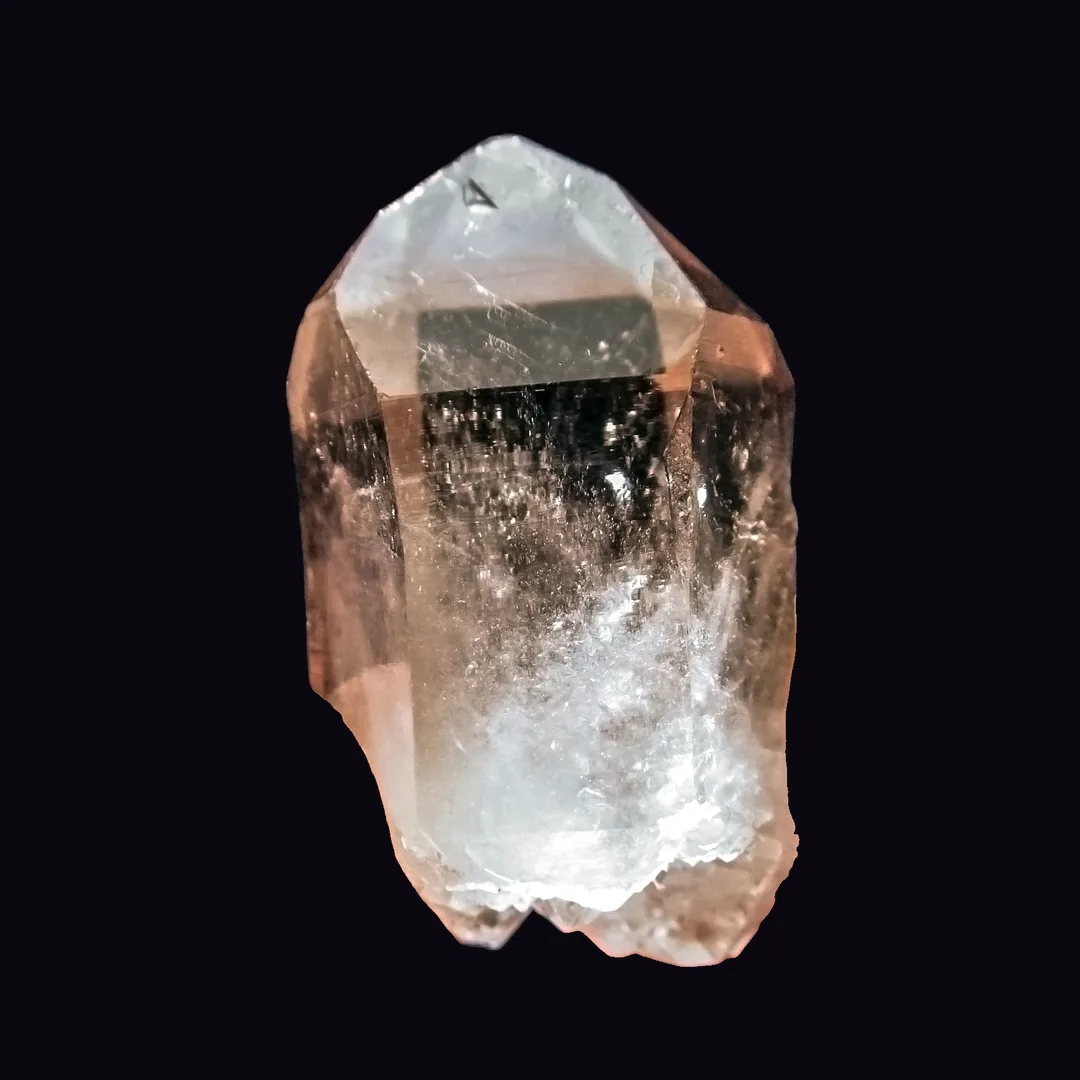 Clear QuartzRead the entry
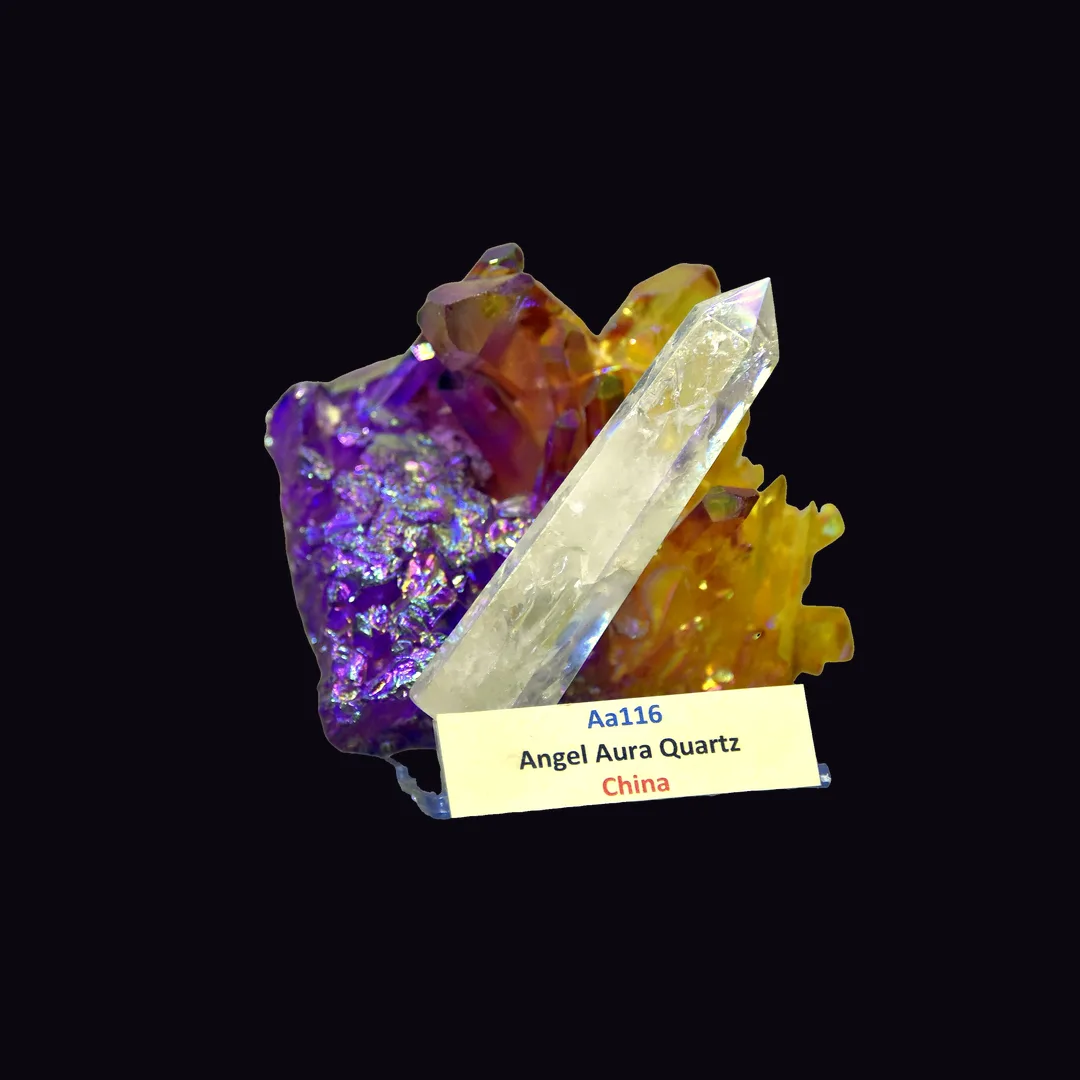 Aura QuartzRead the entry
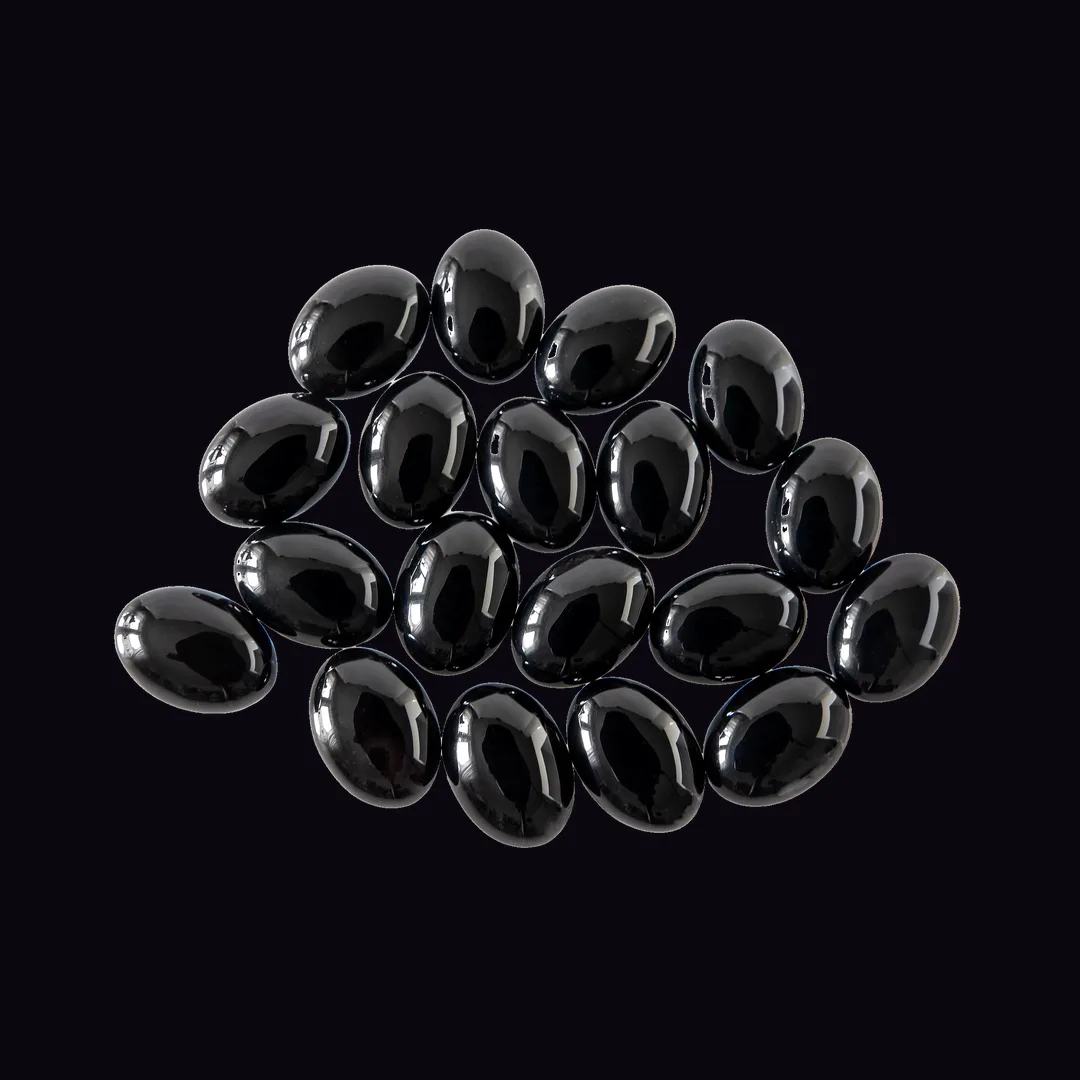 Black OnyxRead the entry
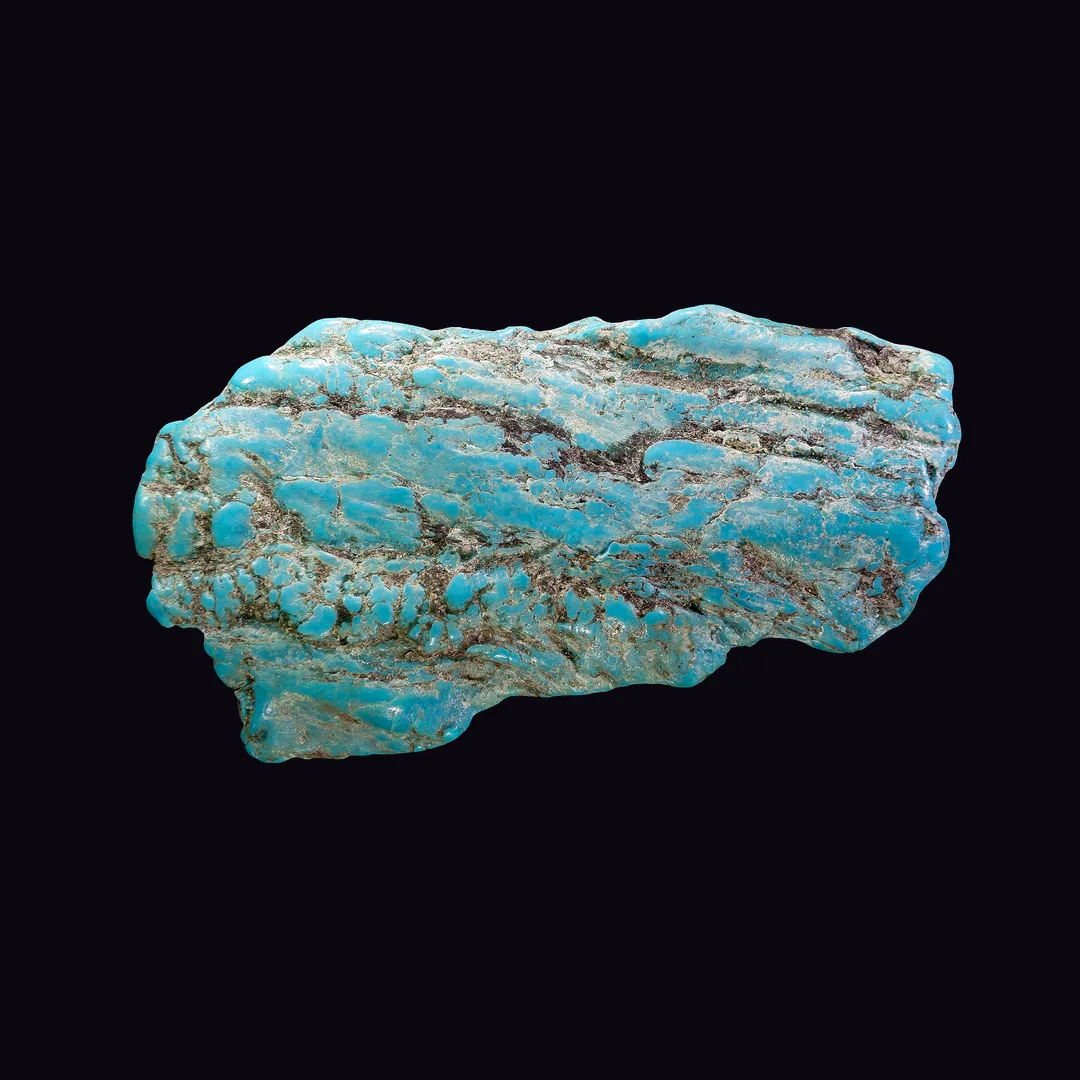 HowliteRead the entry
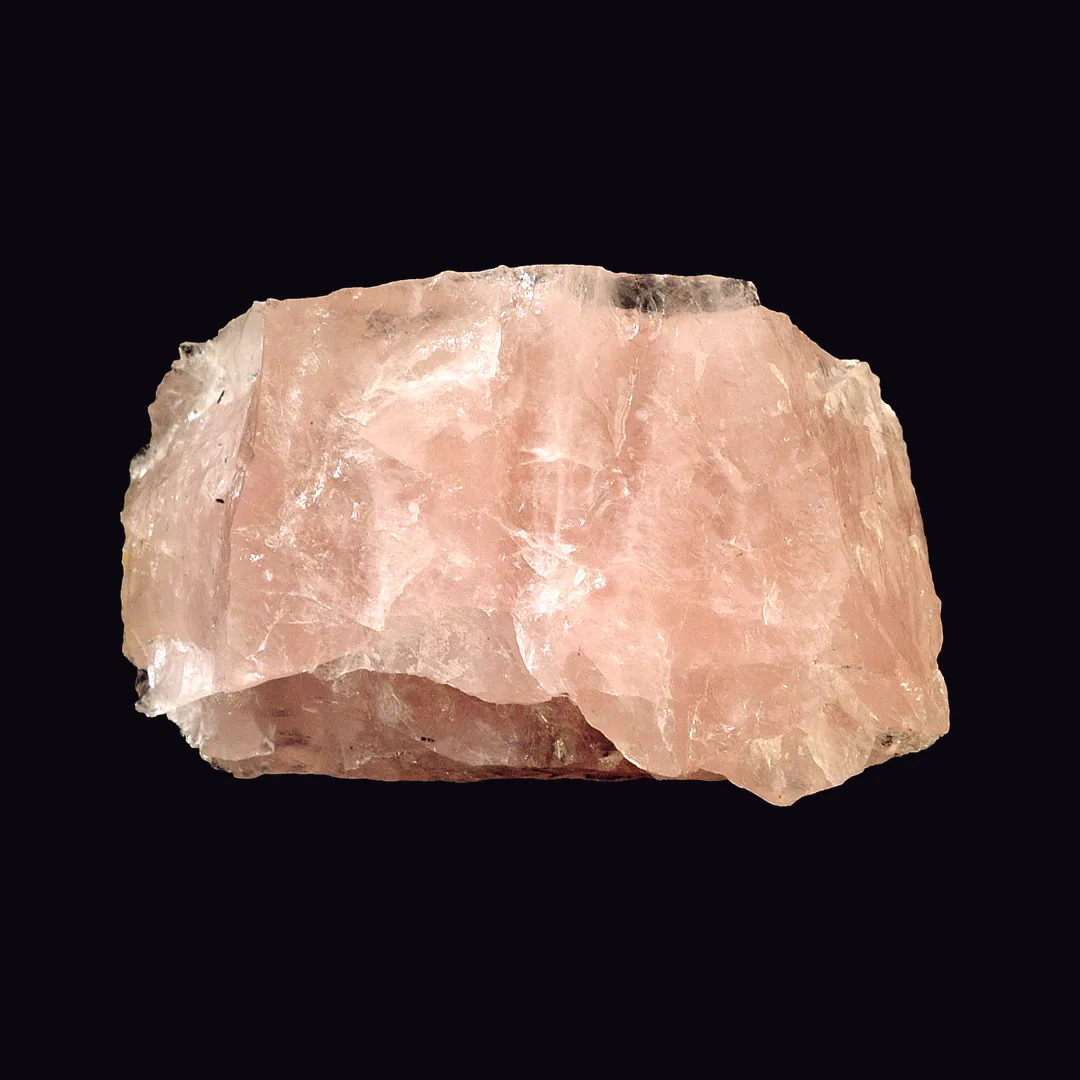 Rose QuartzRead the entry
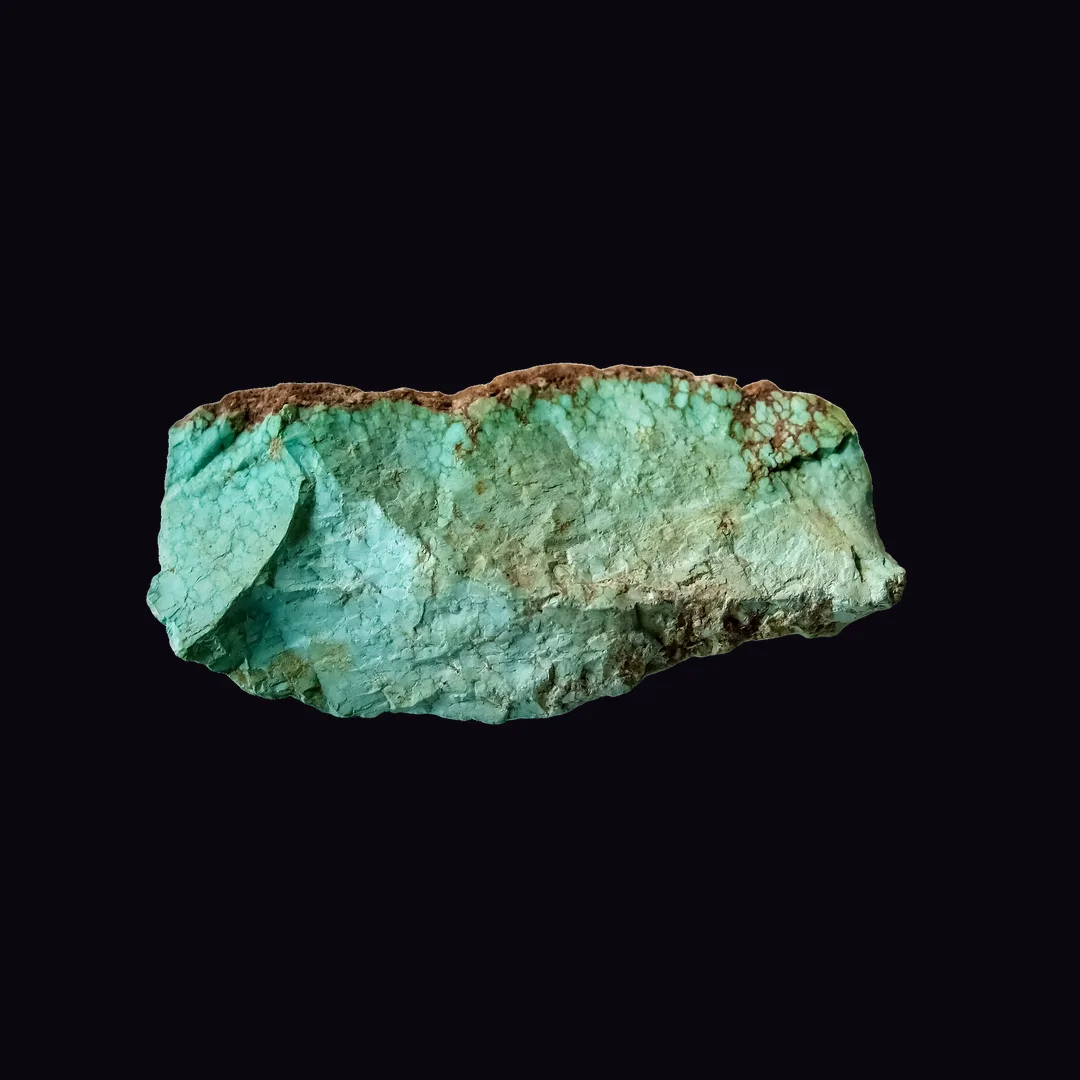 TurquoiseRead the entry
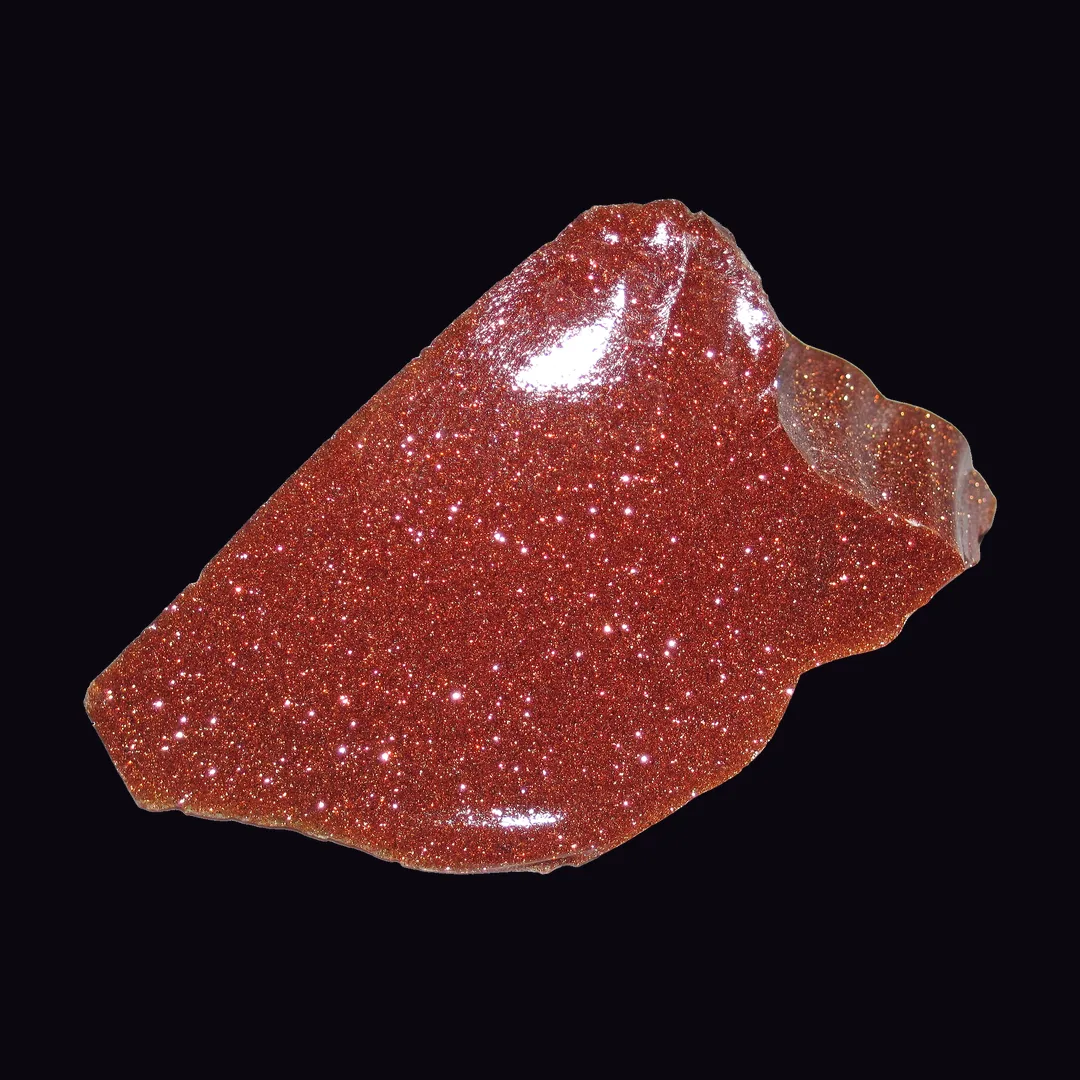 GoldstoneRead the entry
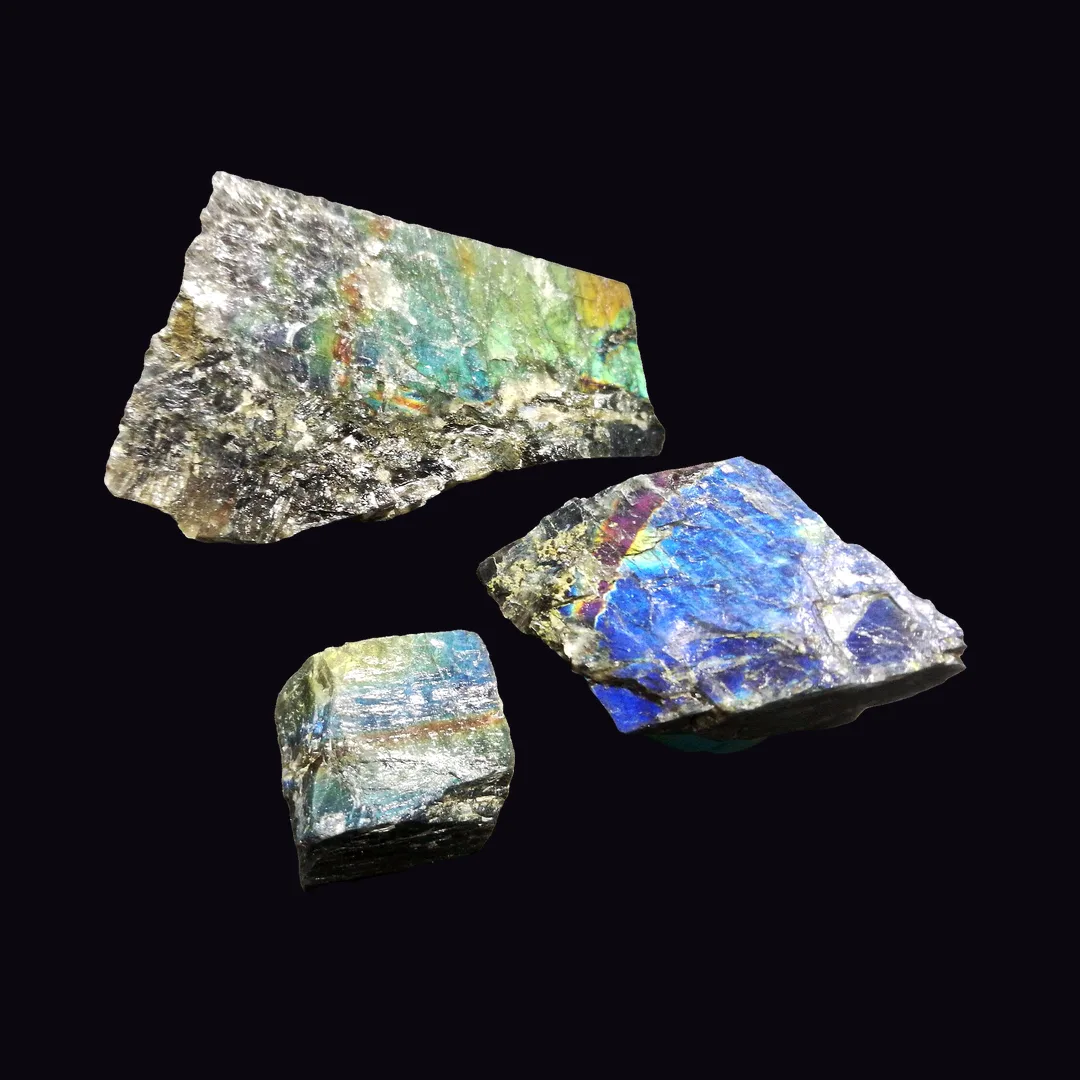 SpectroliteRead the entry
and 7 more named in this piece
Questions people ask
Are tumbled crystals worth any money?
Almost never more than a few dollars each. Tumbling is done to common, low-grade rough in bulk, so the polish adds labour but the material stays cheap. A bag of mixed tumbles is priced as a craft supply, not an asset. The exceptions are tumbled pieces of genuinely rare material, and those are usually sold by weight with paperwork, not scooped out of a bin.
How can I find out what my crystal is actually worth?
First identify the stone and whether it's natural or treated, because that sets the ceiling. Then compare finished, sold listings (not asking prices) for the same species at the same size and quality. Sold prices tell you what people actually paid. If it's a common stone like clear quartz or dyed agate, the honest answer is usually a few dollars regardless of what a shop tag says.
Does a crystal being 'high vibration' make it worth more money?
No. Metaphysical or 'healing' value is a personal and spiritual thing and it doesn't transfer to a buyer the way rarity or clarity does. A stone you love can be priceless to you and still resell for two dollars. Those are two separate ledgers and it helps to keep them separate so a shop can't upsell you on 'energy.'