How to Identify a Crystal by Its Color
Identifying crystals · 6 min read · 17 August 2026
Blue howlite is white howlite that sat in dye. Colour is the one thing a factory copies perfectly. Here is what actually pins a crystal ID down.
Blue howlite is white howlite that sat in dye. It comes out the exact shade of turquoise and it costs almost nothing.
Dyed magnesite does the same trick. So does dyed agate, and dyed quartz in whatever colour a shop thinks will sell that season.
Colour is the one property a factory can copy perfectly. It cannot copy hardness. It cannot copy the way a stone breaks.
You started with colour because colour is what you can see, and every single person does. Nobody hands you a hardness chart at the till.
You can narrow a crystal down by color, but you cannot confirm it that way. One color covers many stones (purple could be amethyst, fluorite, lepidolite, charoite or sugilite) and one stone comes in many colors (quartz spans clear, pink, purple, yellow and gray). Use color as a first filter, then check luster, hardness and transparency to actually pin it down.
Color is where everyone starts, and that is fine, it is the fastest way to cut a hundred possibilities down to a handful. The mistake is stopping there. Color is genuinely the least reliable single property in mineral identification, because dyes, treatments and trace elements make the same hue show up across totally unrelated stones.
Why color alone fails
Two reasons, and they pull in opposite directions.
One stone, many colors. Quartz alone comes clear, milky, pink (rose), purple (amethyst), yellow-brown (citrine), gray-brown (smoky) and more. Fluorite runs purple, green, blue, yellow and colorless. So the stone you are holding does not have "a" color you can look up.
One color, many stones. Green could be aventurine, malachite, jade, prehnite, peridot or serpentine, and those range from Mohs 2.5 to 7 and from harmless to copper-toxic. Same color, wildly different stones.
On top of that, plenty of stones are dyed. A vivid, unnatural color that pools in the cracks is often dye, not the mineral's true hue.
The color-to-stone shortlist
Use this to build your shortlist, then confirm with the tests below. This is a starting filter, not an answer.
| Color | Most likely candidates |
|---|---|
| Purple | Amethyst, fluorite, lepidolite, charoite, sugilite |
| Pink | Rose quartz, rhodonite, rhodochrosite, morganite, kunzite |
| Red / orange | Carnelian, red jasper, garnet, sunstone, bloodstone |
| Yellow / gold | Citrine, tiger's eye, pyrite, amber, sunstone |
| Green | Aventurine, malachite, jade, prehnite, peridot, serpentine |
| Blue | Sodalite, lapis lazuli, blue lace agate, aquamarine, apatite |
| Black | Black tourmaline, black obsidian, onyx, hematite, jet |
| White / clear | Clear quartz, selenite, howlite, moonstone, milky quartz |
| Brown | Smoky quartz, tiger's eye, petrified wood, aragonite |
The properties that actually confirm it
Once color gives you a shortlist, these separate the candidates.
Luster. How it reflects light. Glassy (quartz), waxy (jade, serpentine), metallic (pyrite, hematite), pearly (selenite), dull (raw jasper). This alone often splits a shortlist in half.
Transparency. See-through, translucent, or opaque. Amethyst is usually translucent to clear. Sodalite is opaque. That difference tells purple fluorite from charoite fast.
Hardness (Mohs). Whether it scratches glass or gets scratched by a knife. Quartz-family stones are Mohs 7 and scratch glass. Fluorite is 4 and does not. This is one of the strongest single tests.
Crystal shape. Six-sided points (quartz), cubes (fluorite, pyrite), rosettes (desert rose), blades (kyanite). The habit is a fingerprint when it is present.
Streak. The color of the powder when you rub it on unglazed porcelain, which is often different from the stone's surface color. Hematite looks black or silver but streaks rust red.
The honest limit
Color plus luster plus hardness gets a careful person maybe halfway to a confident ID on a common stone, and less than that on a tumbled polished piece where you have lost the crystal shape and cannot see inclusions well. Dyed and heat-treated stones throw off the color clue entirely. This is exactly why "identify by color" charts are a starting point and never the finish line.
That is the gap the scan closes. Instead of judging one property at a time and hoping, point your camera and Oraclite tells you what it is and whether it is real, reading color, luster, transparency and inclusions together in one shot. Use the color chart to learn the shortlist, then scan to actually settle it.
Color starts the search. The other four properties finish it, and a scan runs all of them at once.
The stones in this piece
 AmethystRead the entry
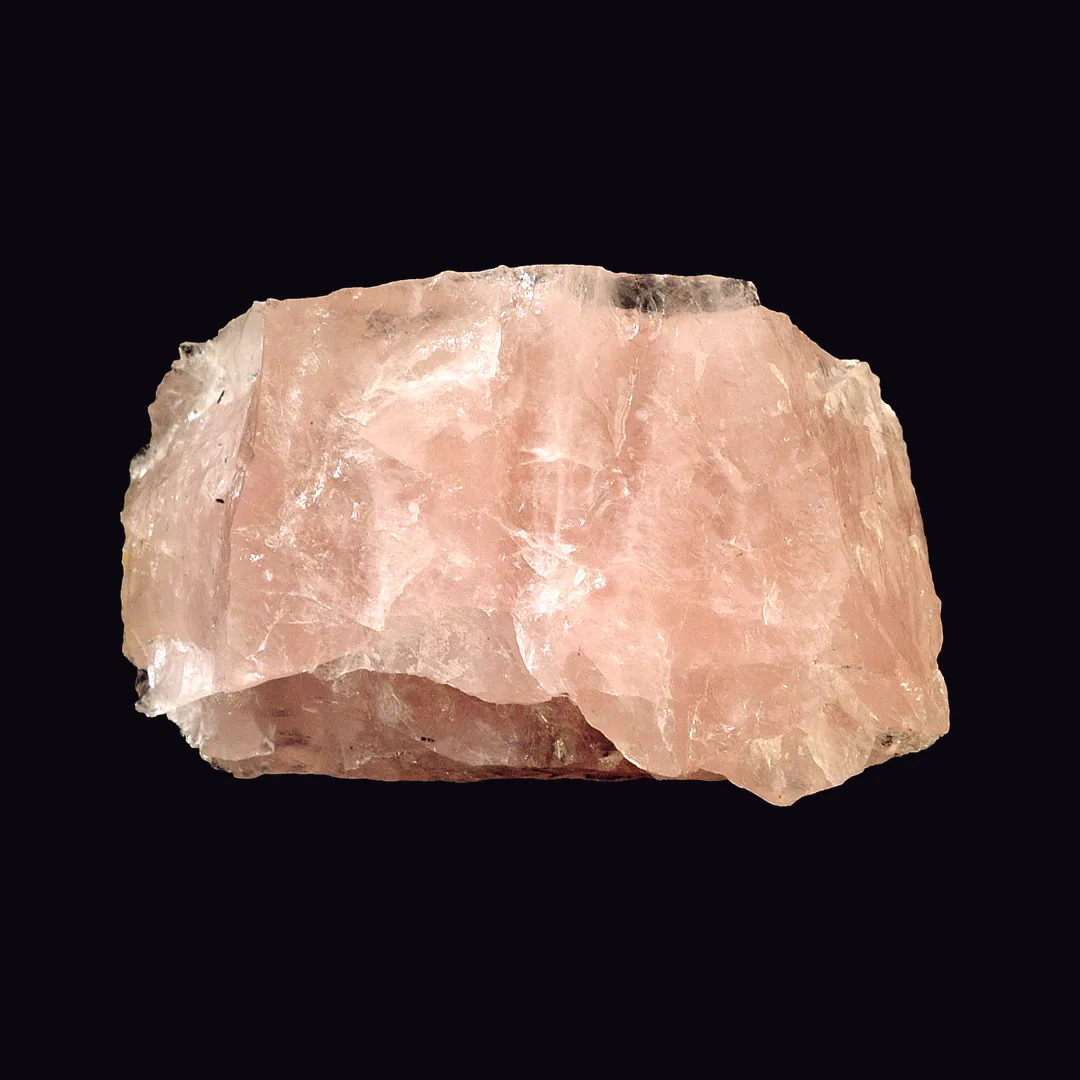 Rose QuartzRead the entry
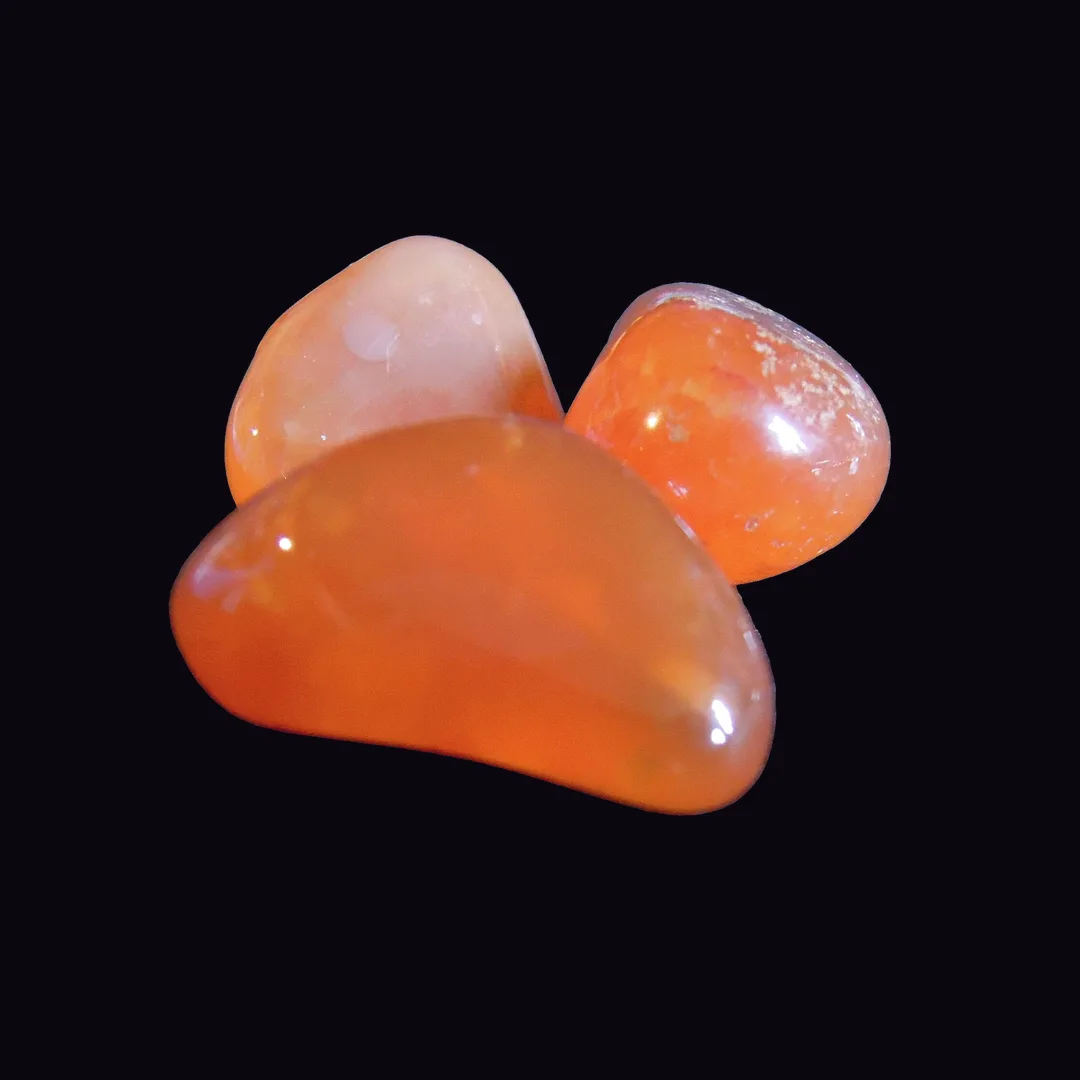 CarnelianRead the entry
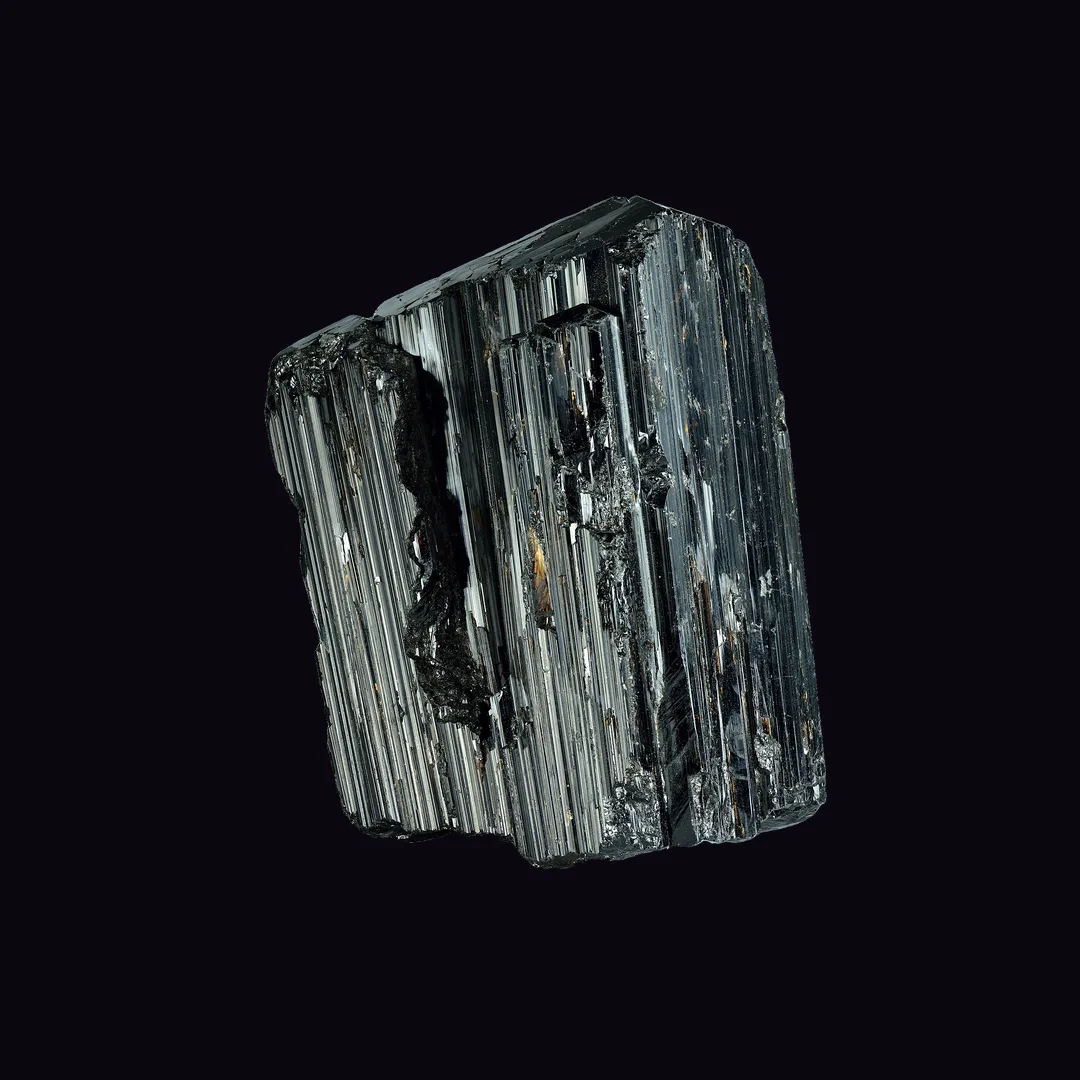 Black TourmalineRead the entry
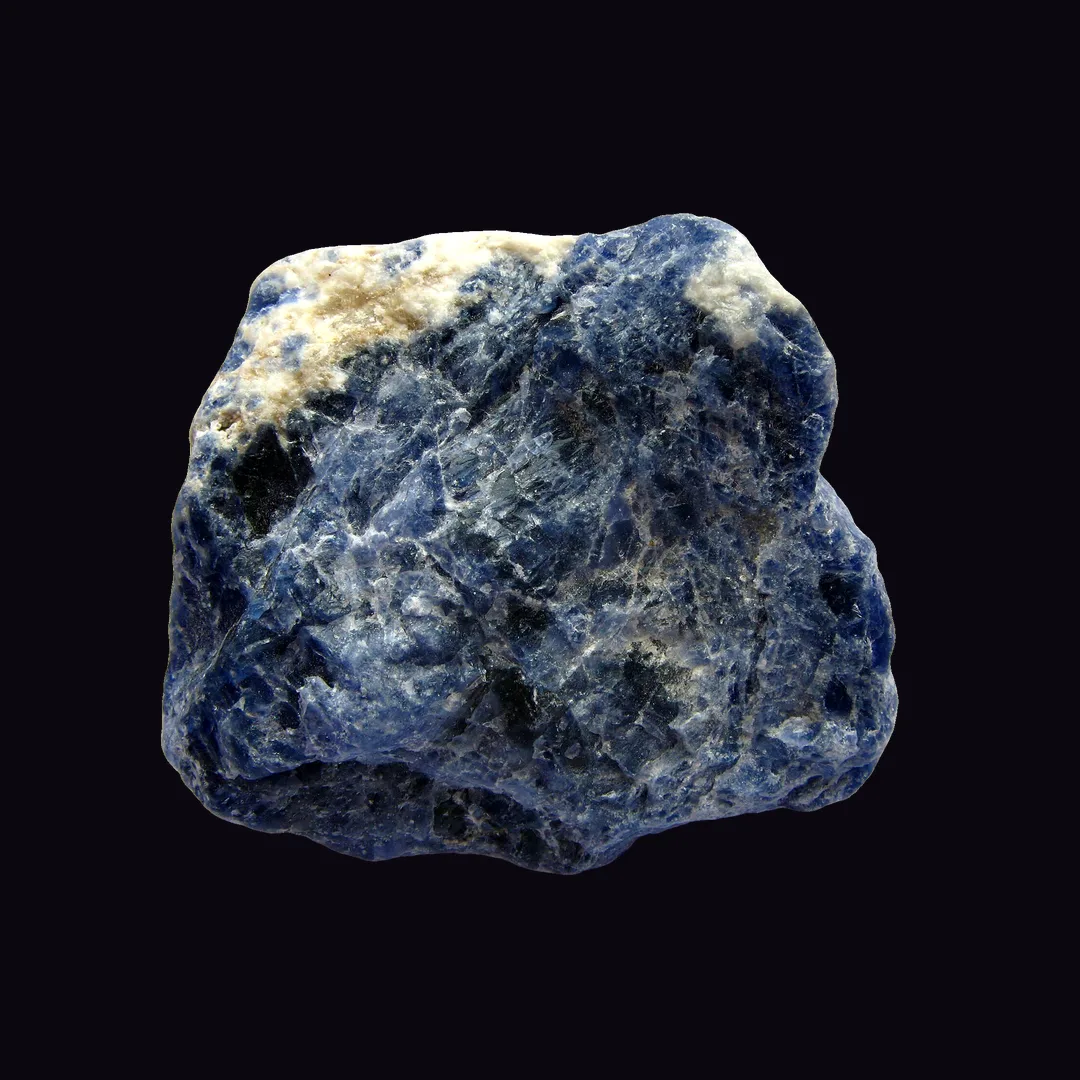 SodaliteRead the entry
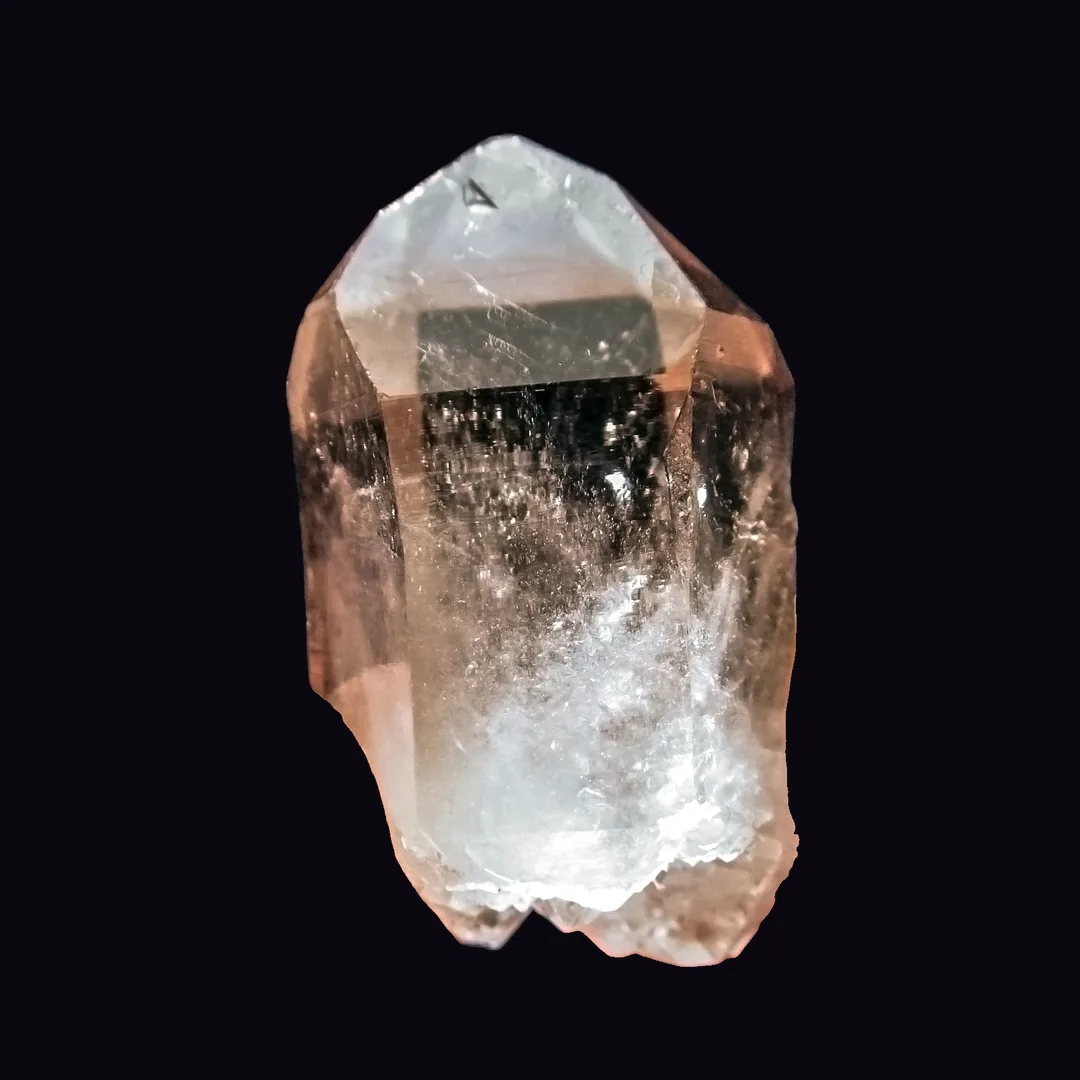 Clear QuartzRead the entry
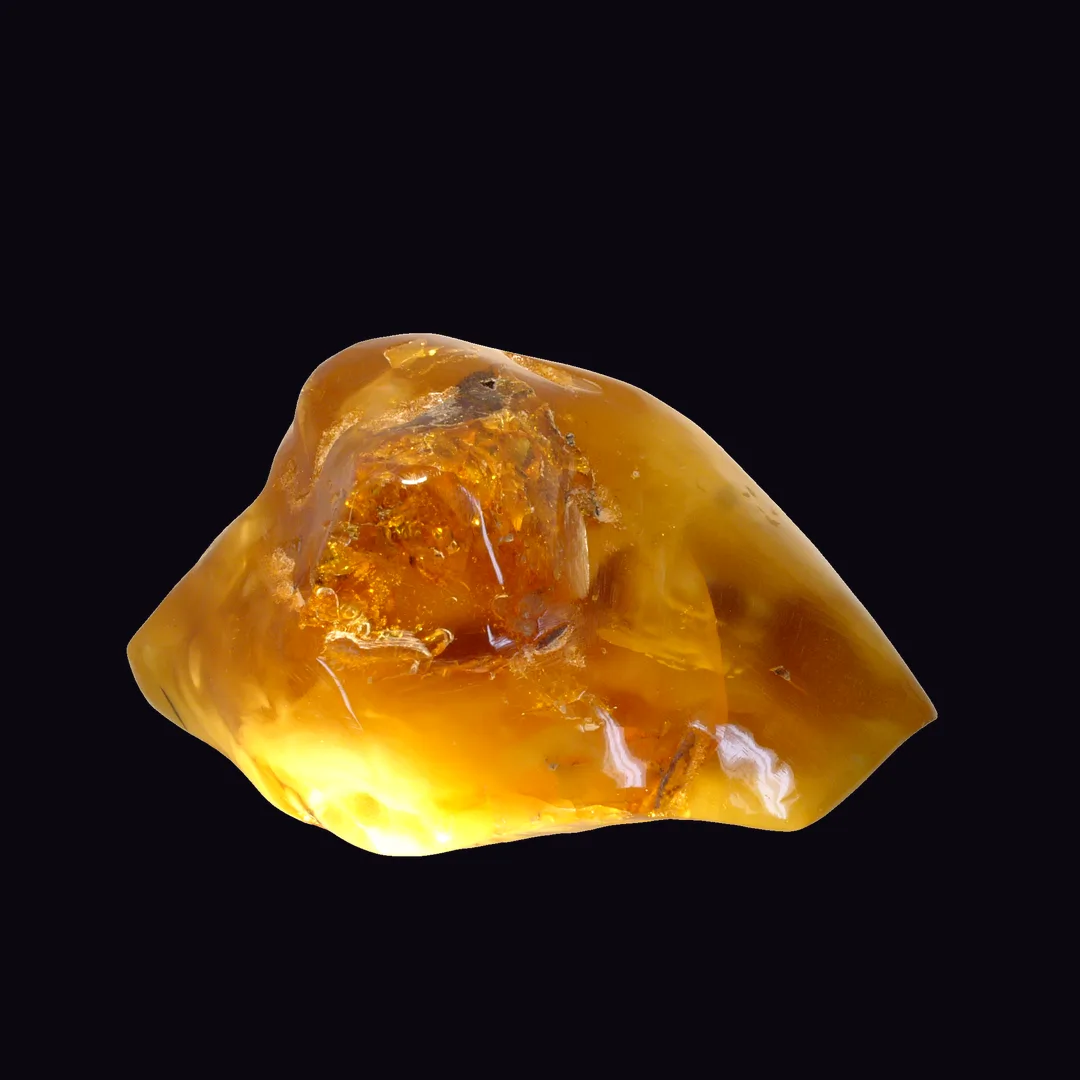 AmberRead the entry
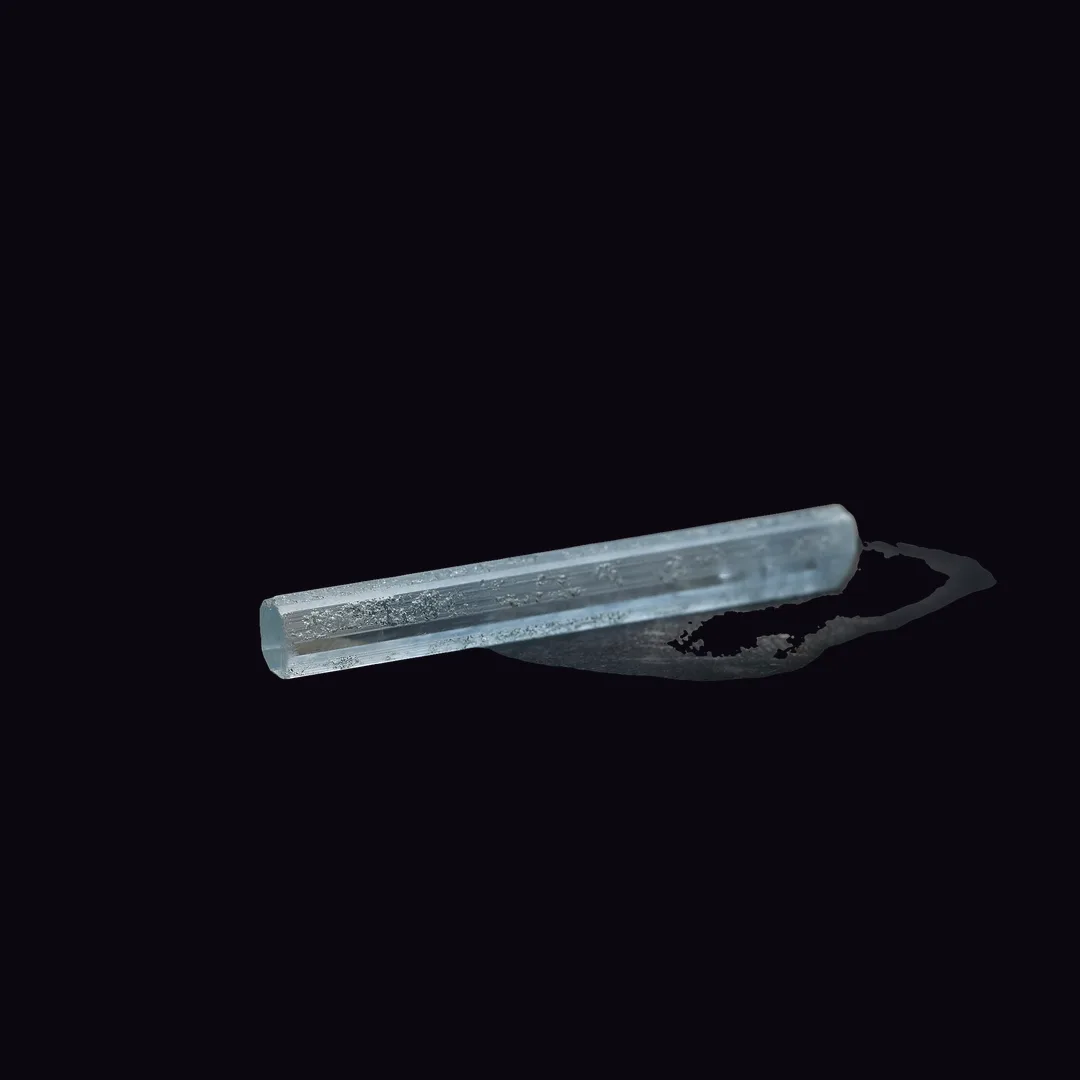 AquamarineRead the entry
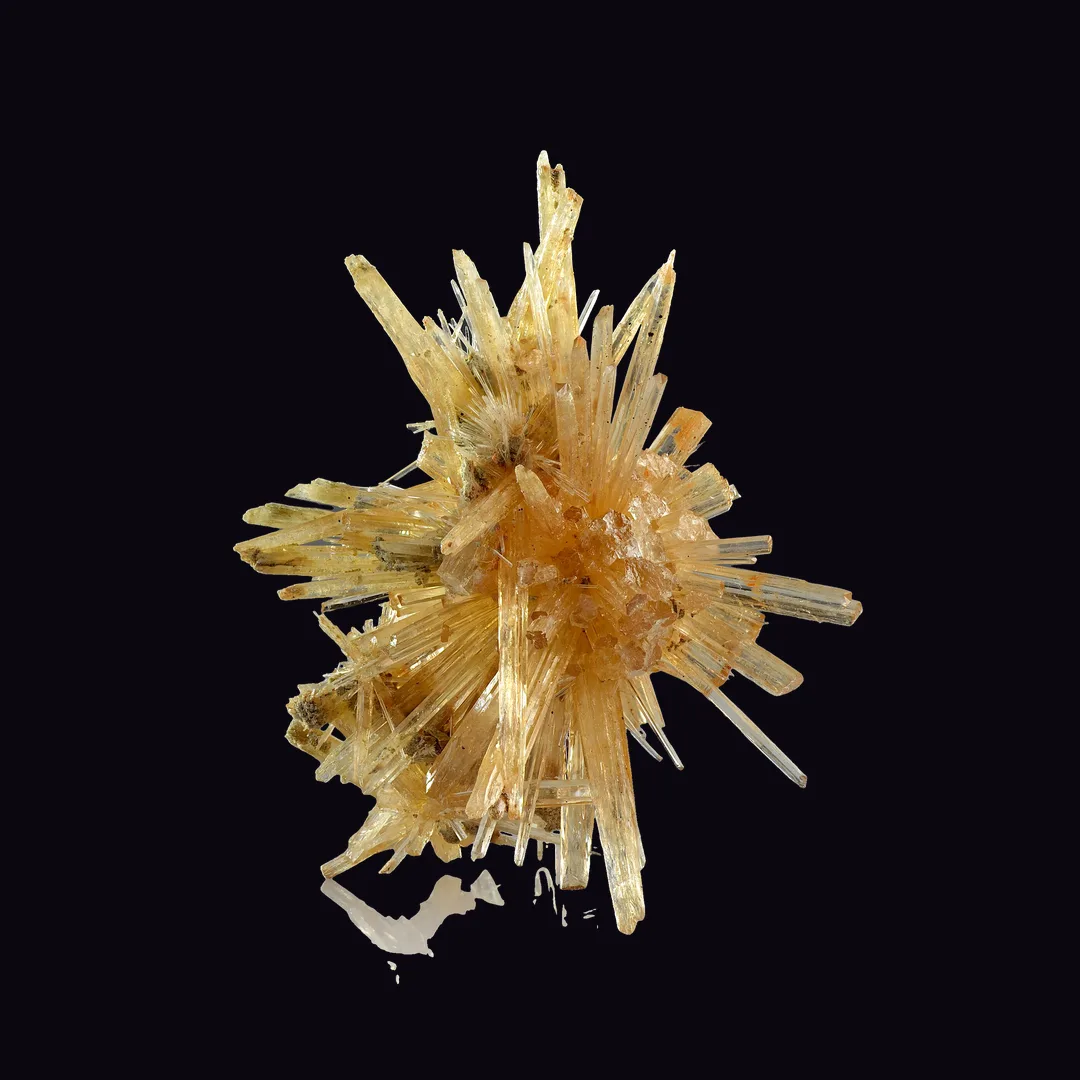 AragoniteRead the entry
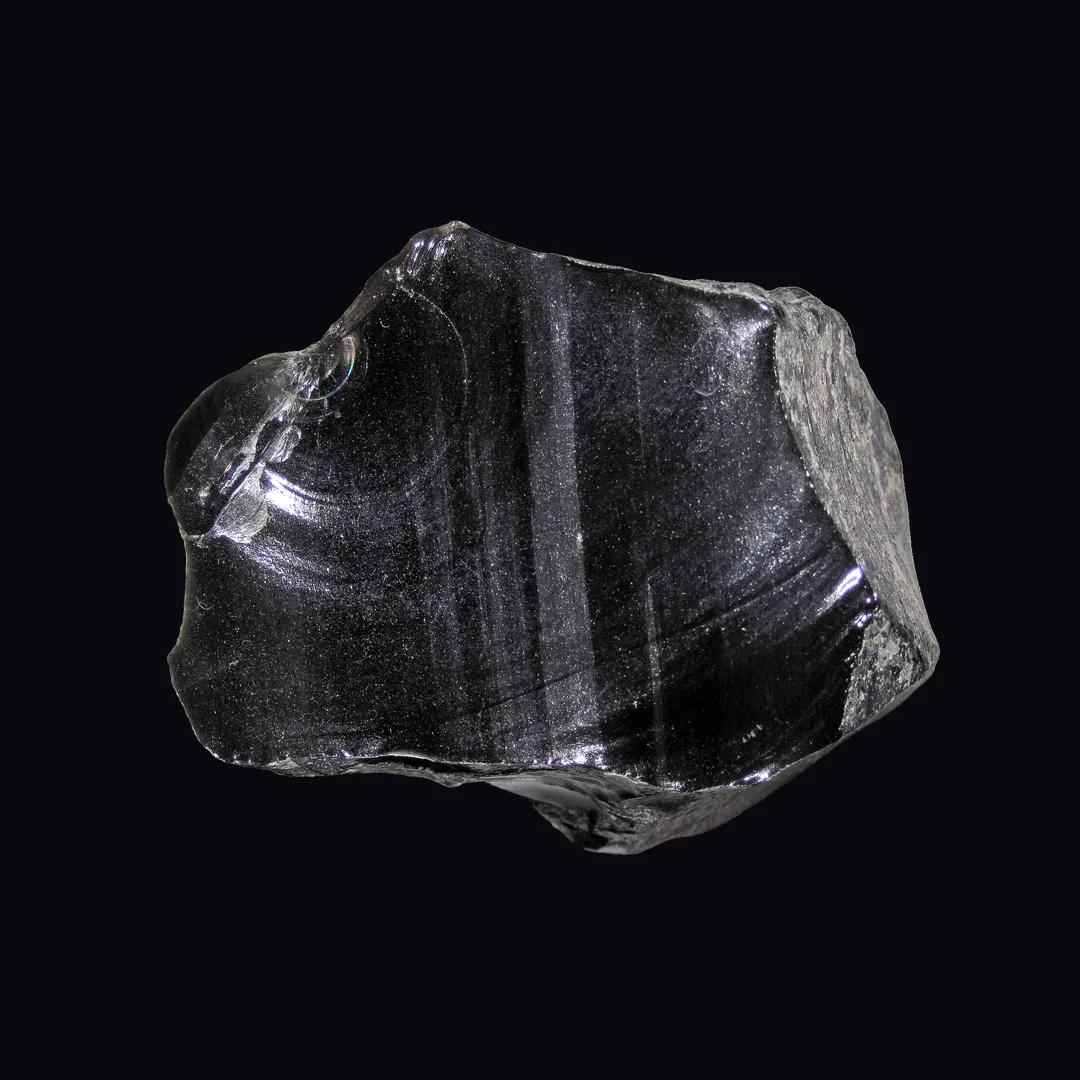 Black ObsidianRead the entry
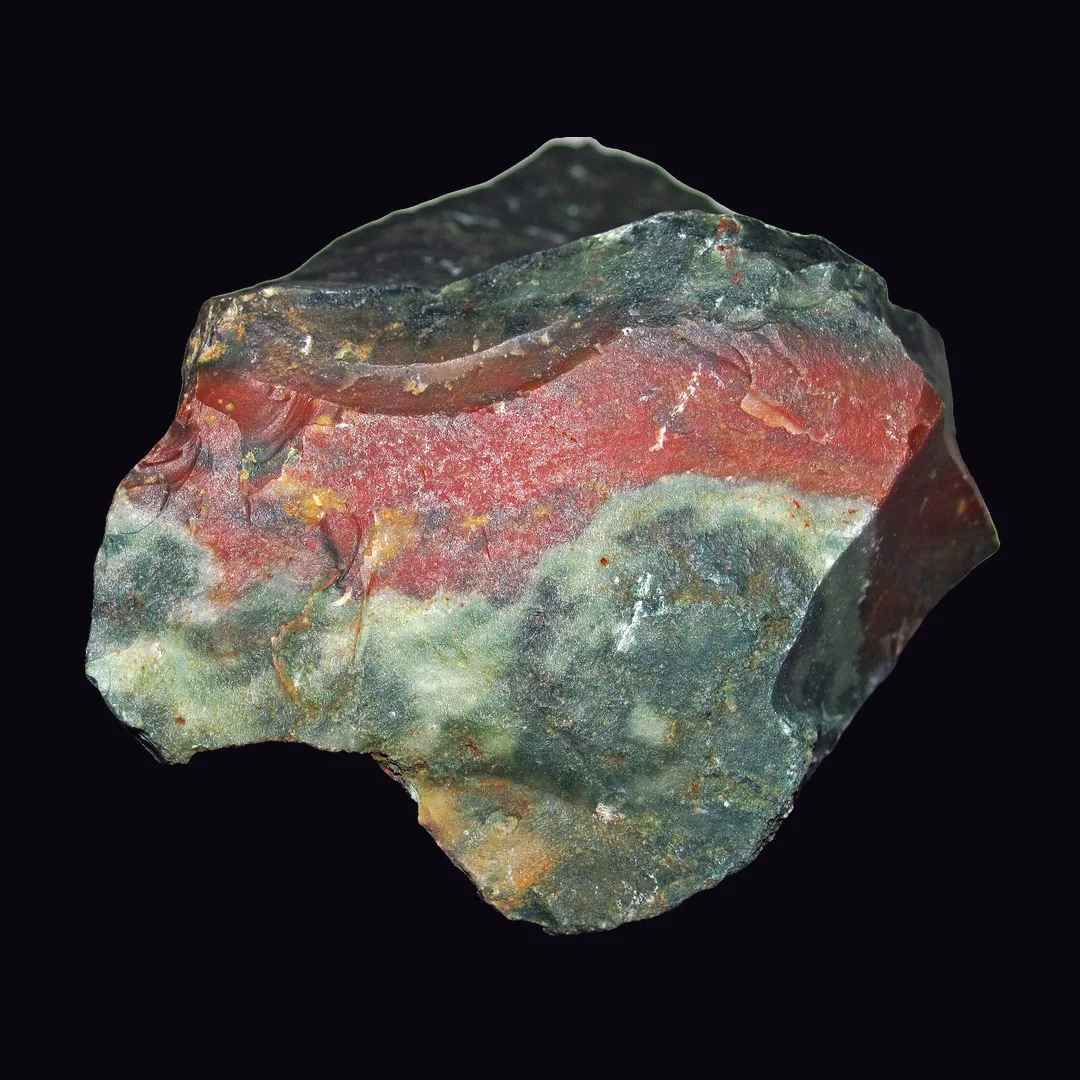 BloodstoneRead the entry
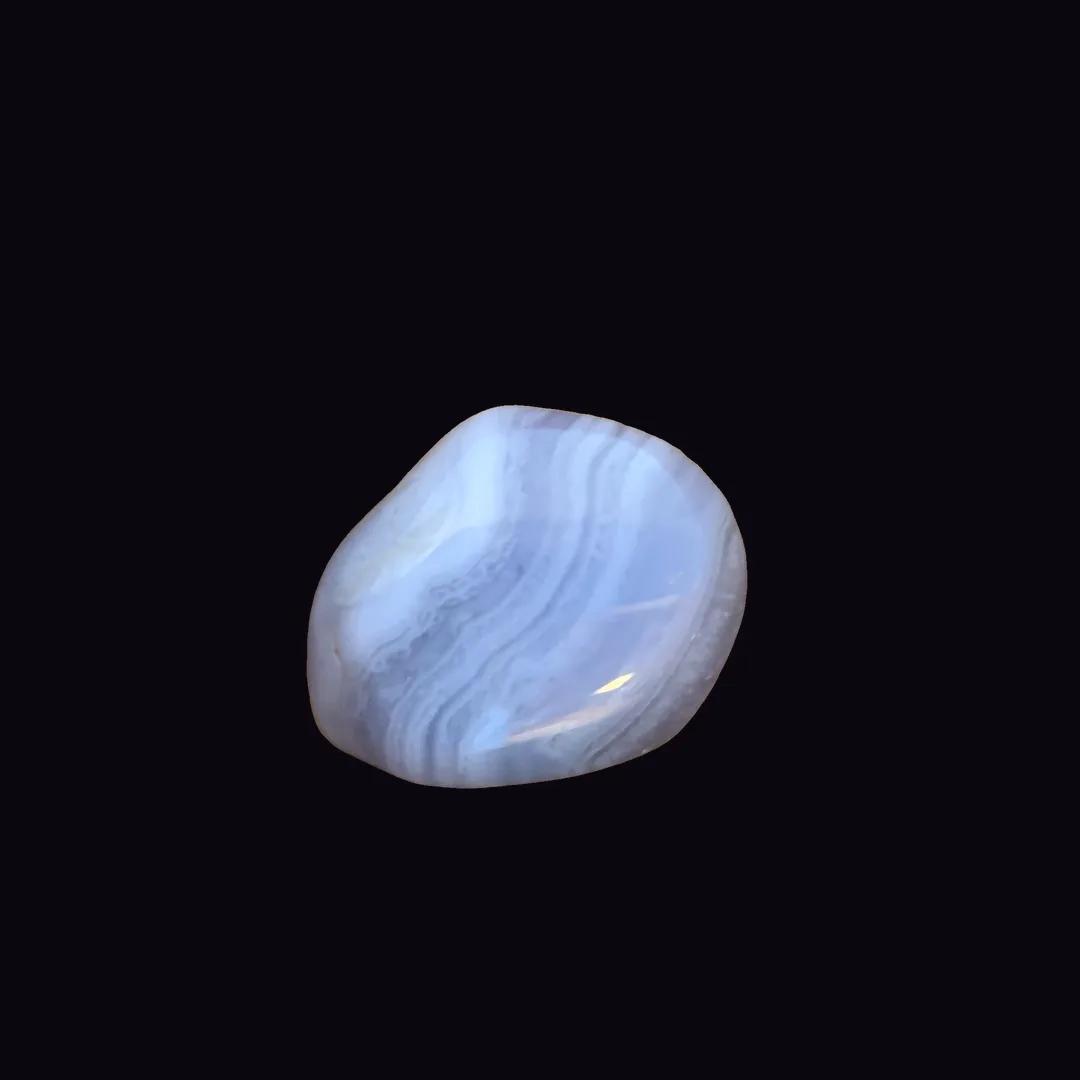 Blue Lace AgateRead the entry
and 31 more named in this piece
Questions people ask
Can you identify a crystal by color alone?
No, only narrow it down. Color is the fastest first filter, but one color covers many stones (purple could be amethyst, fluorite, lepidolite, charoite or sugilite) and one stone comes in many colors (quartz alone spans clear, pink, purple, yellow, brown and gray). You need luster, hardness and transparency to actually confirm it.
What crystal is purple?
The common purple stones are amethyst, purple fluorite, lepidolite, charoite and sugilite. Amethyst is the usual one: quartz, Mohs 7, glassy, with uneven color zoning. Fluorite is softer and often has cubic shapes and color banding. Color gets you to the shortlist, then hardness and luster separate them.
What is the most reliable way to identify a crystal?
Combine several properties: color, luster (shiny, waxy, metallic, dull), transparency, hardness (Mohs), crystal shape and streak. No single one is enough. A photo scan reads several at once, which is faster and more reliable than judging by color, the least reliable property on its own.