Which Crystals Fade in the Sun (and Which Don't)
Care and cleansing · 6 min read · 5 August 2026
Two summers on a bright windowsill and your amethyst is grey-brown for good. Here is the honest list of crystals that fade in sun, and where to keep them.
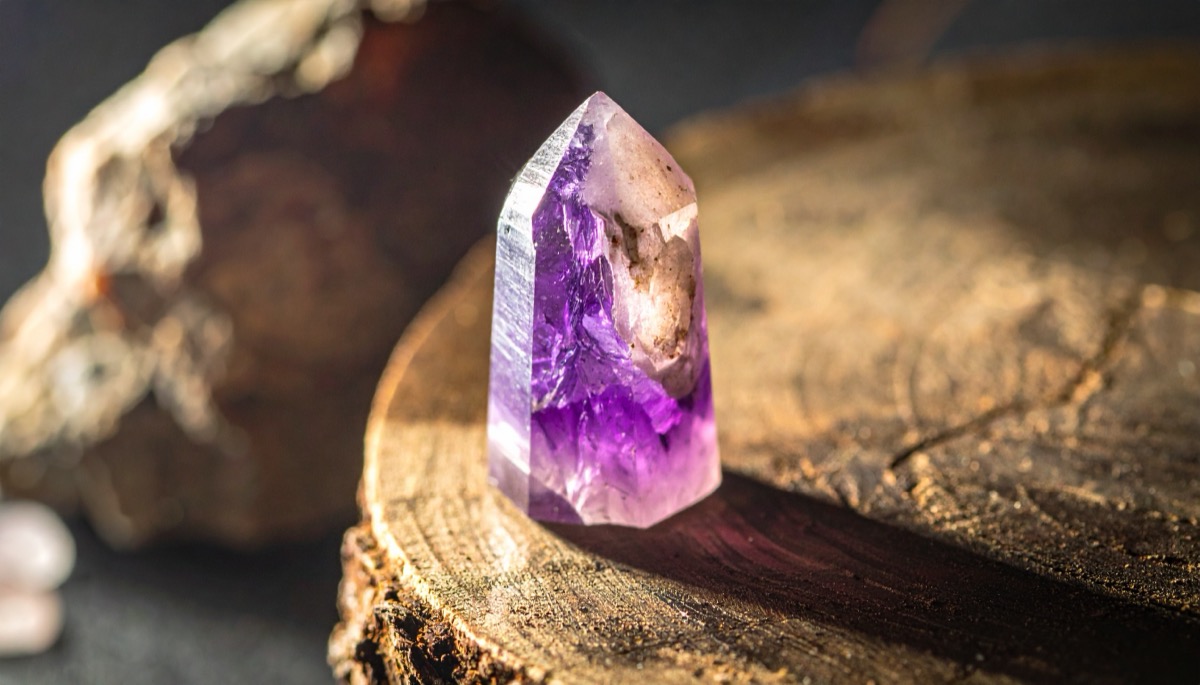
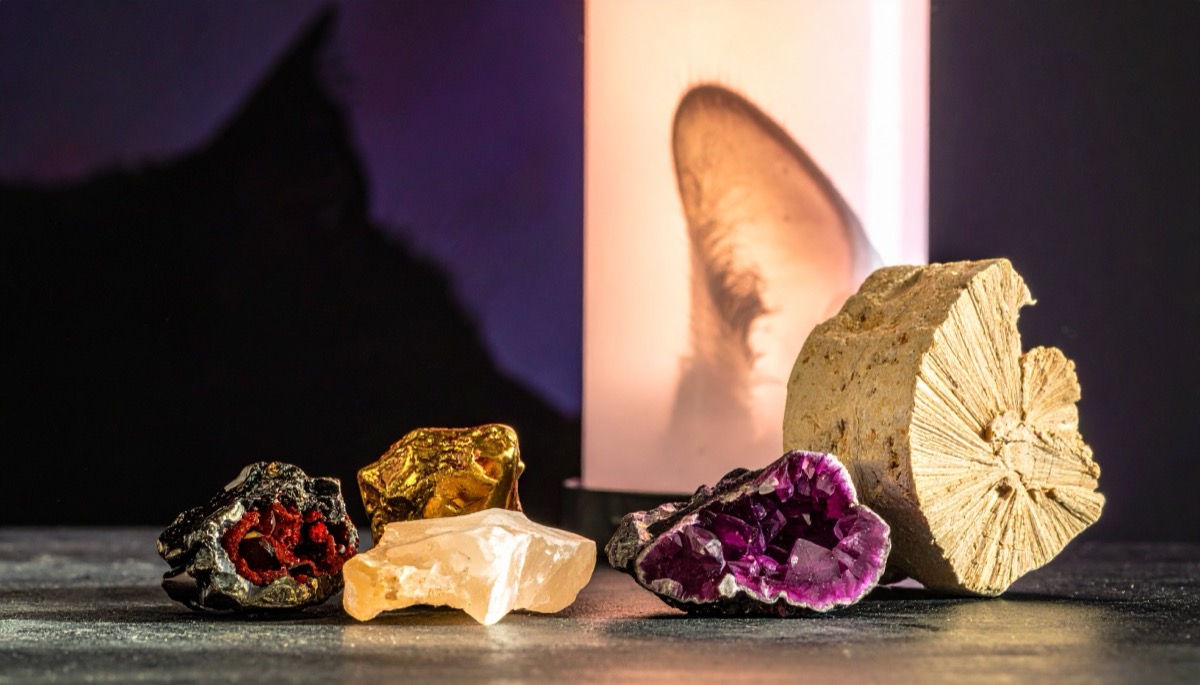
Amethyst survived being buried for an age, then dug out and cut. It does not survive a south-facing windowsill.
Two summers in a bright window and the purple goes grey-brown. The colour sits in tiny flaws and trace metals inside the quartz, and sunlight breaks them down. There is no putting it back.
The instruction that does it is everywhere. Charge your crystals in the sun. For the purple, pink and blue stones that is not charging. It is bleach.
You put it on the sill because that is where the light is, and because you wanted to be able to see it. A stone in a drawer feels like a stone you are hiding.
You do not have to hide it. You have to keep it out of direct sun. Those are not the same thing.
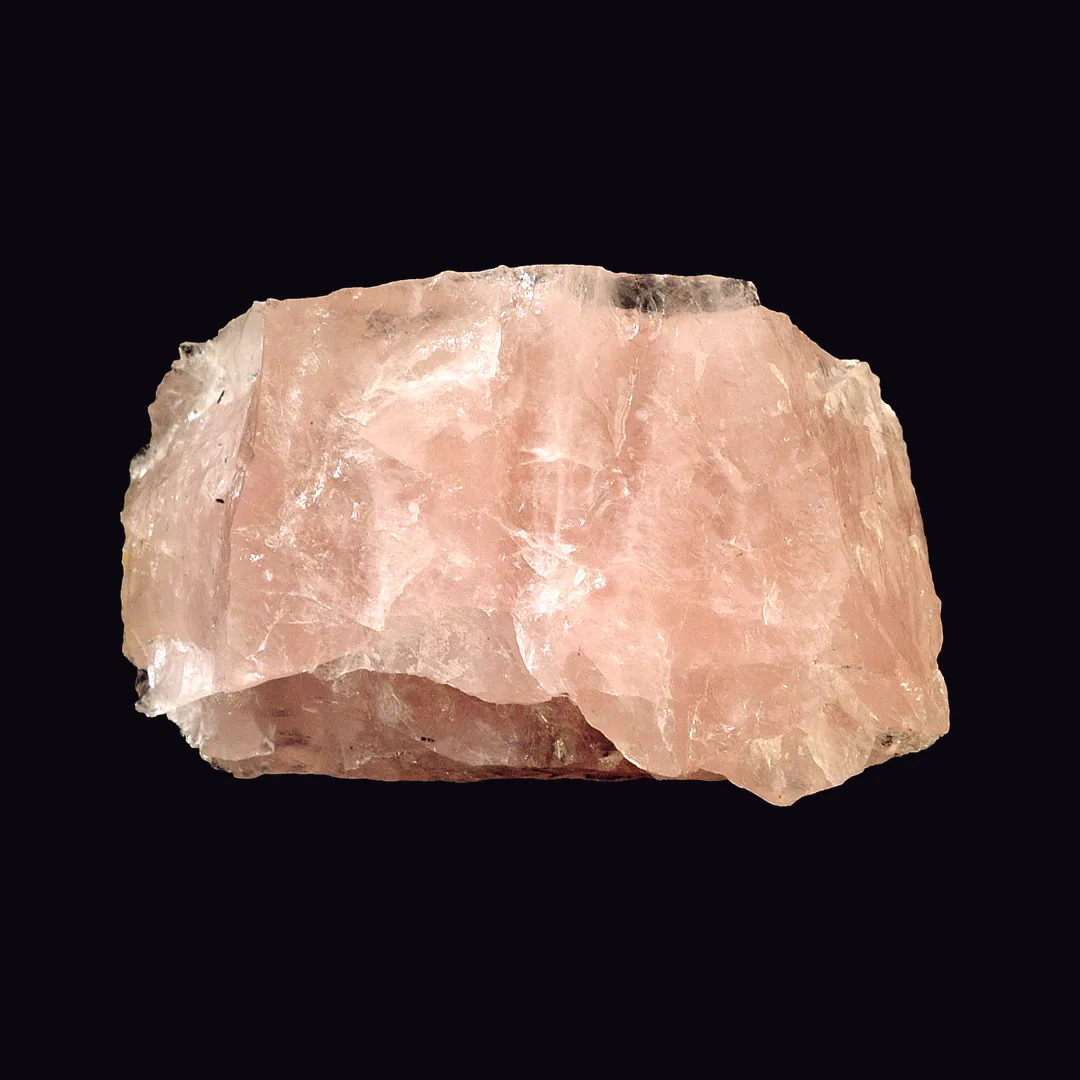
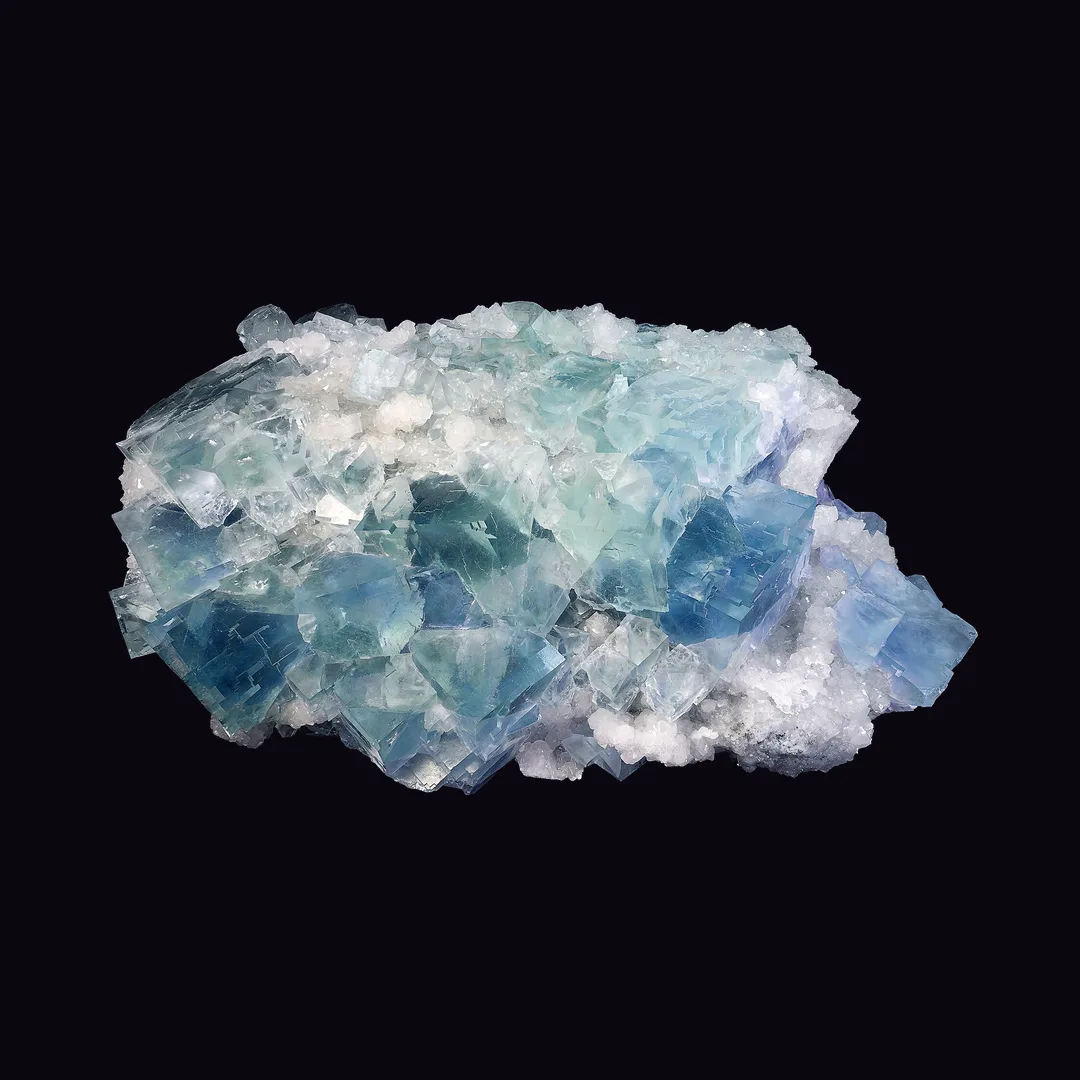
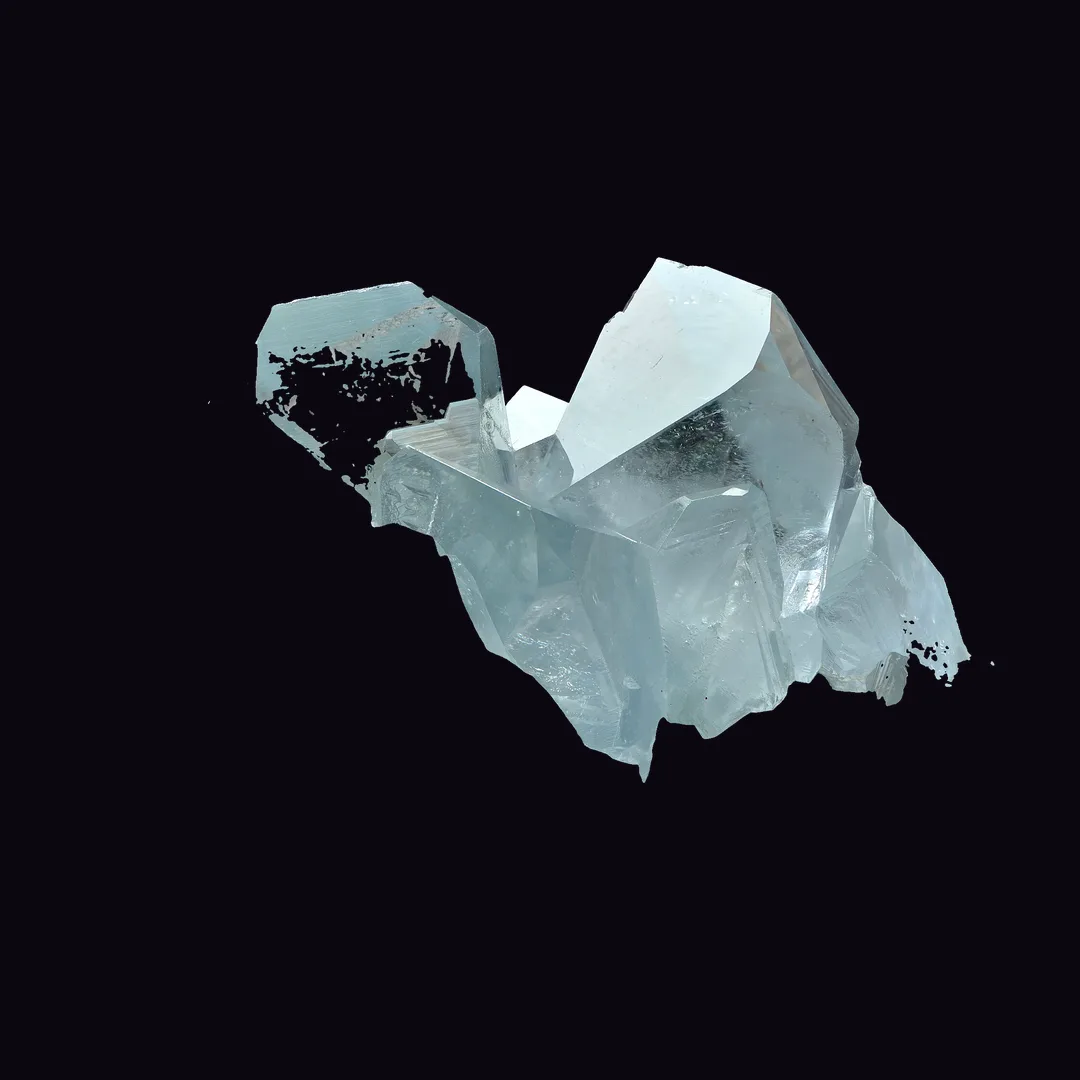
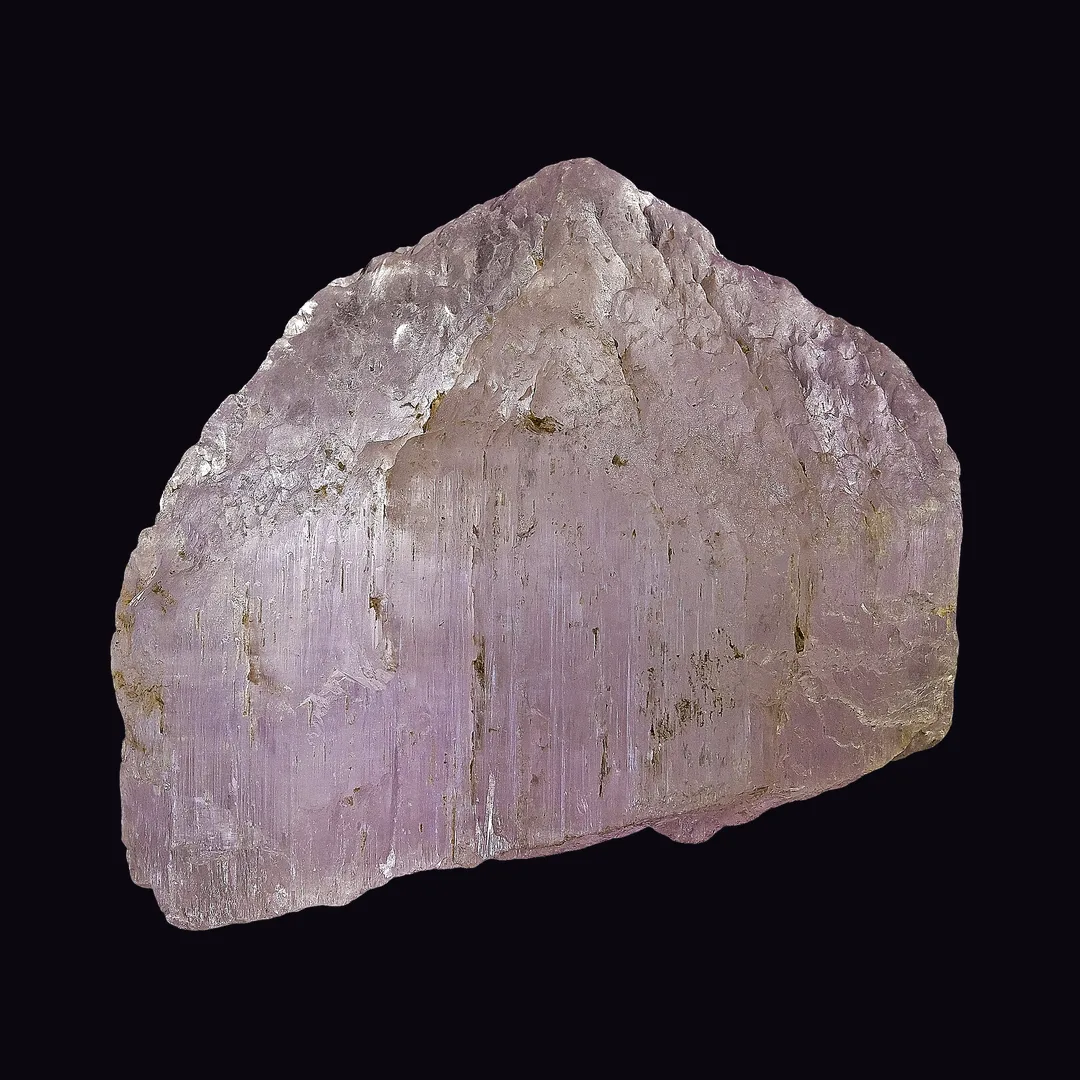
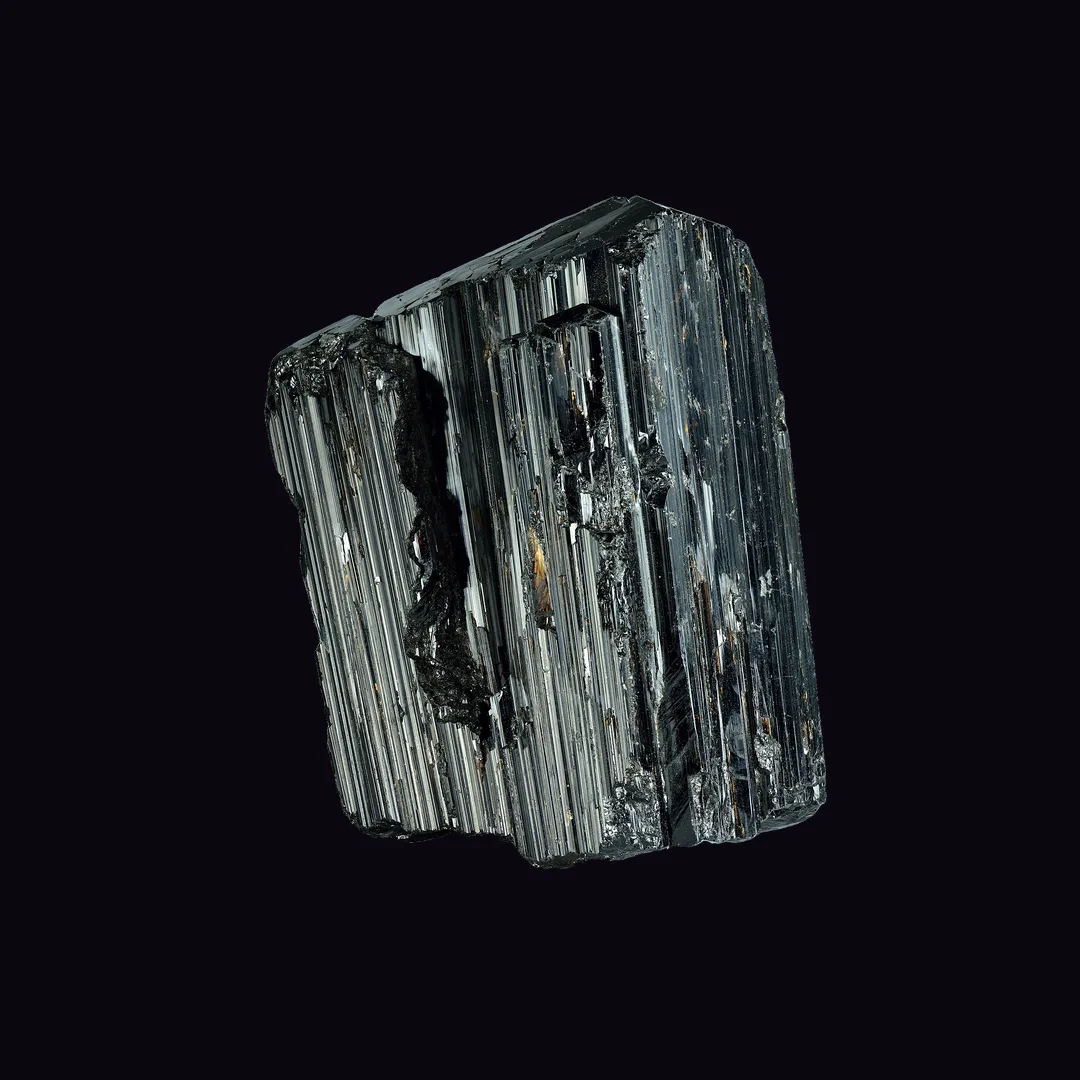
Purple, pink and blue stones are the fade risks. Amethyst, rose quartz, natural citrine, fluorite, celestite, kunzite and smoky quartz all lose color in sunlight, permanently. Opaque quartz like clear quartz, tiger's eye, carnelian and black tourmaline hold up fine. Keep the faders out of windows.
Why some stones fade and others don't
Colour in crystals comes from a few different sources, and some are fragile while others are bulletproof.
Colour centres. Amethyst and smoky quartz get their colour from radiation-induced defects in the quartz. UV light slowly reverses those, which is why purple goes grey-brown and smoky goes pale. Same durable quartz body, but the colour itself is light-sensitive.
Trace elements and treatments. Kunzite fades so reliably it is nicknamed an "evening stone." Many heat-treated and irradiated colours are unstable in UV. Dyed stones fade fastest of all, because commercial dye is not made to last in the sun.
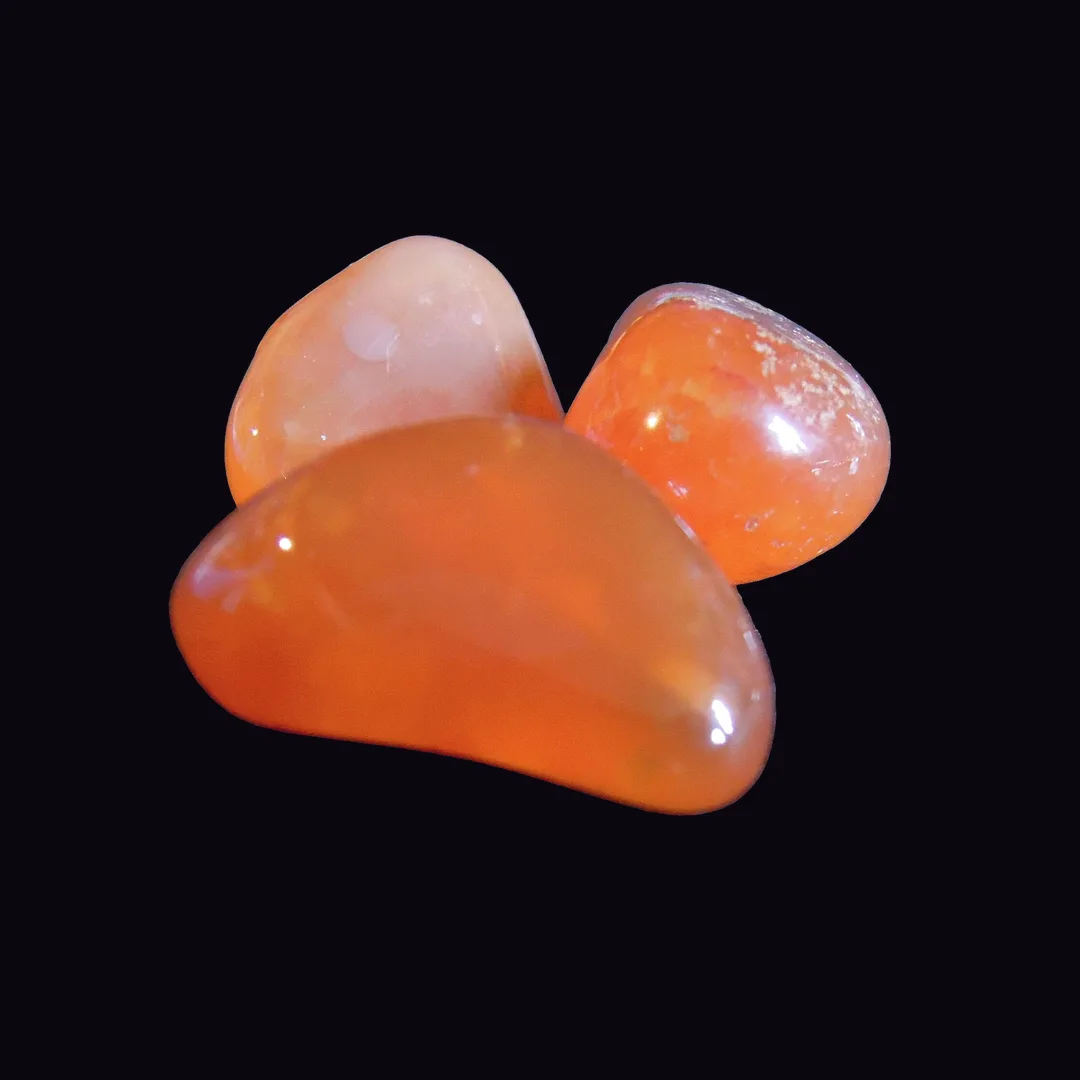
Structural and metallic colour. Tiger's eye, carnelian, hematite, black tourmaline and most opaque stones get their colour from iron oxides and structure that sunlight does not touch. These are your sun-safe pile.
The fade-prone vs sun-safe table
| Stone | Fades in sun? | Why | Mohs |
|---|---|---|---|
| Amethyst | Yes | Colour centres reverse under UV, goes grey-brown | 7 |
| Rose quartz | Yes | Pink is genuinely light-sensitive | 7 |
| Natural citrine | Yes | Pale colour weakens with long UV | 7 |
| Smoky quartz | Yes | Bleaches pale under prolonged sun | 7 |
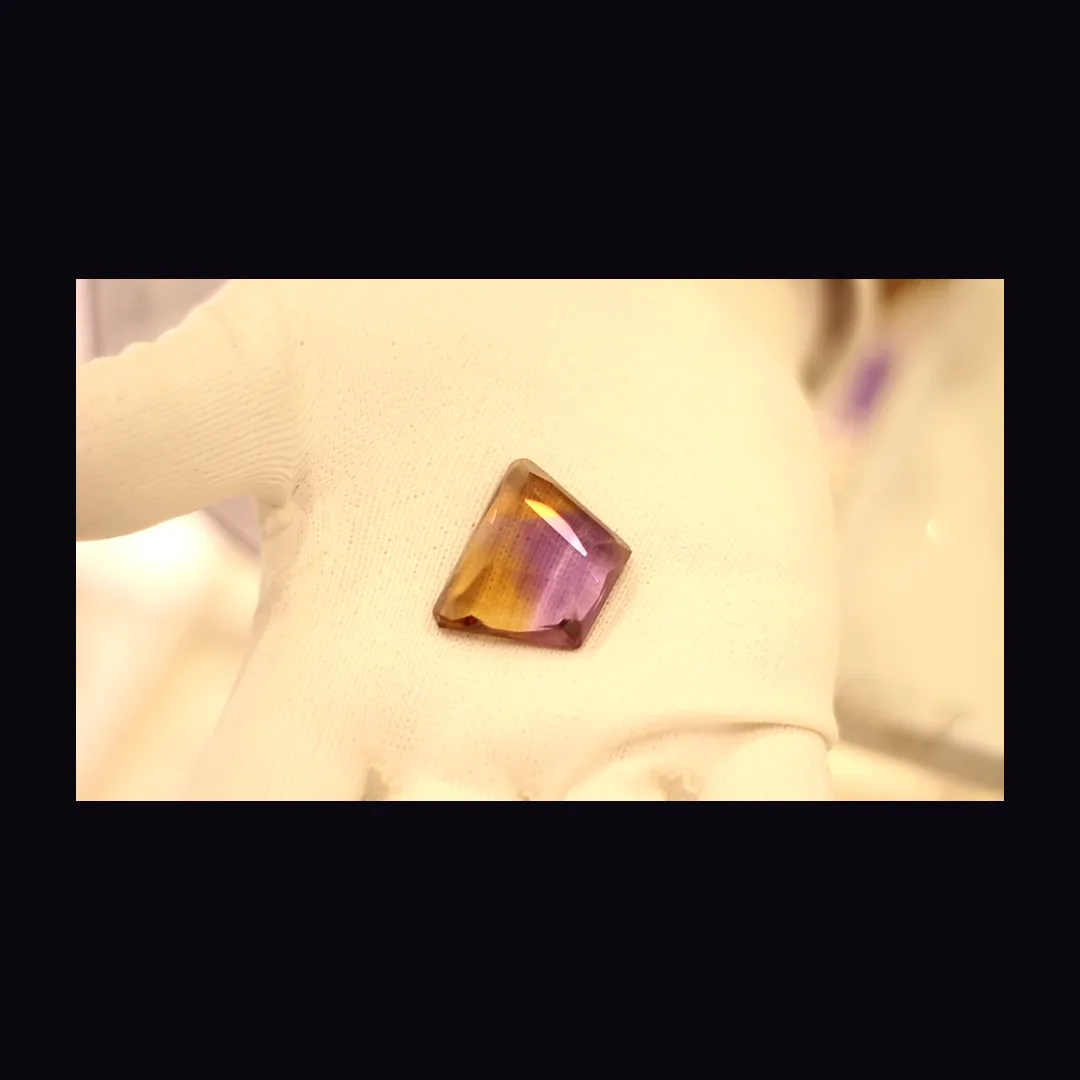
| Ametrine | Yes | The amethyst half fades, unbalancing it | 7 |
| Fluorite | Yes | Colour fades and it can crack with heat | 4 |
| Celestite | Yes | Blue genuinely fades, keep out of windows | 3 to 3.5 |
| Kunzite | Yes | Fades fast, the "evening stone" | 6.5 to 7 |
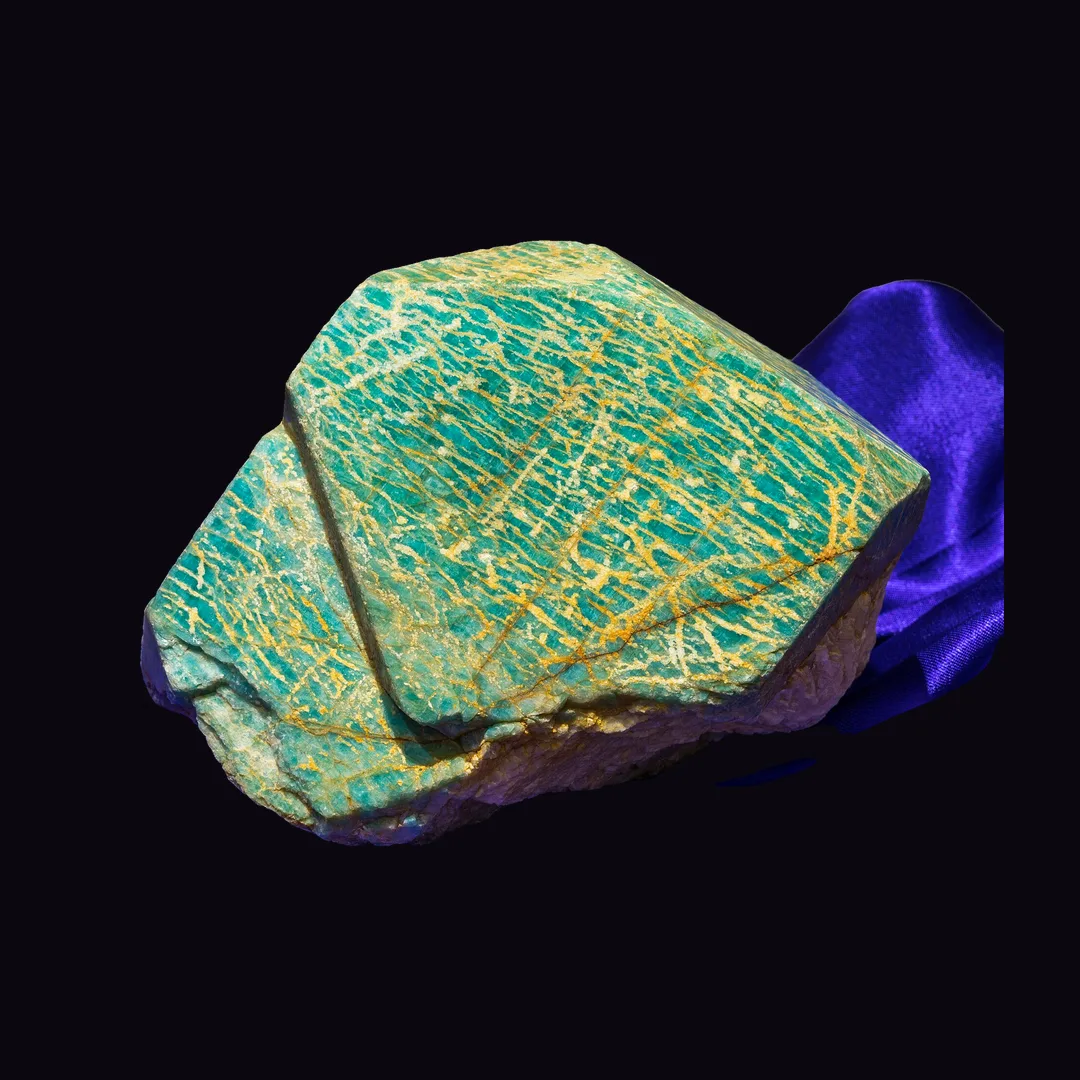
| Larimar, amazonite, lapis | Yes | Blues and greens pale in strong sun | varies |
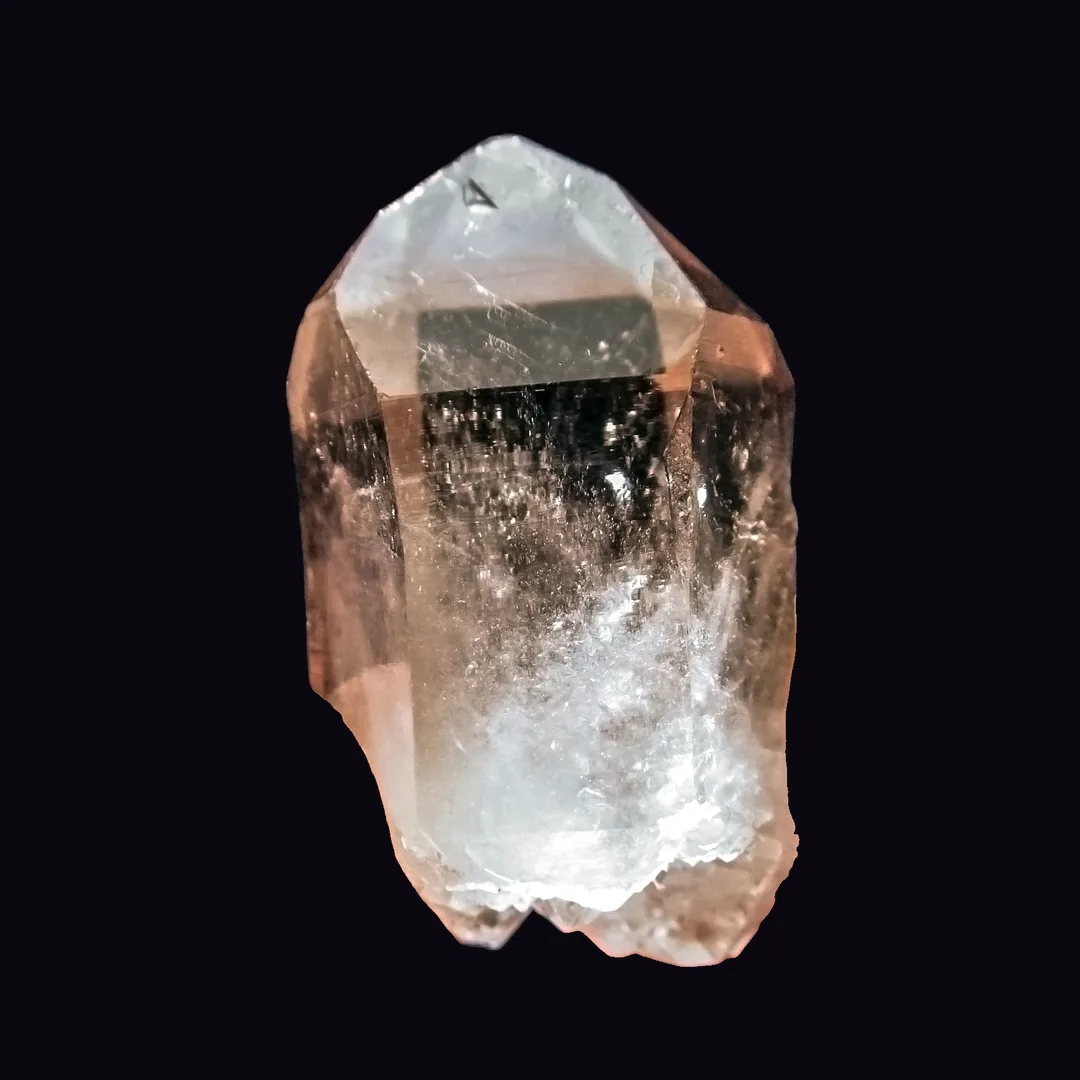
| Clear quartz | No | No colour to lose | 7 |
| Tiger's eye, carnelian | No | Iron colour is UV-stable | 6.5 to 7 |
| Black tourmaline | No | Structural black, unaffected | 7 to 7.5 |
| Heat-treated citrine | No | Its colour is heat-stable, will not fade | 7 |
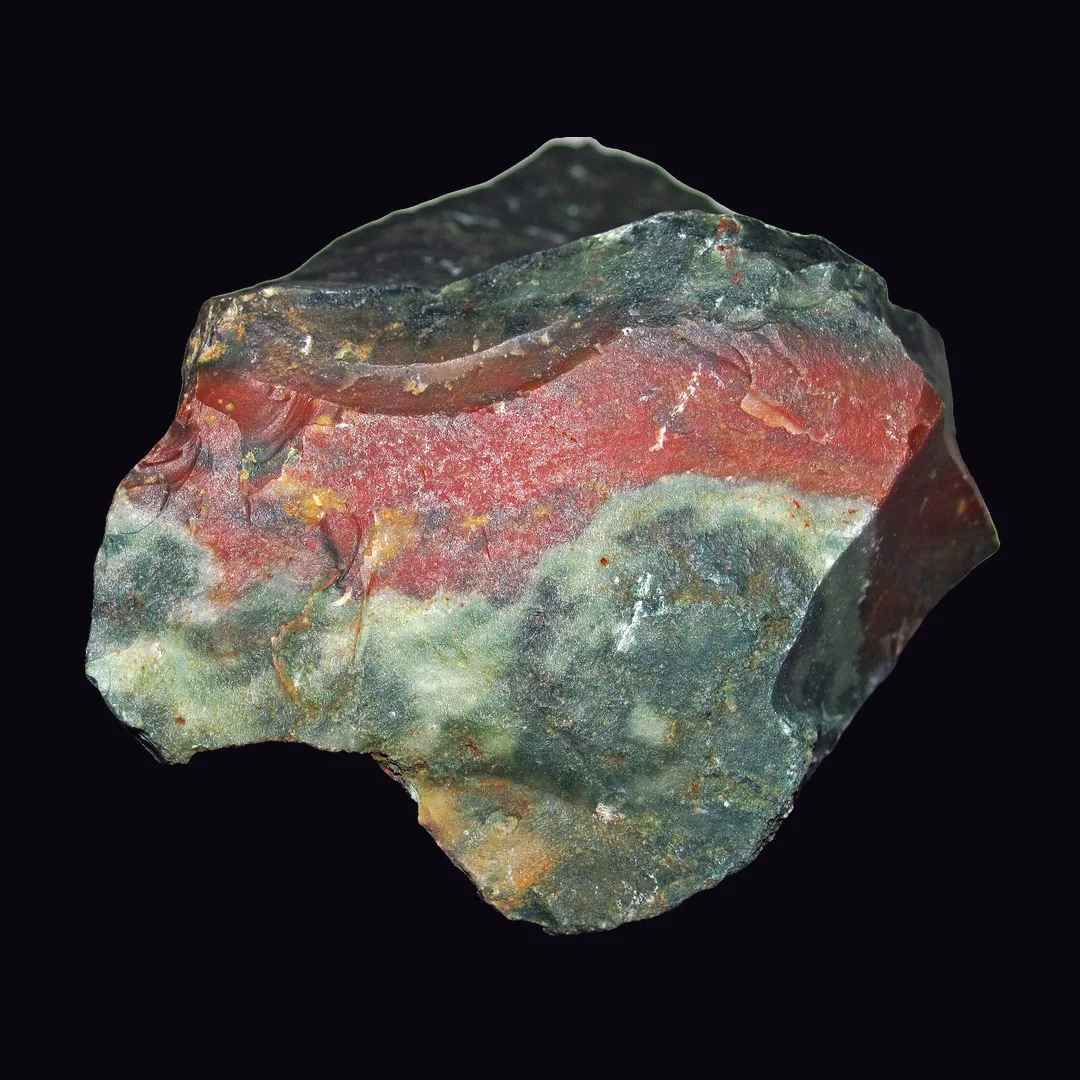
| Red jasper, bloodstone, onyx | No | Durable, stable colour | 6.5 to 7 |
The heat-treated citrine twist
Here is a genuinely useful one. Most "citrine" on the market is heat-treated amethyst, and its deep orange colour is heat-stable, so it does not fade the way natural citrine does. So a fading test can actually tell you something about what you own. If your yellow stone is bleaching in the window, it may be natural citrine or something dyed. If it holds that saturated burnt-orange no matter what, it is almost certainly heat-treated. The tests get you most of the way. Scan it if you want to be sure which one you have.
Sun fades colour, but that is not the only sun risk
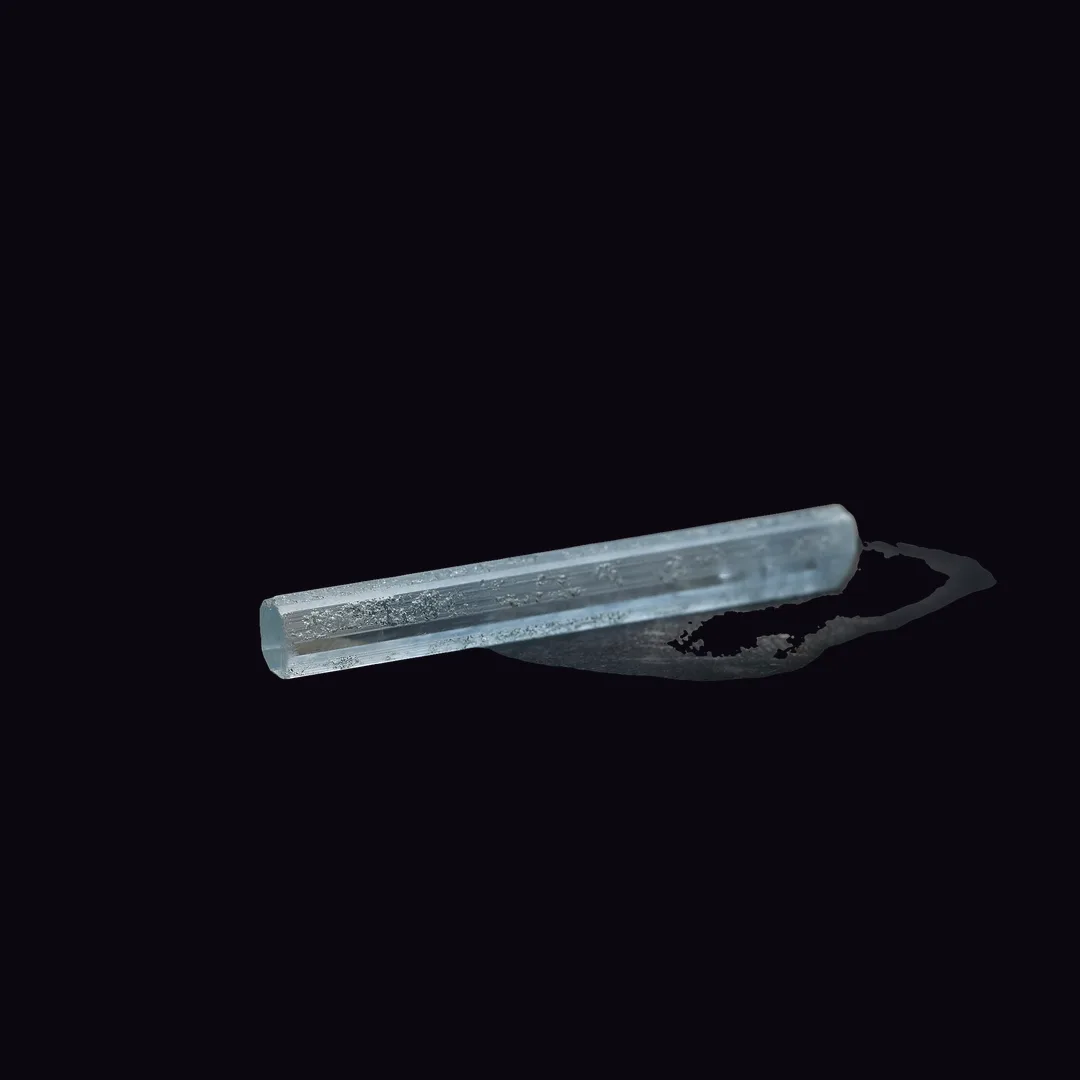
Fading is the headline, but a few stones have a second sun problem: heat. Fluorite does not just fade, it can crack along its cleavage when it heats and cools in a window. Aquamarine mostly holds its colour better than its reputation suggests, but strong heat can shift the blue, so it is a heat caution more than a light one. And moonstone and other feldspars crack from thermal shock if a cold stone catches direct hot sun through glass.
So "keep it out of the sun" is doing double duty for these stones. You are protecting the colour and the structure at the same time. A bright, hot windowsill is the worst spot on both counts.
Why direct sun through glass is the real culprit
People get confused because "sunlight" outdoors and "sunlight through a window" are not the same exposure. A stone sitting on a shaded shelf getting ambient daylight fades incredibly slowly. A stone on a south-facing sill catching hours of direct beams through glass is getting concentrated, sustained UV, and that is what does the damage.
This is also why quick outdoor charging (twenty minutes on a balcony) does far less harm than a permanent windowsill display. The dose is what matters. If you love a fading stone out on show, put it somewhere the direct beam never lands, and it can sit in a bright room for years looking fine.
Where to actually keep the fade-prone stones
You do not have to hide these stones in a drawer. You just keep them out of direct sun through glass, which is where UV concentrates.
- Off south-facing and west-facing windowsills. That is the danger zone, hours of direct afternoon sun.
- Indirect daylight is fine. A shelf across the room from a window gets soft light and fades things far slower.
- Display cases away from the window. If you want your amethyst cathedral out, put it somewhere the sun never lands on it directly.
- Charge under moonlight instead. Moonlight does not carry the UV that bleaches colour, so it is the safe charging method for everything purple, pink, blue or treated.
The honest limit on all of this: fading is cumulative and slow, so you will not notice it day to day. That is exactly why it sneaks up on people. By the time you clock that your once-vivid rose quartz looks washed out, a couple of years of windowsill sun have already done it, and there is no reversing it.
Three more that belong on the shaded shelf
The table above is not the whole list. Spirit quartz is pale lavender with amber tips, and that lilac goes in a sunny window. Nearly all of it comes from one hill in South Africa, so there is no second batch. Sugilite is the same story in deep magenta. Keep it out of hard sun or the colour weakens, and real sugilite costs enough that you do not want to learn this slowly.
Blue apatite has two problems on a sill. Much of the neon blue was pushed there with heat or radiation, and a bright sill pulls that colour back out. It is also only a 5 on the hardness scale, so it scuffs on almost anything, household dust included.
Building a collection that survives daylight
If you want stones you can display in a bright room without babysitting them, lean on the sun-safe list. Clear quartz, black tourmaline, tiger's eye, carnelian, red jasper, bloodstone and heat-treated citrine all keep their look in the light. Those are your windowsill stones.
Save the amethyst, rose quartz, fluorite, celestite and kunzite for shelves, altars and pouches out of direct sun. Match each stone to the light in the room and nothing quietly turns grey on you. When you are not sure whether a colour is natural, treated or dyed, and therefore how it will handle the light, scan it before you decide where it lives.
The stones in this piece
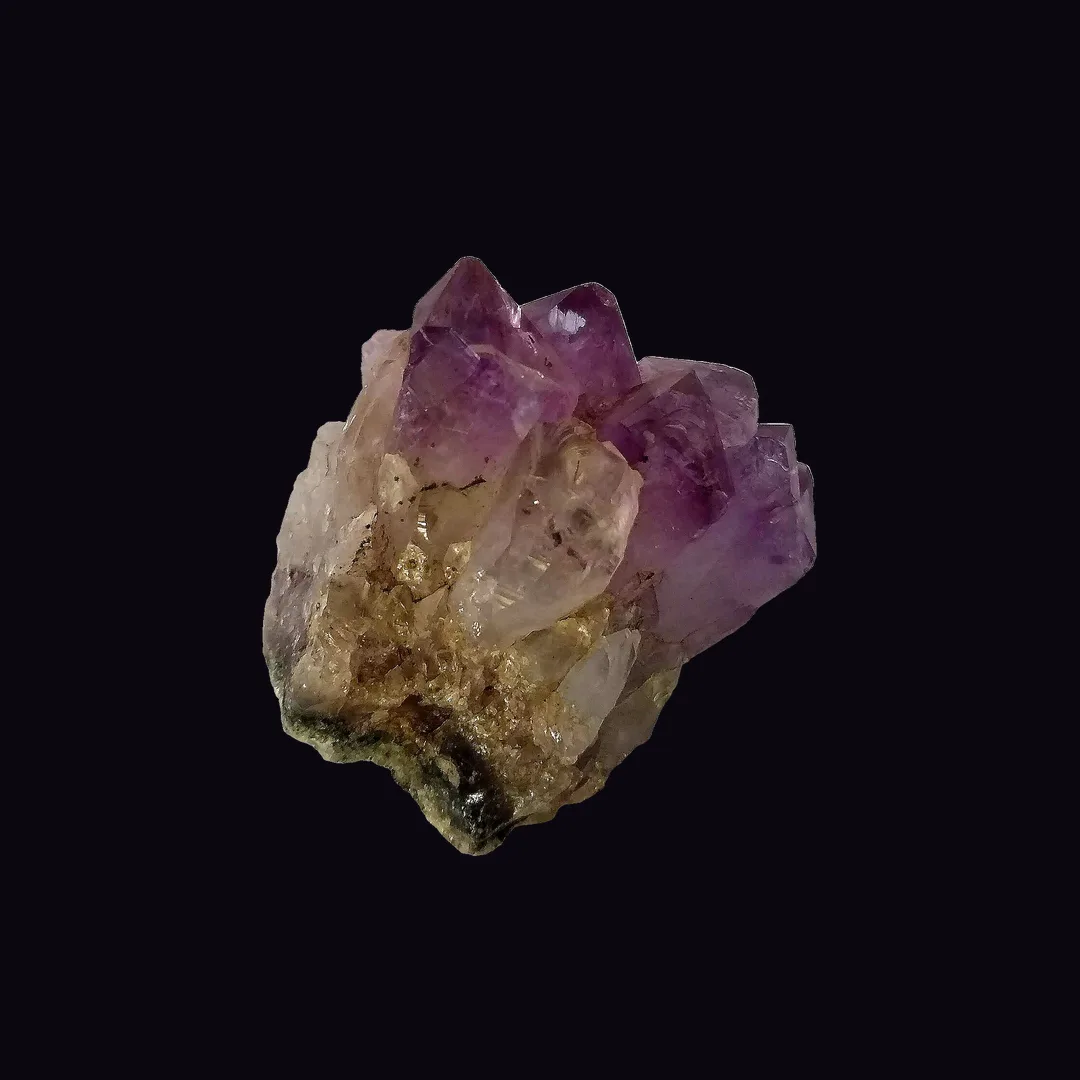 AmethystRead the entry
 Rose QuartzRead the entry
 FluoriteRead the entry
 CelestiteRead the entry
 KunziteRead the entry
 Clear QuartzRead the entry
 AmazoniteRead the entry
 AmetrineRead the entry
 AquamarineRead the entry
 Black TourmalineRead the entry
 BloodstoneRead the entry
 CarnelianRead the entry
and 11 more named in this piece
Questions people ask
Does amethyst really fade in sunlight?
Yes. Amethyst is one of the most light-sensitive common stones. A cluster left in a sunny window will go grey-brown over a year or two, and the colour does not come back. Keep amethyst out of direct sun. It is completely fine in water, sunlight is its one real weakness.
How long does it take for a crystal to fade in the sun?
It depends on the stone and the light. Kunzite and celestite can visibly shift over weeks in a bright window. Amethyst and rose quartz take months to a couple of years. Indirect daylight is much slower than direct sun through glass, which concentrates UV.
Can I still charge crystals in sunlight?
Yes, but only the sun-safe ones. Clear quartz, black tourmaline, tiger's eye, carnelian and most opaque quartz handle sun fine. For anything purple, pink, blue or a heat-treated colour, use moonlight instead so you do not bleach it while charging it.