Are Crystals Toxic to Cats?
Care and cleansing · 6 min read · 17 August 2026
A cat drinks from whatever glass you left out, and swallows whatever it can knock off a shelf. Here is the honest list of crystals that are toxic to cats.
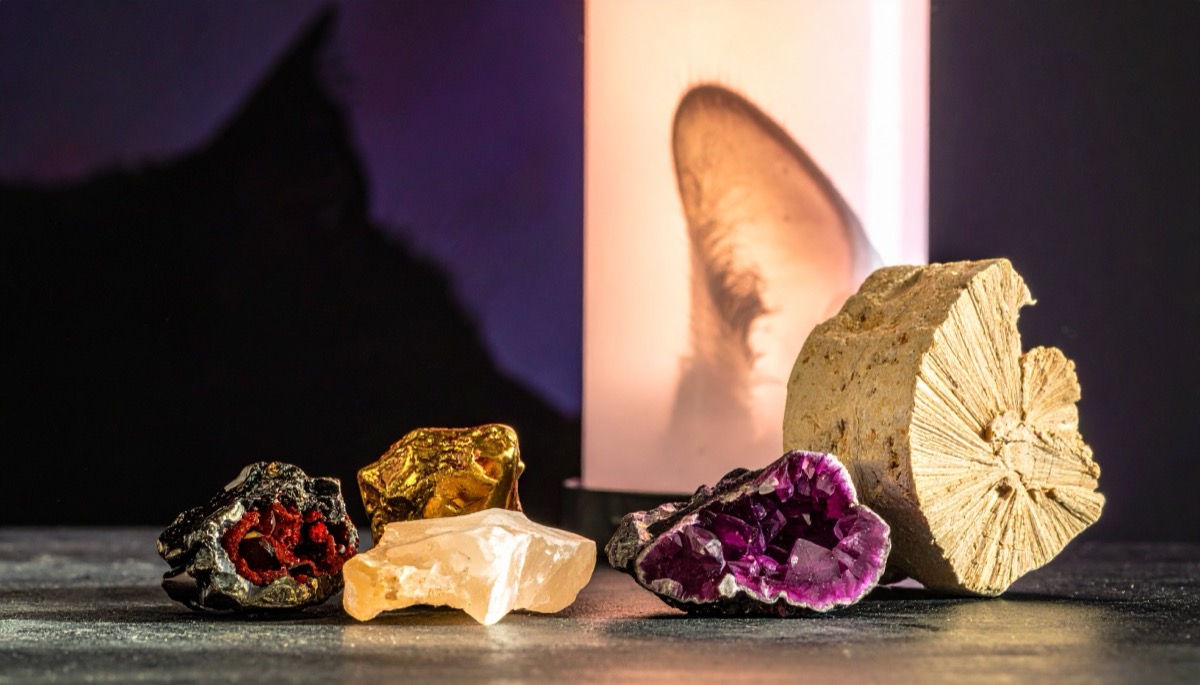
A cat drinks from whatever glass is left out. The one by the bed. The one on the desk with a stone sitting in the bottom of it.
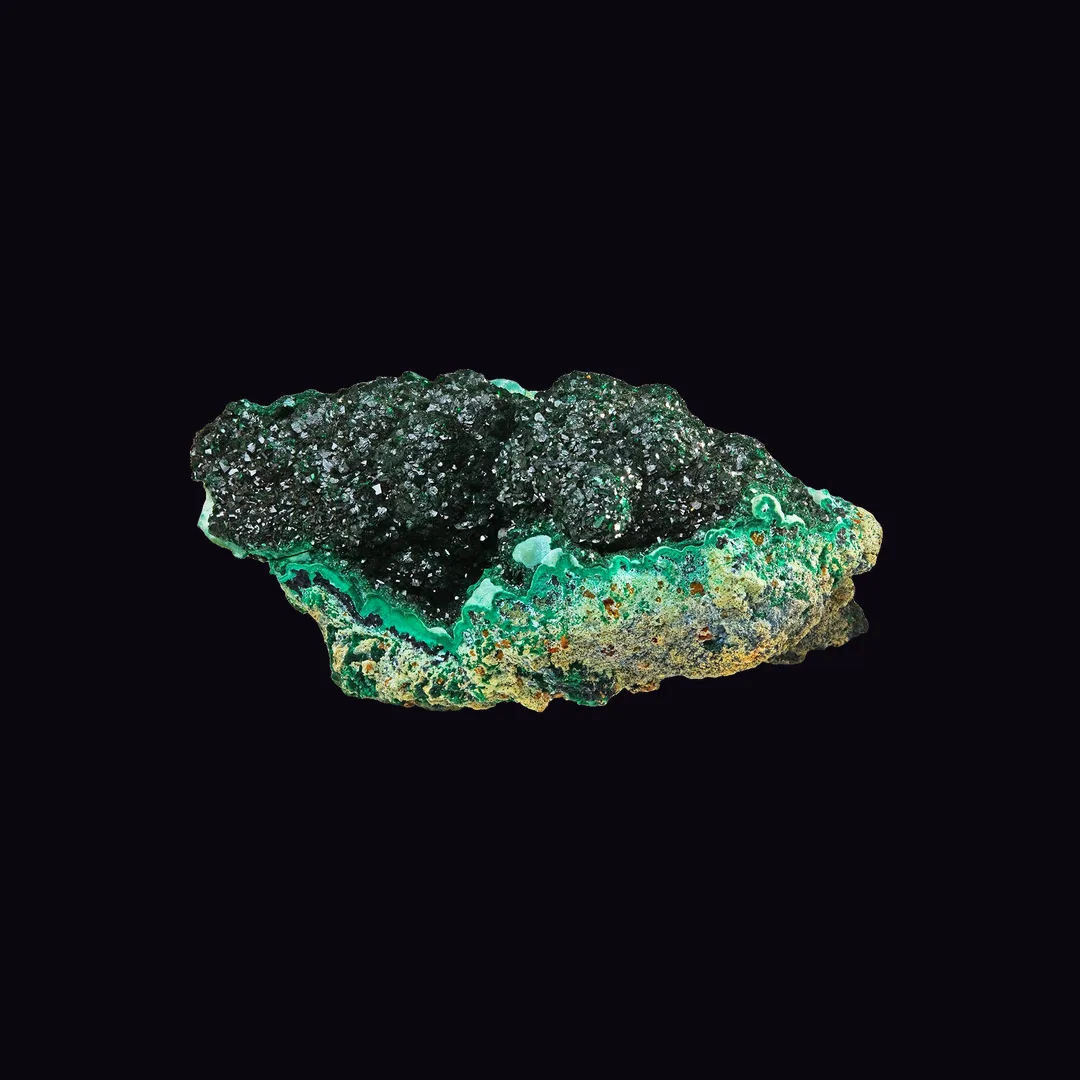
That is where the real risk sits, and it is not the one people picture. A malachite on a bookcase is inert. The same malachite in a water glass, or knocked to the floor and licked, is copper going into an animal that weighs four kilos.
Nobody told you. The stones came in a little organza bag with a card about calm and love on it, and not one word about lead or arsenic. The person who sold them was not thinking about your cat.
You are the only one in the house who reads labels. That is not paranoia. That is the job.
Some crystals are toxic to cats, most are not. The dangerous ones contain heavy metals or dissolve in water: malachite and azurite (copper), galena (lead), cinnabar (mercury), realgar and orpiment (arsenic). The risk comes from licking, chewing, dust or crystal water, not from a stone sitting on a shelf. Quartz stones are inert and safe.
Go and look at the shelf tonight. Two minutes.
The stones that are actually toxic
These are dangerous because of what they are made of, not how hard they are. The danger shows up when a stone is chewed, licked, powdered, or soaked in water your cat then drinks.
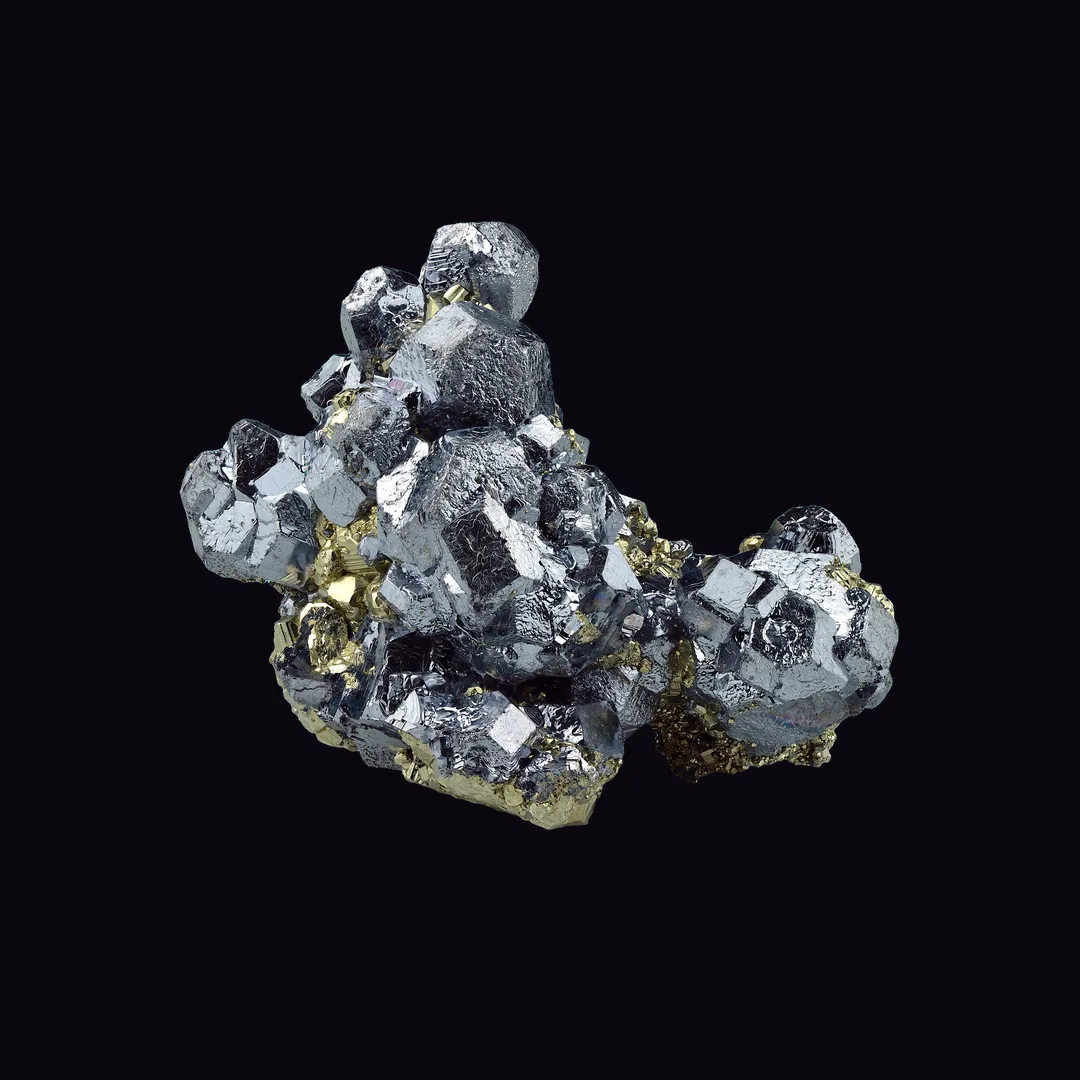
Heavy-metal stones. Galena is lead sulphide and genuinely one to lock away. Malachite and azurite are copper carbonates. Cinnabar is mercury sulphide. Realgar and orpiment are arsenic minerals. Stibnite is antimony. None of these should be anywhere a cat can lick or gnaw them.
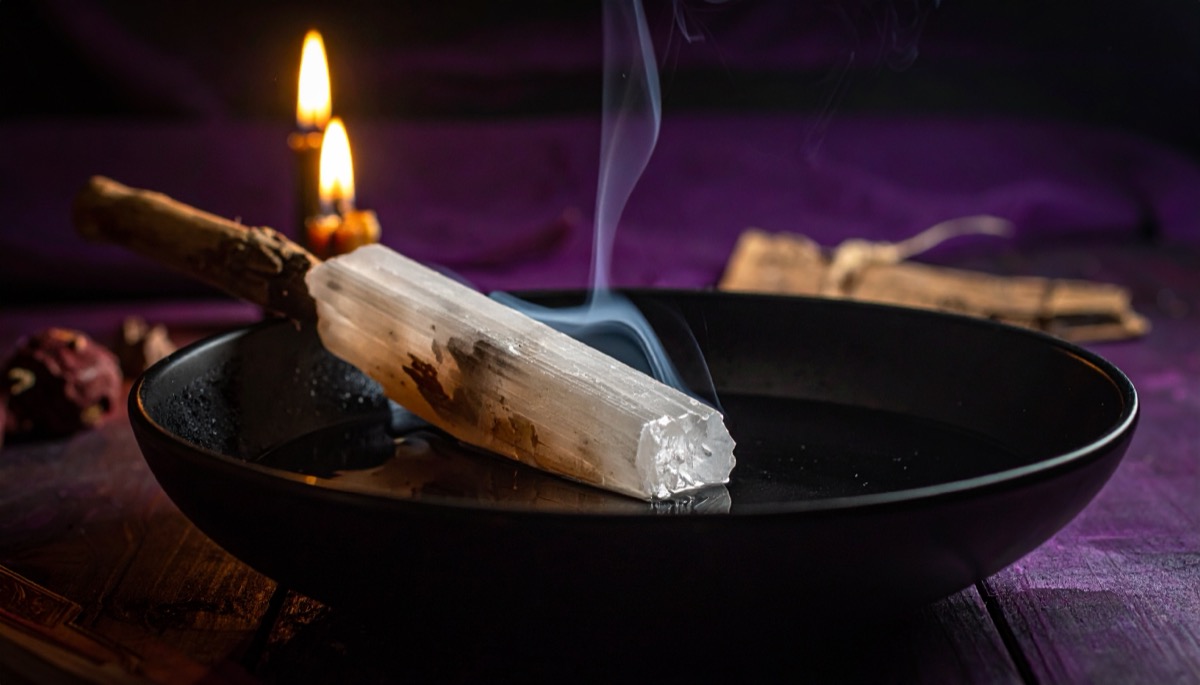
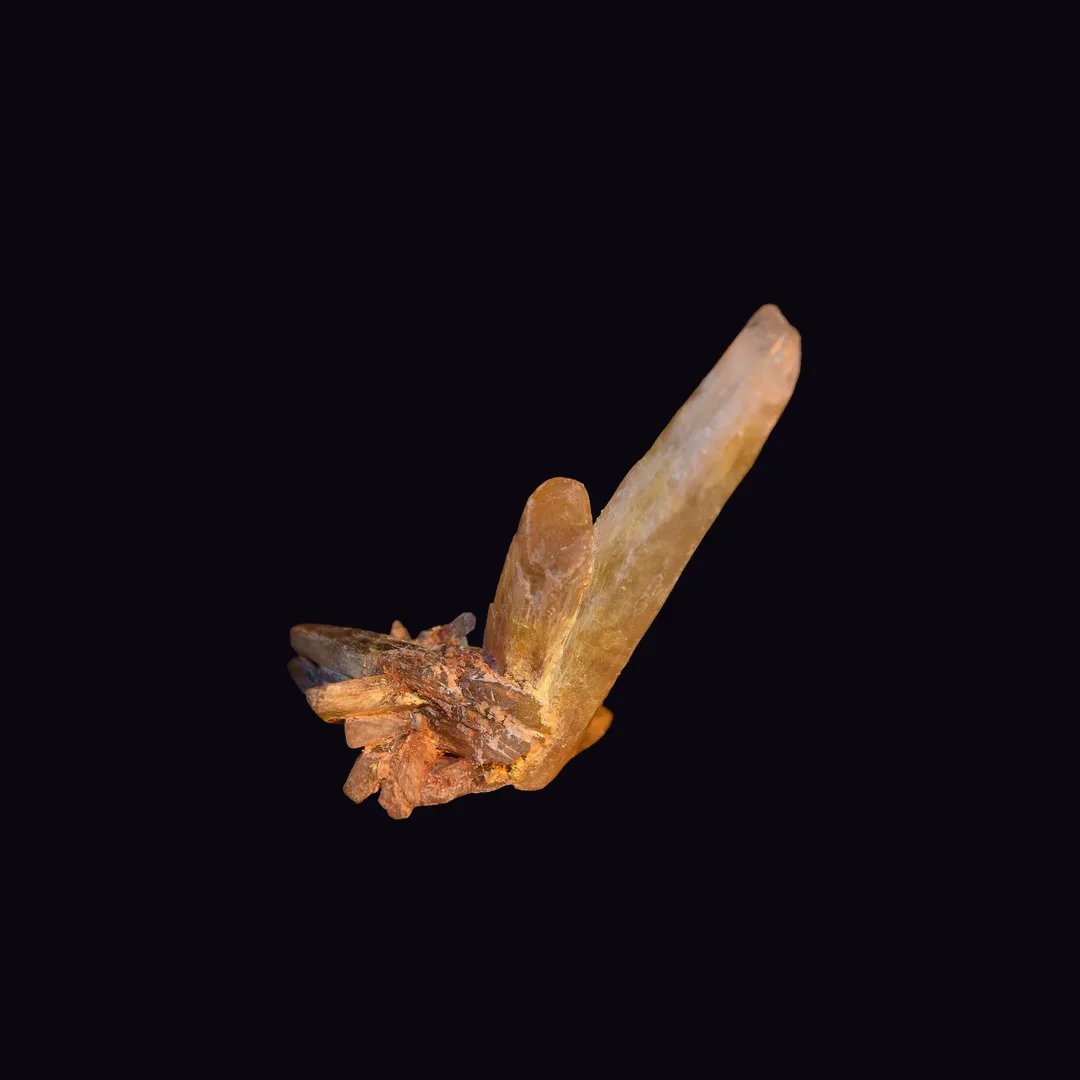
Soluble stones near the water bowl. Selenite and rock salt (halite) dissolve, so a cat licking one is ingesting the mineral directly. Halite is the one people underrate. Salt in any quantity is its own poisoning risk for a cat, and cats are small, so it does not take much. Keep salt lamps and halite well away from where they drink.
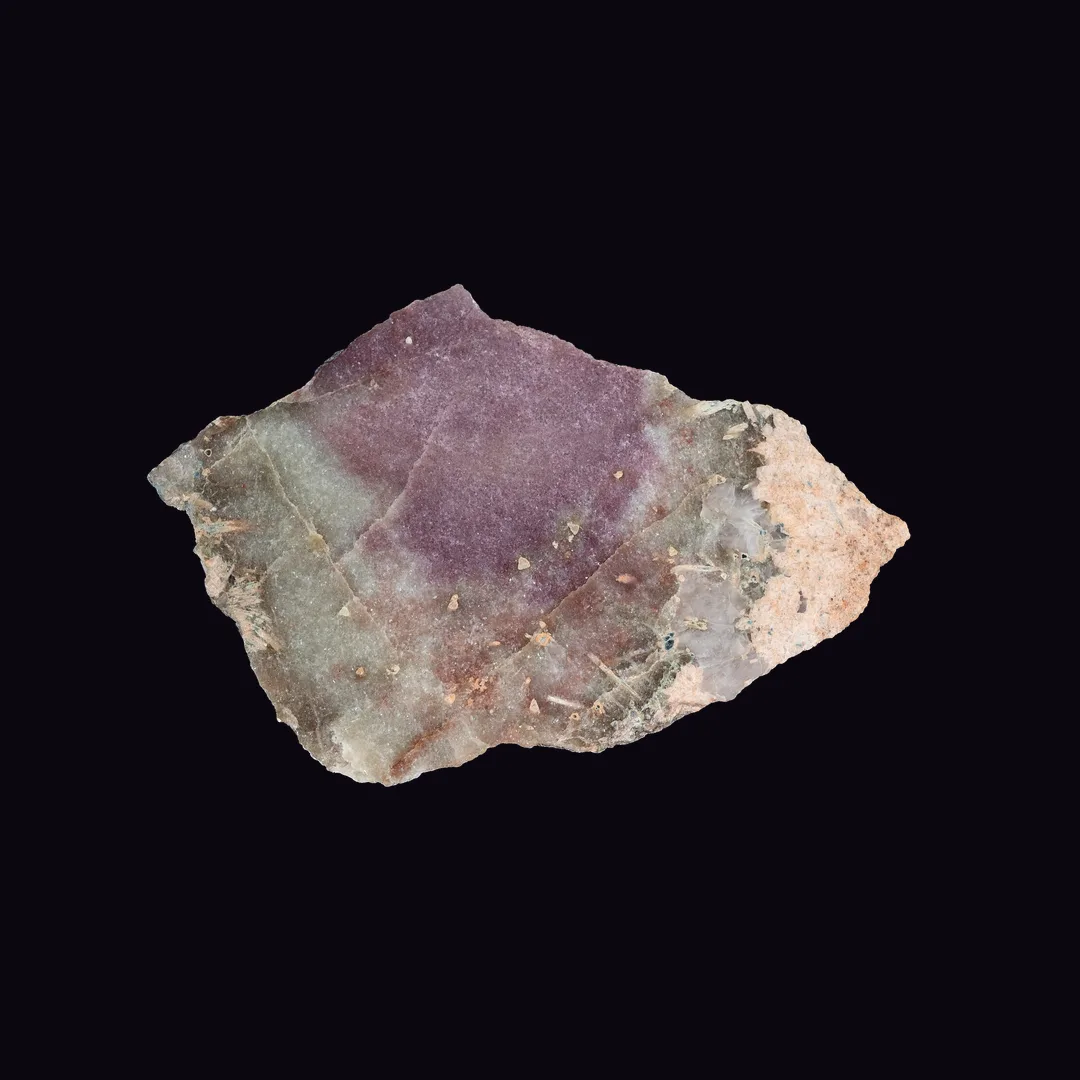
Lithium and fluoride stones. Lepidolite contains lithium and fluorine, and fluorite is calcium fluoride. Small contact is low risk, but chewing and swallowing is not.
The toxic-to-cats table
| Stone | Cat-safe? | Toxic element | Main risk |
|---|---|---|---|
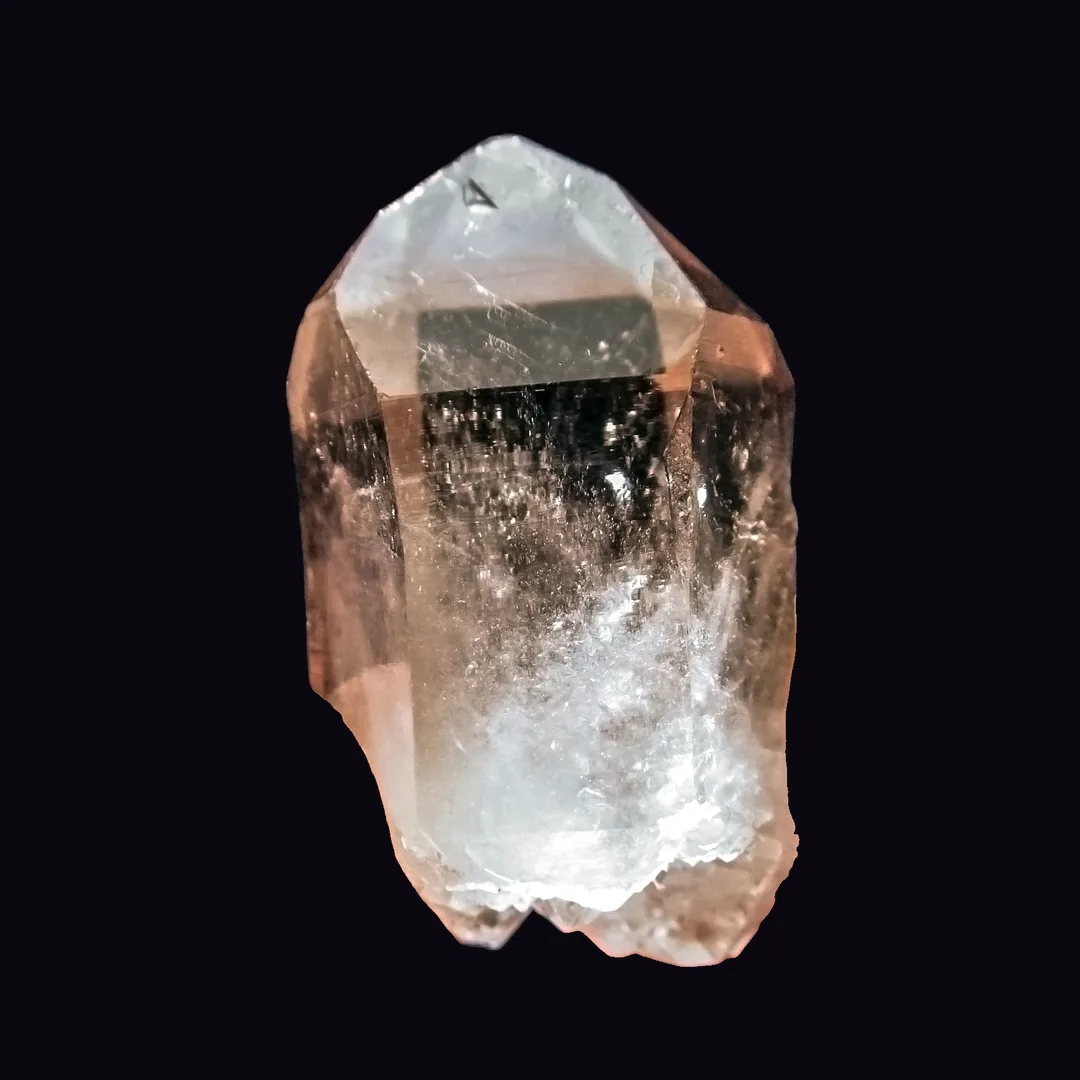
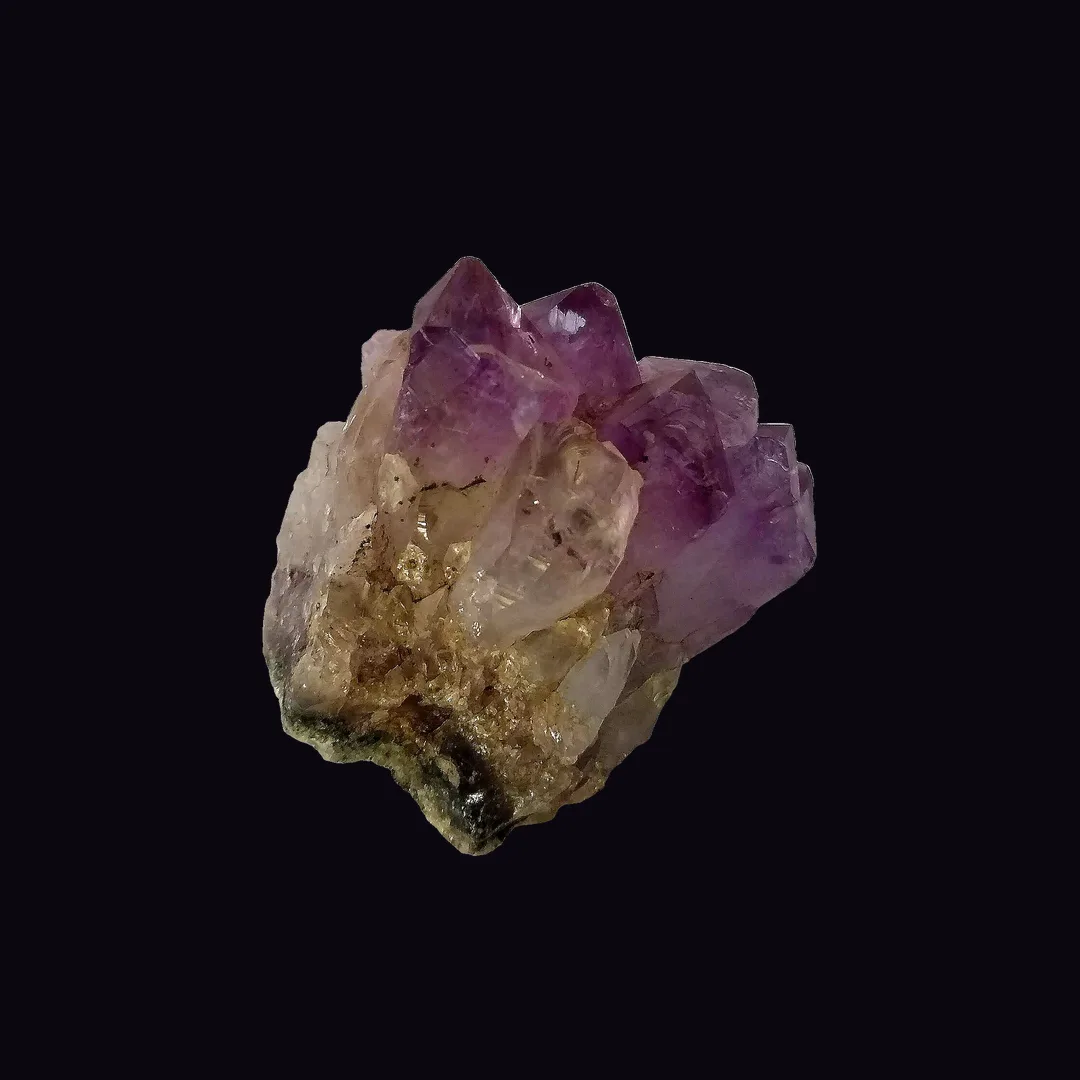
| Clear quartz, amethyst, rose quartz | Yes | None (inert silica) | Choking if small |
| Agate, jasper, tiger's eye, obsidian | Yes | None | Choking if small |
| Malachite | No | Copper | Licking, dust, elixir water |
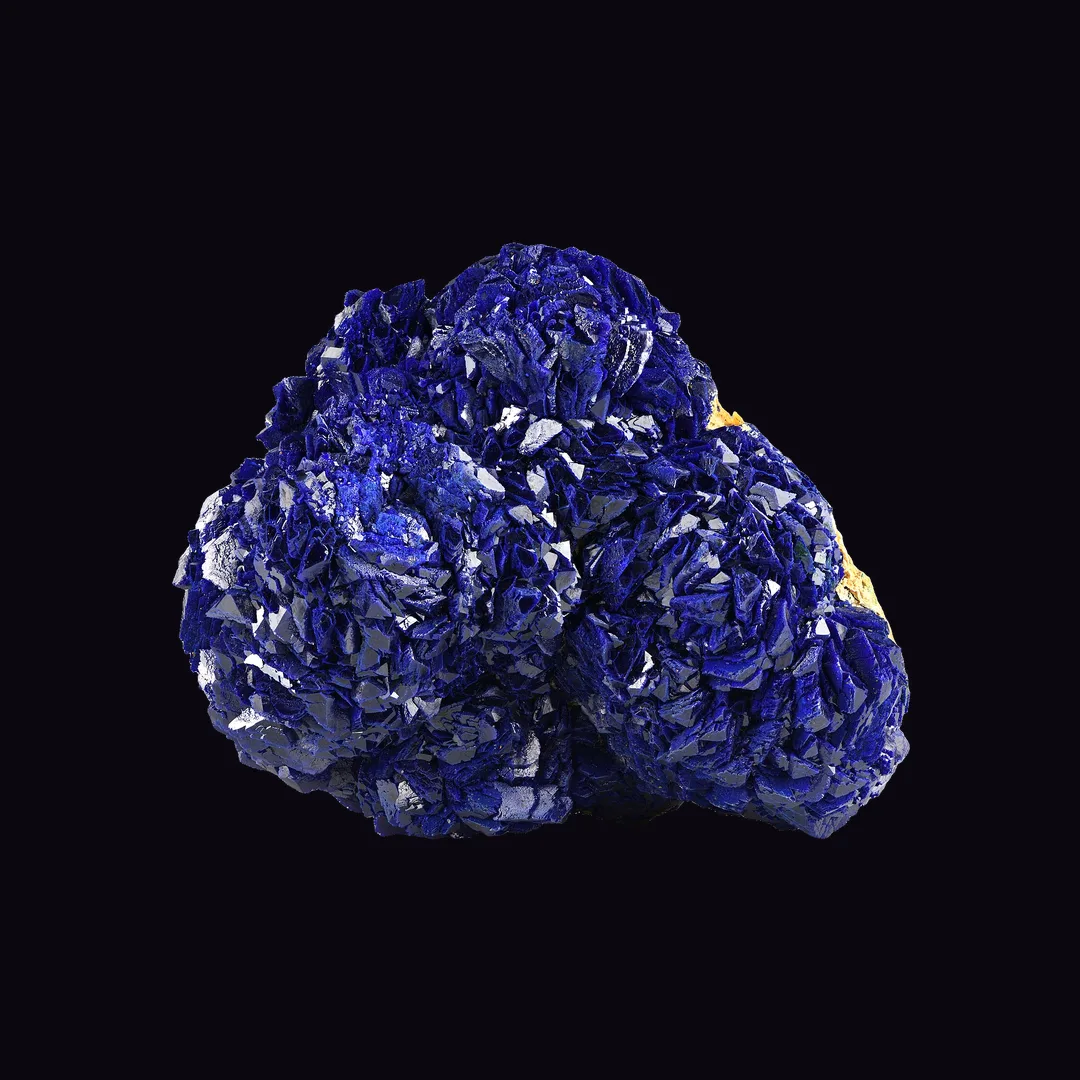
| Azurite | No | Copper | Licking, dust |
| Galena | No | Lead | Highly toxic if ingested |
| Cinnabar | No | Mercury | Highly toxic if ingested |
| Realgar / orpiment | No | Arsenic | Highly toxic if ingested |
| Stibnite | No | Antimony | Toxic if licked or chewed |
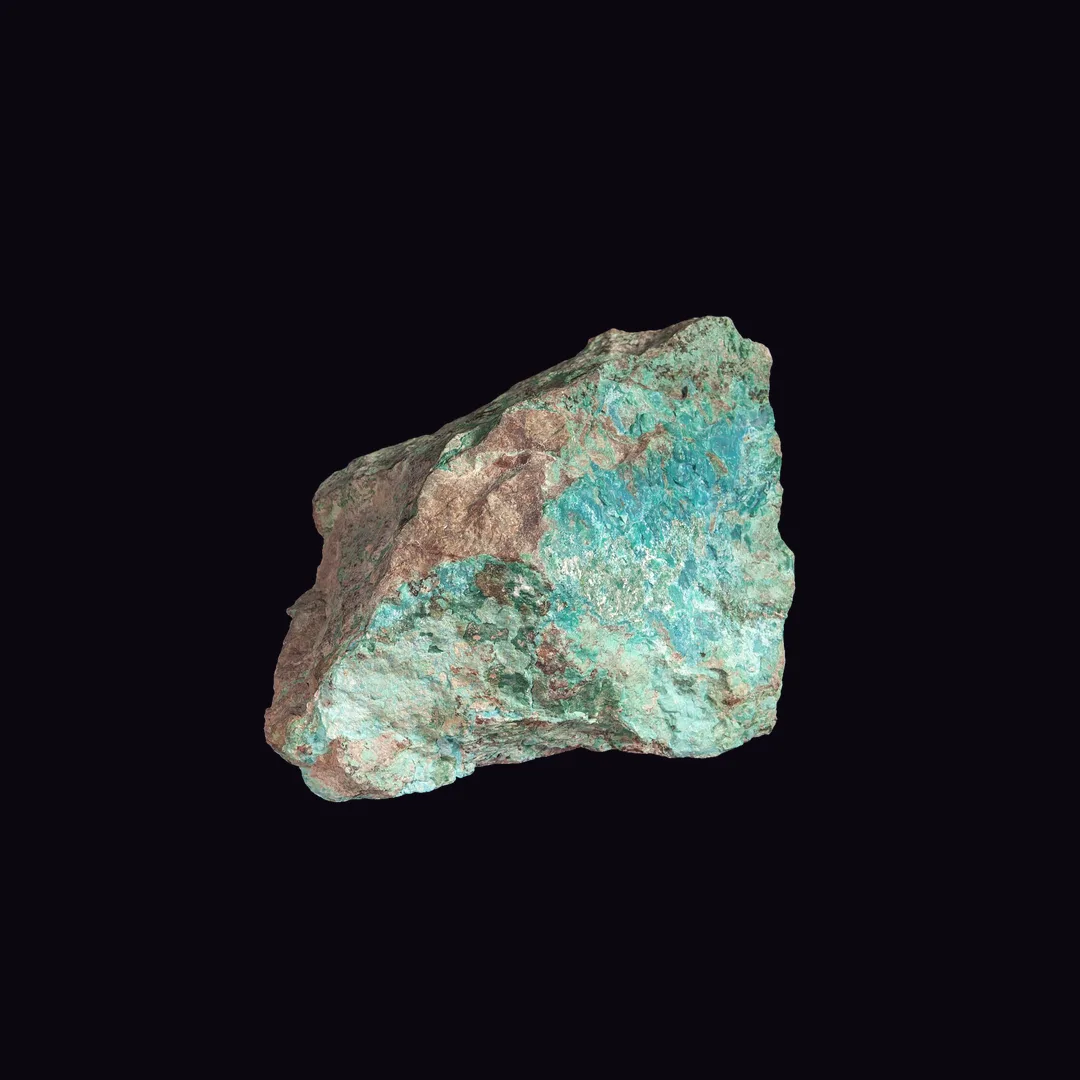
| Chrysocolla | No | Copper | Porous, sheds copper |
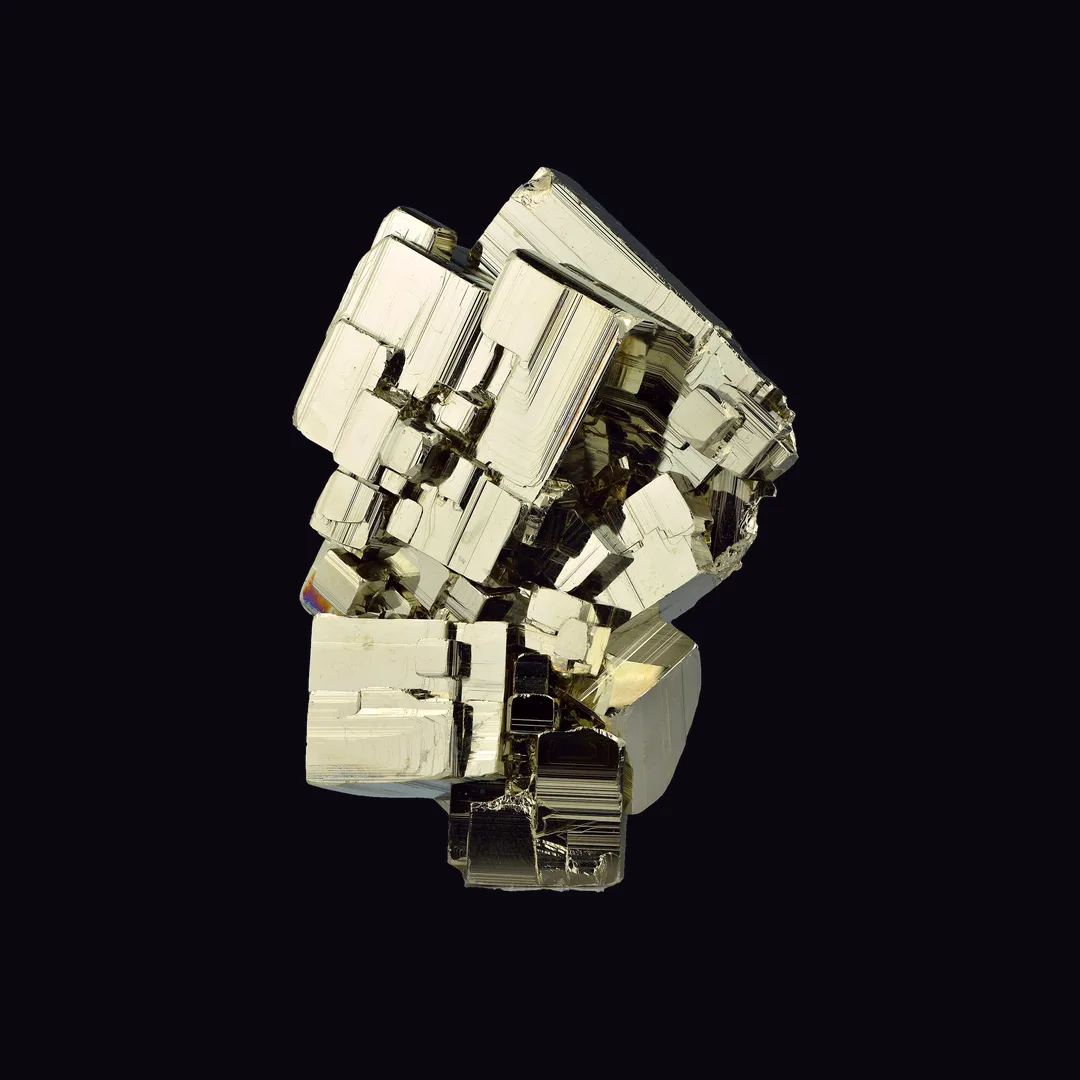
| Pyrite | No | Iron sulphide | Sheds dust, can rust |
| Lepidolite | No | Lithium, fluorine | Chewing, flaking |
| Selenite / halite | No | Soluble sulphate / salt | Licking, dissolving |
If your cat has chewed or swallowed one
Call your vet now. Do not wait to see whether symptoms appear, because with lead, copper, mercury and arsenic the damage starts before the cat looks unwell.
Take the stone with you, or a photo of it. Knowing which mineral it was changes the treatment.
Do not try to make her sick at home. That advice is for people, and it can make things worse for a cat.
If you cannot reach your vet, the ASPCA Animal Poison Control Center is on (888) 426-4435 and the Pet Poison Helpline is on (855) 764-7661. Both run around the clock and both charge a consultation fee.
Signs worth acting on: drooling, vomiting, not eating, wobbliness, hiding, or straining without producing anything. A swallowed stone can block a gut as easily as it can poison one.
The size hazard, even with safe stones
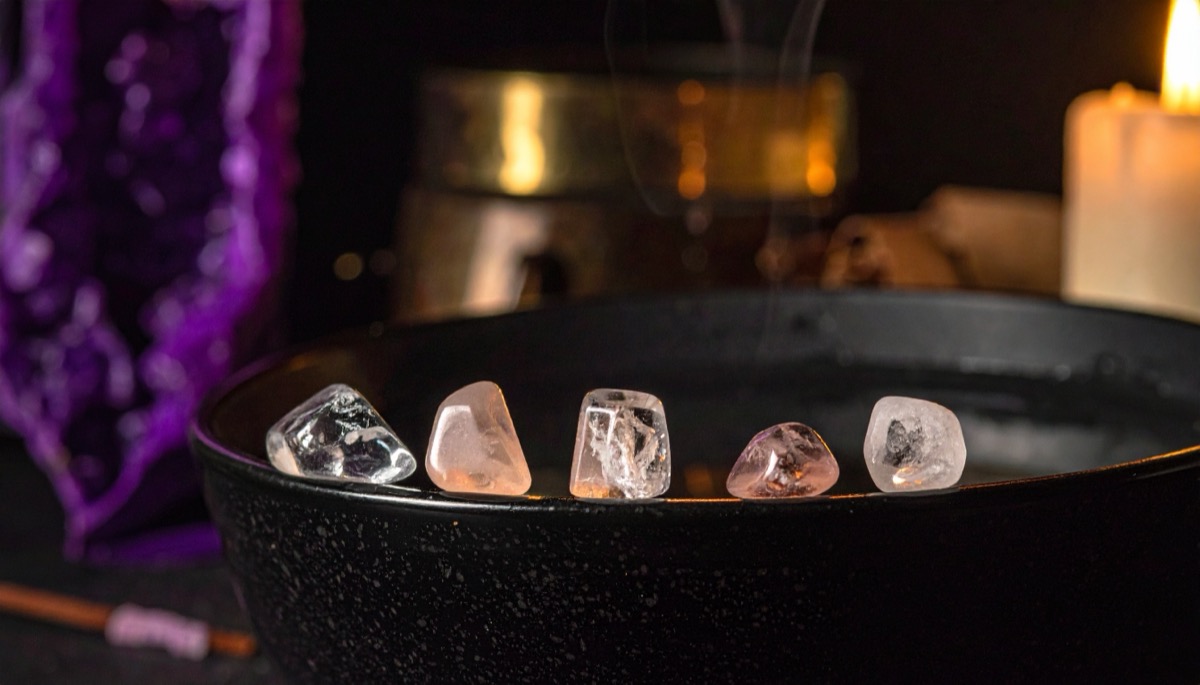
A polished quartz sphere is inert, but a small tumbled stone is a toy to a cat, and toys end up in mouths. Swallowed stones can choke a cat or block their gut. So even your safest stones follow one rule: nothing small enough to swallow left out where a cat plays. Big clusters and heavy spheres are fine. Little tumbles are the ones that go missing under the couch and sometimes into a cat.
The water bowl and the elixir trap
If you make crystal-infused water the direct way, dropping a stone in a glass, and your cat drinks it, you have handed them whatever that stone leaches. Copper from malachite, iron and sulphur from pyrite, dissolved gypsum from selenite. Never leave a stone soaking in water a pet can reach. Use the indirect method: charge the water in a sealed jar with the stone set beside it, not inside it.
The arsenic one that does not sound dangerous
Realgar and orpiment are in the table above, and almost nobody buys either on purpose. They come into the house anyway, under a friendlier name. Bumblebee jasper is that bright yellow and black banded stone, and the yellow bands are realgar and orpiment. It is not jasper at all, whatever the label says. It is also soft, a 3 to 5 on the hardness scale, so it chips and powders where a real jasper would not.
A polished sealed piece on a high shelf is safe to hold. The hazard is dust, swallowing it, and water. Never leave it in a glass or a bowl a cat drinks from, and wash your hands after handling a raw or chipped piece.
When you do not know what you are holding
Half the danger here is not knowing which stone is which. A green stone could be safe aventurine or copper-loaded malachite, and they can look alike in a mixed lot. Before you decide where a stone lives in a house with a cat, point your camera and Oraclite tells you what it is and whether it is real, so you know its chemistry and whether it belongs behind glass.
Most collections are fine. Keep the heavy-metal stones locked away, keep small tumbles off the floor, and never let a cat drink crystal water, and you have covered the real risks.
The stones in this piece
 MalachiteRead the entry
 GalenaRead the entry
 PyriteRead the entry
 LepidoliteRead the entry
 SeleniteRead the entry
 Clear QuartzRead the entry
 AmethystRead the entry
 AzuriteRead the entry
 ChrysocollaRead the entry
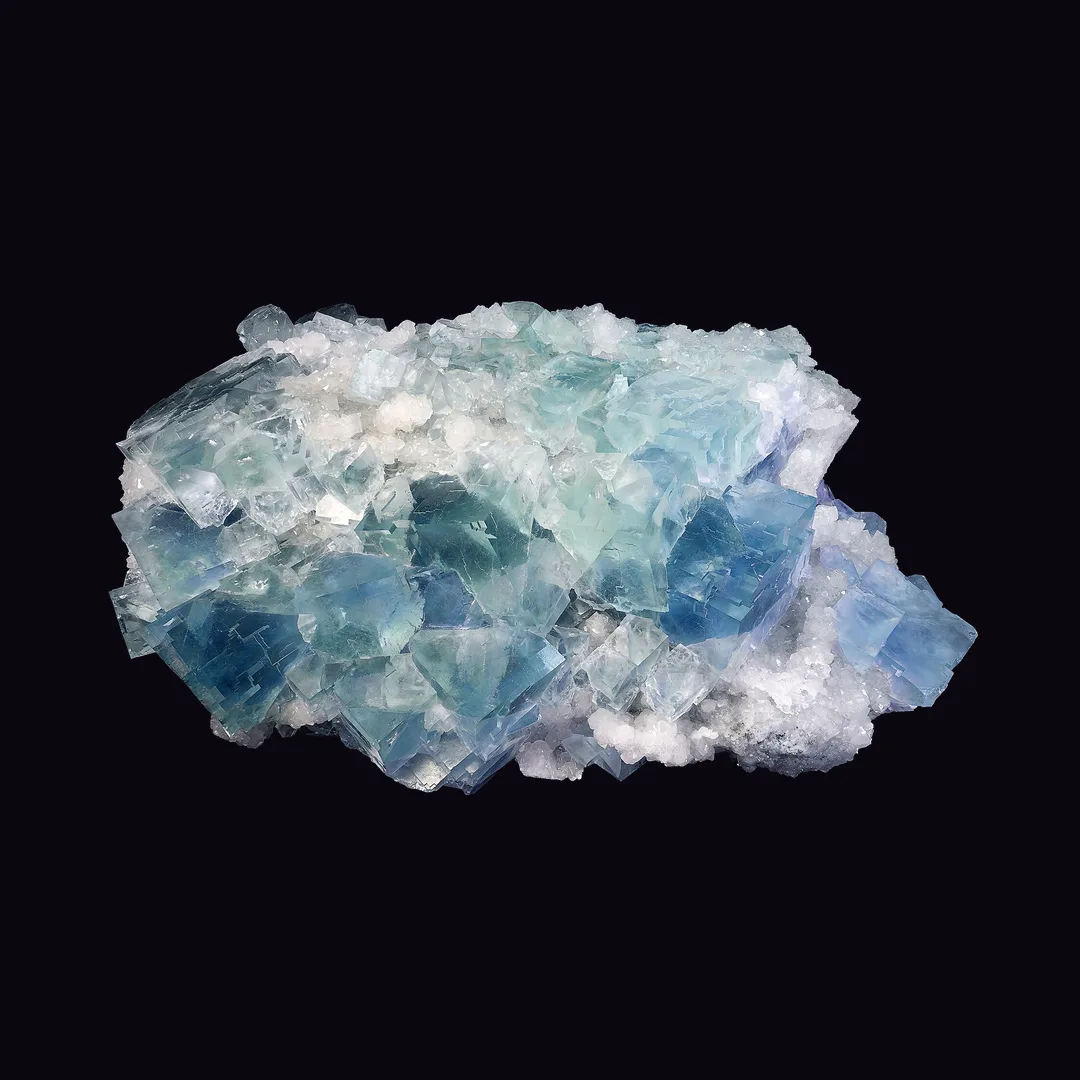 FluoriteRead the entry
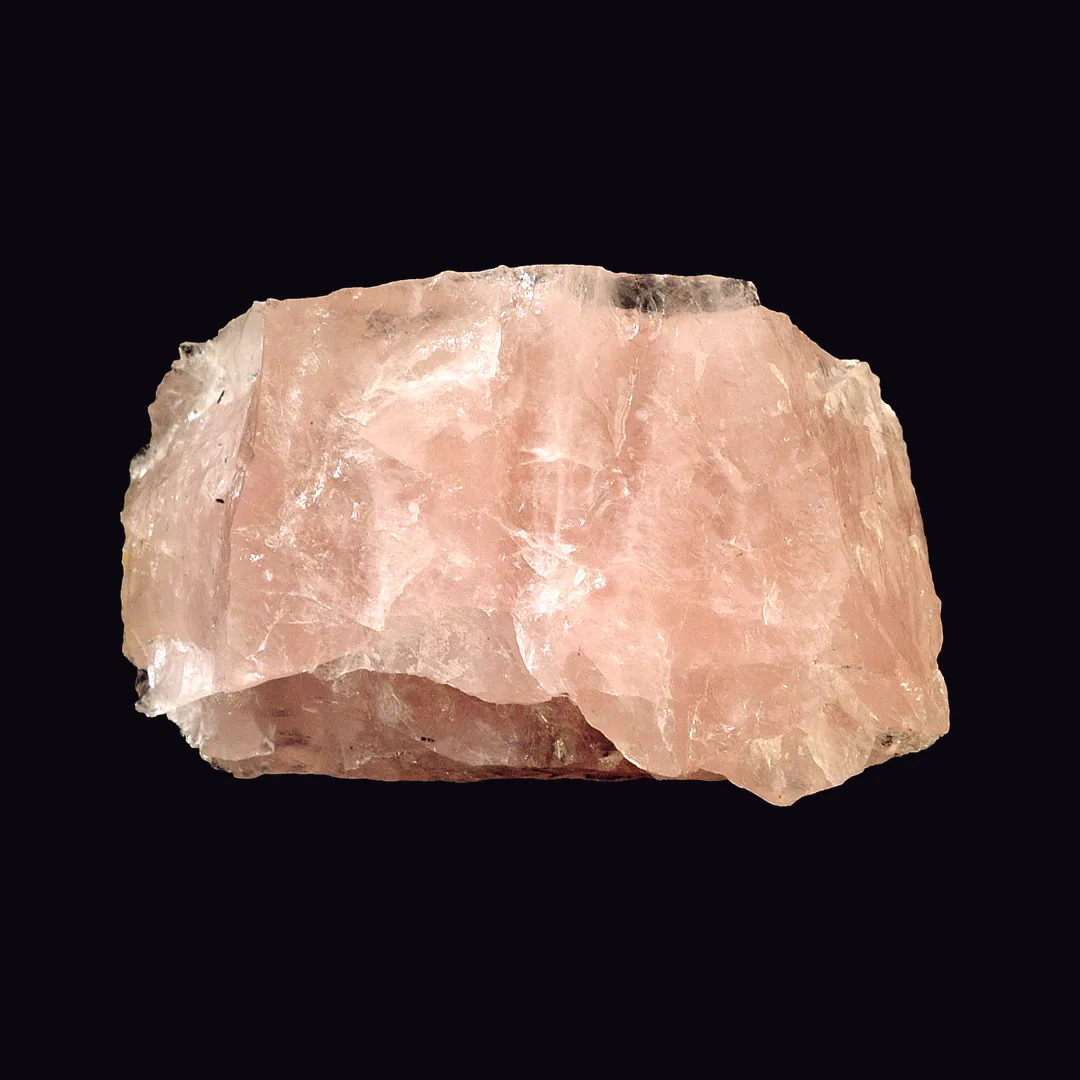 Rose QuartzRead the entry
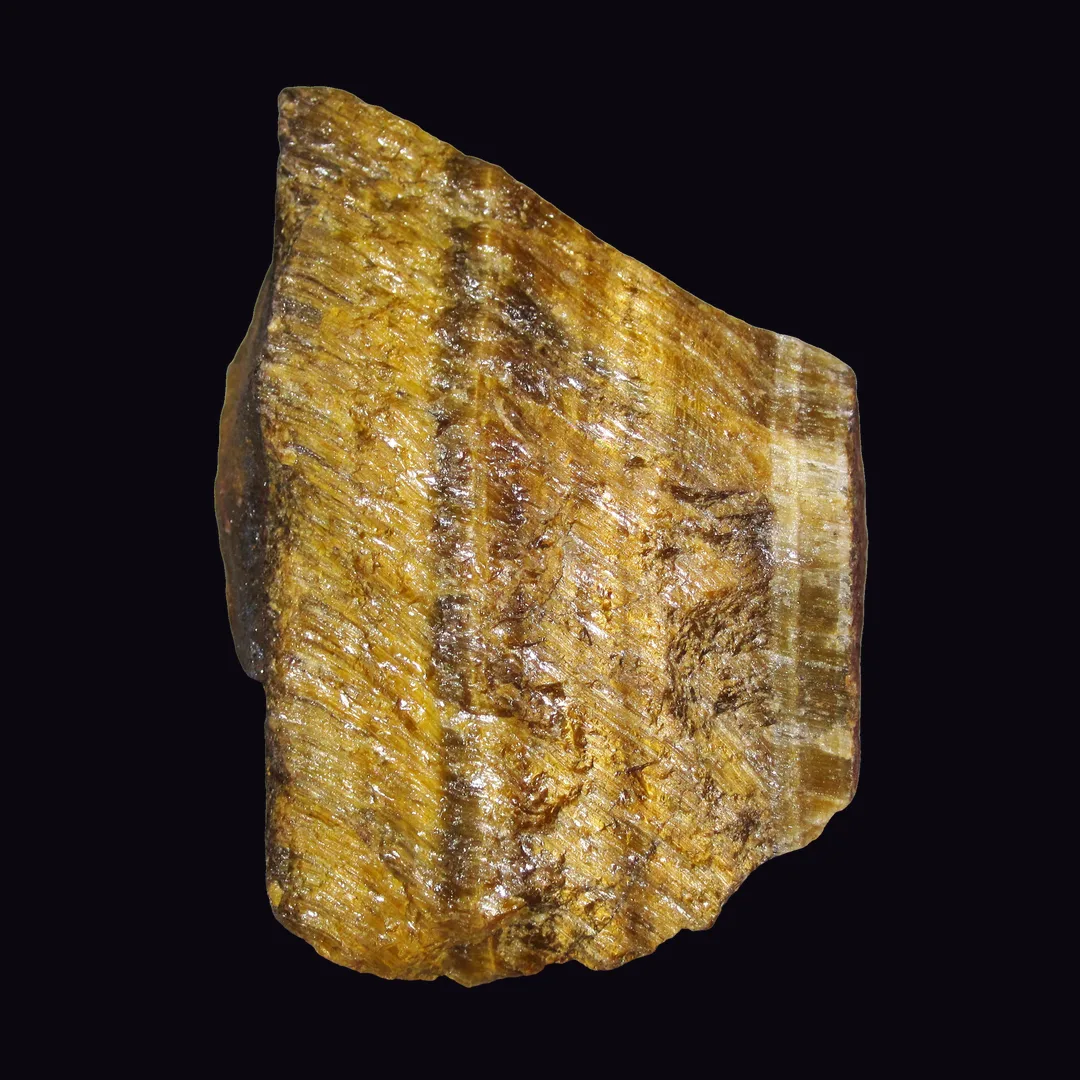 Tiger's EyeRead the entry
and 1 more named in this piece
Questions people ask
What crystals are toxic to cats?
The ones that contain heavy metals or dissolve into water: malachite and azurite (copper), galena (lead), cinnabar (mercury), realgar and orpiment (arsenic), stibnite (antimony), and soluble stones like halite and selenite. The risk comes from licking, chewing, dust, or crystal-infused water, not from a stone sitting untouched on a shelf.
Are quartz crystals safe around cats?
Quartz stones like clear quartz, rose quartz, amethyst and agate are chemically inert and non-toxic. The only real hazard is size. A small tumbled stone can become a choking or swallowing risk if your cat bats it around and gets it in their mouth. Keep tiny tumbles out of paw's reach.
Is crystal-infused water safe for cats to drink?
Not if you do not know the stone. Direct-method elixirs made with malachite, pyrite, selenite, or any copper, lead or arsenic mineral can leach toxic compounds into the water. Never let a cat drink from a glass with a stone soaking in it. Charge the water beside the stone, not with it inside.