Can You Put Crystals in Water? The Ones That Turn Toxic or Dissolve
Care and cleansing · 6 min read · 13 August 2026
Some stones shrug water off. Some dissolve into silt at the bottom of the glass. A few put copper in the water. Here is how to tell before you drink it.
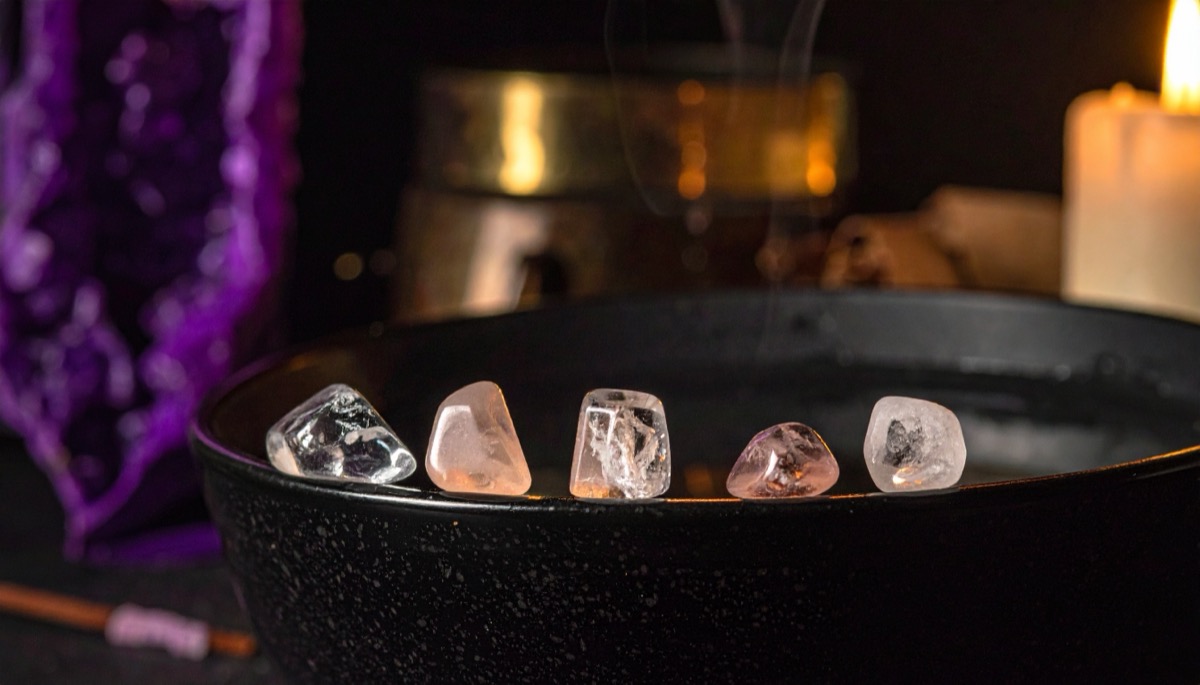
A jar of water on the kitchen counter. Three tumbled stones sitting in the bottom of it. By morning the water has gone cloudy and there is a fine grey silt around them.
That silt is the stone. Nobody selling a crystal water bottle mentions that part, or that a few of these stones put copper into the glass with them.
You started doing this because it looked like care. A glass of water with something beautiful in it, drunk slowly, in a kitchen at seven in the morning. It was one small thing you did for yourself that you never had to explain to anybody.
You should get to keep that. You only need to know which stones are allowed in the glass.
Sometimes. Quartz-family stones like clear quartz, amethyst and carnelian handle water fine. Soft stones like selenite and calcite dissolve, metallic ones like pyrite rust, and copper stones like malachite leach compounds that are toxic to drink. Check hardness and chemistry first.
The one number that predicts most of it
Mohs hardness. It is a scratch scale from 1 to 10, and for water it works as a rough survival line.
- 7 and up: basically water-proof. This is the entire quartz family. Clear quartz, amethyst, rose quartz, smoky quartz, citrine, agate, jasper, tiger's eye, carnelian and onyx all sit here. Warm water, soft brush, no drama.
- 5 to 7: usually a quick rinse is fine, but no long soaks. Turquoise, lapis, sodalite, moonstone and feldspars live here and have soft veins or porosity that hate a bath.
- Below 5: treat as water-sensitive by default. This is where the dissolving, delaminating and leaching happens.
The line is not perfect, and hardness is not the only factor. But if you remember nothing else, "is it a 7" filters out most of the disasters.
Safe vs unsafe: the working list
| Stone | In water? | What happens | Mohs |
|---|---|---|---|
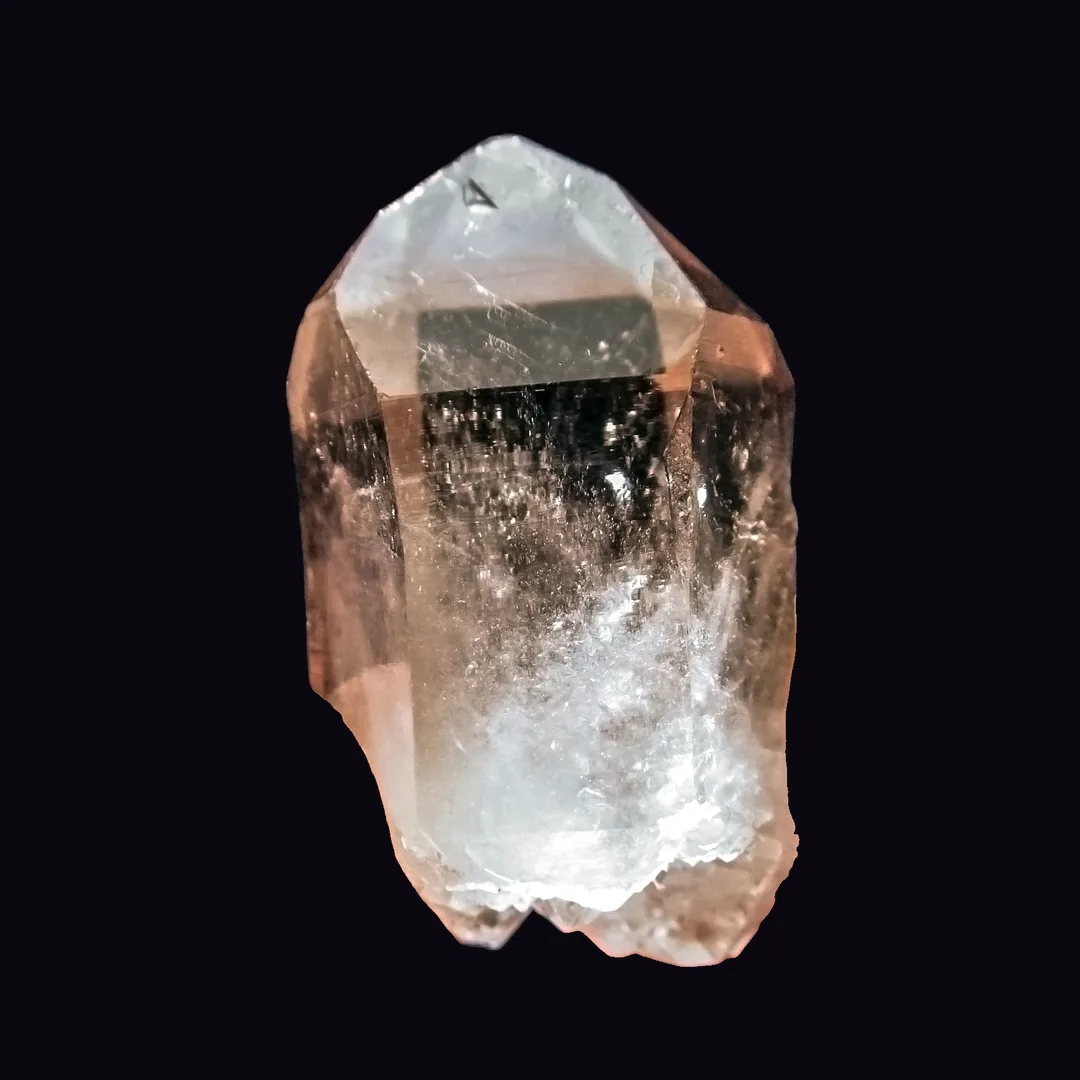
| Clear quartz | Safe | Nothing, it is inert silica | 7 |
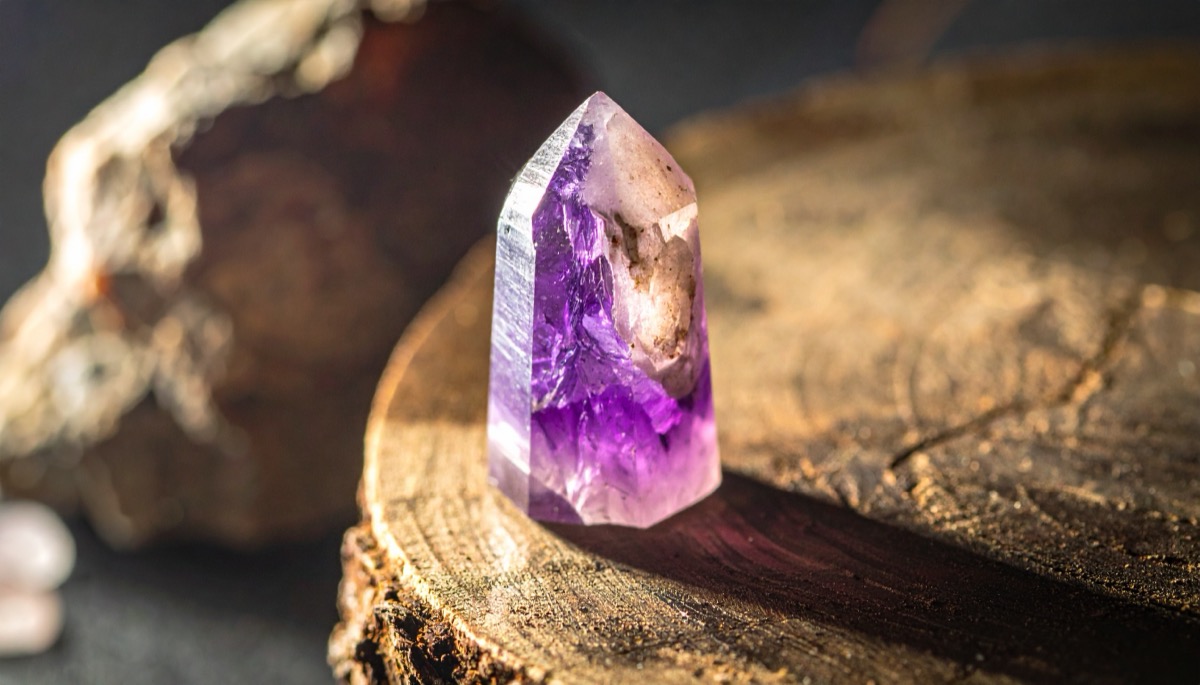
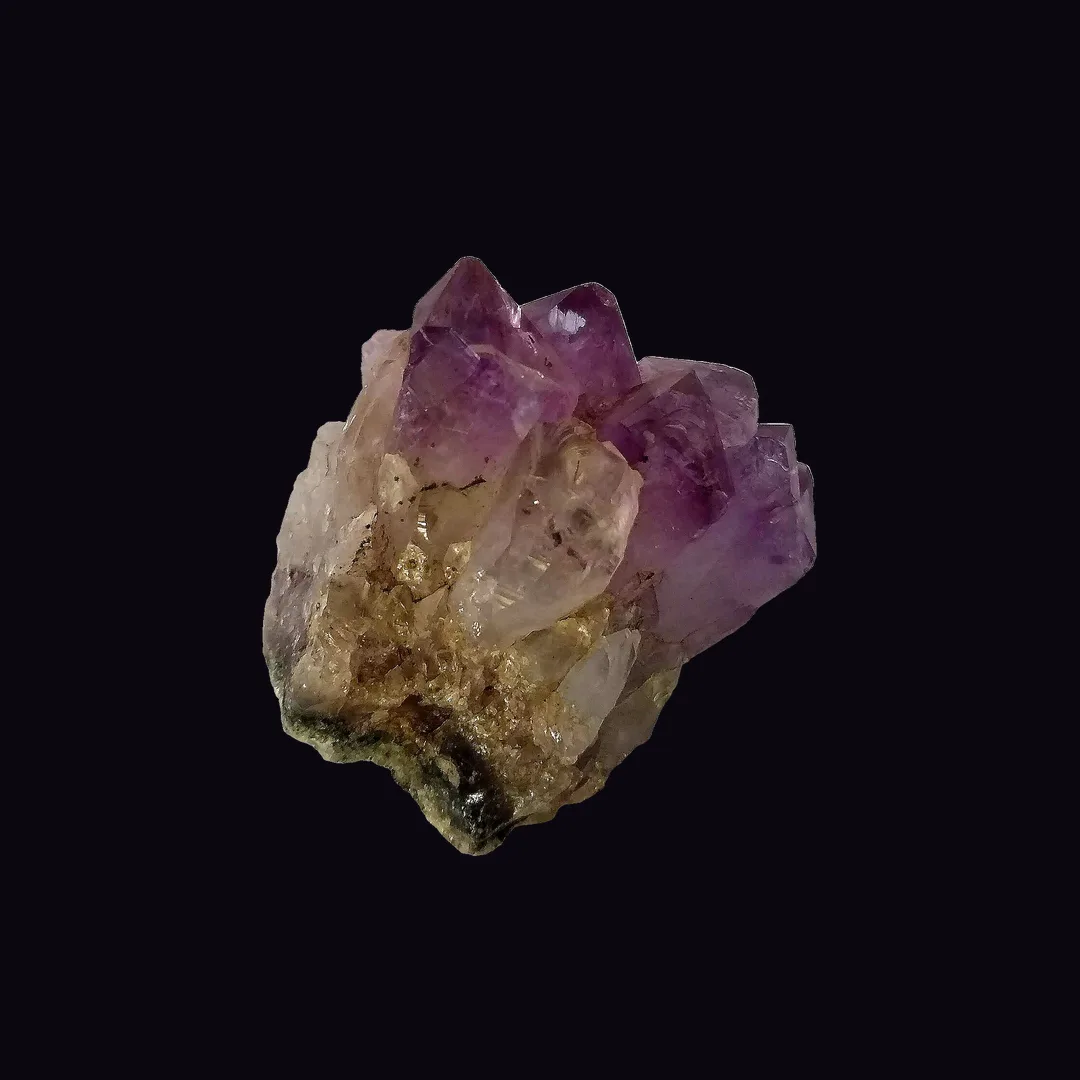
| Amethyst | Safe | Fine in water (just fades in sun) | 7 |
| Rose quartz, carnelian, agate | Safe | Hard, stable, easy | 6.5 to 7 |
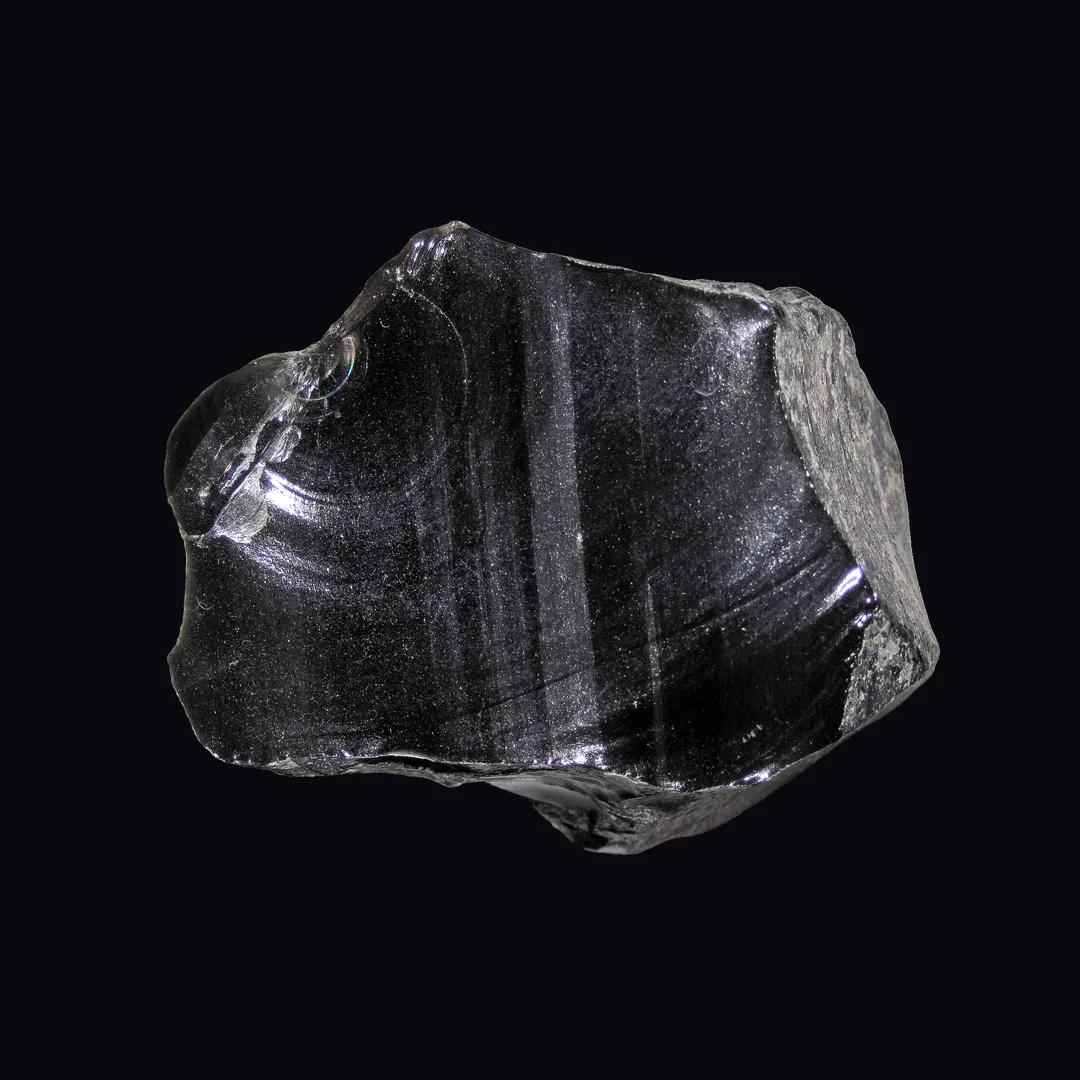
| Black obsidian | Safe | Inert, but chips easily | 5 to 6 |
| Selenite | No | Dissolves, goes chalky and crumbles | 2 |
| Lepidolite | No | Layers lift apart, dulls | 2.5 to 3 |
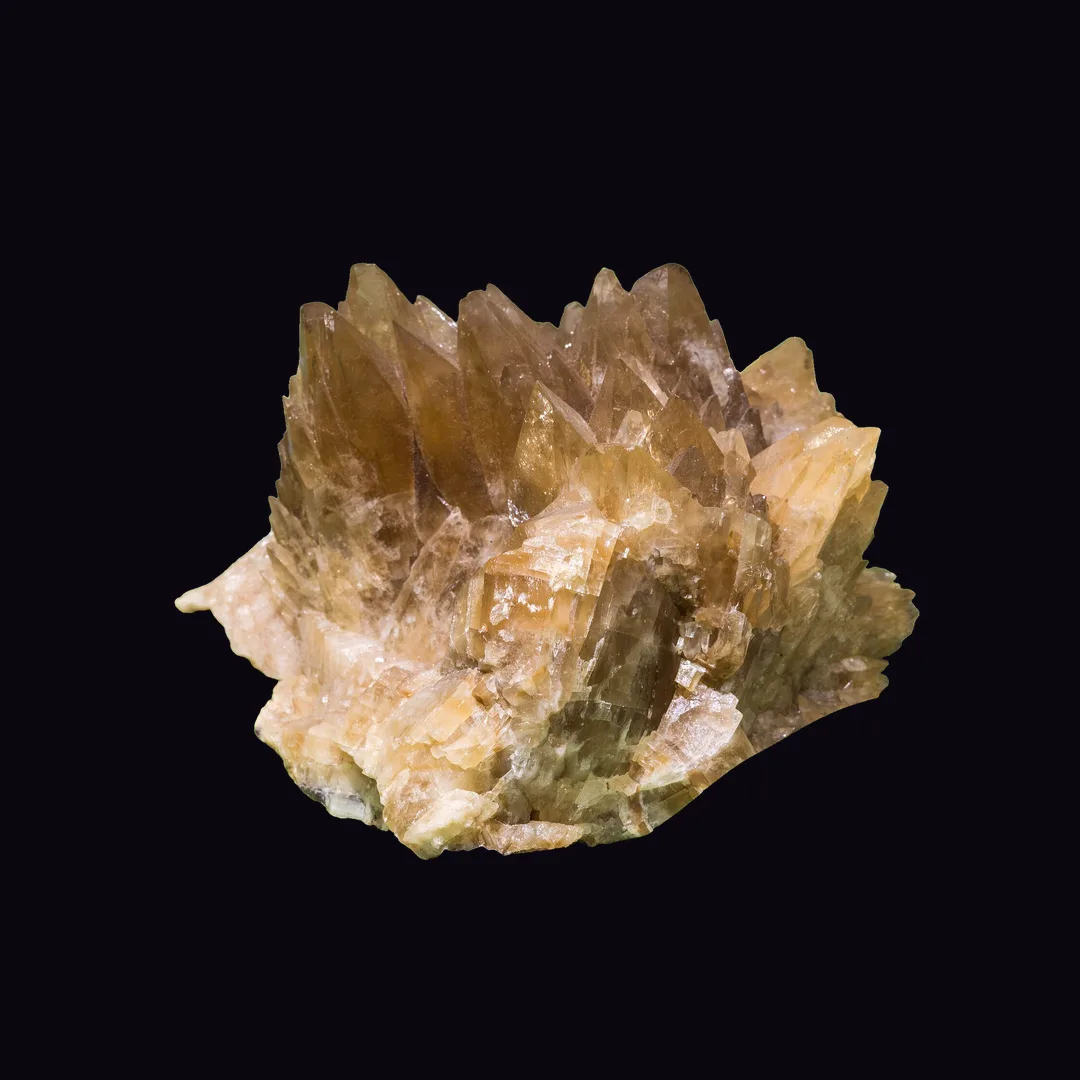
| Calcite | No | Dissolves in anything acidic | 3 |
| Turquoise | No | Soaks up water, discolours for good | 5 to 6 |
| Hematite | No | Rusts, stains orange | 5.5 to 6.5 |
| Pyrite | No, toxic water | Oxidises into sulphuric acid | 6 to 6.5 |
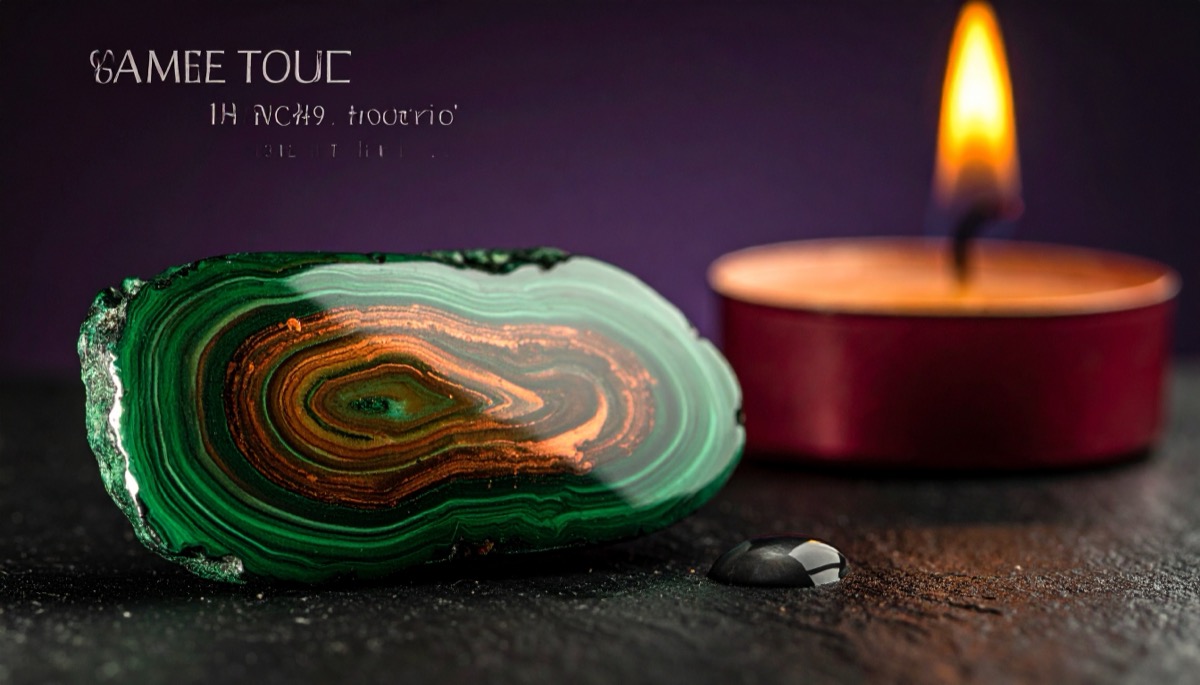
| Malachite | No, toxic water | Leaches copper compounds | 3.5 to 4 |
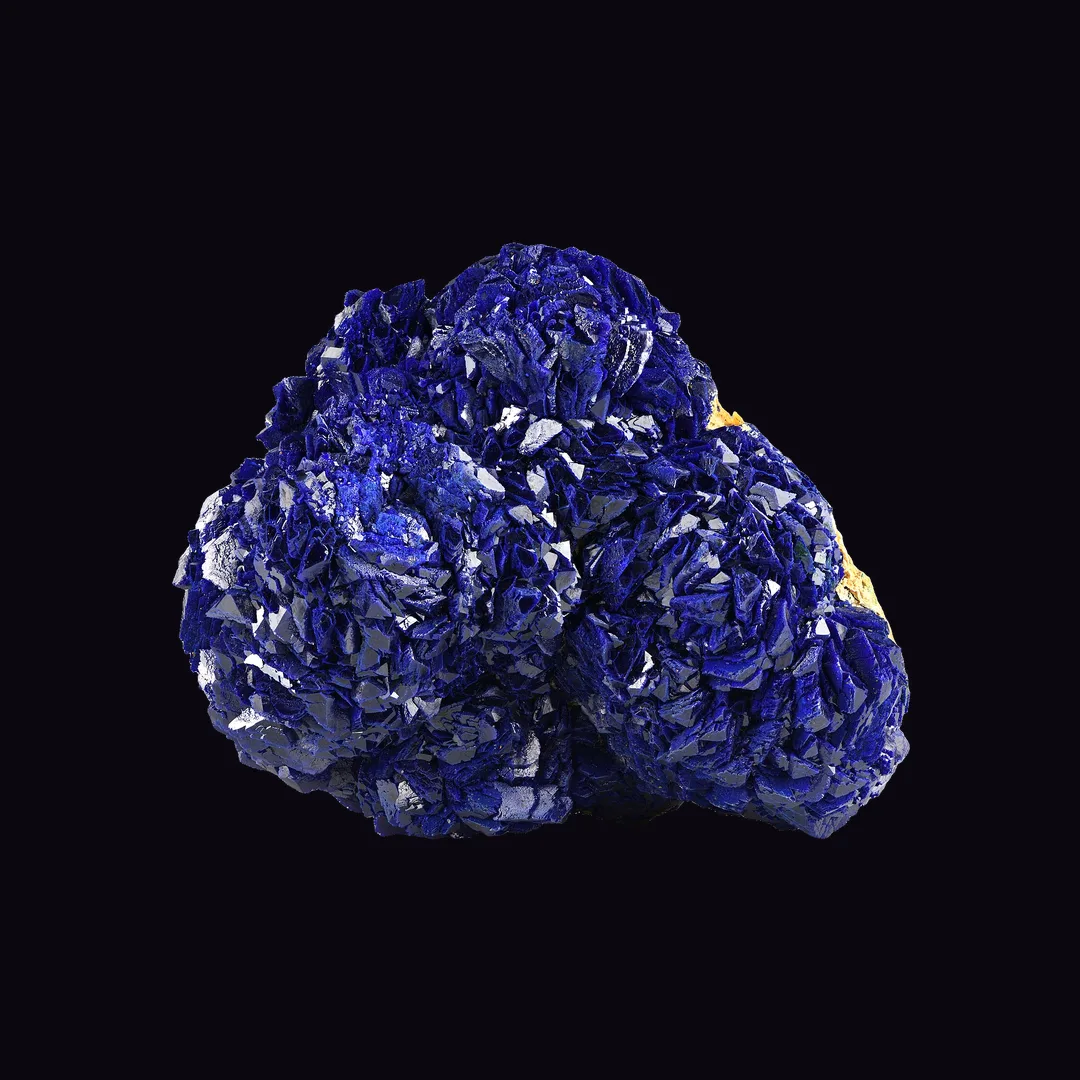
| Azurite, chrysocolla | No, toxic water | Copper leaches, both soft | 3.5 to 4 |
| Galena | No, toxic water | Sheds lead, never wash it | 2.5 |
The three failure modes, plainly
It dissolves. Salt and sulphate and carbonate stones melt away. Rock salt (halite) is the extreme case, it is salt. But selenite, satin spar, desert rose and every calcite go the same way, just slower. You get cloudy, pitted surfaces and eventually sludge.
It rusts or falls apart. Iron stones like pyrite and hematite corrode. Layered stones like lepidolite let water in between their sheets and delaminate. Porous stones like turquoise drink it up and change colour permanently.
It poisons the water. This is the one that actually matters for your health. Copper stones (malachite, azurite, chrysocolla) release copper compounds that are toxic to ingest. Lead-bearing galena is genuinely dangerous and should never be washed, let alone drunk. Pyrite makes acid. None of these belong in a glass you plan to sip.
Moon water and crystal elixirs, done safely
You can absolutely make moon water and charged water. You just do it without dunking the stone.
The indirect method: put your water in a sealed glass jar or bottle, then set the crystal next to it or around it, never in it. The stone charges the water through proximity and intention, and you never risk dissolving it or leaching anything. This works for every stone, including the toxic and fragile ones. It is the only method to use if you plan to drink the water.
Direct-contact elixirs (stone in the water) should be limited to stones you have positively identified as hard, inert and non-toxic. Clear quartz and amethyst are the classic safe picks. Even then, the honest caveat: a lot of tumbled stones are dyed, treated or straight-up mislabeled, and you cannot always tell by looking. If there is any doubt about what a stone is, keep it out of anything you drink and scan it first.
The "but tumbled stones look the same" problem
Here is why the safe list is not as simple as it sounds. A lot of what gets sold as one stone is dyed, stabilised or entirely fake, and the fakes behave differently in water than the real thing. Dyed howlite sold as turquoise bleeds blue dye the moment it gets wet. Resin-bound "stabilised" stones can leach whatever they were treated with. A glass imitation is inert but tells you nothing about the piece you thought you bought.
This matters for water specifically because water is often the moment you discover the truth, and by then the damage is done. If a "crystal" clouds your water, stains it, or leaves a colour behind, you did not cleanse it, you started dissolving or leaching it.
So treat any unidentified tumbled stone as unknown until proven otherwise. The scratch and hardness tests get you most of the way. For anything going into water you plan to drink, that is not good enough on its own. Scan it first so you actually know what you are dropping in the glass.
The stones that seem safe but aren't quite
A few catch people out because they are hard enough to look bulletproof.
Amethyst is genuinely water-safe, its only weakness is the sun. But sodalite and lapis have soft calcite veins that dissolve in acid and dull with soaking, so they pass the hardness glance and still fail a long bath. Moonstone and the feldspars are 6 to 6.5 and fine for a rinse, but they crack from thermal shock, so hot water is the real enemy, not water itself. Read the whole stone, not just the surface hardness.
Quick answers to the water questions people actually ask
- Can amethyst go in water? Yes. Amethyst is quartz, it is fine wet. Its weakness is sunlight, where the purple fades, not water.
- Can I shower with my crystal jewellery? Depends on the stone. Quartz and agate, sure. Anything soft, porous, dyed or metal-bearing, take it off first. Soap and repeated wetting wreck porous stones fast.
- Why did my crystal go cloudy after soaking? You dissolved the surface. That is a soft stone telling you it should have stayed dry. It does not come back.
Water is not a universal cleanser for crystals, it is a chemical the stone either tolerates or does not. Learn the hardness rule, respect the copper and lead stones, and use the indirect method for anything you drink. When you cannot name the stone in your hand, scan it to be sure before it ever touches your water.
The stones in this piece
 Clear QuartzRead the entry
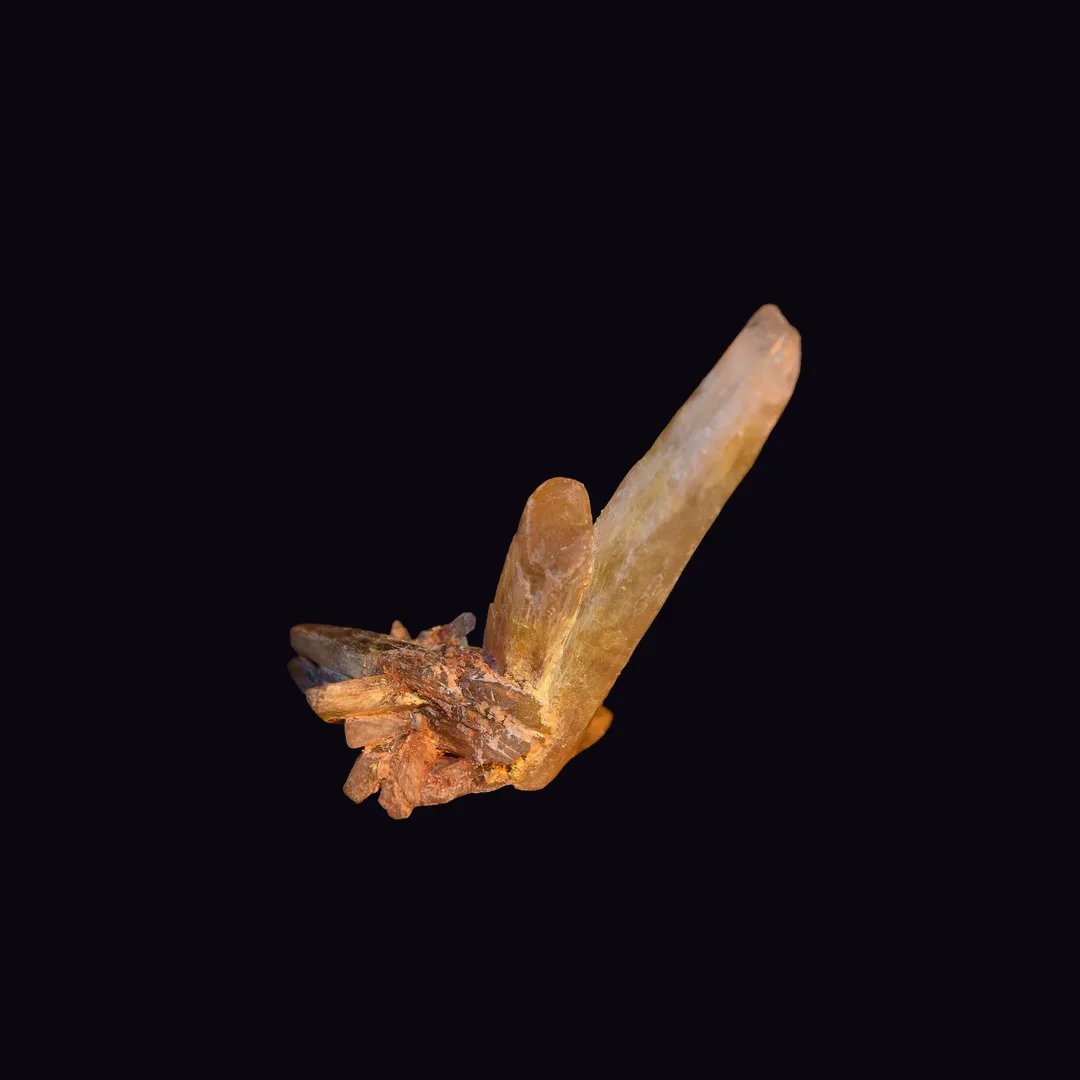 SeleniteRead the entry
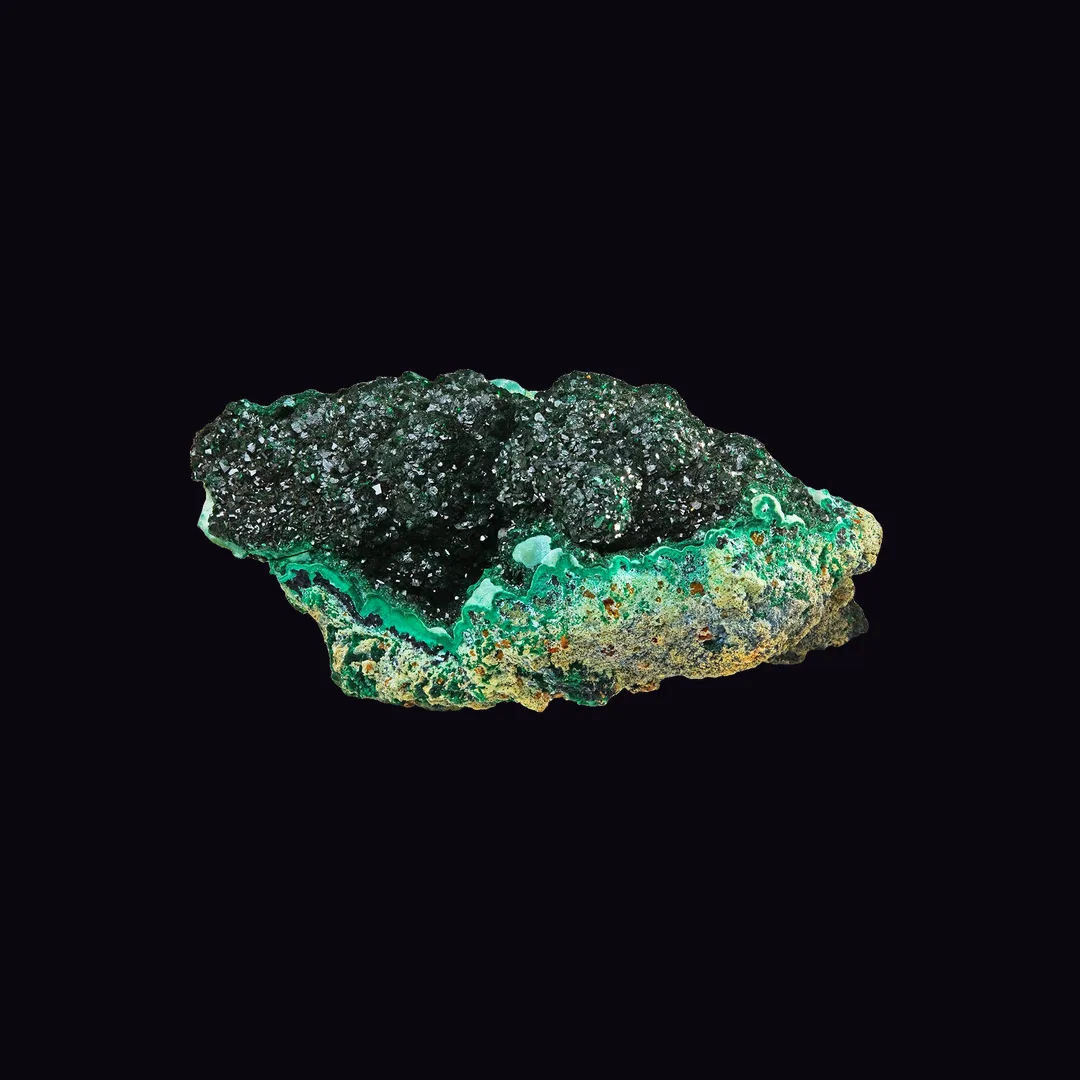 MalachiteRead the entry
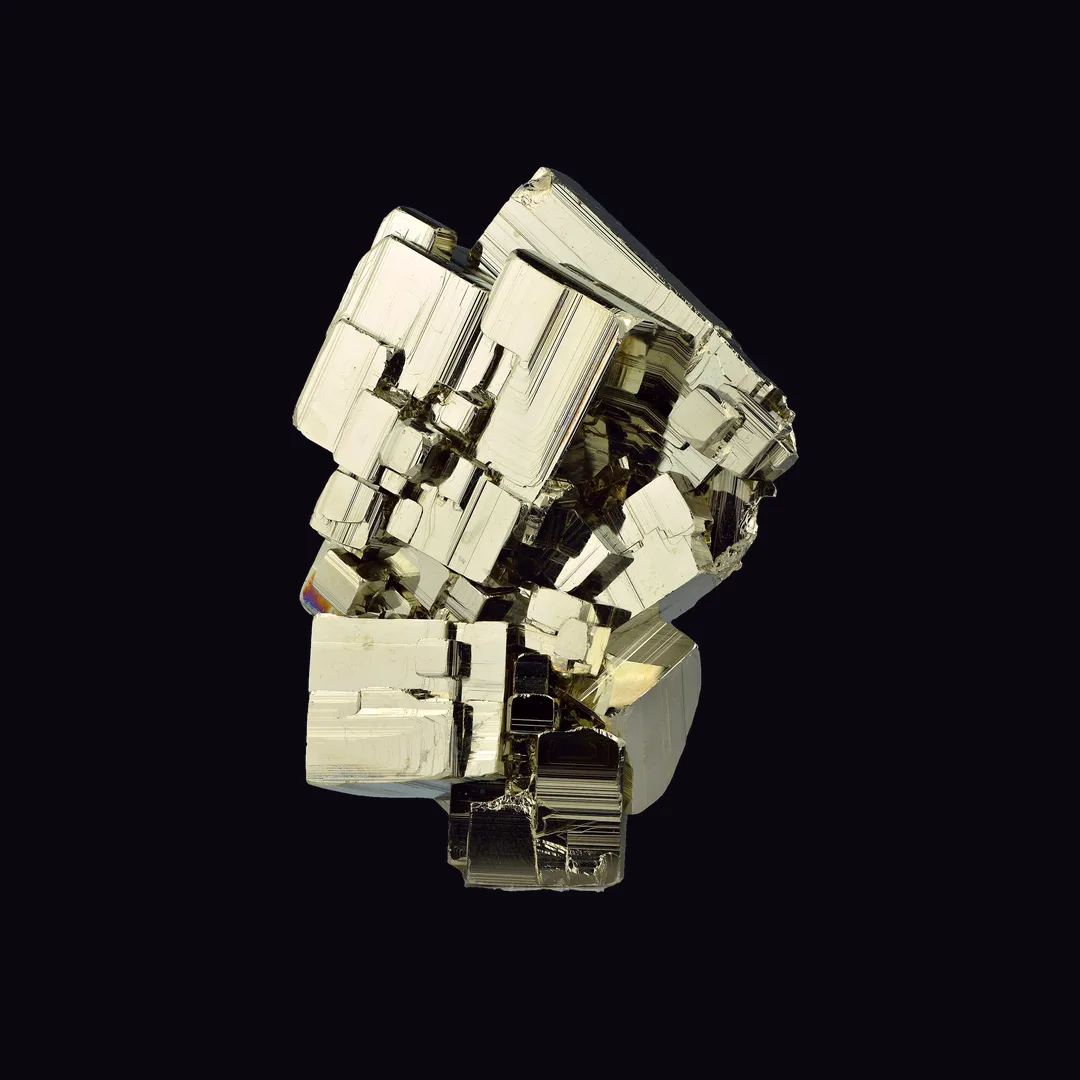 PyriteRead the entry
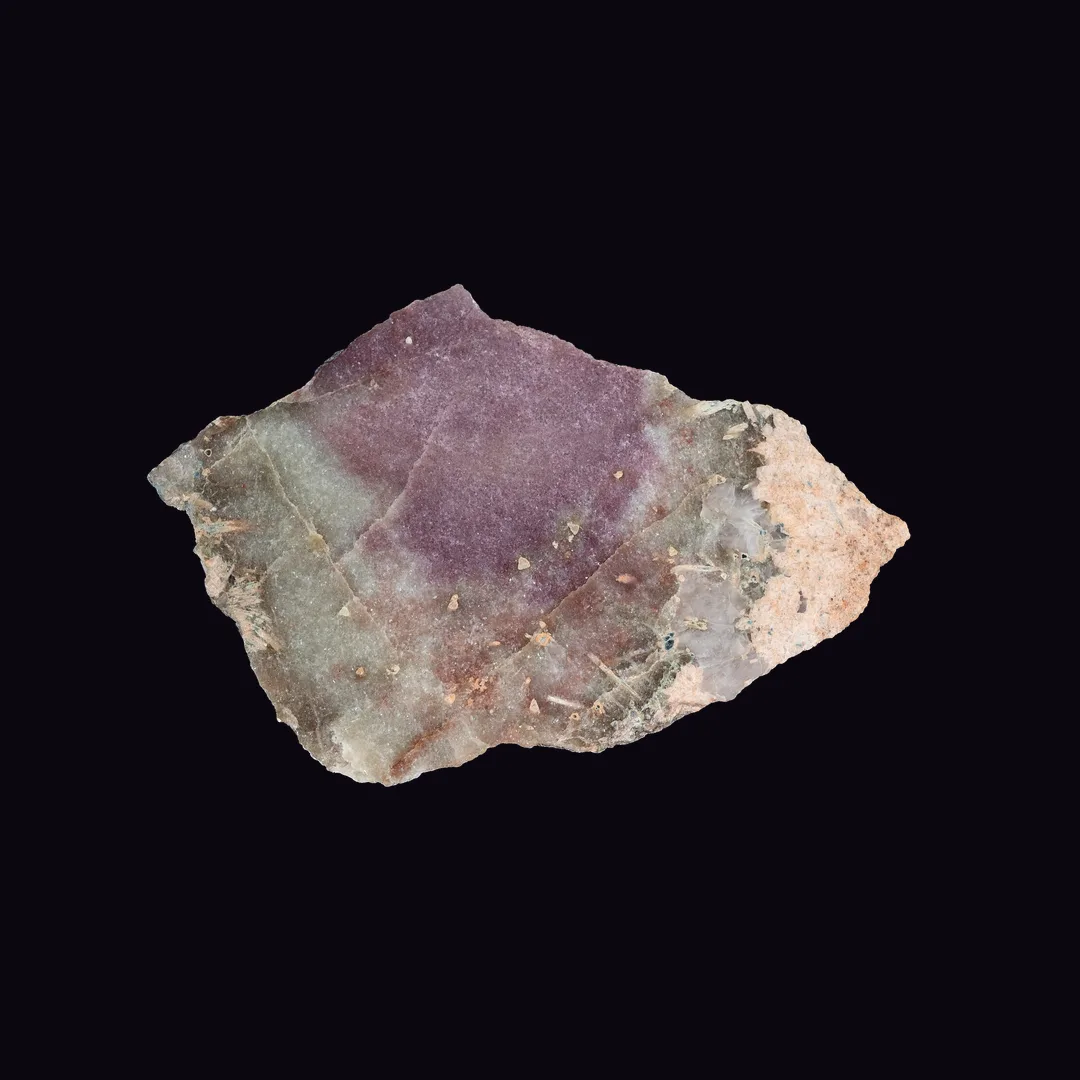 LepidoliteRead the entry
 AmethystRead the entry
 AzuriteRead the entry
 Black ObsidianRead the entry
 Calcite (Coloured Varieties)Read the entry
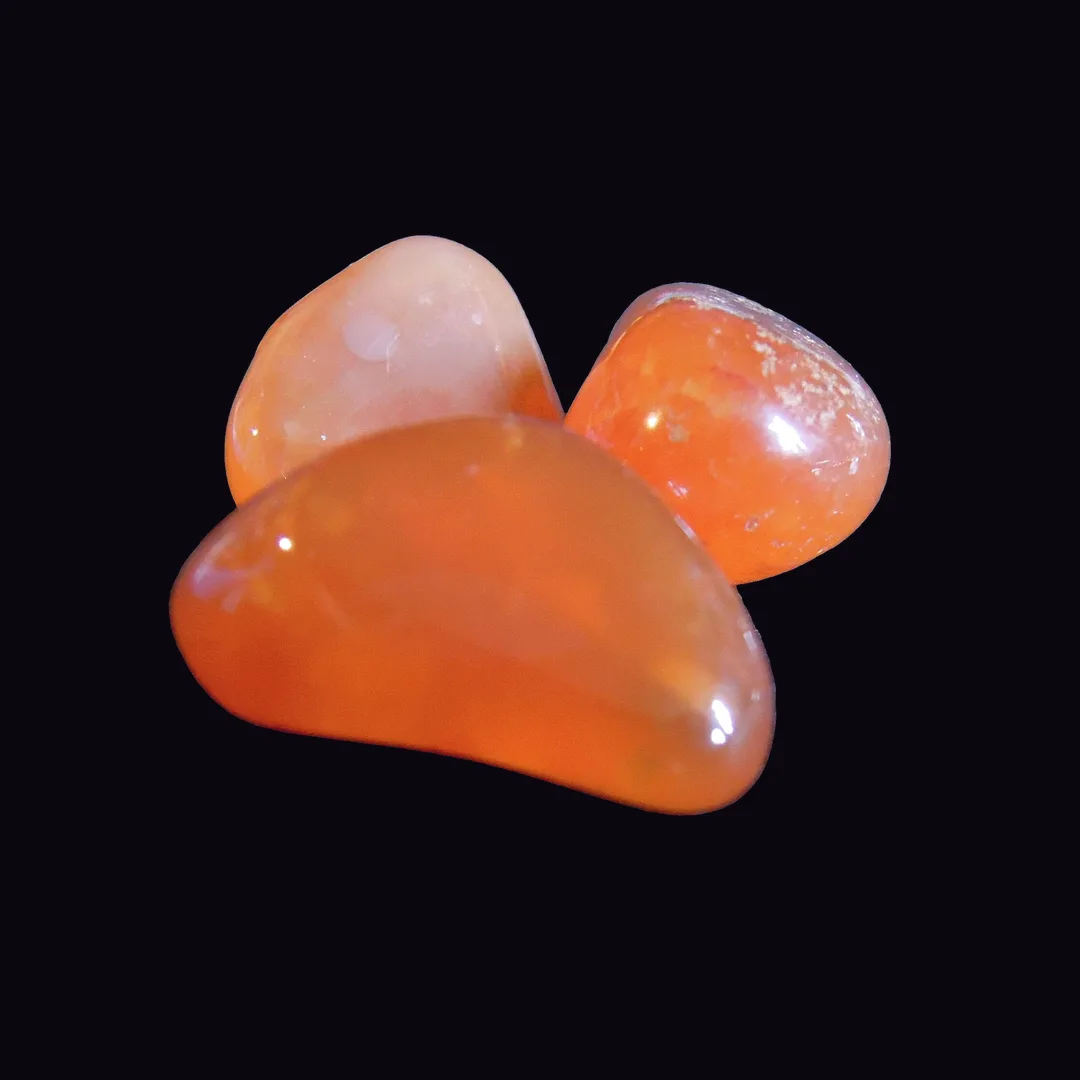 CarnelianRead the entry
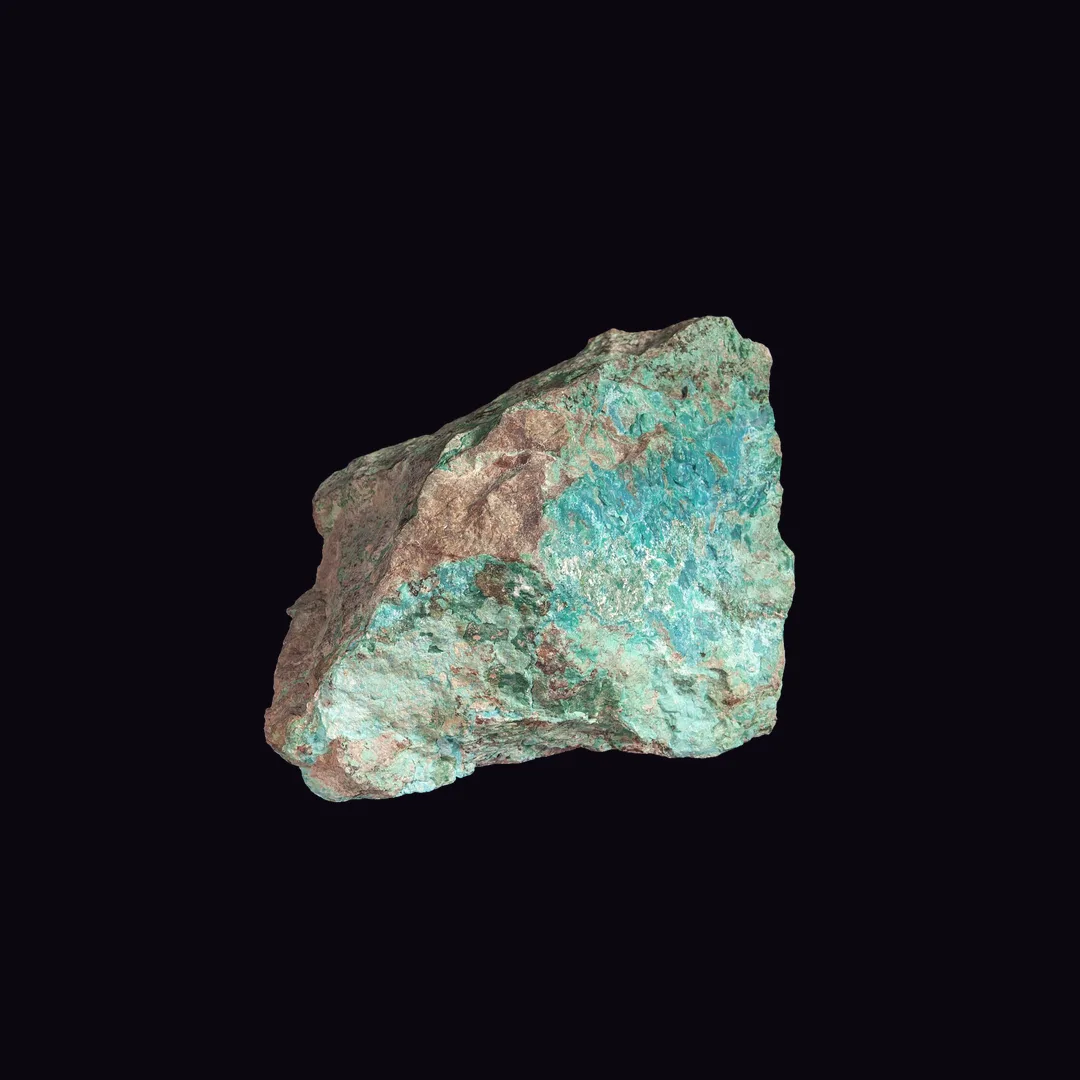 ChrysocollaRead the entry
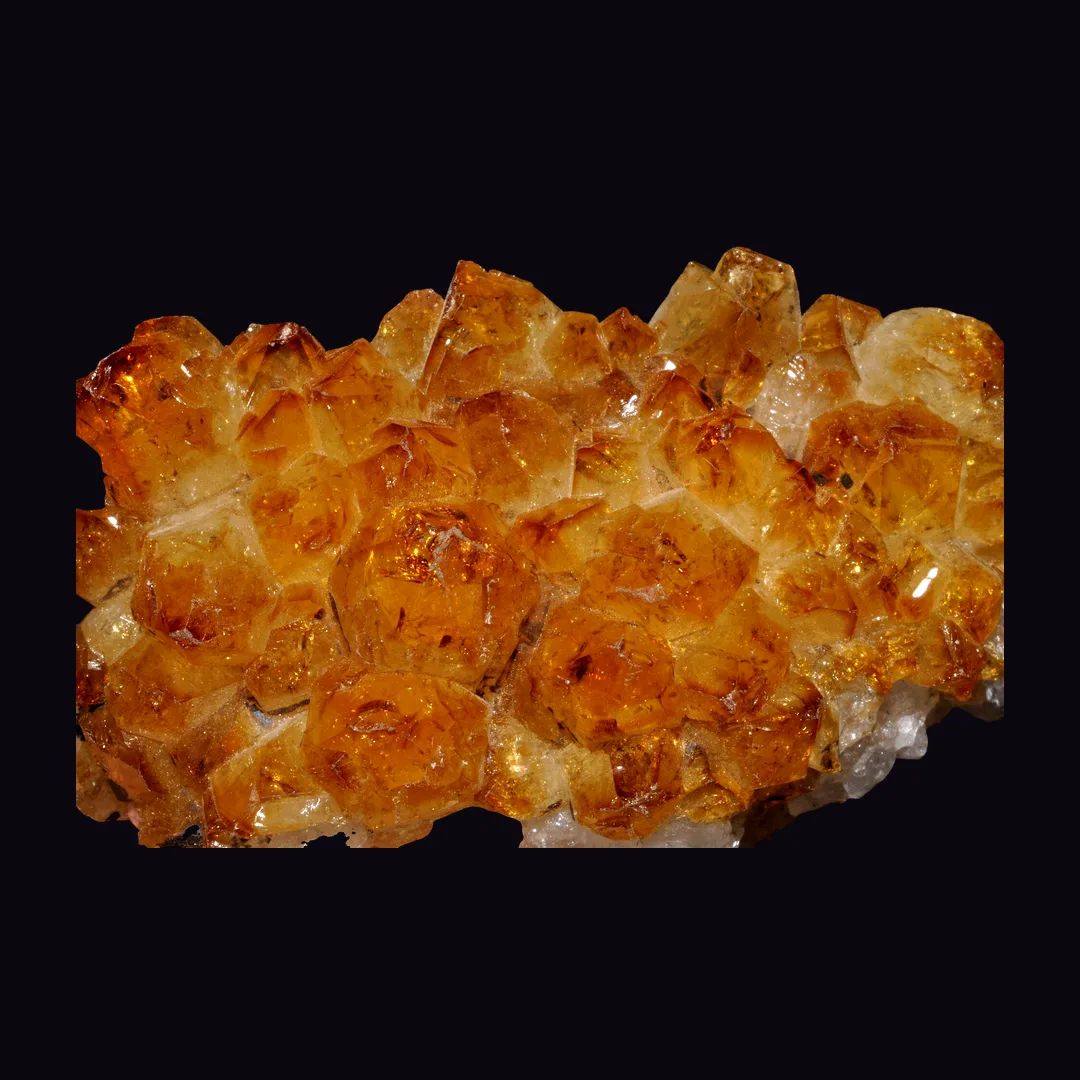 Citrine (Heat-Treated Amethyst)Read the entry
and 12 more named in this piece
Questions people ask
Can you put any crystal in water?
No. Quartz-family stones like clear quartz, amethyst and carnelian are fine. Soft stones (selenite, calcite, halite) dissolve, metallic ones (pyrite, hematite) rust, and copper stones (malachite, azurite) leach toxins. Check the hardness and chemistry before soaking anything, and never drink water a copper or lead stone sat in.
Which crystals make water toxic?
Copper stones like malachite, azurite and chrysocolla release copper compounds that are toxic to drink. Lead-bearing galena is worse. Pyrite produces sulphuric acid in water. None of these should ever go in a drinking glass or a crystal water bottle. Use the indirect method instead.
Is it safe to make crystal water or gem elixirs to drink?
Only with the indirect method, where the stone sits outside the water, never in it. Direct-contact elixirs are risky because you often cannot be sure what a stone is or what it will leach. The tests get you most of the way. Scan an unknown stone before it goes anywhere near water you plan to drink.