Is Malachite Toxic? What the Copper Actually Does (and Water Rules)
Care and cleansing · 6 min read · 8 August 2026
Malachite is copper carbonate. Polished and in your pocket it is fine. As dust, or sat in your water bottle, it is not. Here is exactly where the line is.
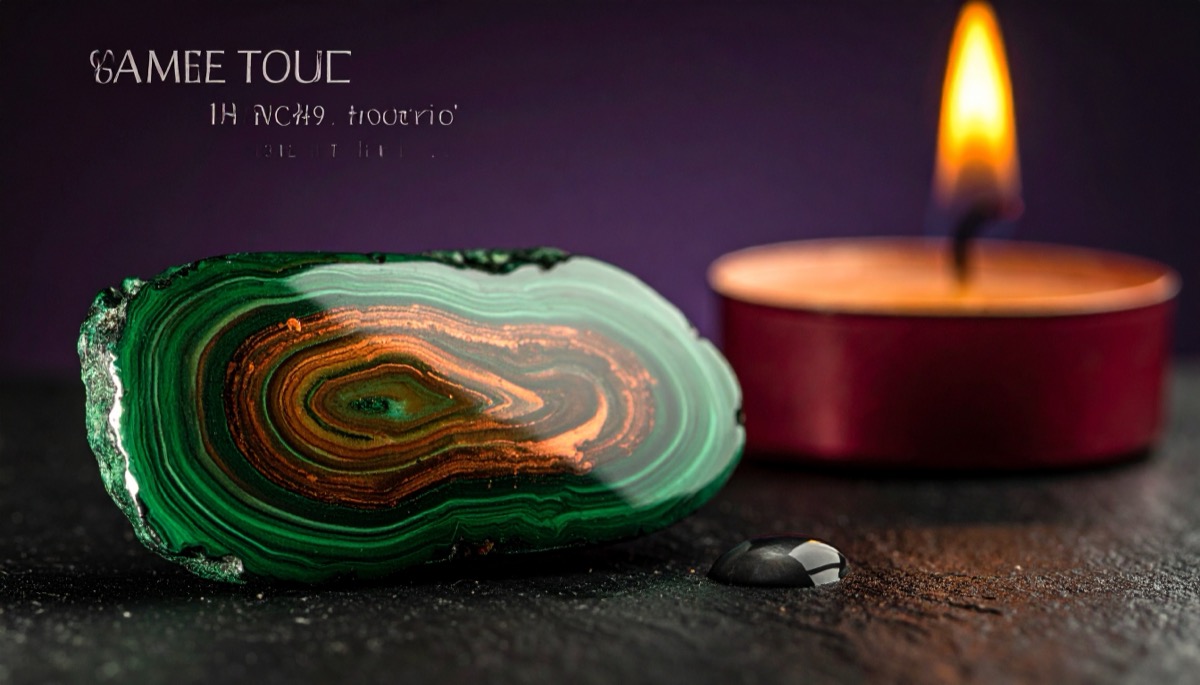
Malachite forms where copper ore sits in wet ground. Water and air work on it for a very long time, and the green builds up in bands, layer over layer.
So the green is copper. Not copper-coloured. Copper.
That is fine on a shelf and fine in your pocket. It stops being fine the moment it becomes dust, or the moment it goes in a drink.
You have read the frightening version and the dismissive version and neither one helped. One made you scared of a stone you love. The other made you feel silly for asking.
You were right to ask.
Yes, malachite is toxic, but not in the way most posts make it sound. It is copper carbonate, and the danger is the dust and the water, not holding it. A polished, sealed malachite stone is safe to carry and wear. Ground into powder or soaked into a drink, the copper becomes a real problem.
What the copper actually is
Malachite is copper(II) carbonate hydroxide, formula Cu2CO3(OH)2. That green banding you love is literally the copper. Copper is an essential nutrient in tiny amounts, but copper salts, the soluble compounds that form when malachite breaks down, are toxic if you ingest them. They irritate the gut and, in quantity, do real damage.
Two things make malachite specifically riskier than most copper minerals. It is soft, a 3.5 to 4 on the Mohs scale, so it powders easily. And it is water-reactive, so contact with moisture starts pulling those copper compounds loose. Put those together and you get the two hard rules.
The two rules that matter
Never grind it, sand it, or breathe the dust. Raw and freshly cut malachite sheds fine green copper dust. You do not want that in your lungs or on your food. If you are carving, drilling or tumbling it, that is a job for wet cutting and a respirator, not your kitchen table.
Never put it in water or your mouth. No elixirs, no water bottles, no soaking to "cleanse" it. Water corrodes the surface and releases copper into whatever it is sitting in. This is chemistry, not superstition. The stone dulls and you get contaminated water.
Safe vs not safe, at a glance
| Situation | Safe? | Why |
|---|---|---|
| Holding a polished stone | Yes | Copper stays locked in the sealed surface |
| Wearing polished malachite jewellery | Yes | No dust, no water contact, low risk |
| Handling raw or freshly cut pieces | Caution | Sheds copper dust, wash hands after |
| Grinding, sanding or dry-cutting | No | Releases respirable copper dust |
| Soaking it or putting it in water | No | Corrodes and leaches copper |
| Direct elixir or crystal water bottle | No | Copper compounds are toxic to drink |
| Keeping it on a food or drink surface | No | Dust transfer onto things you eat |
Raw vs polished: this is the real dividing line
Most of the fear online lumps all malachite together. It should not. A polished, sealed palm stone or a cabochon in a ring has its surface locked down. The copper is not going anywhere unless you actively abrade it. You can hold that stone all day.
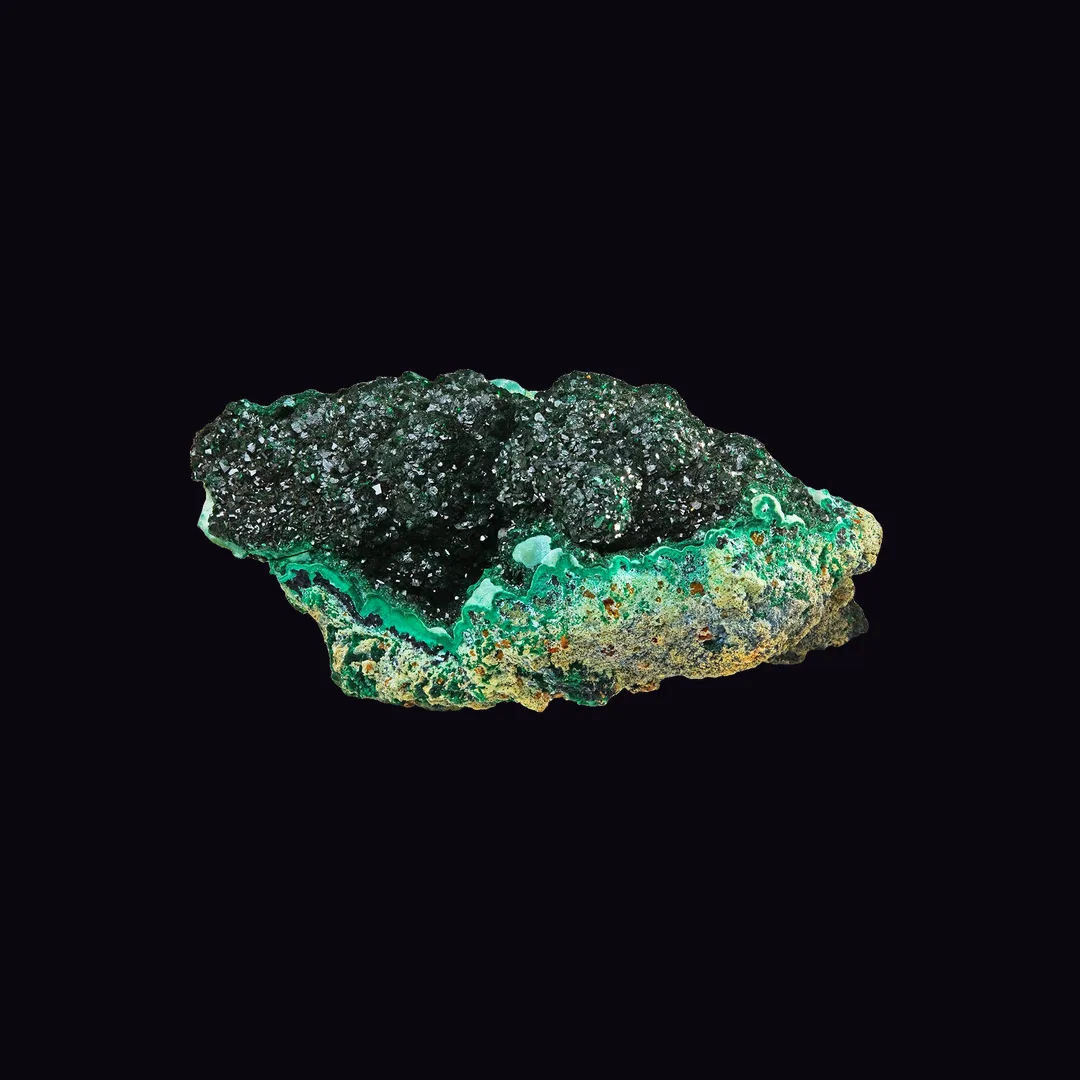
Raw malachite is different. Those velvety botryoidal clusters and rough chunks shed a little green onto your fingers, and that green is copper. Nothing terrible happens from picking one up. But you wash your hands after, you keep it off the counter where you make food, and you do not let kids or pets treat it like a toy. Simple containment, not a hazmat situation.
The honest limit here: "polished" is doing a lot of work, and not every seller seals their stock well. If your polished piece is chipping, flaking or leaving green residue, treat it like raw material until you know better. When you cannot tell whether what you bought is genuine sealed malachite or a dyed, resin-bound imitation shedding who-knows-what, scan it to be sure before you wear it against your skin.
Malachite is not alone in the copper family
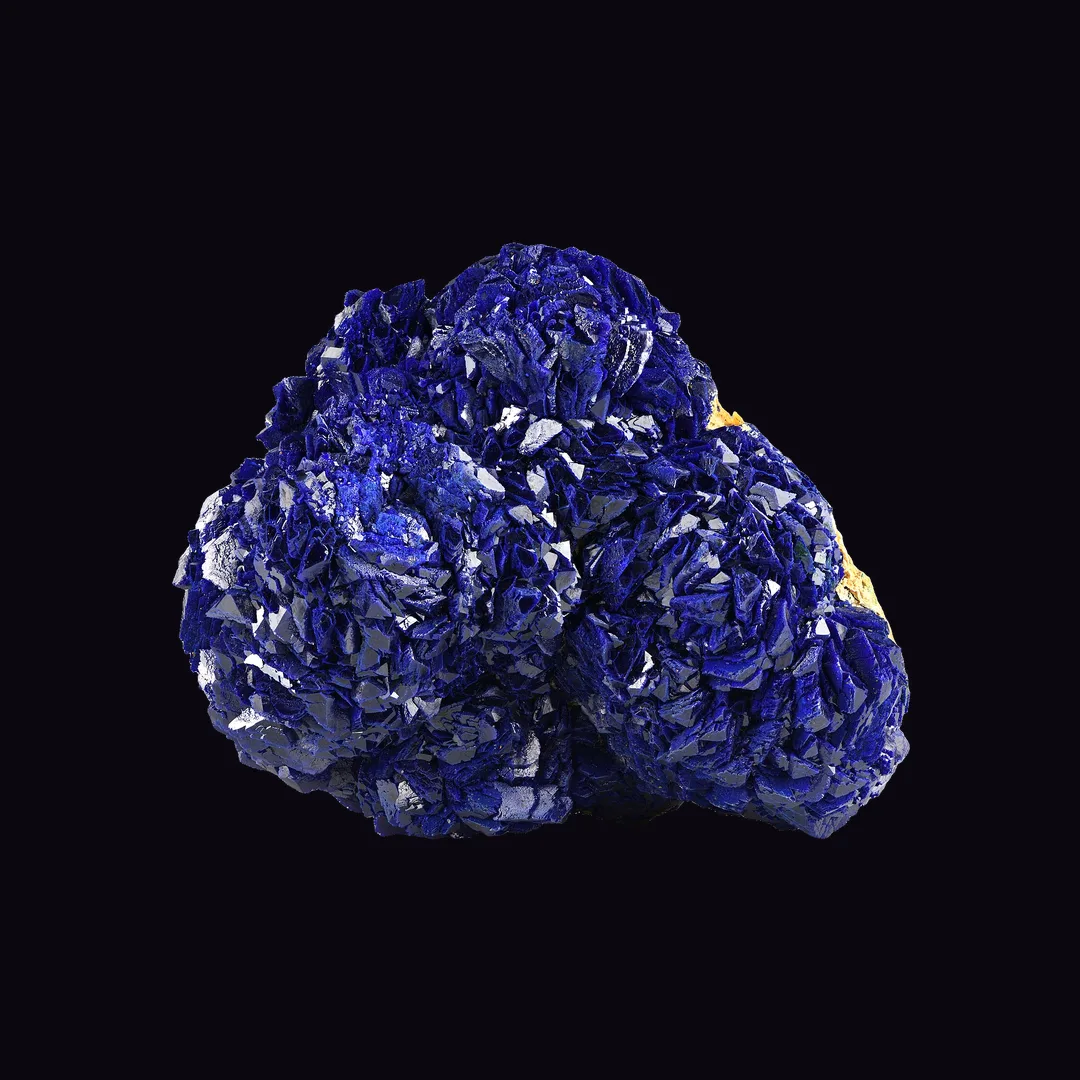
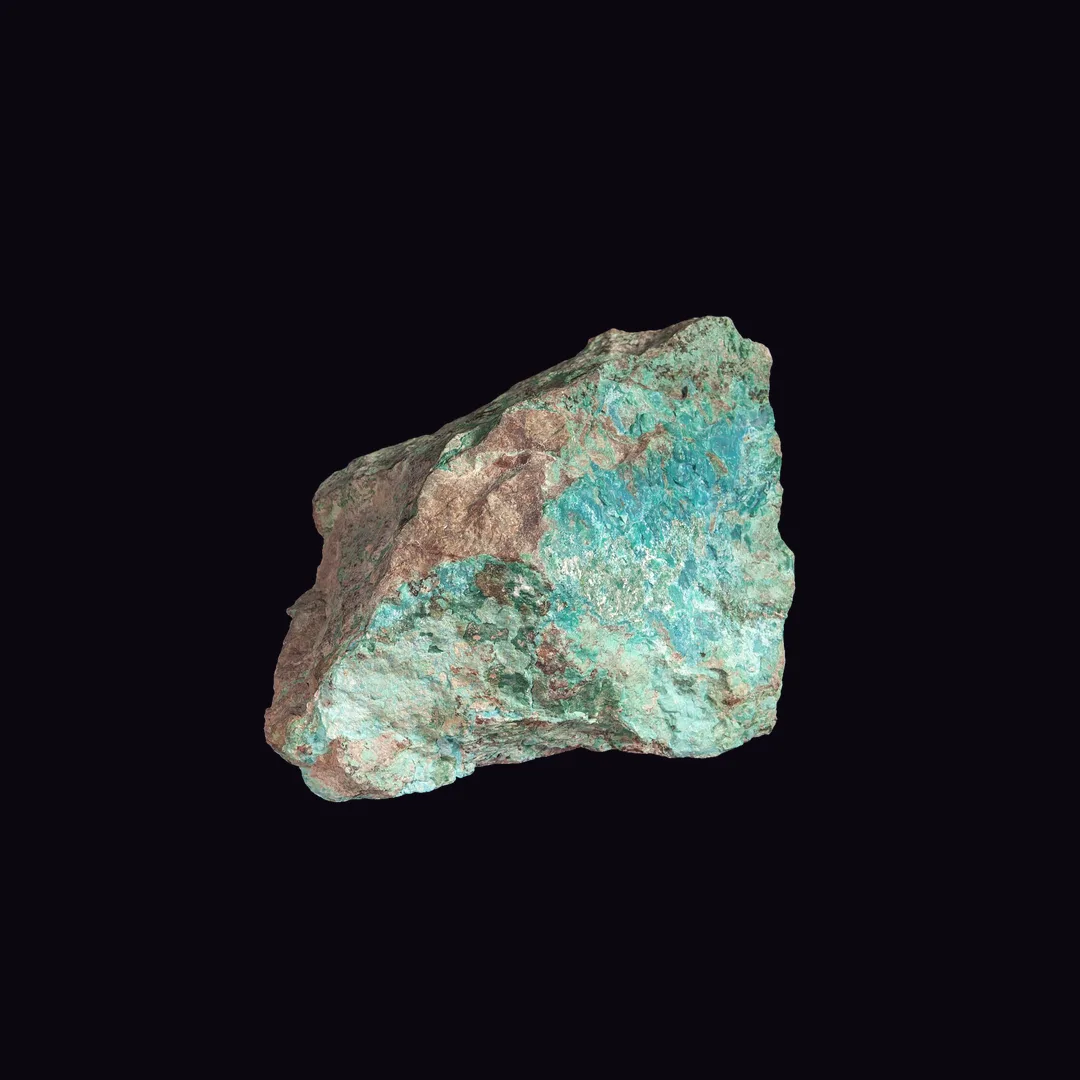
If malachite worries you, know that its neighbors follow the same rules. Azurite is chemically almost identical, a blue copper carbonate, and it is toxic and water-reactive in exactly the same way. Chrysocolla is a copper silicate, softer and more porous, and the same "no water, no dust, wash your hands" logic applies to the raw and chalky material.
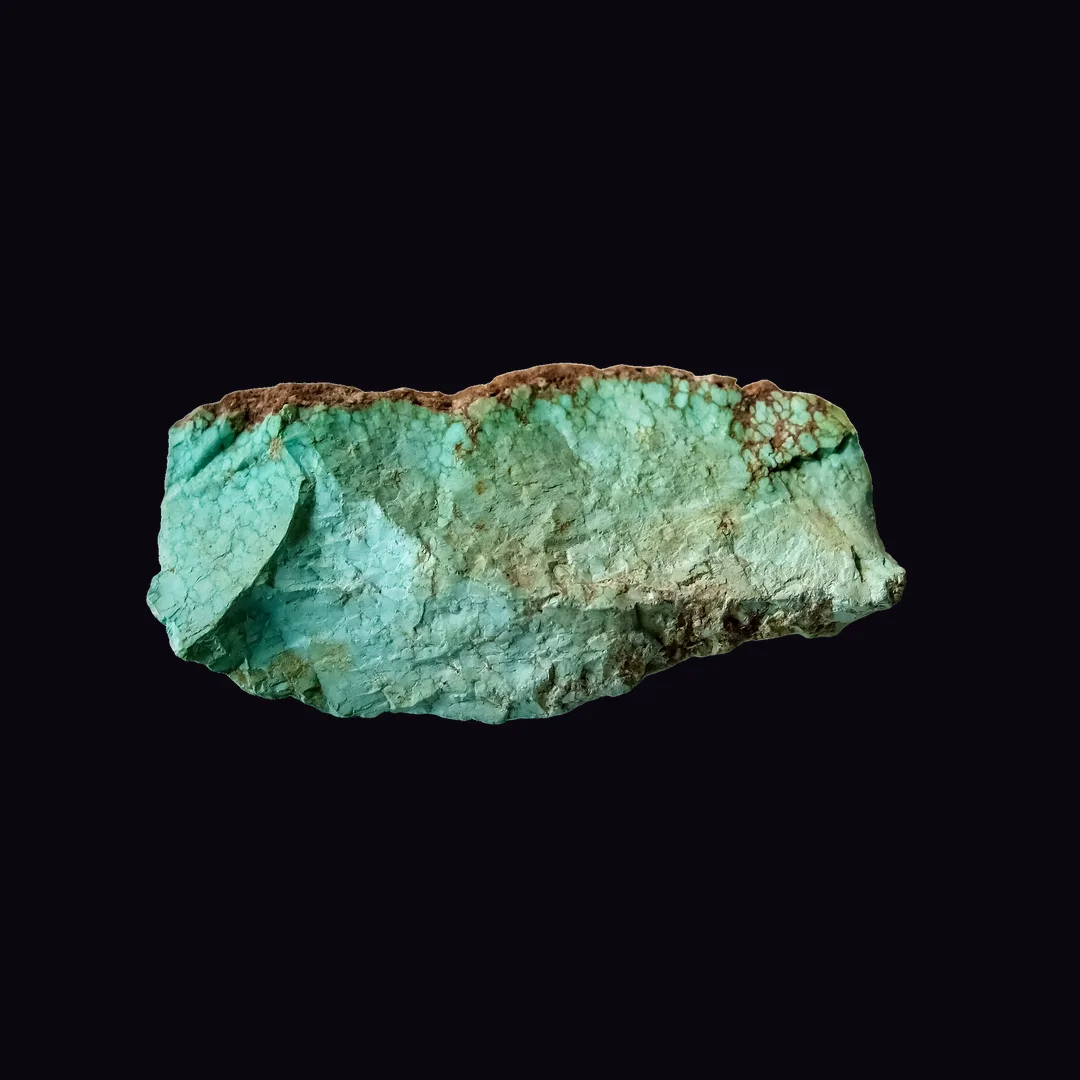
Turquoise also contains copper, but here is where chemistry saves you: in turquoise the copper is locked in a stable, insoluble phosphate. It is not a handling hazard the way malachite is. Turquoise's problem is porosity, not toxicity. It soaks up water and sweat and discolours, which is a care issue, not a poisoning one. This is why "contains copper" is not the whole story. The form the copper takes decides everything.
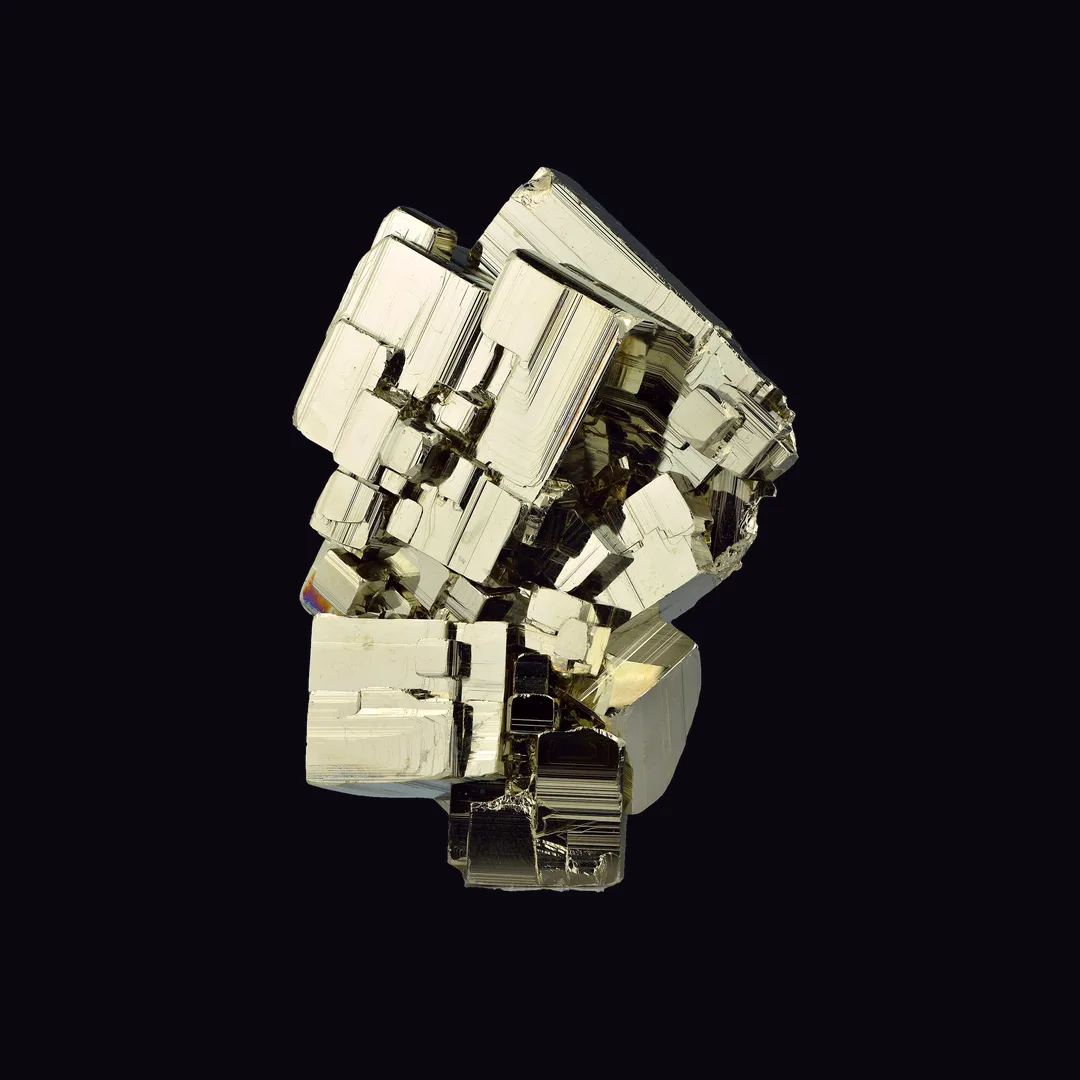
Pyrite is worth a mention too, since people often store it with malachite. It is iron, not copper, but it is another stone that should never go in your drinking water because oxidising pyrite produces sulphuric acid. Different mineral, same "keep it out of your glass" conclusion.
What actually happens if some gets on you
Because the fear online runs hot, here is the calm version. Brief skin contact with malachite, even raw, is not going to hurt you. Copper is not absorbed meaningfully through intact skin from a solid stone. The realistic risks are ingestion and inhalation: dust on your hands that ends up in your mouth or your food, or fine powder you breathe while cutting. Both are avoidable with two habits, wash your hands and do not dry-cut.
Kids and pets are the real reason to be careful, not you. A small child who mouths a raw malachite chunk, or a pet that gnaws one, is the scenario worth preventing. Display pieces up high or behind glass, and this whole topic becomes a non-issue.
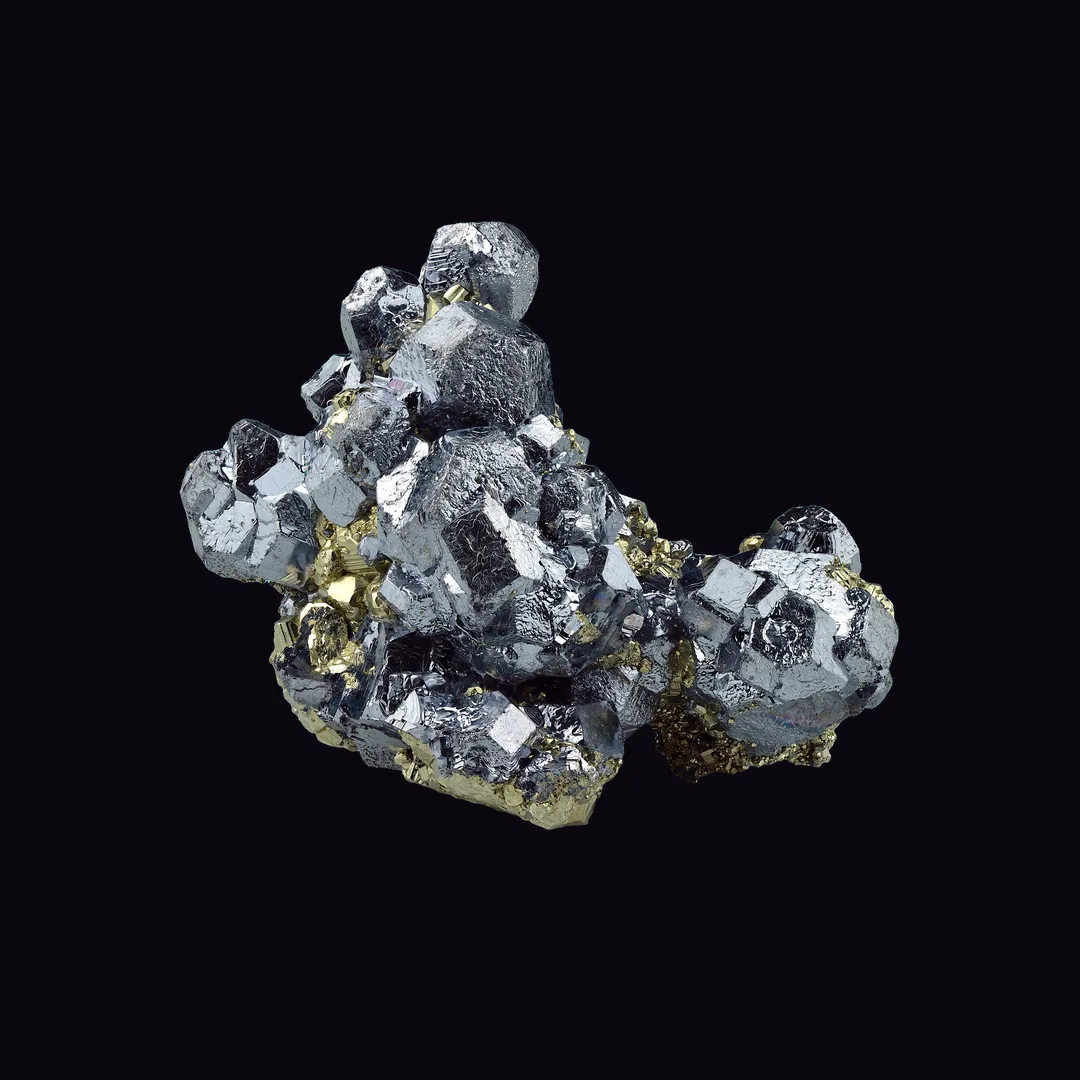
The stone that genuinely deserves more caution than malachite is galena, which is lead sulphide. If you own any, that one you do not wash, do not pocket, and keep in a labelled container away from children. Malachite is a "wash your hands" stone. Lead is a "gloves and a sealed box" stone. Worth knowing the difference so you spend your worry where it counts.
The other stone people underestimate
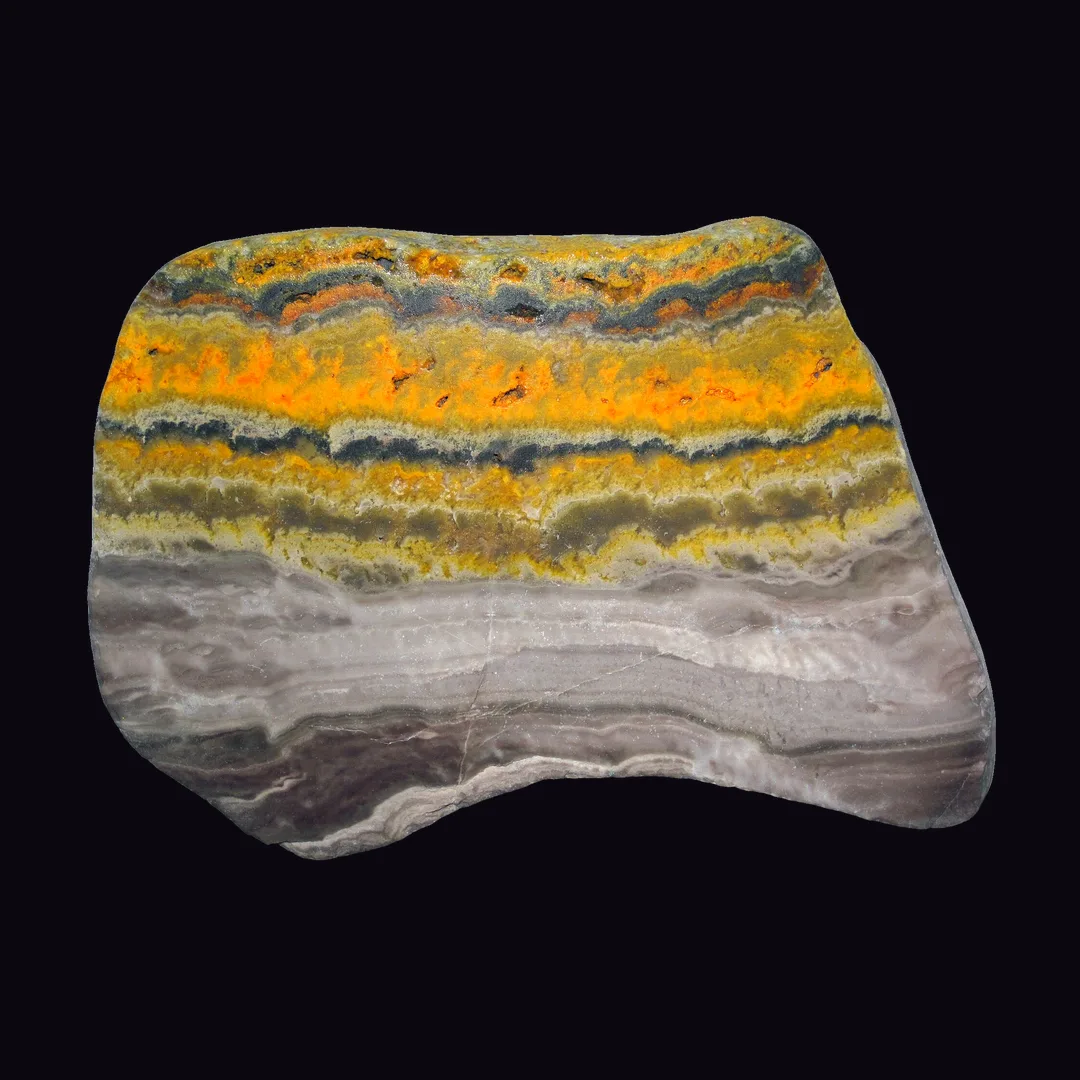
Galena is not the only one worth naming. Bumblebee jasper is not jasper at all. It is a banded calcite and anhydrite rock carrying sulphur and arsenic sulphides, mainly realgar. The bright yellow that makes it look cheerful is part of why people handle it carelessly. Polished, sealed pieces are safe to hold. The hazard is dust, swallowing it, and water. Never make an elixir with it, never put it in a water bottle, and never cut, sand or drill it dry. It is soft enough that a steel pin marks it, so chipped edges turn up more often than you would like. Wash your hands after handling raw or damaged pieces.
How to enjoy malachite without the anxiety
Keep it polished, keep it dry, keep it off your food and out of your mouth. That is genuinely the whole care routine.
- Cleaning: dry cloth only. No soaking, no ultrasonic cleaner, no salt.
- Wearing: fine as sealed jewellery. Take it off before you wash your hands or shower so water does not creep under the setting.
- Storing: on its own, somewhere dry, away from anything acidic. Malachite scratches easily, even on a keyring.
- Cleansing rituals: use smoke, sound or moonlight. Never water.
Malachite has a fierce reputation as a protection and transformation stone, and none of that requires you to soak it or drink it. Treat the copper with the small amount of respect it asks for and it will sit on your shelf, gorgeous and completely harmless, for the rest of your life. If you are ever unsure whether the green stone in your hand is real sealed malachite or an imitation, scan it before it touches your skin or your water.
The stones in this piece
Questions people ask
Is it safe to hold or wear malachite?
Yes. A polished, sealed malachite stone or a pendant is safe to hold and wear all day. The copper stays locked in the mineral. The risk only shows up when the stone is ground into dust or put in water, so handle the polished piece freely and wash your hands after raw material.
Can malachite go in water or make an elixir?
No, never. Malachite is copper carbonate and it corrodes in water, releasing copper compounds that are toxic if you drink them. Do not soak it, do not put it in a water bottle, and never make a direct elixir. Use the indirect method with the stone beside the glass instead.
Is raw malachite more dangerous than polished?
Yes. Raw and freshly cut malachite sheds fine green copper dust that you should not breathe or ingest. Polished and sealed stones hold that dust in. If you buy raw chunks, handle them less, keep them off food surfaces, and wash your hands afterward.