Crystals You Shouldn't Keep Together: 7 Pairings That Clash
Care and cleansing · 7 min read · 10 August 2026
Half of this is old crystal lore. The other half is a quartz filing a selenite down to powder inside your pouch. Here are 7 pairings to keep apart.
Quartz is a 7 on the hardness scale. Selenite is a 2. In the same pouch, the quartz is a file.
Carry that pouch in a bag for a week and the selenite comes out scratched white all over. Nothing did it on purpose. It was the walking.
Search this and you get lists about which stones do not get along. Almost nobody mentions the pouch.
You keep them together because you like knowing where everything is. Everything precious lives in one tin, and you can put your hand on it in the dark.
That habit has kept you steady for years. It is also why they are scratched.
Keep selenite away from anything harder than it, don't store malachite loose against soft stones, and don't pile amplifiers like clear quartz and moldavite in with calming pieces. Some of these clashes are about energy pulling in opposite directions. Others are literal: a Mohs-7 quartz will scratch a Mohs-2 selenite to dust.
Wrap the soft ones on their own. A clean sock works.
The two ways crystals "clash"
The mood clash is the witchy read: pairing a stone you use to calm down with one you use to rev up sends mixed signals. Amethyst says slow, carnelian says go. Neither is wrong, they just don't want to sit in the same grid working the same intention. This is preference, not fact, and there's no evidence anything cancels out.
Physical clash is the real one. The Mohs hardness scale runs 1 to 10, and a harder mineral scratches a softer one every time they rub. Toss a quartz point in a pouch with a selenite wand and the selenite loses. Malachite is soft and toxic when its dust gets loose, so it has its own reasons to be stored solo.
The 7 pairings to keep apart
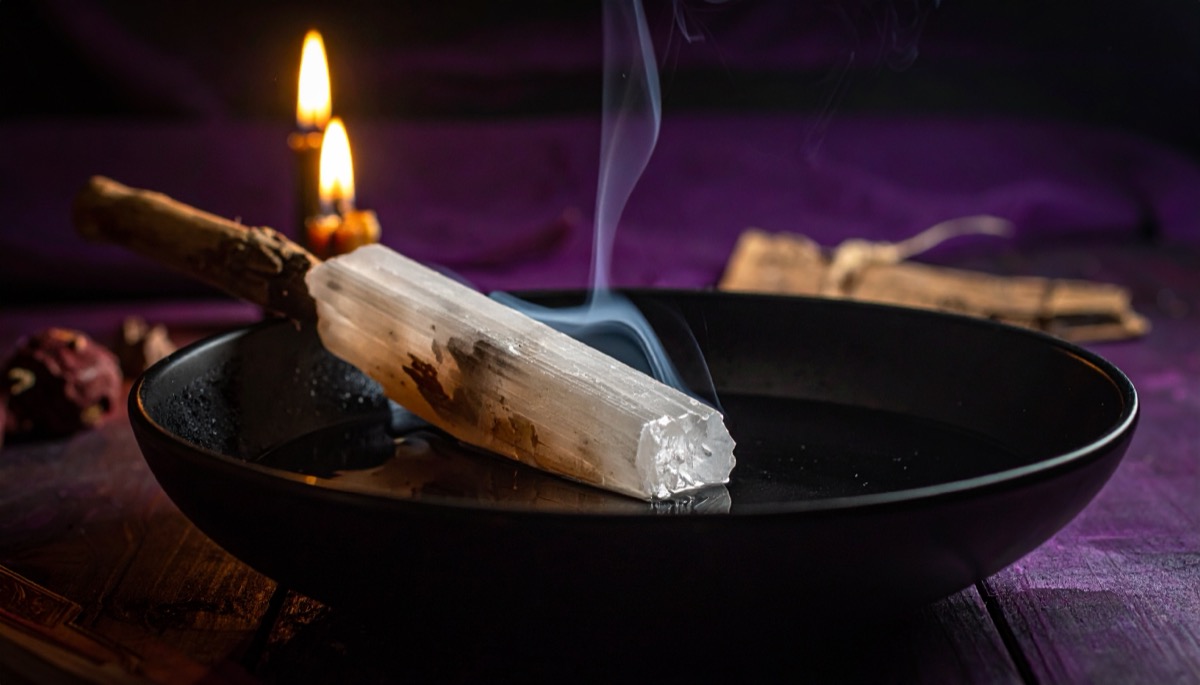
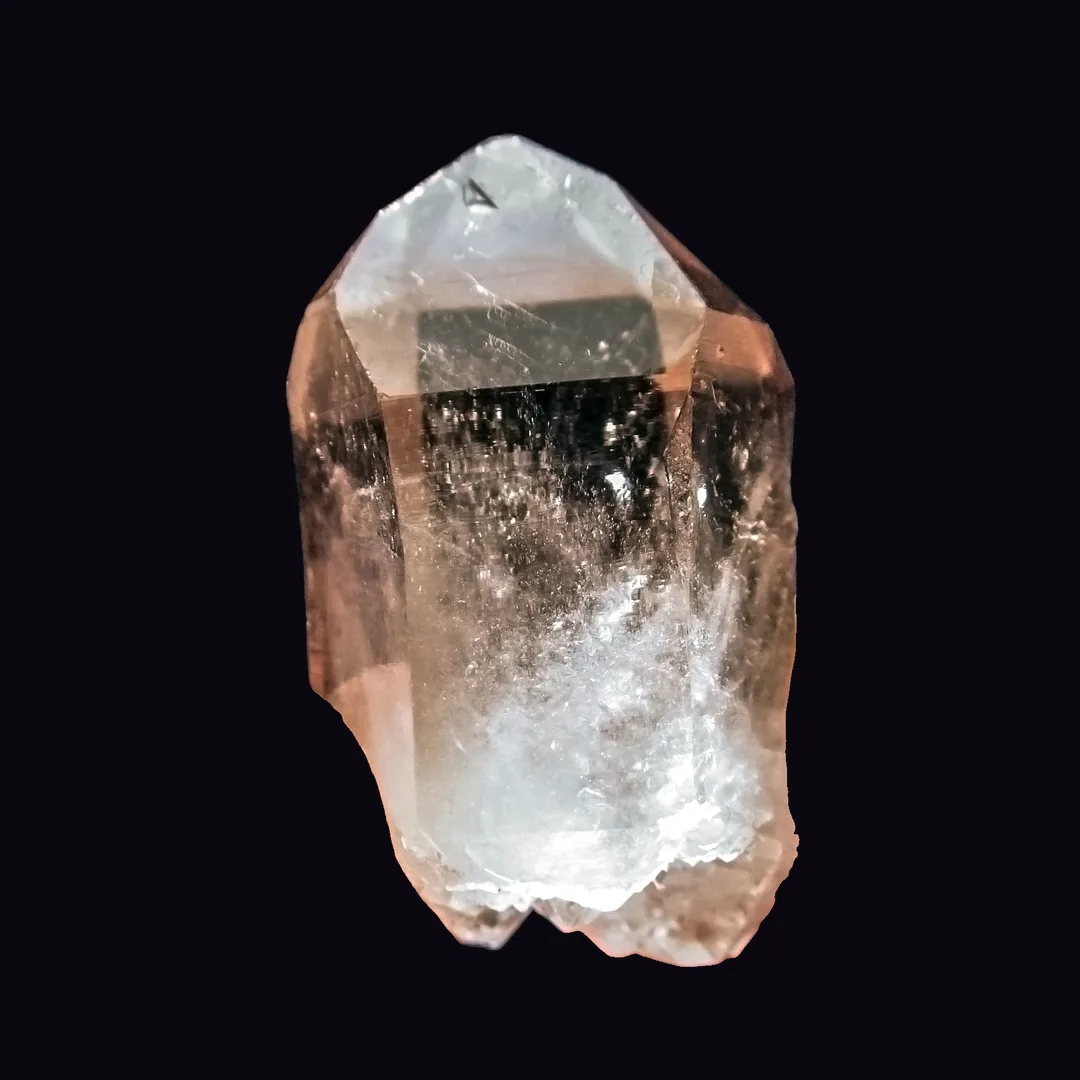
1. Selenite + Clear quartz (or any quartz). Selenite is Mohs 2, one of the softest stones you own. Quartz is a 7. They will not survive the same drawer. Selenite is also water-soluble, so keep it dry and separate from everything.
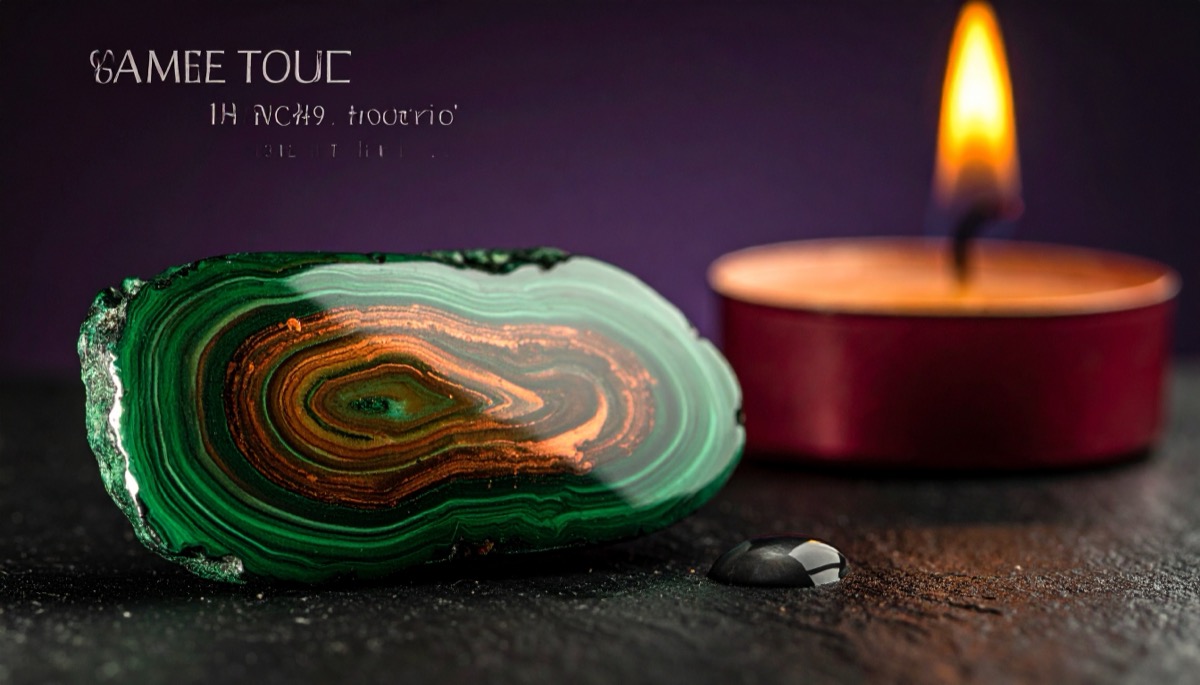
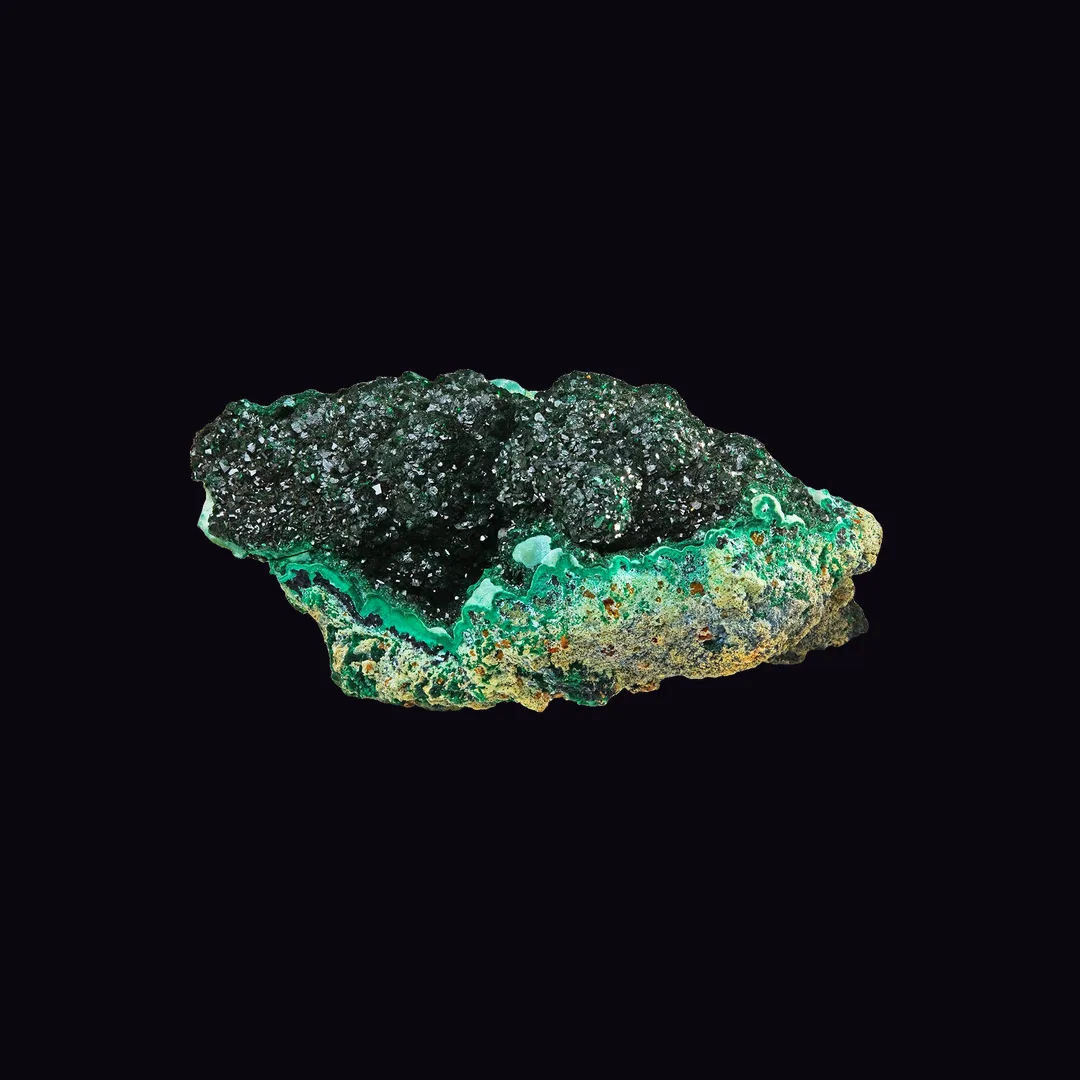
2. Malachite + soft stones. Malachite is soft (3.5 to 4) and contains copper, which makes its dust genuinely toxic to handle. Storing it loose means it can both get scratched and shed powder onto your other pieces. Wrap it, store it alone, wash your hands.
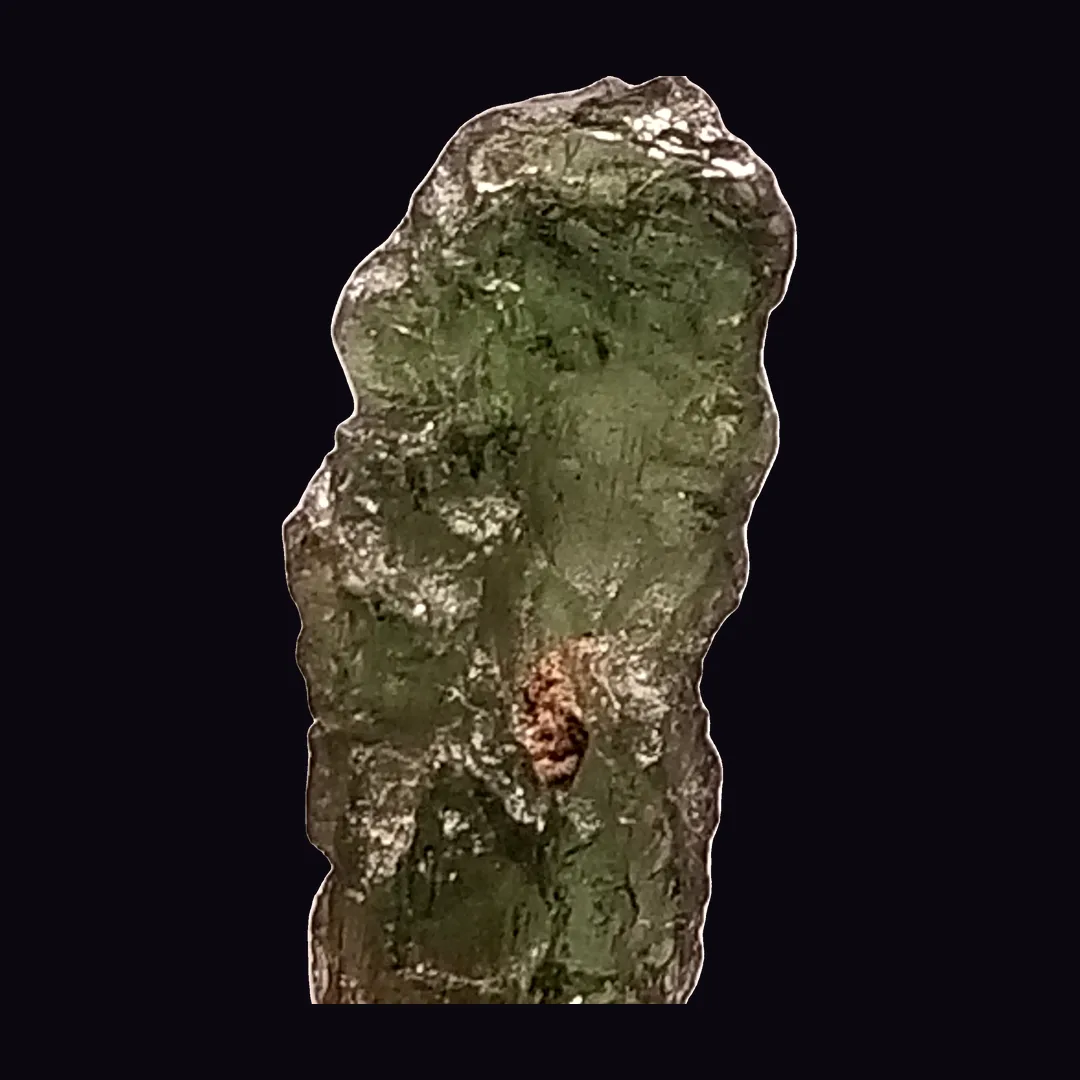
3. Clear quartz + Moldavite. Two amplifiers together is the "too much" pairing everyone warns about. Clear quartz turns up whatever's around, and moldavite is already the most intense thing in most collections. If moldavite feels like a lot on its own, don't hand it a megaphone.
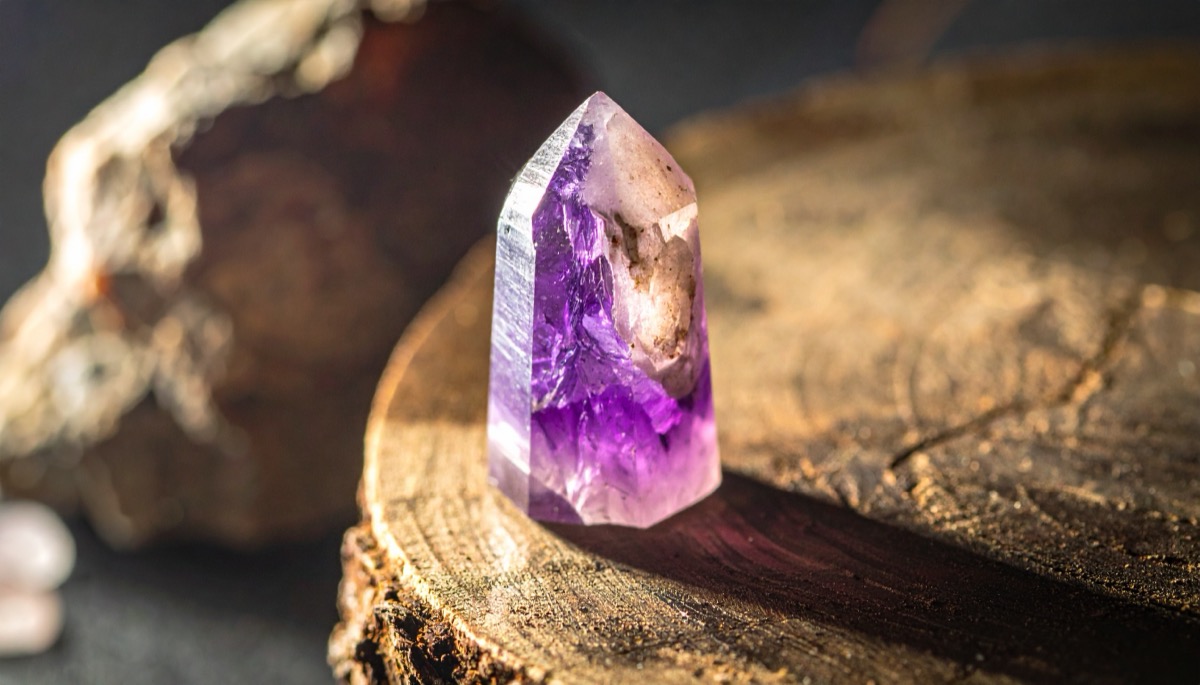
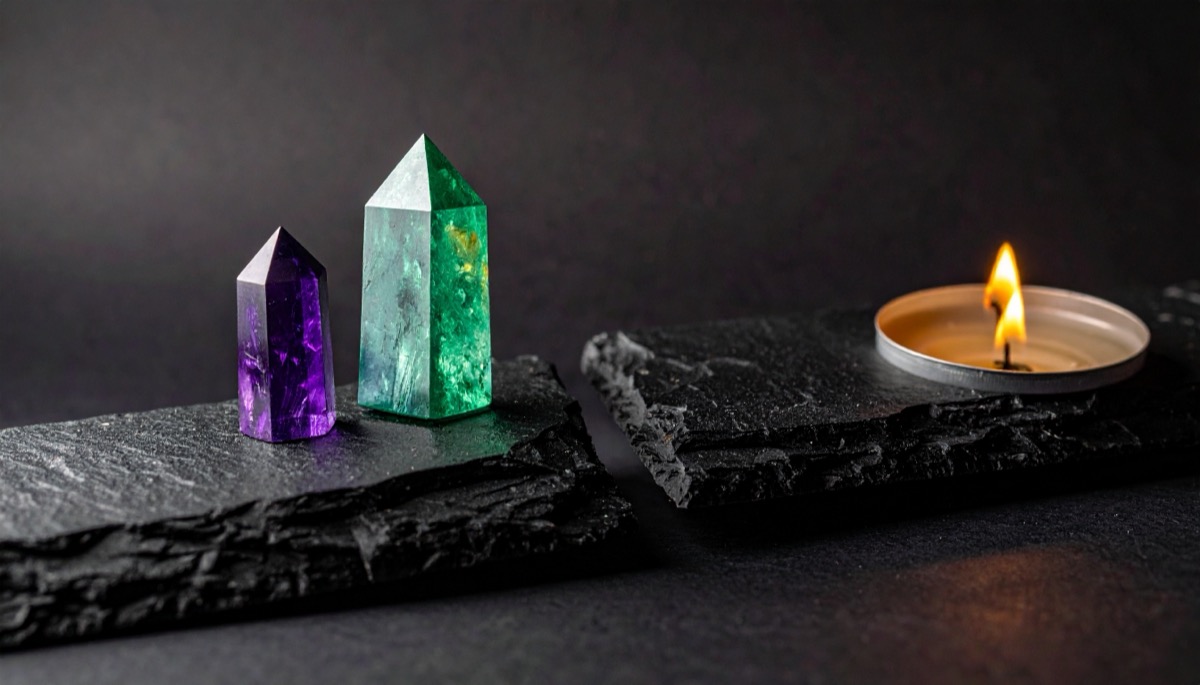
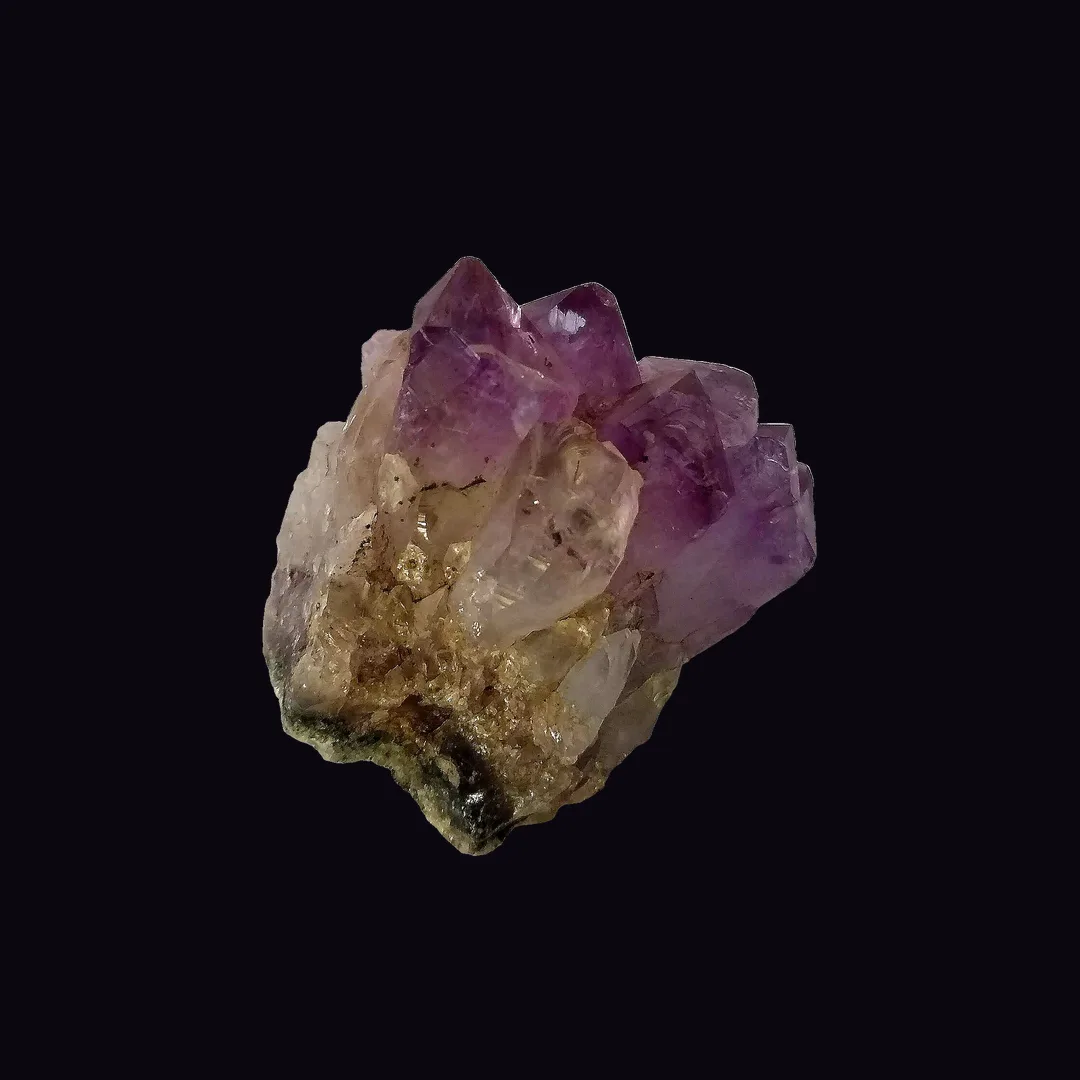
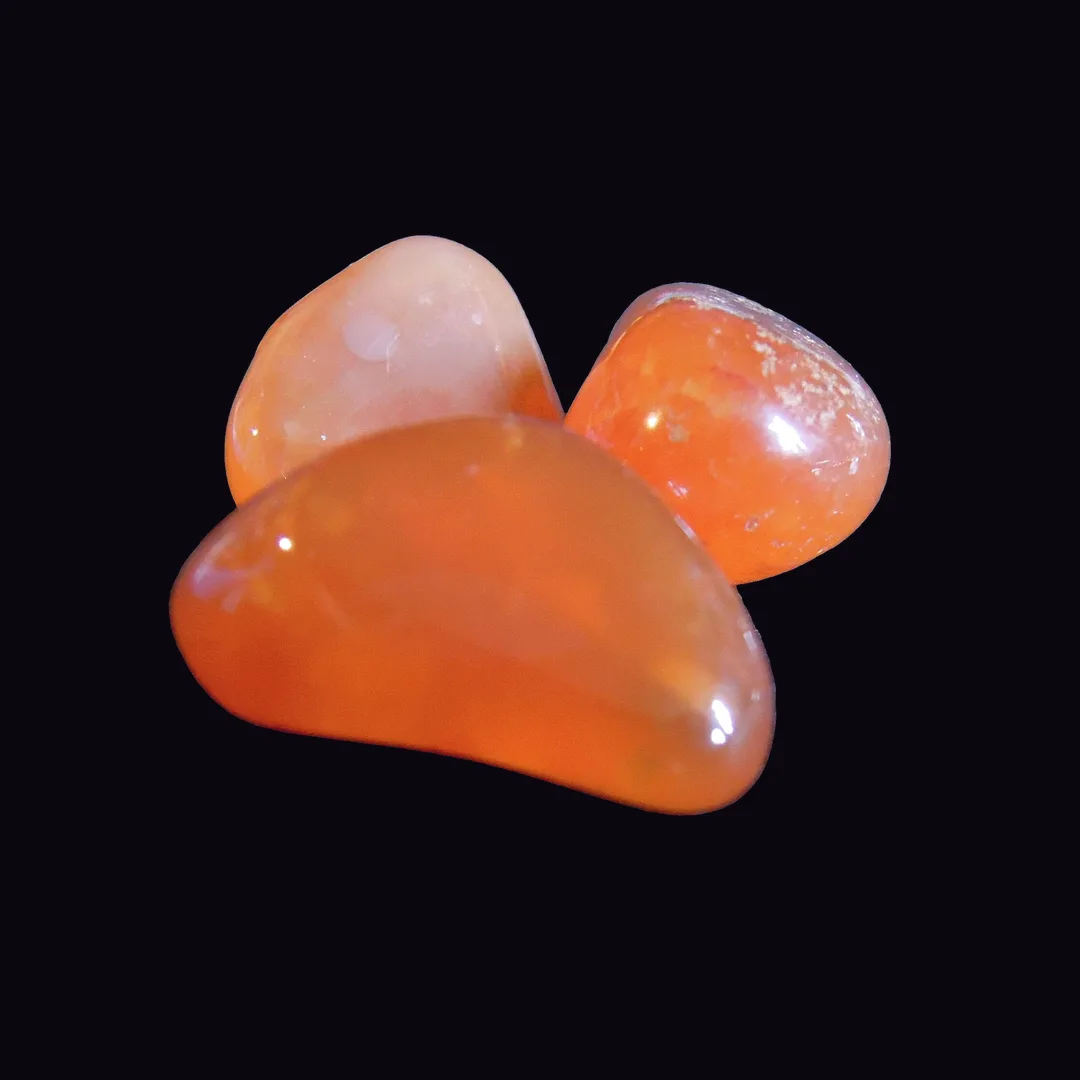
4. Amethyst + Carnelian. The textbook calm-versus-fire clash. Amethyst is your wind-down stone, carnelian is your hype stone. Keep them in different rooms doing different jobs rather than fighting over one shelf.
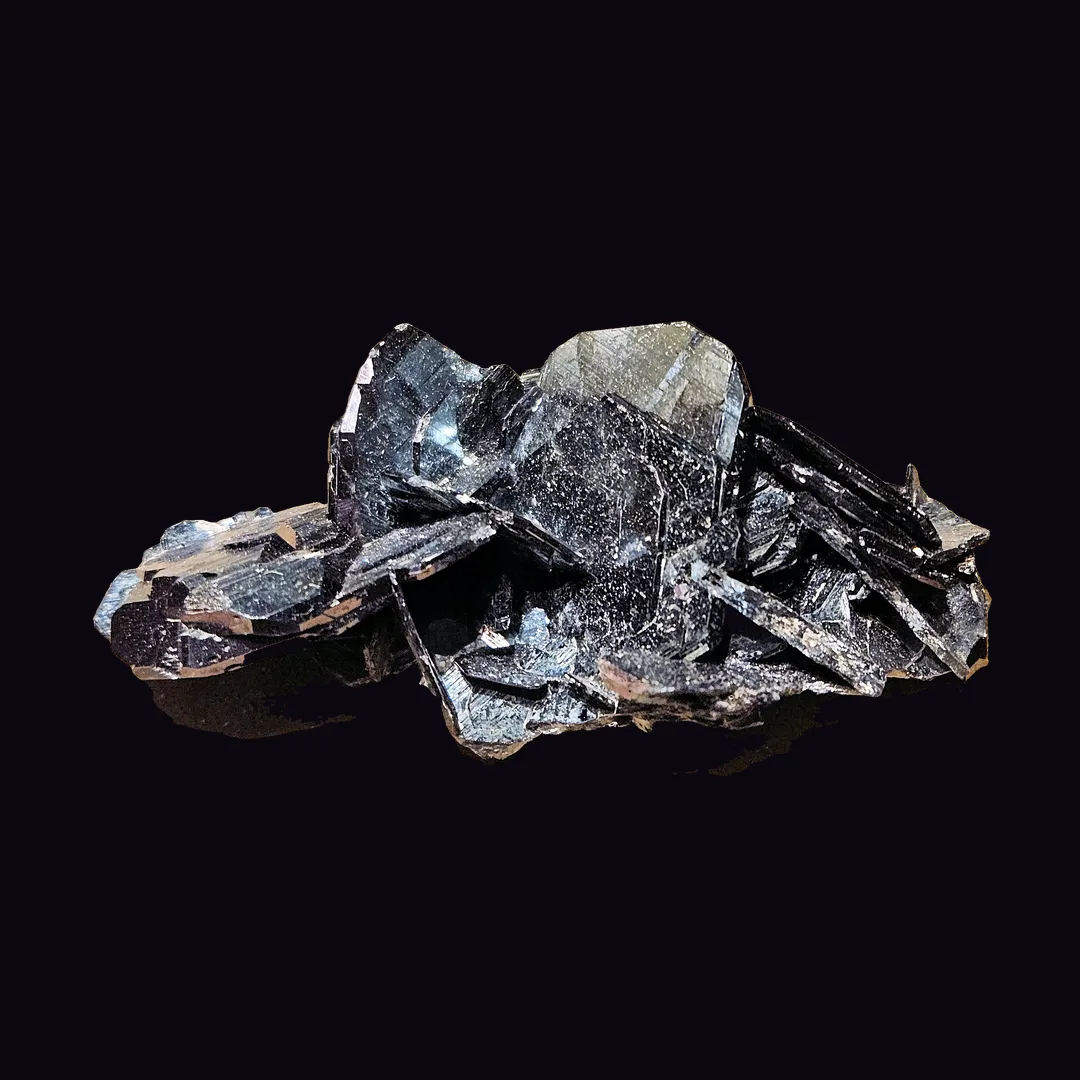
5. Hematite + softer stones. Hematite is dense, heavy, and hard (5 to 6.5), so it dings and scratches lighter tumbles when they knock around together in a bag. It's also iron-based and can rust, which you don't want transferring.
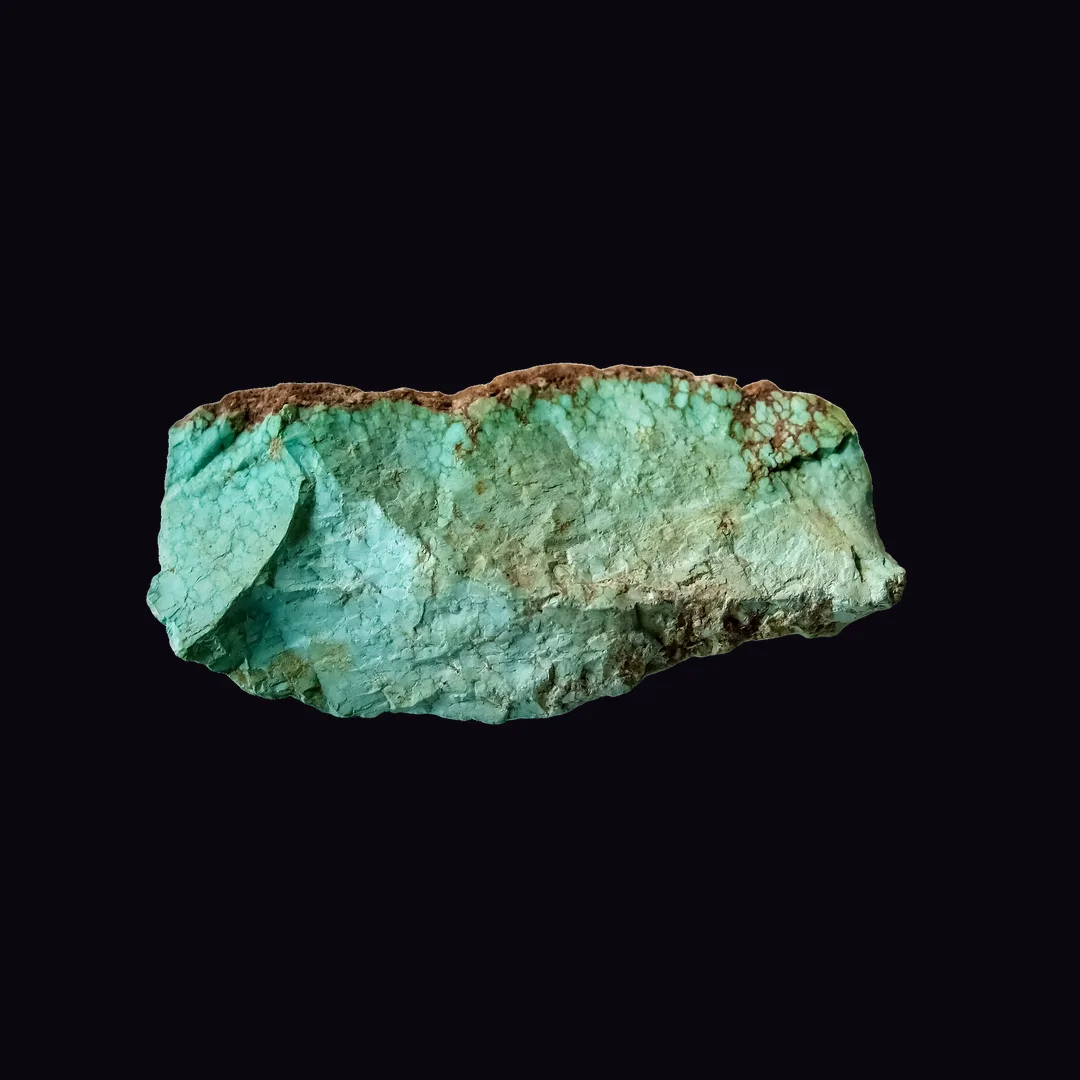
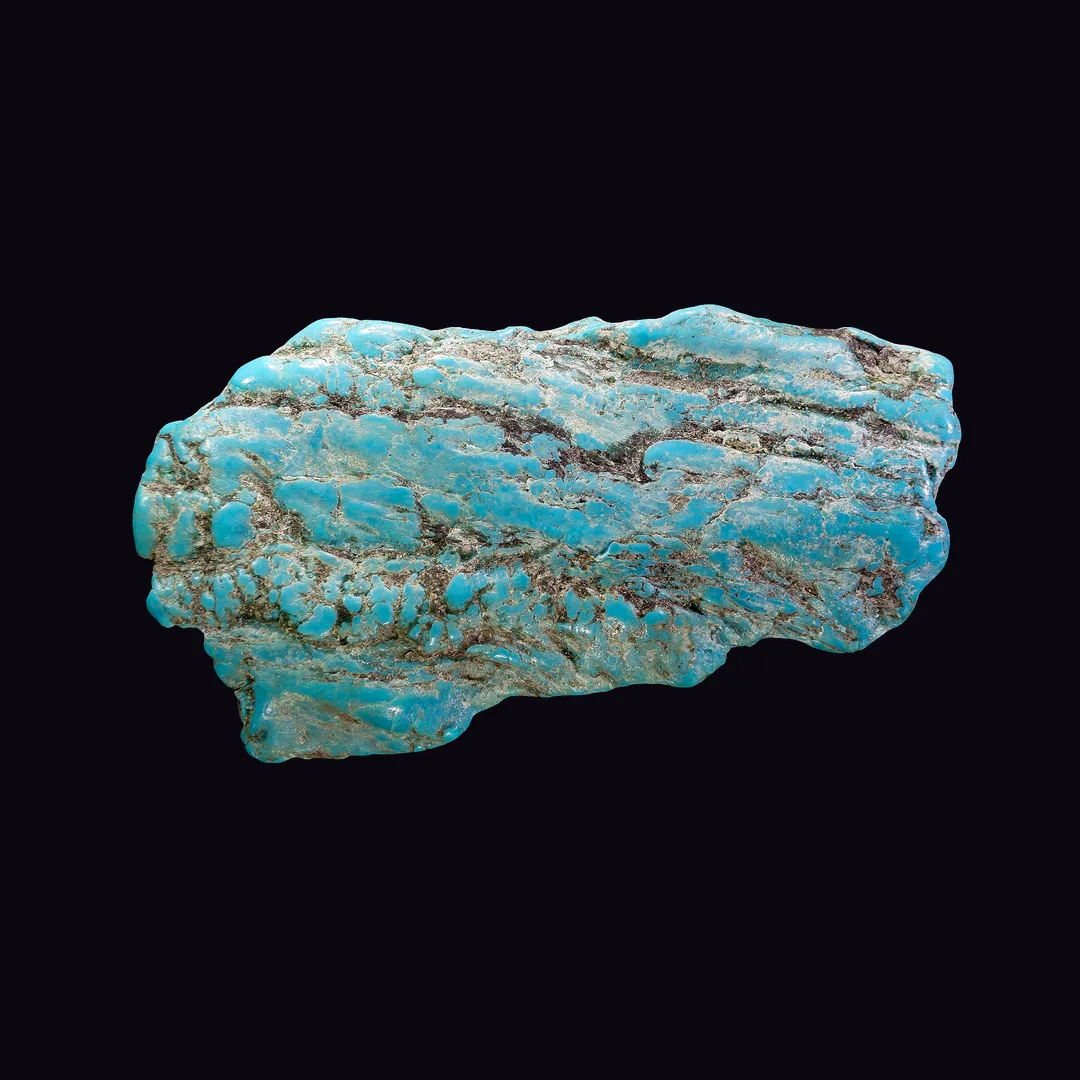
6. Turquoise + hard stones. Real turquoise is soft (5 to 6) and porous. It scratches, and it absorbs oils and moisture, so packing it against harder, dirtier stones dulls it fast. (Most cheap turquoise is dyed howlite anyway, so scan it before you fuss over it.)
7. Amplifiers + your whole grid. Not a single pair, but a rule: clear quartz and other amplifiers make every intention louder, including the anxious ones. Be deliberate about what you put next to them instead of burying them in a communal bowl.
Mohs hardness cheat sheet
The rule is simple: never store a stone loose against anything more than about a point harder than it. When in doubt, wrap the softer one.
| Stone | Mohs hardness | Scratches easily? | Store how |
|---|---|---|---|
| Selenite | 2 | Very | Alone, dry, wrapped |
| Malachite | 3.5 to 4 | Yes (and toxic dust) | Alone, wrapped |
| Turquoise | 5 to 6 | Somewhat, porous | Padded, away from grit |
| Hematite | 5 to 6.5 | No, but dings others | Separate from soft tumbles |
| Moldavite | 5.5 | Somewhat | Alone, padded |
| Carnelian | 7 | No | Anywhere |
| Clear quartz | 7 | No | Fine, but it scratches everything softer |
So how should you store them?
You don't need a museum setup. A few small pouches or a compartment box solves most of it. Group the hard quartz-family stones together, give every soft or water-sensitive stone its own pocket, and keep malachite fully separate for the toxicity reason.
The mood pairings are your call. If you like the idea of keeping calm stones and fire stones in different zones, do it, it makes for a nicer ritual. Just know the actual damage risk lives entirely in the hardness column above.
A few pairings that are actually fine
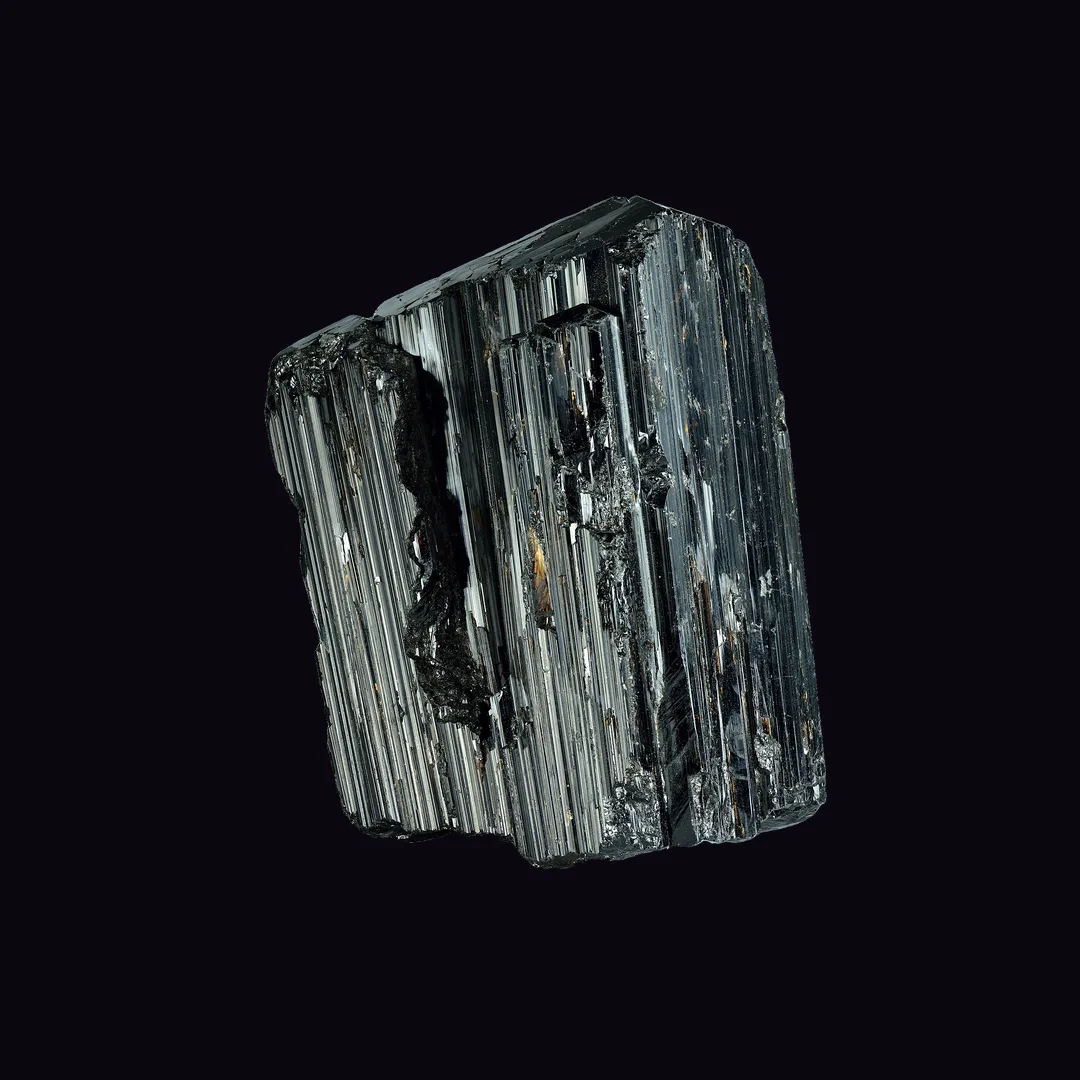
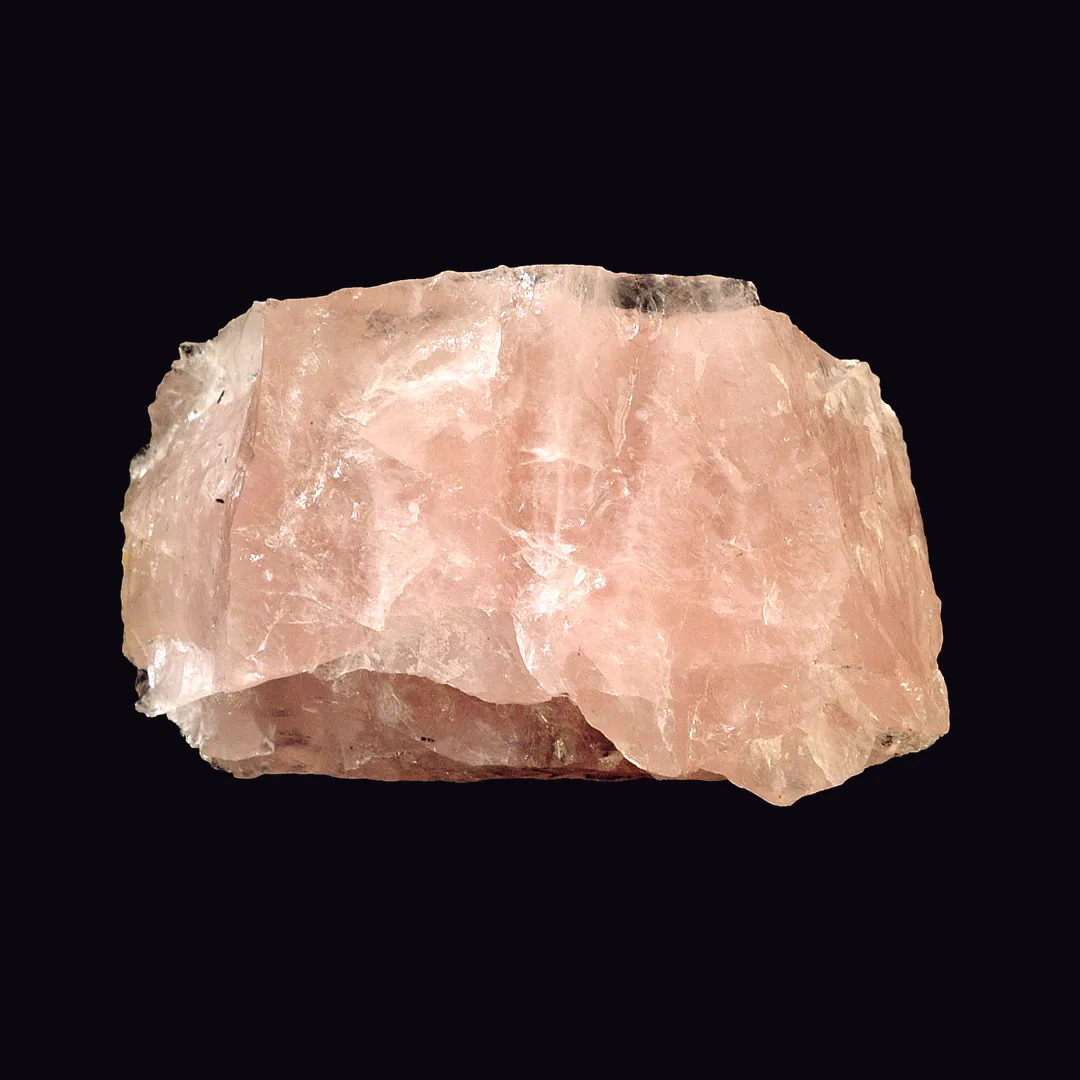
Worth saying, because the internet loves inventing rules: most combinations are harmless. Rose quartz and clear quartz sit together happily. Amethyst and black tourmaline are a common, easygoing pair. The whole quartz family (Mohs 7) can share a bowl without scratching each other, since nothing in it is harder than the rest. Don't let a listicle talk you into buying seven separate boxes for stones that were never going to hurt each other. The real watchlist is short: the soft ones, the water-sensitive ones, and malachite.
If you want a storage map for your specific pieces, log your collection in the app. It'll flag which of your stones are soft, water-sensitive, or toxic, and tell you exactly which ones need to be kept apart, so you stop finding scratches on your favorite selenite.
The stones in this piece
Questions people ask
Is it actually bad to store crystals together?
For most stones, no. A bowl of quartz-family tumbles is fine. The two real concerns are soft stones getting scratched by hard ones, and water-sensitive or soft stones sharing space where they get knocked around. Energy clashes are personal preference.
Which crystals scratch easily?
Anything low on the Mohs scale: selenite at 2, malachite and howlite around 3.5, calcite at 3, fluorite at 4. Quartz sits at 7 and will scratch all of them. Store the soft ones separately or wrapped.
Do clashing crystals cancel each other out?
There's no proof any of that happens. The energy-clash idea is about intention: a calming stone and a high-drive stone pull you in different directions, so pick one to focus on. Physically, the only real cancellation is a scratch.