How to Cleanse Crystals: 8 Methods, and Which Ones Ruin Certain Stones
Care and cleansing · 6 min read · 8 August 2026
The two methods you were taught first, water and salt, are the two that wreck the most stones. Here is which method to use on what, and what it is really for.
The two methods everybody teaches first are water and salt. Both are easy. Both will wreck a good part of your collection.
Salt is the worse of the two. It is abrasive and it works into cracks. On soft or porous stones it leaves a dull, pitted surface.
Nobody selling a bag of pink salt for cleansing is going to mention that. The salt is cheap and the ritual sells. The stone that gets ruined is yours.
Here is the part that makes this easier. No test can tell a cleansed stone from an uncleansed one. The ritual resets you, not the mineral.
That is real and worth doing. It is just never worth the stone. You followed the only instruction you had, and the instruction was wrong.
The safe universal methods are smoke, sound and moonlight, because they use no water, salt or abrasion. Water and salt cleansing work only on hard, stable stones like clear quartz, and will dissolve or rust soft ones like selenite, lepidolite, malachite and pyrite. Match the method to the stone.
The 8 methods, and what each one is good for
1. Running water. Hold the stone under cool running water and picture it clearing. Fast and physical. Only for hard, water-safe stones (Mohs 7 quartz family). Ruins anything soft, porous or metallic.
2. Moonlight. Set stones out overnight, full moon optional but popular. The safest method there is. Works on almost everything. The one caveat is that it involves being near a window, so bring light-sensitive stones back in before the morning sun hits them.
3. Sound. A bell, a singing bowl or a tuning fork. The sound does the work and you never touch the stone. Perfect for fragile, toxic or oddly shaped pieces you are scared to handle.
4. Selenite. Lay other stones on a selenite plate or beside a wand. Selenite is the classic "cleanses other crystals" stone and needs no cleansing itself. Bonus: it keeps selenite dry, which it needs anyway.
5. Salt. Bury the stone in dry salt, or use a salt bowl. Effective but harsh. Salt abrades soft stones, etches gypsum and calcite, and pits anything metallic. Use dry salt, never saltwater, and keep it off the sensitive list.
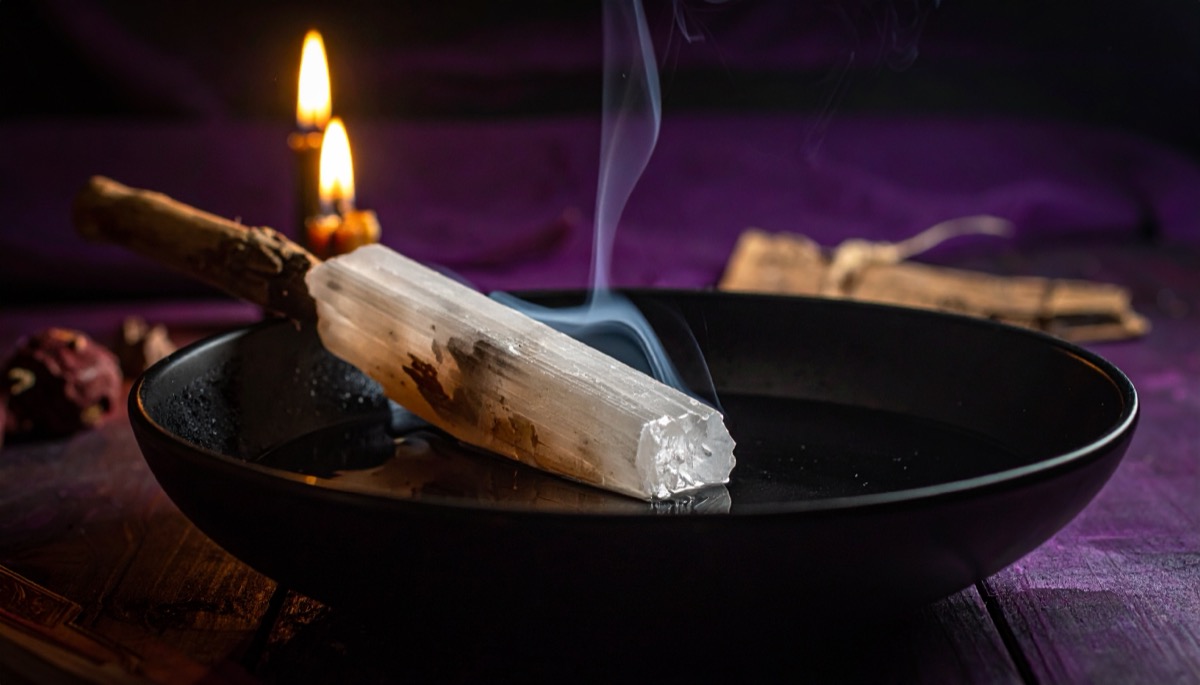
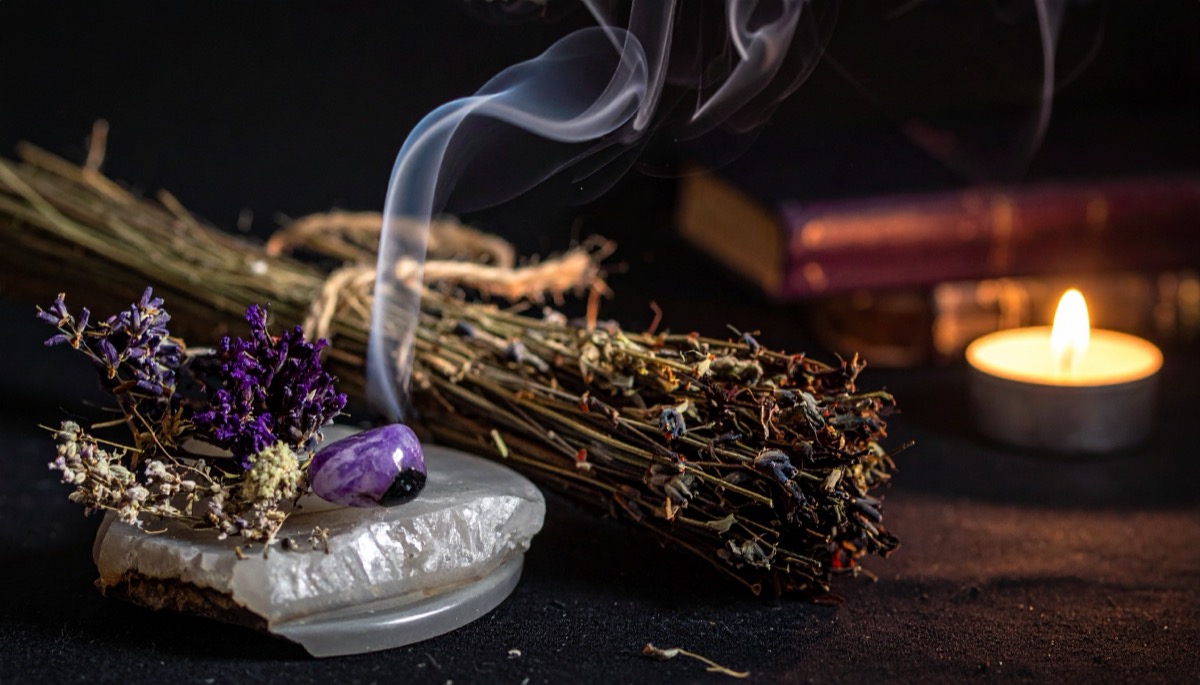
6. Smoke. Pass the stone through incense or dried-herb smoke. The true universal method. No water, no salt, no abrasion, so it is safe on every stone including the toxic and fragile ones. If you learn one method, learn this.
7. Earth. Bury the stone in soil for a day or a lunar cycle to ground it. Grounding and cheap, but wet soil is basically a slow water-and-salt bath, so it is risky for soft and porous stones. Keep the fragile ones out of the ground.
8. Breath and intention. Hold the stone, breathe over it, set your intention out loud. Zero risk to any stone because nothing touches it but air. The most honest method, since it drops the pretense and is purely about your focus.
The method-vs-stone safety table
| Method | Safe on | Never use on | Why it damages |
|---|---|---|---|
| Running water | Quartz family, clear quartz, agate, jasper | Selenite, calcite, lepidolite, malachite, pyrite, hematite, turquoise | Dissolves soft stones, rusts metal, leaches copper |
| Moonlight | Almost everything | Nothing, just bring faders in before dawn | No risk overnight |
| Sound | Everything | Nothing | No contact at all |
| Selenite plate | Everything | Nothing | Passive, dry |
| Salt (dry) | Hard quartz, tourmaline | Gypsum, calcite, soft or porous stones, metallics | Abrades and etches, pits metal |
| Smoke | Everything | Nothing | No contact, no moisture |
| Earth burial | Durable stones | Selenite, malachite, soft and porous stones | Wet soil acts like water and salt |
| Breath / intention | Everything | Nothing | Air only |
The stones people ruin most often
A few specimens get destroyed by well-meaning cleansing over and over, so they are worth calling out.
Selenite and satin spar. People assume white and glowy means delicate-but-washable. It is gypsum, a 2 on the Mohs scale, and water dissolves it into chalk. Dry brush, smoke or sound only.
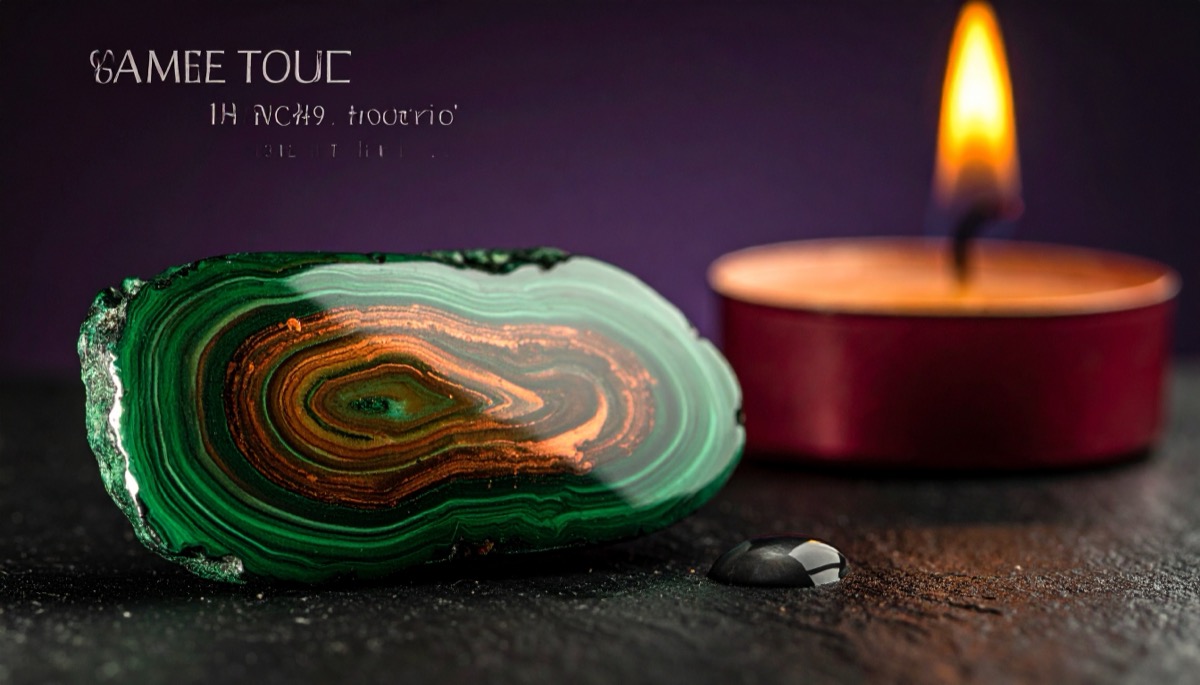
Malachite and the copper stones. Water corrodes them and pulls out toxic copper, so the "rinse it clean" instinct is genuinely a health issue, not just a cosmetic one. Smoke or sound, never water, never salt.
Lepidolite. It is stacked mica sheets, and water works between the layers and delaminates it until it flakes. Dry methods only.
Pyrite. Water triggers pyrite disease, where it oxidises into acid and crusts and crumbles. Keep it bone dry and cleanse it with smoke.
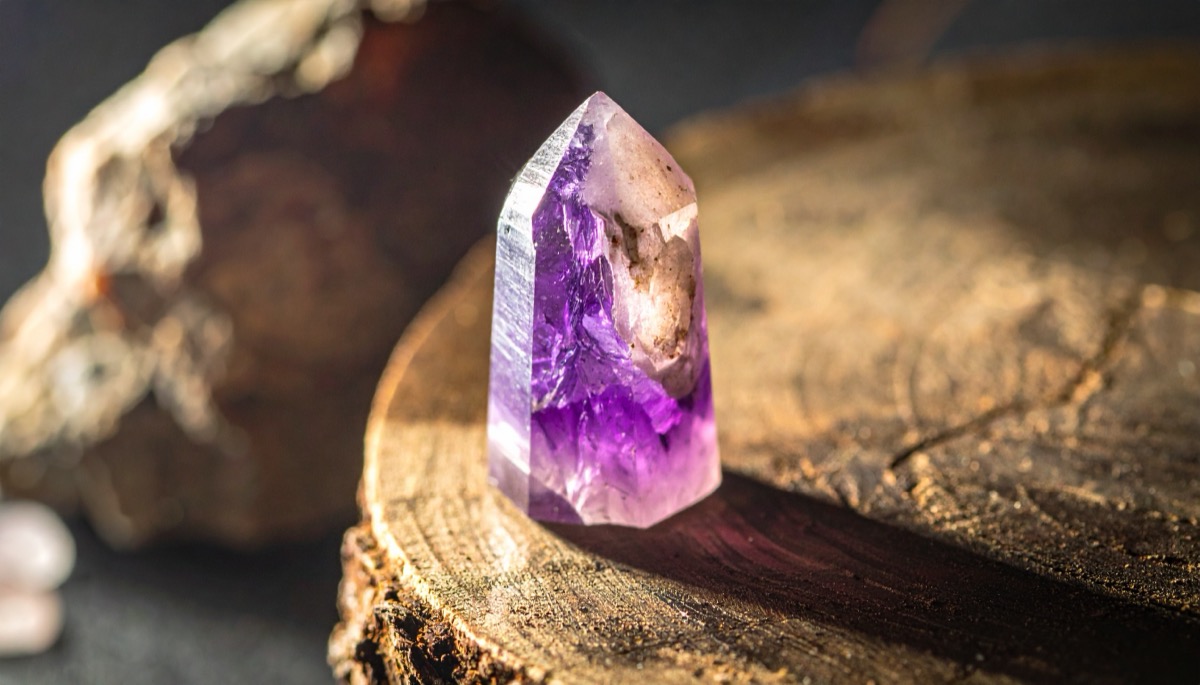
Even a hardy stone like amethyst has a catch. It is fine in water, so running water cleansing is totally safe, but do not "charge" it in the sun afterward, because sunlight fades the purple. Water yes, sun no. The method that is safe for one property can be wrong for another.
Charging is not the same as cleansing
Worth clearing up, because people blur them. Cleansing is clearing a stone off, a reset. Charging is topping it back up with intention afterward. They use overlapping methods, and that is where stones get wrecked, because the classic charging advice ("leave it in the sun") is exactly wrong for the classic sensitive stones.
Sunlight charges quartz fine, but it fades amethyst, rose quartz, celestite, fluorite and kunzite, permanently. So if you want to charge a fade-prone stone, use moonlight, not sun. Moonlight carries none of the UV that bleaches colour, which is why it is the default for anything purple, pink or blue. Match charging to the stone the same way you match cleansing, and you never have to choose between a "charged" stone and a faded one.
Three more that fail the water test
The list above is not the whole list. These three fail a rinse for three different reasons.
Orthoceras slabs are polished limestone. Water dulls the finish, acid dissolves it, and solvents wipe the black background straight off. That background is usually shoe polish, applied to make the fossils stand out. Dry cloth only.
Astrophyllite is soft bronze blades sitting in rock that is softer still, and it is often soaked with resin before cutting so the blades stay put. Soak it and they flake out. A dry brush is all it should get.
Blue apatite is a 5 on the hardness scale, which means quartz and ordinary household dust both scratch it. Warm water briefly if you must, then dry it straight away. Keep it out of long bright light as well, because the colour fades.
Pick your method in one step
You do not need to memorize the whole table. Ask one question: is this stone hard, dry-loving, or fragile?
- Hard and water-safe (quartz family): any method works, including water.
- Soft, porous, layered or metallic: skip water and salt, use smoke, sound, moonlight or a selenite plate.
- Toxic (copper and lead stones): definitely no water, and wash your hands after handling raw material. Smoke and sound only.
When you genuinely cannot tell how soft or treated a stone is, and therefore which methods are safe, scan it to be sure before you cleanse it the wrong way. The tests get you most of the way, but a scan removes the guessing on an unfamiliar piece.
Cleansing is your ritual, your reset, your intention made physical. It should never cost you the stone. Match the method to what the crystal can actually take, lean on smoke and moonlight when in doubt, and your collection stays whole while you do the work.
The stones in this piece
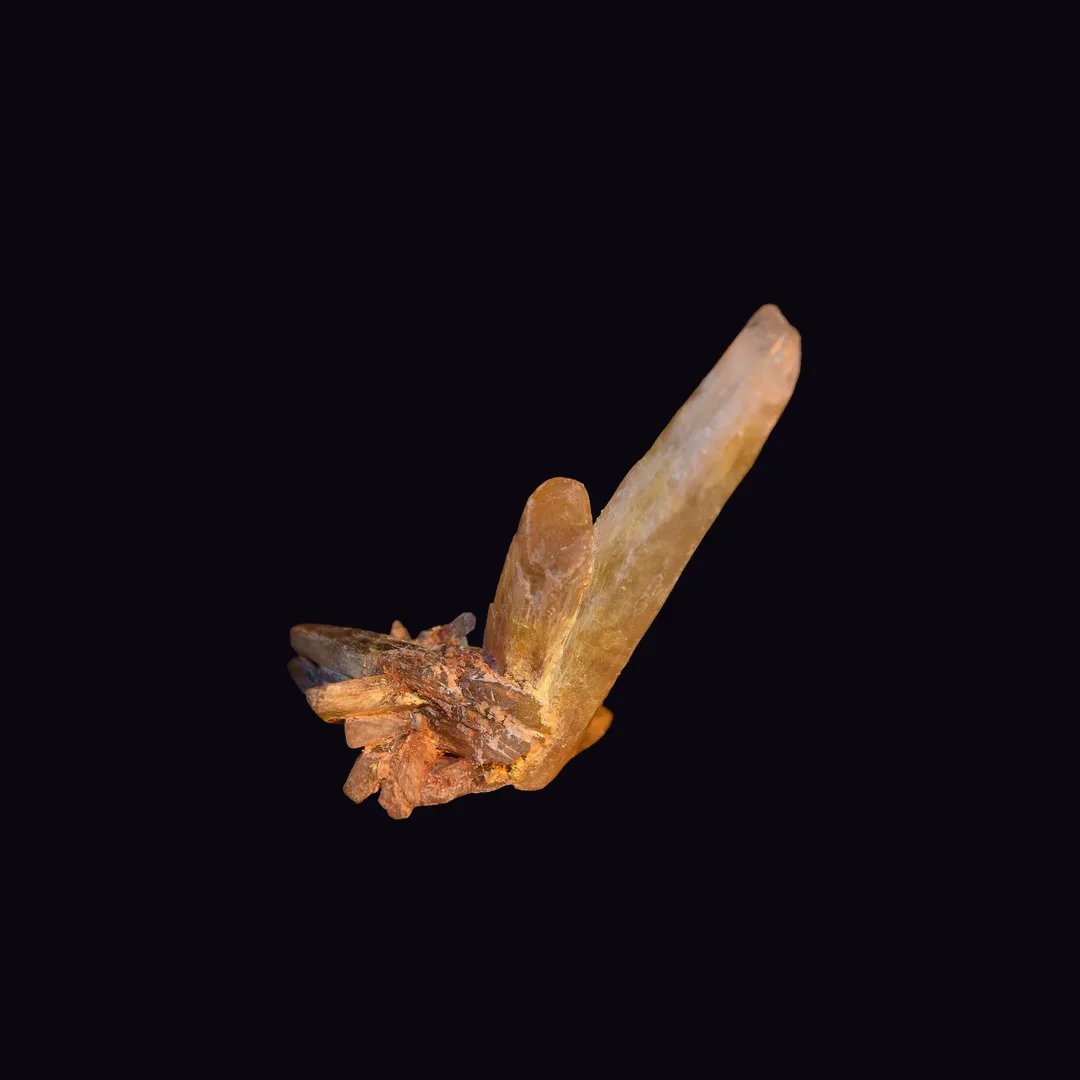 SeleniteRead the entry
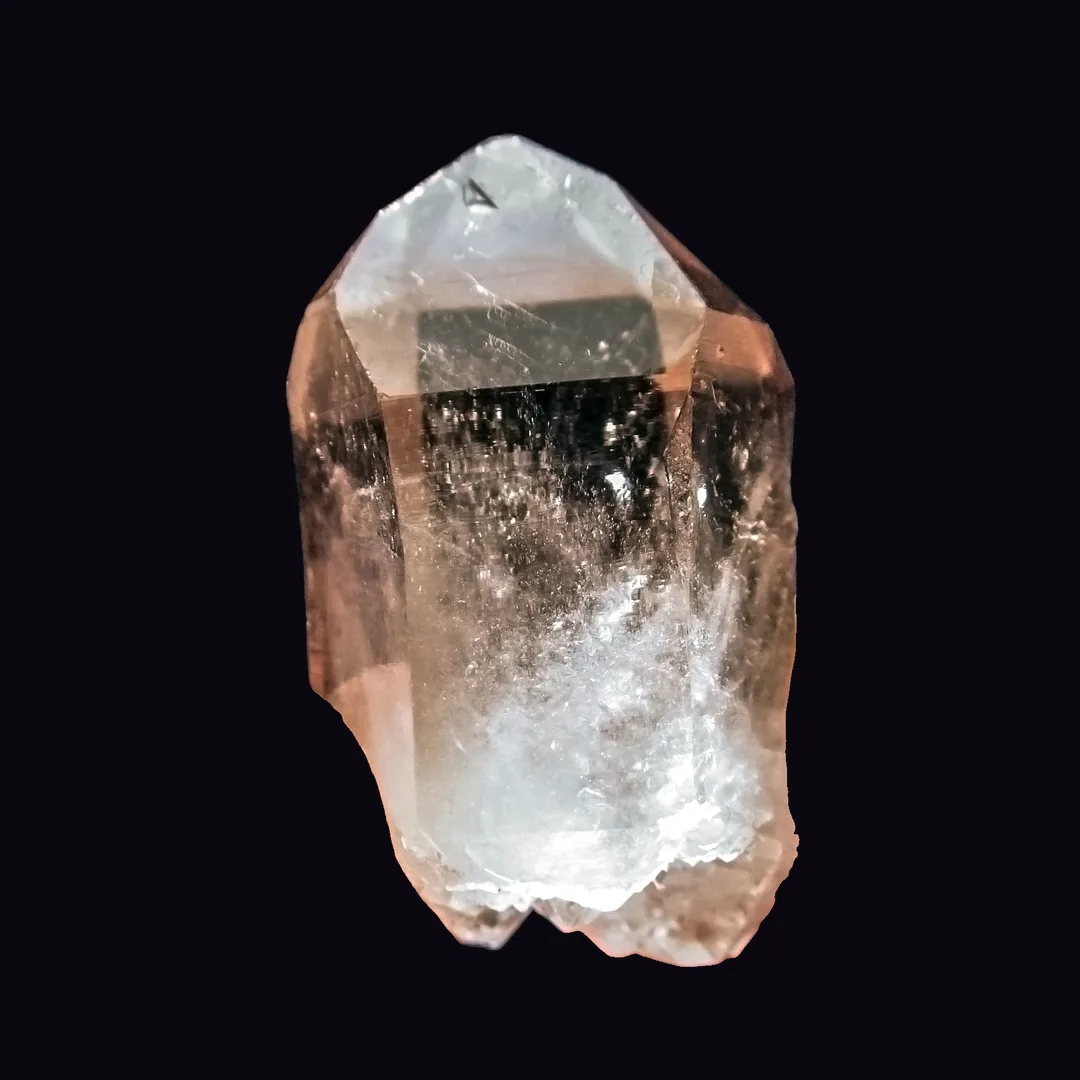 Clear QuartzRead the entry
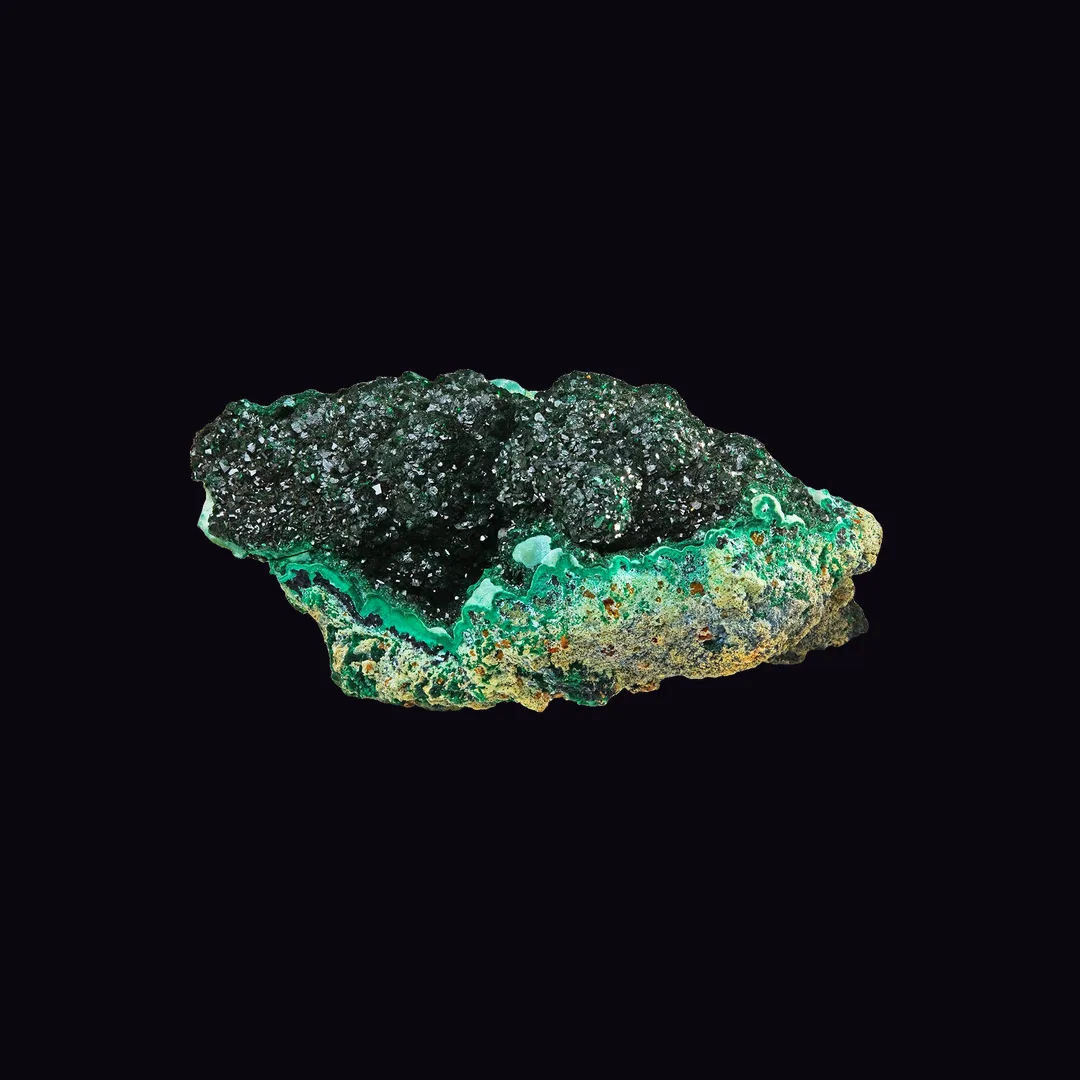 MalachiteRead the entry
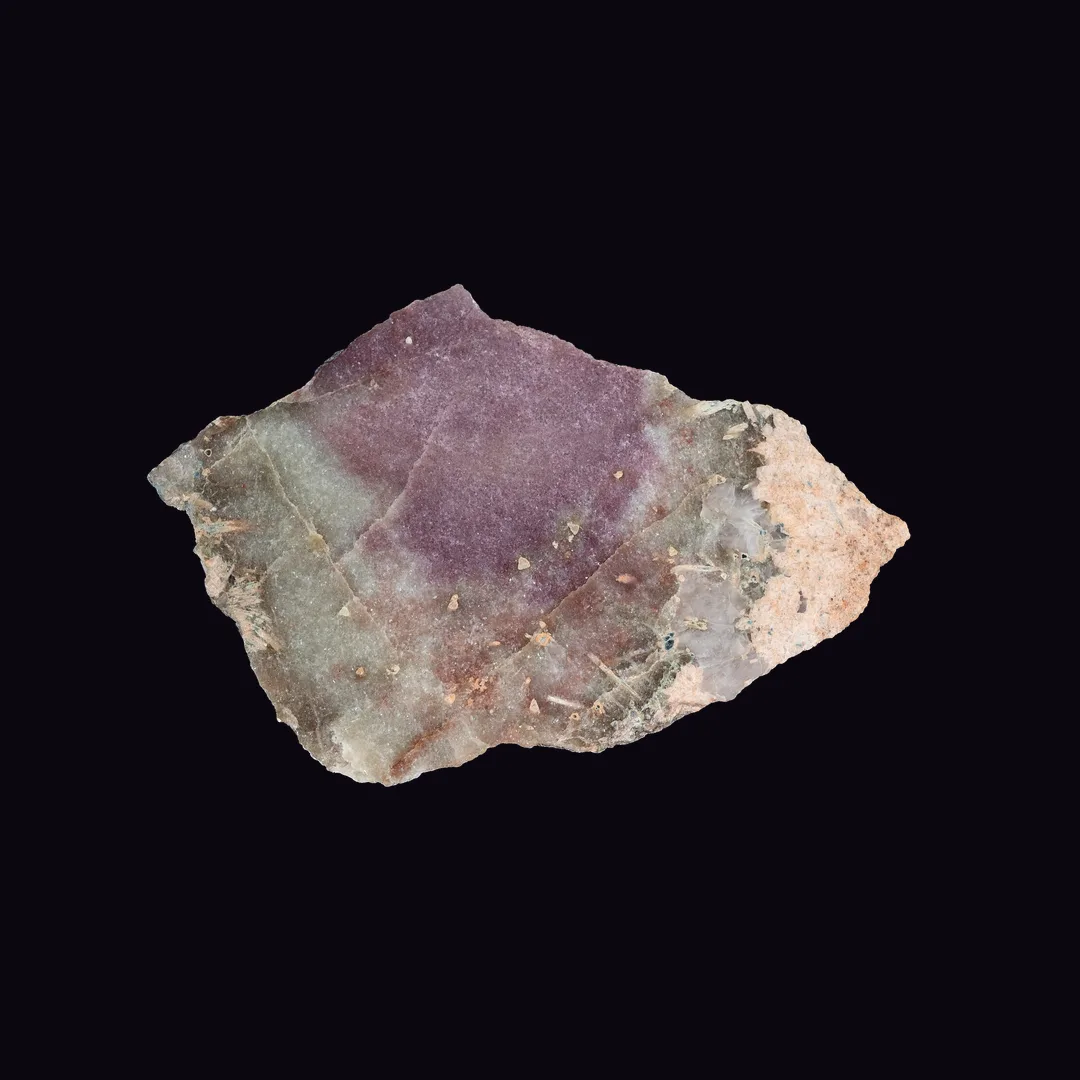 LepidoliteRead the entry
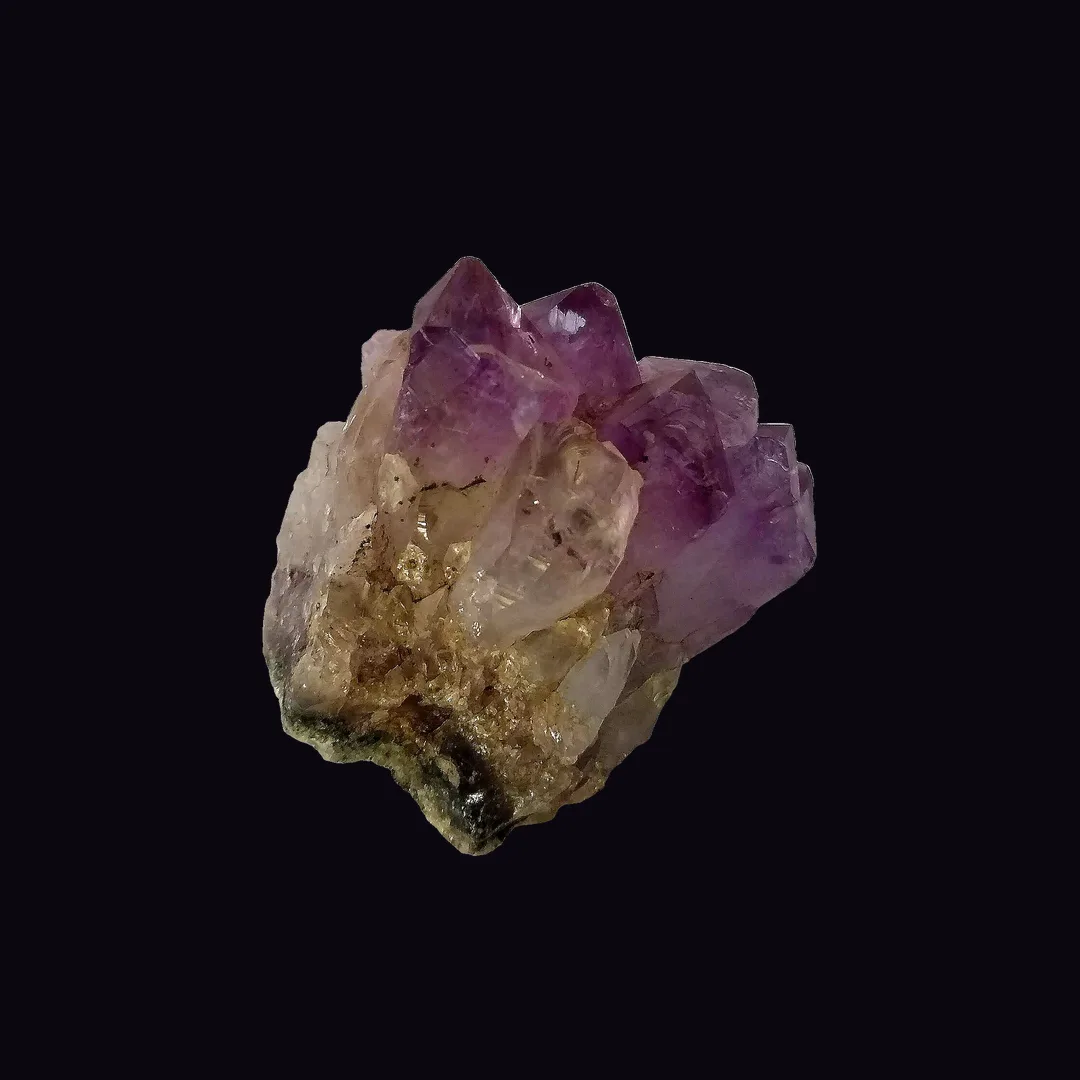 AmethystRead the entry
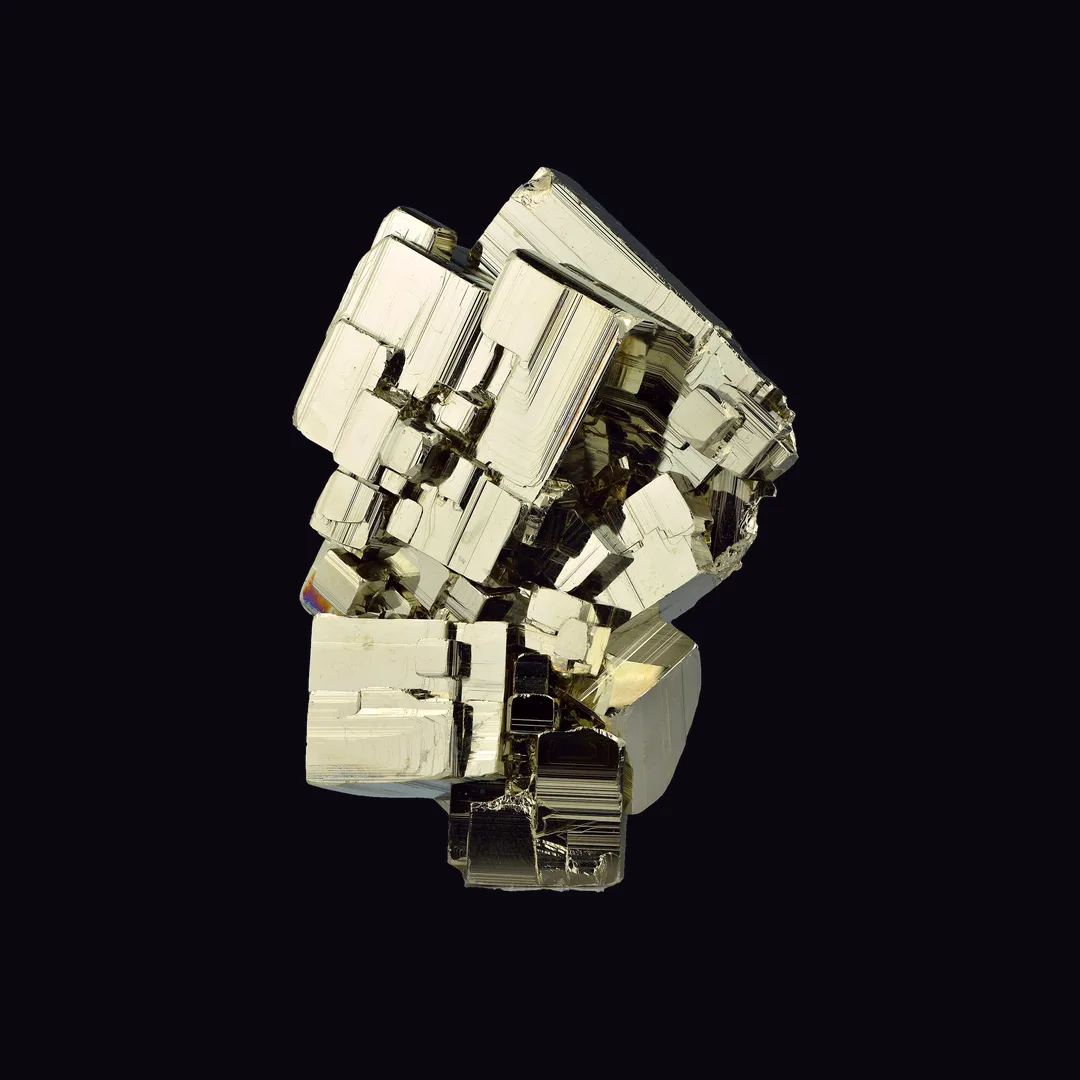 PyriteRead the entry
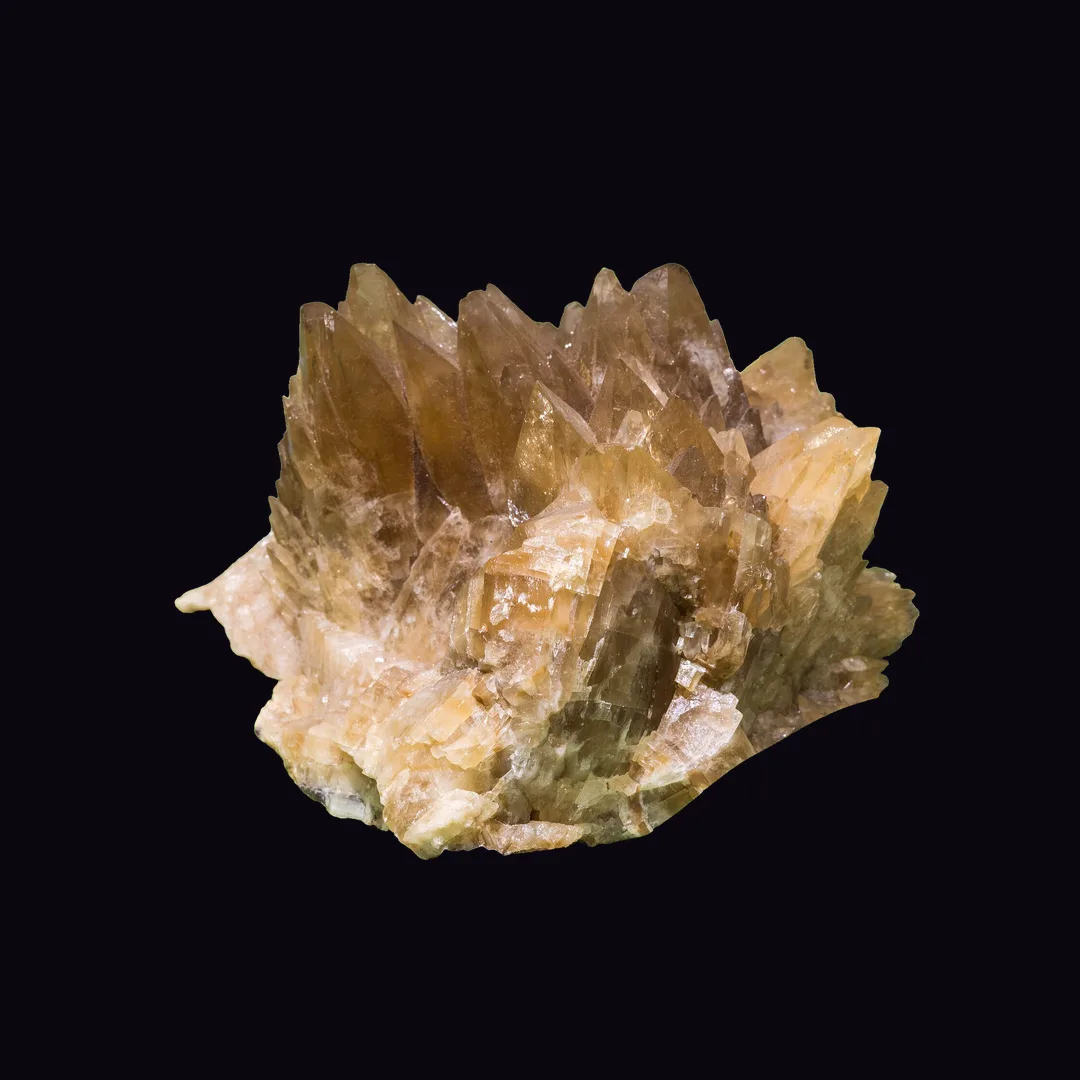 Calcite (Coloured Varieties)Read the entry
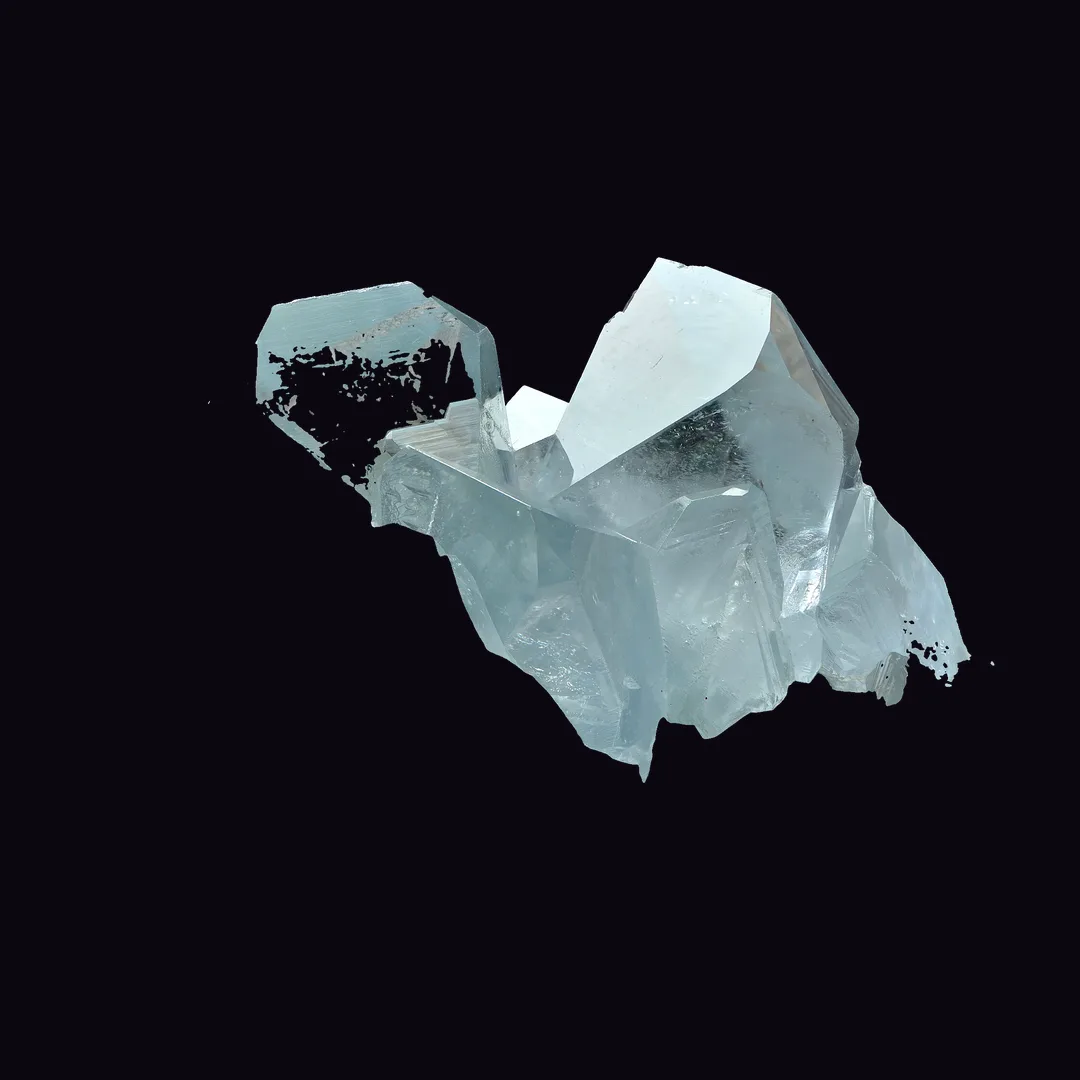 CelestiteRead the entry
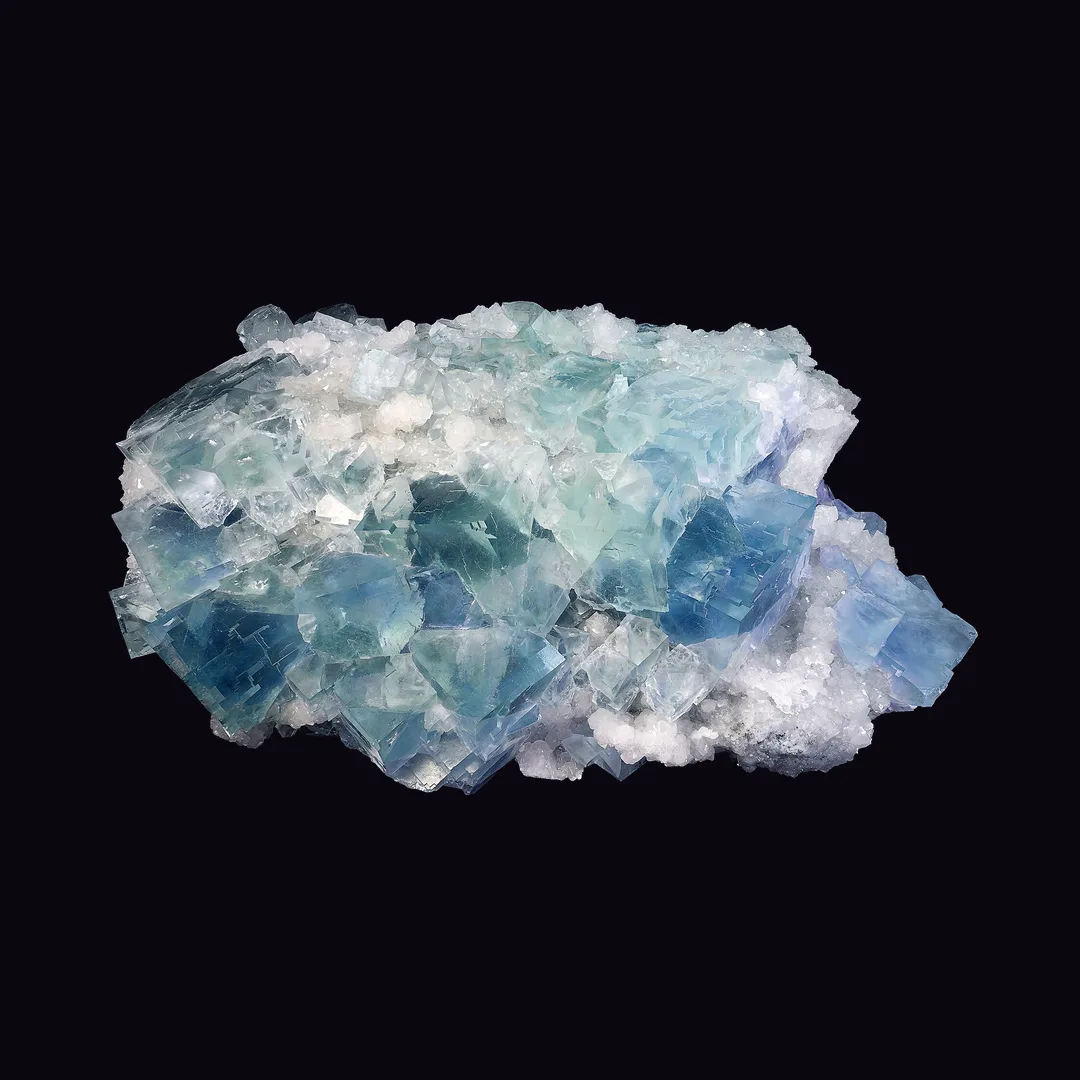 FluoriteRead the entry
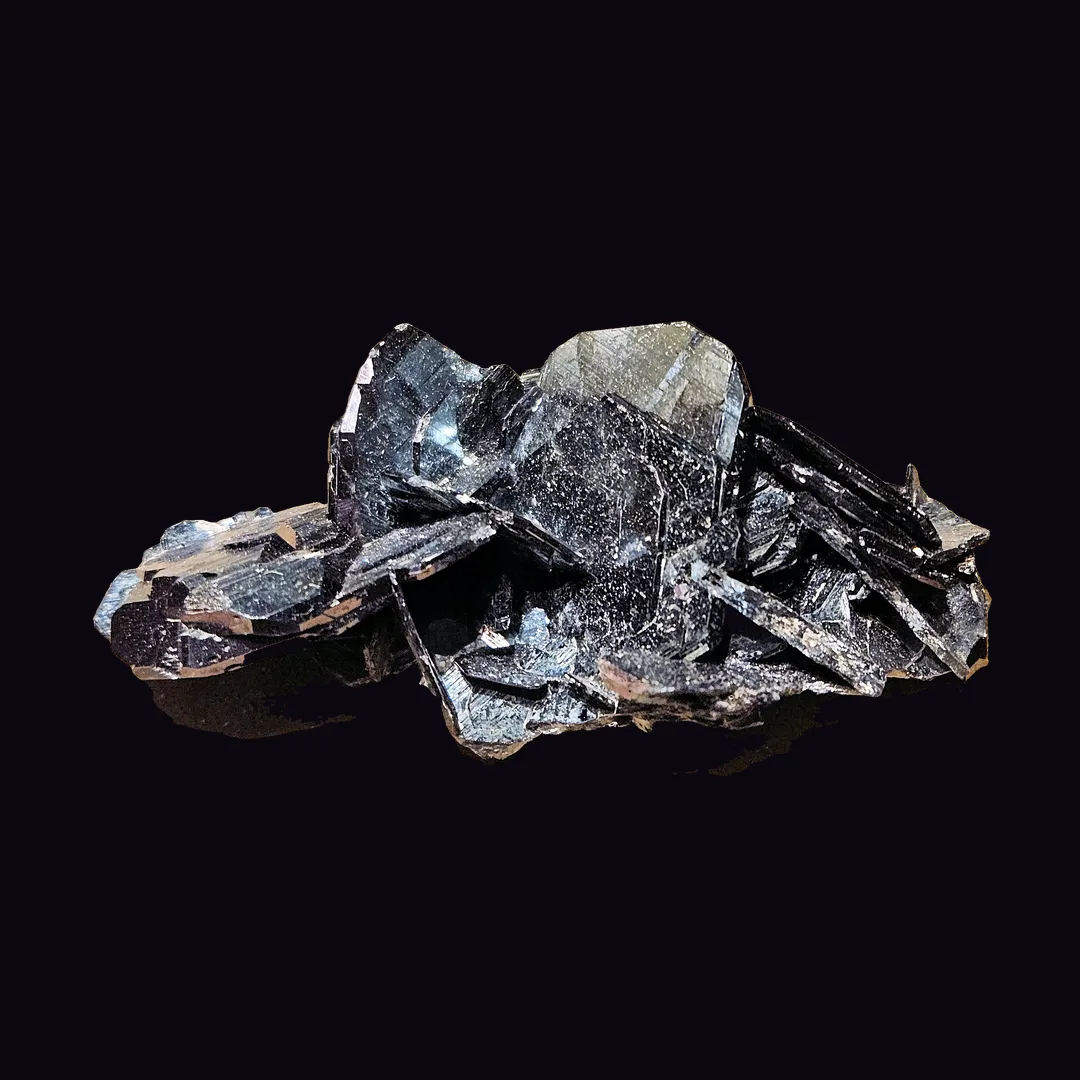 HematiteRead the entry
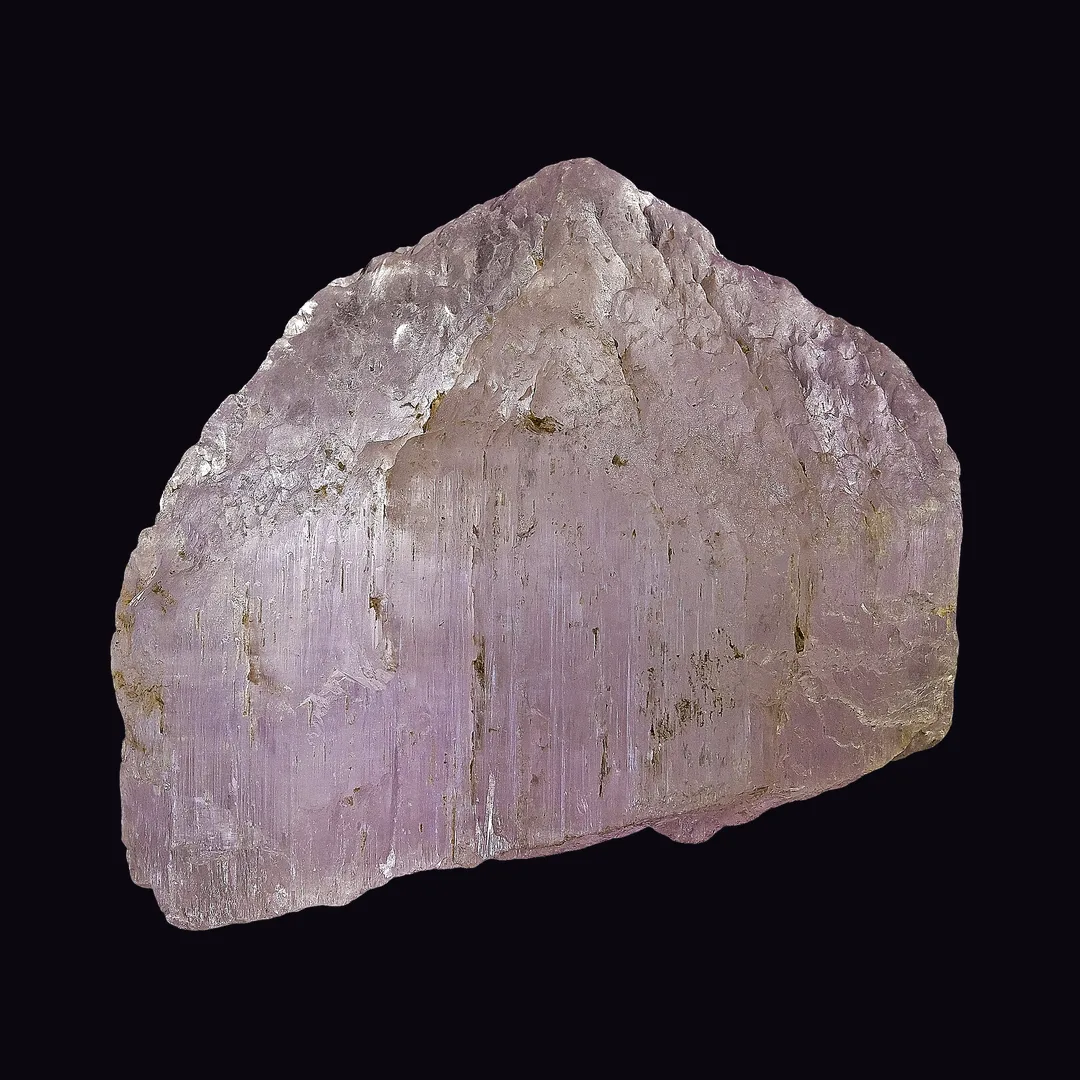 KunziteRead the entry
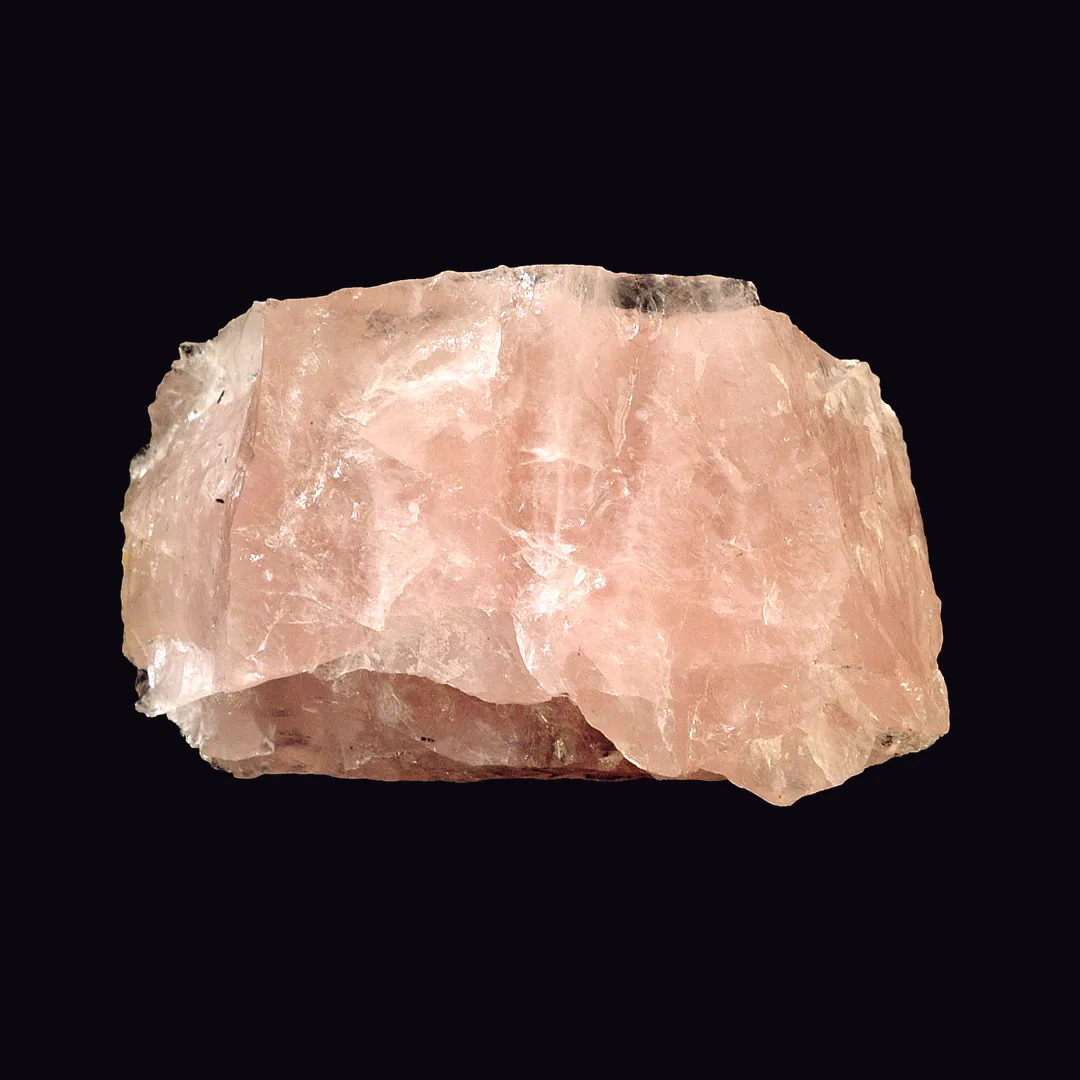 Rose QuartzRead the entry
and 5 more named in this piece
Questions people ask
What is the safest way to cleanse any crystal?
Smoke, sound and moonlight are the universal safe methods. They involve no water, no salt and no abrasion, so they work on soft, porous and toxic stones that every other method would damage. If you only learn one, learn smoke cleansing. It works on everything in your collection.
Which crystals should never be cleansed with water or salt?
Soft and water-reactive stones: selenite, satin spar, desert rose, halite, calcite, lepidolite, malachite, azurite, pyrite, hematite, turquoise and dyed howlite. Water dissolves or rusts them and salt abrades and etches them. Use smoke, sound or moonlight on these instead.
How often should you cleanse your crystals?
There is no fixed rule. Most people cleanse when a stone feels off, after heavy use, or when they first bring it home. Cleansing is about your intention and reset, not a measurable property of the rock, so the honest answer is: whenever it feels right to you. Weekly, monthly, never, all fine.