Crystals That Can't Get Wet: The List That Saves Your Collection
Care and cleansing · 6 min read · 10 August 2026
Rock salt dissolves. Pyrite rusts. Malachite lets copper into the water. Here is the honest list of crystals that cannot get wet, and the family that shrugs it off.
Rock salt is salt. Desert rose is gypsum with sand grown through it.
Put the rock salt in a dish of water overnight and there is nothing left to lift out in the morning. The desert rose takes longer. It still comes apart.
Shops sell cleansing kits with a bowl in them. Nobody prints the list of stones that bowl will destroy, because the list covers half the shelf.
You were told water cleanses. It is the first thing anybody tells a beginner, and it sounds obvious, so you did it. Then a white wand came out of the dish looking like a wet biscuit.
You were not careless. You were following the only instruction you had.
Short answer: soft stones dissolve, metallic ones rust, and copper stones can leach into the water and turn it toxic. Never soak selenite, desert rose, rock salt, malachite, pyrite, lepidolite, celestite, angelite, turquoise or dyed howlite. The quartz family is the safe one.
The three ways water wrecks a stone
It dissolves. Anything built on sulphate or salt is water-soluble to some degree. Rock salt (halite) is the obvious one, it literally is salt. But gypsum stones like selenite, satin spar and desert rose go the same way, just slower. The surface goes cloudy and pitted, then chalky, then it falls apart.
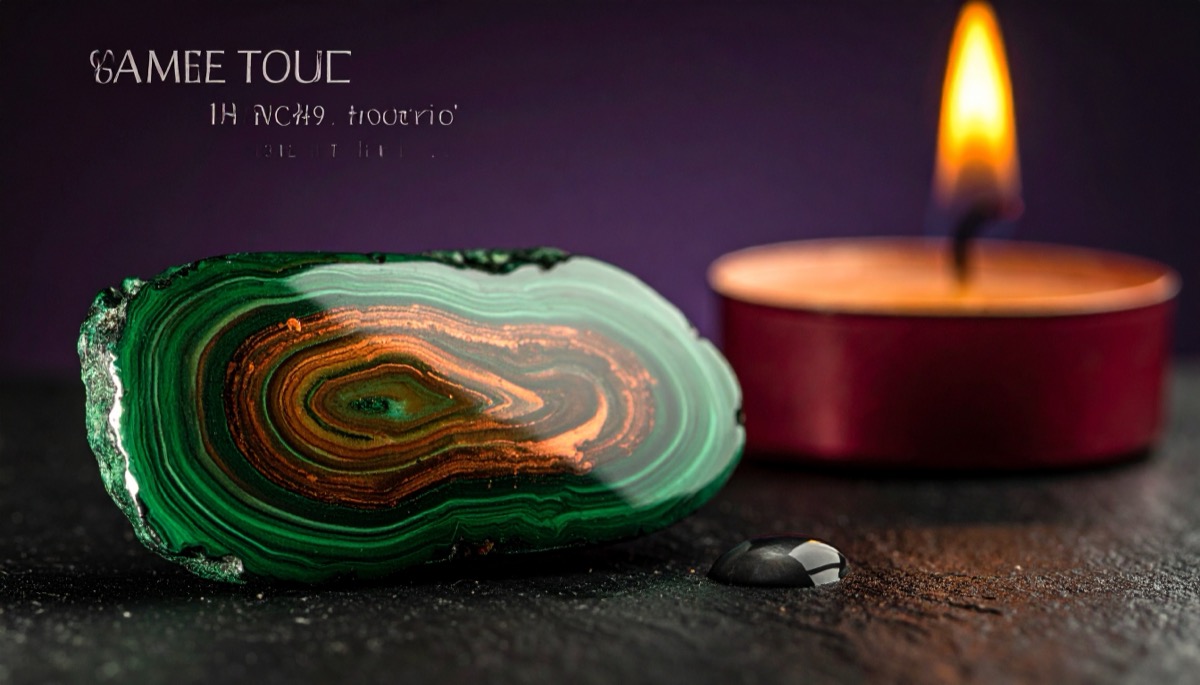
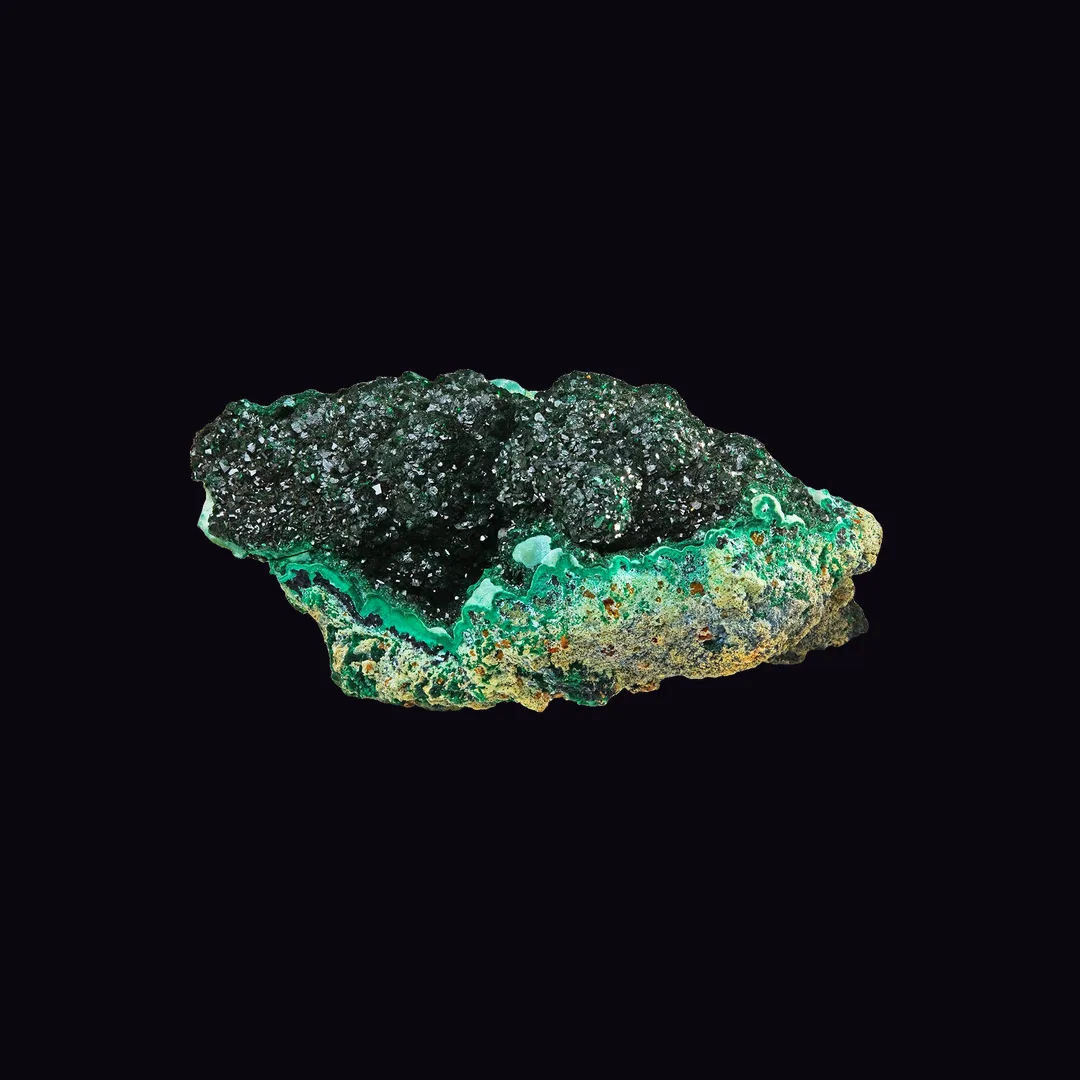
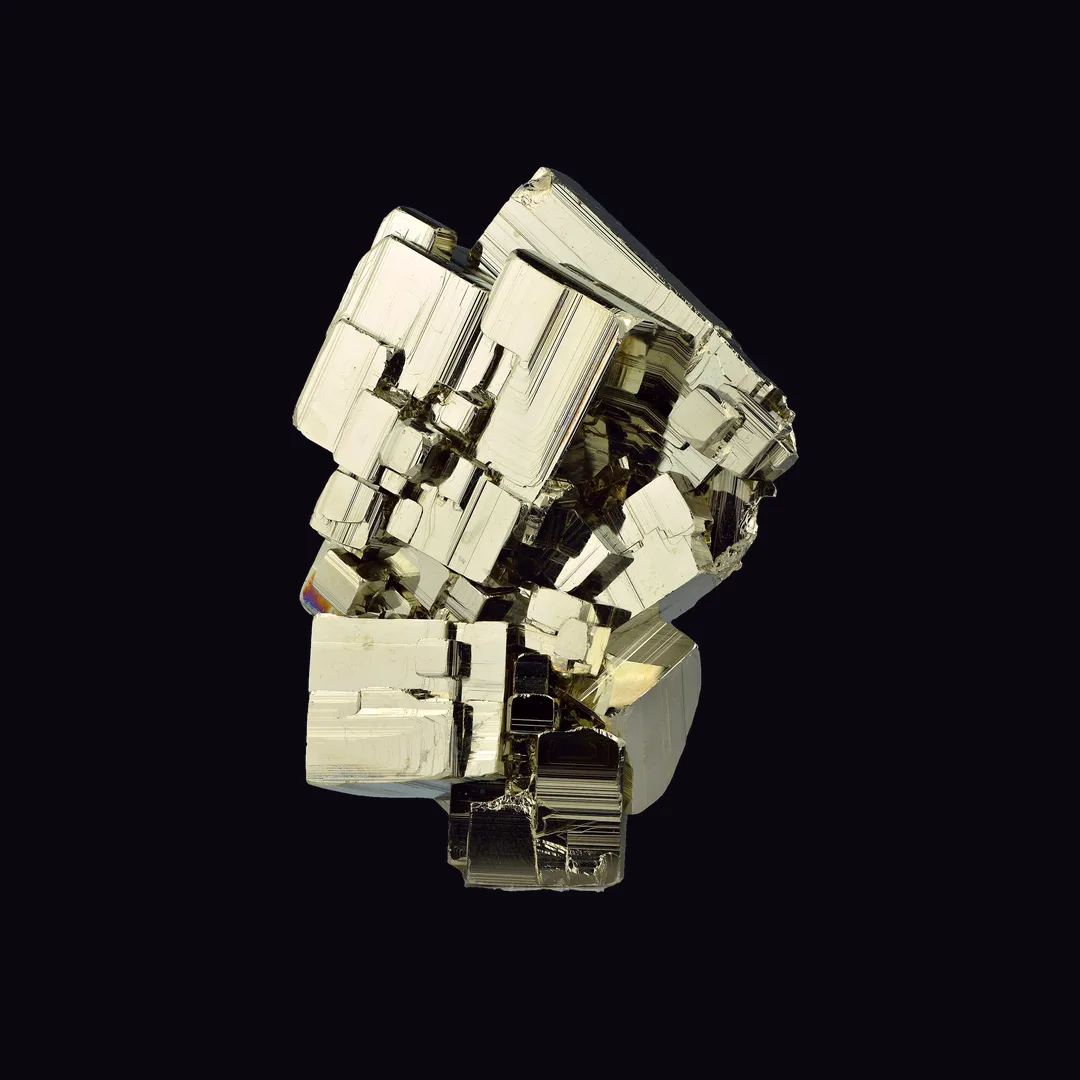
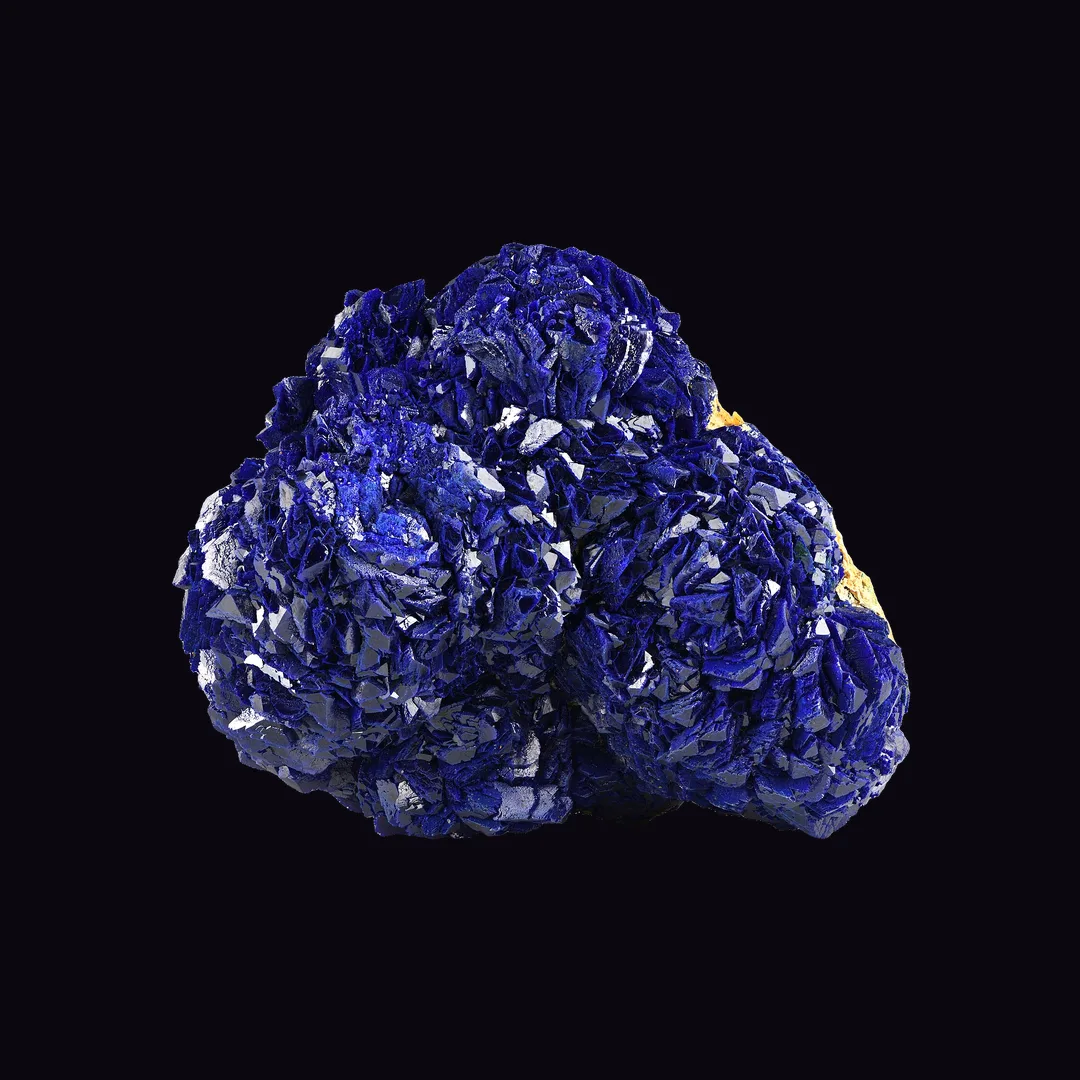
It rusts or corrodes. Iron and copper stones react. Pyrite is iron sulphide, and wet pyrite oxidises into sulphuric acid and crusty white sulphates, a real process collectors call pyrite disease. Copper carbonates like malachite and azurite corrode and, worse, shed copper compounds that are toxic if they end up in anything you drink.
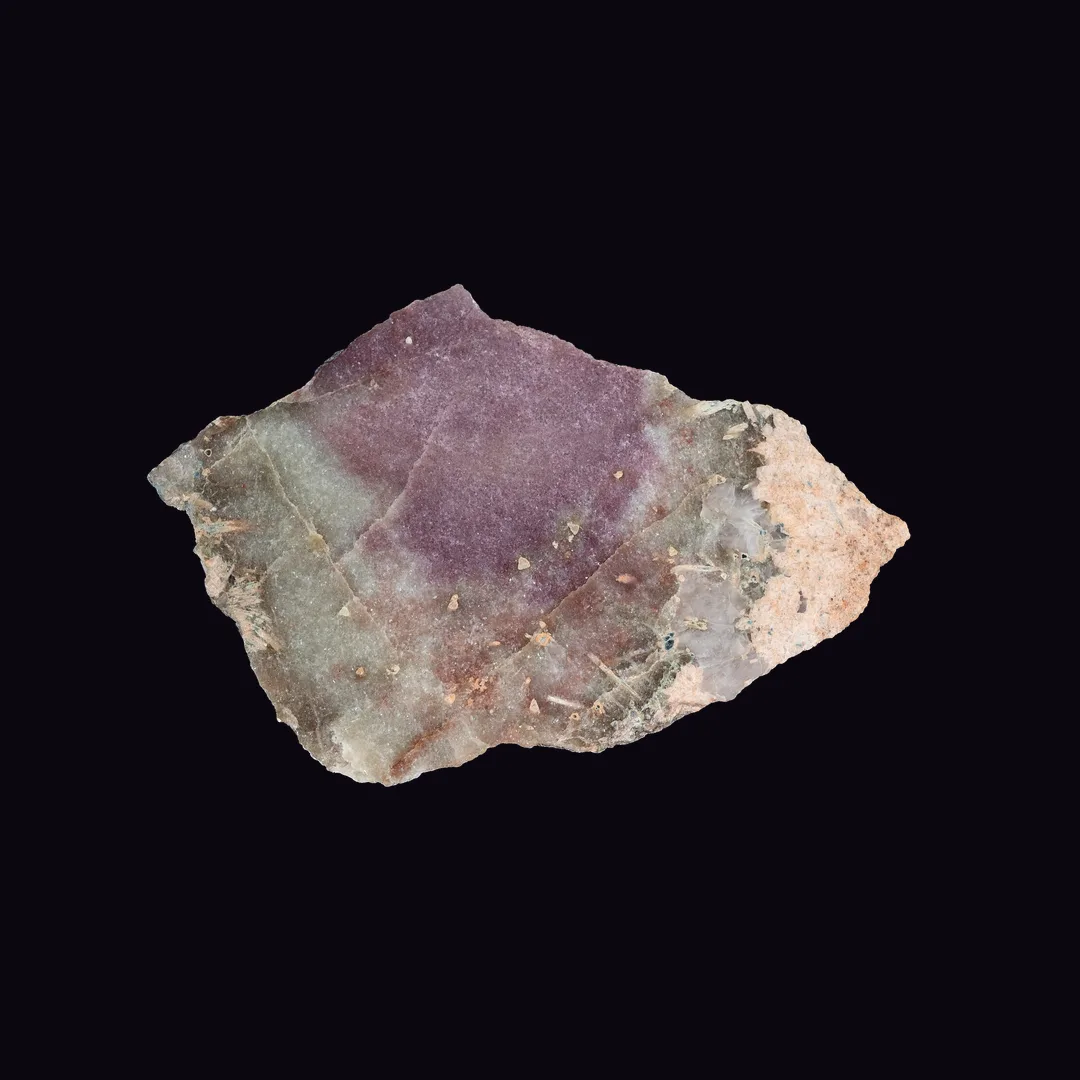
It leaches or delaminates. Porous and layered stones drink water in. Dyed howlite bleeds its colour out. Lepidolite is stacked mica sheets, and water lifts the layers apart until the piece flakes and dulls. Turquoise soaks up water, oils and sweat and turns permanently green.
The full water-safety table
| Stone | Water-safe? | Why | Mohs |
|---|---|---|---|
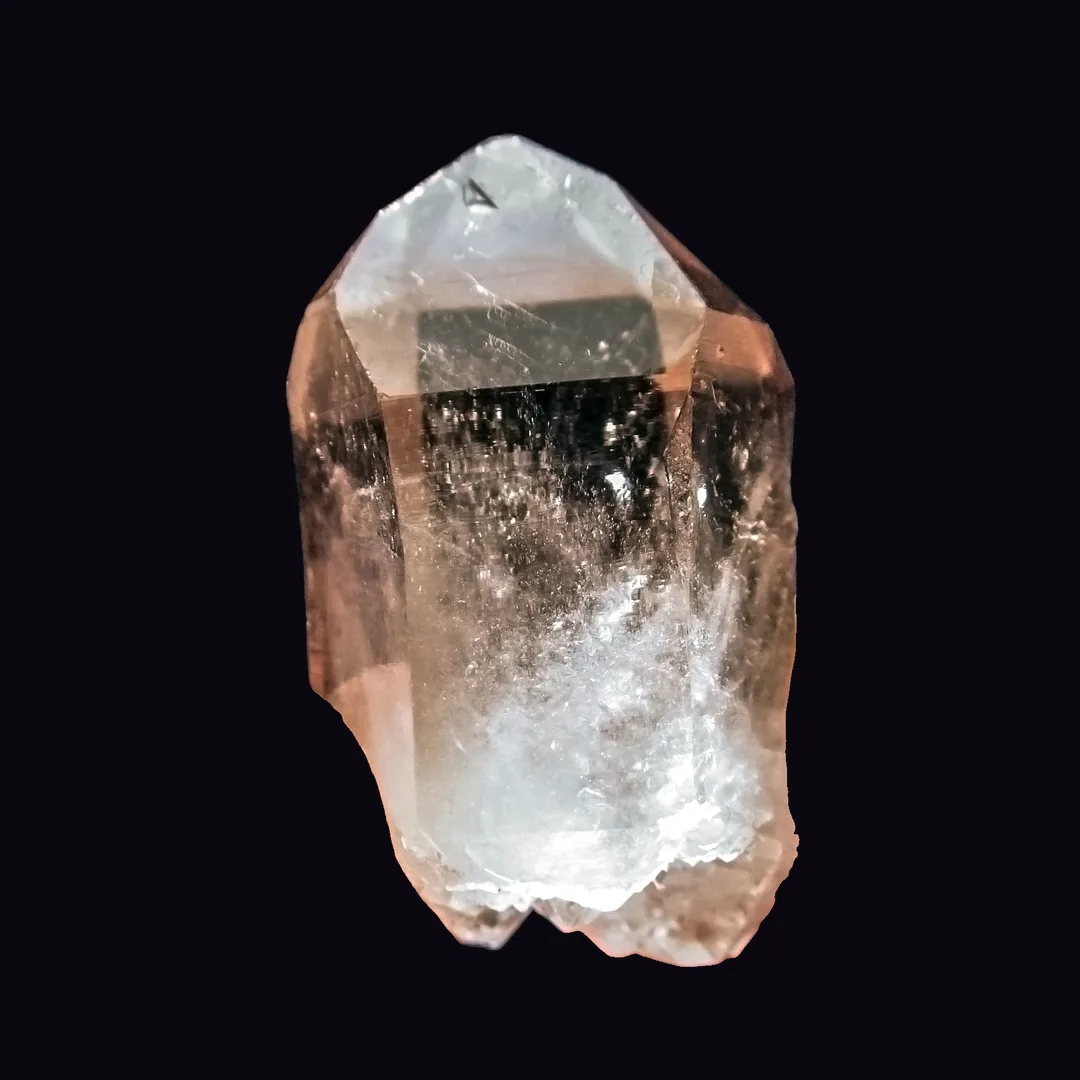
| Clear quartz | Yes | Inert silica, basically indestructible | 7 |
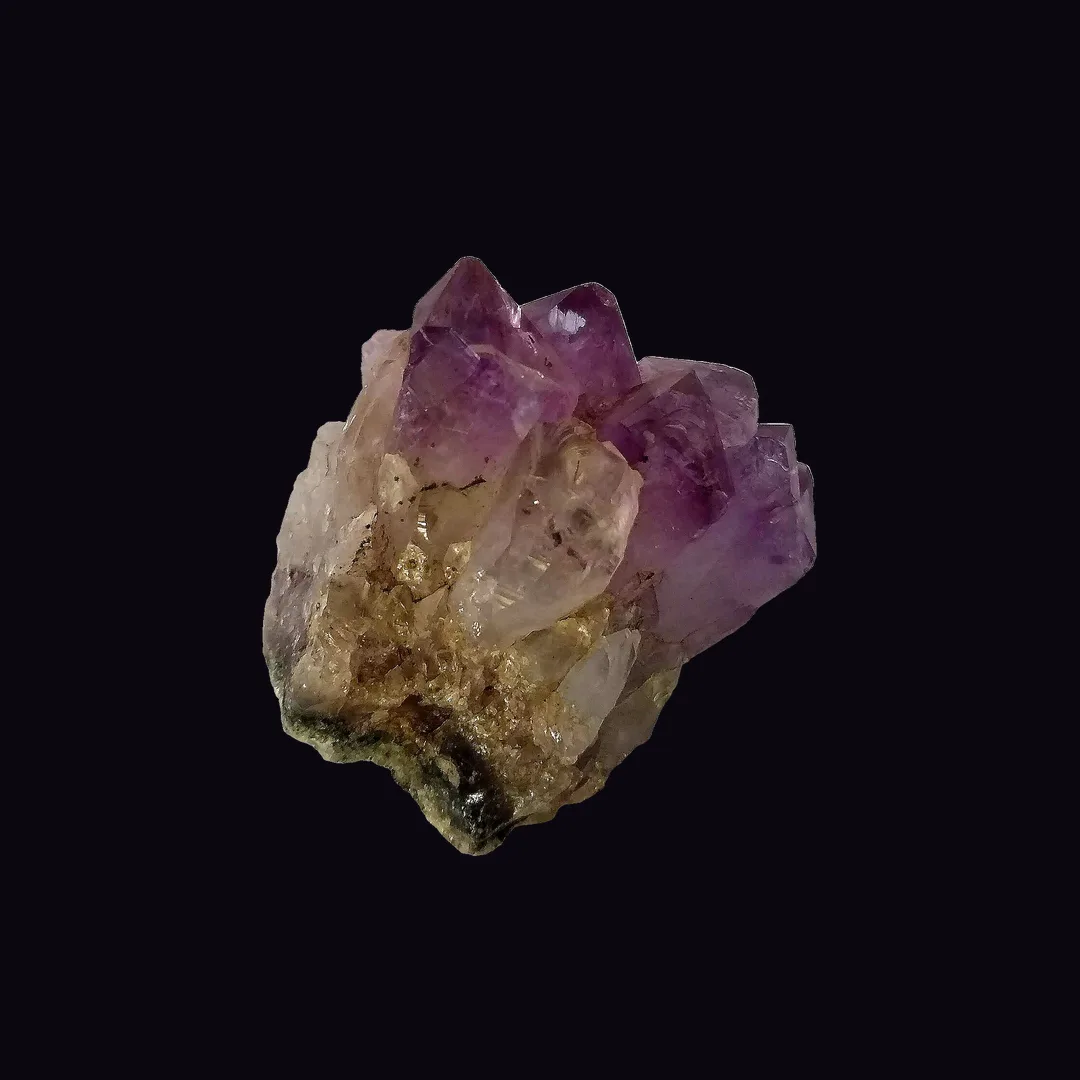
| Amethyst, rose quartz, carnelian | Yes | Quartz family, hard and stable | 7 |
| Selenite / satin spar | No | Gypsum, dissolves and goes chalky | 2 |
| Desert rose | No | Gypsum, the rosette collapses in water | 2 to 3.5 |
| Rock salt (halite) | No | It is salt, it dissolves | 2 to 2.5 |
| Malachite | No | Copper carbonate, corrodes and leaches copper | 3.5 to 4 |
| Azurite | No | Copper carbonate, toxic and water-reactive | 3.5 to 4 |
| Chrysocolla | No | Copper silicate, porous and often soft | 2.5 to 7 |
| Pyrite | No | Iron sulphide, oxidises into acid (pyrite disease) | 6 to 6.5 |
| Hematite | No | Iron oxide, rusts and stains orange | 5.5 to 6.5 |
| Lepidolite | No | Mica layers lift and delaminate | 2.5 to 3 |
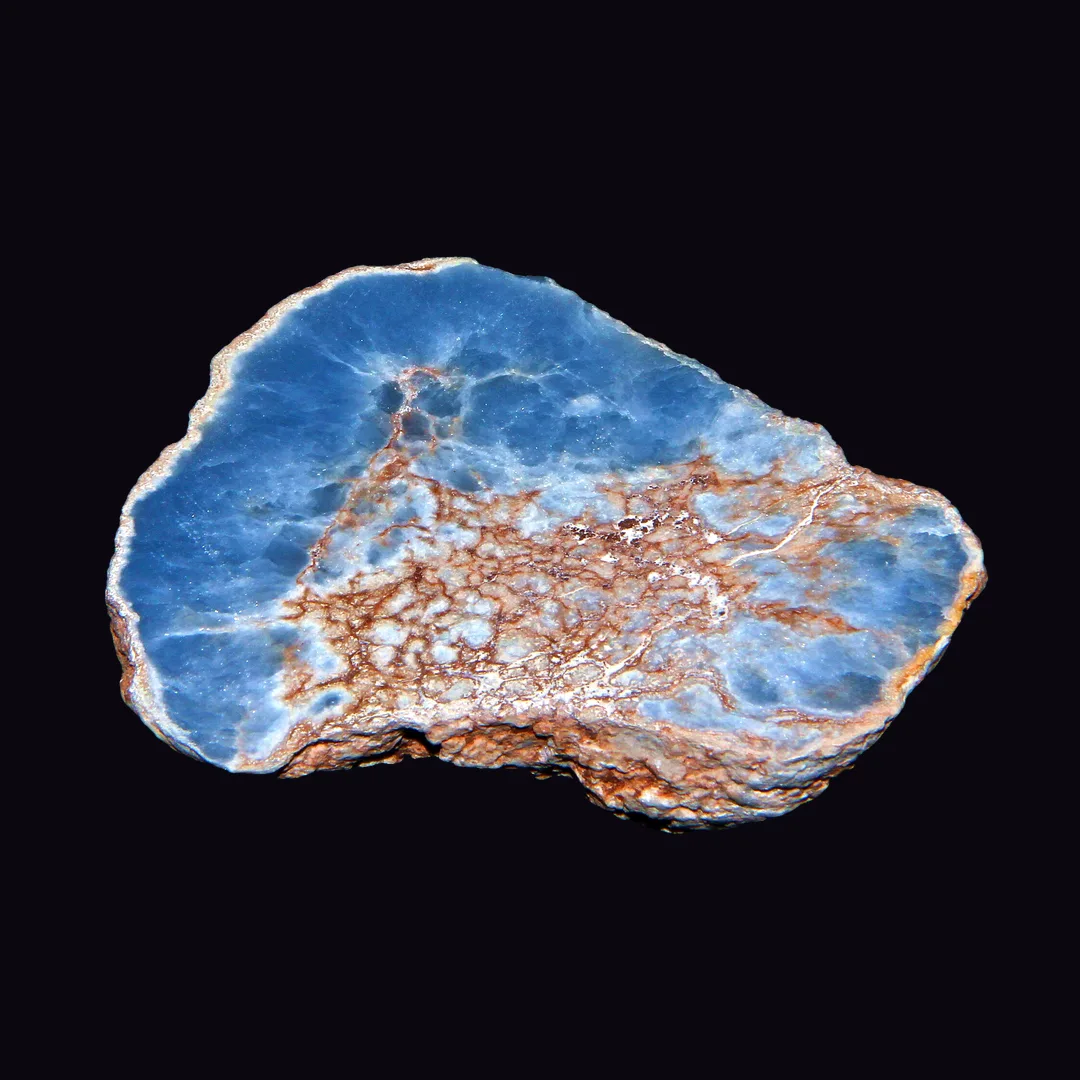
| Angelite | No | Anhydrite swells and crumbles as it takes on water | 3.5 |
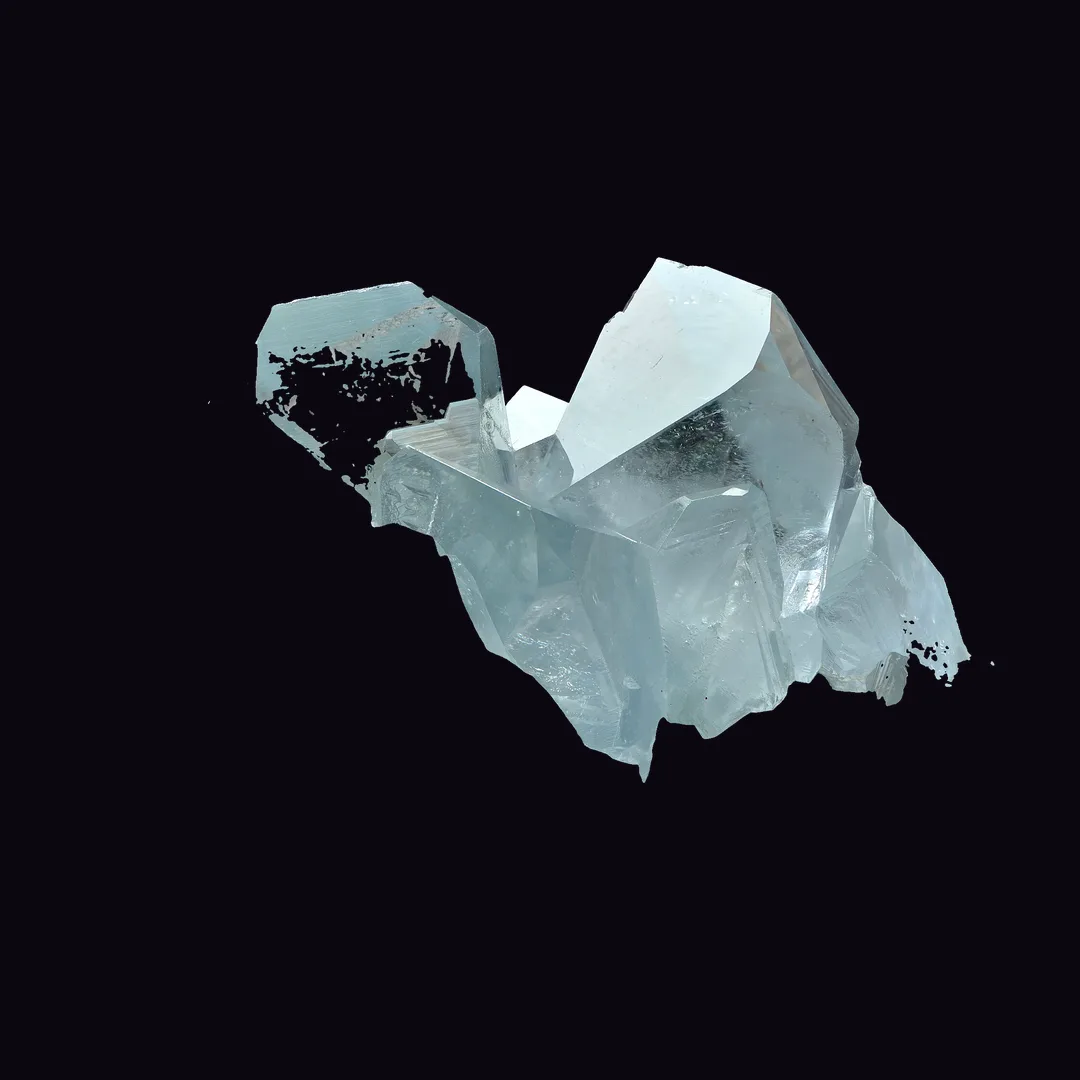
| Celestite | No | Water dulls the terminations, crystals shear off | 3 to 3.5 |
| Calcite (all) | No | Dissolves in anything acidic, polish goes dull | 3 |
| Turquoise | No | Porous, discolours permanently | 5 to 6 |
| Dyed howlite | No | Soft and porous, bleeds dye | 3.5 |
The rule of thumb that actually works
Two questions sort most stones fast.
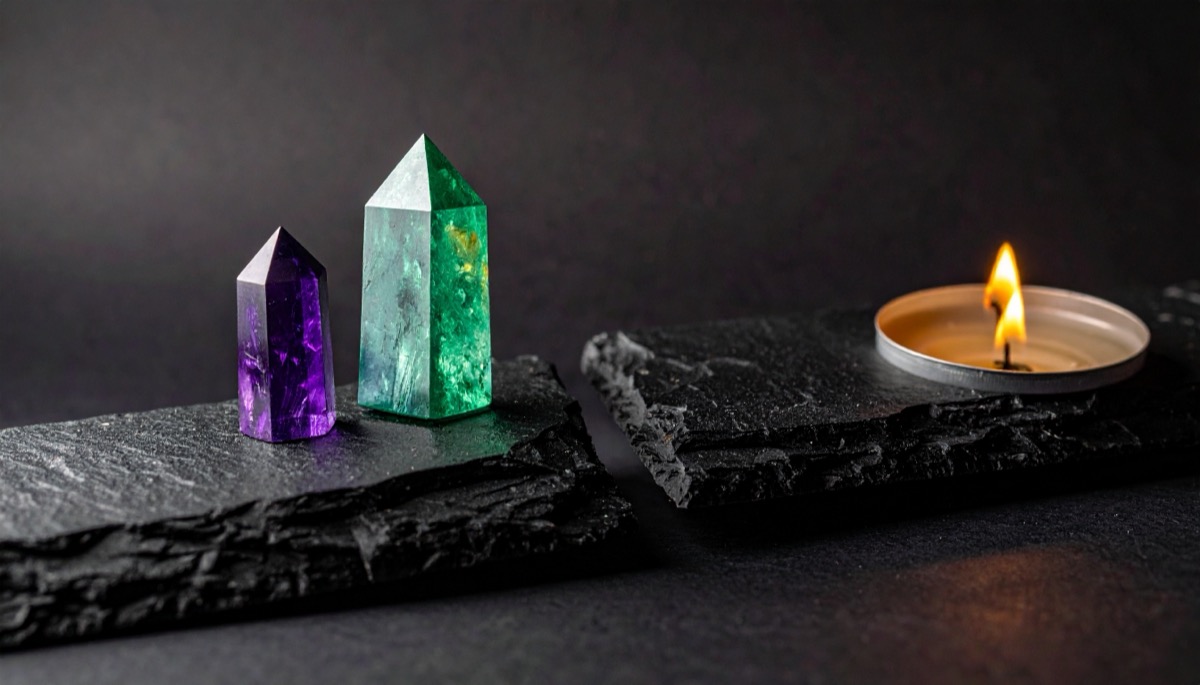
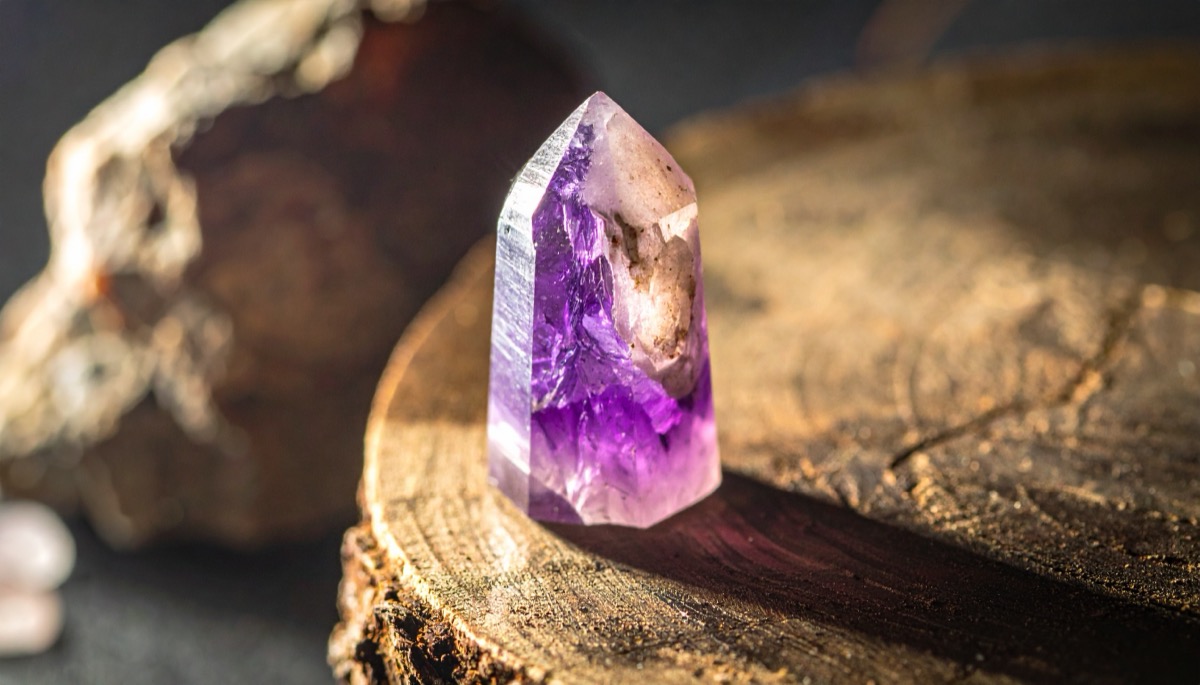
Is it a 7 on the Mohs scale? If it is quartz, it is a 7, and quartz does not care about water. Clear quartz, amethyst, rose quartz, smoky quartz, citrine, carnelian, agate, jasper, tiger's eye, obsidian and onyx are all in the safe zone. Warm water, soft brush, done.
Does it have metal or salt in its name or nature? Copper, iron, sulphate, mica, anything soft and dyed. That is your no pile.
The honest limit: this heuristic gets you most of the way, not all of it. Some stones sit right on the line. Fluorite is a 4 and technically water-safe for a quick rinse, but soak it and you are asking for trouble. Aventurine and sodalite tolerate a brief rinse but hate a long soak because of soft veins. If you are not sure what you are holding, scan it before you make it wet. That is the whole reason the identification exists.
Cleansing without the water
You do not need water to cleanse a stone. That is a habit people picked up, not a requirement. If your crystal is on the no list, use one of these instead:
- Dry brush for the fragile gypsum stones. A soft makeup brush lifts dust without touching moisture.
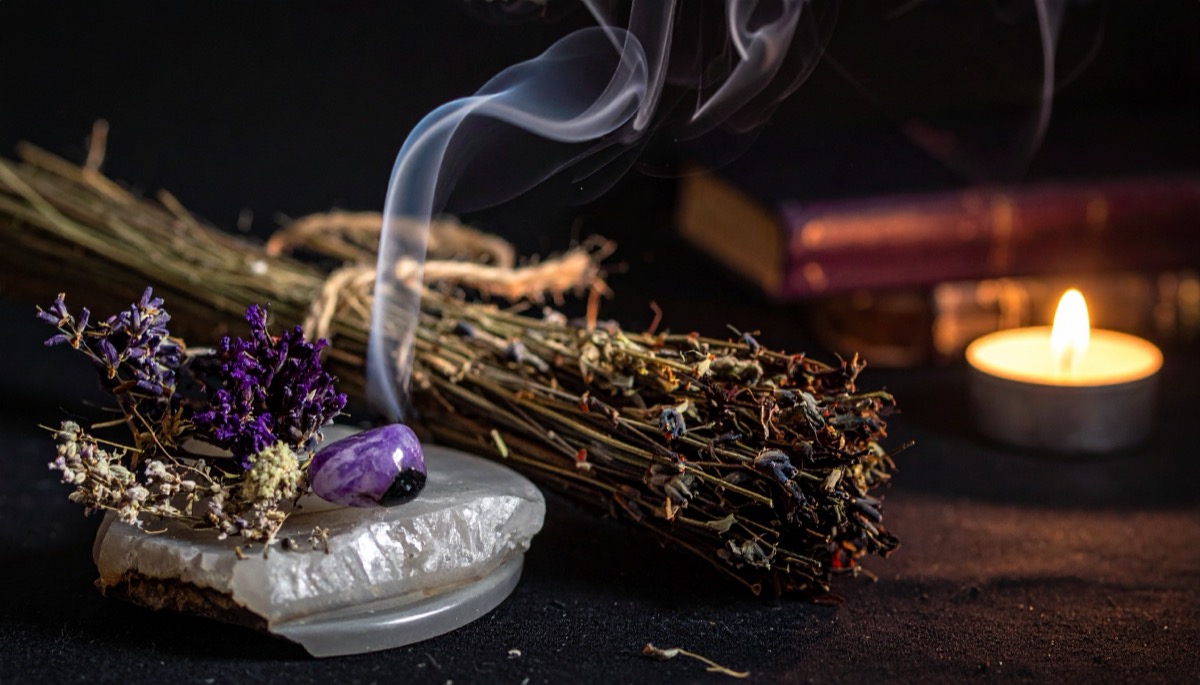
- Smoke from incense or dried herbs works on everything and skips the physics problem entirely.
- Sound, a bell or a singing bowl, for anything you are scared to touch.
- Moonlight on a windowsill, which is dry and works on almost anything except the stones that fade in light.
One more thing people get wrong. If you want moon water for a ritual, do not drop the crystal in the jar. Charge the water under the moon on its own, then set the stone next to it. You get the intention without dissolving a twenty-dollar piece into your bowl.
The stones people lose most often
A few specimens get soaked to death constantly, so they are worth naming.
Selenite and satin spar top the list. They are the single most water-damaged stones in the whole trade. People see the white glow and assume it is delicate but washable. It is gypsum, a 2 on the Mohs scale, and even humid bathroom air over time will dull it. Keep it off wet shelves entirely.
Desert rose is selenite with sand in it, so it goes the same way, except the whole rosette collapses instead of just clouding. Never mist it, never wash it.
Pyrite gets ruined slowly by the air itself in a humid room, no soaking required. If you live somewhere damp, store it with a silica gel packet and keep it out of the bathroom. Once pyrite disease starts crusting the surface, you cannot stop it.
Turquoise and dyed howlite get killed by ordinary wear, not deliberate soaking. Sweat, hand cream, perfume and soap all soak into porous turquoise and shift it from blue toward green permanently. Take it off before you wash your hands.
What water-safe actually buys you
The quartz family is genuinely low-maintenance, and that is why it makes up most beginner sets. Clear quartz will outlive you. Rose quartz, amethyst and carnelian all take a warm rinse without complaint, though a few of them fade in sunlight, which is a separate problem from water.
The stones that cannot get wet are not lesser stones. Selenite is one of the most-loved pieces in any collection, it just needs a dry shelf and a soft touch. Malachite is stunning and completely fine to handle when it is polished and sealed. You just keep it away from your water bottle and your mouth.
Learn the failure mode, match it to the stone, and you stop losing pieces to a five-minute soak. When you genuinely cannot tell what you are holding, scan it to be sure before any water touches it.
The stones in this piece
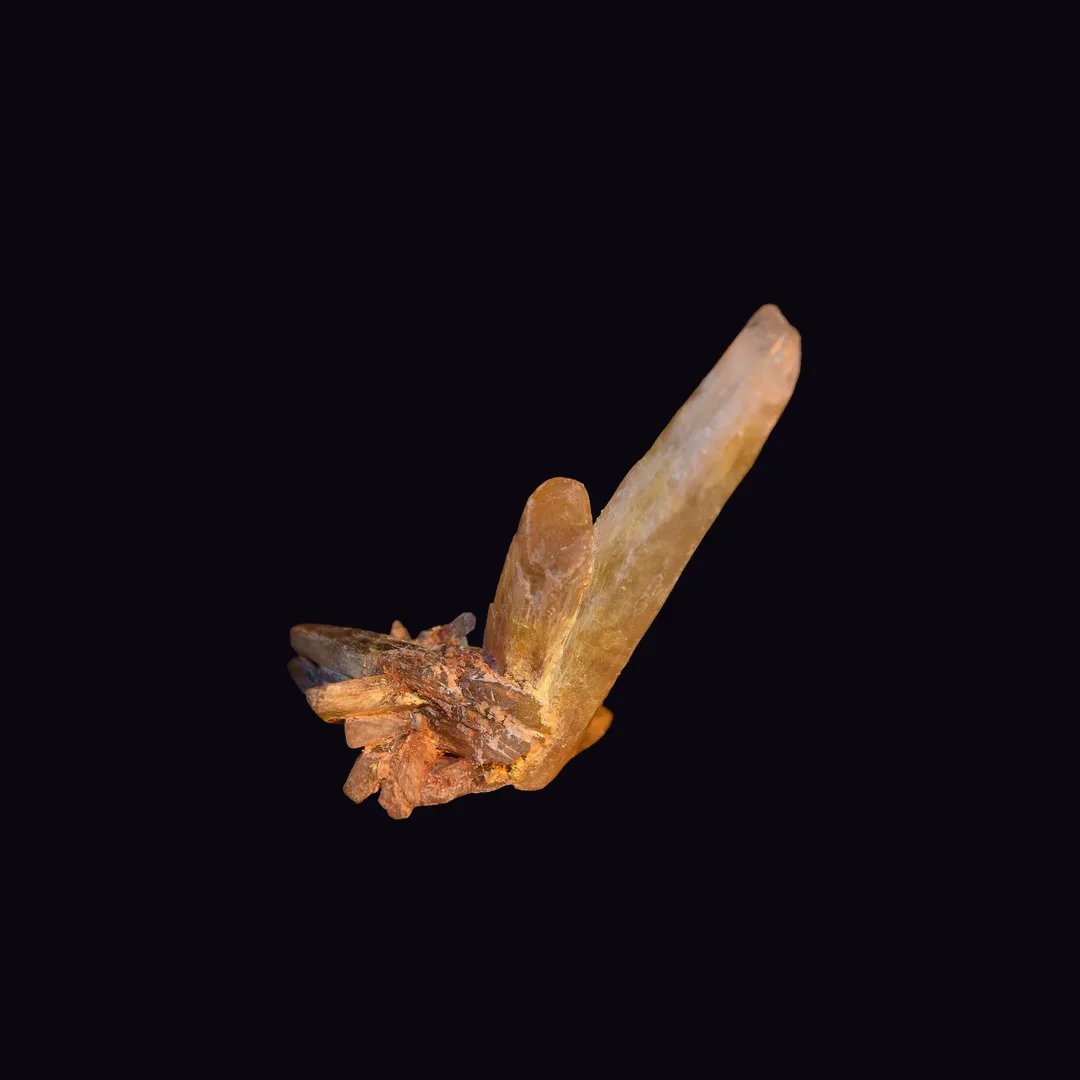 SeleniteRead the entry
 MalachiteRead the entry
 PyriteRead the entry
 LepidoliteRead the entry
 CelestiteRead the entry
 Clear QuartzRead the entry
 AmethystRead the entry
 AngeliteRead the entry
 AzuriteRead the entry
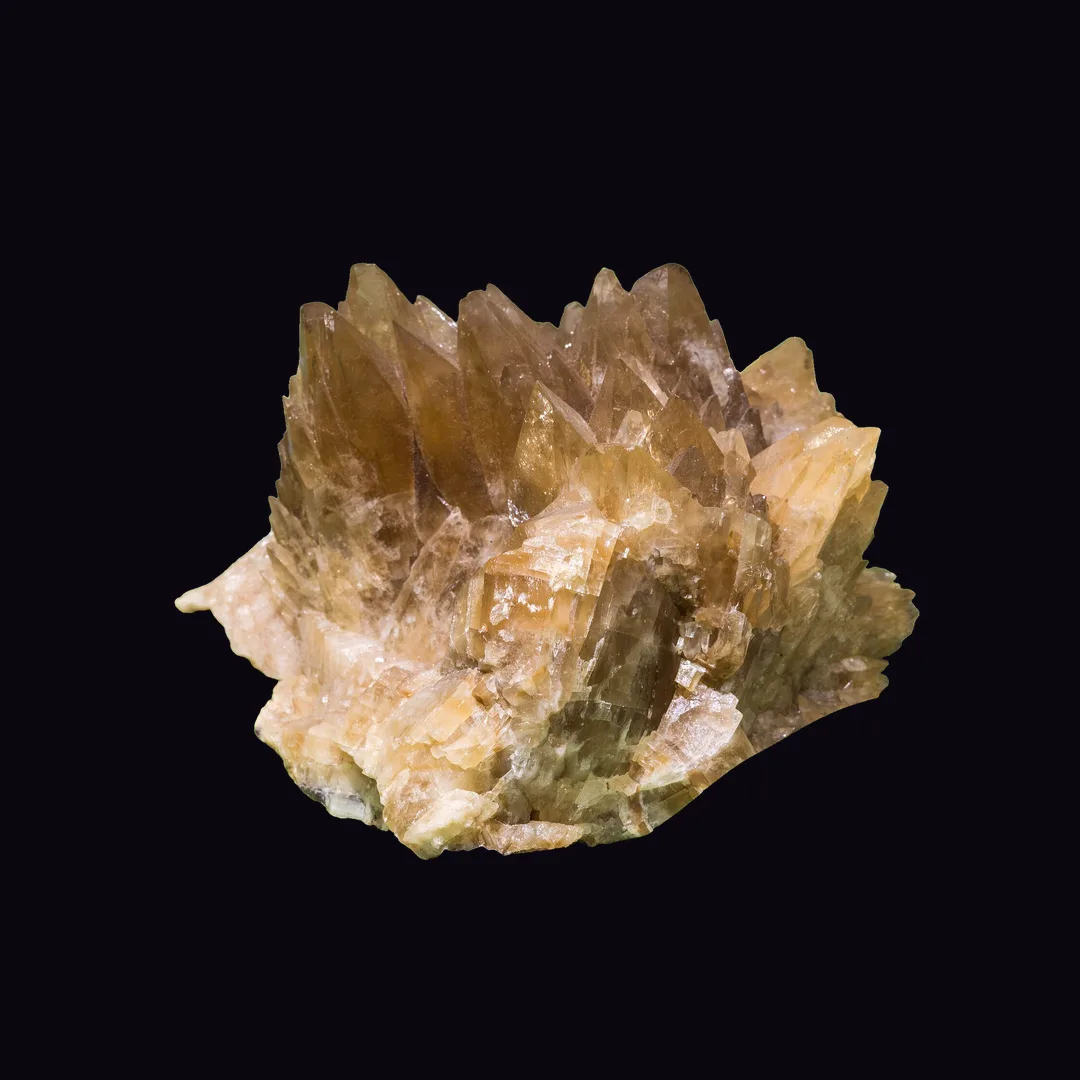 Calcite (Coloured Varieties)Read the entry
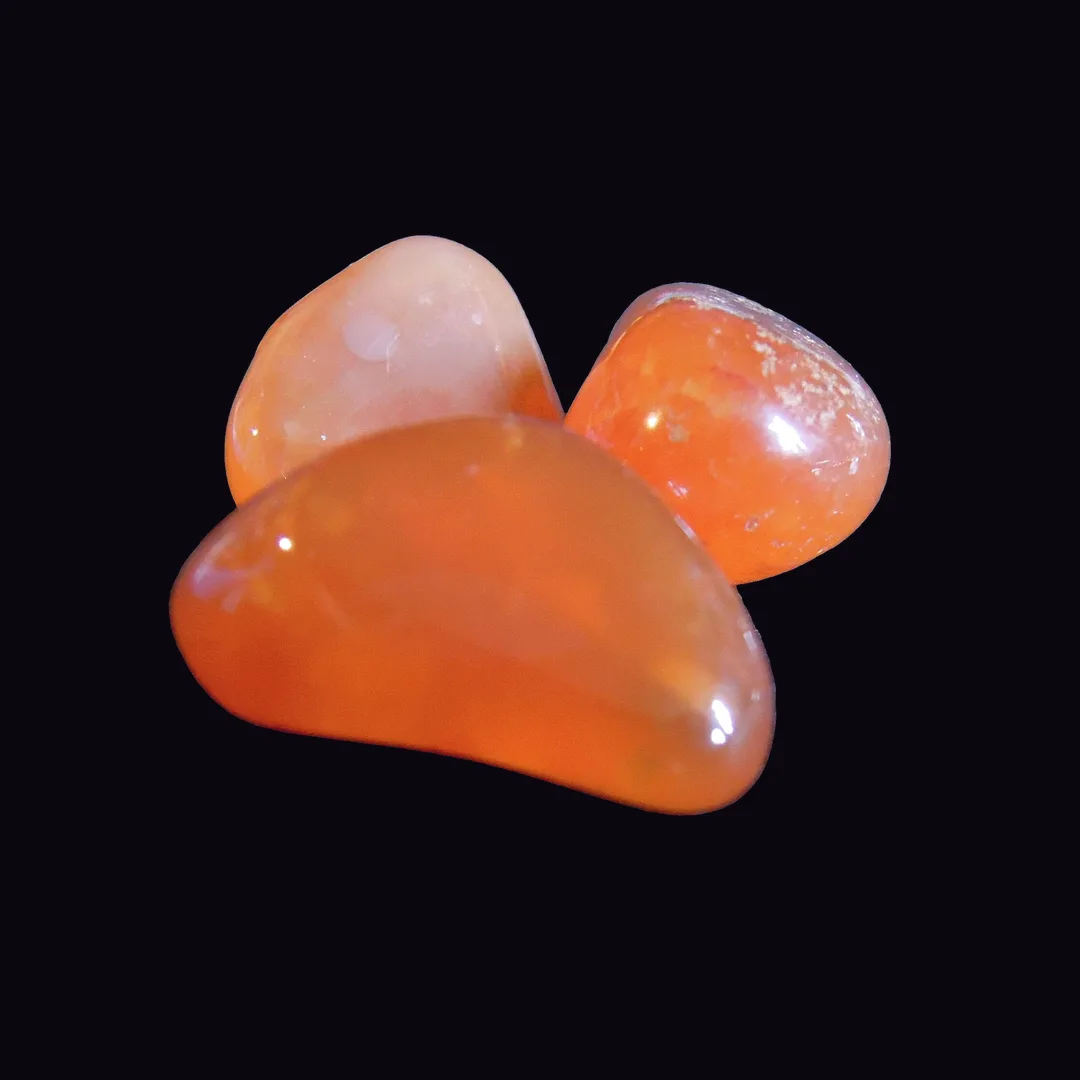 CarnelianRead the entry
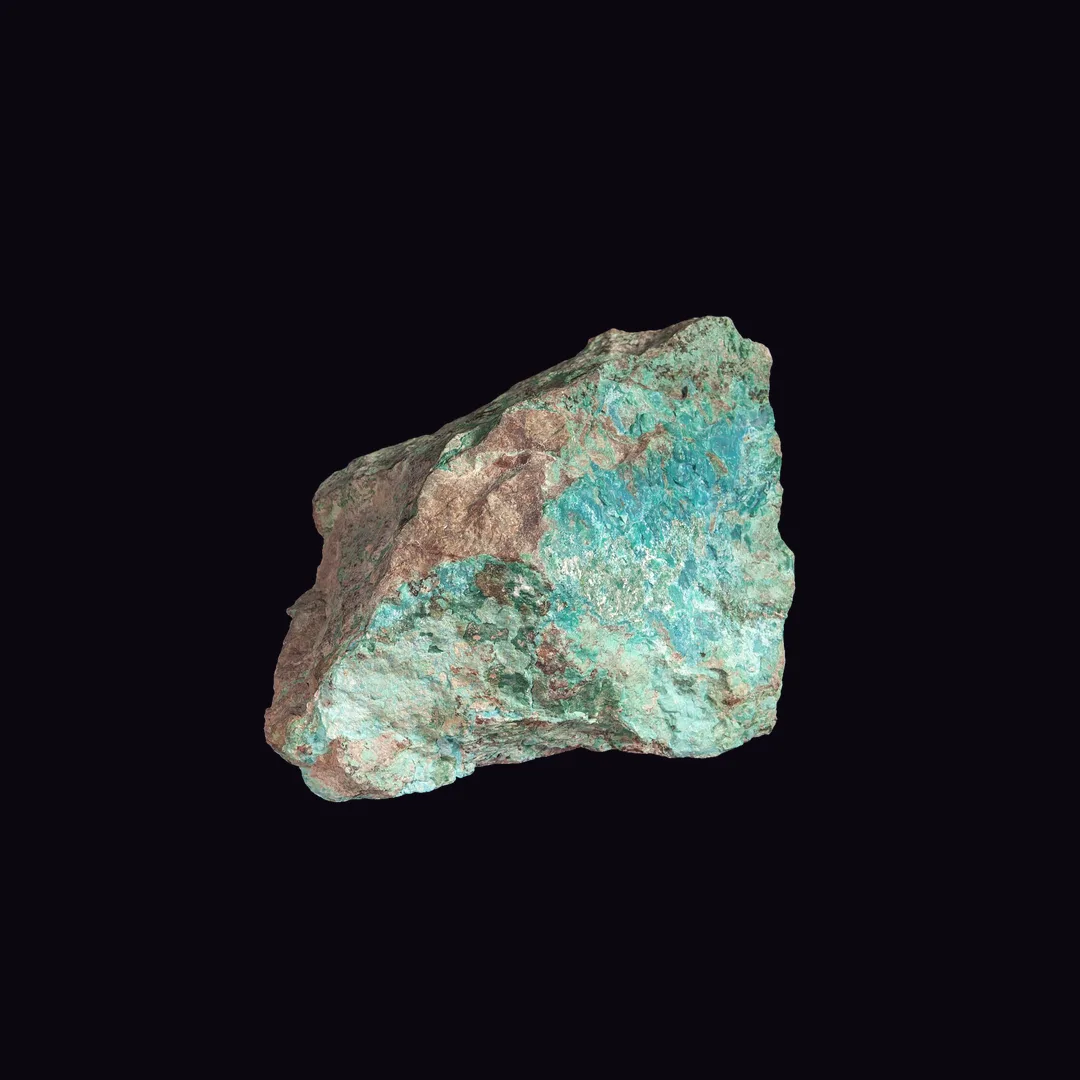 ChrysocollaRead the entry
and 11 more named in this piece
Questions people ask
Which crystals should never get wet?
Anything soft or water-reactive: selenite and satin spar, desert rose, halite, malachite, azurite, chrysocolla, pyrite, hematite, angelite, celestite, lepidolite, turquoise, and dyed stones like howlite. They dissolve, rust, delaminate or leach dye and copper. When in doubt, keep it dry.
How do I know if my crystal is water-safe without ruining it?
Check hardness and family. Quartz stones (Mohs 7) handle water fine. Anything softer than about 5, or anything with copper, iron or salt in it, is a risk. The tests get you most of the way. Scan it to be sure before you soak anything.
Can I use moon water made with an unsafe crystal?
Do not drop the stone in the water. Make the moon water first, then set the crystal beside the jar, not in it. That skips the whole dissolving-and-leaching problem and you still get charged water for whatever you use it for.