How to Make Moon Water Tonight (and Which Crystals to Drop In)
Rituals and moons · 6 min read · 8 August 2026
Moon water is a modern practice, and there is one real rule in it. Here is the recipe, the full-moon timing, and which crystals must stay out of the jar.
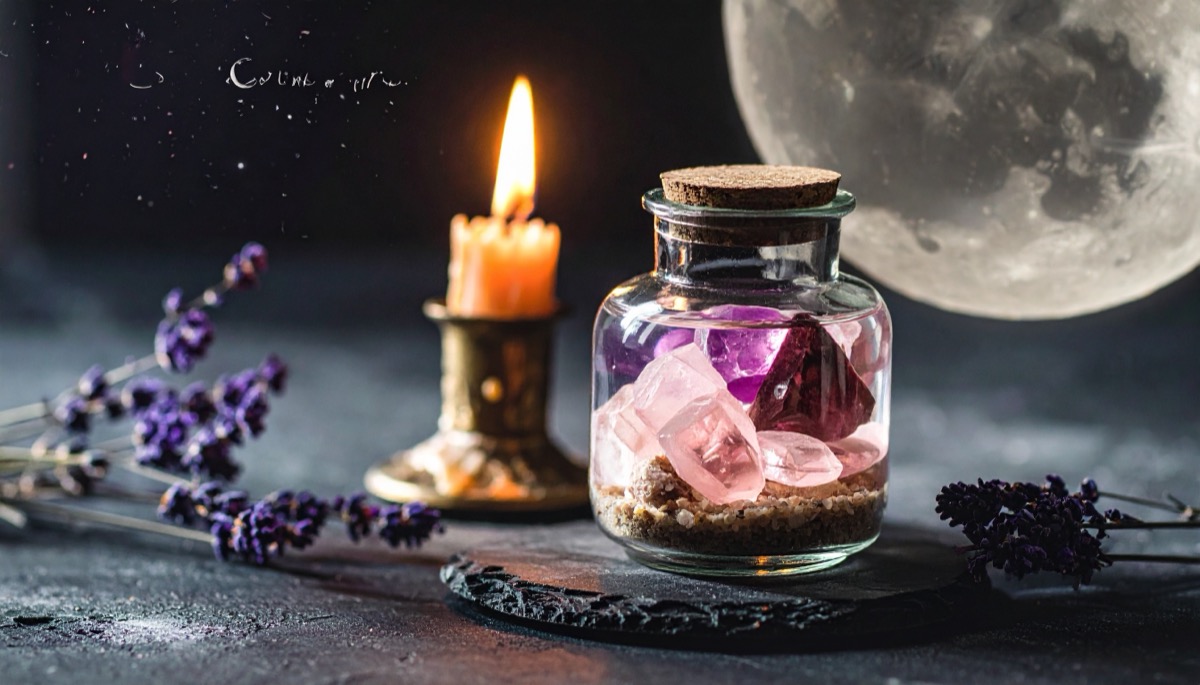
Moon water is a modern practice. It is not an old rite handed down. It spread through blogs and then through phones, and most of the rules you have read were invented recently by somebody like you.
That is not a reason to skip it. It is a reason to ignore anyone who tells you there is one correct way to do it.
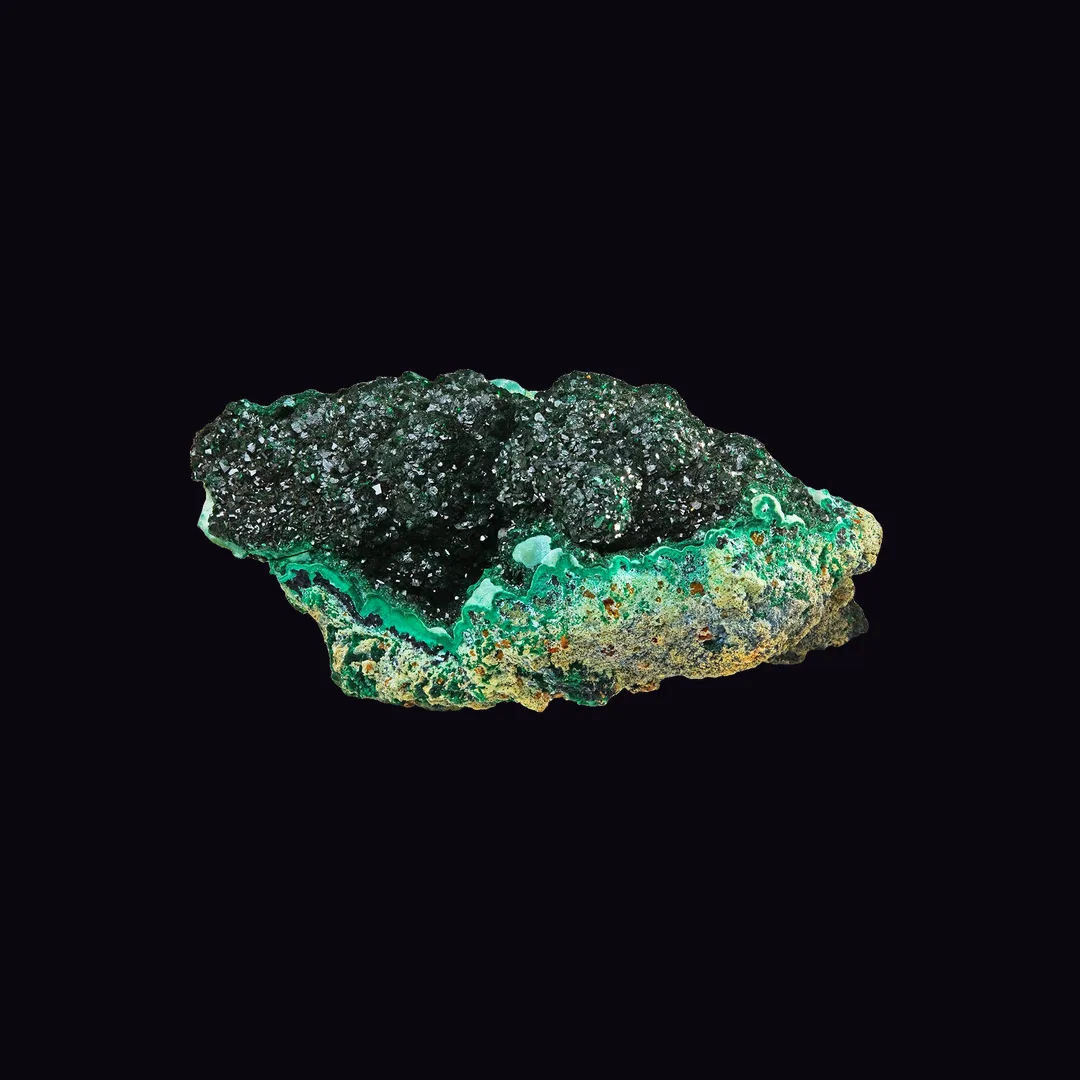
There is one real rule, and it is about the stone, not the moon. Selenite dissolves in water. Malachite is a copper mineral and should never go in a jar you might drink from.
Moon water is water you leave out under the moon overnight to soak up an intention you set with it. To make it: fill a clean jar, name what it's for, put it where moonlight lands, and bring it in before sunrise. You can charge a crystal beside it, but only water-safe stones like clear quartz go in the jar.
Plenty of guides will tell you to drop your prettiest stone straight in. Some of those stones dissolve. Others rust or leach things you do not want to swallow.
You are doing this because you want one thing tonight that is quiet and yours, with nobody asking you for anything. A jar on a windowsill is a small enough ask.
We sort the stones out below. First, the recipe.
The recipe, start to finish
- Clean a jar. Any glass container with a lid. A mason jar is the cliché for a reason: it seals and you can label it.
- Fill it with water. Filtered or spring if you plan to drink or cook with it. Tap is fine if it's purely for ritual use like anointing, cleaning or watering plants.
- Set your intention. Say it, write it on the lid, or just hold the thought. Specific beats vague. "Calm for the week" or "closing this chapter" reads better than a general good-vibes wish.
- Put it where the moon can reach. Outside on a step, a balcony ledge, or an inside windowsill. Direct moonlight is the ideal, but the practice people follow says the light doesn't have to be unobstructed, so a windowsill counts.
- Leave it overnight. A few hours is plenty. Full dusk-to-dawn is traditional.
- Bring it in before the sun hits it. This is the one timing rule people actually keep. Moon water is a moon thing, so you collect it before direct sunlight in the morning. Practically, it also keeps a lidded jar from cooking on a sunny sill.
- Label it and store it. Date it. If it's the drinking kind, keep it in the fridge and use it within a week or so, because it's just water and water grows things.
Done. You made moon water. Now the part that saves your crystals.
Which crystals go in, which stay out
Here's the rule in one line: quartz-family stones are safe in water, soft and metallic stones are not. This isn't mystical. It's mineralogy. Soft stones dissolve, iron and copper stones corrode and leach, and some of that runoff is genuinely toxic.
| Crystal | In the water? | Why |
|---|---|---|
| Clear quartz | Yes | Inert silica, Mohs 7, basically indestructible |
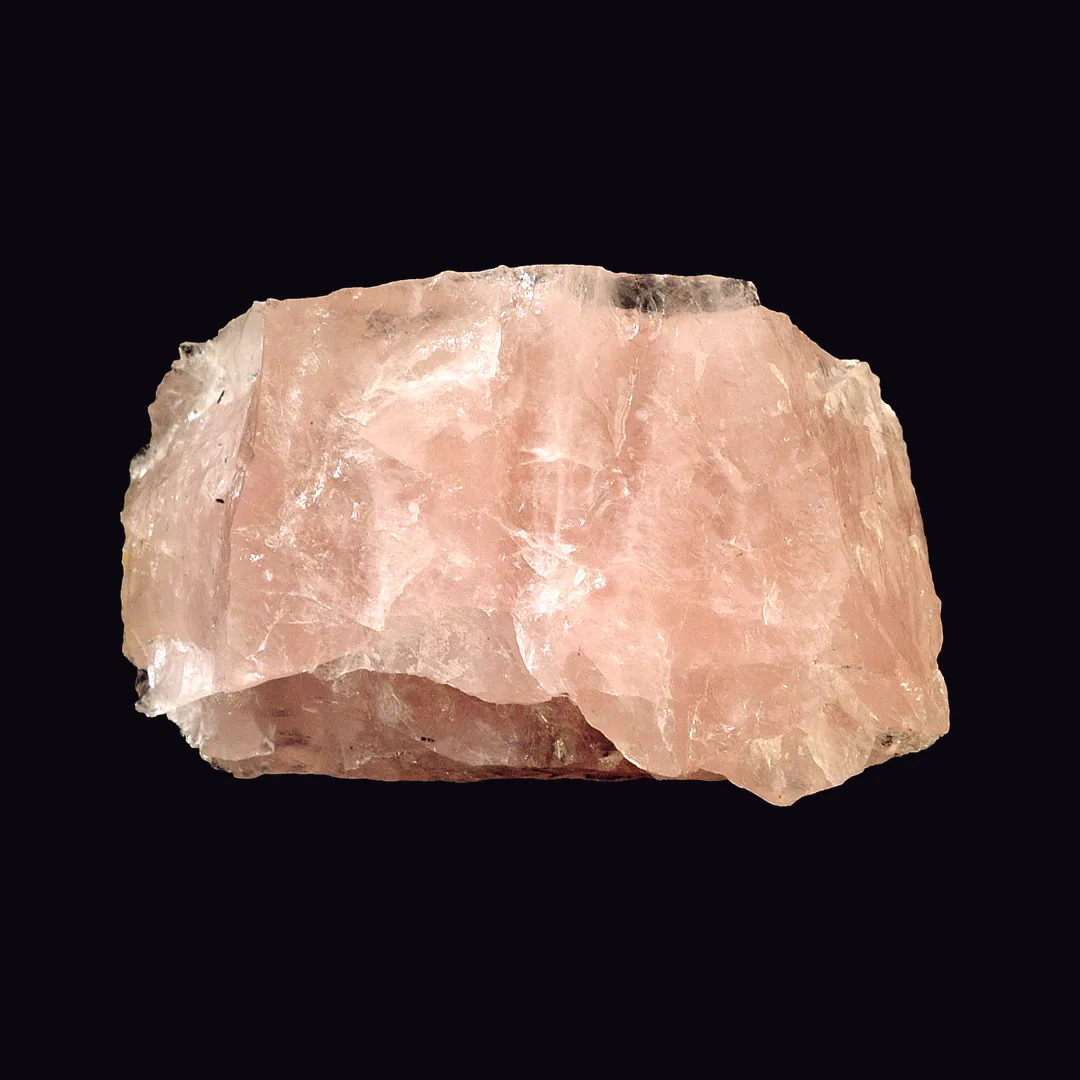
| Rose quartz | Yes | Quartz family, handles water fine |
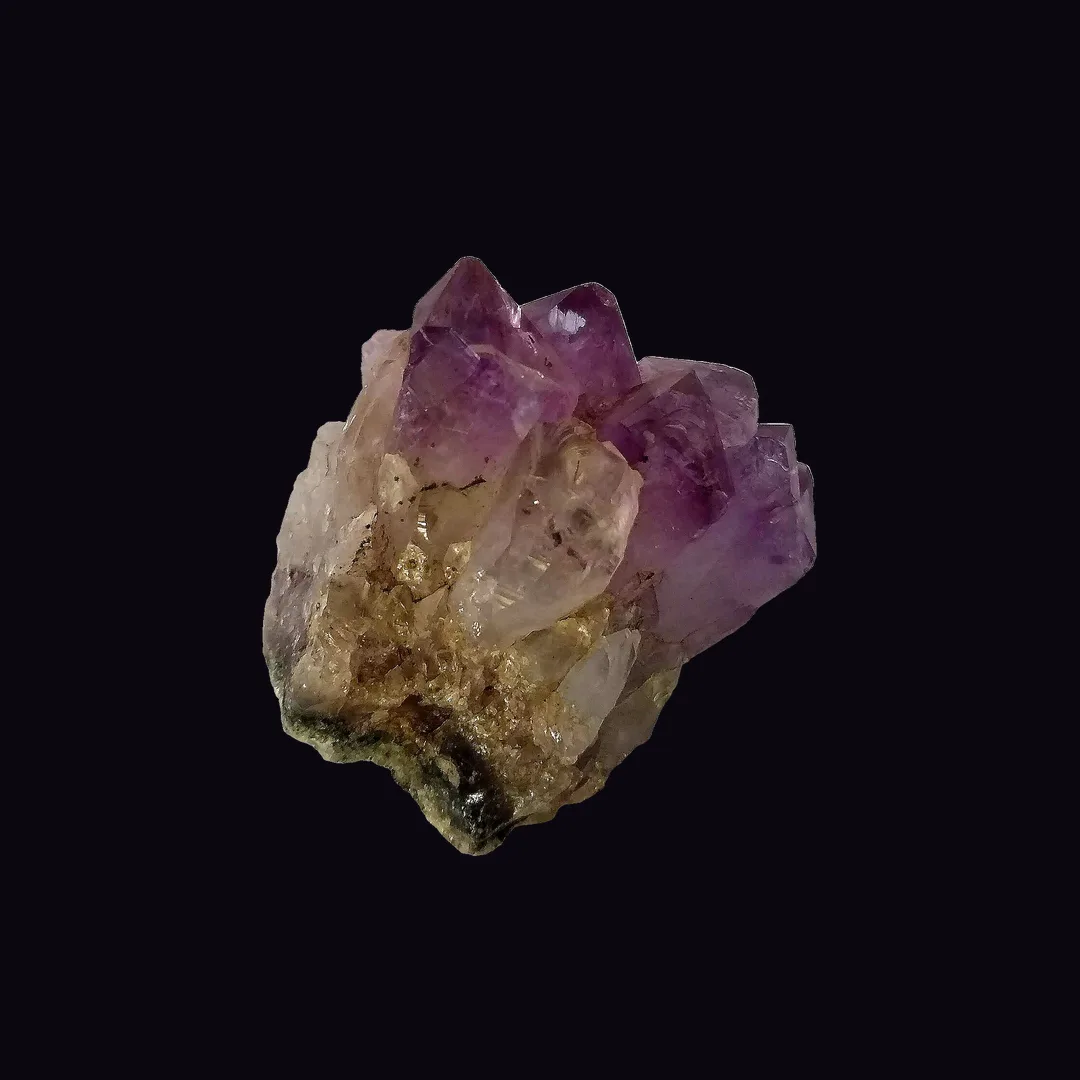
| Amethyst | Yes | Quartz, stable in water (keep out of long sun, it fades) |
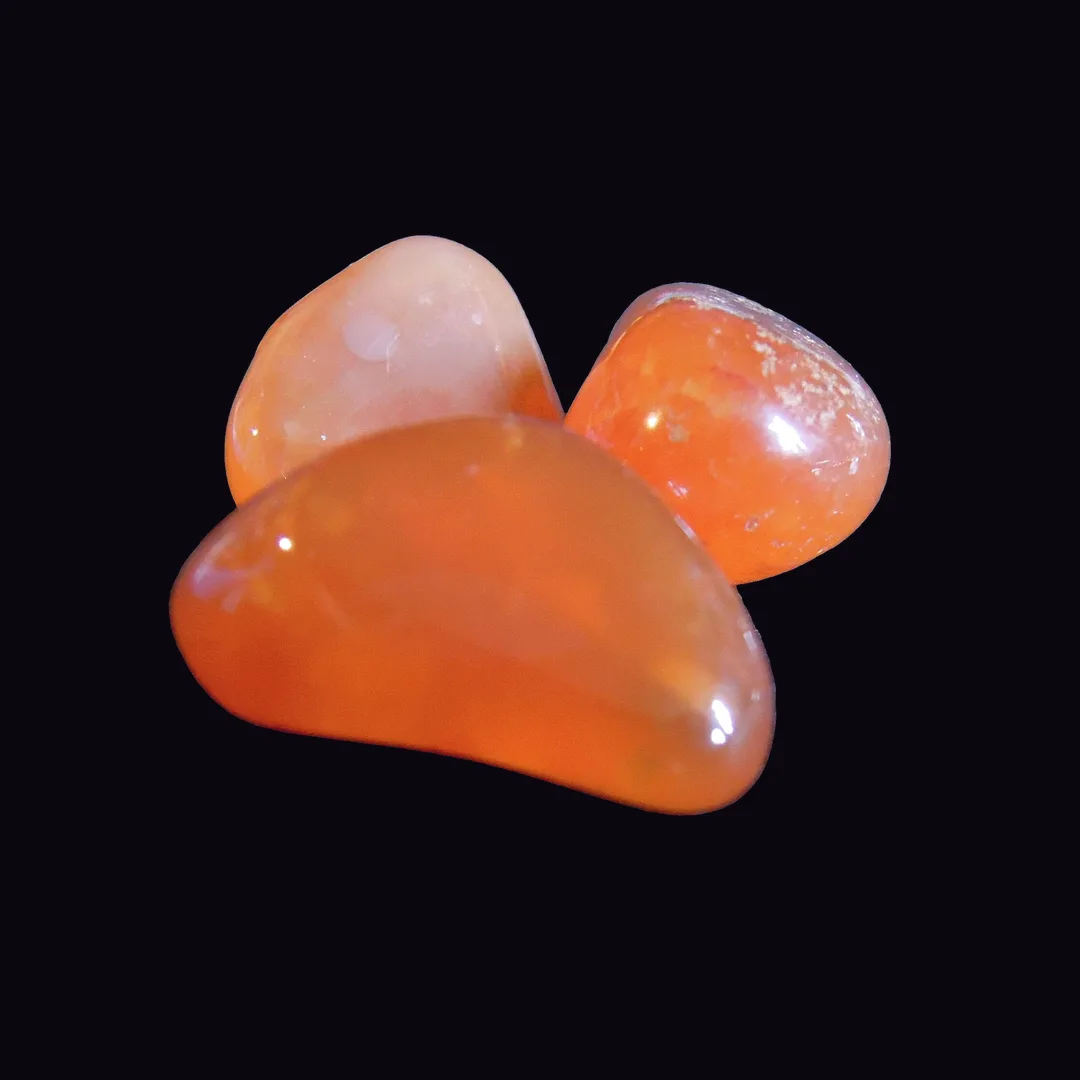
| Carnelian | Yes | Quartz family, safe for a soak |
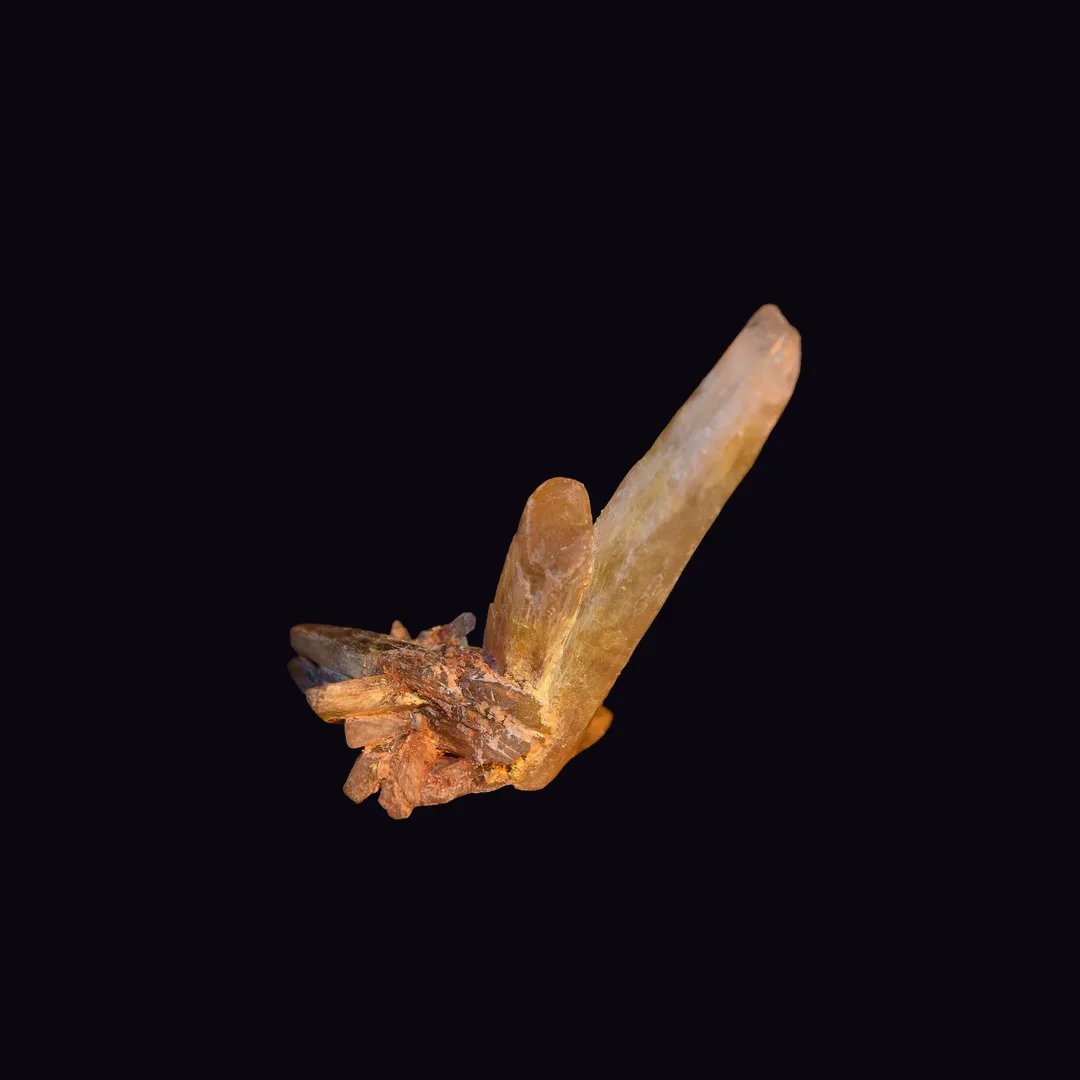
| Selenite | No | Gypsum, Mohs 2, dissolves and turns chalky |
| Malachite | No | Copper carbonate, corrodes and leaches copper, toxic in water |
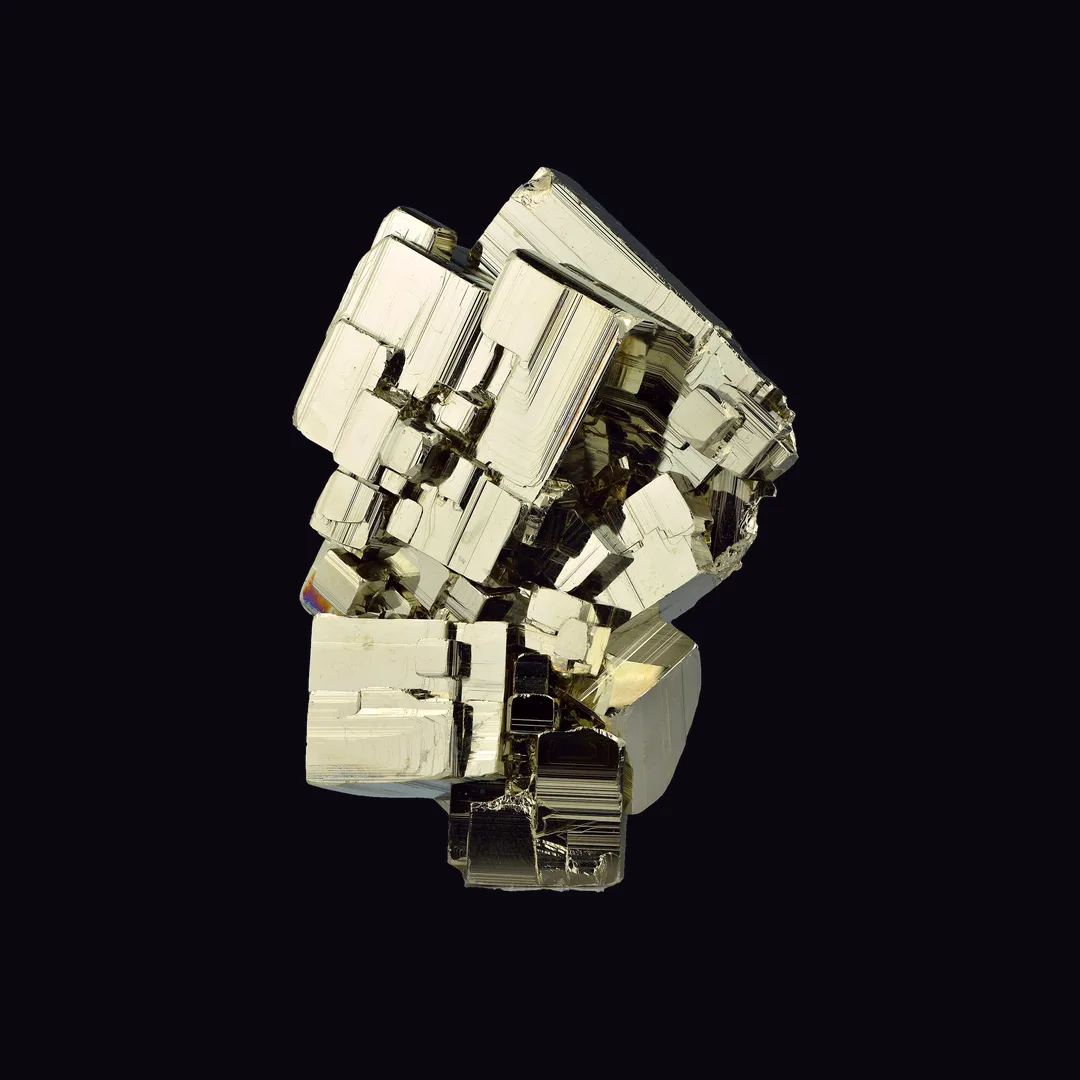
| Pyrite | No | Iron sulphide, rusts into acid, wrecks the water |
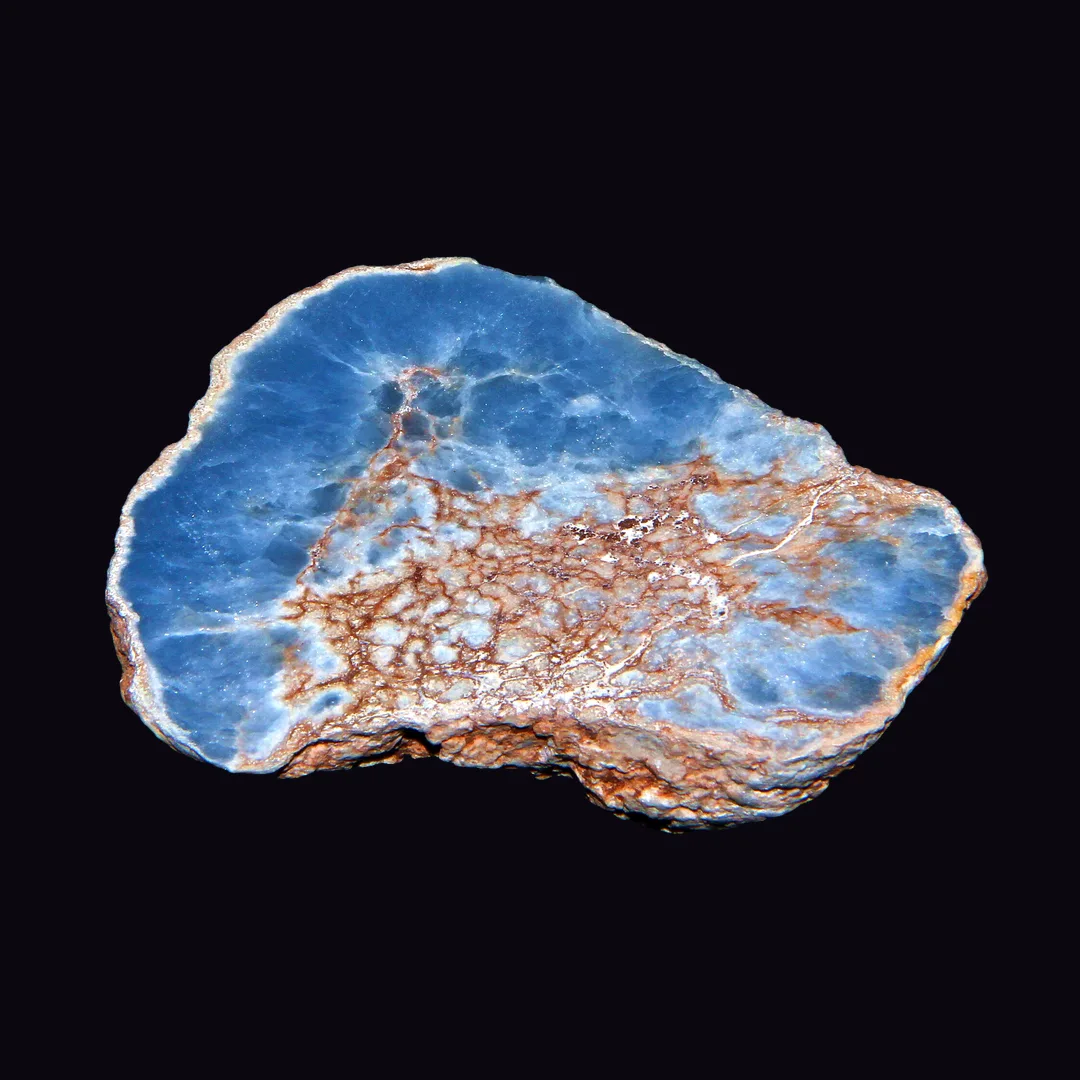
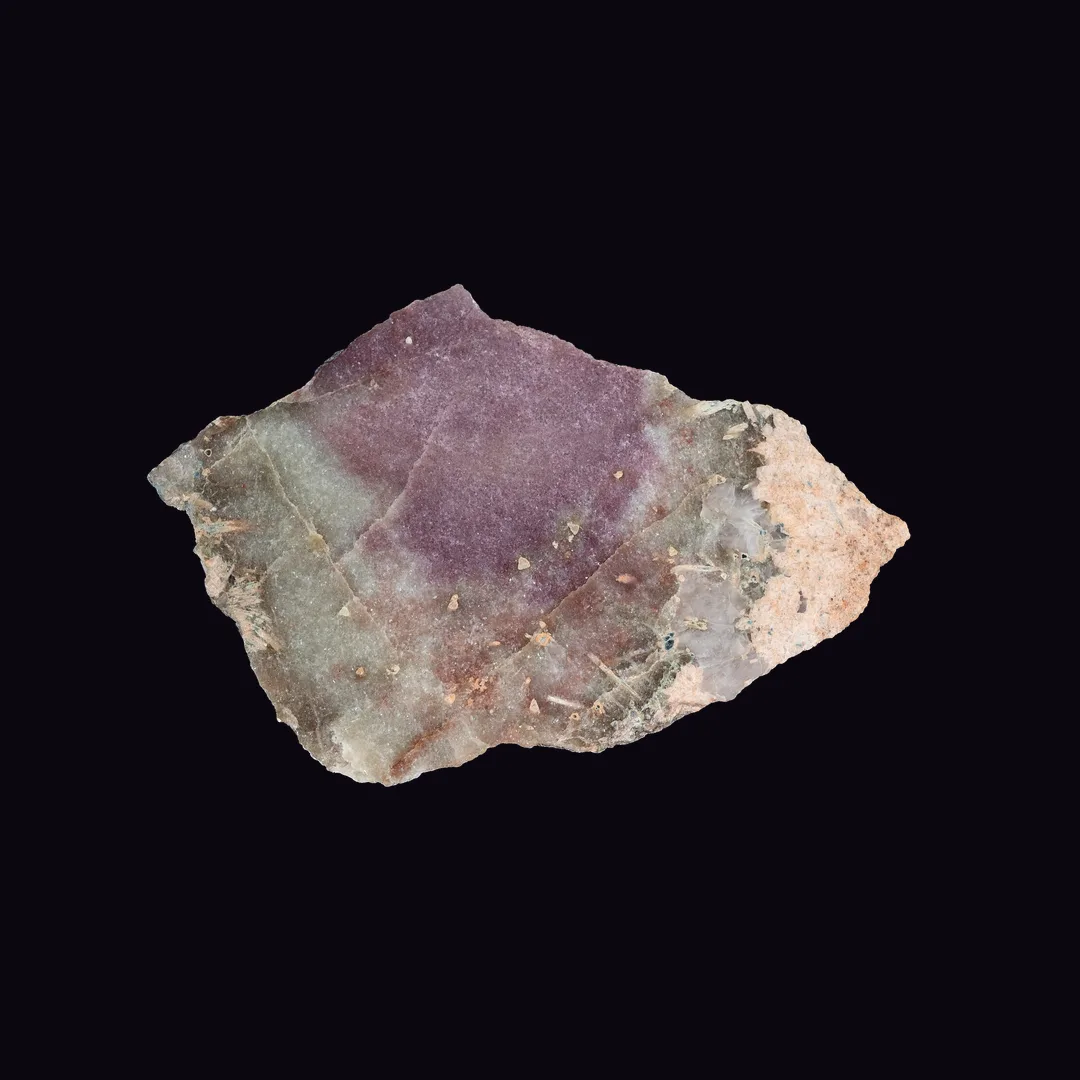
| Turquoise, lepidolite, angelite | No | Soft or porous, discolor and break down |
If a stone you love is on the "no" list, you don't lose out. Charge the water first, then set the crystal next to the jar, not in it. The intention transfers either way and you don't turn a twenty-dollar selenite wand into sludge. We keep a longer version of this list in crystals that can't get wet, and it's worth a look before you drop anything unfamiliar into a jar.
The rule of thumb: if you can't name the stone, don't soak it. Scan it first so you know whether it's a safe quartz or a soft one that's about to dissolve on you.
Full moon timing, and why it's the popular pick
You can make moon water on any night. The full moon just gets top billing because it's the brightest, the easiest to time, and it's associated with completion, release and things coming to a head. So if your intention is about letting go or finishing something, the full moon is a natural fit.
But the phase is a choice, not a requirement, and matching it to your intent is where it gets interesting:
- New moon for fresh starts and setting things in motion.
- Waxing moon for building and drawing things toward you.
- Full moon for release, gratitude and closure.
- Waning moon for clearing out and letting go.
Cloudy night? Still counts. The moon is up there whether you can see it or not, and the practice doesn't hinge on a clear view.
Charging a crystal beside the jar (the safe workaround)
This is the move that lets you use any stone you love, even the ones that can't touch water. You charge the water and the crystal together without putting one in the other.
- Make the moon water the normal way, lid on, intention set.
- Set the crystal right next to the jar, touching the glass if you like. Selenite, malachite, a raw pyrite cluster, anything on the no-soak list goes here.
- Leave them side by side overnight under the same moonlight.
- Bring both in before sunrise.
The stone charges under the moon, the water charges under the moon, and neither one dissolves or leaches into the other. You get the full ritual with zero risk to a fragile piece. Honestly, most experienced people do it this way regardless, because it's less fussy and nothing gets ruined.
If you want to add a stone to the water itself, keep it to the quartz family and give it a rinse and a look first. A cracked or heavily included stone can shed grit even if it's technically water-safe, so a quick inspection saves you a cloudy jar.
Five more that never go in the jar
The no-soak list runs longer than most guides admit. These five sit beside the jar, never in it.
Ammonite is a fossil, and fossils are routinely glued and stabilised, so water loosens whatever is holding it together. The brassy pyritised ones rot in damp air. Aragonite is a carbonate. Vinegar dissolves it, salt eats it slowly, and the spikes are fragile enough that a bag with other stones will snap them. Septarian is mudstone laced with calcite veins. Soak it and the polish dulls and the body can soften and crumble.
Magnetite rusts, and water and salt both start it. Seraphinite is one of the softest polished stones sold, around a 2 on the hardness scale, and water works straight into its layers. Dry wipe only.
What to actually do with it
Moon water isn't a potion that does things on its own. It's a charged object you use as a prompt, the same way any ritual works. People use it to:
- Anoint the temples, wrists or a candle before a small ritual.
- Water plants they want to fuss over on purpose.
- Add to a cleaning bucket for a "reset the space" clean.
- Cleanse water-safe crystals like clear quartz and rose quartz.
- Sip, if and only if you used clean drinking water and kept toxic stones out.
That last point is the one to take seriously. Never drink water that had malachite, pyrite or any soft, dyed or metallic stone sitting in it. That's not woo caution, that's a real chemistry problem.
Make the jar, name what it's for, keep the wrong stones out, and use it as a small marker for whatever you're working toward. And if you're holding a stone and genuinely can't tell whether it's water-safe, scan it before it goes anywhere near the jar. That one check is the difference between charged water and a ruined crystal.
The stones in this piece
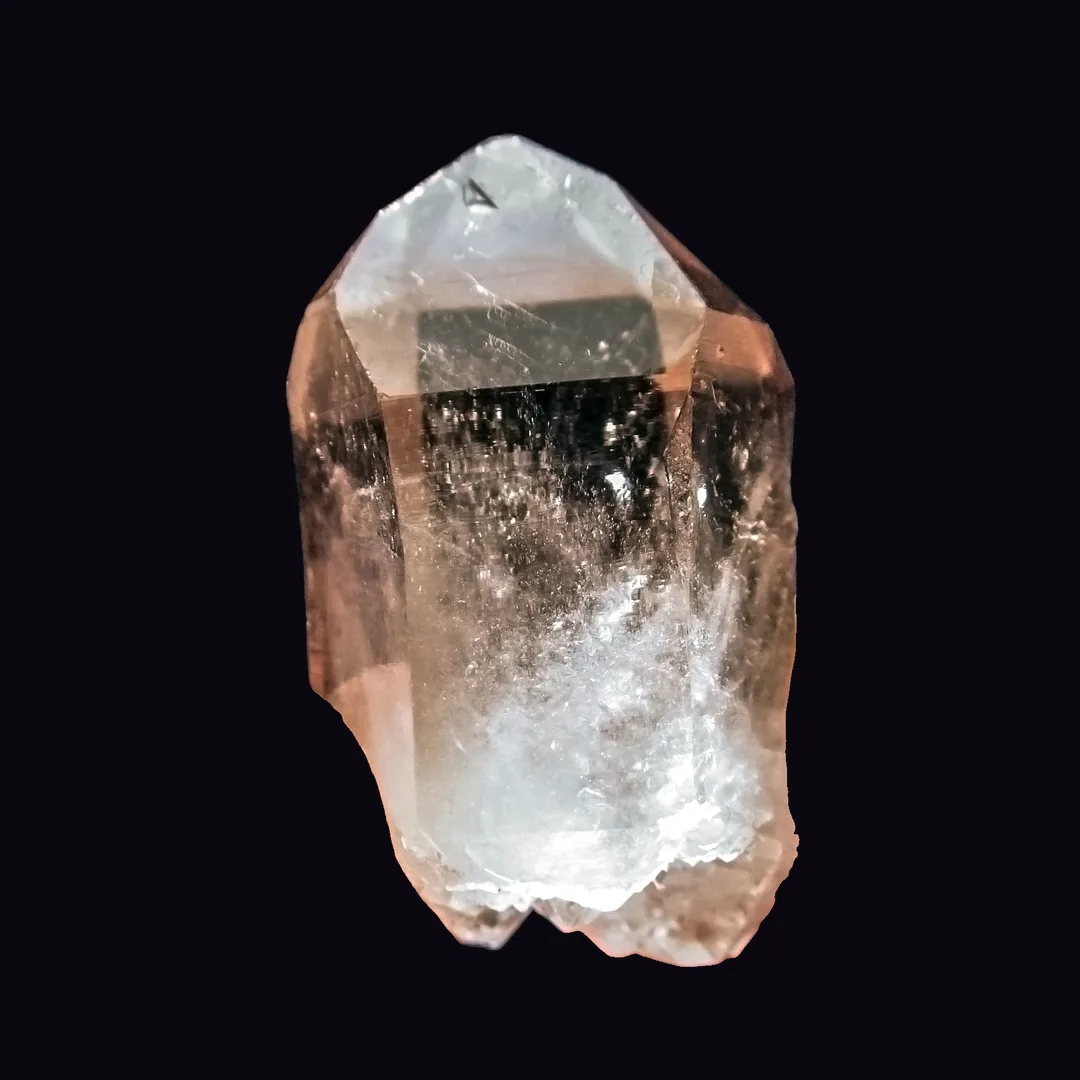 Clear QuartzRead the entry
 Rose QuartzRead the entry
 AmethystRead the entry
 CarnelianRead the entry
 SeleniteRead the entry
 MalachiteRead the entry
 AngeliteRead the entry
 LepidoliteRead the entry
 PyriteRead the entry
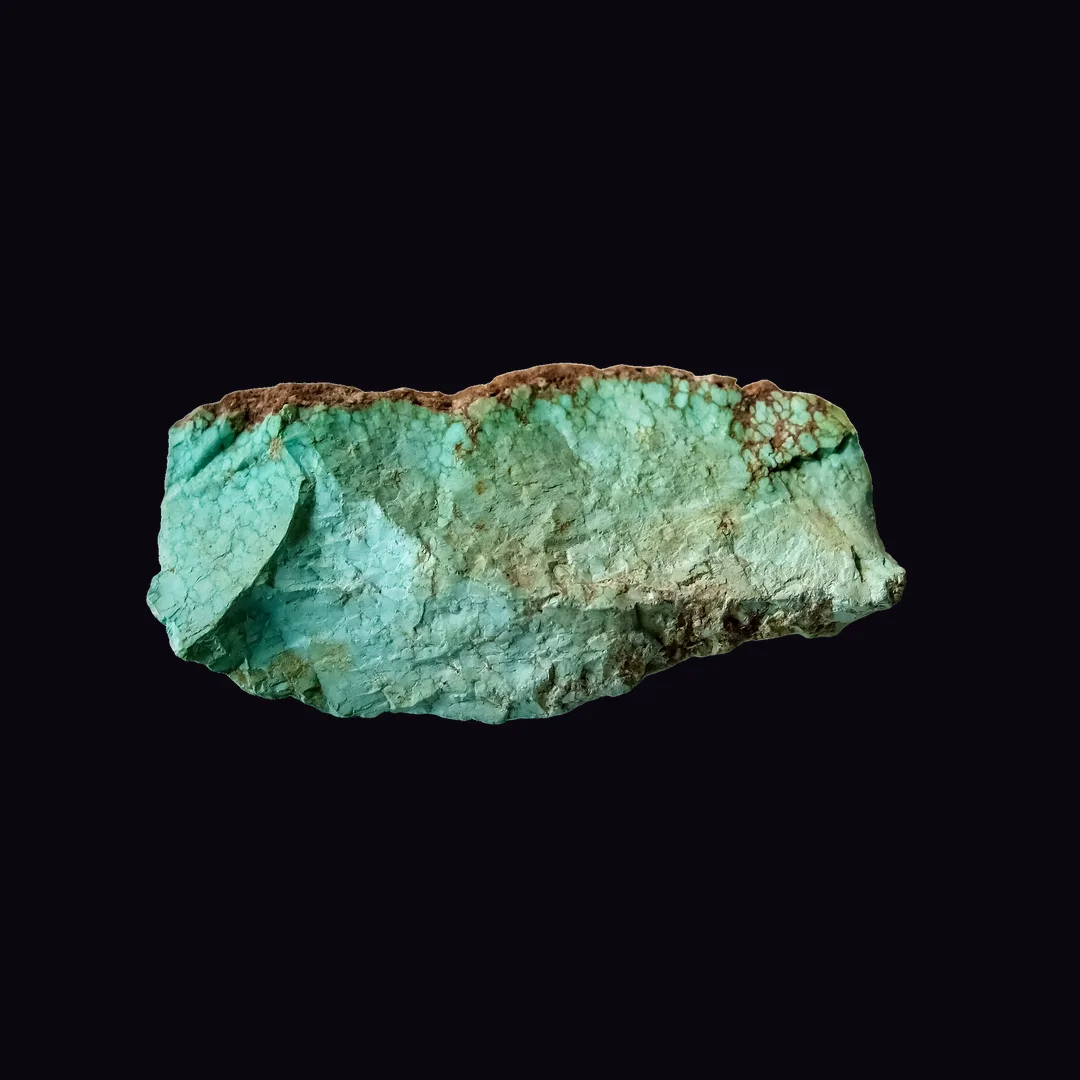 TurquoiseRead the entry
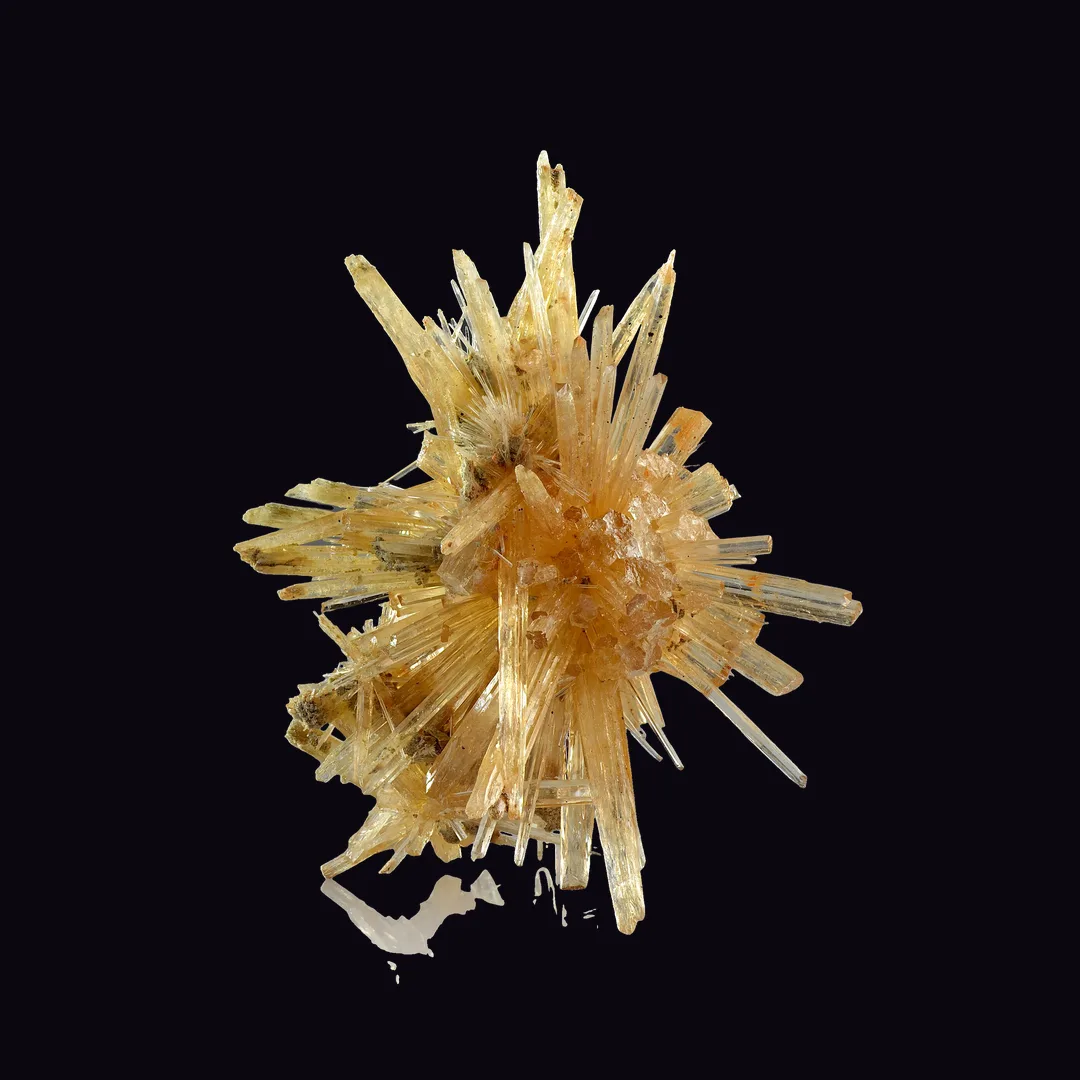 AragoniteRead the entry
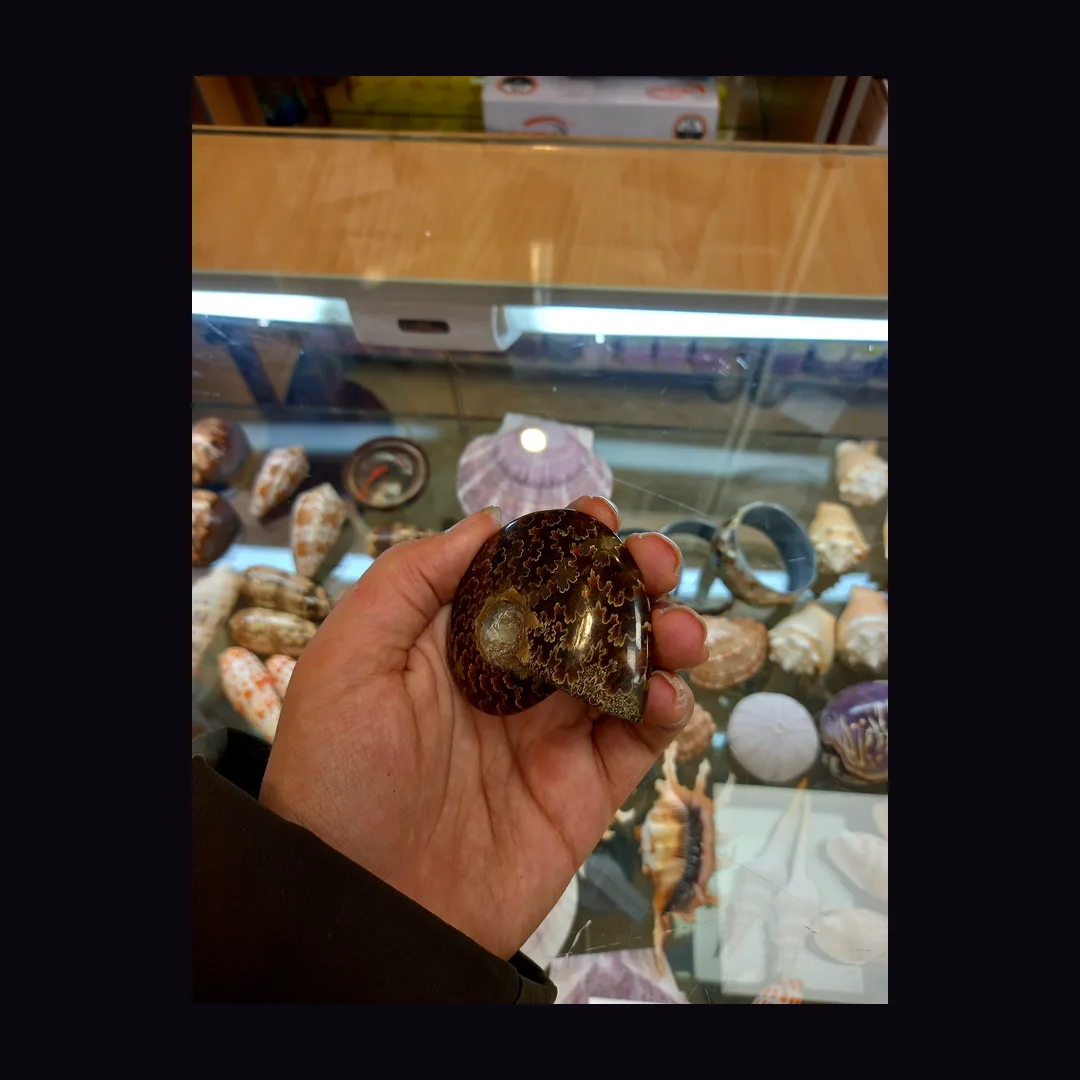 AmmoniteRead the entry
and 3 more named in this piece
Questions people ask
How do you make moon water?
Fill a clean jar with water, set an intention, put it where moonlight reaches it overnight, and bring it in before the sun hits it in the morning. That's the whole recipe. A lid, a label and a clear night are the only things that make it better.
Which crystals are safe to put in moon water?
Quartz-family stones at Mohs 7 are the safe ones: clear quartz, rose quartz, amethyst, smoky quartz and carnelian handle water fine. Keep out anything soft or metallic, especially selenite, which dissolves, and malachite or pyrite, which can leach or rust. When unsure, set the stone beside the jar, not in it.
Does moon water have to be made on a full moon?
No. The full moon is just the popular choice because it's the brightest and easiest to time, and it's associated with completion and release. Any moon phase works, and people match the phase to the intention: new moon for fresh starts, full moon for letting go. Cloud cover doesn't cancel it either.