Tarot Card of the Day: How to Pull One and What to Do With It
Rituals and moons · 5 min read · 17 August 2026
One card, every morning, as a lens for the day ahead. Here is how to pull it, how to read it without overthinking, and why it teaches you faster.
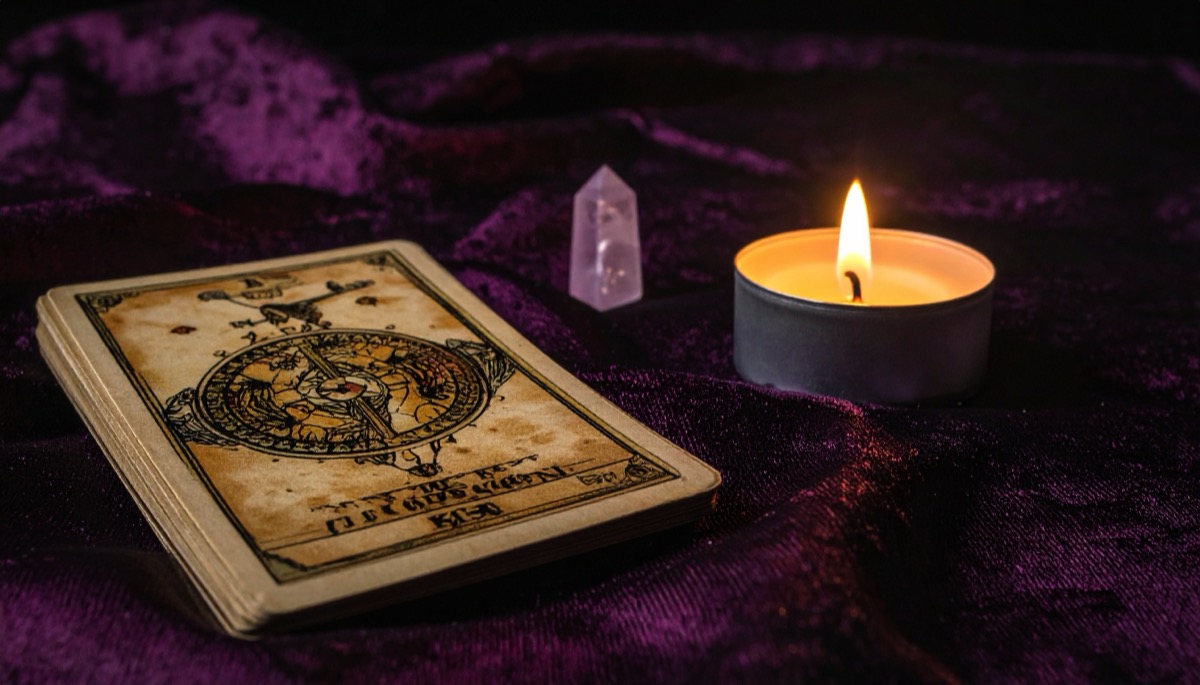
Pulling one card every morning is a modern habit. The Italians who invented the deck were playing a game for points. The daily draw spread through books, then blogs, then phones.
That does not make it worthless. Nobody handed it down from an ancient temple. Somebody worked out it was useful and it caught on.
A tarot card of the day is one card you draw each morning as a lens for the hours ahead. You read its feel, then its meaning, then watch for where it shows up. It's not a forecast. It's a theme to notice, and the noticing is the whole point.
You already know how your day is going to feel before you get out of bed. The card does not tell you that. It gives you somewhere to put it.
You are not asking the deck to predict anything. You are carrying one idea around for a day, like a word of the day with better pictures. Pull the Eight of Pentacles and you spend the day half-noticing where you are grinding and where you are coasting.
The other quiet win is speed. Nothing teaches you the cards faster than seeing one every morning and checking it against a real day. A year of daily pulls will teach you more than any book.
The morning pull, step by step
The ritual is short on purpose. Long enough to mean something, short enough to actually keep up.
- Shuffle with a loose question. Not "what will happen today," which invites you to force a prediction. Something open like "what should I keep an eye on today" or "what am I actually working with today."
- Draw one card. Off the top, no overthinking, no redraws because you didn't like it. The one you got is the one you read.
- Read the feel first. Before any book meaning, notice your gut reaction to the image. Relief, dread, a shrug. That reaction is data.
- Then the meaning, then your day. Layer the standard meaning on top, then ask how it might actually show up for you. A card about conflict might be the meeting you're dreading, or the boundary you keep not setting.
- Check back at night. The card makes the most sense in hindsight. Thirty seconds before bed: did it show up, and where?
How to read the card without spiraling
The daily pull rewards a light touch. You're looking for one usable theme, not a full-blown fortune. If you draw a bright card, treat it as a green light for whatever it points at. If you draw a heavy one, read it as a heads-up, not a sentence. The Five of Cups in the morning isn't "today will be sad." It's "watch where you're fixating on the loss instead of what's still standing."
Reversed cards just soften or block the upright meaning. A reversed card of the day usually means the theme is present but stuck, internal, or on its way out. You don't need a separate rulebook for it. Same card, quieter or more complicated.
The honest limit
A daily card is a reflection tool, full stop. It can't see your future, and a run of grim cards is not fate closing in, it's a shuffled deck doing what shuffled decks do. Treat it as a prompt and it's genuinely good for you. Treat it as a verdict and you'll start reading doom into a normal Tuesday. It is not medical, financial, or relationship advice, and no card should talk you into or out of a real decision on its own.
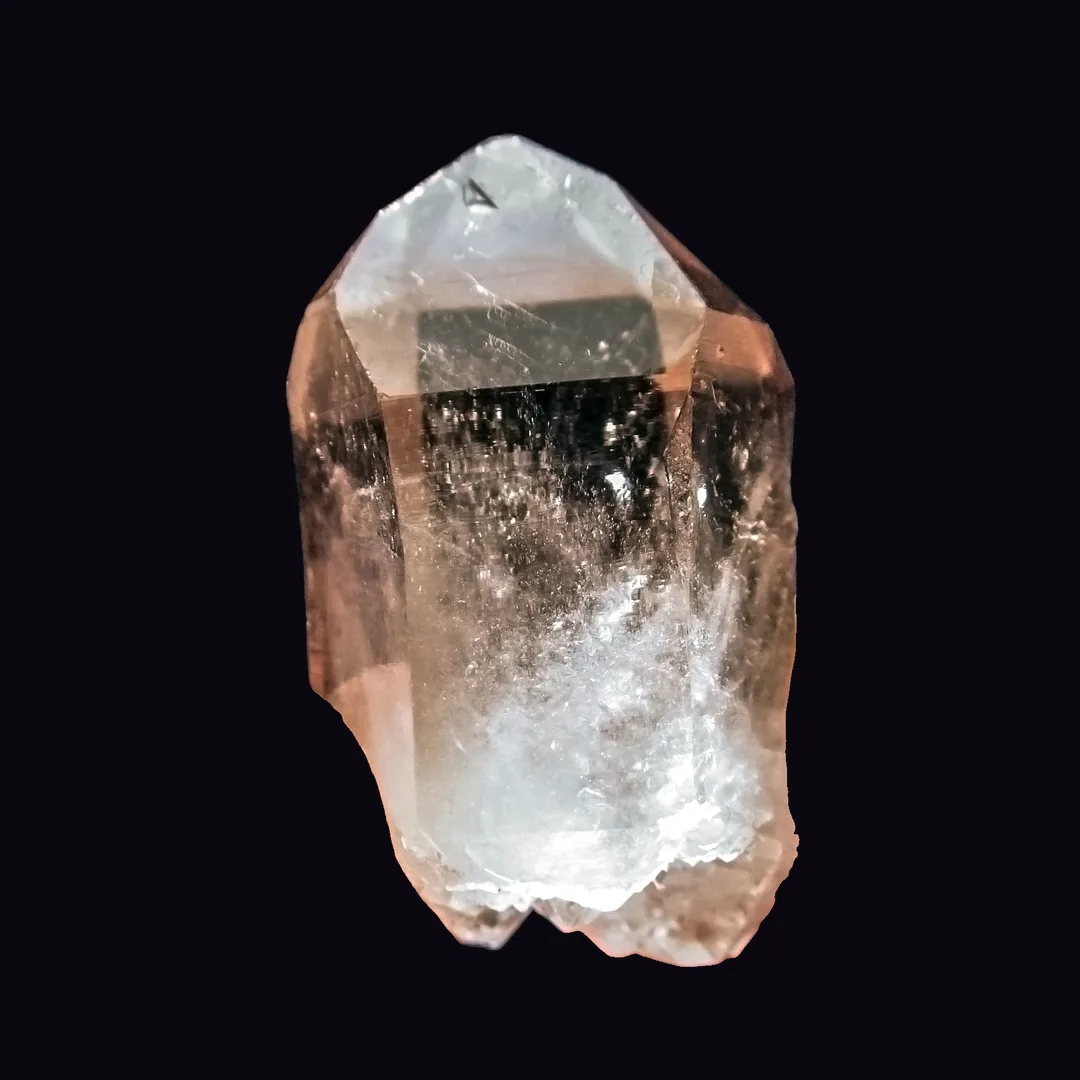
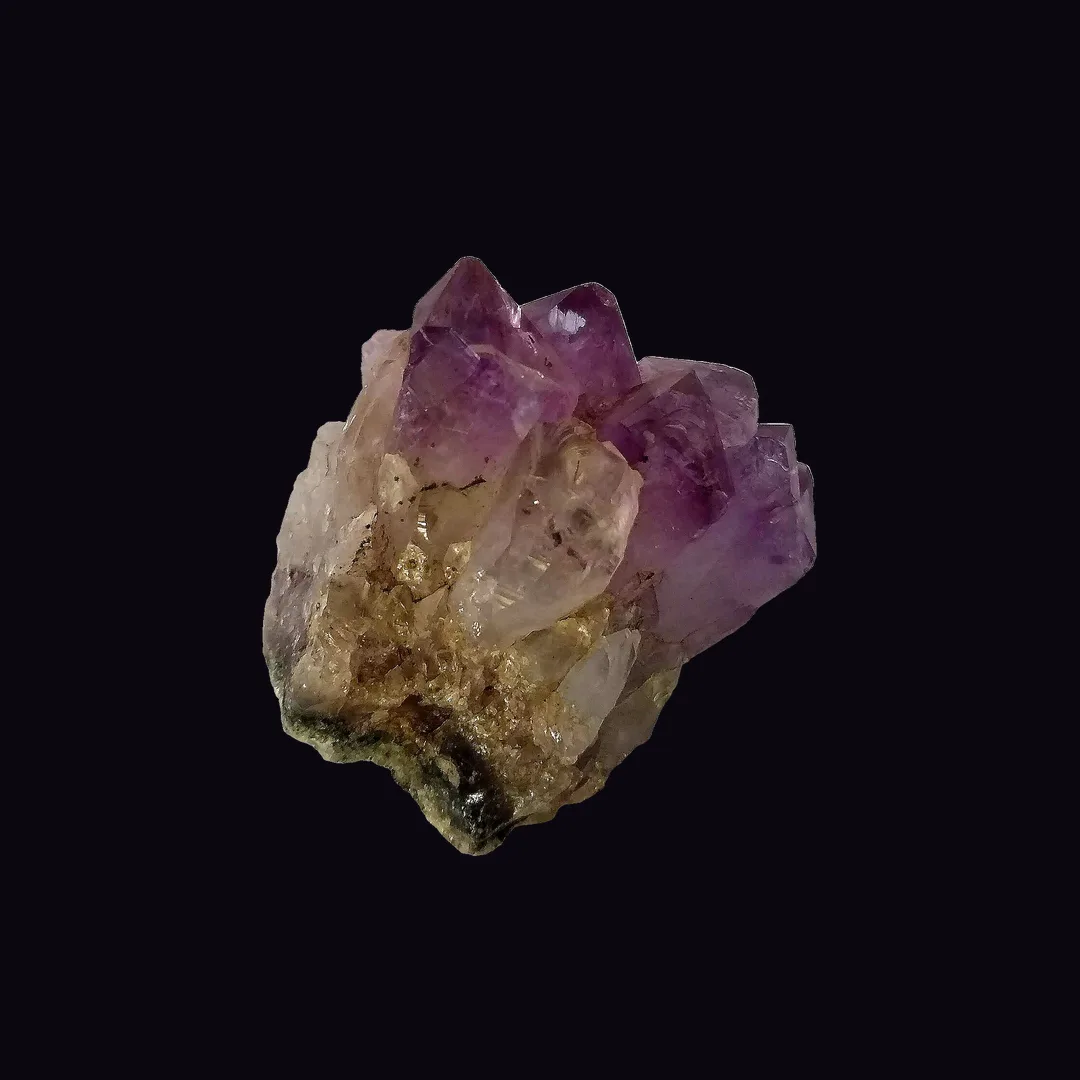
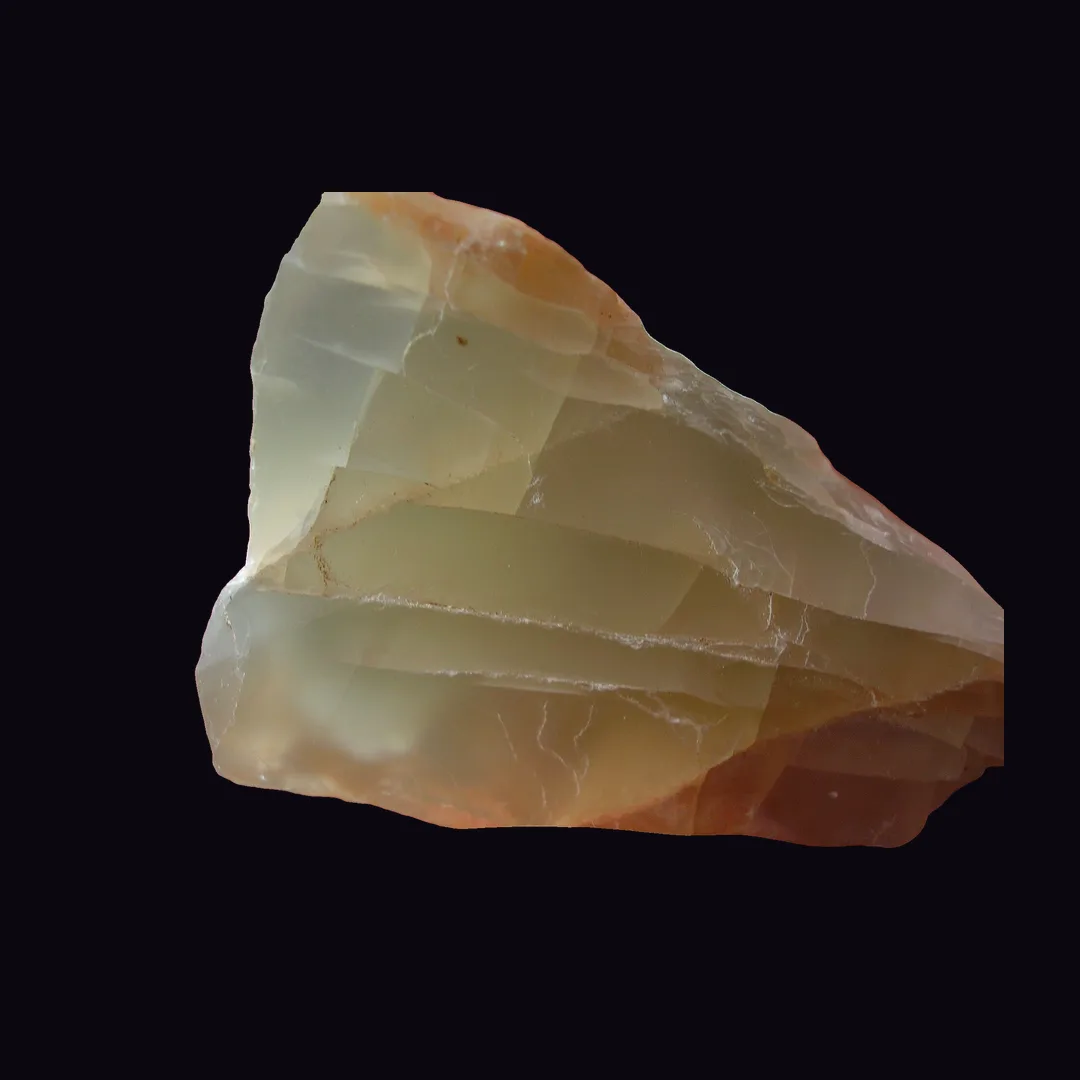
A clear head helps the habit, which is why people keep a stone like clear quartz, amethyst, or moonstone by where they pull. The stone doesn't change the card. It's part of the small morning ritual that gets you to actually pause. If you want to go deeper than one card on a heavier day, a three-card spread gives you the shape of a situation instead of a single theme.
Three more for the morning shelf
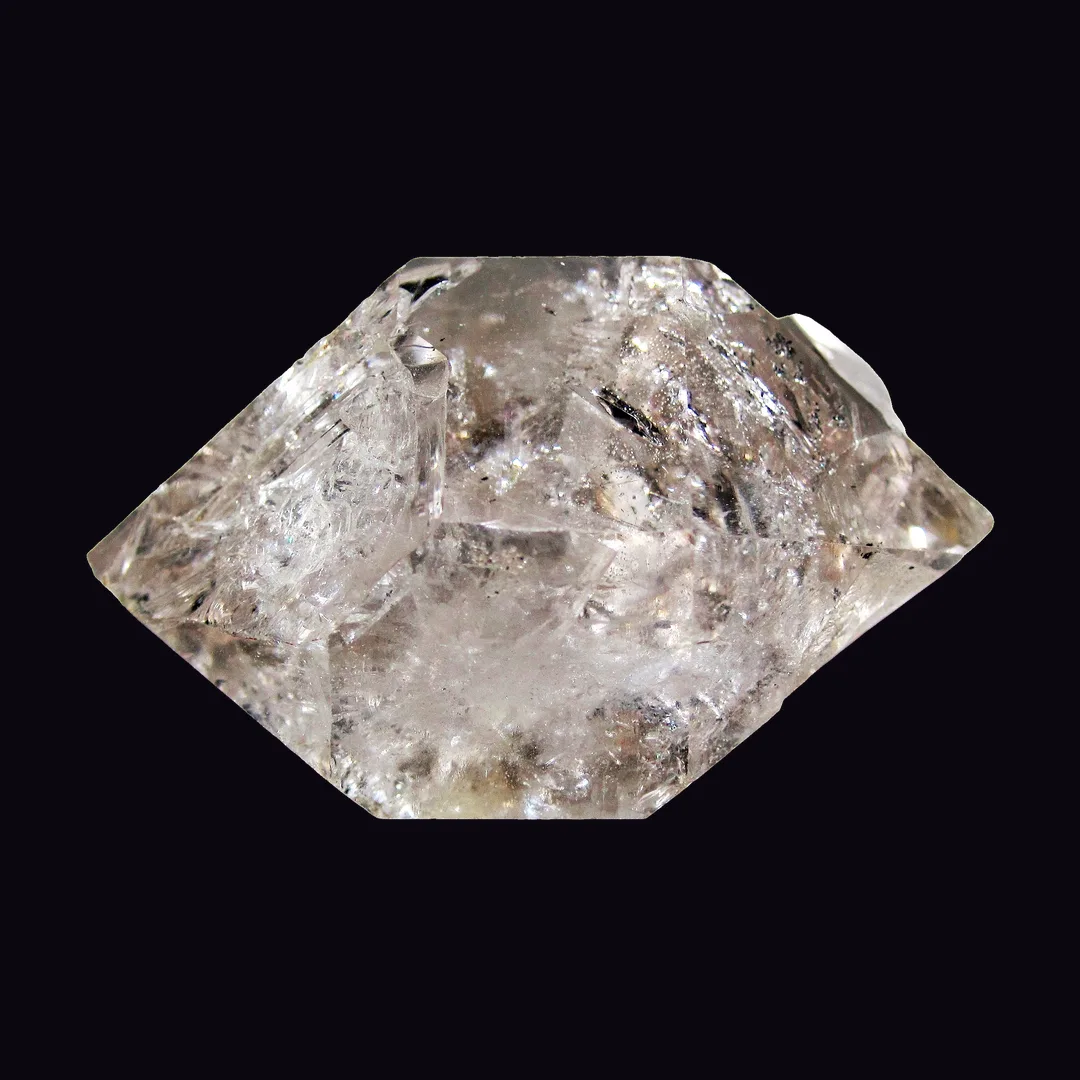
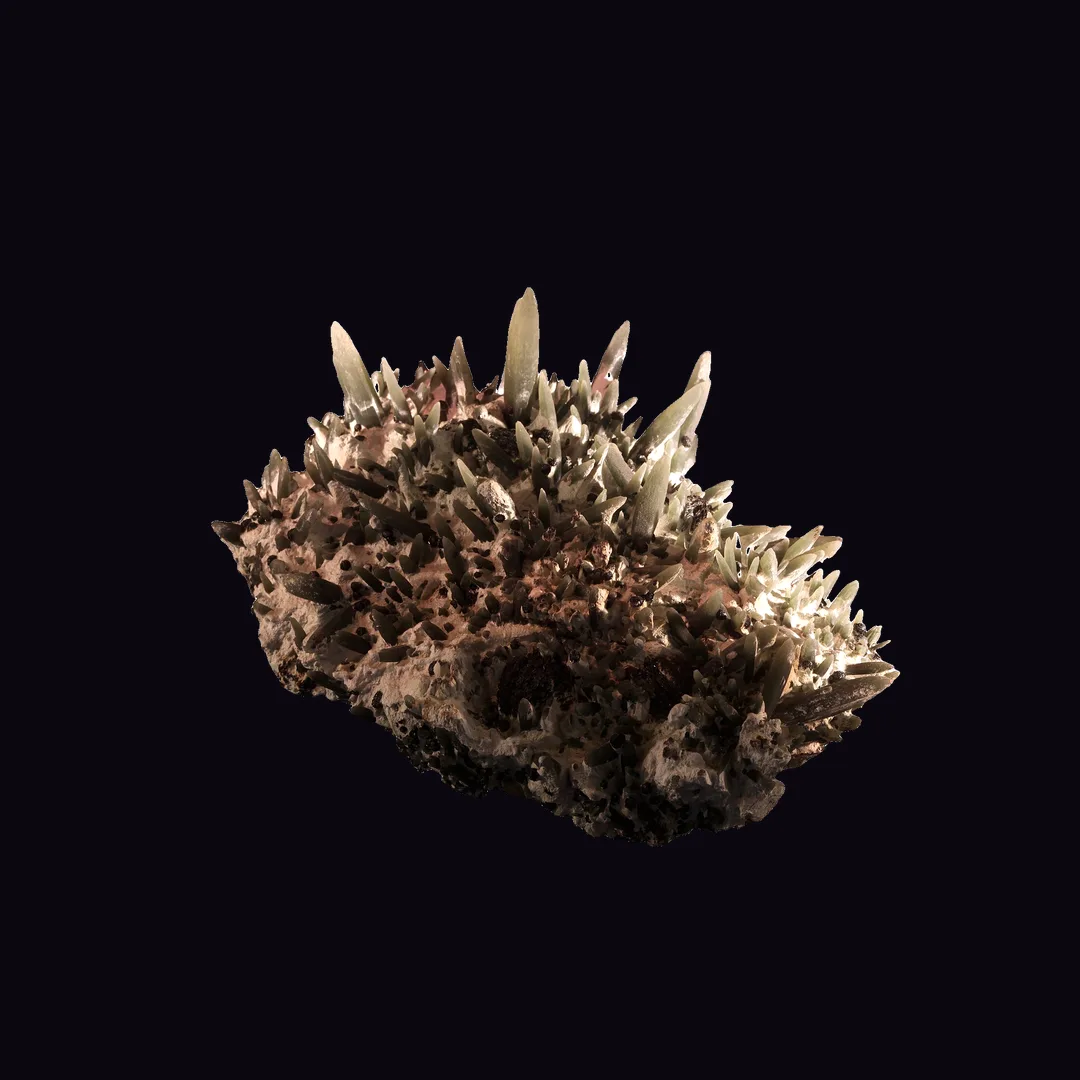
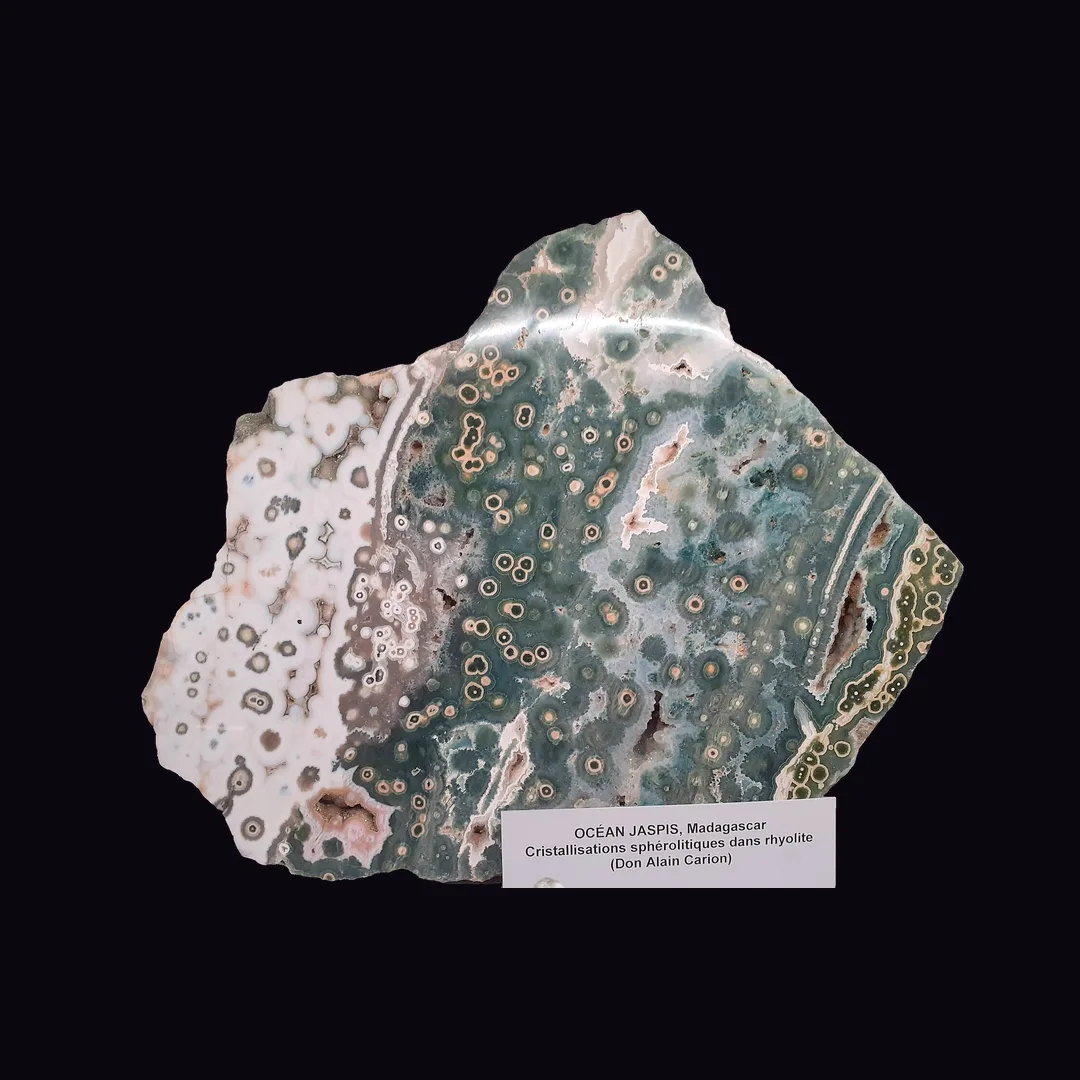
Three others that get left where you pull. Herkimer diamond is kept for clarity and dreamwork. It is a stubby quartz with a point at each end that grew loose in a rock cavity, so its faces are brilliant without ever having been polished. Prasiolite is kept for a calm head. It is pale mint quartz, and nearly all of it is amethyst heated to around 500 degrees and sold as green amethyst. Ocean jasper is kept for cycles and steady feeling, which fits a daily habit. It only comes from Madagascar, and the original seam is worked out.
Where the daily pull gets good
One card off a page is fine, but the daily pull gets genuinely useful when something remembers it. That's what the app's version does. It logs every card you draw, so a stretch of Swords stops being a spooky coincidence and becomes a pattern you can actually see, and it ties each morning's read to your real birth chart instead of a flat, one-size meaning. A month in, you're not just pulling cards. You're reading yourself.
Last honest note. The daily card works because it makes you pay attention, not because it knows anything. Keep it light, keep it consistent, and let the pattern do the talking over weeks. That's where the value lives, not in any single dramatic draw.
The stones in this piece
Questions people ask
How do you pull a tarot card of the day?
Shuffle while you hold a loose question like 'what should I keep an eye on today,' then draw one card off the top. Read its overall feel first, then its meaning, then how it might show up in your actual day. Pull in the morning so you can watch for it as the day goes.
What does the tarot card of the day mean?
It's a lens, not a forecast. The daily card gives you one theme to notice, like patience, conflict, or a fresh start, and you check it against how your day actually unfolds. The point is reflection and pattern-spotting over time, not a prediction of what's about to happen.
Should you pull a tarot card every day?
It's a solid habit if you use it as a check-in rather than a rule. Daily pulls build your feel for the cards fast and give you a running record of your headspace. Just don't let a heavy card dictate your mood. It's a prompt to reflect, not an order to follow.