The Three-Card Tarot Spread: Past, Present, Future
Rituals and moons · 6 min read · 17 August 2026
Three cards, one story. This is the reading to start with. Here is how to lay out past, present and future and read the cards together, not apart.
Spreads are not ancient rules. They are layouts somebody wrote down. The ten-card Celtic Cross that everyone recognises was printed in a book in 1910, and it stuck largely because it was printed.
Which means the positions are a choice. Past, present and future is a convention, not a law handed down with the deck. You decide what each slot is asking before you turn a card over.
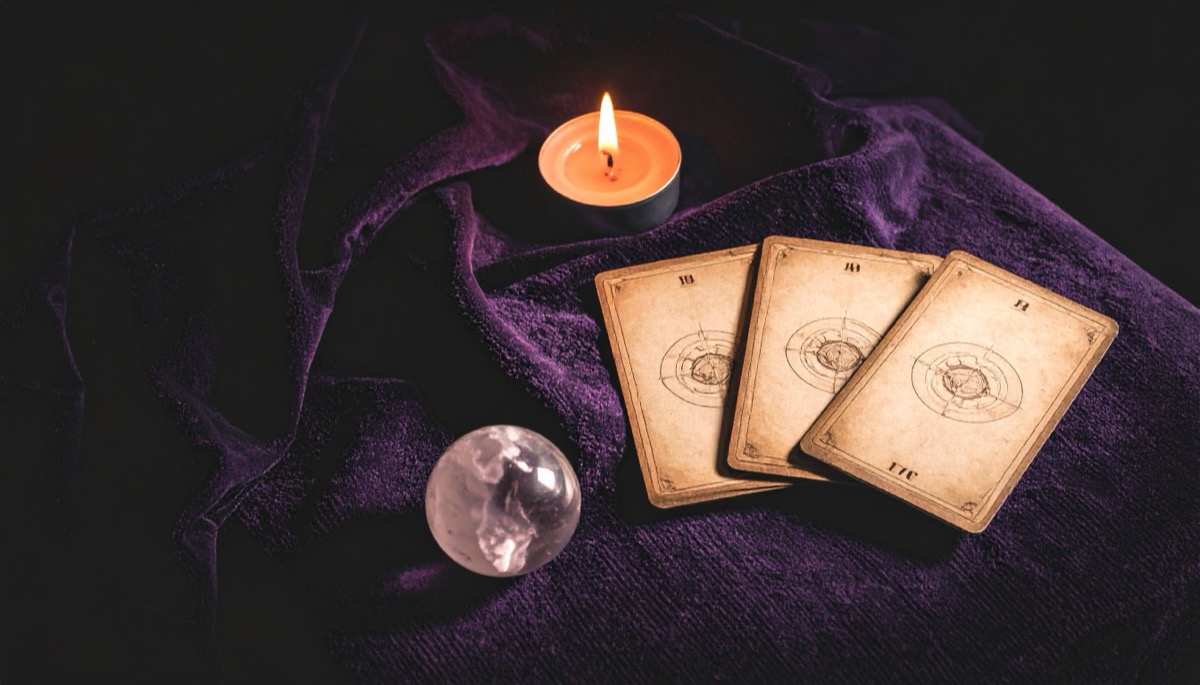
The three-card spread is three cards read left to right as one story. In the classic version, card one is the past that led here, card two is the present, and card three is where things are heading if nothing changes. The magic isn't in any single card. It's in reading all three as a sequence.
Ten cards give you a headache. One card gives you a theme with nowhere to put it. Three is the size where a situation shows its shape and its movement.
You are probably here with one specific thing on your mind. You have turned it over so many times that it has stopped making sense. Three cards give it a shape and a direction.
That relationship between the cards is where a reading stops being three definitions in a row. Once you can read three cards as one story, you can point those slots at any question you have.
How to lay it out
Keep the ritual simple so you actually do it.
- Get a real question. Not "tell me about my life." Something with edges, like "how's this situation with my job actually going." Vague question in, mush out.
- Shuffle until it feels done. However you like to shuffle. Stop when it feels like enough. There's no correct number.
- Draw three and lay them left to right. Card one on the left, two in the middle, three on the right. Note which landed reversed.
- Read each in its position, then read across. This is the step beginners skip, and it's the whole spread. Definitions first, sequence second.
What each position means
The past-present-future layout is the default, but here are three ways to use the same three slots depending on the question.
| Position | Past / Present / Future | Situation / Action / Outcome | Mind / Body / Spirit |
|---|---|---|---|
| Card 1 (left) | What led to this | The situation as it is | Where your head's at |
| Card 2 (middle) | Where it stands now | What you could do about it | What your body / gut knows |
| Card 3 (right) | Where it's heading | The likely result of that | What you actually need |
Pick the frame before you pull, not after. The frame you choose is what turns three random cards into an answer to your specific question.
Reading the three as one story
Here's the part that matters. Read card one, then card two, then ask out loud: how did the first lead to the second? Then card three, and ask: how does the present flow into that? You're looking for a throughline. The past card sets up the present, the present bends toward the future.
Watch for cards that argue with each other, because that's information, not a mistake. A bright present card next to a heavy future card is a clear "this is good now but you're drifting somewhere worse, here's your warning." Three cards from the same suit means the whole situation lives in one area of life, emotional or practical or mental. A run of reversals often means the whole thing is stuck or internal. Reading the pattern across the three is the skill. Everything else is just definitions.
The honest limit
The future card is a trajectory, not a verdict. It shows where the current path leads if you don't change anything, which is exactly why it's useful, because you can change something. Tarot is a reflection and pattern tool, good for seeing a situation's shape clearly. It cannot predict the future, and no third card is a fixed fate. Keep it as a way to think, not as fortune-telling fact, and never as medical, legal, or money advice.
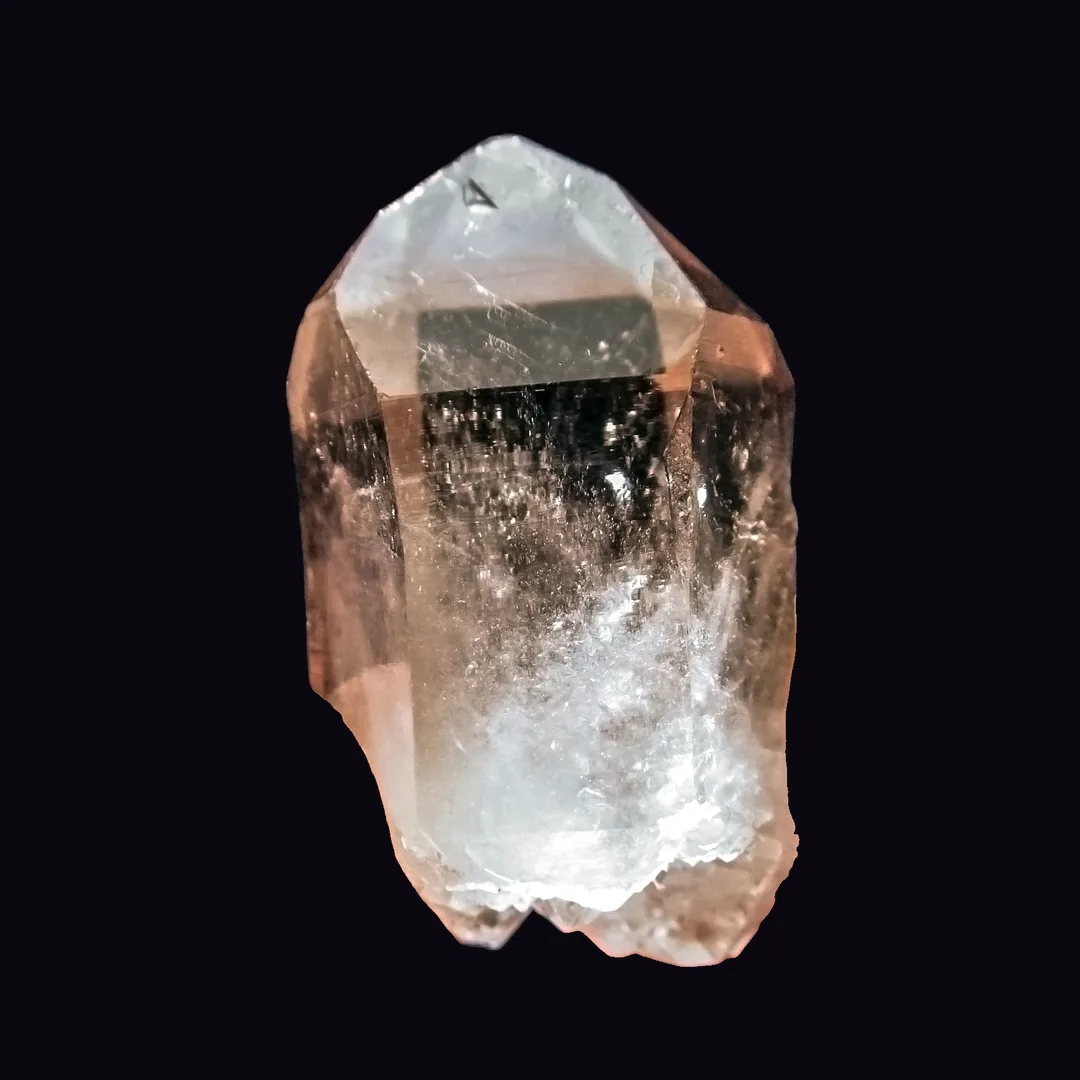
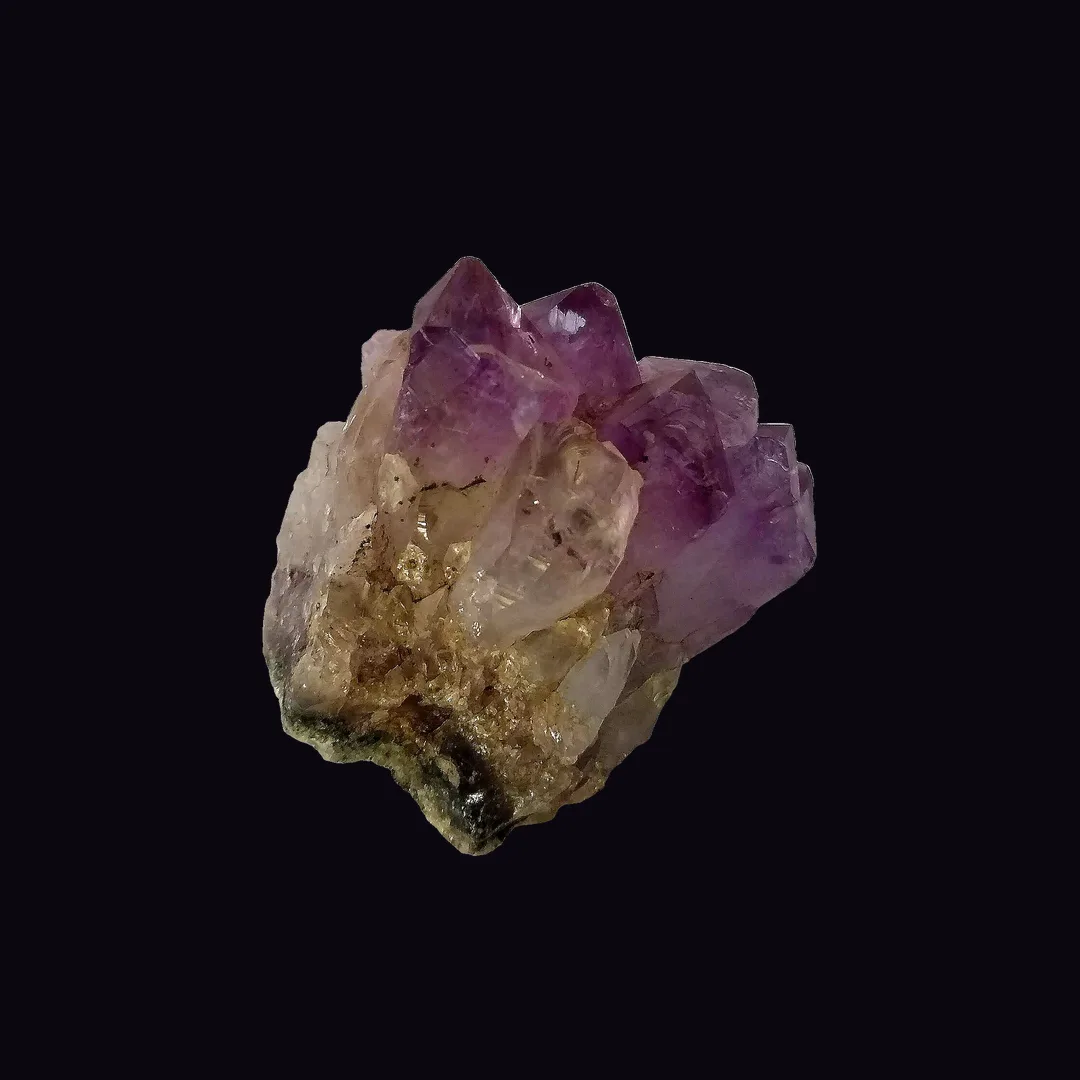
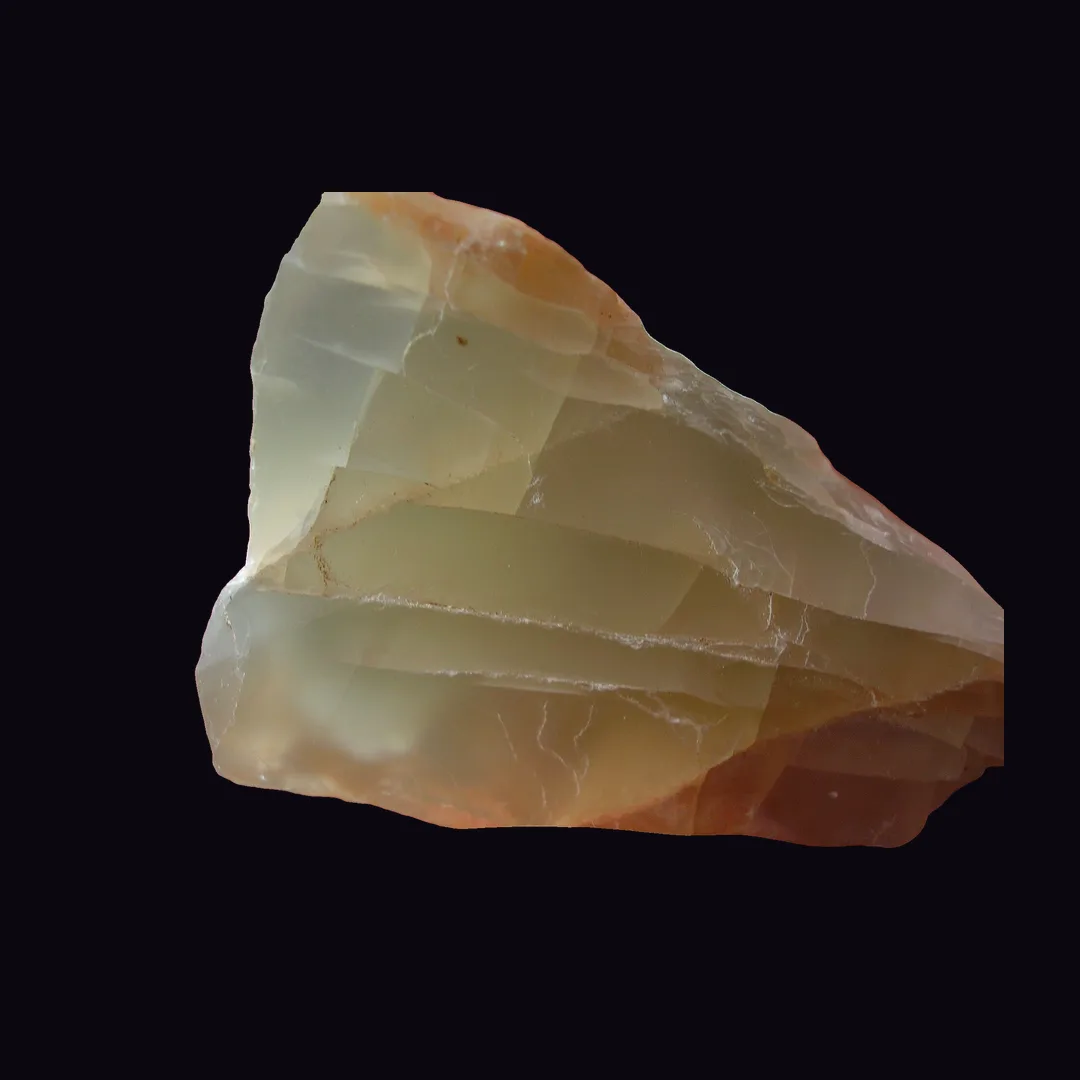
If you just want a quick lean on a single closed question, a one-card yes/no pull is faster. And if you're still learning what the cards mean, the beginner guide covers the suit-and-number shortcut so you can read a three-card spread without having memorized all 78. Plenty of readers keep a clear-headed stone like clear quartz, amethyst, or moonstone by the spread. It doesn't power the cards, it's just a cue to slow down before you read.
Three stones for a three card habit
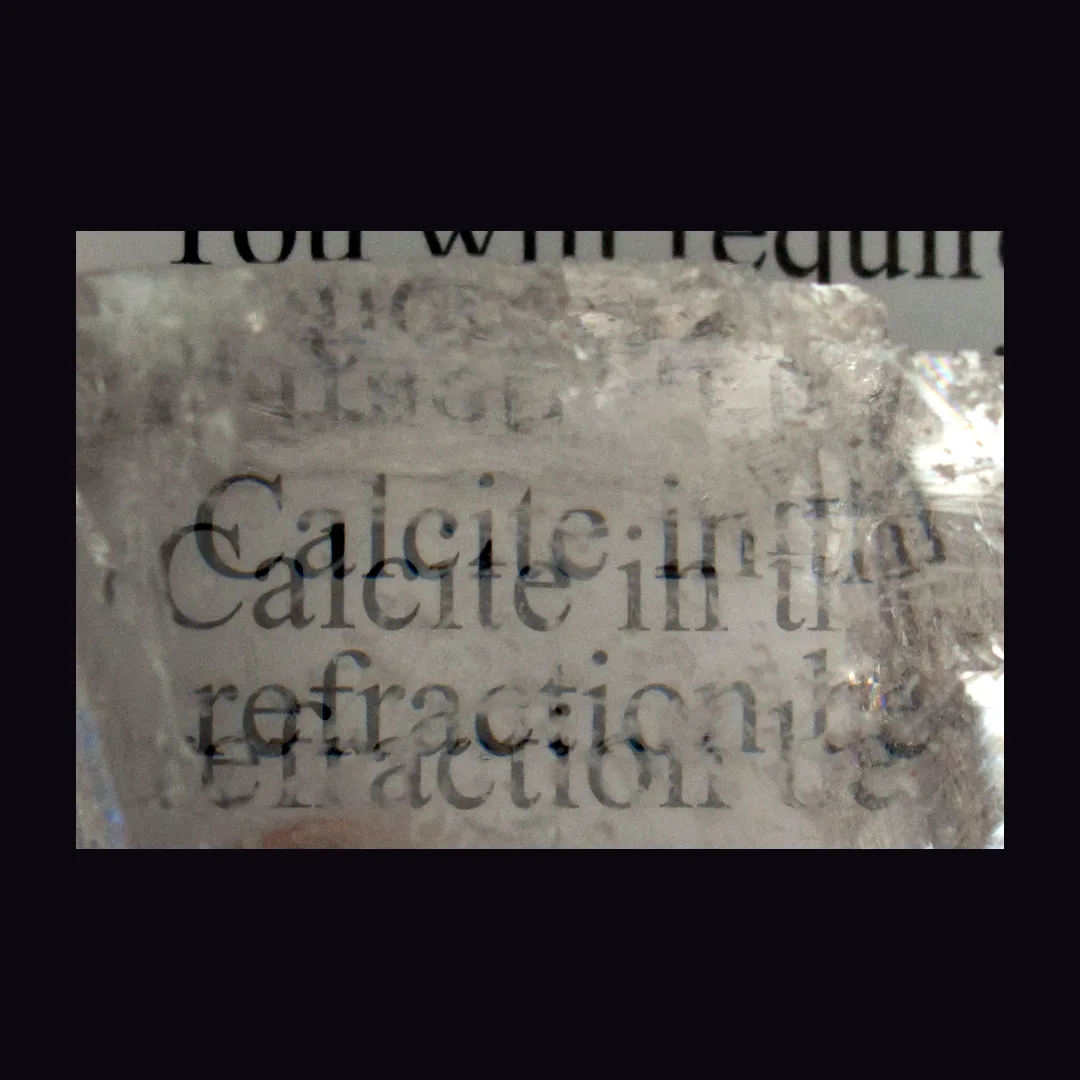
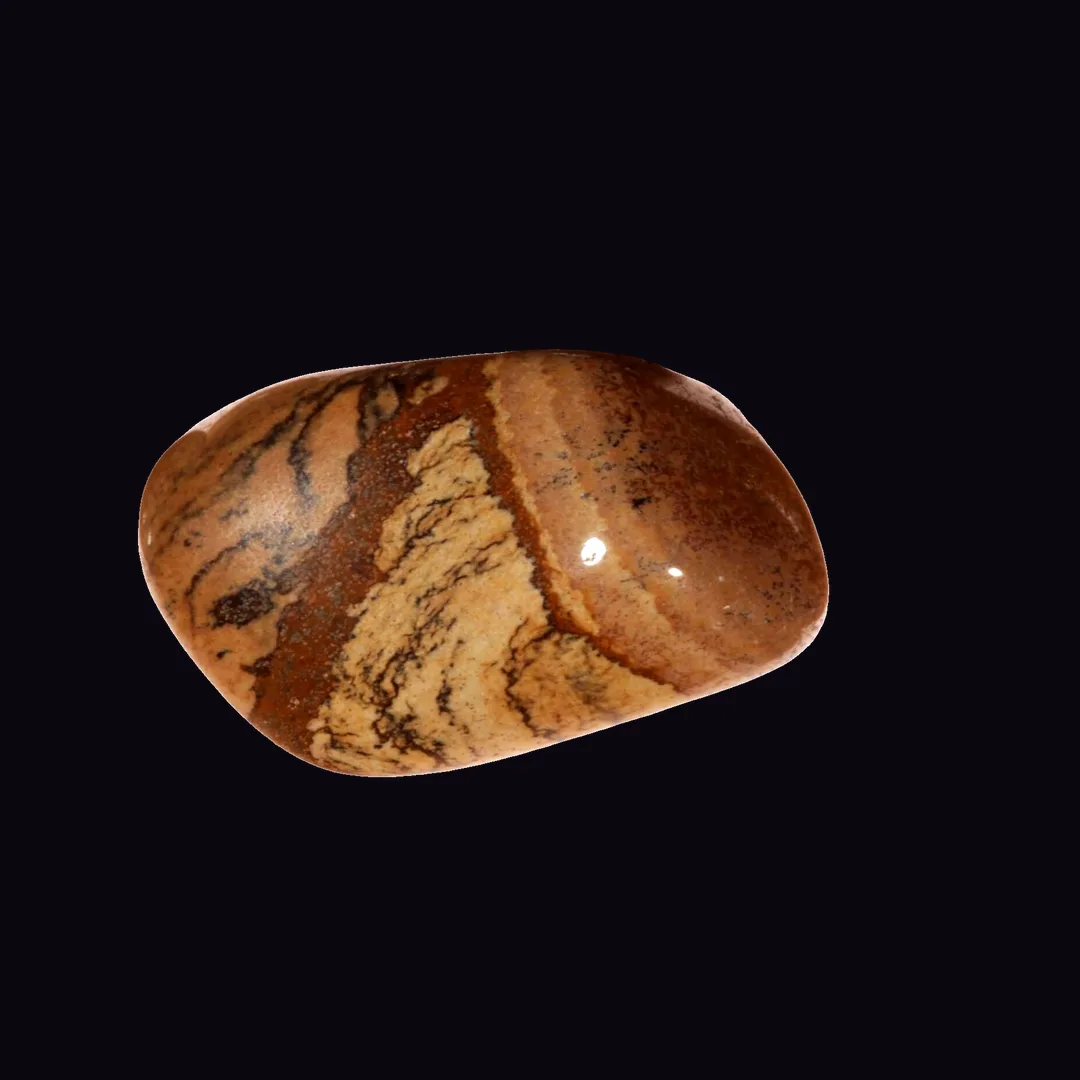
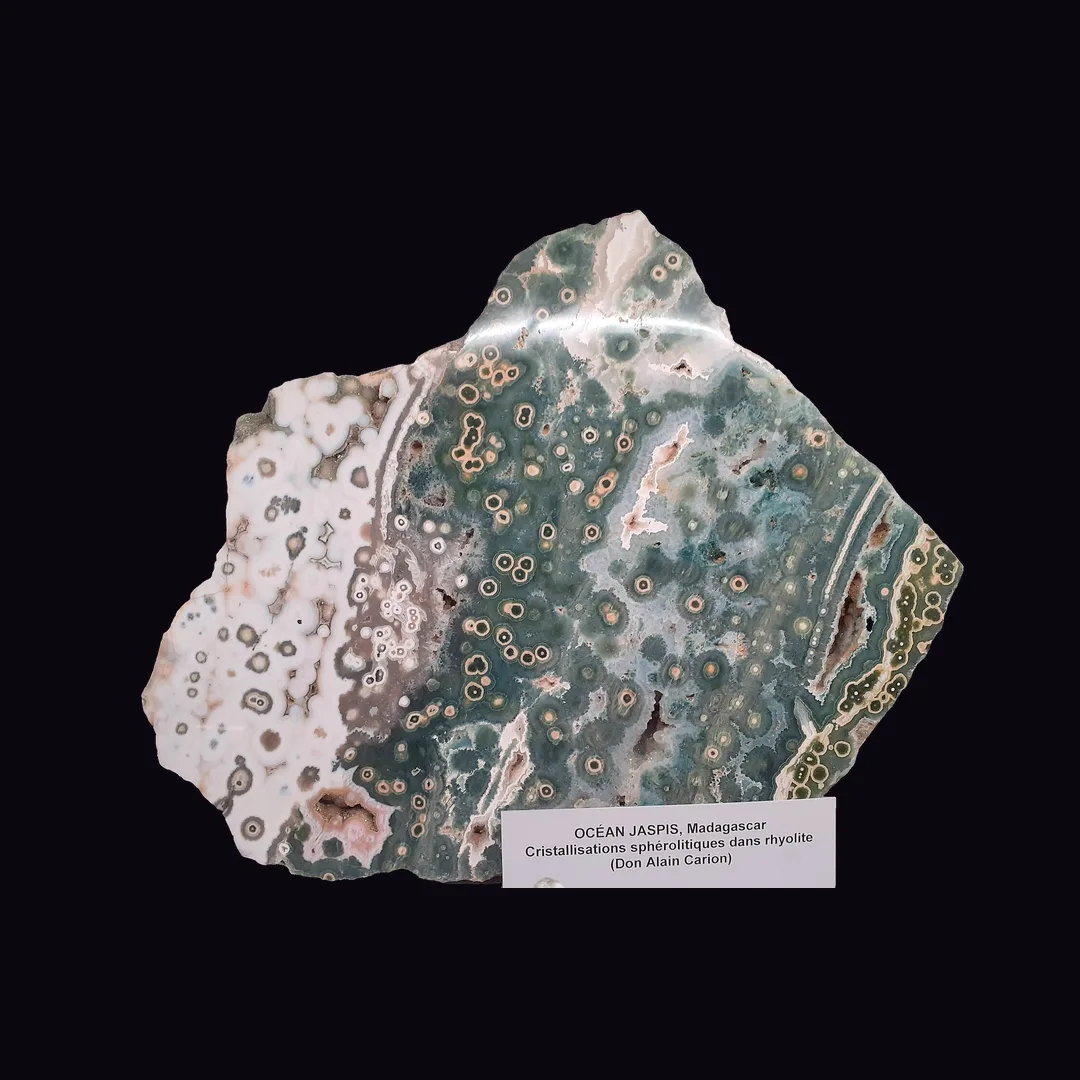
Three more people set beside the layout. Optical calcite is kept for double sight, for the second meaning in a situation. It doubles every line of print you rest it on. Picture jasper is kept for deep memory and steadiness. The horizon lines in it are real bedded volcanic mud seen in cross section, which is a fair thing to have sitting next to a past card. Ocean jasper is kept for cycles and patience. Each orb in it has a core with rings around it like a target, and the tiny sparkling cavities are close to diagnostic. None of them changes what you drew.
Where the spread gets personal
Three cards off a page give you a generic story. Whose story it is, and how it fits your actual life, is the part a webpage can't fill in. That's what the app's spreads do. They read the three cards against your real birth chart and remember your past pulls, so the past-present-future arc lands as your arc instead of a flat template, and a repeating card across readings stops being a coincidence and becomes a pattern you can name. It's the difference between a horoscope and an actual reading.
Last honest note. The three-card spread is powerful because it's simple, so resist the urge to bury a heavy future card under five clarifier pulls until it changes. Read the three you got, follow the story they tell, and if you don't like where it points, that's the whole point. You still have time to steer.
The stones in this piece
Questions people ask
How does the three-card tarot spread work?
You draw three cards and lay them left to right. The most common reading is past, present, future: card one is what led here, card two is where things stand now, card three is where they're heading if nothing changes. You read them as one connected story, not three separate answers.
How do you read past, present, future tarot cards?
Read each card in its position first, then read across the three as a sequence. Ask how the past card set up the present, and how the present flows toward the future card. The relationship between the cards carries most of the meaning. Three cards that argue with each other are telling you something too.
Is the future card in tarot fixed?
No. The future position shows the likely direction if the current path holds, not a locked outcome. That's the useful part. If you don't like where card three points, it's a heads-up you can act on, not a sentence. Treat it as a trajectory to steer, never as fortune-telling fact.