Yes or No Tarot: How to Actually Read a Single Card
Rituals and moons · 5 min read · 17 August 2026
One card, one question, a yes or a no. Here is how yes or no tarot actually works, which cards lean which way, and where the method falls apart.
Yes or no tarot is a modern shortcut. The old decks were a game, and the reading tradition that grew out of them in 1700s France was long, wordy and never binary.
The free yes or no sites are a random number picker with ads around it. A deck cannot know what happens next either. Neither can anything else you will find tonight.
Yes or no tarot is one card, one question. Upright and bright cards lean yes, reversed or heavy cards lean no, and a handful sit in the maybe pile on purpose. The trick is that the useful answer is rarely the yes or the no. It's the reason the card gives for it.
What a single card does well is hold you still long enough to notice what you already think. You pull the Three of Swords for should I text him back, feel your stomach drop, and there is your answer. It was never the card.
You want a yes because you are tired of deciding. Somebody in your life made you responsible for calls that were not yours to make, and you have been double-checking yourself ever since. A card is a cheap second opinion, and it is still yours to overrule.
So the method works, just not the way the genie version promises. Ask a clear, closed question. Read the lean first, then read what the card is actually saying.
Which cards lean which way
Not every card gives a clean yes or no, and that's the point. Some are built to make you think harder. Here's the rough map.
| Lean | Cards it tends to include | The feel |
|---|---|---|
| Yes | The Sun, The Star, Aces, Wheel of Fortune, The World, most upright Wands and Cups | Momentum, open doors, forward motion |
| No | The Tower, Ten of Swords, Five of Pentacles, most reversed cards | Blockage, loss, a hard stop |
| Maybe / it depends | The Moon, The Hanged Man, Two of Swords, Seven of Cups | Uncertainty, a pause, a choice not yet made |
The maybe pile is not the deck dodging the question. When you ask "will this work out" and pull the Two of Swords, the honest read is: you haven't decided yet, and no card is going to decide for you.
How to actually do a pull
Get specific first. "Will I be happy" is unanswerable. "Should I take the job offer" is a real question a single card can reflect. Vague question in, useless answer out.
Then pull one card, note whether it landed upright or reversed, and read the lean. If it's a yes card, ask what it's saying yes to. If it's a heavy card, don't just log a "no," read the warning it's actually giving. The Ten of Swords isn't "no," it's "this is already over and you know it." Different information, and more useful.
One card is plenty for a yes/no. Pulling a second because you didn't like the first isn't a reading, it's negotiating with a deck until it agrees with you. Everyone does it once. Try not to make it a habit.
The honest limit
A yes/no pull is a mirror, not a magic 8-ball with better branding. It reflects your own read back at you in a form you can actually look at. That's genuinely useful for getting unstuck. It is not a reason to make a decision you'd otherwise sleep on, and it's definitely not medical, legal, or money advice. If the question is that heavy, the card is a starting point for thinking, not the answer.
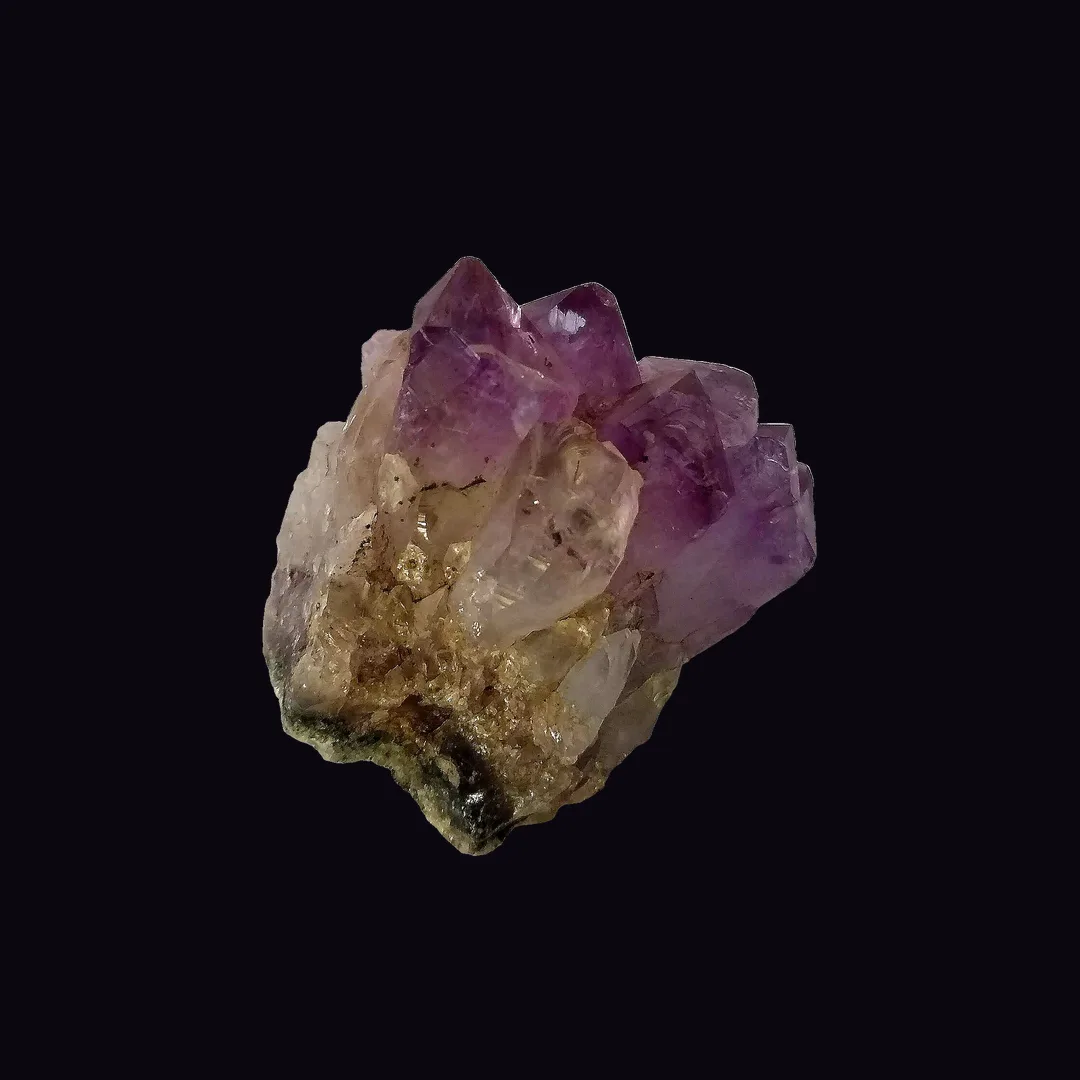
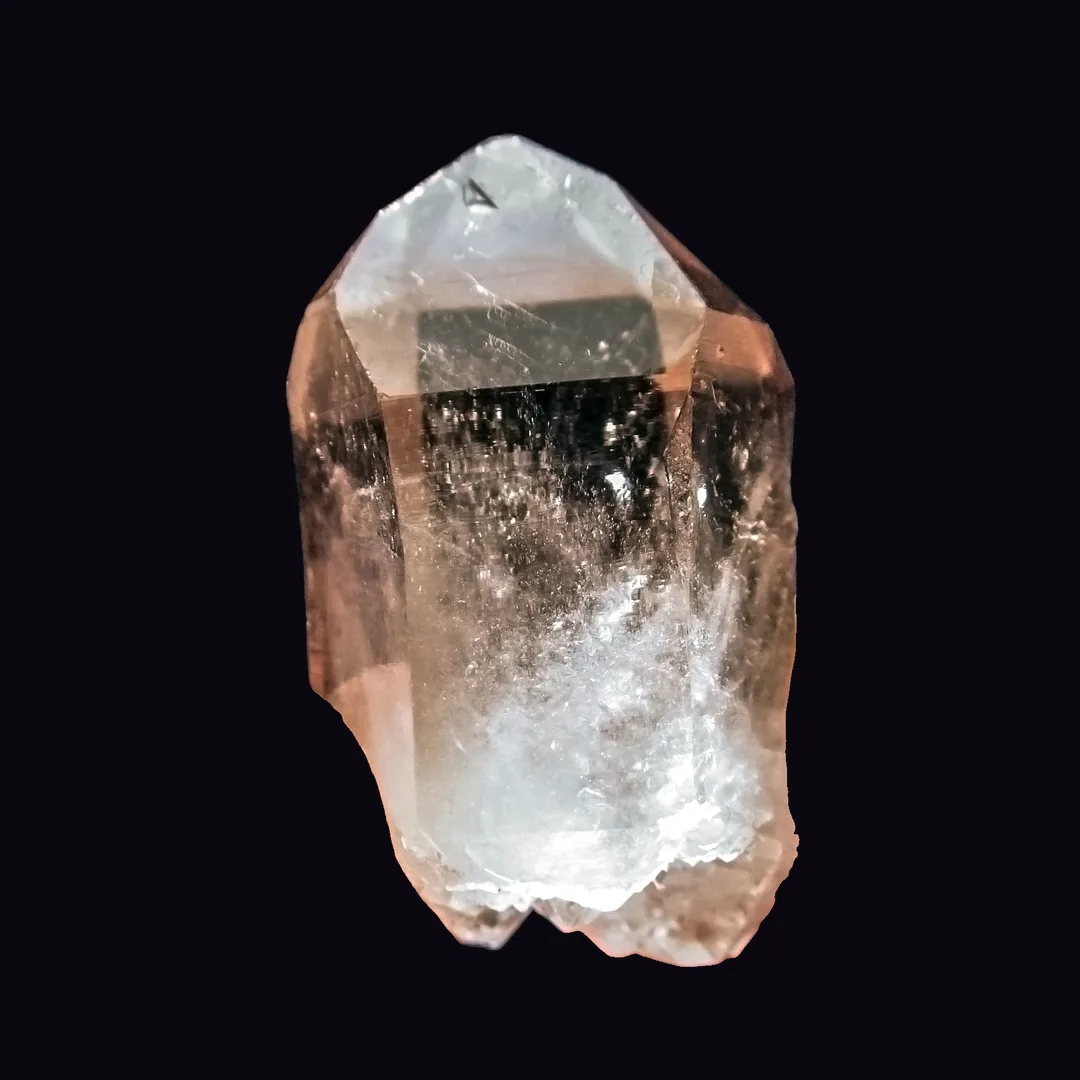
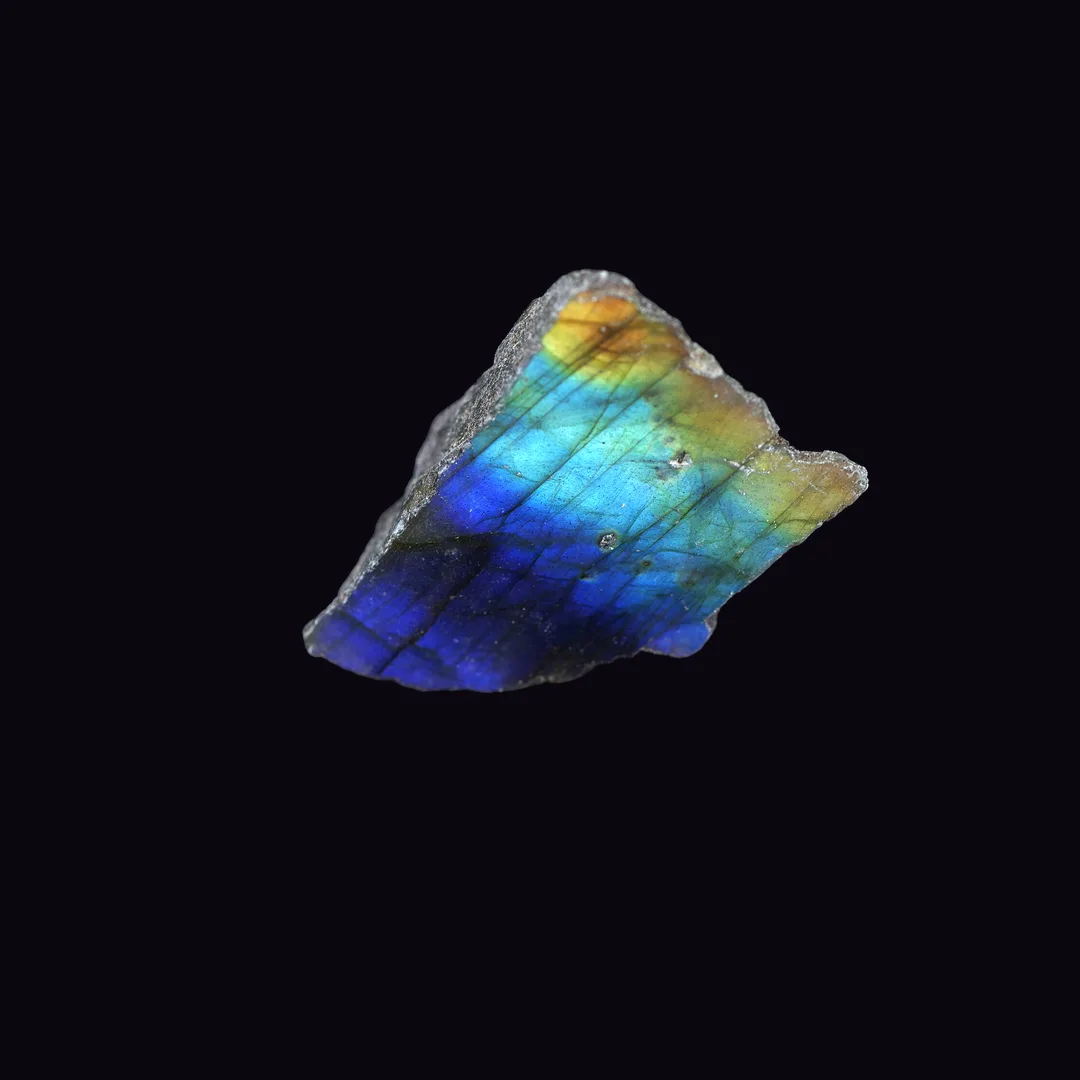
If you want more than a binary, a three-card spread gives you the shape of a situation instead of just its verdict. And a clear head helps, which is why people keep intuition stones like amethyst, clear quartz, or labradorite near where they pull. The stone doesn't power the card. It's a small ritual that gets you to slow down before you decide anything.
Three stones for when you want a straight answer
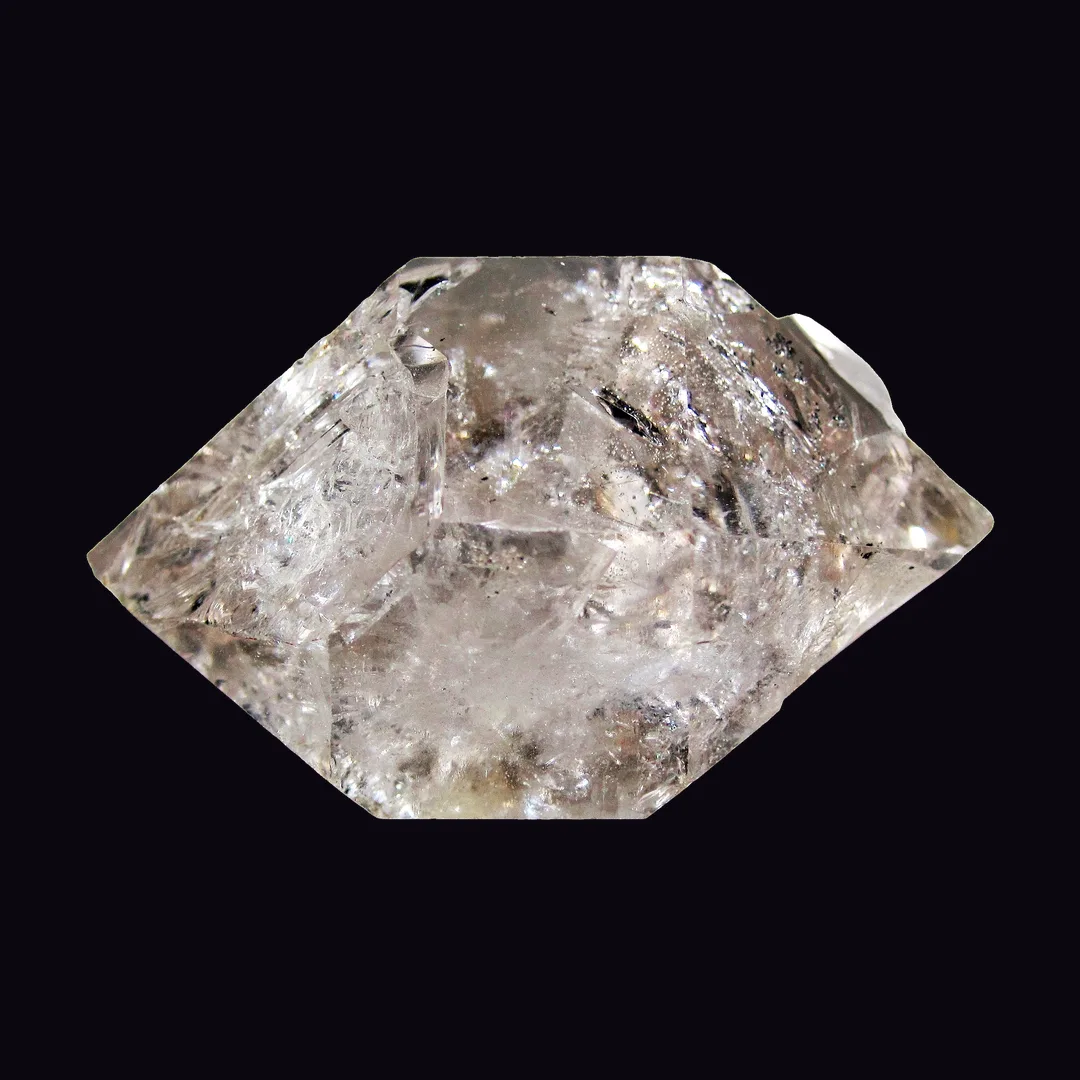
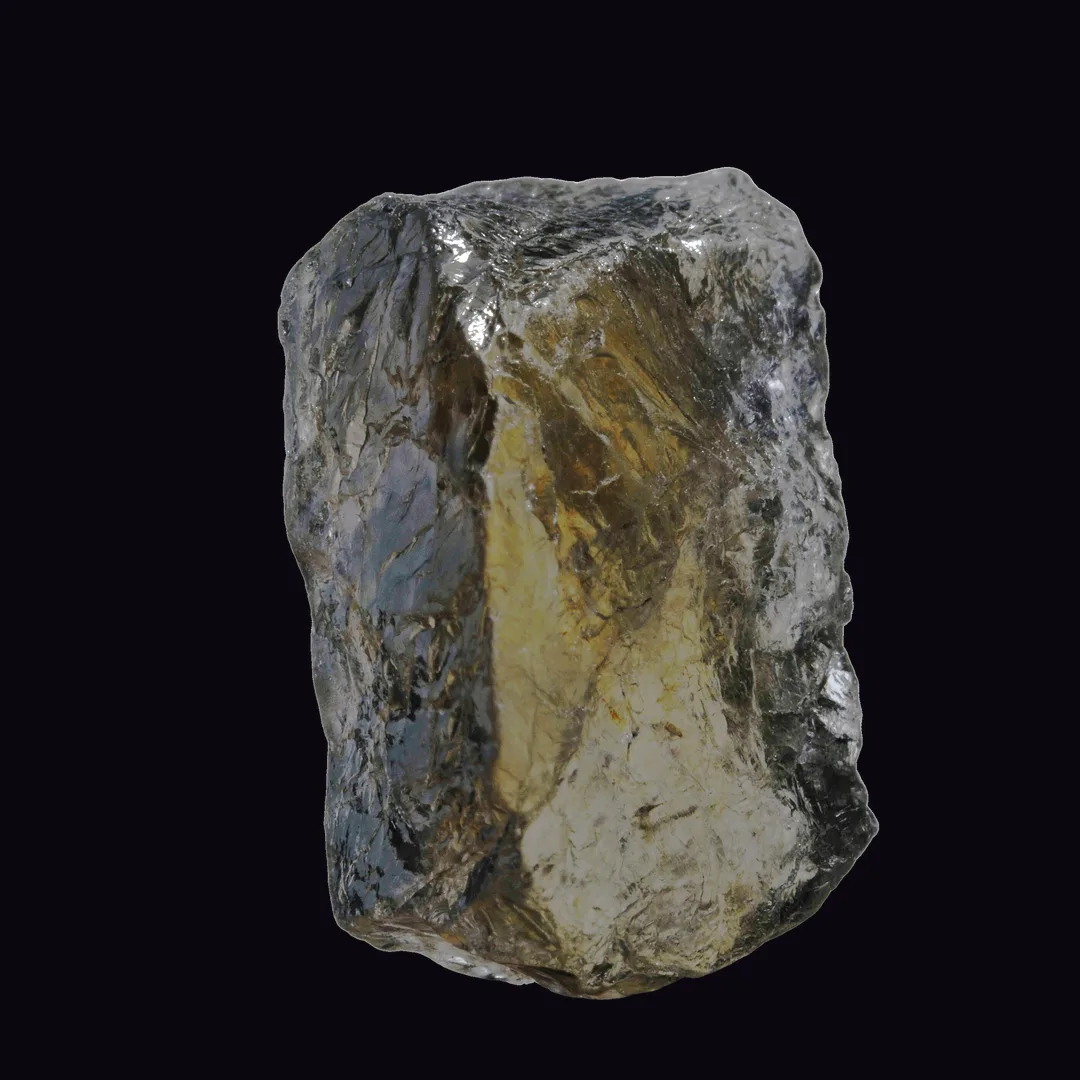
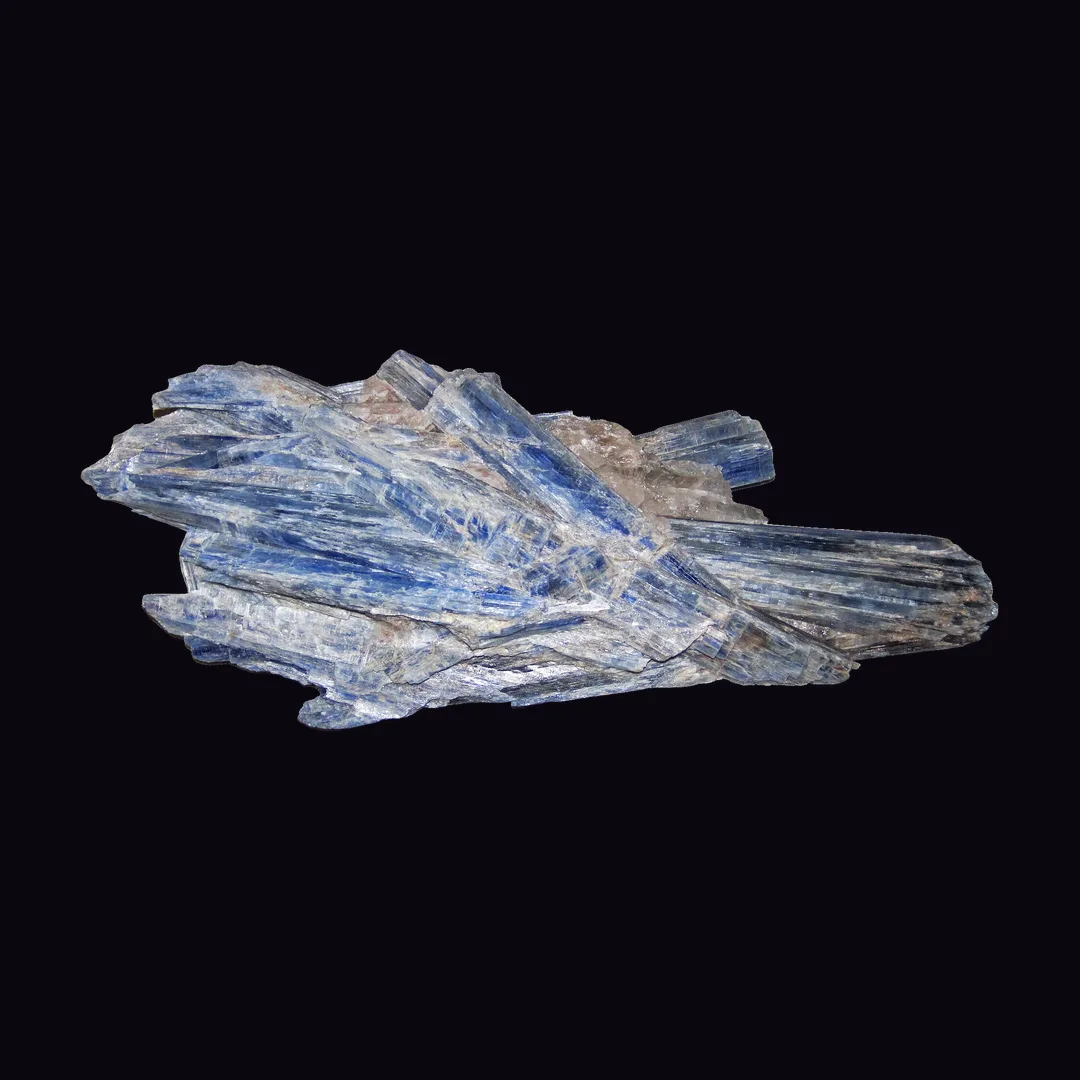
Three more that get kept near a pull like this. Herkimer diamond is kept for clarity. It is quartz that grew loose in a cavity, so it has a point at both ends and eighteen naturally bright faces. Iolite is kept for seeing through confusion. Look through it from three directions and you get three different colours, which is a useful thing in your pocket while you decide. Blue kyanite is kept for honest speech and for putting things back in line. It splits into thinner and thinner blades, so it breaks easily. None of them answers for you.
Where it gets personal
A yes/no reading off a webpage is generic by design, and generic only gets you so far. What a card is actually pointing at depends on what's happening in your life, which a static page can't see. That's what the app's daily pull is for. It remembers what you've drawn before, so a run of heavy cards stops being one spooky moment and starts being a pattern you can name, and it ties the read to your actual birth chart instead of a one-size answer. It's the difference between a coin flip and an actual conversation.
Last honest note. The best yes/no reading tells you what you already knew and were avoiding. If you keep pulling until you get the answer you wanted, you didn't need the deck, you needed permission. Ask the question once, read it straight, then go live with the answer.
The stones in this piece
Questions people ask
How do you read a yes or no tarot card?
Pull one card and read its overall lean. Upright and bright usually reads as yes, reversed or heavy usually reads as no, and a few cards sit in the maybe pile on purpose. Then read the actual card meaning, because the real answer is almost always in the why, not the yes.
Which tarot cards mean yes?
The bright, forward-moving ones tend to read as yes: the Sun, the Star, the Aces, the Wheel of Fortune, the World, and most upright Wands and Cups. They share a sense of momentum and open doors. Reversed or blocked versions of the same cards flip the lean.
Is yes or no tarot accurate?
It's a reflection tool, not a fortune teller. A single card can't know your future, and treating a yes/no pull as fact is how people talk themselves into bad calls. Use it to surface your own read on a situation, then make the decision like an adult with the extra context.