What Does The Tower Card Mean? (Don't Panic)
Rituals and moons · 5 min read · 17 August 2026
The Tower is the card everyone dreads. Read honestly it points at something that was already unsound. Here is what it means, upright and reversed.
In the old French decks this card was not called the Tower. It was called La Maison Dieu, the House of God. A building, hit by lightning, with people falling out of it.
Look at the picture properly and you notice something. The lightning does not build the tower. The tower was already standing on whatever it was standing on.
The Tower means sudden change, a shakeup, or a false structure coming apart. It's the moment a shaky foundation you'd been ignoring finally gives way. It looks like the scariest card in the deck, and it is disruptive, but it's rarely the disaster it appears to be. Usually it clears out something that was never going to hold.
You flipped it and your stomach dropped. That is your body answering a question you have not said out loud yet. Some part of you already has a candidate for what is coming down.
A card cannot tell you what happens next, and anyone who says otherwise is selling something. What readers use the Tower for is naming a structure that was never going to hold. A job you have outgrown, a relationship running on habit, a story about yourself that stopped being true.
Nothing solid comes down in a Tower reading. What comes down was already cracked. The relief people describe afterwards, once the shock passes, is the tell.
Upright vs reversed
The card's theme stays the same. What shifts is the speed, and whether you meet it or dodge it.
| Keywords | What it tends to point at | |
|---|---|---|
| Upright | Sudden change, collapse, revelation, upheaval, breakthrough | A shakeup you didn't see coming, a truth that can't be unseen, a fast ending that clears the ground |
| Reversed | Delayed disaster, resistance, a slow crumble, a near-miss | Change you're bracing against or dragging out, a collapse in slow motion, or a crisis you managed to swerve |
Upright is the lightning-strike version: fast, obvious, over before you can stop it. Reversed is the version where you saw it coming and are white-knuckling the wheel, or where the whole thing happens gradually instead of all at once. Neither is a sentence. Both are information.
How to read it without spiraling
When the Tower shows up, resist reading it as "something terrible is coming." Ask the more useful question: what have I built that isn't as solid as I've been pretending? That's what the card is actually pointing at. Sometimes it's external and out of your hands. Often it's something you already suspect and haven't wanted to look at.
Read its neighbors, too. In a three-card spread, the card after the Tower tells you what the collapse makes room for, and in the Major Arcana's own story the Tower sits right before the Star, which is healing and hope. That order is not an accident. The breakdown is the setup for the rebuild. The Tower is chapter sixteen of twenty-two, not the ending.
The honest limit
The Tower is a reflection tool, not a prophecy. It cannot tell you that a specific disaster is scheduled, and treating it that way is how a normal reading turns into a night of anxiety over nothing. It points at instability and asks you to look at it honestly. That's the whole job. It is not medical, legal, or financial advice, and no card should send you into a panic or a rash decision on its own. If a reading has you genuinely spiraling, that's a sign to talk to a person, not to pull more cards.
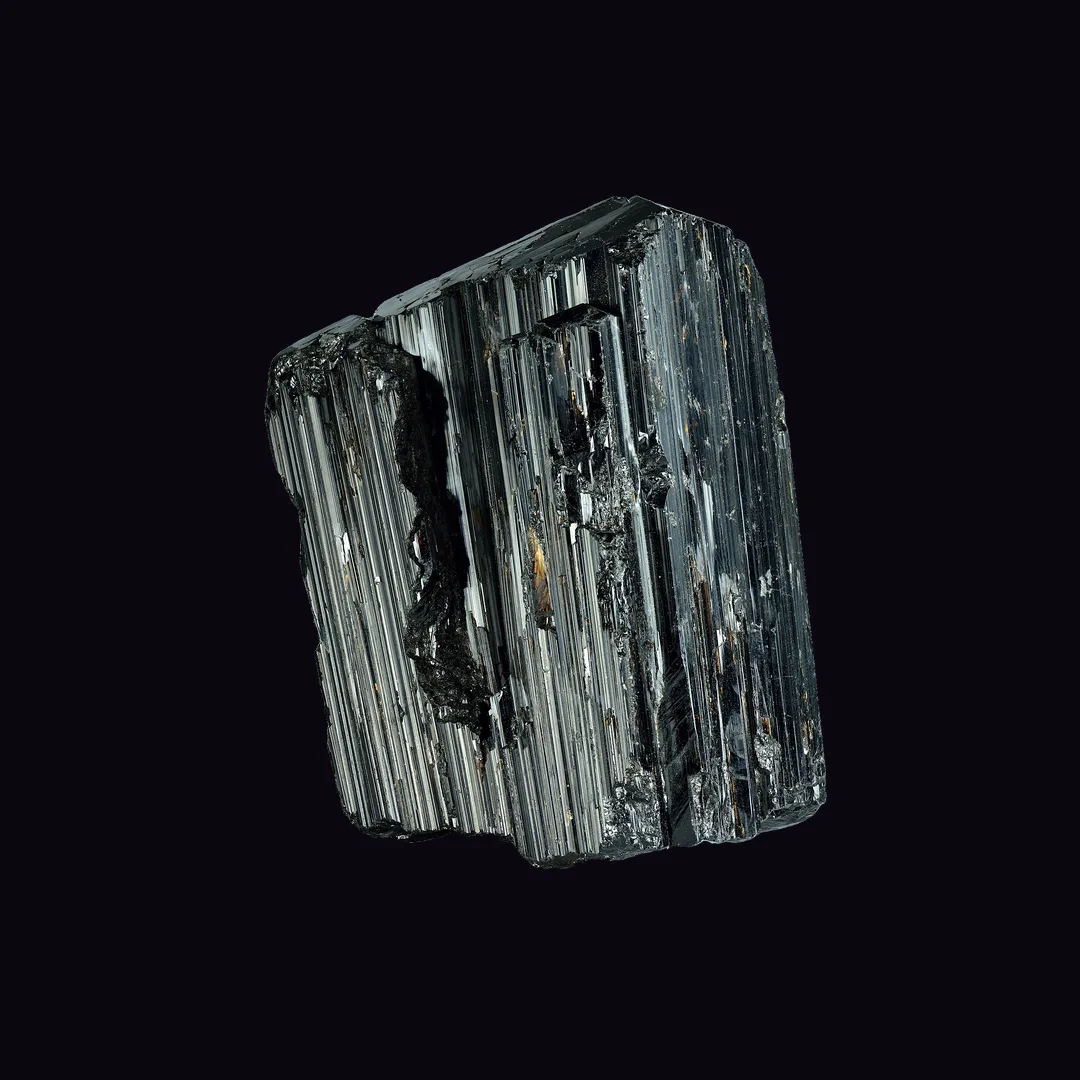
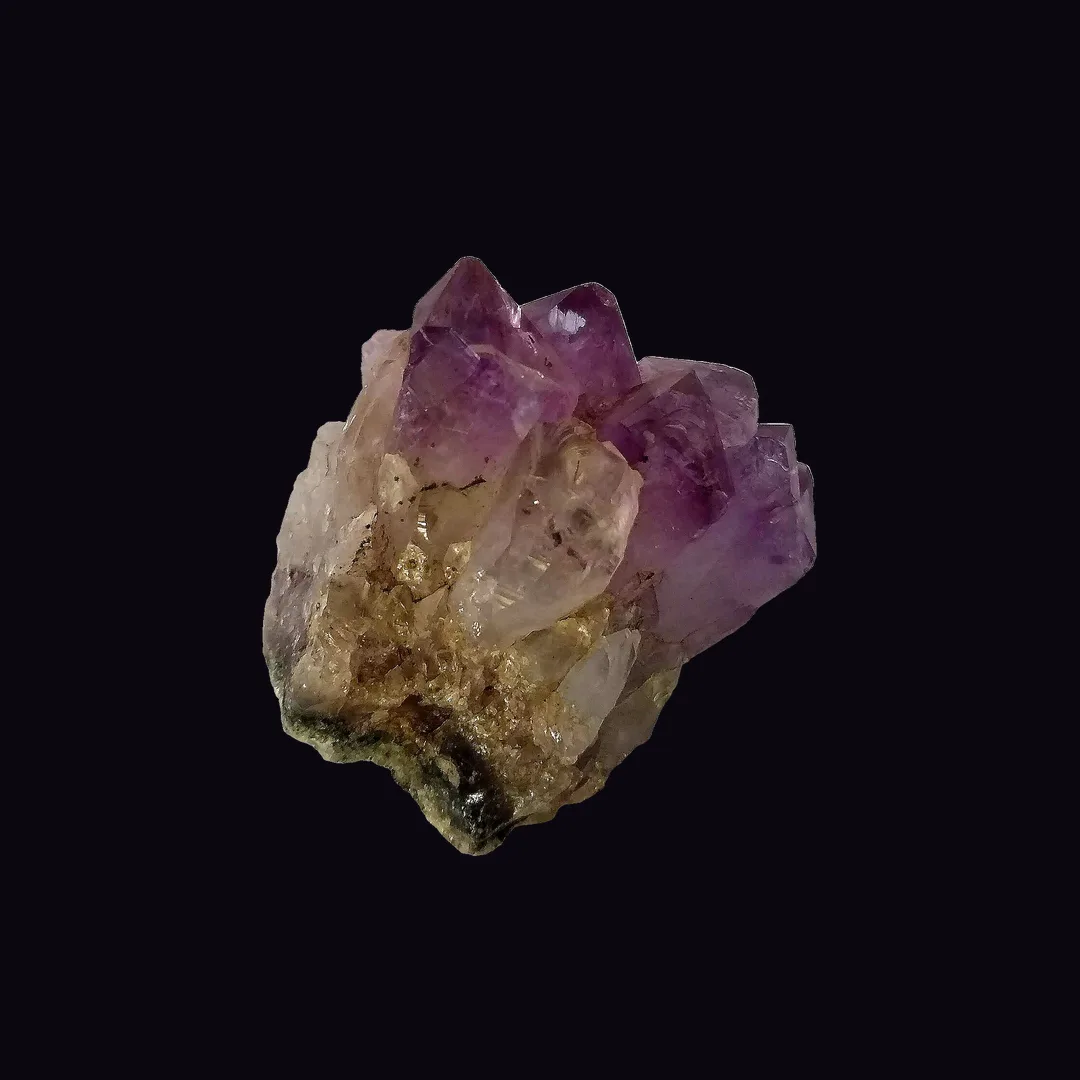
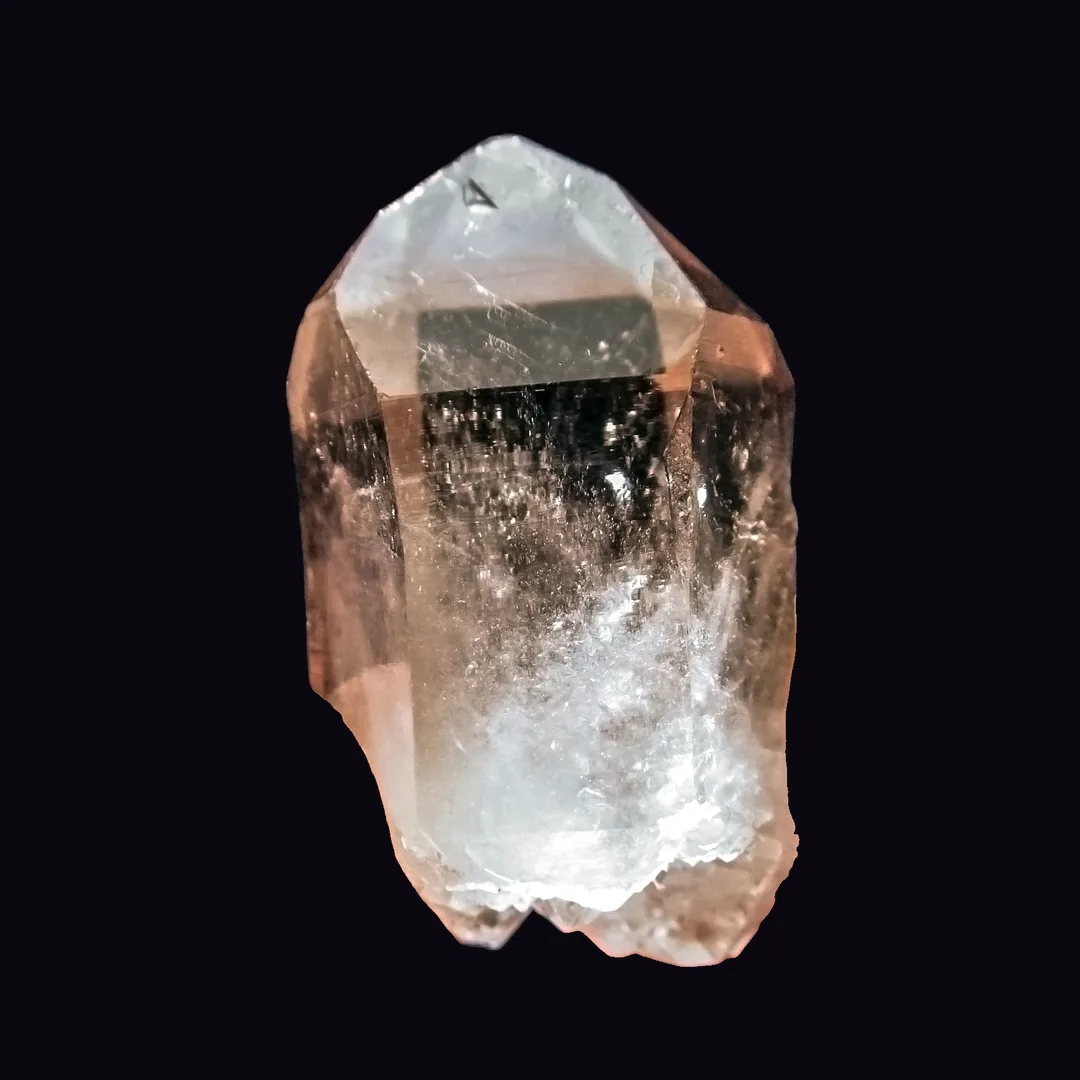
Because the Tower rattles people, it's the card readers most often pair with a grounding stone. Black tourmaline is the usual reach, the classic steadying, protective stone, along with amethyst to keep a racing head calm or clear quartz to reset. The stone doesn't change what the card means. It's a small ritual that helps you read a heavy card without letting it read you.
Three more grounding stones for a heavy card
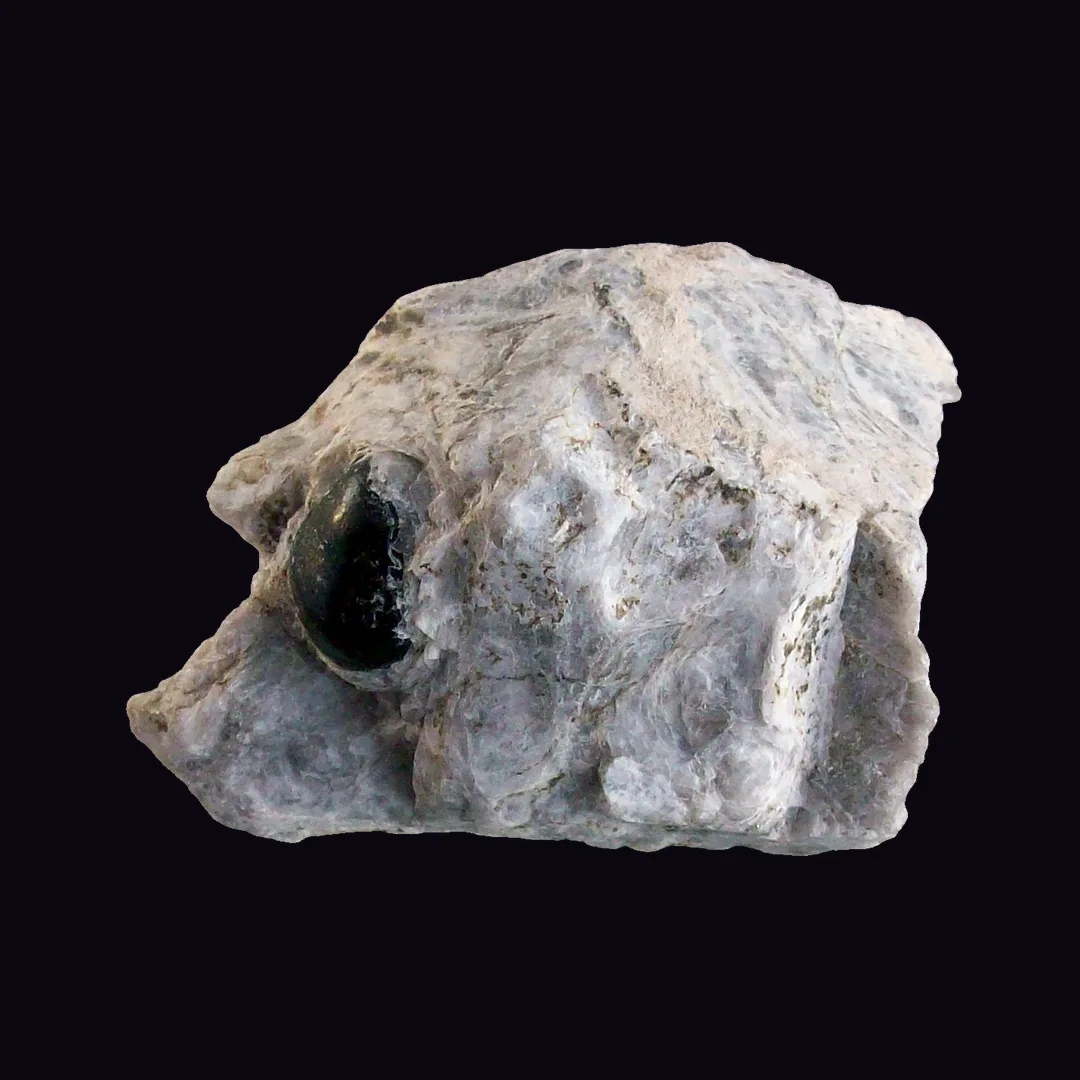
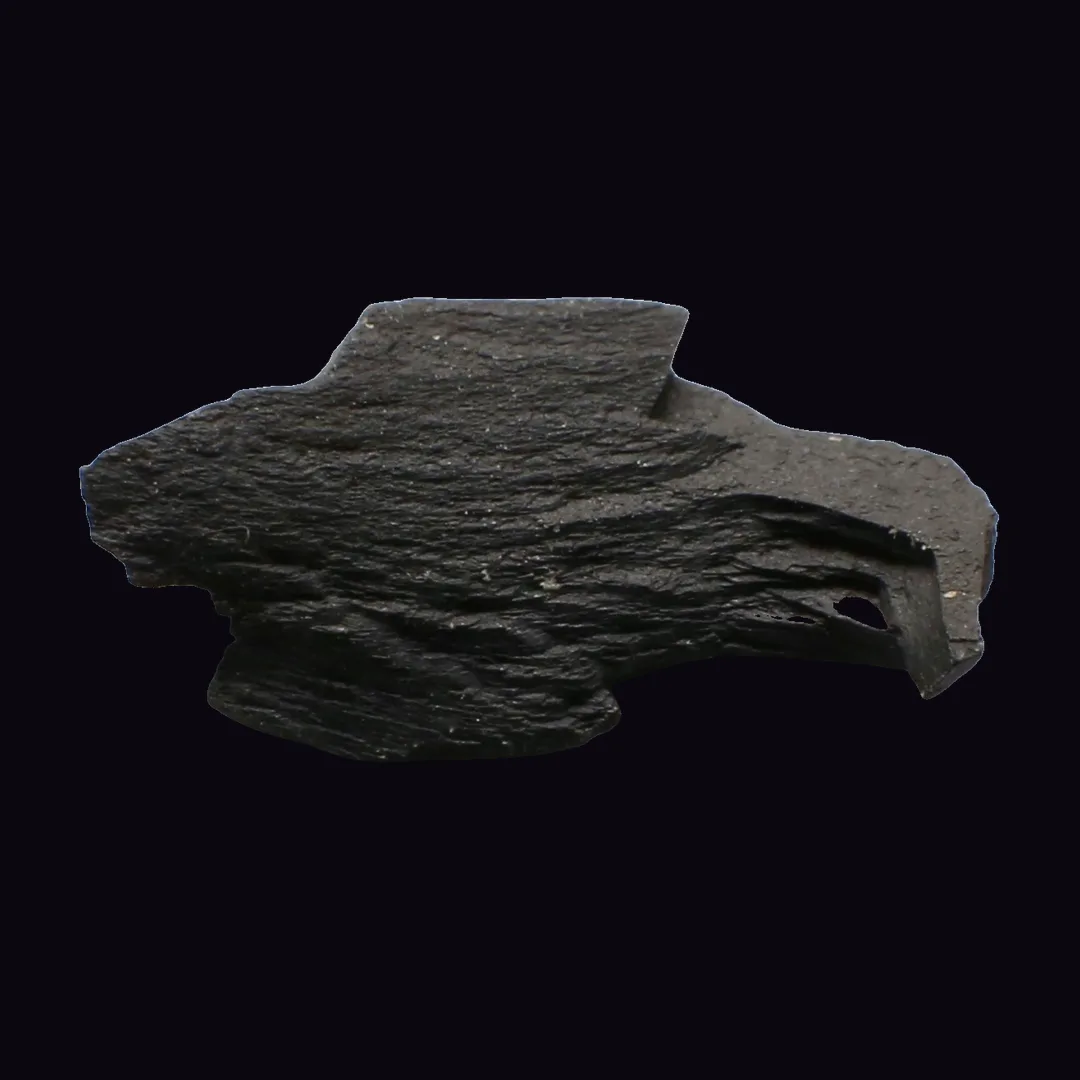
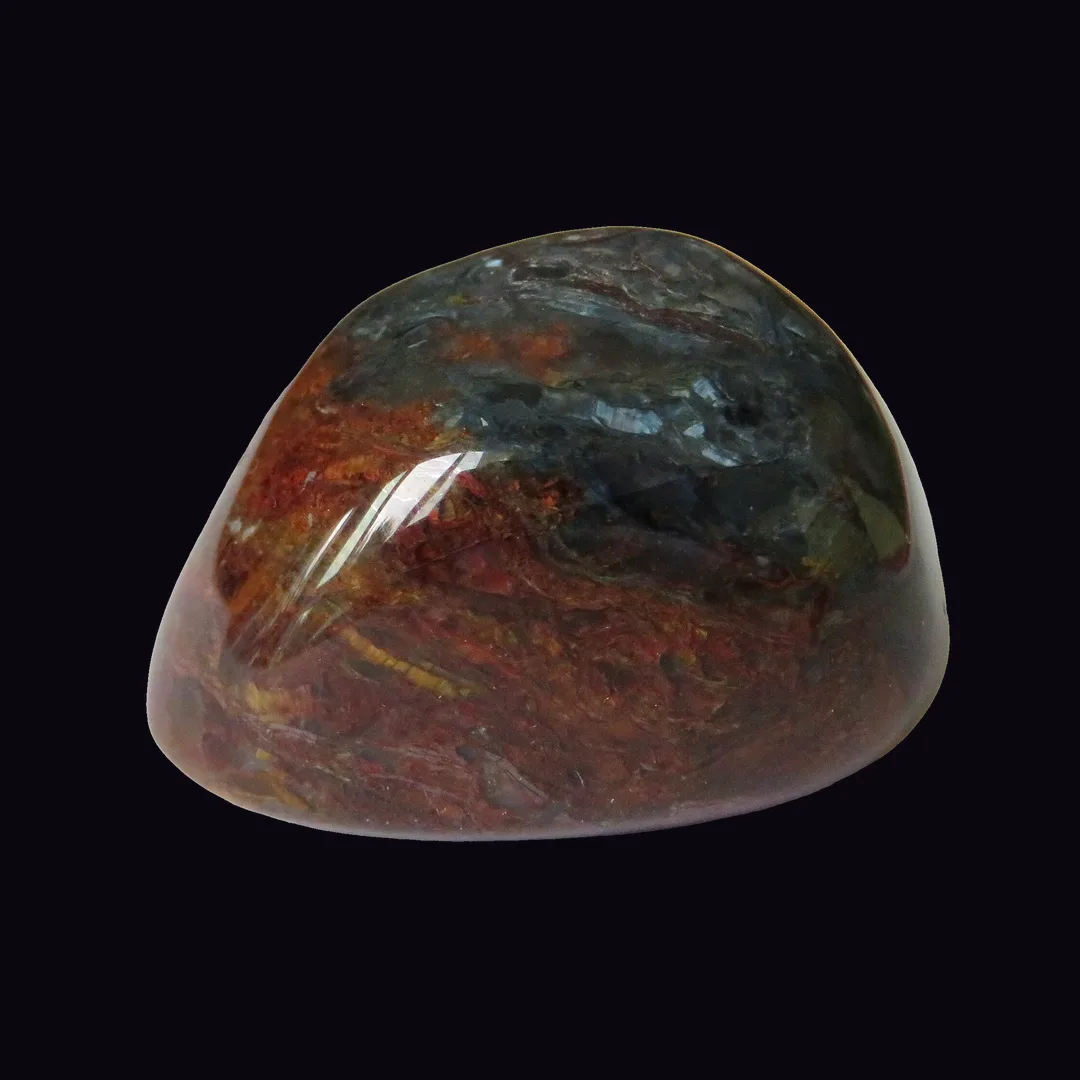
Three others people hold after a card like this one. Apache tears are kept for grief, and for grieving without going under. They are volcanic glass, dimpled and pockmarked on the outside, and they glow a translucent brown against a light. The name comes from a nineteenth century legend, not from documented Apache history. Jet is kept for mourning and for drawing off grief, and it is one of the few stones with continuous documented ritual use in Britain. It is fossilised driftwood, very light, and warm in the hand straight away. Pietersite is kept for the moment before a storm breaks. It is rock that shattered underground and was cemented back together.
Where the Tower gets personal
A Tower meaning off a page is generic dread. What it's actually pointing at in your life is the part a webpage can't know. That's what the app's readings are for. When the Tower turns up in your pull, it reads the card against your real birth chart and remembers what you've drawn lately, so instead of a flat "sudden collapse" you get a read tied to your actual situation, and a repeat of heavy cards becomes a pattern you can name instead of a jump scare. It's the difference between a scary definition and an honest conversation.
Last honest note. Most Tower moments look like the worst thing at the time and like a turning point in hindsight. If you pulled it and your gut already knows exactly which shaky structure it means, that's not the card being cruel. That's the card doing the one thing it's good for: making you finally look.
The stones in this piece
Questions people ask
What does the Tower card mean in tarot?
The Tower means sudden change, a shakeup, or a false structure coming apart. It's the moment a shaky foundation you'd been ignoring finally gives way. It feels harsh, but it usually clears out something that was never going to hold, so what comes after is built on firmer ground.
Is the Tower card always bad?
No. It's disruptive, not evil. The Tower breaks things that were built wrong, which is painful in the moment but often a relief in hindsight. It reads as a bad card because collapse is uncomfortable, not because the outcome is bad. A lot of Tower moments are the start of something better.
What does the Tower card mean reversed?
Reversed, the Tower usually softens: a disaster you dodged, a collapse happening slowly instead of all at once, or change you're resisting when you already know it's coming. It can also mean you're clinging to a structure that's failing. Same theme, quieter or delayed rather than sudden.