How to Read Tarot for Beginners (Without Memorizing 78 Cards)
Rituals and moons · 6 min read · 17 August 2026
You do not have to memorise 78 cards. The deck has a structure that does most of the work. Here is how to read a card cold, starting tonight.
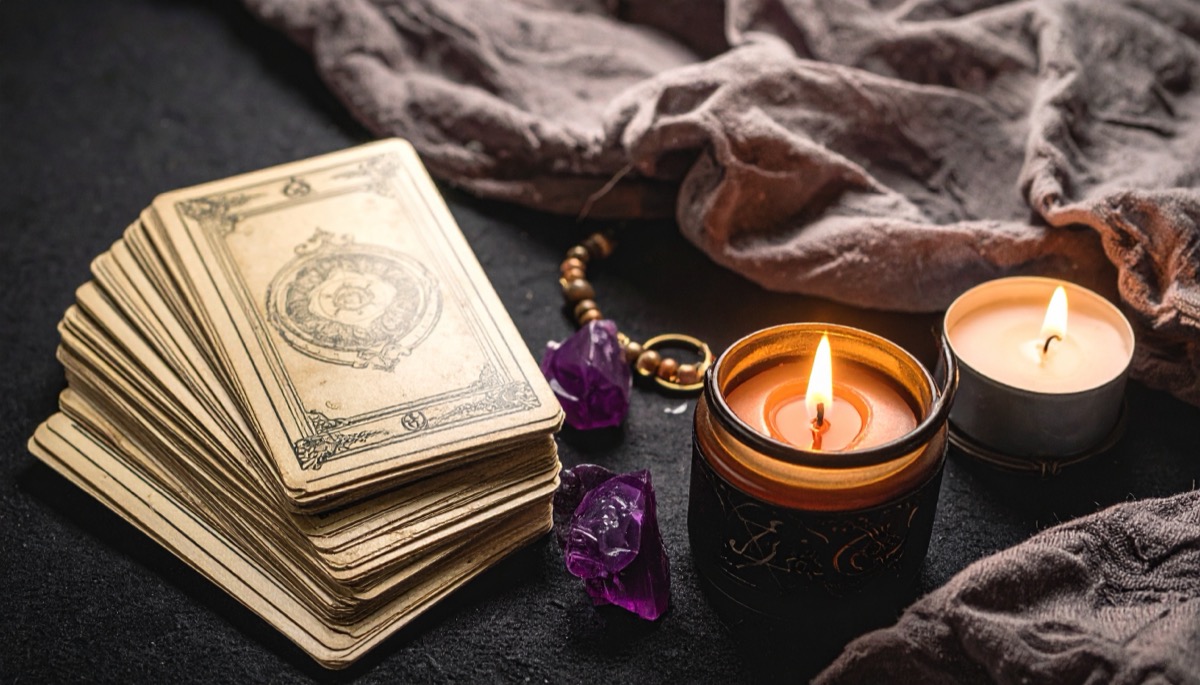
Tarot started as a card game in northern Italy in the 1400s. People played it for points. Nobody was reading anyone's future with it.
The fortune-telling use came centuries later, mostly in 1700s France. The deck you have probably seen, the Rider Waite Smith, is from 1909. Pamela Colman Smith drew all 78 of those pictures for a flat fee, and her name was left off the box for decades.
Those pictures are the reason you can read the cards at all. She built the system you are about to learn. Nobody mentions her in the first video you watch.
You don't memorize 78 cards to read tarot. You learn the structure, and the structure does the heavy lifting. The deck splits into 22 big-theme cards and 56 that follow a simple pattern of suit plus number. Learn the pattern and you can read most cards cold, on day one.
You are worried you will get it wrong in front of somebody. That is why you have been reading about tarot for a while instead of pulling a card. The structure below is there so you never have to bluff.
The Minor Arcana, 56 of the 78, is basically a grid. Four suits, each one an area of life. Numbers one through ten, each one a stage of that area's story.
Once you hold both of those, you can reason your way to a card without ever having studied it. The 22 Major Arcana are the exception, and you do not cram those either. We cover those as a story separately, which is the way they make sense.
The structure that replaces memorizing
This is the part worth learning first. Get this and you've got most of the deck.
| Suit | Life area | The vibe |
|---|---|---|
| Wands | Passion, drive, creativity, action | Fire. Motivation and momentum. |
| Cups | Emotion, love, relationships, intuition | Water. Feelings and connection. |
| Swords | Thought, conflict, truth, communication | Air. The mind, and its sharp edges. |
| Pentacles | Money, work, body, the material world | Earth. The practical and physical. |
Then the numbers, which run the same story arc through every suit: Ace is the raw seed of that suit. Twos through fives develop it, often through tension. Sixes and sevens are turning points. Eights through tens bring it to a peak or a conclusion. The Ten is the suit maxed out, for better or worse.
So a card you've "never seen" isn't a mystery. Six of Cups? Cups is emotion, six is a gentle turning point, so it reads as warmth, nostalgia, an old connection resurfacing. You didn't memorize that. You reasoned it out from two facts. That's how to read the whole Minor Arcana.
Court cards (Page, Knight, Queen, King) are the one add-on: read them as people or as a style of handling that suit, from the learning Page up to the mastered King.
How to read any card cold
Put it together in four moves. Suit gives you the arena. Number gives you the stage. Upright or reversed tells you whether that stage is running freely or stuck. Then, and this is the part beginners skip, your own gut reaction to the image gives you the tiebreaker. If a card technically means "celebration" but it makes your stomach drop in the context of your question, that reaction is real information. Read it.
Reversed just means the upright meaning is blocked, delayed, internal, or on its way out. You don't learn 78 new reversed meanings. You take the upright meaning and dim it, complicate it, or turn it inward.
Your first spread
Don't start with a ten-card Celtic Cross. Start with one card a day as a check-in, then graduate to a three-card past, present, future spread when you want the shape of a situation. Three cards is enough to tell a story and few enough that you can actually read the relationship between them, which is where tarot goes from "definitions" to "reading."
The honest limit
Tarot is a reflection and pattern tool, not fortune-telling fact. The cards are good at getting you to look squarely at something you've been avoiding, and that's genuinely useful. They cannot see the future, and no card should make a real decision for you. Keep it as a way to think out loud with a deck, not medical, legal, or money advice. Read for yourself, keep it low-stakes, and let the meanings build through use.
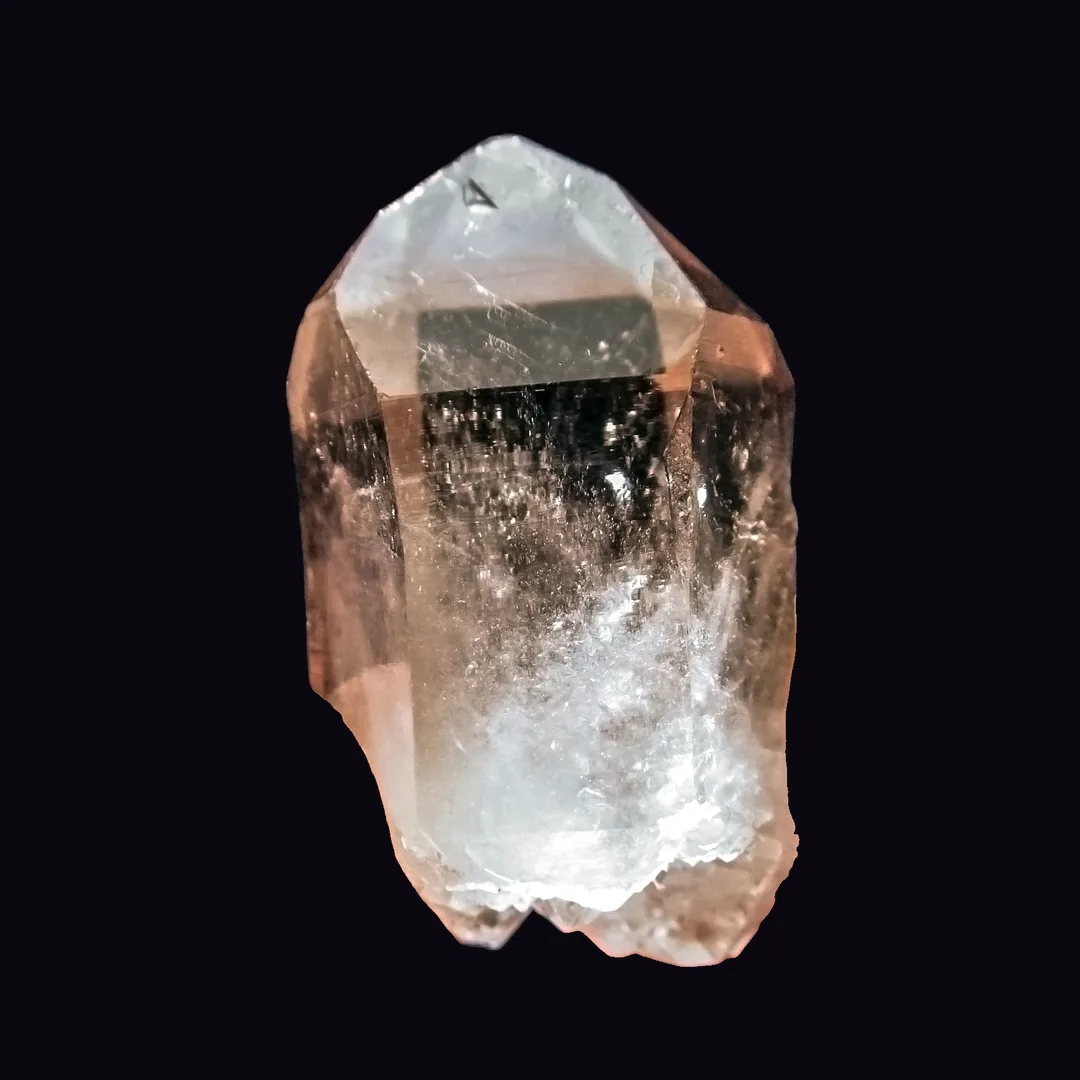
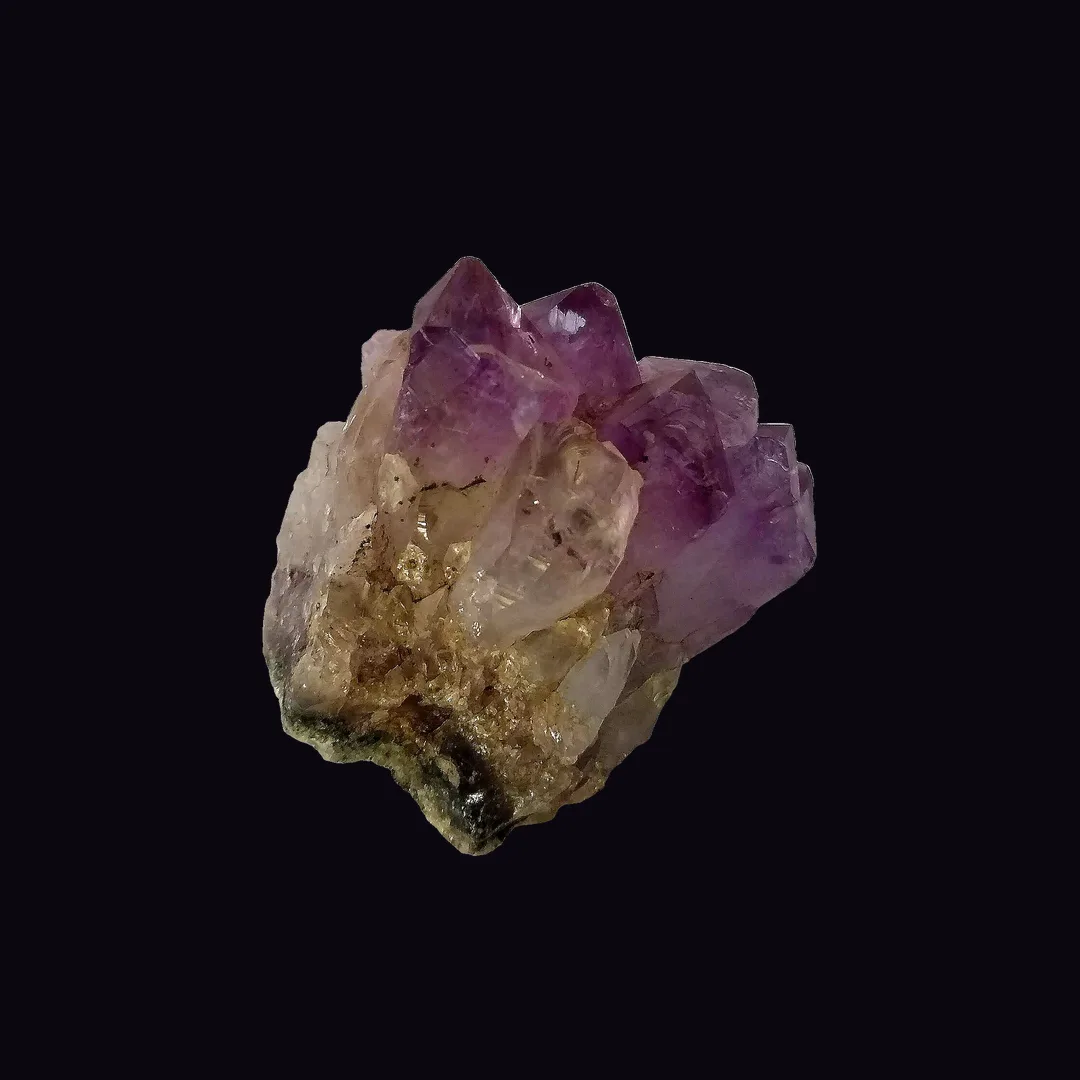
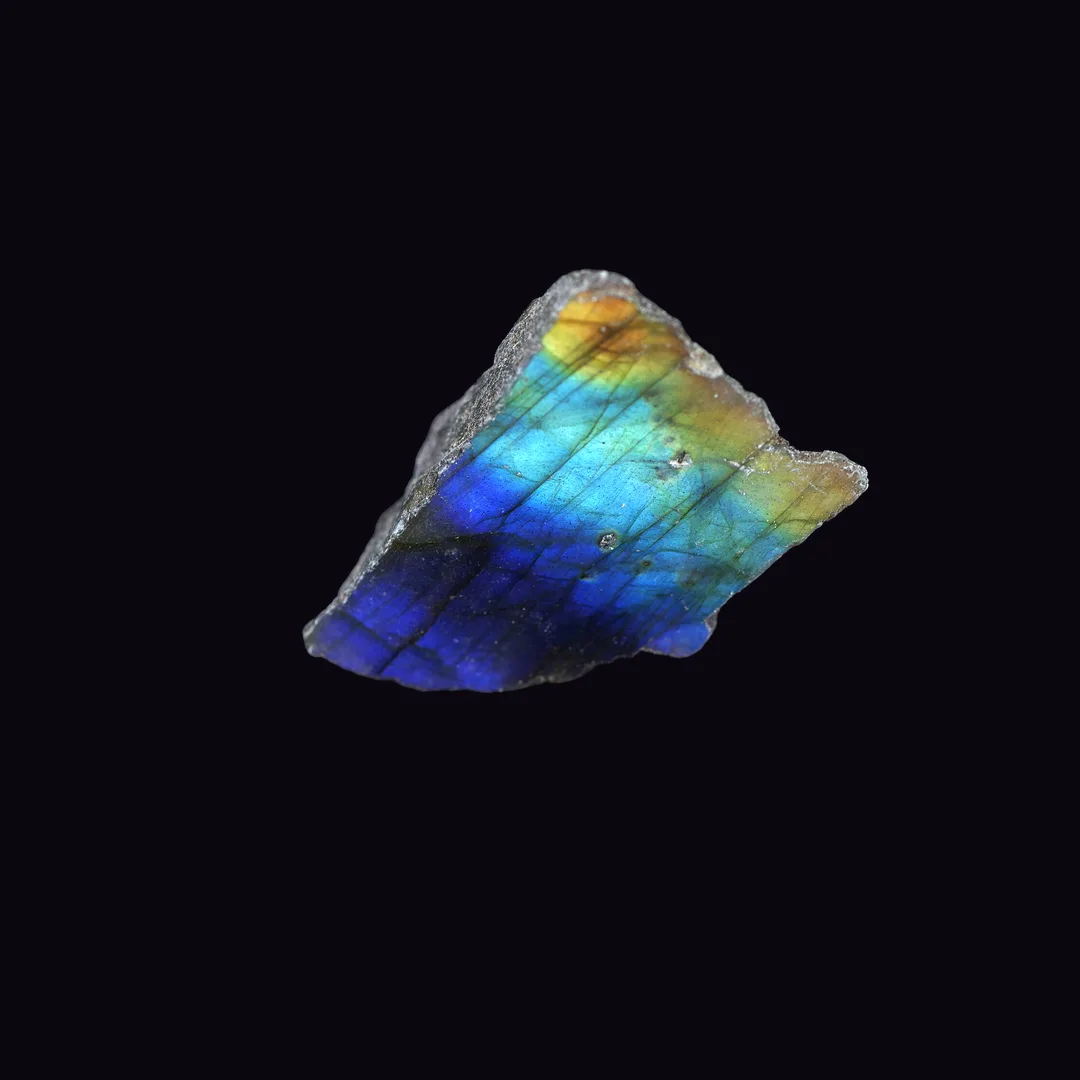
A lot of beginners keep a stone nearby to mark the start of a reading, usually a clear-headed one like clear quartz, amethyst, or labradorite. It doesn't power the cards. It's a small cue that gets you to slow down and actually pay attention, which is most of what a good reading needs.
Three more stones for the table
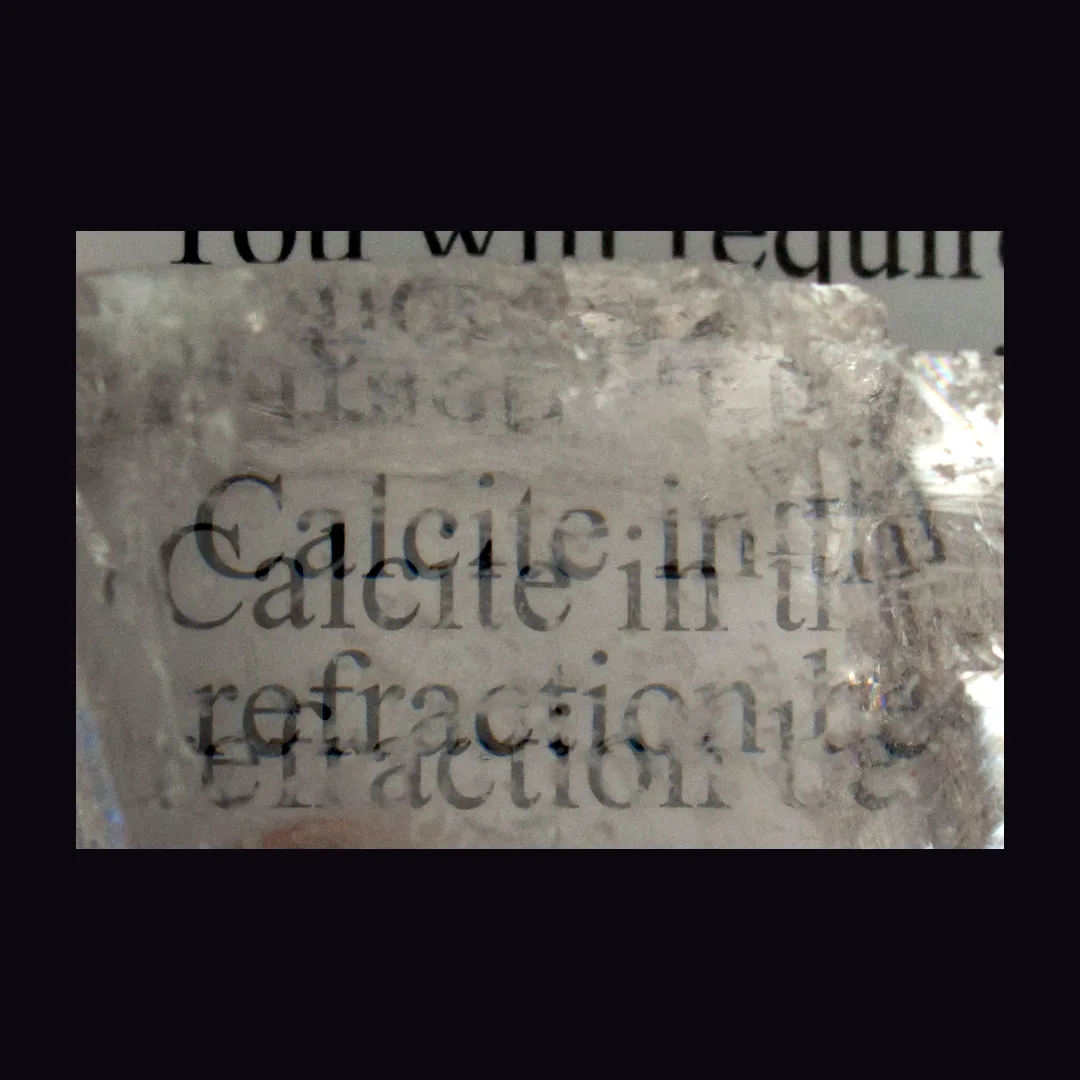
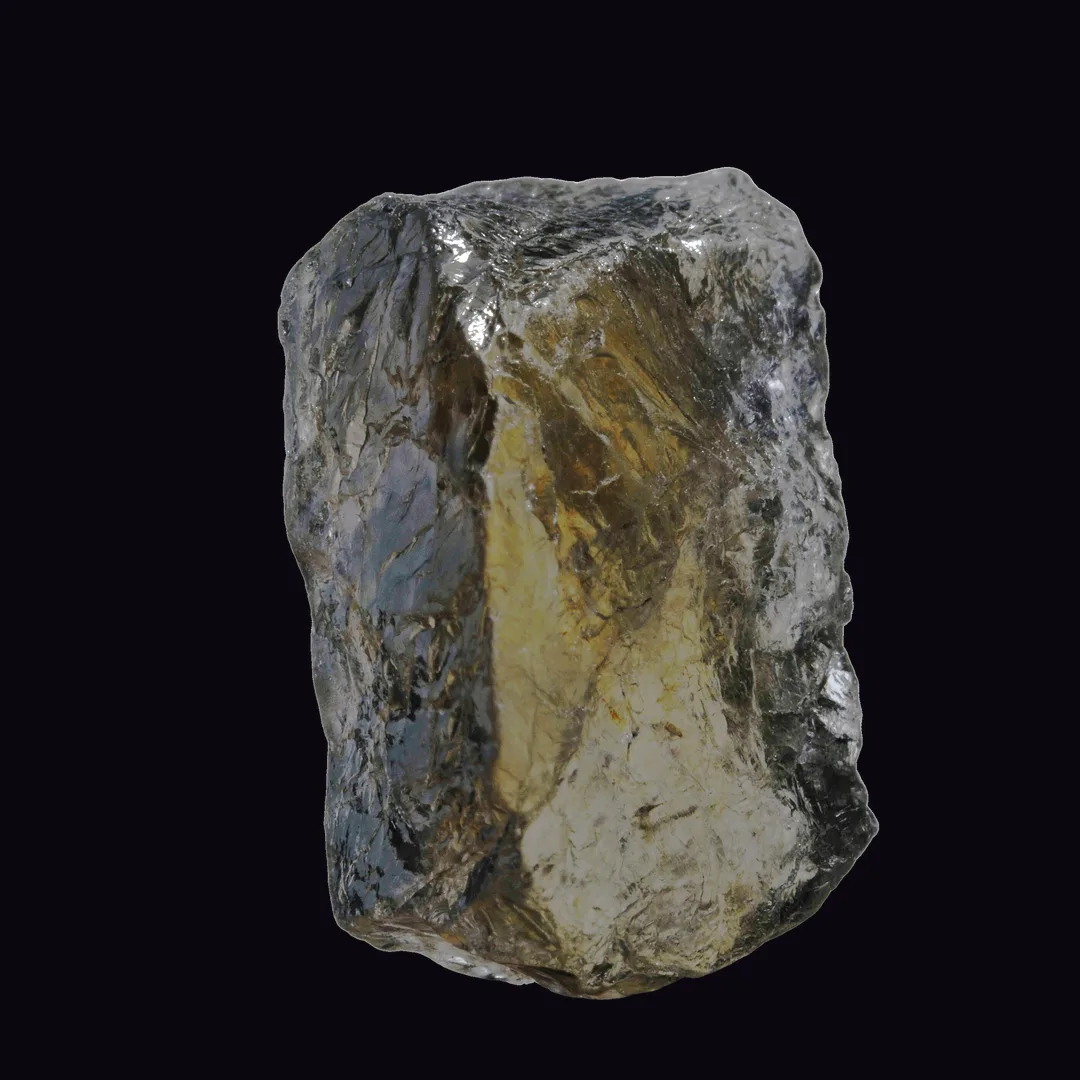
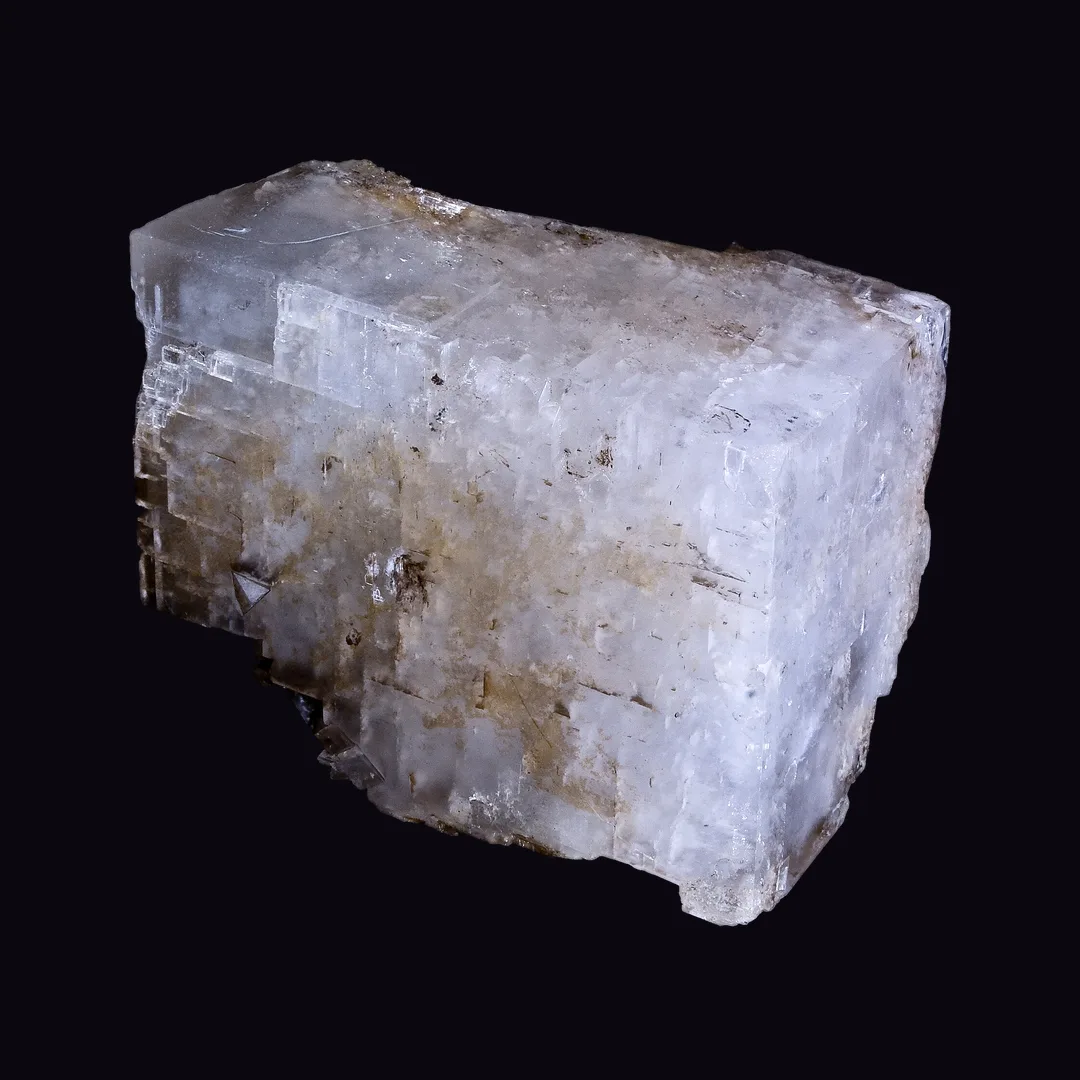
If you want something by the deck, three more get used the same way. Optical calcite is kept for seeing the second meaning in a thing, which suits a card you are reasoning out. It doubles whatever you look at through it. Iolite is kept for clarity and communication, and turning it changes the colour three times over. Magnesite is kept for calm and a quiet head. Fair warning, most of it is dyed. It is the standard stand in for turquoise, the dye is not permanent, and water leaches it out. Check the drill holes and the chipped edges, not the polished face.
Where beginners get unstuck fastest
The gap between "knows the meanings" and "can actually read" is context, and that's the hard part to do alone from a book. The app closes it. You pull, and instead of a flat dictionary definition it reads the card against your real birth chart and remembers what you've drawn, so the meanings land in your life instead of in the abstract. It's the difference between studying a language and getting to speak it with someone every day.
Last honest note. Everyone's slow and clumsy for the first month. That's not you failing, that's the learning curve. Read one card a day, reason it out from suit and number, check your gut, and in a few weeks you'll be reading cards you technically never learned. That's the whole trick.
The stones in this piece
Questions people ask
How do I start reading tarot as a beginner?
Learn the structure before the cards. The deck splits into 22 Major Arcana (big life themes) and 56 Minor Arcana sorted into four suits by area of life and numbered one to ten plus court cards. Once you know what each suit and number means, you can read most cards without having memorized them.
Do you have to memorize all 78 tarot cards?
No, and trying to is why beginners quit. The Minor Arcana follows a pattern: the suit tells you the life area and the number tells you the stage. Learn the four suits and the ten numbers and you can reason out most cards cold. You memorize the 22 Majors slowly, through use, not flashcards.
Can beginners read tarot for themselves?
Yes, and it's the best way to learn. Reading for yourself gives you real context to check each card against, which is how the meanings actually stick. Just keep it as reflection, not fortune-telling, and don't make real decisions based on a card alone. It's a tool for thinking, not an oracle.