The Major Arcana, Explained Like a Story
Rituals and moons · 7 min read · 17 August 2026
The 22 Major Arcana are not 22 facts to learn. They are one sequence, from the Fool to the World. Read them in order and they finally stick.
The Majors began as trump cards in an Italian card game. Different cities ranked them in different orders. There was no agreed sequence and no story attached to them at all.
The story came much later. The writer Eden Gray is the one usually credited with laying the trumps out as one character's path from the Fool to the World. It is a modern reading of an old deck, and it works.
The 22 Major Arcana aren't 22 separate facts. They're one story in order, from the Fool at zero to the World at 21, tracing a single character from naive start to whole finish. Read them as a journey instead of a list, and they stop being a memorization problem and start making sense.
You have tried to learn these before, probably from a list, probably late at night. It did not stick because a list has nothing holding it together. A story does.
The trick people miss is the sequence. Every Major card is a chapter, and the chapter before it explains why it is there. The Tower makes no sense on its own.
It makes sense as the moment right after the Devil, when a false structure you had been holding onto blows apart. Learn the order once and you barely have to memorise anything. Here is the whole arc, condensed.
The Fool's Journey, in order
Think of the Fool as you at the start of any new chapter: stepping off the cliff, no idea what's coming, which is the only way anyone ever starts anything.
| # | Card | The chapter it plays |
|---|---|---|
| 0 | The Fool | The leap. New start, blank slate, faith over caution. |
| 1 | The Magician | You've got the tools. Focus and will made real. |
| 2 | The High Priestess | The inner voice. Intuition, secrets, what you sense but can't prove. |
| 3 | The Empress | Nurture and abundance. Creation, comfort, growth. |
| 4 | The Emperor | Structure and authority. Order, boundaries, control. |
| 5 | The Hierophant | Tradition and teachers. The rules, the institution, the mentor. |
| 6 | The Lovers | A real choice. Union, values, the fork in the road. |
| 7 | The Chariot | Drive and willpower. Push forward, take the reins. |
| 8 | Strength | Quiet courage. Patience over force, mastering the inner beast. |
| 9 | The Hermit | The retreat. Solitude, reflection, seeking your own answers. |
| 10 | Wheel of Fortune | The turn. Fate, cycles, luck shifting. |
| 11 | Justice | Cause and effect. Truth, fairness, owning your choices. |
| 12 | The Hanged Man | The pause. Surrender, a new angle, waiting on purpose. |
| 13 | Death | The ending. Transformation, letting a chapter actually close. |
| 14 | Temperance | Balance. Blending extremes, patience, the middle path. |
| 15 | The Devil | The trap. Attachment, bad habits, the cage you can leave. |
| 16 | The Tower | The collapse. A false structure blowing apart, sudden truth. |
| 17 | The Star | Hope after the wreckage. Healing, faith, a quiet exhale. |
| 18 | The Moon | The fog. Illusion, fear, not seeing clearly yet. |
| 19 | The Sun | Clarity and joy. Warmth, success, everything lit up. |
| 20 | Judgement | The reckoning. Awakening, a call, rising to a new self. |
| 21 | The World | Completion. Wholeness, arrival, the cycle closed. |
Read top to bottom and you can feel the shape: a hopeful start, teachers and trials, a crisis in the middle, a hard collapse, then healing and arrival. That arc is the memory device. You're not recalling 22 definitions, you're recalling a story you already understand because you've lived versions of it.
Why the order matters in a reading
When a Major shows up, its neighbors help you read it. Pull the Star and you're probably in the aftermath of something hard, because that's its slot in the journey, right after the Tower and the Devil. Pull Death and it's rarely doom, it's a chapter that's genuinely ending, with Temperance's rebalancing right on its heels. Knowing the arc turns a single card from a flat definition into a moment in a story with a before and after.
A reading full of Majors is worth noticing too. It usually means the situation is bigger than day-to-day, more turning-point than errand. That's the practical payoff of learning them in sequence.
The honest limit
The Major Arcana are a language for big themes, not a script for your future. They're great for naming what chapter you're in and what it tends to ask of people. They can't tell you what's going to happen, and no card, not even Death or the Tower, is a fixed fate. Use them as a mirror for the shape of your life, not as fortune-telling fact, and never as medical, legal, or money advice.
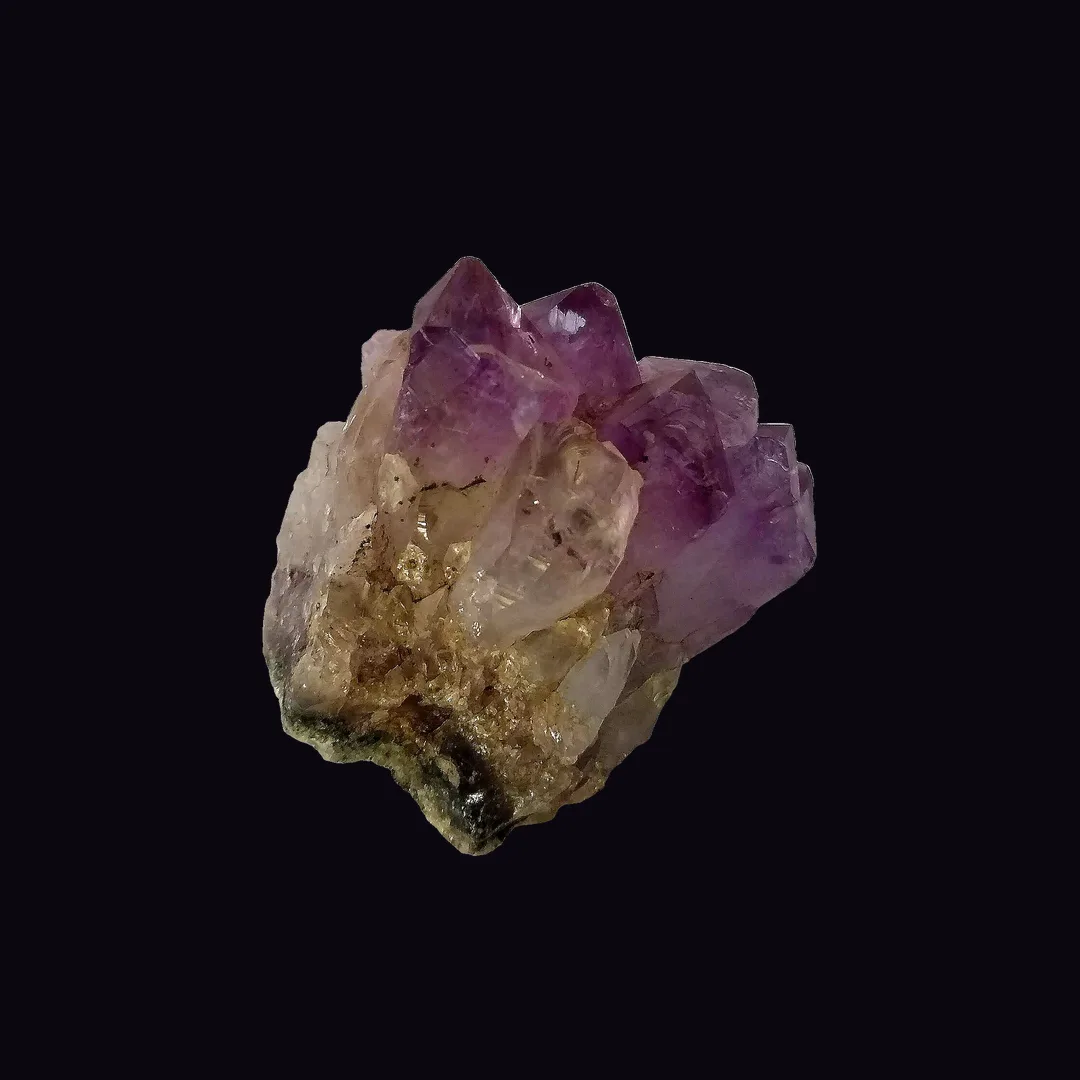
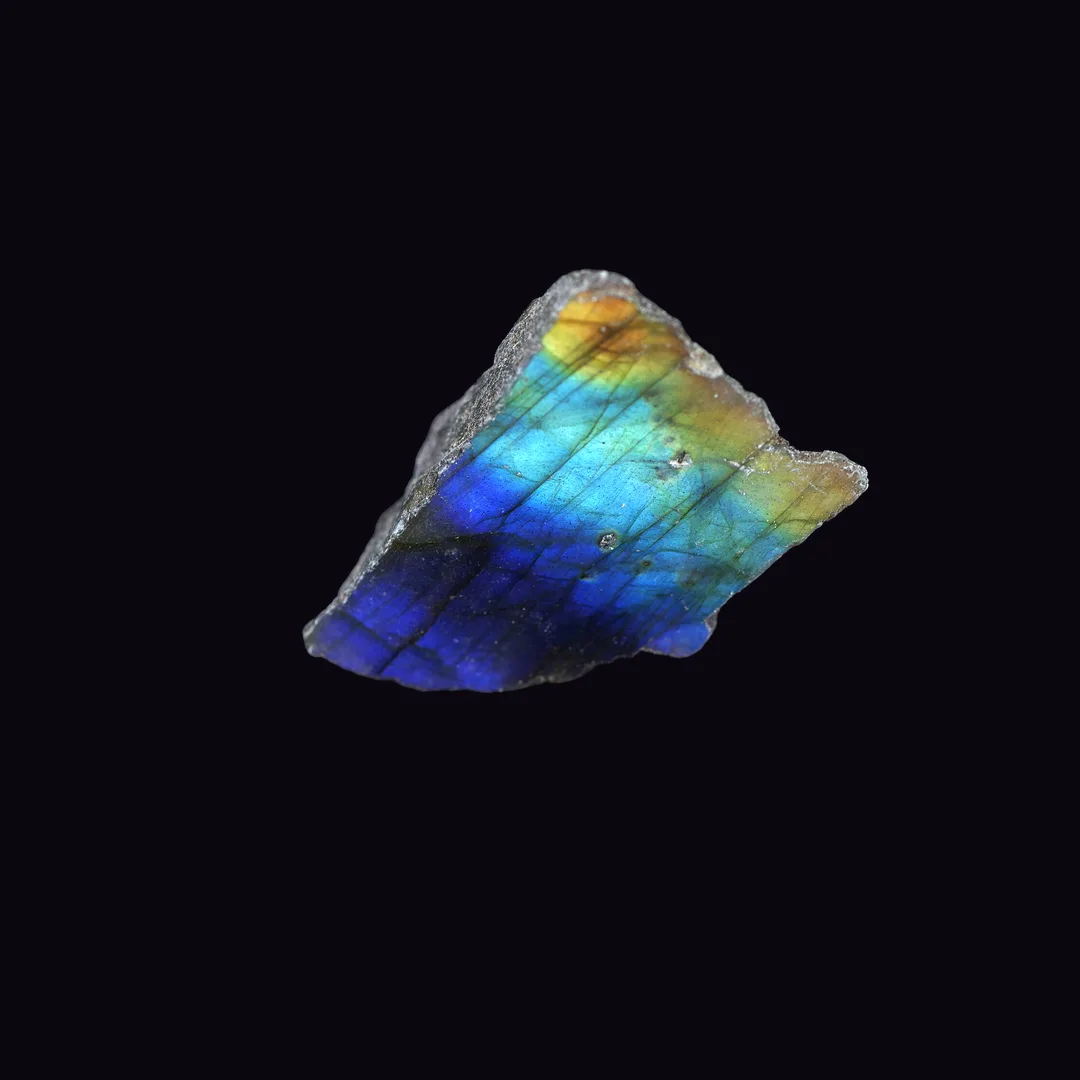
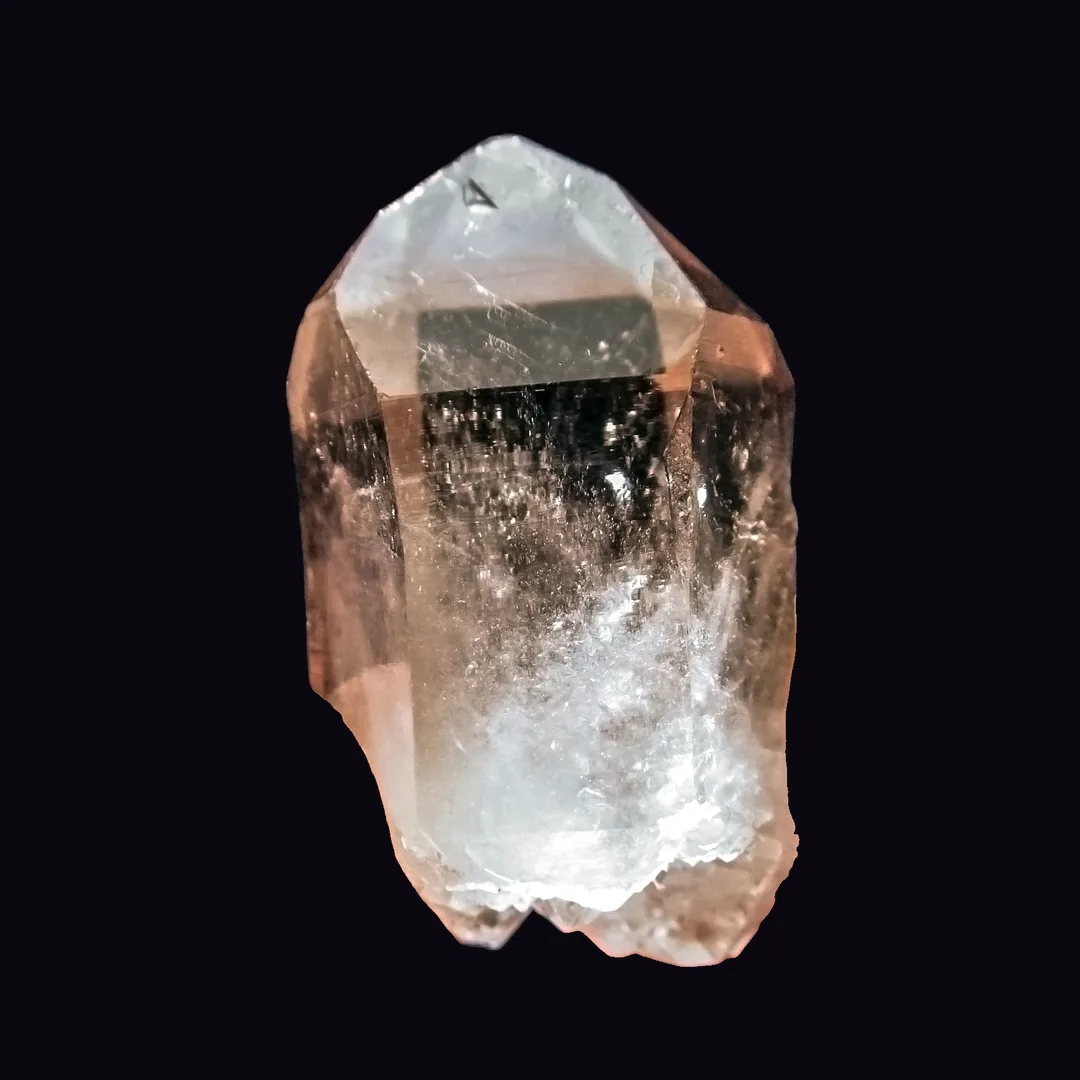
Readers often keep an intuition stone like amethyst or labradorite near a reading, or a clear quartz to mark the start of one. The stone doesn't change the card. It's a small ritual cue to slow down, which is exactly what a Major asks for. If you're still learning the deck's other 56, the beginner structure guide covers the Minor Arcana the same reason-it-out way.
Three stones for the big cards
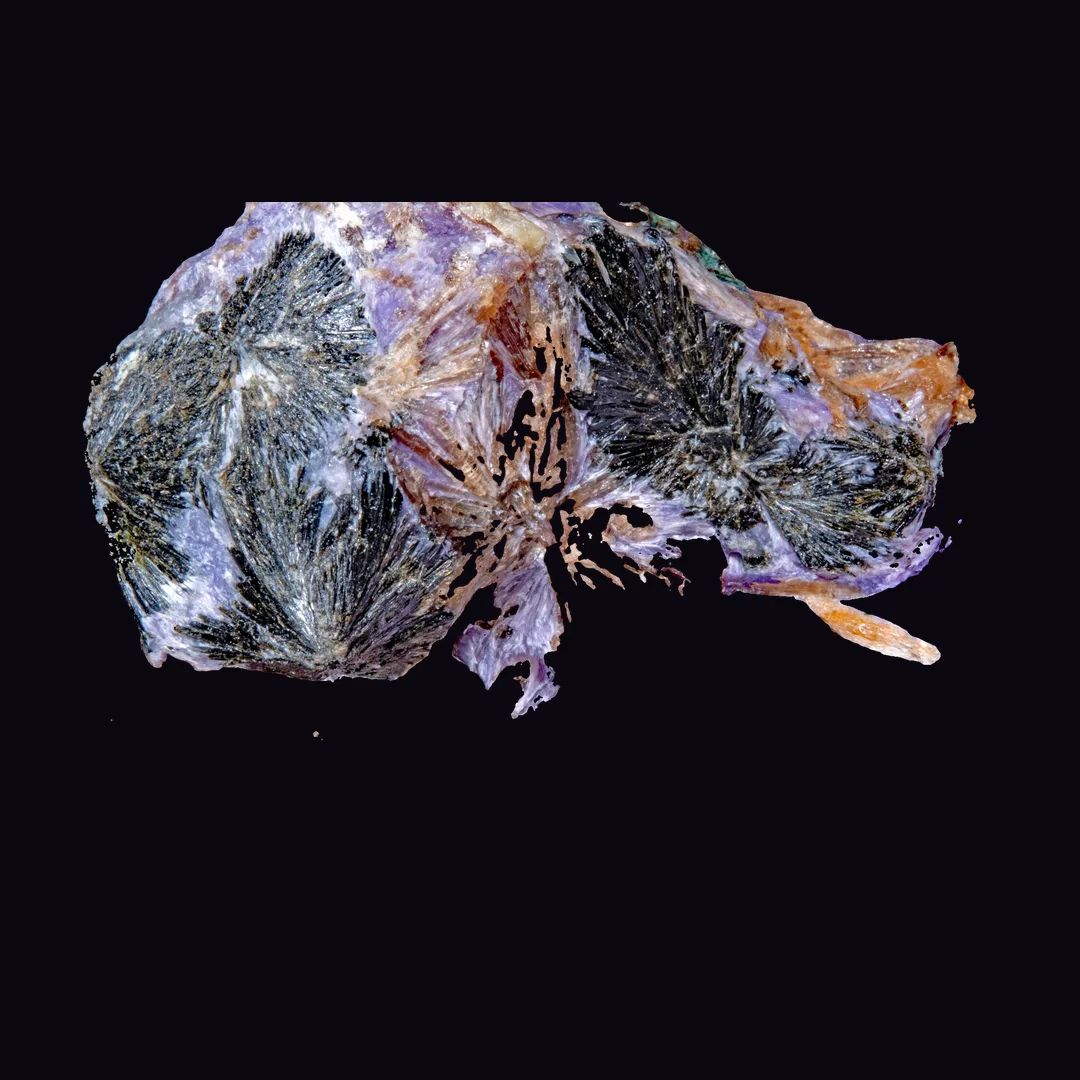
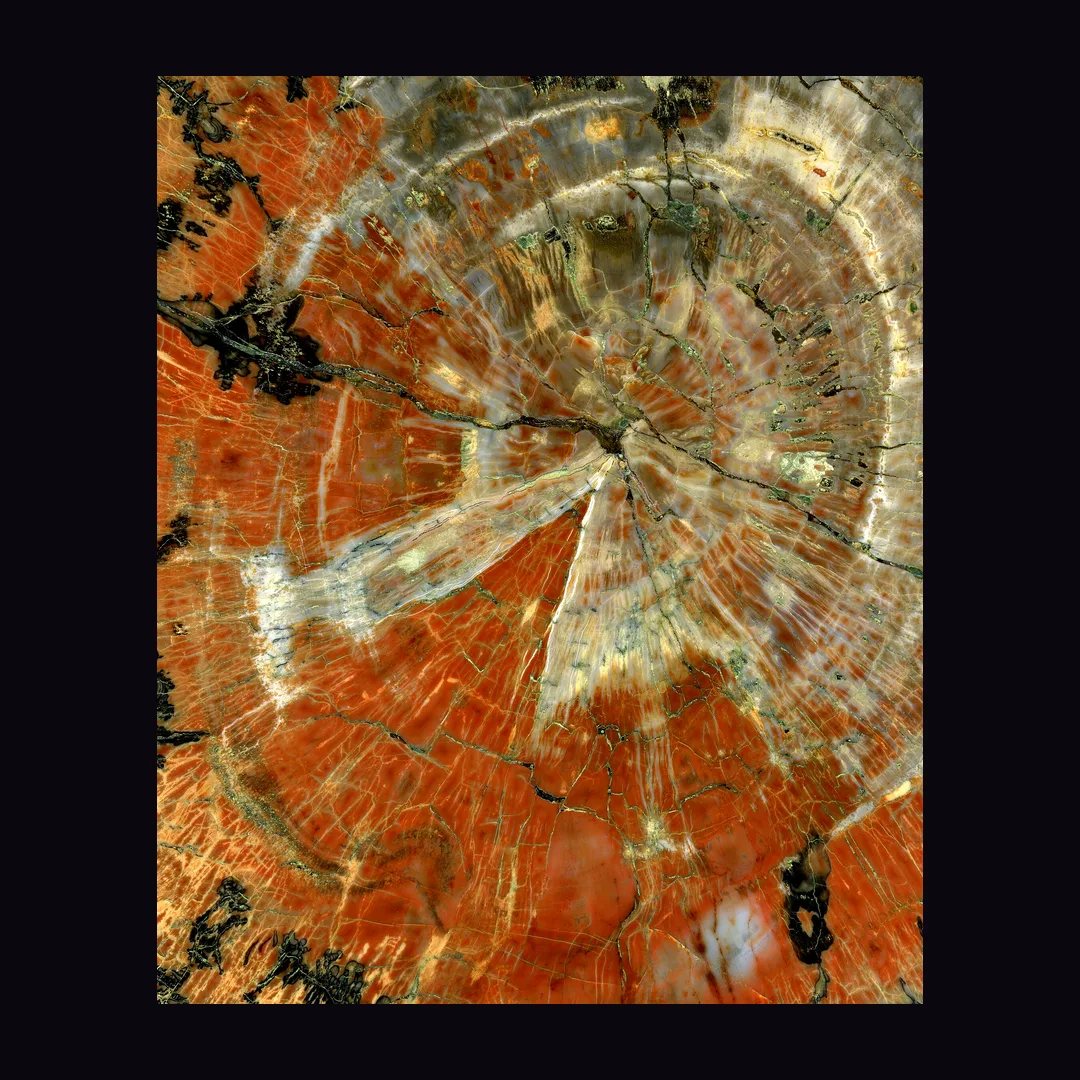
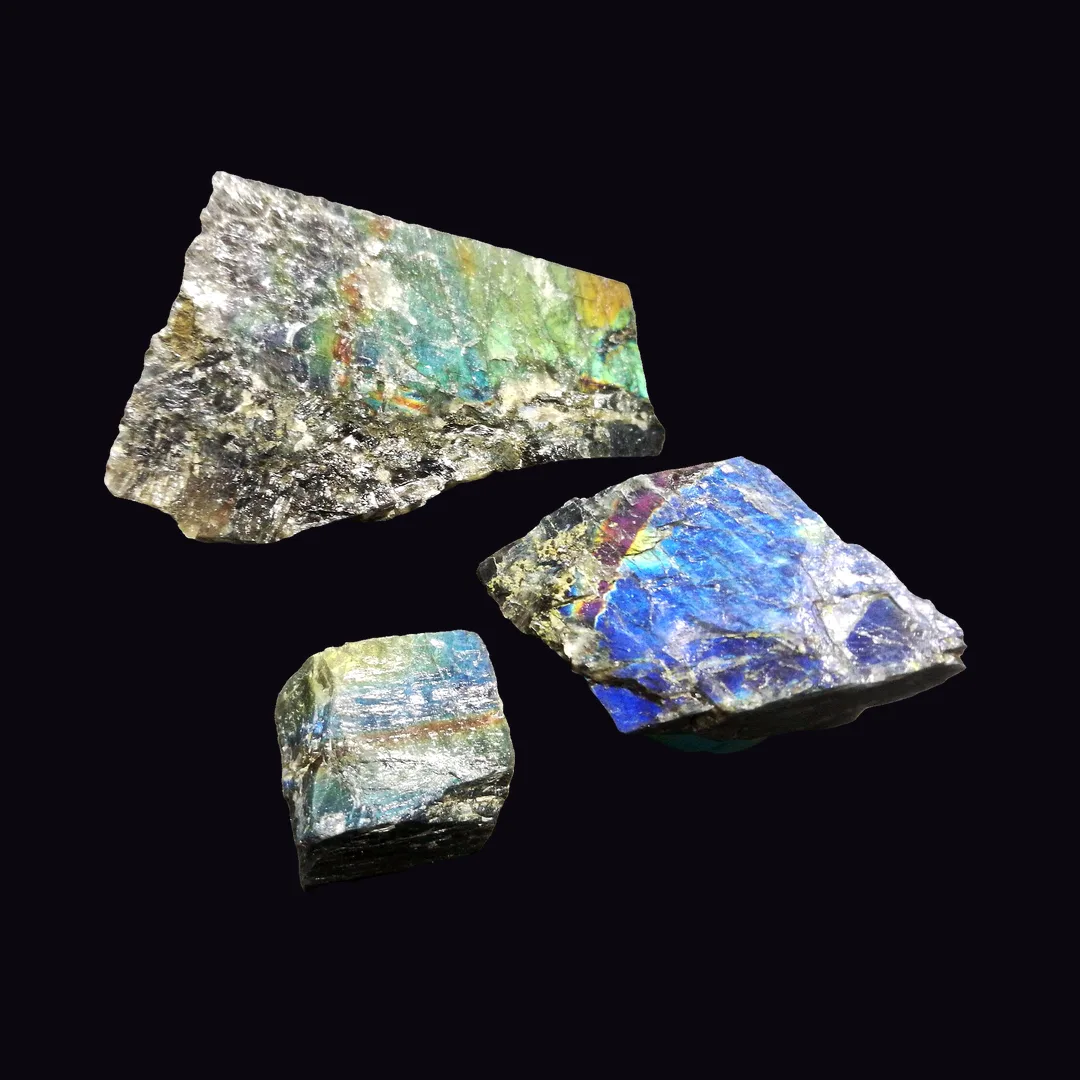
Three more that suit a spread full of Majors. Charoite is kept for facing fear and for fast change you did not choose, which is Tower and Death territory. It is a swirling fibrous violet that comes from one massif in Siberia, and it has only been known since 1978, so every meaning on it is modern. Petrified wood is kept for patience and long memory. It is a tree that was buried and replaced by silica cell by cell, so a cut face still shows its growth rings. Spectrolite is kept for seeing a situation from every angle. It is Finnish labradorite dark enough to flash red.
Where the story gets personal
The arc above is the whole story in the abstract. Which chapter you're actually in is the part a page can't tell you. That's what the app's readings are for. When a Major turns up in your pull, it reads the card against your real birth chart and remembers where you've been, so the Tower or the Star lands as your moment in your story instead of a textbook line. It's the difference between reading the map and knowing where you're standing on it.
Last honest note. You don't master the Majors by staring at the list. You master them by seeing them show up in real readings until each one clicks into place in the story. Learn the arc once, then let the cards teach you the rest by turning up when they mean something.
The stones in this piece
Questions people ask
What are the Major Arcana in tarot?
The Major Arcana are the 22 numbered cards without suits, from the Fool at zero to the World at 21. They represent big life themes and turning points rather than day-to-day details. When one shows up in a reading, it's usually flagging something significant, not a passing mood.
What order do the Major Arcana go in?
They run from the Fool (0) through the World (21) in a deliberate sequence often called the Fool's Journey. The Fool starts naive, meets teachers and trials, hits a crisis, breaks down, rebuilds, and arrives whole. Reading them in order is the fastest way to actually remember them.
Are Major Arcana cards more important than Minor Arcana?
Not more important, but usually bigger in scope. Majors point at major themes and turning points, while Minors handle the everyday texture of a situation. A reading heavy in Majors suggests something significant is in play. One is the weather, the other is the day.