Crystals for Beginners: The 8-Stone Starter Set That Actually Matters
How you feel · 6 min read · 12 August 2026
You do not need a hundred crystals. You need about eight that cover the bases and are hard to kill. Here is what to buy first, and what to skip.
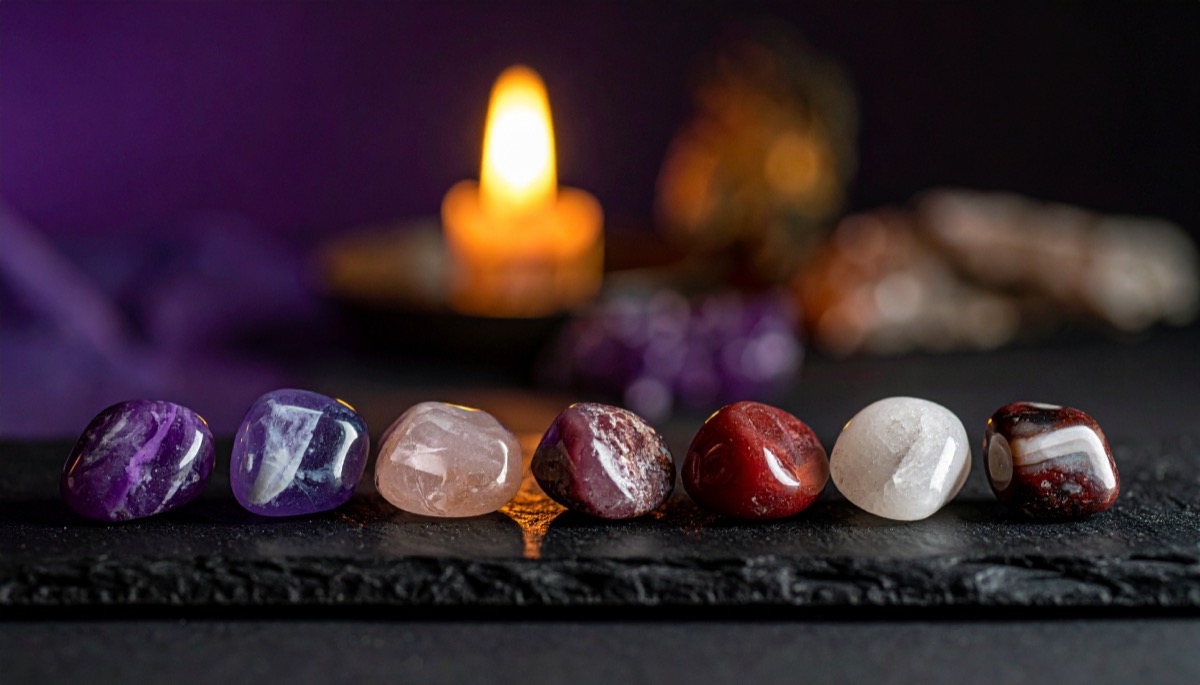
There is a shoebox in most beginner collections. Twenty small stones, no labels, bought at three different fairs.
The shops stay quiet about the fact that most of that box is quartz. Same mineral, different colour, five different prices.
You keep buying because every list makes you feel behind. Somebody made the rules sound complicated and you believed them.
You don't need a hundred crystals. Eight cover almost everything a beginner actually reaches for: clear quartz, amethyst, rose quartz, black tourmaline, citrine, smoky quartz, carnelian and selenite. That set gives you amplifying, calm, love, protection, confidence, grounding, energy and cleansing. Most are quartz, so they're cheap, common and nearly impossible to wreck.
A tight set of tough, useful stones will teach you more than a shelf of expensive ones you are scared to touch. Most of these are among the commonest minerals on the planet, so they cost very little.
Here is the set, then what to skip, then the one thing that saves beginners the most money.
The 8-stone starter set
| Stone | What people use it for | Why it's a beginner pick |
|---|---|---|
| Clear quartz | Amplifying anything, all-purpose | The master stone, cheap, indestructible, works with everything |
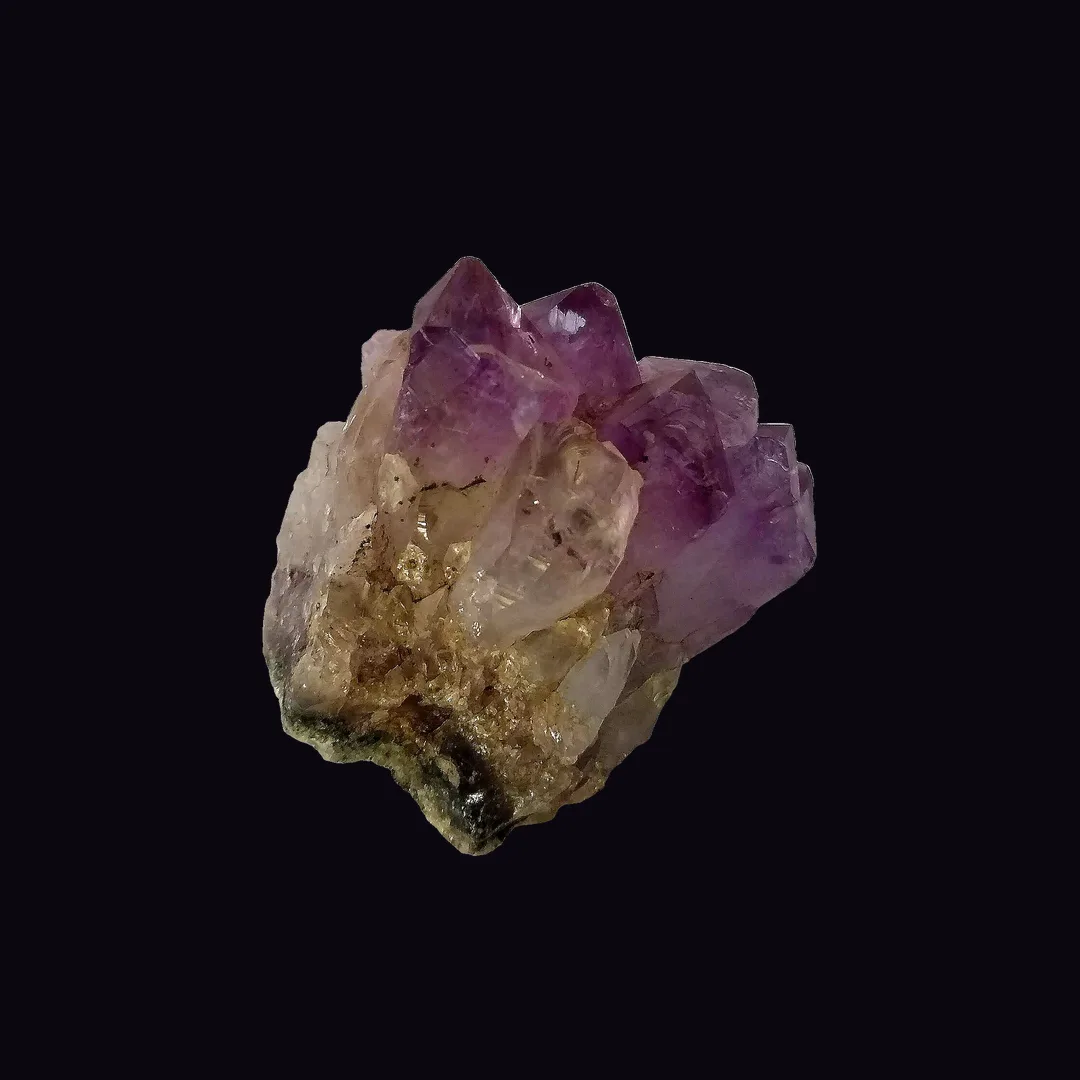
| Amethyst | Calm, sleep, winding down | Common, gorgeous, the classic first crystal |
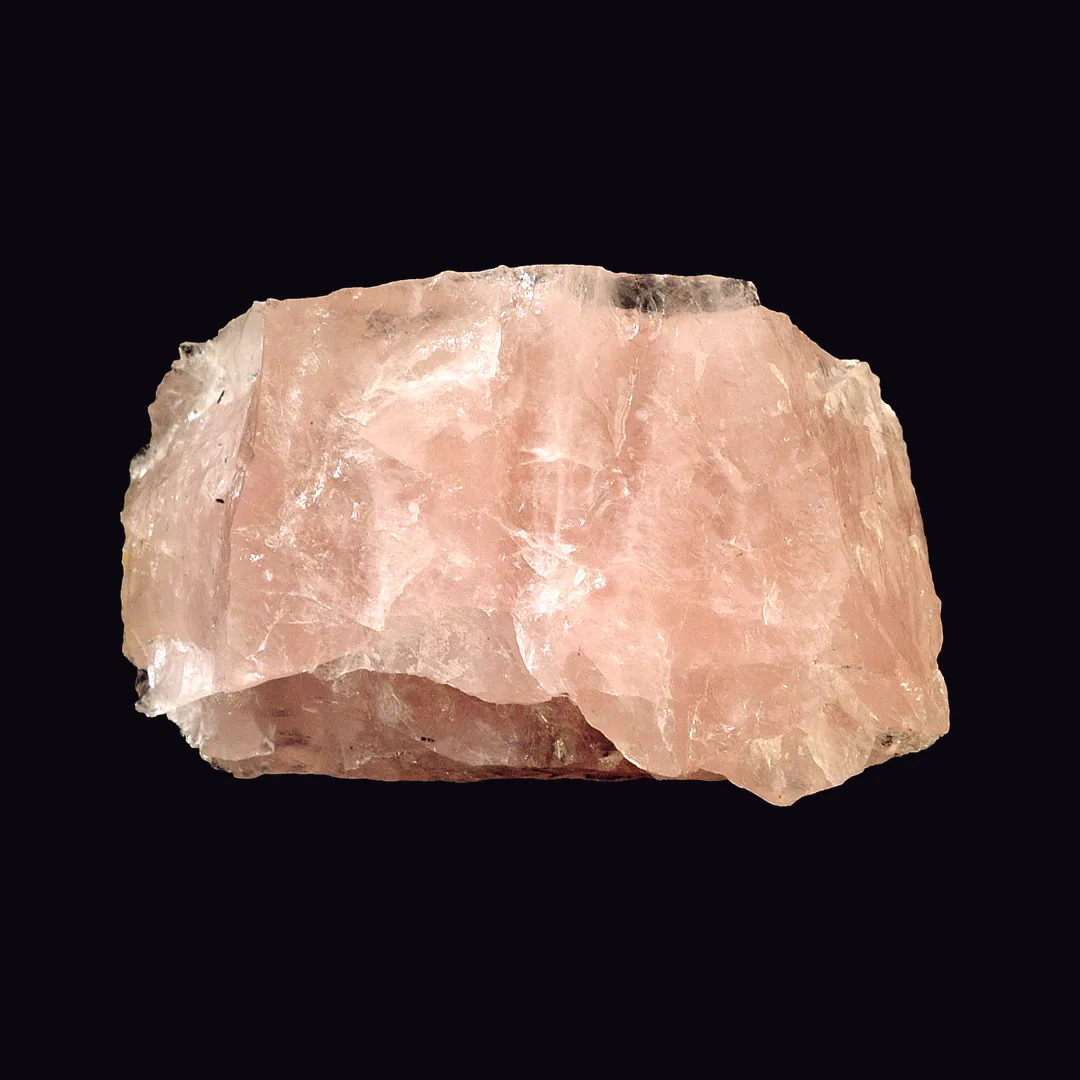
| Rose quartz | Love, self-worth, softness | Cheap, forgiving, the go-to heart stone |
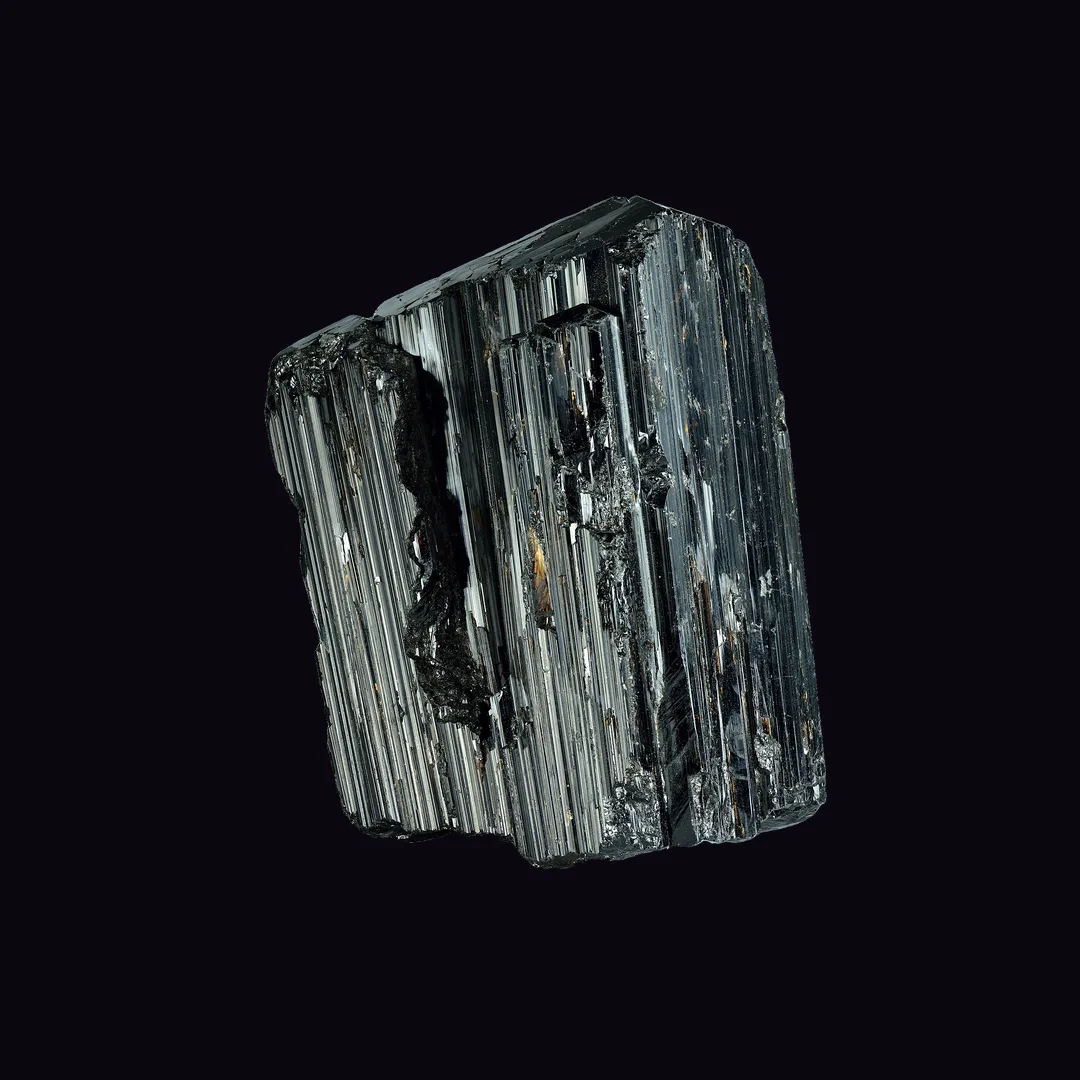
| Black tourmaline | Protection, grounding | The number-one "block the bad vibes" stone |
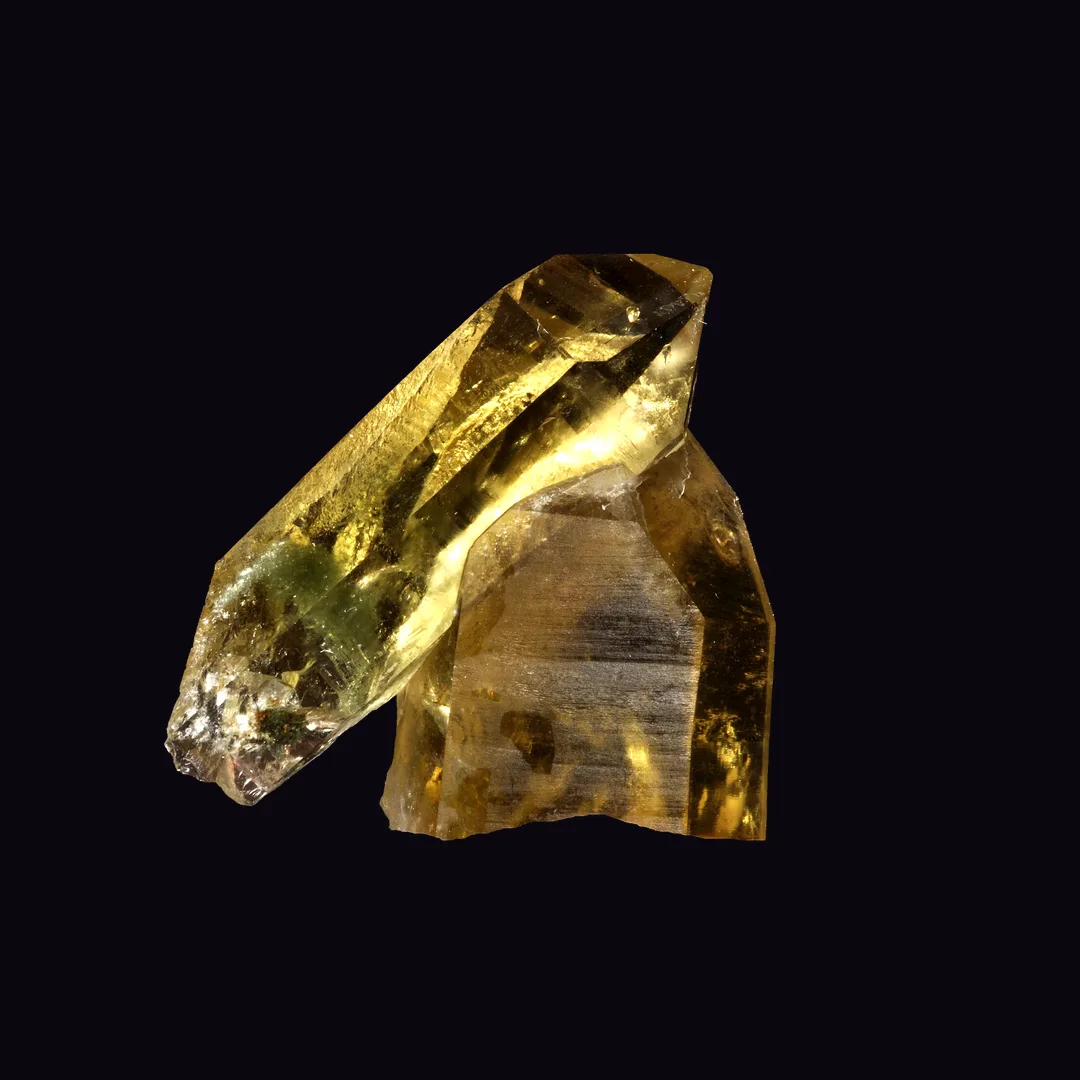
| Citrine | Confidence, abundance | Warm, motivating, tied to self-worth |
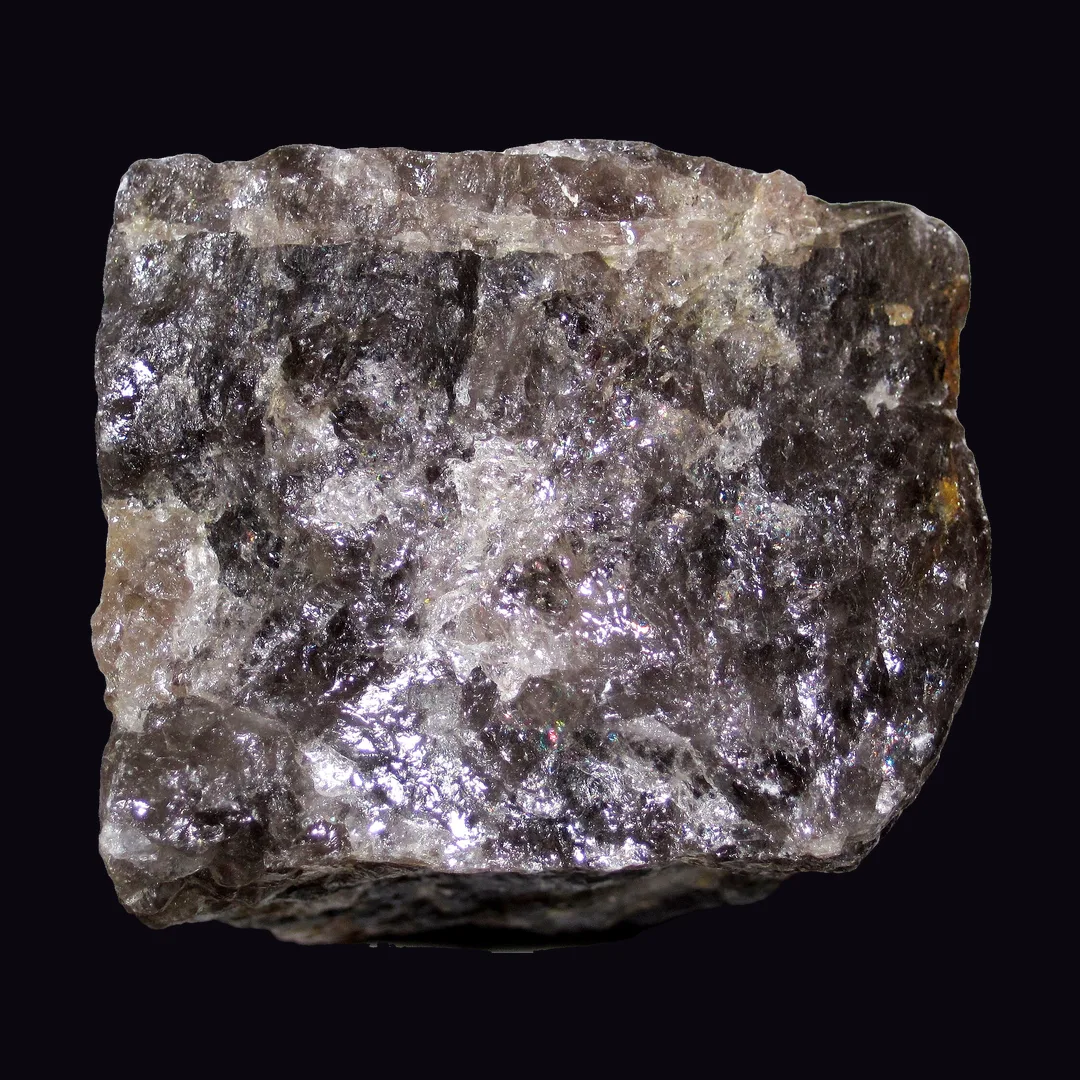
| Smoky quartz | Grounding, releasing stress | Durable quartz, great for anxious days |
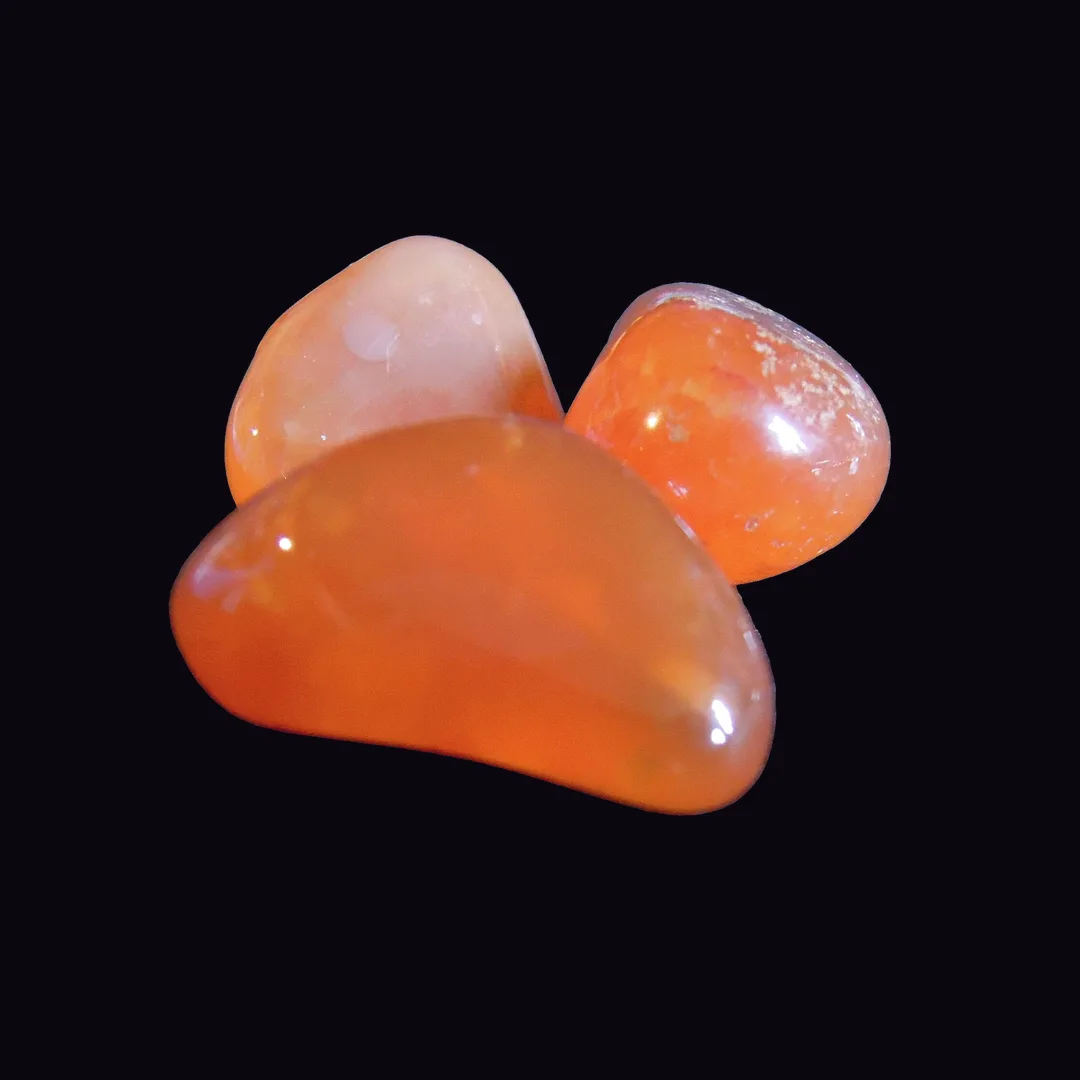
| Carnelian | Energy, drive, creativity | Bright, cheap, the "get moving" stone |
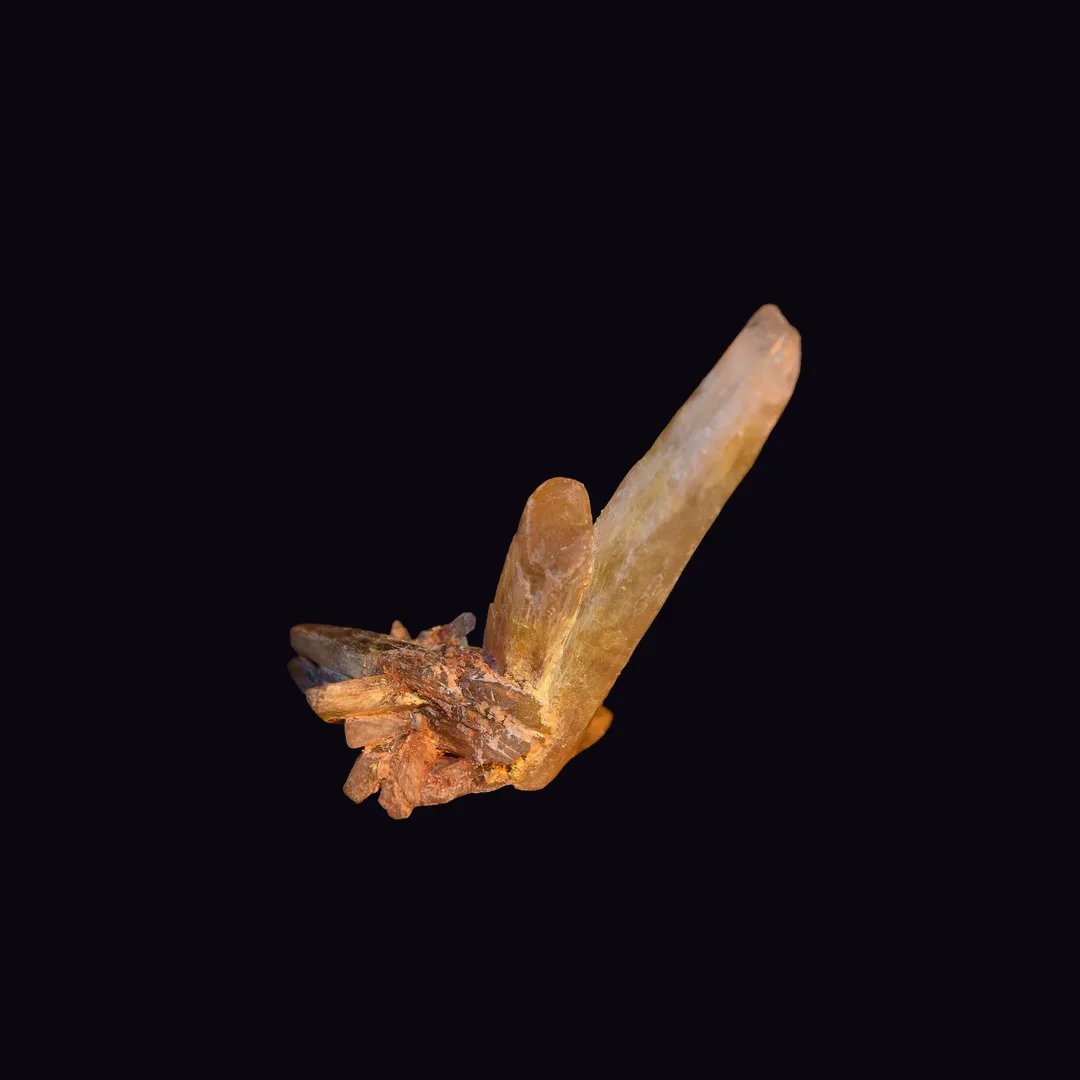
| Selenite | Cleansing other stones | Used to reset your whole collection |
Notice how much of that list is quartz. That's on purpose. Quartz-family stones sit at Mohs 7, so they shrug off water, sun and being carried in a pocket. They're the ones you learn on without fear.
Why each one earns its place
Clear quartz is the one to buy if you only buy one. It's the amplifier, the stone people pair with everything else to boost it, and it's dirt cheap. Get a point or a tumble.
Amethyst is most people's first crystal for a reason. It's the calm-and-sleep stone, it's everywhere, and it's beautiful. One note: it fades in direct sun, so charge it in moonlight, not a windowsill.
Rose quartz is the heart one. Self-love, softness, relationships. It's forgiving and cheap, and it's the stone people reach for on a rough day.
Black tourmaline is your protection pick. It's the "keep the chaos out" stone people put by the door or carry into draining situations. Every starter set wants one grounding-protection stone and this is it.
Citrine covers confidence and money. It's the warm, get-up-and-go stone tied to self-worth. Quick heads up: most "citrine" sold is heat-treated amethyst, which is fine and pretty but worth knowing about so you're not overpaying for "natural."
Smoky quartz is the grounding quartz. Where black tourmaline blocks, smoky quartz drains, so it's the one for stress and overthinking. Tough as any quartz.
Carnelian is the get-moving stone. Motivation, creativity, momentum, the counterweight to all the calming stones above. Bright orange, cheap, cheerful.
Selenite is the odd one out, and it's here for a job: cleansing your other stones. People rest their collection on a selenite plate to reset it. The catch is that selenite is soft and dissolves in water, so it's also your first lesson in stone care. Keep it dry, always.
What to skip at the start
Save your money and your patience by avoiding these early:
- Moldavite. Trendy, expensive, and the market is flooded with green glass fakes. Not a beginner buy.
- Anything sold as "natural citrine" at a premium. Most is heat-treated amethyst. Learn to tell before you pay up.
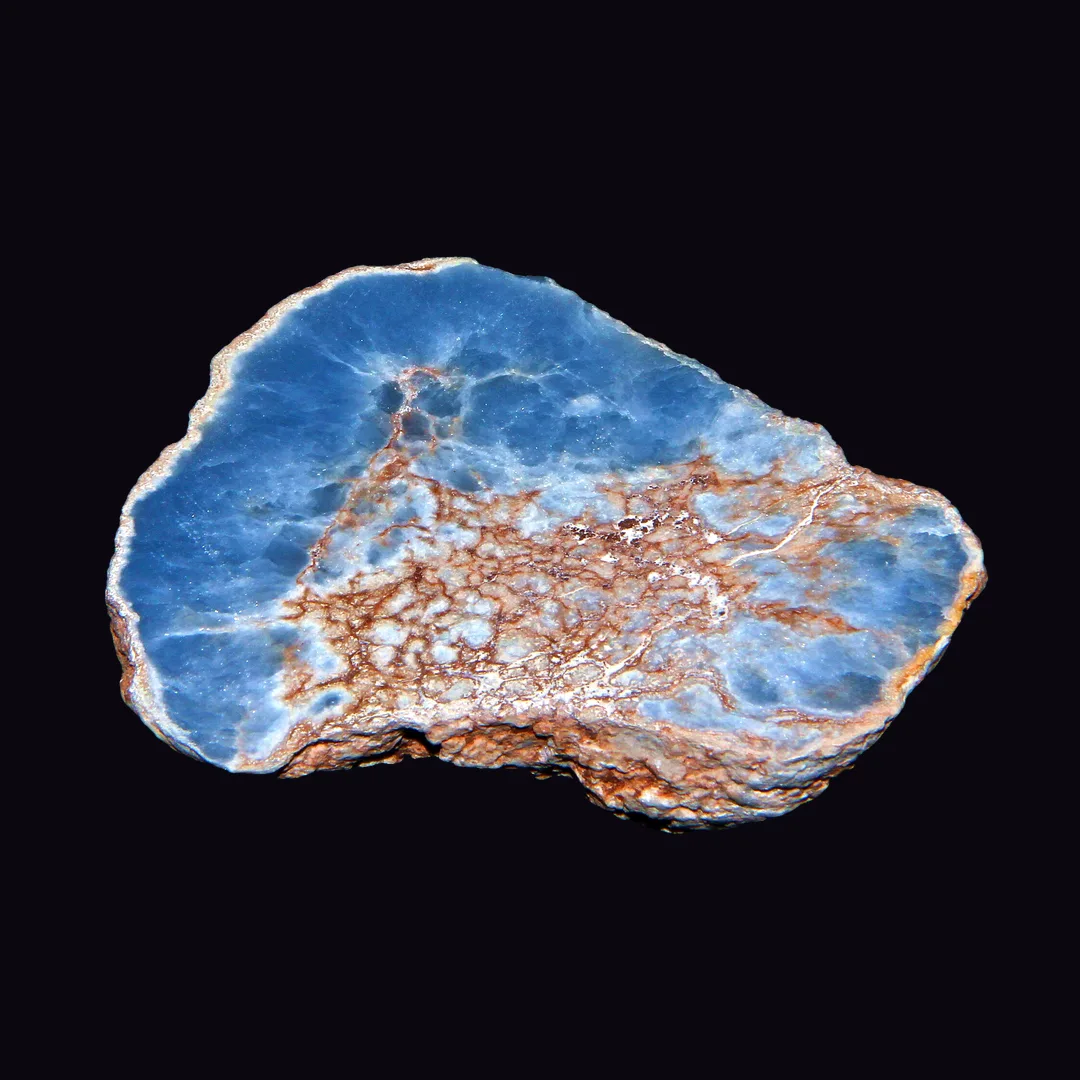
- Fragile, high-maintenance stones beyond your one selenite. Angelite, celestite, raw kyanite. Lovely, but easy to ruin while you're still learning.
- Giant showpiece towers. Size is the most marked-up thing in the shop. A small honest stone beats a big questionable one.
- Dyed stones dressed up as rare. Dyed howlite sold as turquoise is the classic. Bright, uniform, suspiciously cheap-looking-but-priced-high.
The theme: the beginner traps are all about authenticity and fragility. Cheap durable stones you can't screw up, first. Everything delicate or expensive, later.
How to care for your starter set
The good news about a mostly-quartz set is that it's nearly maintenance-free. Still, a few rules keep everything intact.
- Water: the quartz stones (clear quartz, amethyst, rose quartz, smoky quartz, carnelian) take a warm rinse fine. Selenite never gets wet, it dissolves. That's the one exception in this set.
- Sun: amethyst, rose quartz and citrine fade in direct sunlight over time. Charge them in moonlight instead of a hot windowsill.
- Cleansing: smoke, sound or a night of moonlight works on all eight. You don't need to buy a cleansing kit. This is also what the selenite is for, resting the others on it.
- Carrying: quartz is tough enough to pocket. Keep the softer selenite on a shelf, not in your bag with your keys.
Learn the care on these cheap durable stones and you'll know how to treat pricier ones later without the anxiety.
The cheap durable next four
When the eight feel worn in and you want more without falling into the fragile-and-expensive trap, these are the safe next step. All common or uncommon, none toxic, none dissolves in water, none fades in the sun.
Dalmatian stone is cream with black spots, kept for grounding and calm. Those spots are arfvedsonite, not black tourmaline, whatever the label says.
Snowflake obsidian is volcanic glass with pale crystal flowers growing inside it. Patience and shadow work. It is glass, so it chips, and a fresh chip is sharp.
Unakite is pink feldspar and green epidote in one grainy rock, kept for slow recovery.
Mookaite is mustard yellow and wine purple from one creek in Western Australia. Nobody bothers faking it.
The move that saves beginners the most
Here's the one nobody tells you. Before you buy your ninth crystal, figure out what you already own. Most beginners have a drawer of tumbles from gift shops and markets, half of them unlabeled, and they have no idea whether that green stone is aventurine, dyed howlite, or glass.
Knowing what you actually have does two things. It stops you buying doubles, and it flags the fakes before you build a whole practice around a piece of dyed glass. So scan the mystery stones in your drawer first. You'll probably find you're closer to the full eight-stone set than you thought, and you'll know which ones are the real thing.
A quick word on how to actually use them, because a starter set can sit in a drawer doing nothing. Pick the one that matches your week and carry it. Anxious stretch, pocket the smoky quartz or black tourmaline. Rough on yourself lately, keep the rose quartz where you'll see it. Need momentum, carnelian on the desk. The stone is a cue to check in with what you're feeling, nothing more mystical than that, and that's plenty for a beginner.
Start with the eight. Keep them cheap, keep the quartz ones in rotation, keep the selenite dry, and check what you own before you spend another dollar. That's a real beginning, not a shopping list.
The stones in this piece
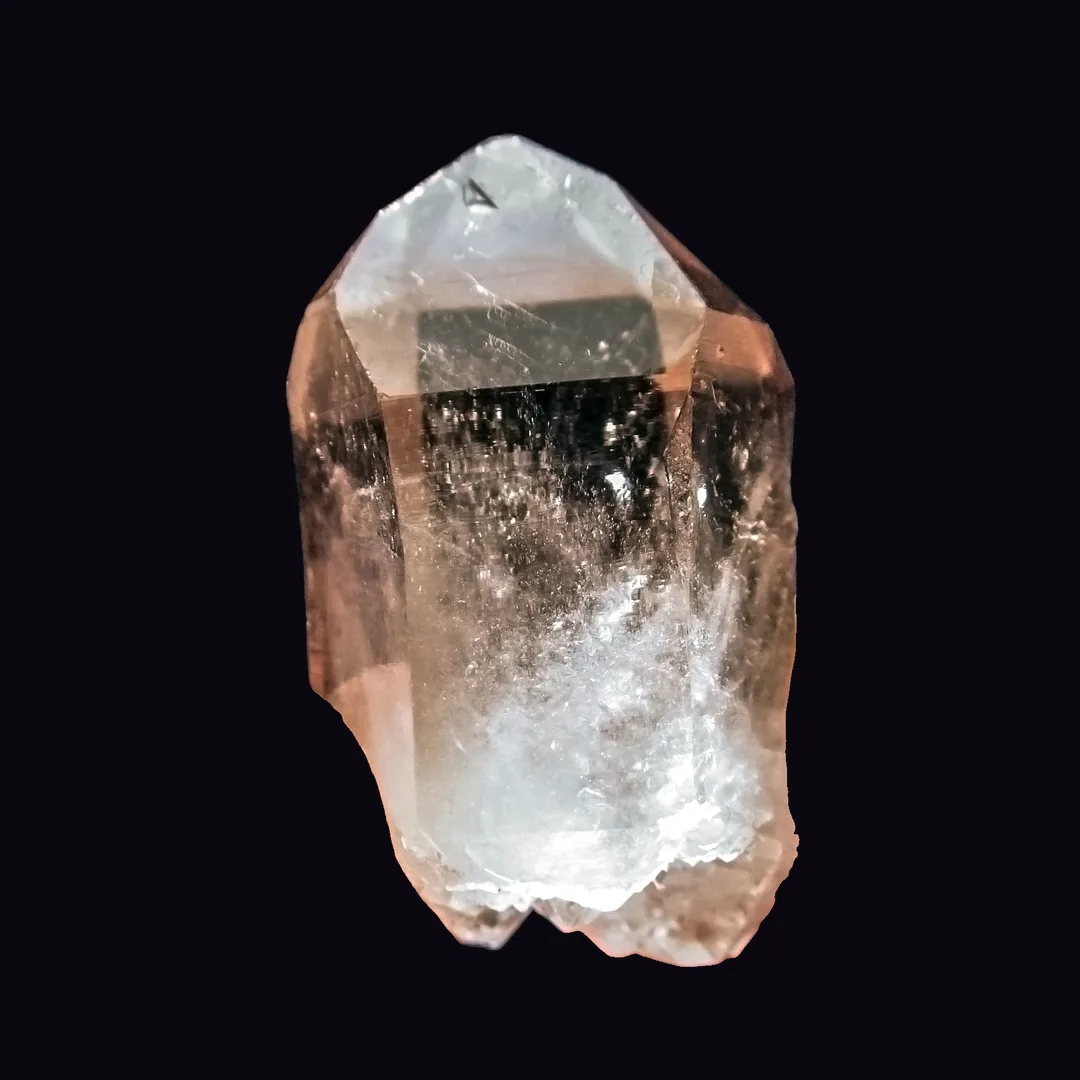 Clear QuartzRead the entry
 AmethystRead the entry
 Rose QuartzRead the entry
 Black TourmalineRead the entry
 Citrine (Natural)Read the entry
 Smoky QuartzRead the entry
 CarnelianRead the entry
 SeleniteRead the entry
 AngeliteRead the entry
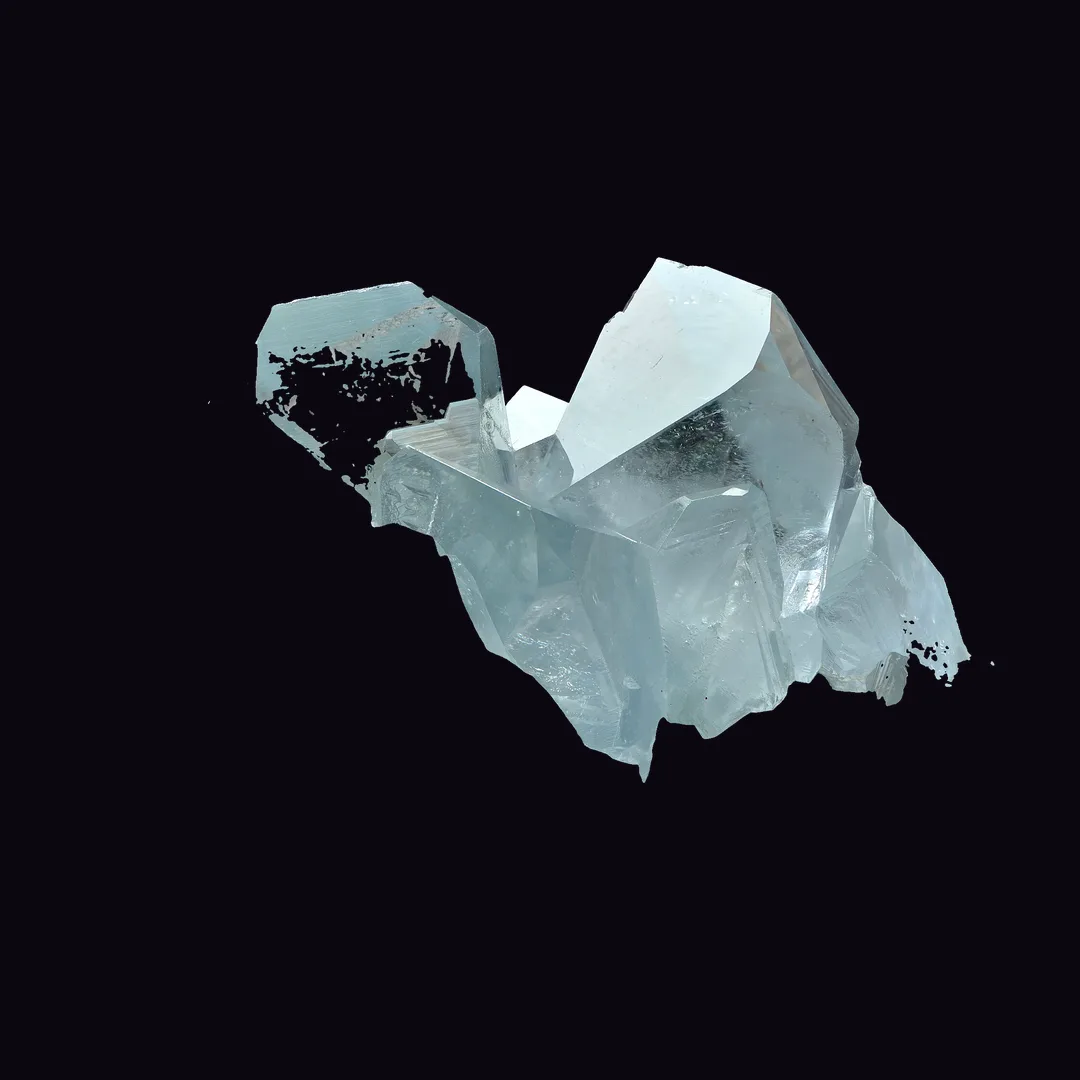 CelestiteRead the entry
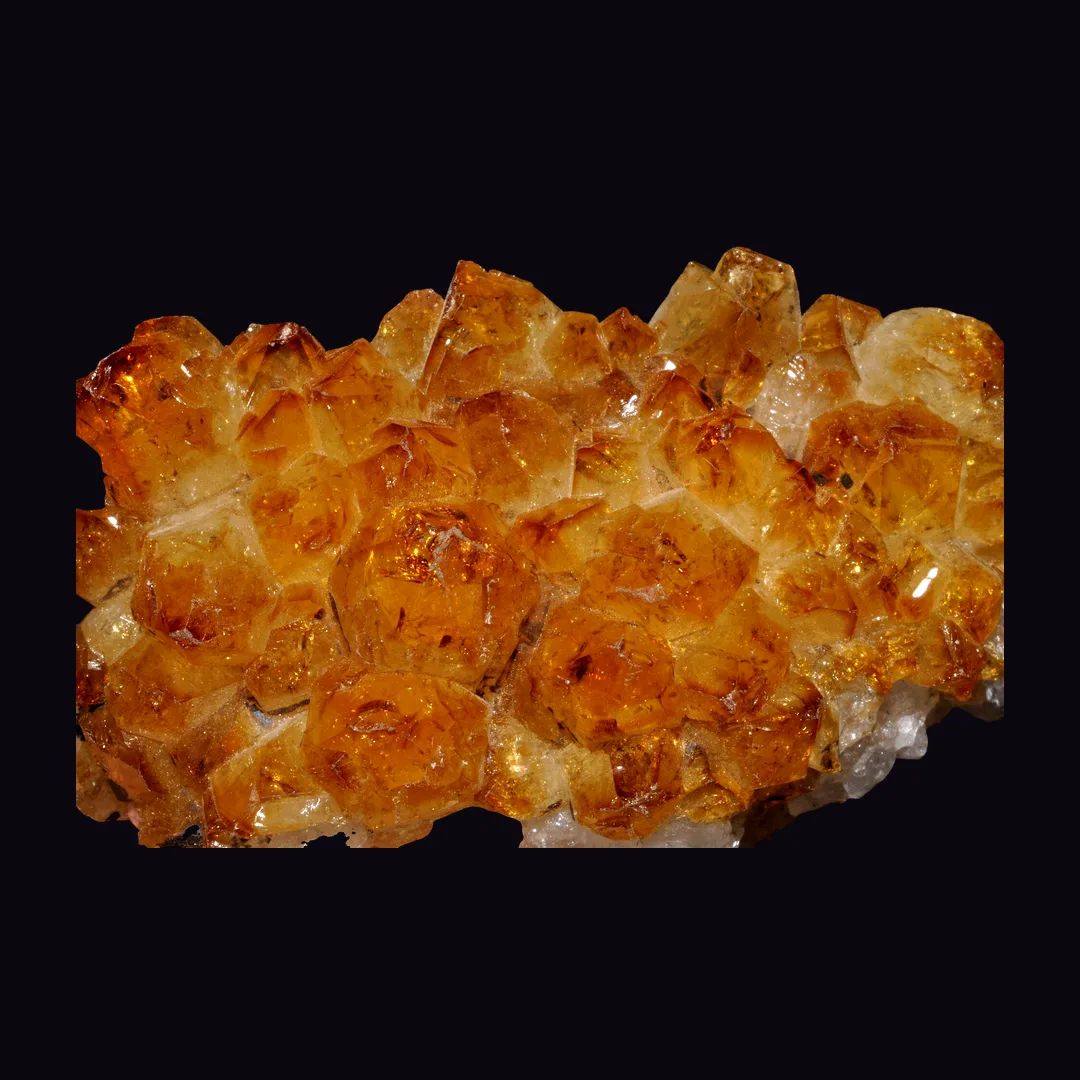 Citrine (Heat-Treated Amethyst)Read the entry
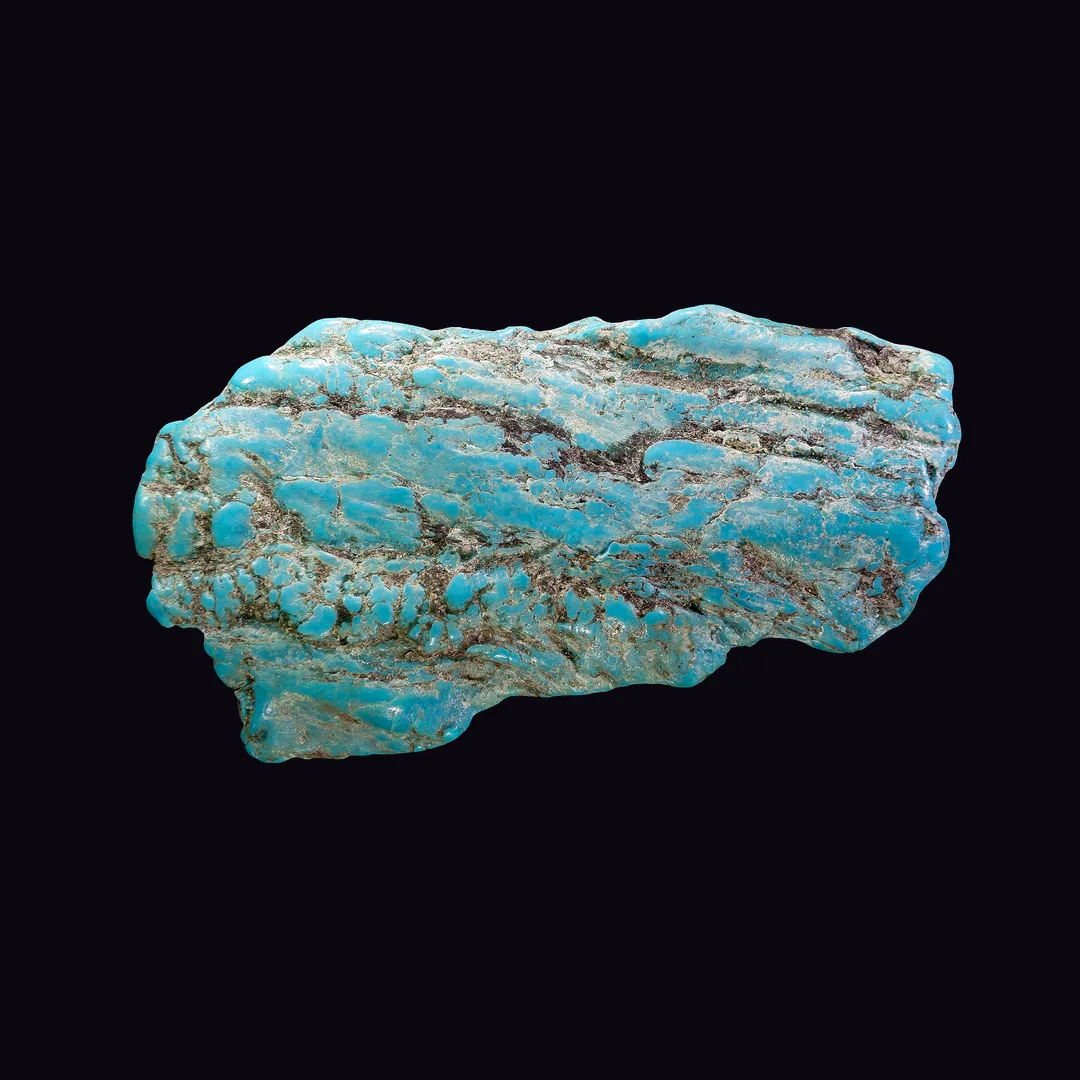 HowliteRead the entry
and 6 more named in this piece
Questions people ask
What crystals should a beginner start with?
Eight cover almost everything: clear quartz, amethyst, rose quartz, black tourmaline, citrine, smoky quartz, carnelian and selenite. That set gives you an all-purpose amplifier, calm, love, protection, confidence, grounding, energy and cleansing. Most are quartz, so they're cheap, common and hard to ruin.
How much should a beginner spend on crystals?
Not much. The starter stones are among the most common on earth, so tumbled versions are a few dollars each. Spend your caution on authenticity, not size. Cheap dyed or fake stones are everywhere, so it's worth checking what you actually bought before you pay up for anything bigger.
What crystals should beginners avoid buying first?
Skip the expensive, easily faked and high-maintenance ones early on: moldavite (mostly glass on the market), most 'citrine' (usually heat-treated amethyst), and delicate stones like selenite that dissolve if you look at them wrong. Learn on the cheap durable ones first.