June Birthstone: Pearl, Moonstone, and Alexandrite
Your sign · 5 min read · 18 August 2026
A pearl is what an animal builds around something it cannot get rid of. June gets three stones, and here is the honest way to choose between them.
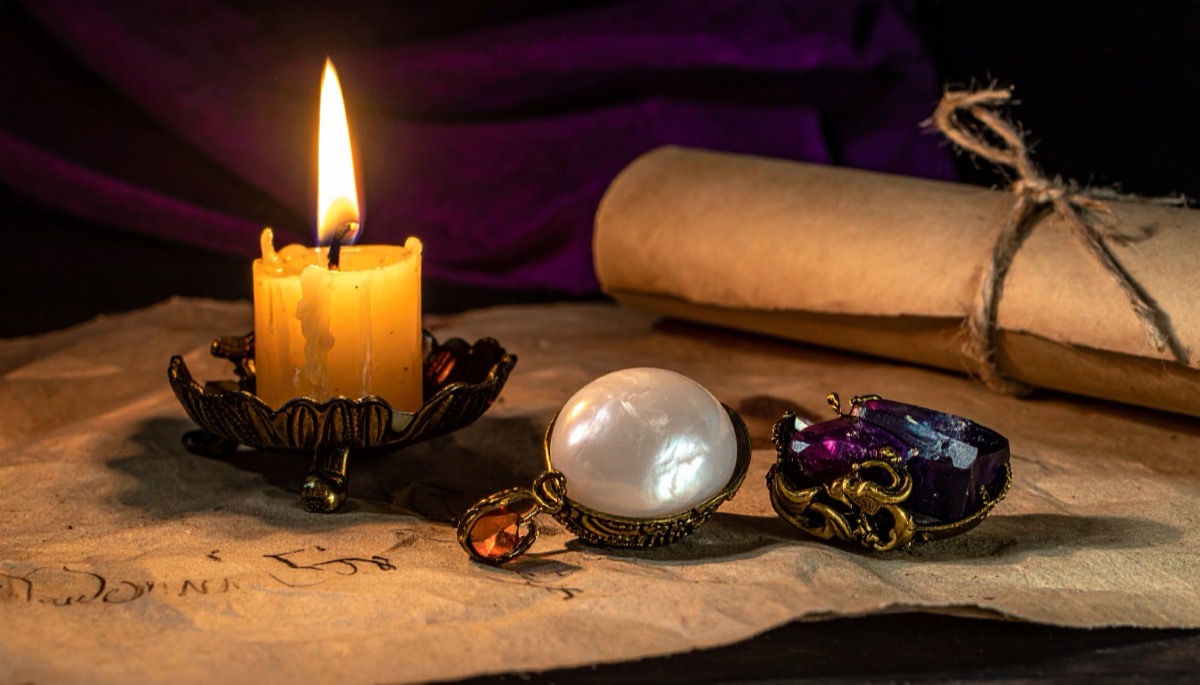
One of June's three stones came out of a living animal. A pearl is what a mollusc builds around something it cannot get rid of. It coats the problem until the problem is smooth.
Almost every pearl sold today is cultured. Someone opened the shell and put the irritant in on purpose. That is a farmed pearl rather than a fake one, and hardly any seller says it out loud.
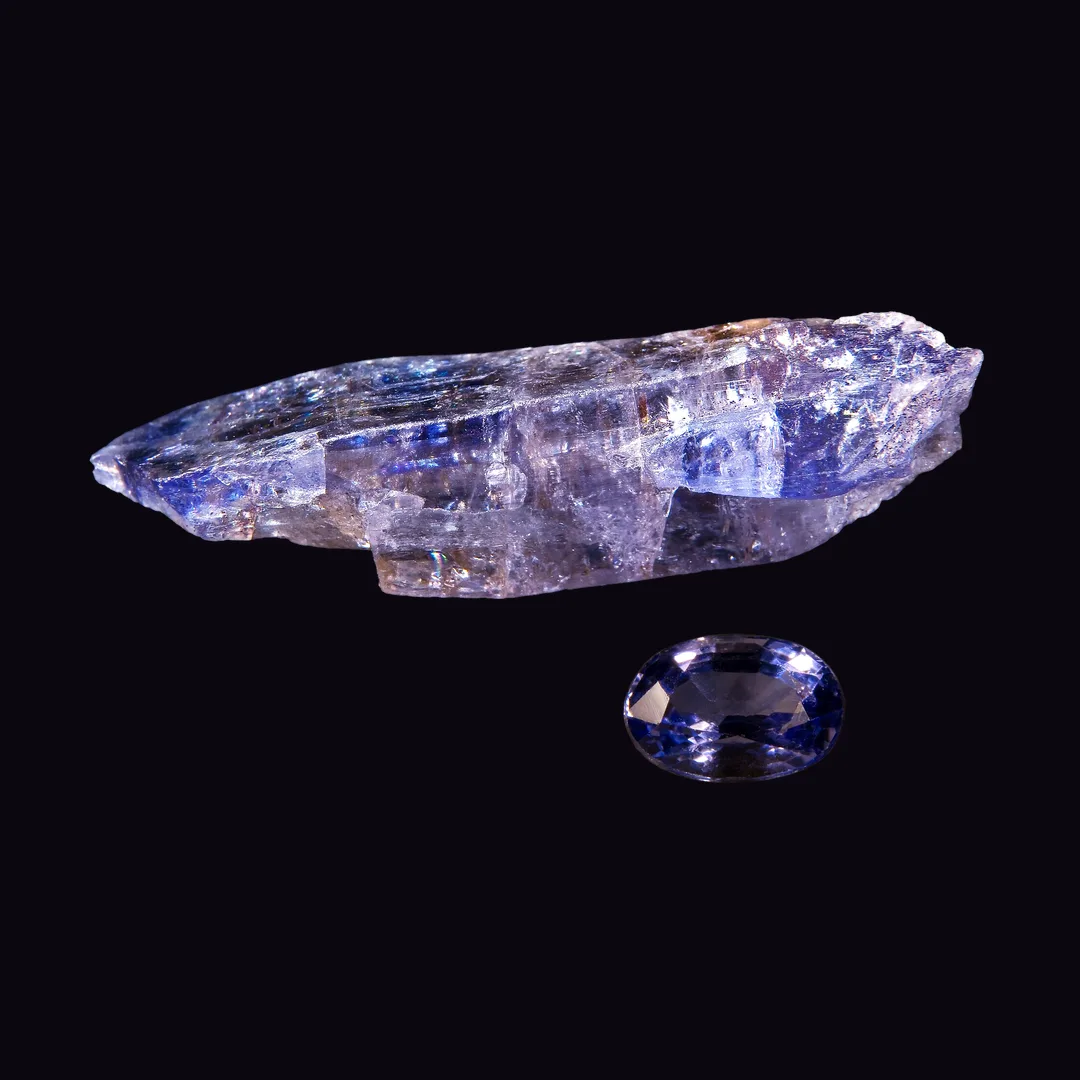
The birthstone list has been rewritten more than once as well. December had tanzanite added to it in 2002. Your stone depends on which edition you happen to be holding.
You already know how to do the pearl thing. Something lodged in you young, and you built a smooth surface over it so nobody would have to look.
The June birthstone is unusual because June has three official stones: pearl, moonstone, and alexandrite. Pearl is the classic choice, moonstone is the luminous modern alternative, and alexandrite is the rare color-shifter. If you were born in June, you get to pick the stone that matches your actual energy, not just the month on a chart.
Moonstone is feldspar with a soft glow inside it. Alexandrite is a rare chrysoberyl that changes colour under different light, and most cheap alexandrite is lab grown. Pearls dull easily, so keep them off perfume and away from anything acidic.
What the June birthstones mean
Pearl is the soft wisdom stone. It reads as gentle, feminine, and emotionally stabilizing, the stone of slow growth and quiet knowing. Because it's organic, it's also more fragile than mineral stones and can be damaged by sweat, perfume, and acids.
Moonstone is the lunar intuition stone. It reads the same soft and receptive way as pearl, with more mystery and dreaminess. The adularescence, that milky blue glow that moves under the surface, is what makes it visually unmistakable.
Alexandrite is the rare transformation stone. It shifts colour depending on the light, and that physical property maps onto themes of adaptability, duality, and seeing things from more than one angle. It's also extremely expensive and mostly lab-created on the market.
One honest note before the alternatives. No stone changes your life on its own, and anyone promising June stones will fix your emotions is overselling. What they do is give you a physical anchor for the intention of softness, intuition, or adaptability, which is a real and useful thing when you keep it modest. Use them that way and they earn the shelf.
June birthstone at a glance
| Stone | Colour | Carries | Real or substitute |
|---|---|---|---|
| Pearl | White to cream | Soft wisdom, calm, purity | Organic, real |
| Moonstone | Cream with blue glow | Intuition, dreams, cycles | Real, natural |
| Alexandrite | Green to red shift | Change, adaptability | Rare, mostly lab-grown |
| Opal | Milky with colour flash | Creativity, emotion | Real, fragile |
| Chalcedony | Soft blue/white | Calm, communication | Real |
Crystals that carry the same softness
If June's birthstones feel too precious or too specific, a few real stones give you the same luminous look.
Opal is the emotional creativity stone, milky with flashes of colour. It's fragile and can crack if dehydrated, but it carries a similar soft, receptive quality to moonstone and pearl.
Chalcedony is the calm communication stone, soft blue or white microcrystalline quartz. It's less dreamy than moonstone but covers the same gentle, soothing territory.
Lab-grown alexandrite is real alexandrite in structure, just created in a lab. It's a valid option if you want the colour-change effect without the five-figure price tag. Just buy from a seller that discloses it as lab-grown.
The part the birthstone chart skips
Your birth month gives you one stone. Your birth chart gives you the actual picture. A June birthday could be a moody Cancer who wants pearl's emotional softness or a curious Gemini who'd rather have alexandrite's duality, and the calendar can't tell the difference because it only knows the month.
That's the reason to go past the birthstone. Enter your birth date, time, and place in Oraclite and it reads your real placements, then matches stones to the parts of you a one-stone-per-month chart can't see. Start with pearl or moonstone, pull your chart, and let the picks get specific from there. June stones are a strong opening move. They just aren't the whole hand.
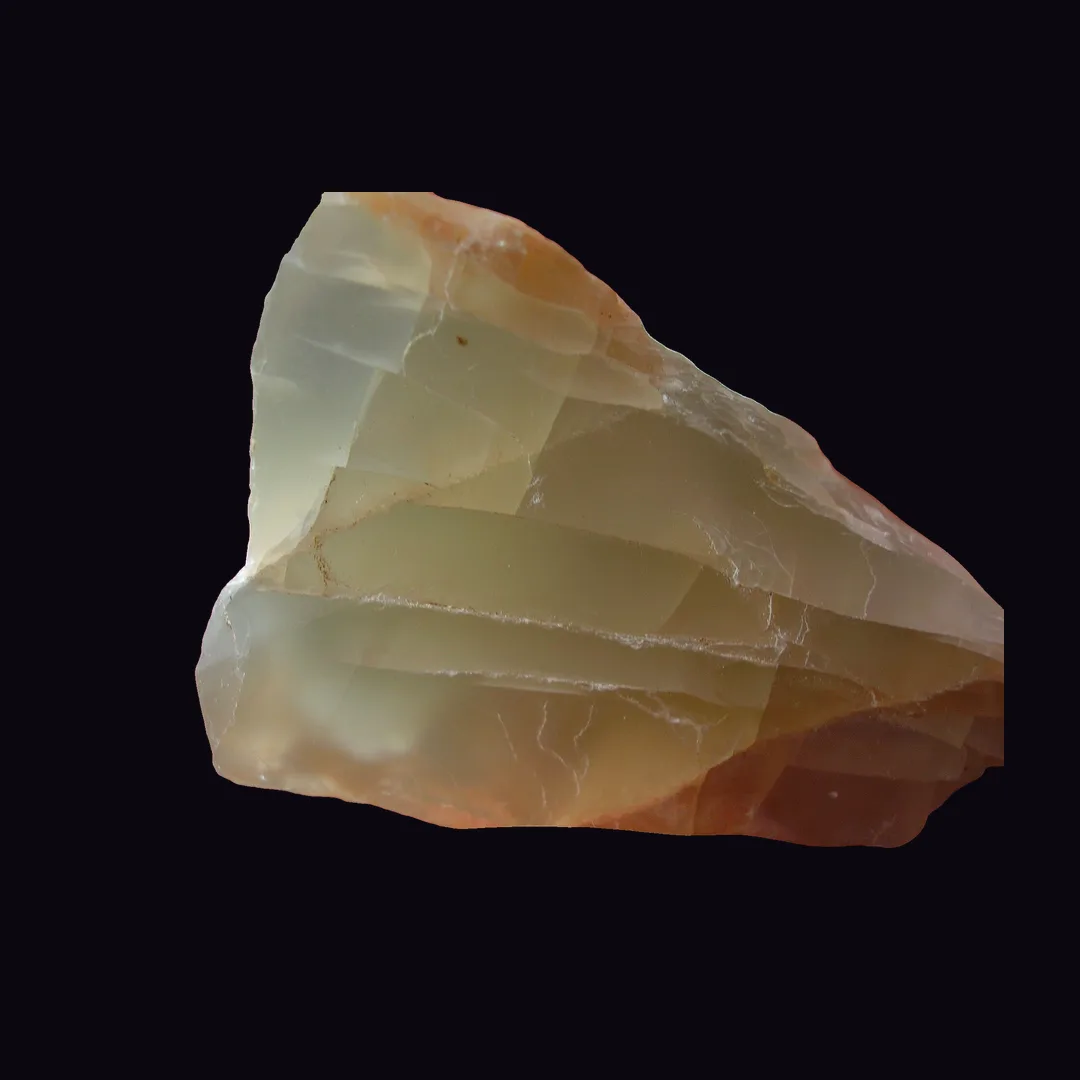
The stones in this piece
Questions people ask
What is the birthstone for June?
June has three birthstones: pearl, moonstone, and alexandrite. Pearl is the traditional organic choice, moonstone is the luminous modern alternative, and alexandrite is the rare colour-shifting chrysoberyl.
What do the June birthstones mean?
Pearl carries soft wisdom and emotional calm. Moonstone carries intuition, dreams, and lunar cycles. Alexandrite carries change, adaptability, and seeing things from more than one angle.
Are there alternatives to pearl, moonstone, or alexandrite for June?
Yes. Opal and chalcedony carry similar soft, luminous, or calming energy. Lab-grown alexandrite is a real and much cheaper alternative to natural alexandrite. Your birth chart can point you toward which one fits you rather than just your birth month.