January Birthstone: Garnet, the Stone That Runs Hot
Your sign · 5 min read · 18 August 2026
Garnet comes in green and orange as well, but January only ever gets shown the dark red one. Here is the honest version, and what it is actually for.
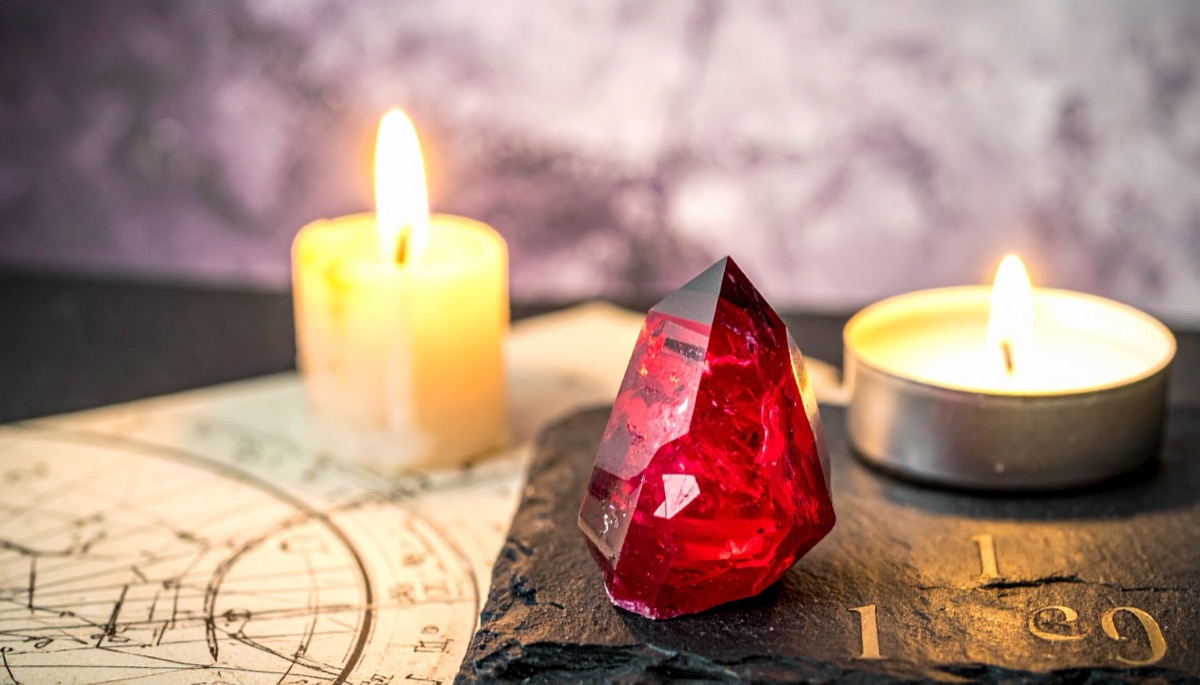
Garnet is not one stone and it is not always red. Green garnets exist, and so do orange ones. Garnet is a family name, the way quartz is.
The charts only ever show you the dark red one. Green demantoid garnet is rarer and dearer than the red kind. Nobody puts that in the January graphic.
So you got handed one version of something with a lot more range in it. That has been done to you as well. Someone decided which part of you was the useful part, and kept using that part.
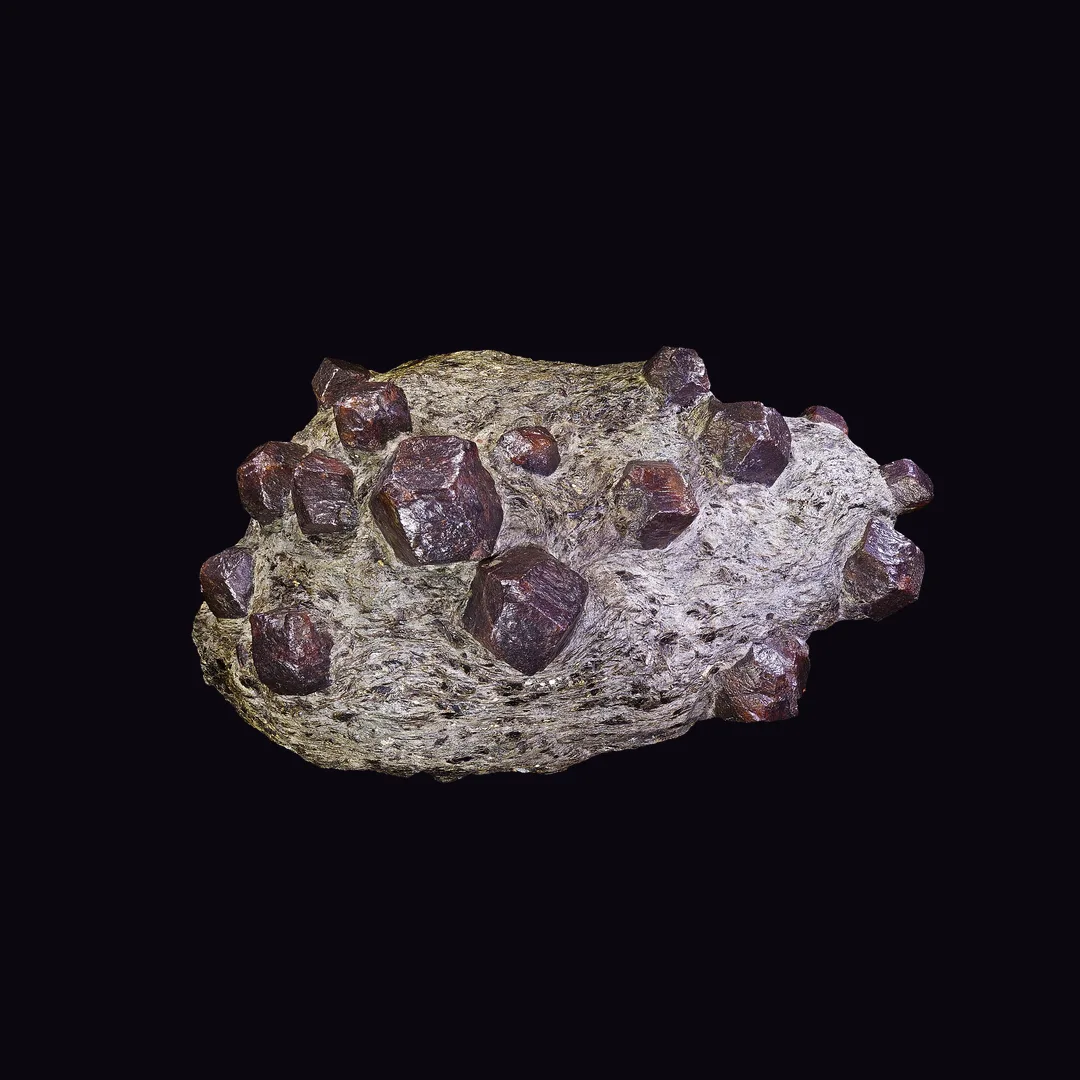
The January birthstone is garnet, a deep red stone tied to passion, protection, and vitality. It's one of the honest ones on the birthstone calendar: garnet is real, affordable, and actually the stone you picture when you hear the name. No lab substitute, no marketing sleight of hand. If you were born in January, your stone runs hot.
The red tracks with iron in the crystal. People carried garnet on long roads as a protective stone, and that use is well recorded. It is hard enough to wear every day.
What garnet actually means
Garnet's whole story is passion plus protection, which is a rarer combination than it sounds. Most stones lean one way. Garnet gives you the wanting and the boundary at once: the fire to go after something and the grounding to not burn yourself down doing it. That's why it reads as a vitality stone rather than a soothing one. If you run cold or drained, garnet is the traditional pick to feel switched back on.
One honest note before the alternatives. No stone changes your life on its own, and anyone telling you garnet will fix how you feel is selling. What a well-matched stone does is give you a physical anchor for an intention you keep circling back to. Garnet happens to be a good anchor for drive and self-protection, which is what makes it worth the shelf.
January birthstone at a glance
| Stone | Colour | Carries | Real or substitute |
|---|---|---|---|
| Garnet | Deep red | Passion, protection, vitality | Real, the actual stone |
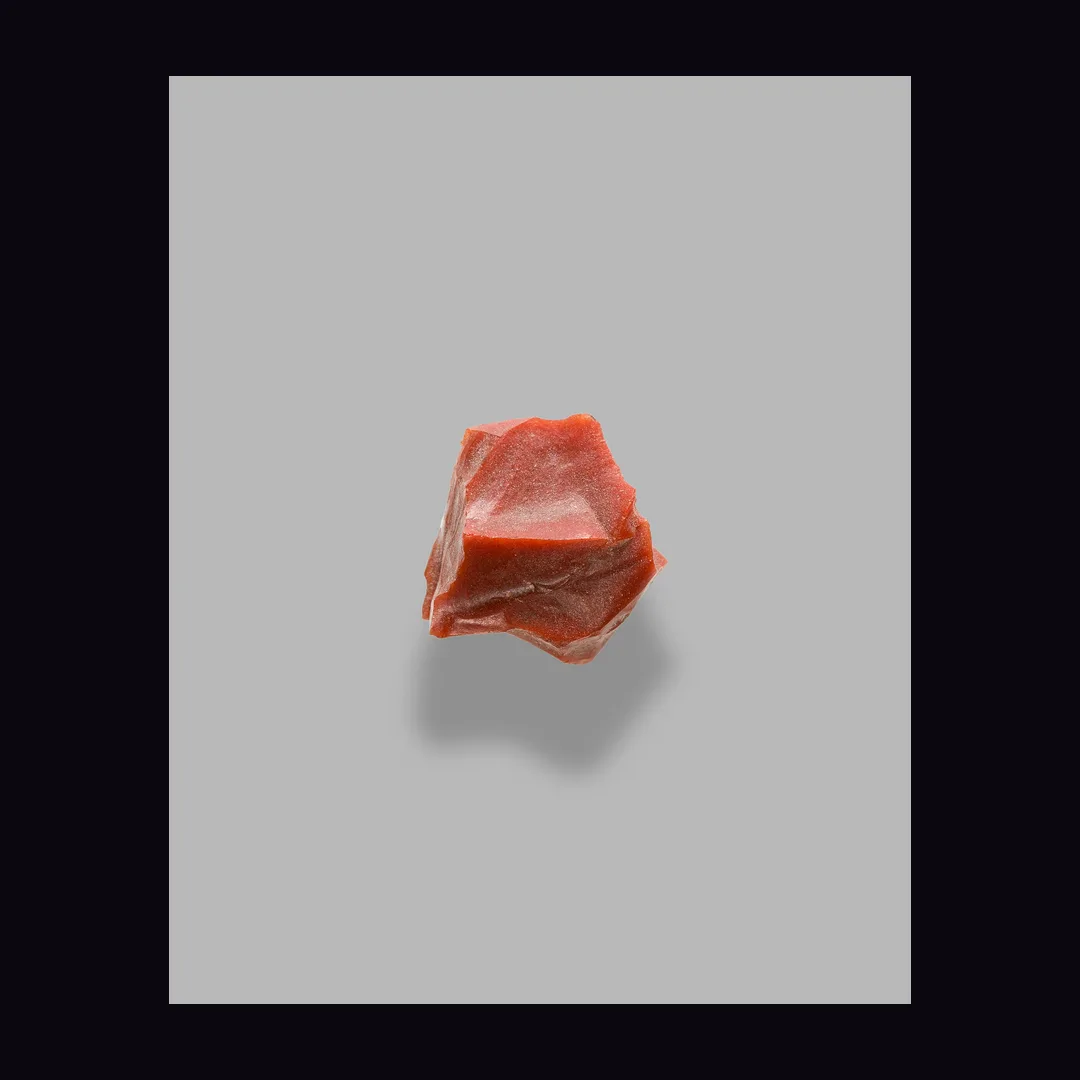
| Red jasper | Brick red | Grounding, stamina | Real |
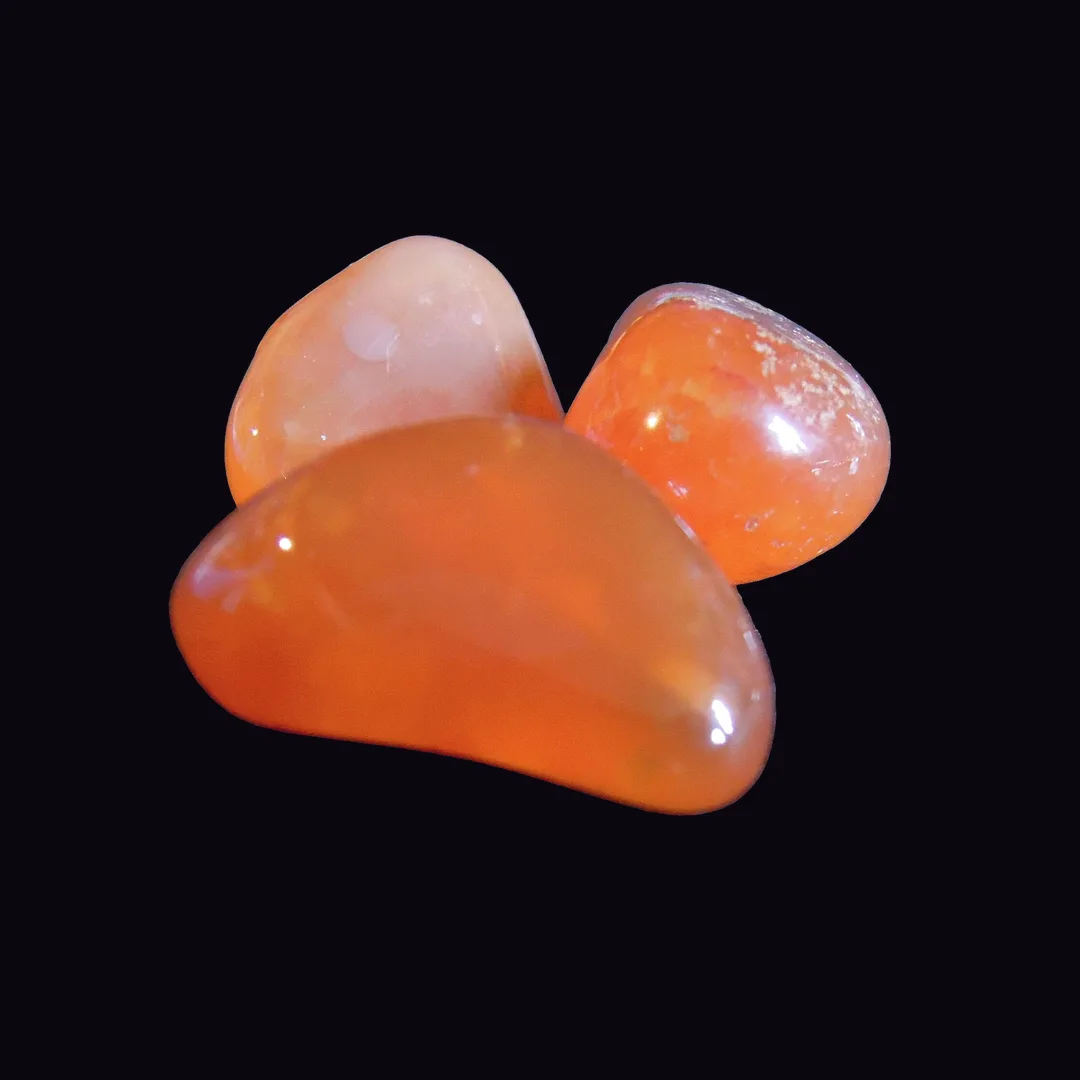
| Carnelian | Orange-red | Courage, motivation | Real (some is heated agate) |
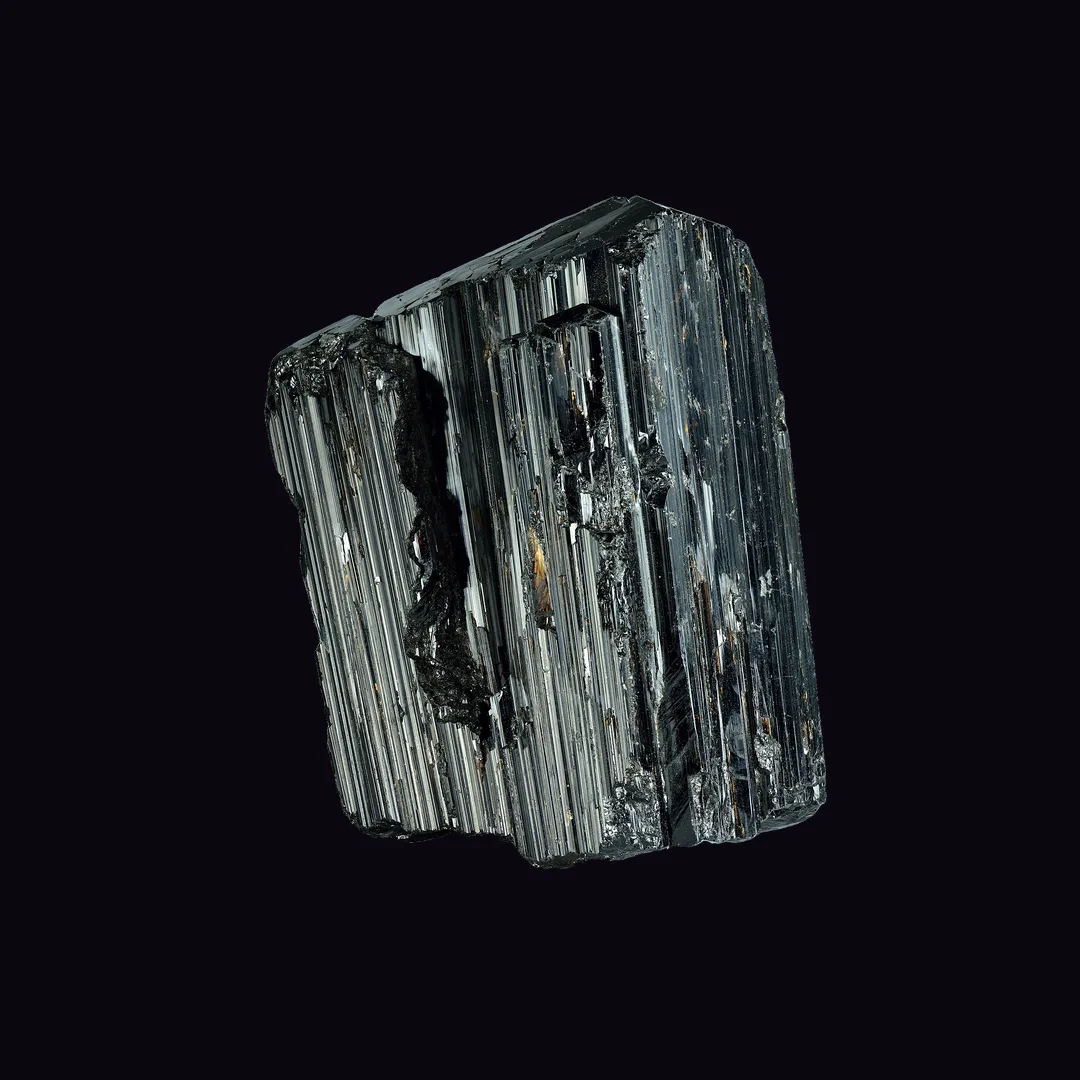
| Black tourmaline | Black | Protection, boundaries | Real |
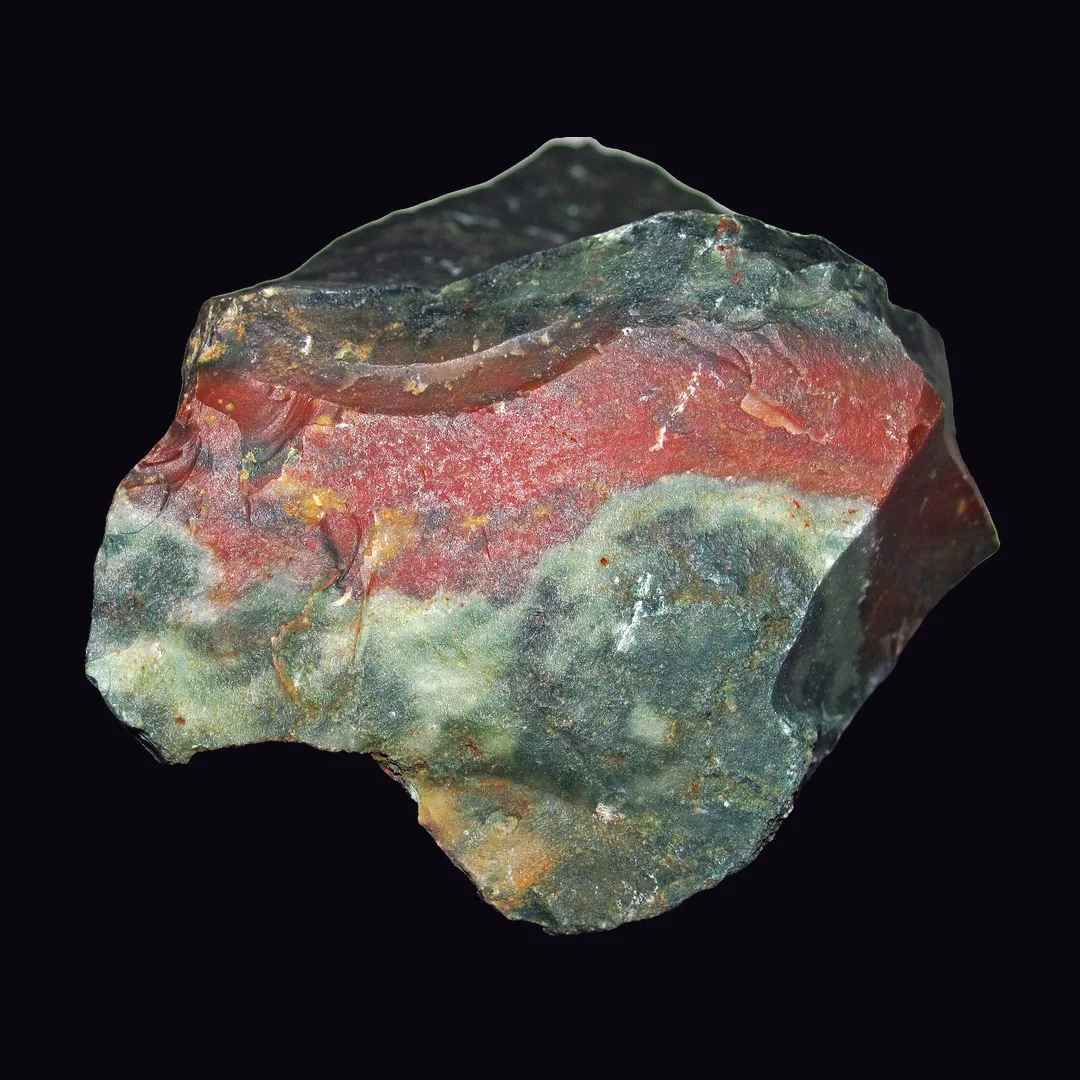
| Bloodstone | Green with red flecks | Vitality, courage | Real |
Crystals that carry the same fire
If garnet's your birthstone but you want options with the same red-and-grounded feel, a few real stones cover it from different angles.
Red jasper is the stamina pick. It's a soft, earthy brick red, traditionally used for endurance and staying steady when things drag on. Where garnet is fire, red jasper is the slow burn that doesn't quit.
Carnelian is the motivation stone, a brighter orange-red tied to courage and getting yourself moving. Fair and honest note: a lot of carnelian on the market is heated agate, which deepens the colour. It's still real chalcedony and completely fine to own, it's just worth knowing the vivid ones are often kiln-warmed rather than that saturated straight from the ground.
Black tourmaline covers the protection half without the red. It's the classic boundary stone, the one people keep by the door or in a bag for shielding. If garnet's protective side is what pulls you, this is the pure version of that.
Bloodstone is the old vitality stone, dark green shot through with red flecks that look like exactly what the name says. It's tied to courage and stamina, and it doubles as the older secondary birthstone for March, so it shows up on more than one calendar.
The part the birthstone chart skips
Your birth month gives you one stone. Your birth chart gives you the actual picture. A January birthday could be a fiery Capricorn who wants garnet's discipline or an airy Aquarius who'd rather have something that matches a completely different temperament, and the calendar can't tell the difference because it only knows the month.
That's the reason to go past the birthstone. Enter your birth date, time, and place in Oraclite and it reads your real placements, then matches stones to the parts of you a one-stone-per-month chart can't see. Start a collection with garnet, pull your chart, and let the picks get specific from there. Garnet's a strong opening move. It just isn't the whole hand.
The stones in this piece
Questions people ask
What is the birthstone for January?
Garnet. It's the modern and traditional January birthstone, a deep red silicate mineral linked to passion, protection, and vitality. Garnet is real, common enough to be affordable, and one of the few birthstones that's genuinely the stone people picture when they hear the name, no lab substitute needed.
What does the January birthstone mean?
Garnet carries themes of passion, courage, and grounded energy. Historically it was worn for protection on journeys and as a symbol of loyalty and returning home safely. Red and iron-linked, it reads as a vitality stone, the one you reach for when you want drive and steadiness in the same object rather than calm and softness.
Are there alternatives to garnet for January?
Yes. If you want the same red fire and grounding without garnet specifically, red jasper, carnelian, and bloodstone all cover the vitality-and-protection side, and black tourmaline handles the protective boundary angle. All four are real stones, not lab-made, and each does a slightly different job. Your birth chart can point you toward which one fits you rather than just your birth month.